Direct Sow vs Transplant: Choose the Right Method
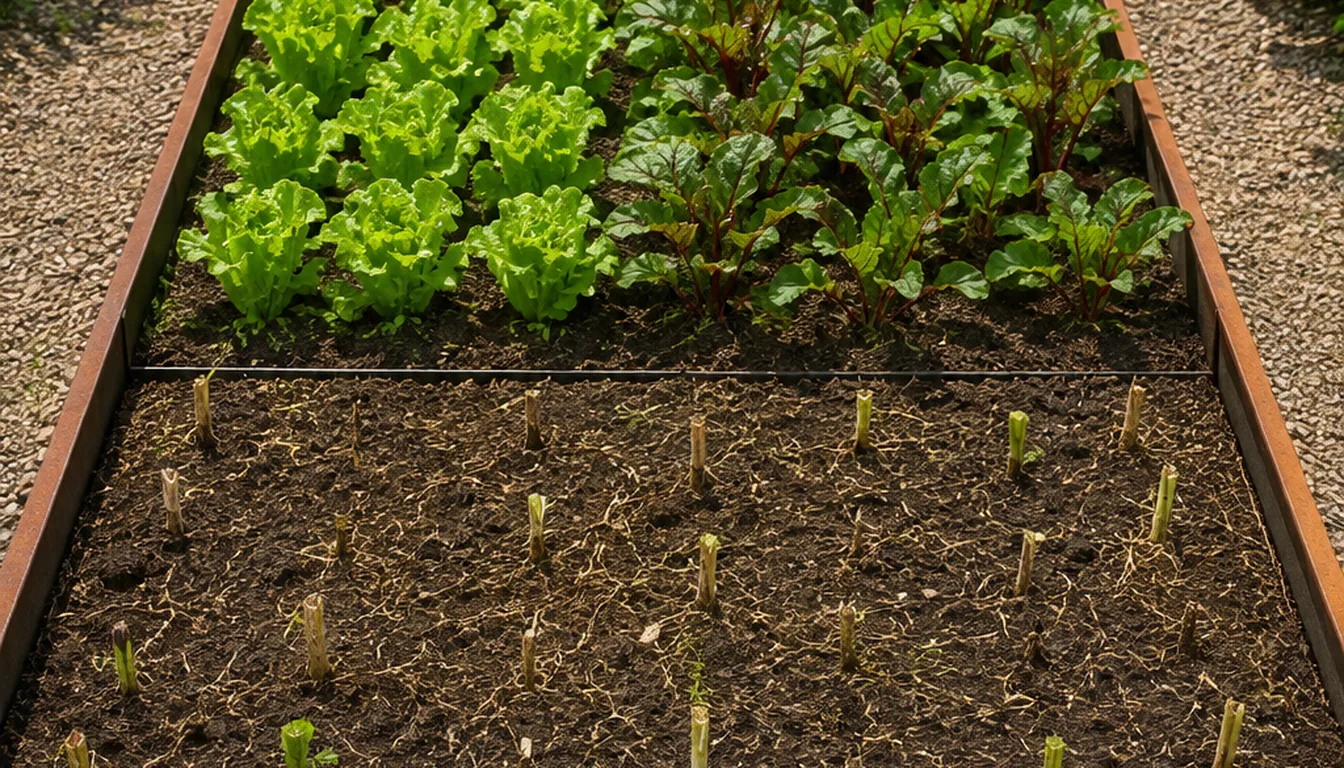
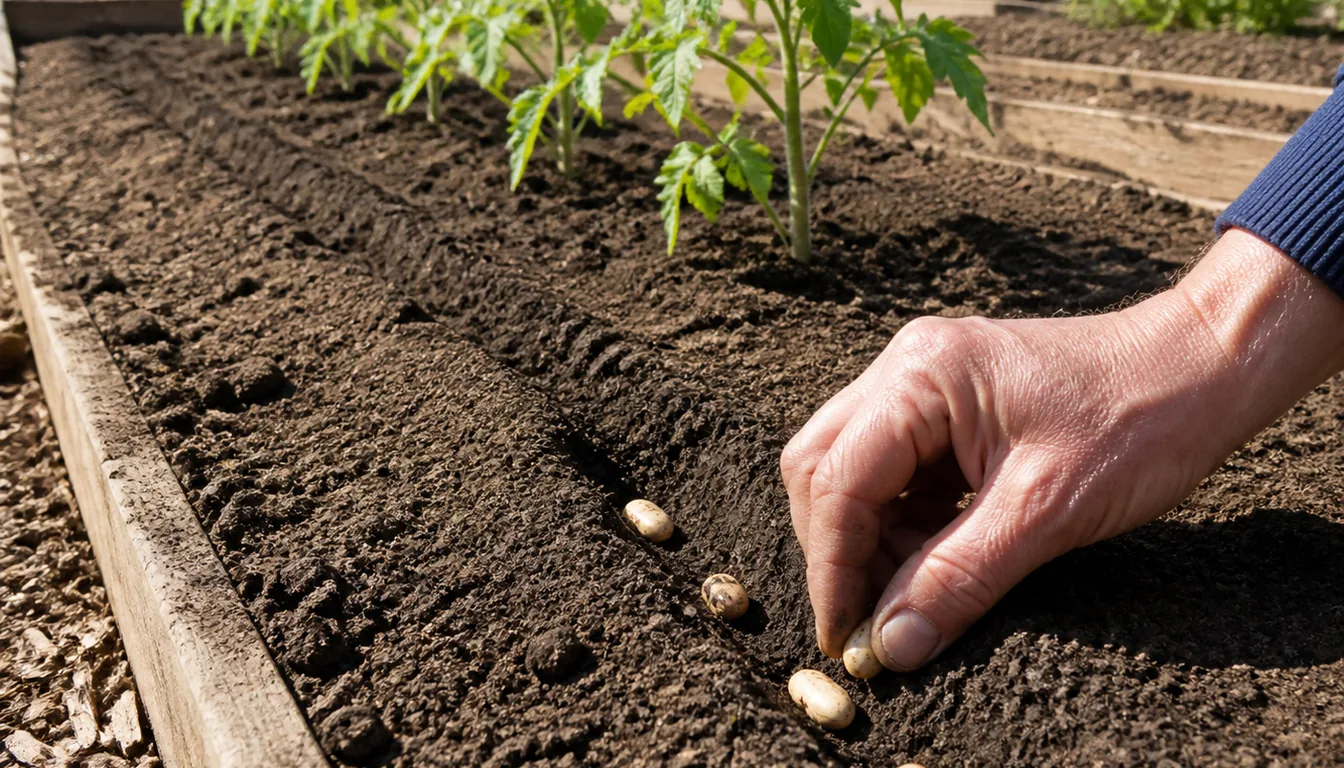
Direct sow when a crop establishes well outdoors and gains little from being started elsewhere.

Garden Guides / Planting
Learn when to plant, how to prepare soil, and how to start seeds or transplants correctly for vegetables, herbs, houseplants, and ornamentals.
Use the foundation first, then choose a narrower guide for your exact task.
These guides help you choose plants that fit the light, soil, and space you have, then get them started from seed, transplant, or cutting at the right time.
Selection guides match plants to dim rooms, shade beds, hot full-sun beds, and slopes that need ground cover, and to yards that need a privacy screen or a tree that grows quickly.
Color guides plan flowers by hue, including why many flowers sold as blue open violet or mauve in a bed. Season guides cover spring through winter bloom and fragrance.
Habitat guides separate host plants that feed caterpillars from nectar plants that feed adult butterflies, and cover pollinators, hummingbirds, ladybugs, and a cut flower bed.
Seed guides cover starting indoors, choosing between direct sowing and transplanting, hardening off, thinning, and testing old seed. Bed guides cover a first vegetable plot, succession planting, and no-dig beds.
Indoor guides cover potting mix, drainage holes, repotting, propagation, and how care changes through the year. One explains why houseplants do not measurably clean the air in a real room.
Crop guides cover raspberries, watermelon, and rosemary, and when butternut squash is ready to cut. One shows how to divide hostas.
52 matching guides
Search checks titles, introductions, and summaries inside this topic. Reading depth uses the listed minutes; sorting uses update date, title, or reading time.
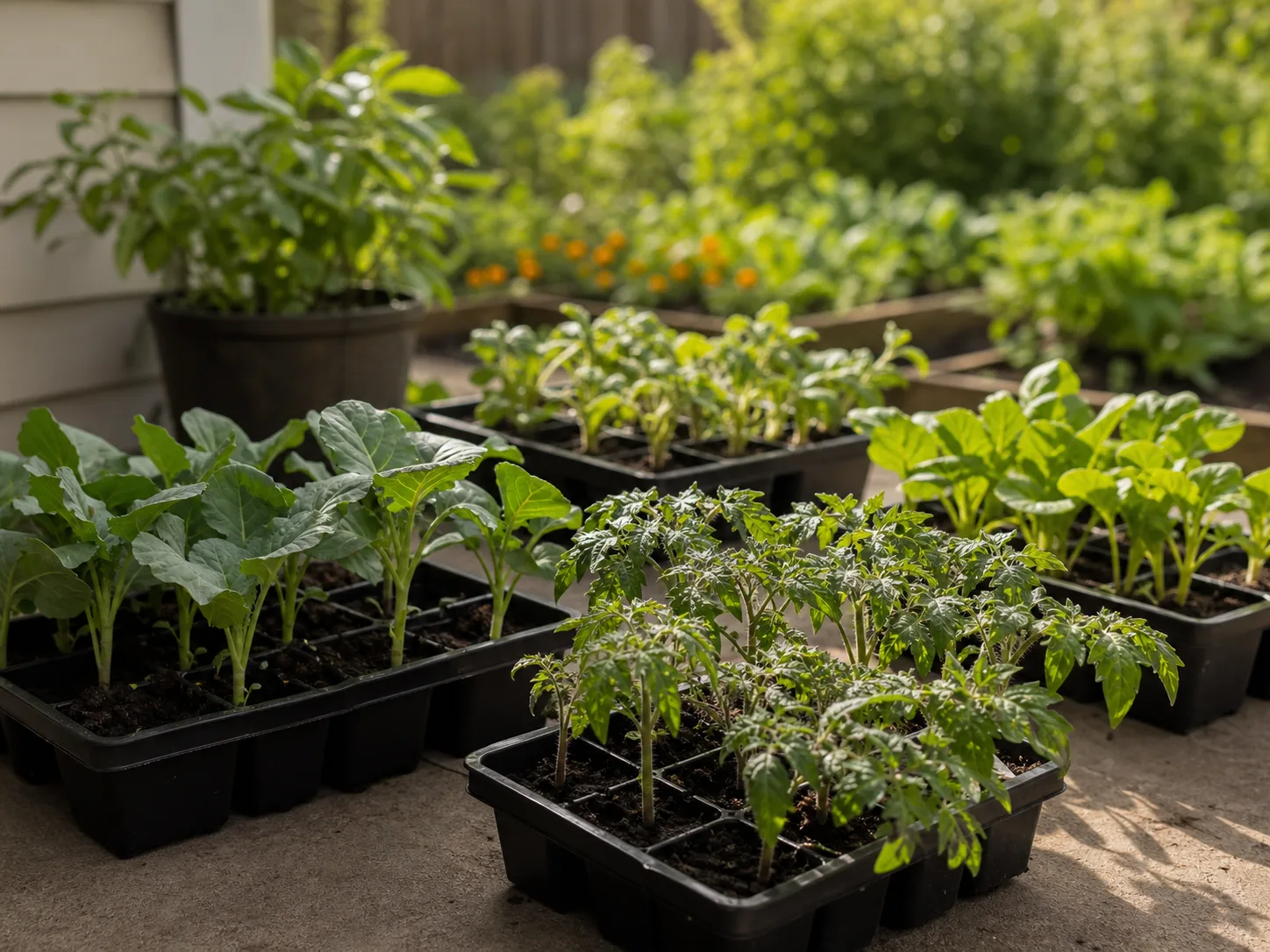
Direct sow when a crop establishes well outdoors and gains little from being started elsewhere.
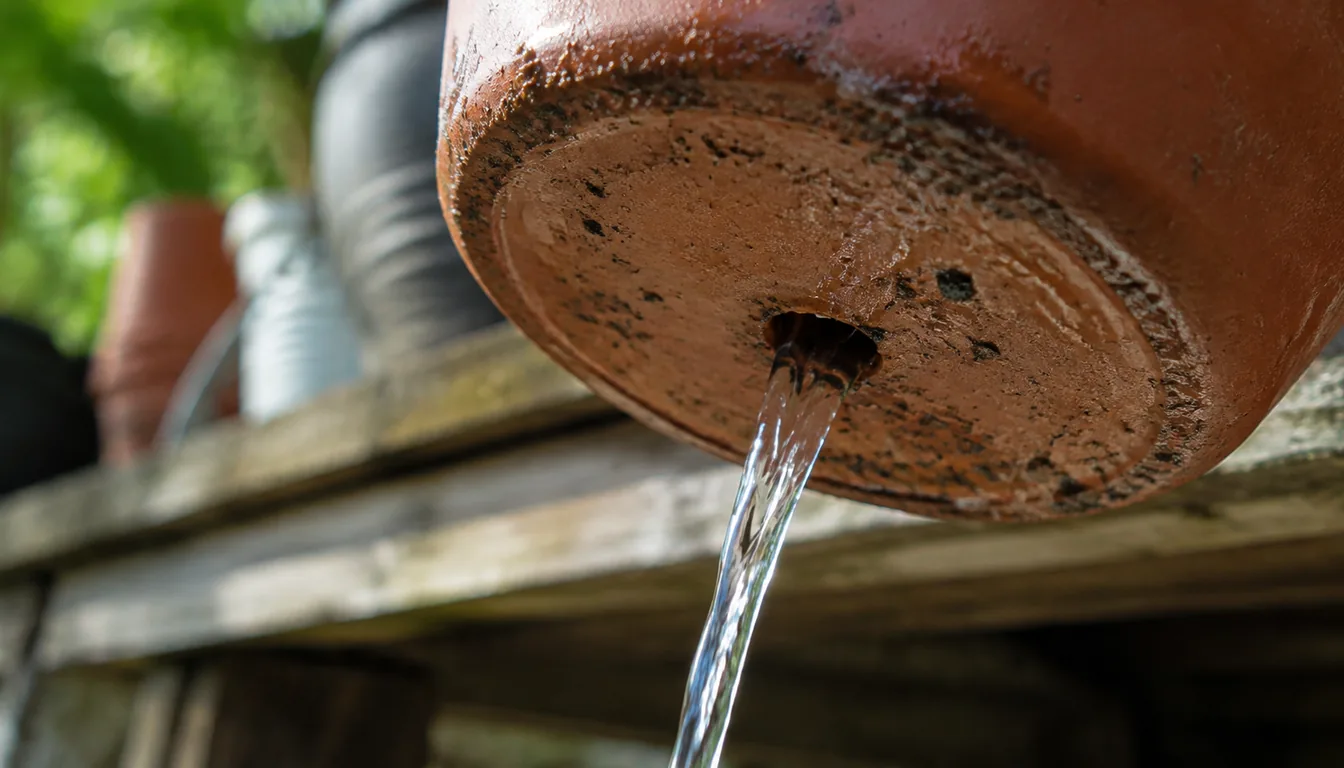
Most plants grown in ordinary potting mix are easier to manage in a container with drainage holes.
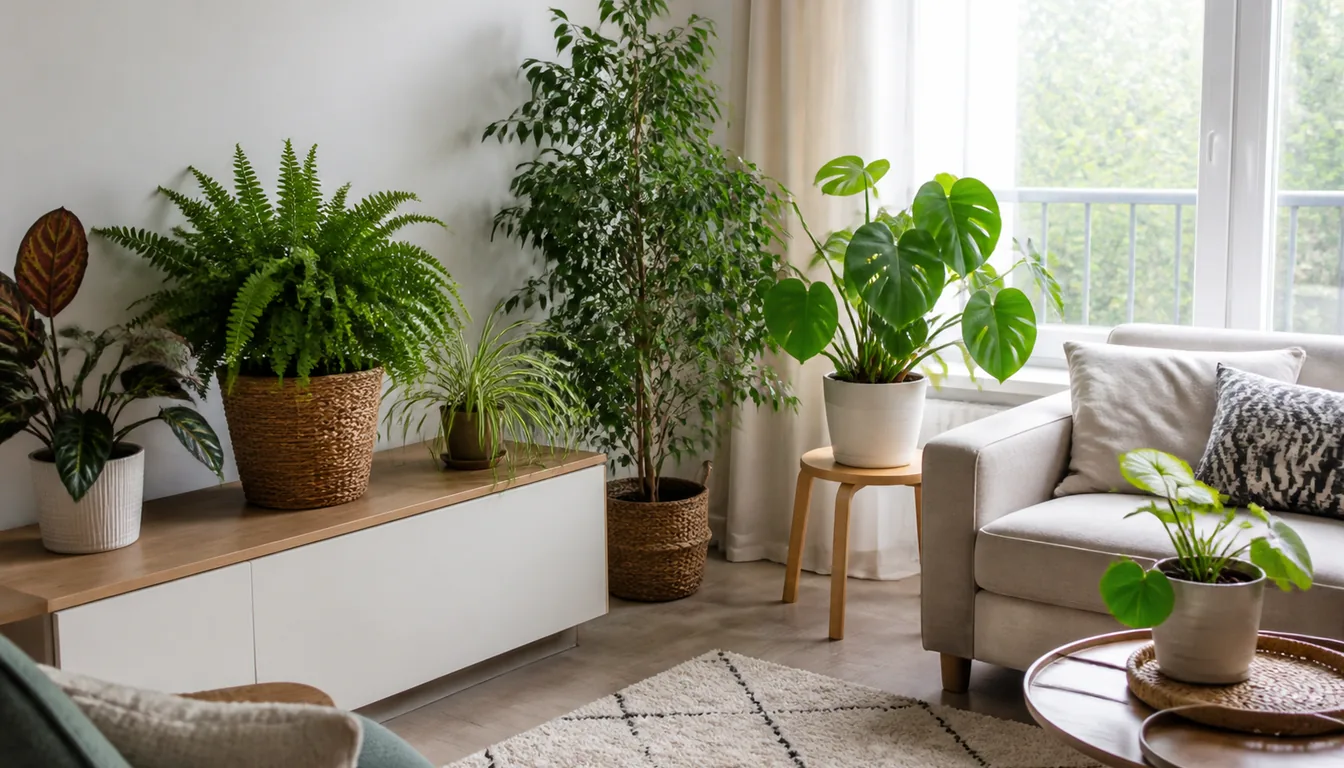
The short answer is no, and it comes from the agency that would say otherwise if it could.
Hardening off means gradually increasing a seedling’s exposure to outdoor light, air movement, and temperature changes before…
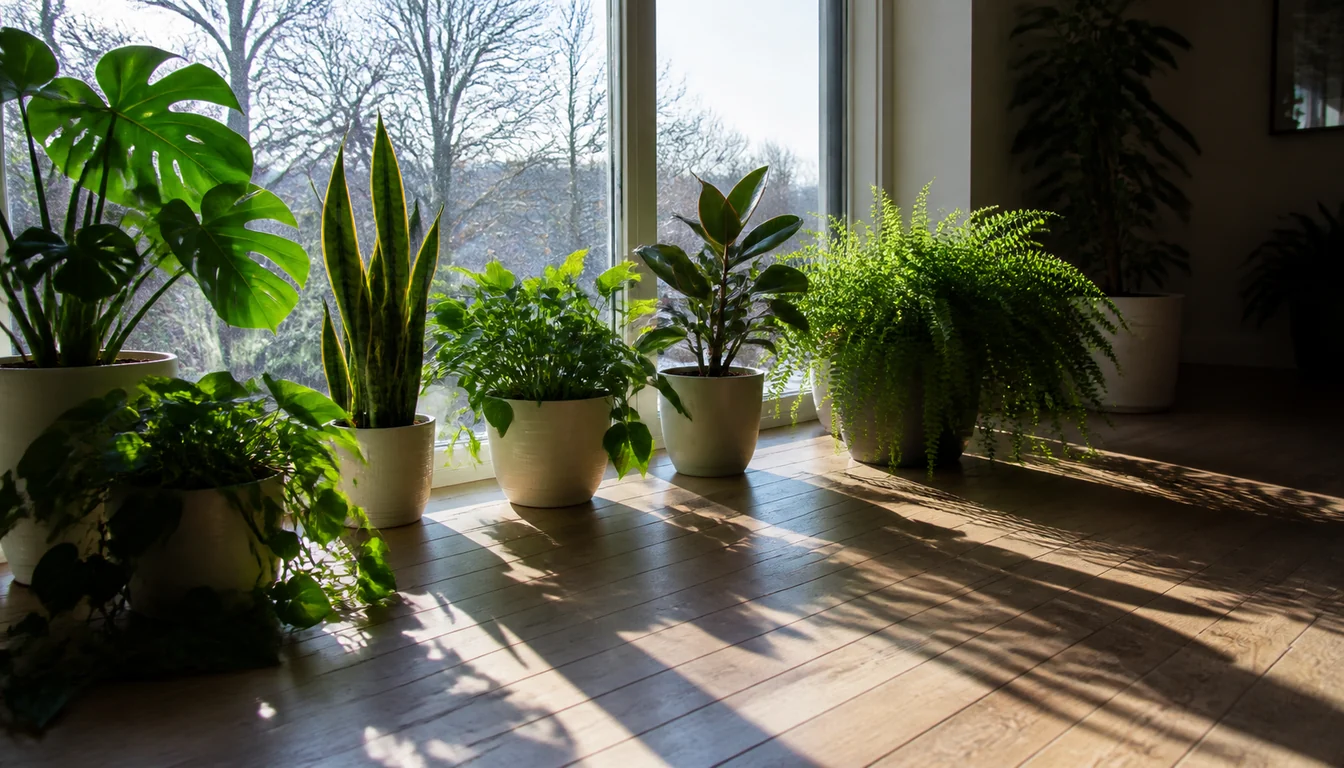
An indoor plant care calendar is most useful as a reminder to recheck conditions, rather than a set of dates for watering or feeding.
A succession planting schedule assigns each bed a sequence of sowing, transplanting, and harvest dates so one crop follows another…
Compare the plant with the available light, drainage, and mature space.
Set trees and shrubs at the correct depth before backfilling.
Water the root zone on a schedule that follows soil moisture.