
Planting Guides
Choose your next task
Search and filter guides
About search and filters
Search checks titles, introductions, and summaries inside this topic. Reading depth uses the listed minutes; sorting uses update date, title, or reading time.
Find the guide for the job in front of you
Every guide by job
These guides help you choose plants that fit the light, soil, and space you have, then get them started from seed, transplant, or cutting at the right time.
Choosing plants for a site
10 guides
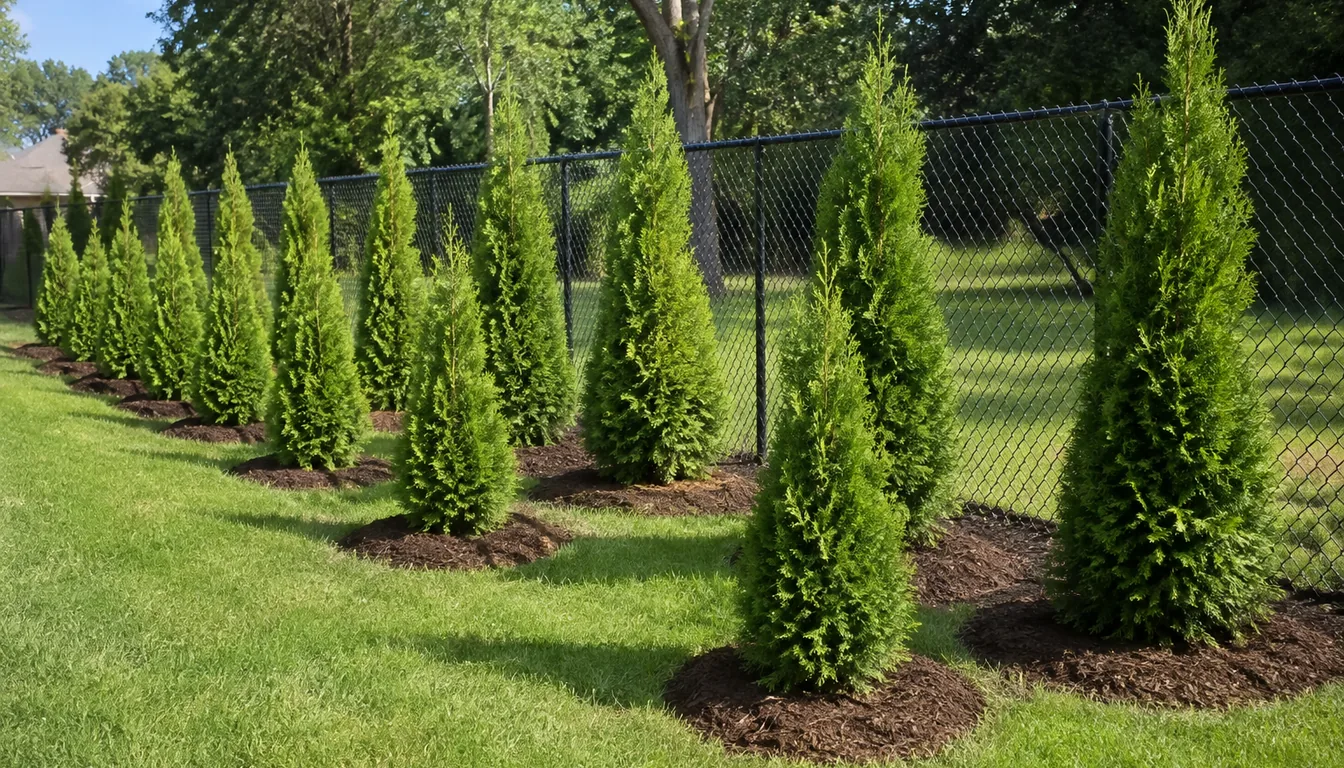
Selection guides match plants to dim rooms, shade beds, hot full-sun beds, and slopes that need ground cover, and to yards that need a privacy screen or a tree that grows quickly.
Color and bloom season
12 guides
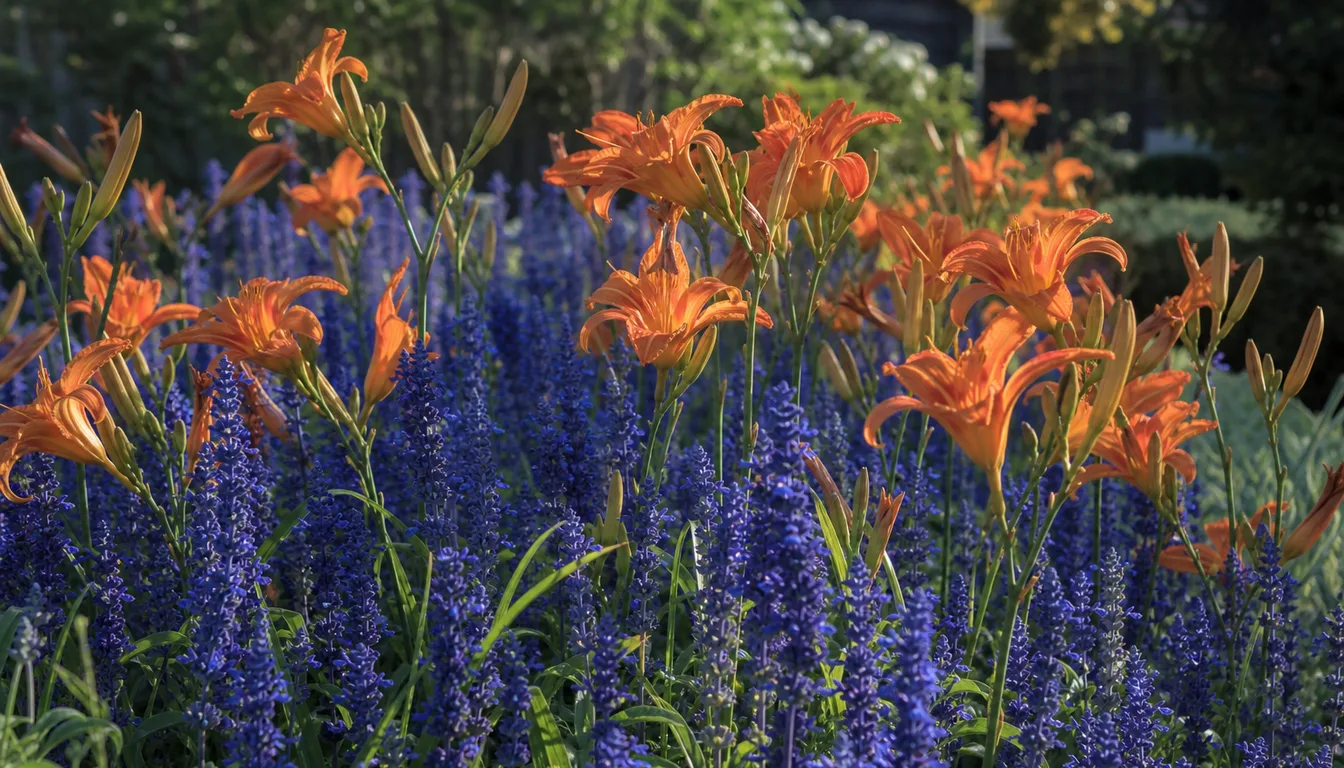
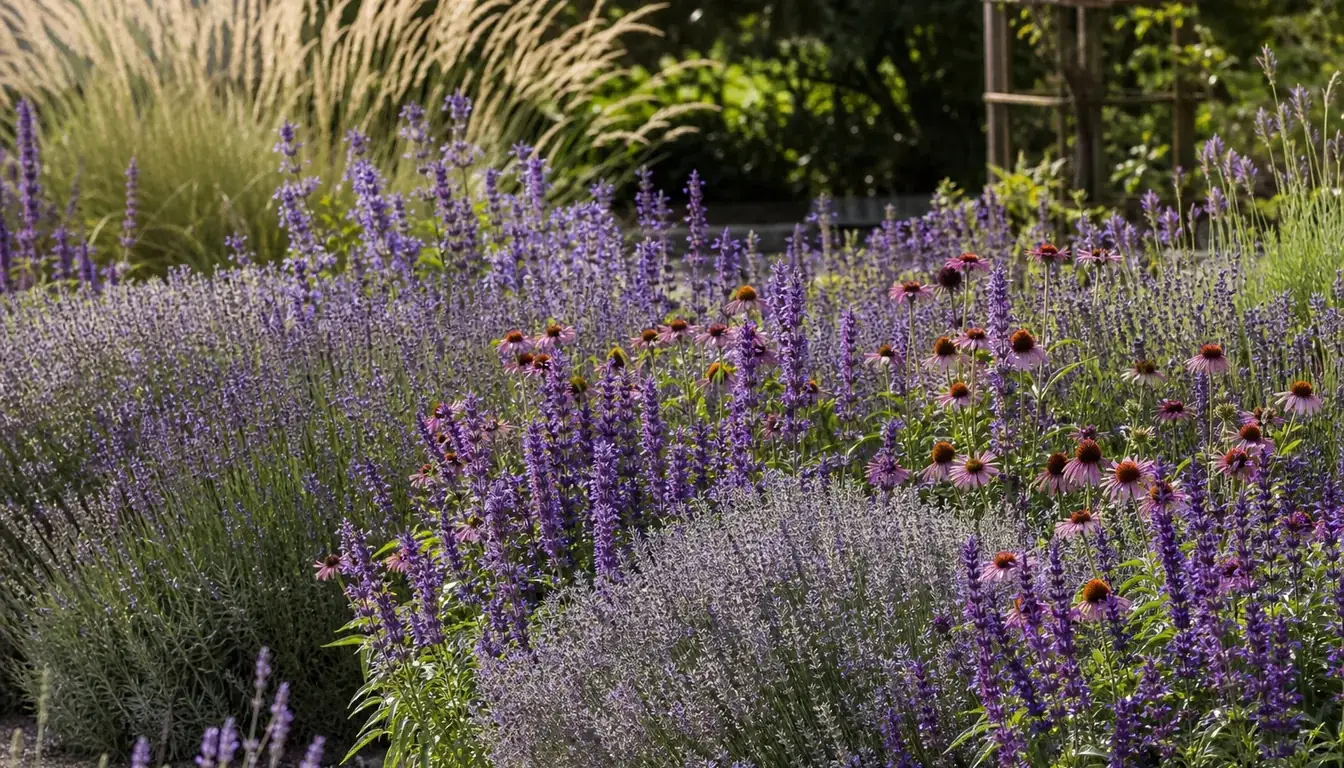
Color guides plan flowers by hue, including why many flowers sold as blue open violet or mauve in a bed. Season guides cover spring through winter bloom and fragrance.
Wildlife and cut flowers
5 guides
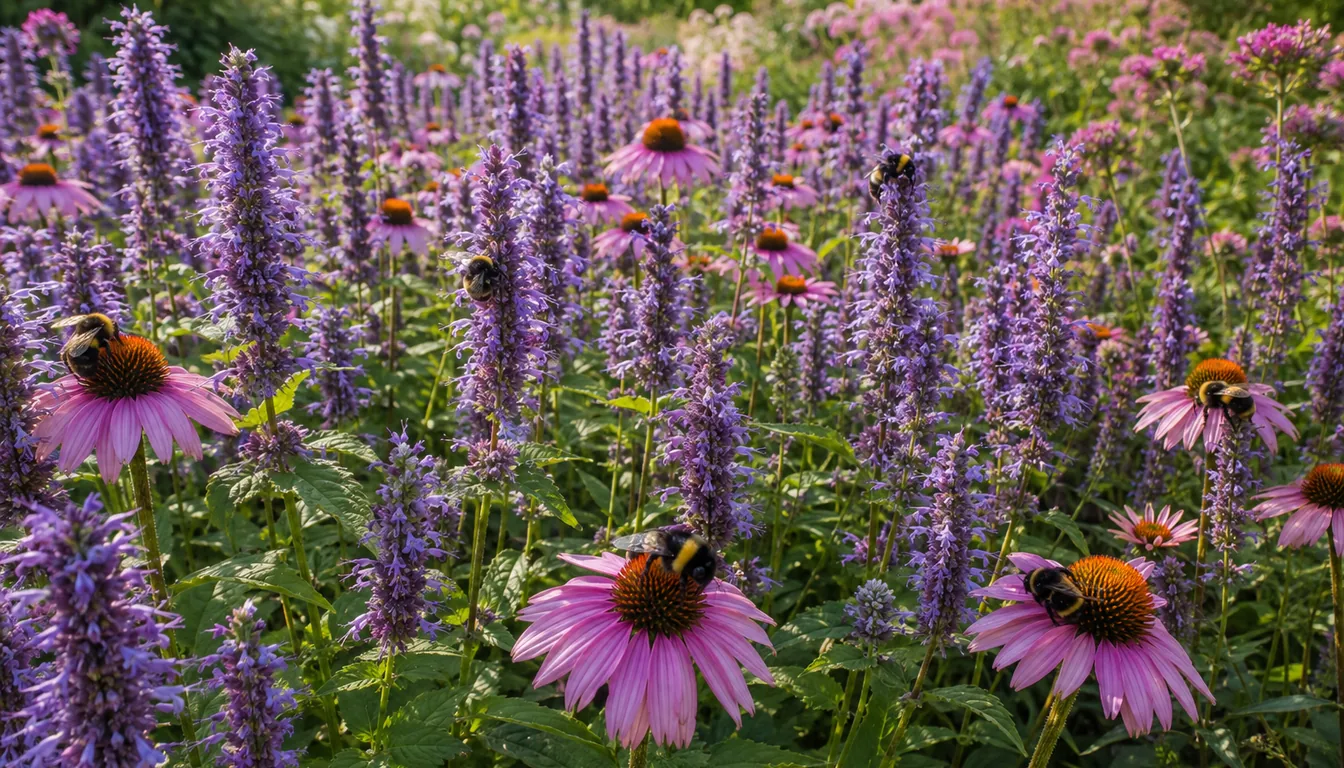
Habitat guides separate host plants that feed caterpillars from nectar plants that feed adult butterflies, and cover pollinators, hummingbirds, ladybugs, and a cut flower bed.
Seeds, transplants, and new beds
11 guides
Seed guides cover starting indoors, choosing between direct sowing and transplanting, hardening off, thinning, and testing old seed. Bed guides cover a first vegetable plot, succession planting, and no-dig beds.
Houseplant setup
9 guides
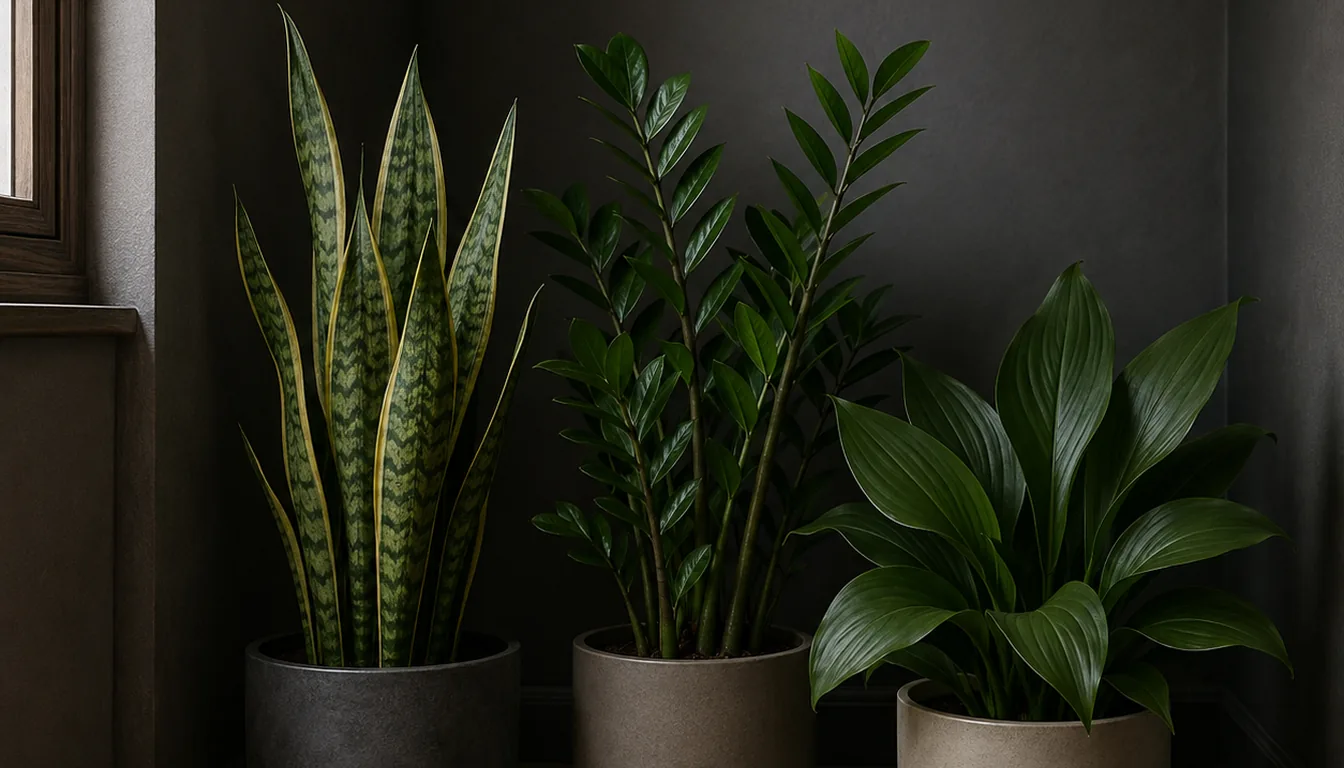
Indoor guides cover potting mix, drainage holes, repotting, propagation, and how care changes through the year. One explains why houseplants do not measurably clean the air in a real room.
Fruit, herbs, and harvest
6 guides
Crop guides cover raspberries, watermelon, and rosemary, and when butternut squash is ready to cut. One shows how to divide hostas.
Common questions
Can I rotate plants through a dark display spot?
A dark spot works only until the plant's stored energy runs out, because a plant without enough light cannot make the carbohydrates it lives on and eventually dies. If the spot is permanent, choose a plant for that light or add a grow light.
Does every coneflower, tulip or zinnia come in orange?
No. NC State describes purple coneflower with lavender rays and lists orange only among the colors of its many cultivars. Tulips come in all colors except true blue, and zinnias bloom in multiple colors, so check the cultivar name and a photo of its open bloom before you buy.
Why do my pink flowers look wrong together?
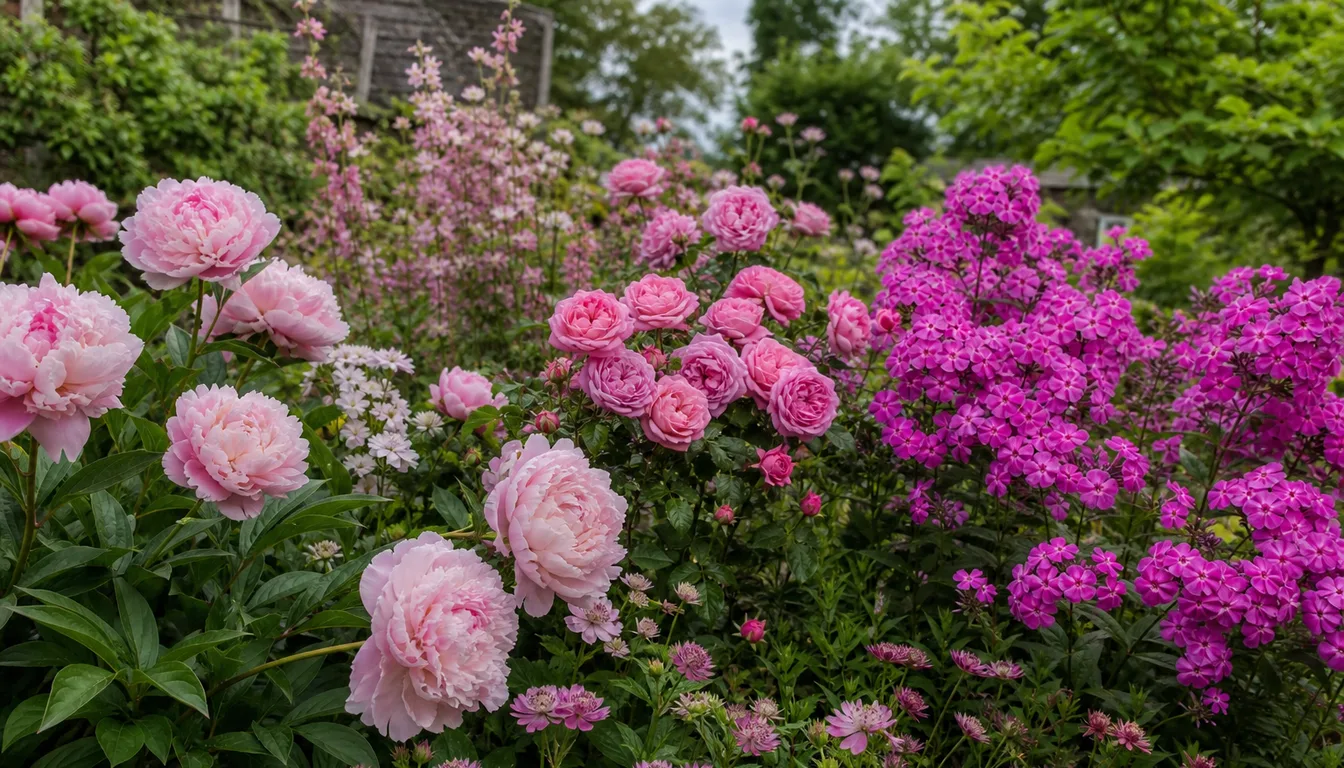
When a bed mixes many colors, some of them may clash, according to the University of Georgia, and repeating colors through the bed keeps it unified. Pastel pinks combine best with other pastels and with silver or gray-tinted foliage.
Do I need native plants for a pollinator garden?
Native plants have coevolved with native pollinating insects, so they provide the best support, and honey bees benefit from their pollen and nectar too. Penn State's York County Master Gardeners also list lavender, basil and zinnia among the plants that attract pollinators.
How far apart should privacy trees be planted?
Use the mature height and width listed for the exact cultivar. Plants set too close for quick cover end up crowded and shaded, and their roots compete for water and nutrients.
Keep exploring
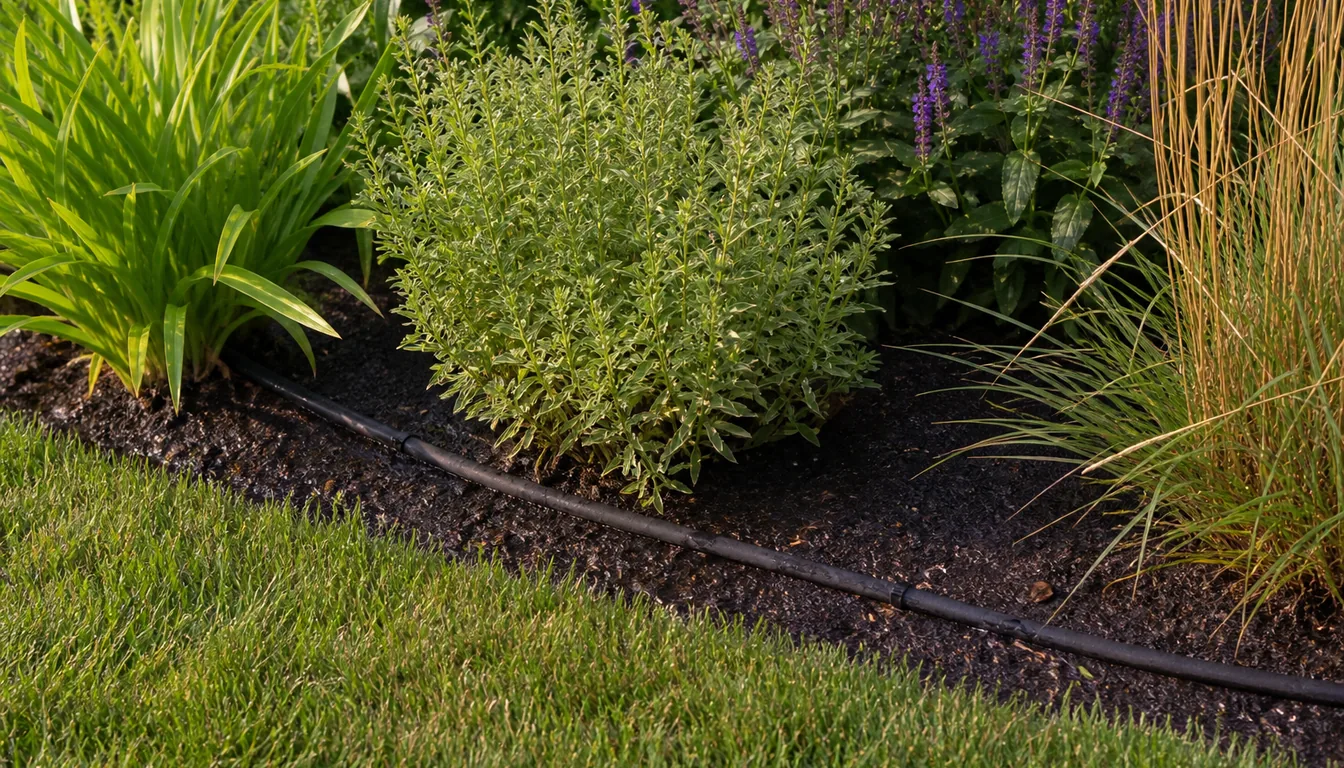
Watering guides
How much, how often, and how to tell. 17 guides.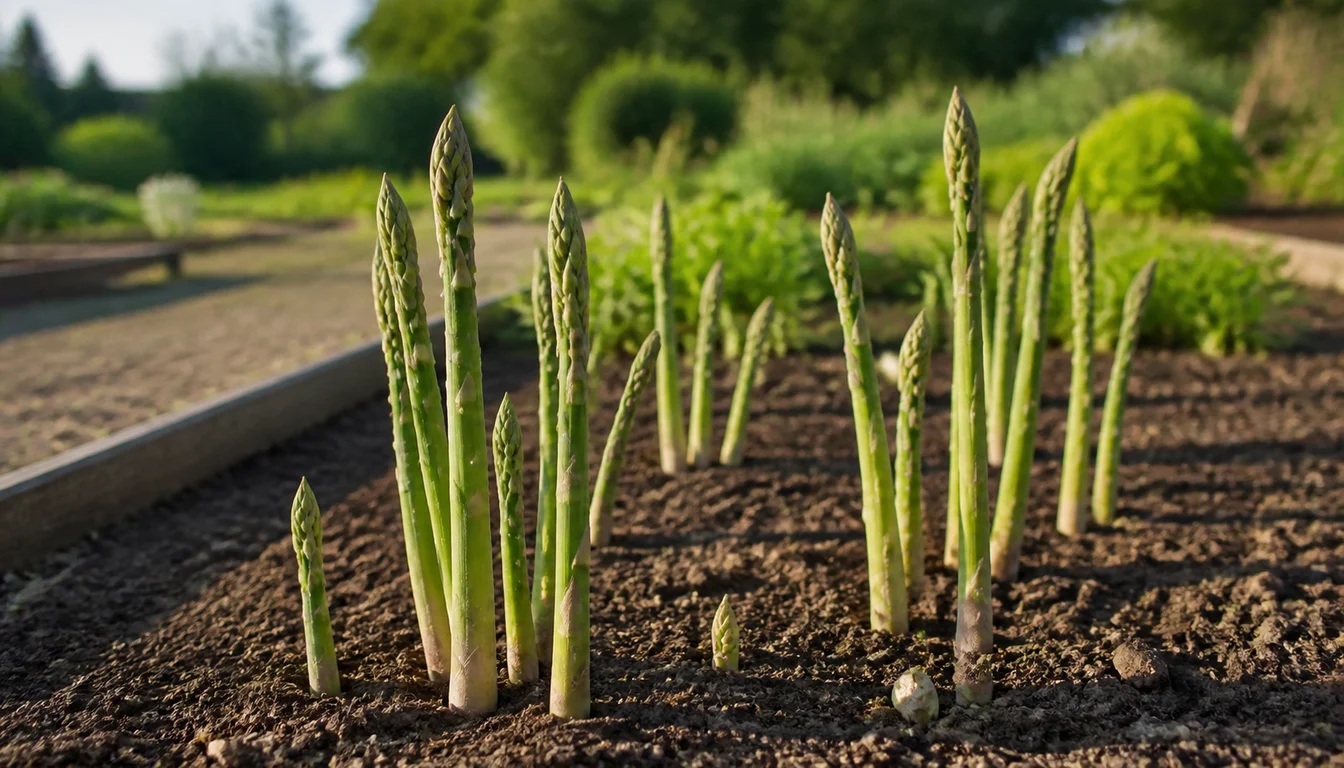
Vegetables
Food crops with spacing, timing and harvest notes. 29 plant profiles.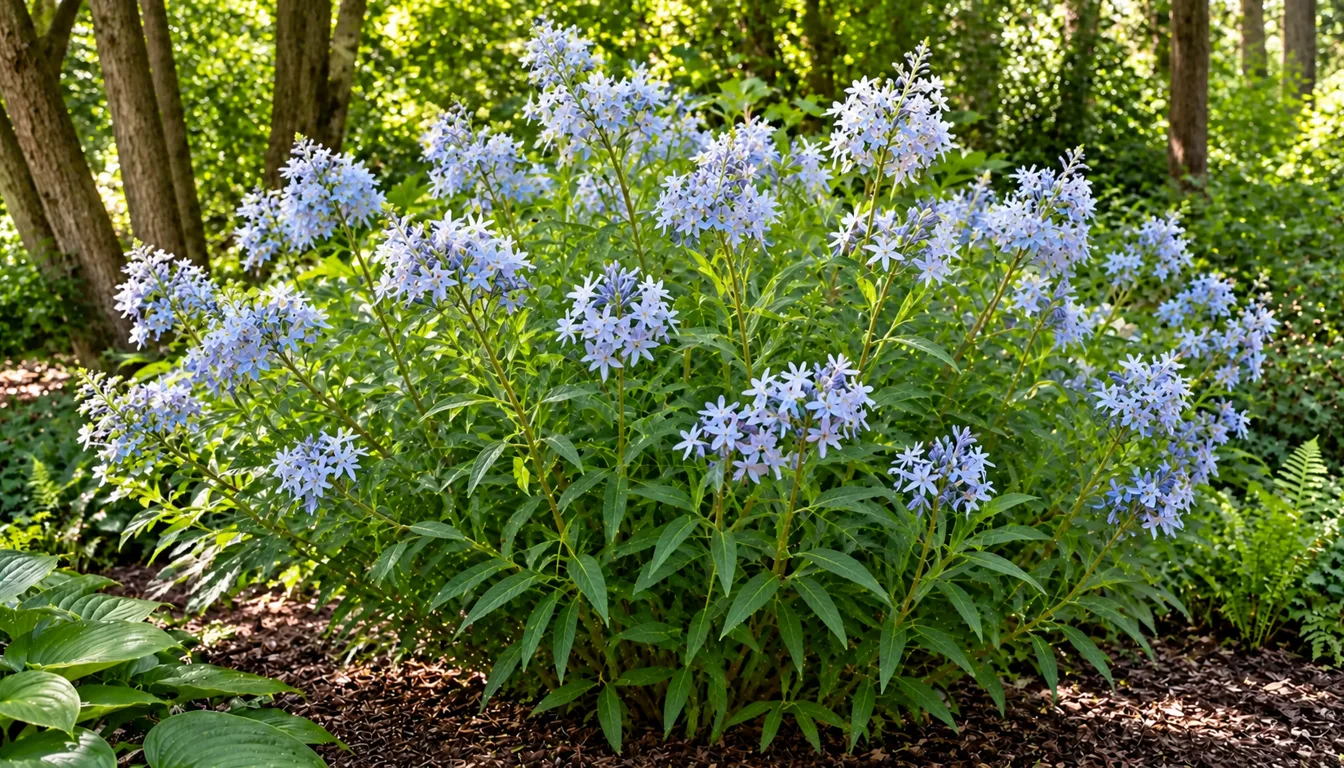
Perennials
Plants that come back each year, by light and height. 31 plant profiles.Check the plant and the symptom
Three decisions that shape the result
Test the site fit
Compare the plant with the available light, drainage, and mature space.Protect the root flare
Set trees and shrubs at the correct depth before backfilling.Plan establishment water
Water the root zone on a schedule that follows soil moisture.
Before you begin
- Confirm the right season.
- Gather the listed tools.
- Read the final checks before starting.
About this list
- Available guides
- 53
- Average read
- 12 min
- Sources cited
- 717

How every guide is made

KnowTheYard Editorial publishes every guide, with its sources and last-changed date on the page.