
Best Spring-Blooming Flowers for Early Color
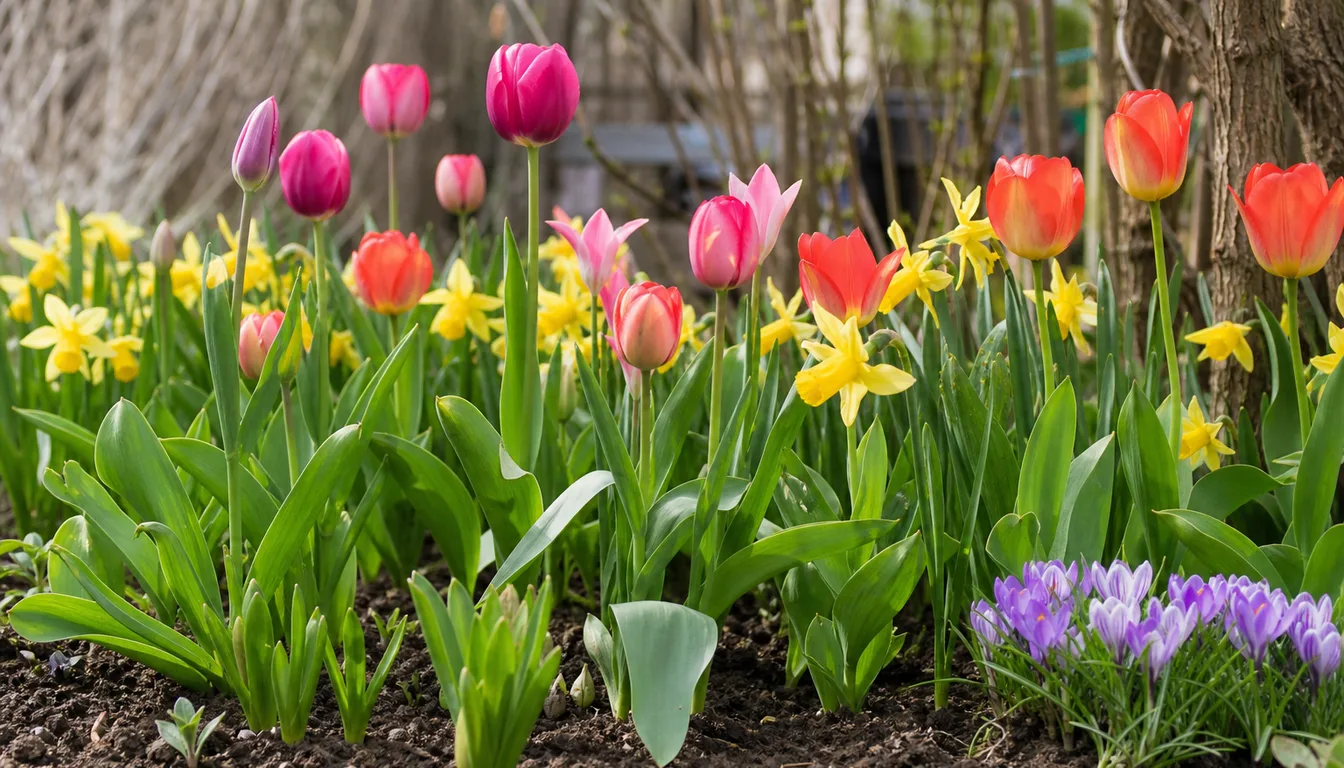
The best spring display starts in fall, when daffodils, tulips, and other cold-hardy bulbs go into the ground. Pair early, middle, and late bloomers so the bed carries color for weeks instead of peaking all at once.
Planting depth and the cold period both affect whether a bulb flowers. After bloom, the leaves must stay until they yellow because they are rebuilding the bulb for next spring.
If the fall planting window has already passed, flowering pansies, violas, primroses, and potted bulbs can supply color now while perennials establish for another year.
At a glance
Why Do You Plant Spring Flowers in Fall?
Spring bulbs will not flower without a long cold spell underground first.
Most need 12 to 16 weeks of chilling before they will produce a flower at all, which is why they go in during fall while the soil is still workable and why a bulb planted in February gives leaves and nothing else.
- Main planting window
- Fall, while the soil is still workable
- Typical chilling need
- 12 to 16 weeks for many spring bulbs
- Daffodil timing
- October or November across most of the country
- Tulip timing
- Later in fall, after the soil cools
- Warm-winter adjustment
- Refrigerate tulips until planting in November or December
Daffodils go in during October or November across most of the country. Tulips go in later, and in the warmest zones they are refrigerated from the day they are bought until planting in November or even into December.
That refrigerator step is not fussiness. Ground that never gets cold enough for long enough leaves the bulb short of its chilling, and the result on the surface looks exactly like a bulb planted too shallow.
If you are reading this in spring, the fall order is the real answer and there is a shorter-term one further down.
How Deep and How Far Apart Do Bulbs Go?
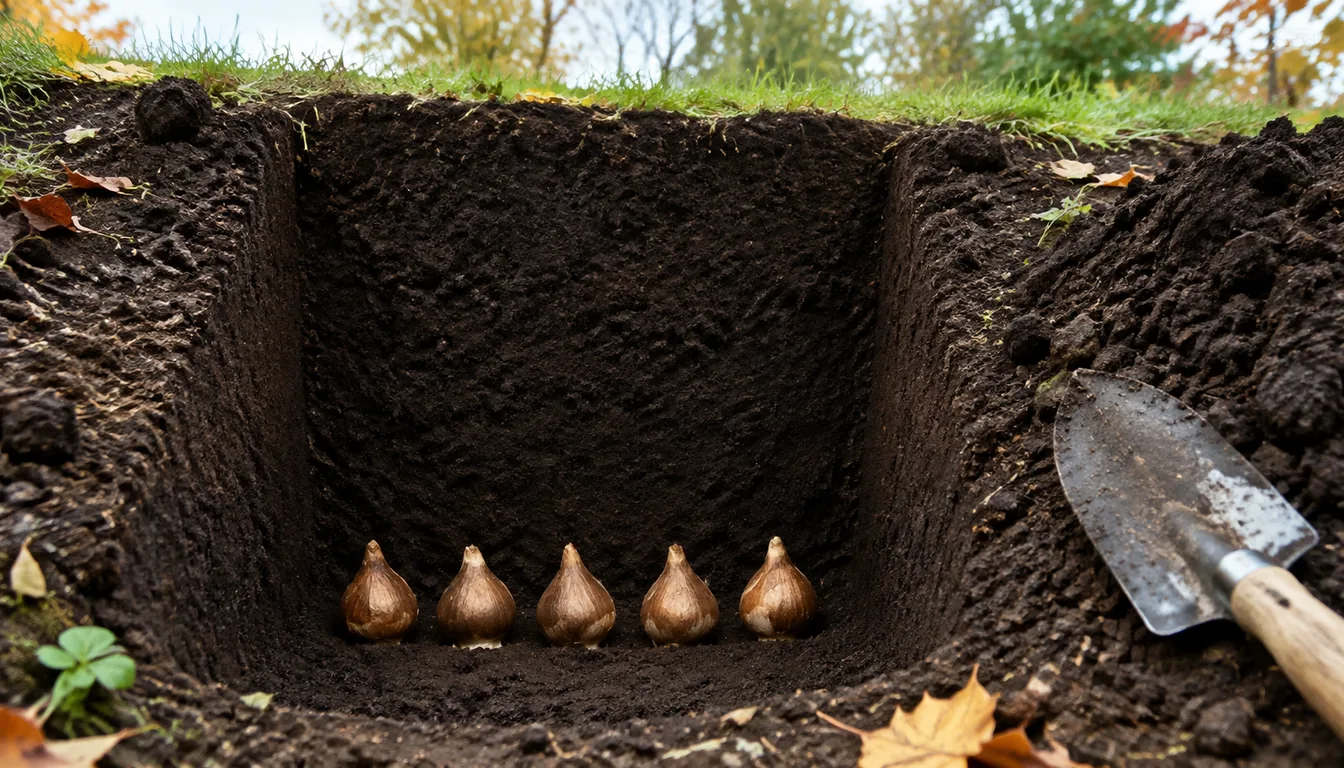
Three to four times as deep as the bulb is wide.
Measure from the base of the bulb rather than the tip, because the base is where the roots come from and it is the depth that has to be right.
| Bulb | Planting depth | Spacing |
|---|---|---|
| Daffodil | 6 to 8 in | 3 to 6 in apart |
| Tulip | 6 to 8 in | 3 to 6 in apart |
| Hyacinth | 5 to 6 in | 3 to 6 in apart |
| Crocus | 3 to 4 in | 1 to 2 in apart |
| Snowdrop | 2 to 3 in | 1 to 2 in apart |
Pointed end up. A bulb planted on its side usually still finds its way to the surface and spends energy doing it, which shows up as a smaller flower rather than as no flower.
Shallow planting is the one that costs a season. A bulb near the surface rides every warm spell and cold snap the winter throws at it, and that interrupted chilling is one of the routes to a clump that comes up blind.
Which Spring Flowers Come From Bulbs, Perennials, or Shrubs?
Three groups, three different shopping seasons.
That is the part a single trip to a garden center cannot solve, because the three are on sale at different times of year and only one of them is on the shelf when spring arrives.
- Bulbs: Bought dry in late summer and fall, planted immediately, flowering first the following spring.
- Perennials: Bought as plants in fall or spring, taking a season or two to reach full size, flowering after the bulbs.
- Shrubs: Bought as plants and the slowest to establish, setting their flower buds the summer before they open.
Daffodil and tulip supply the bulb layers. Bearded iris and peony take over later, while azalea and lilac add shrub-scale color and structure.
A peony planted this fall is a plant you are still enjoying in twenty years, and it will do very little in its first spring. A bag of daffodils planted the same weekend flowers in full five months later.
All three groups are worth having, but they are not substitutes. Mark separate windows for ordering bulbs, planting perennials, and choosing shrubs after checking their mature width.
Daffodil
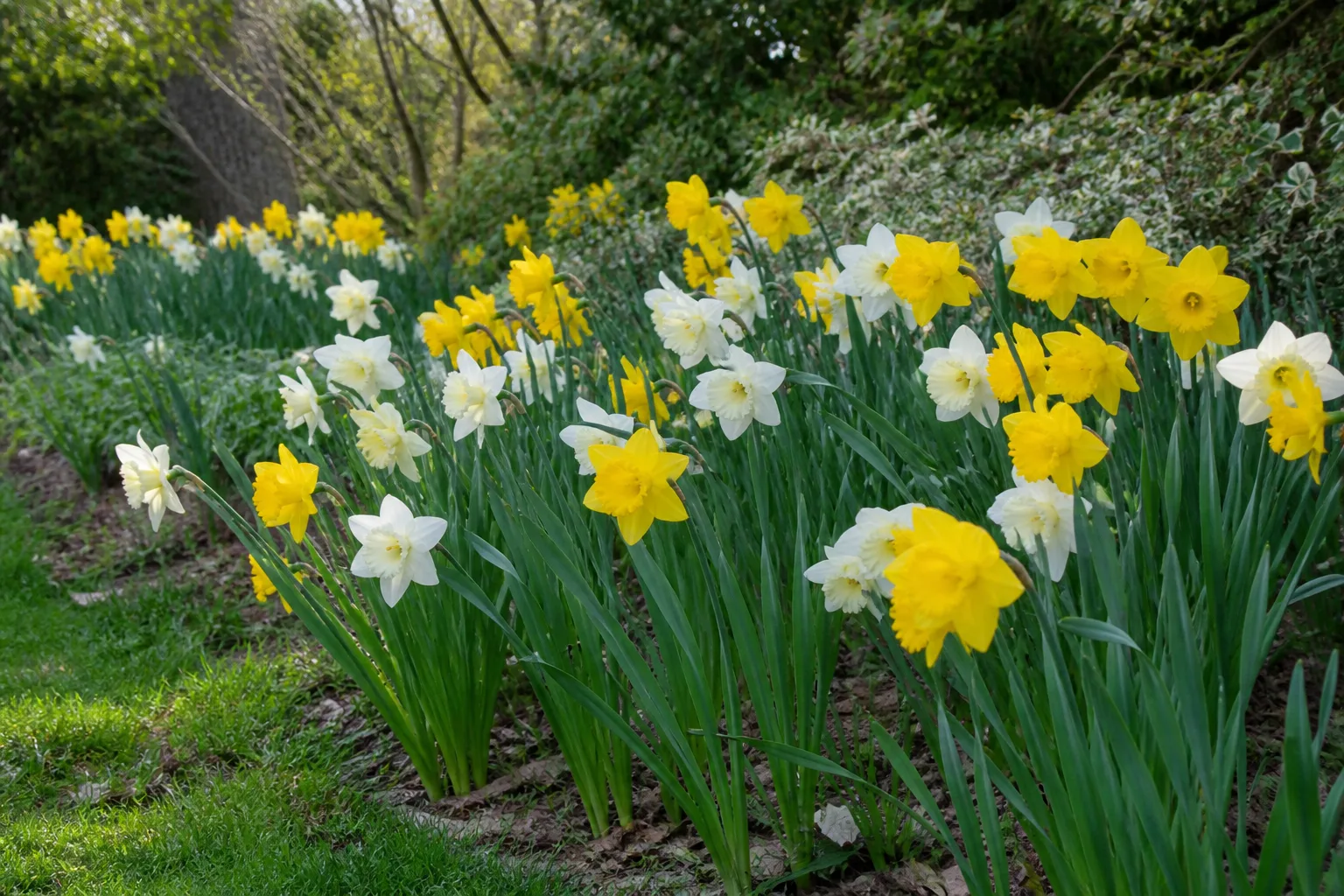
Dependable early color from bulbs that can multiply into larger clumps
- Mature fit
- Use shorter cultivars near the edge and taller ones through the middle of the bed
- Main tradeoff
- The foliage must remain until it yellows so the bulb can flower next year
Tulip
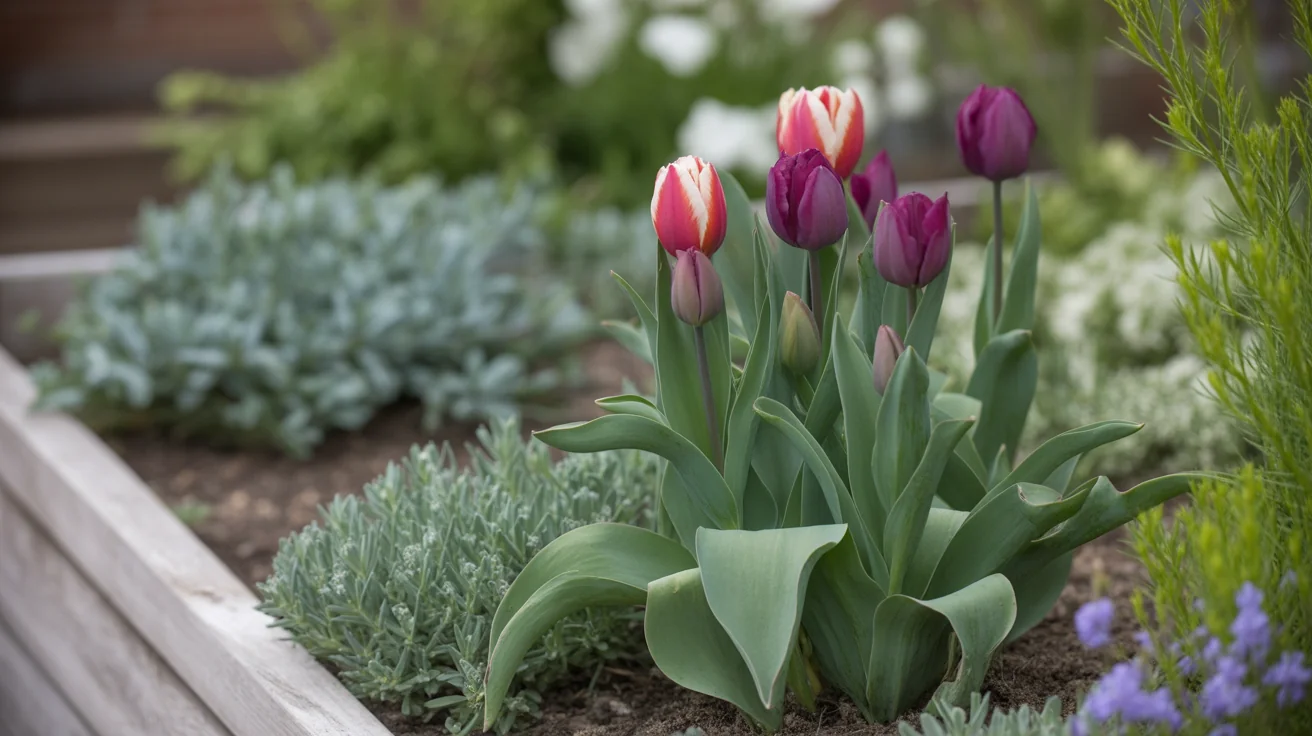
A middle-to-late spring layer that extends the bulb display
- Mature fit
- Plant in groups where later perennial growth can hide the fading leaves
- Main tradeoff
- Warm climates may require prechilling, and some cultivars perform best as annuals
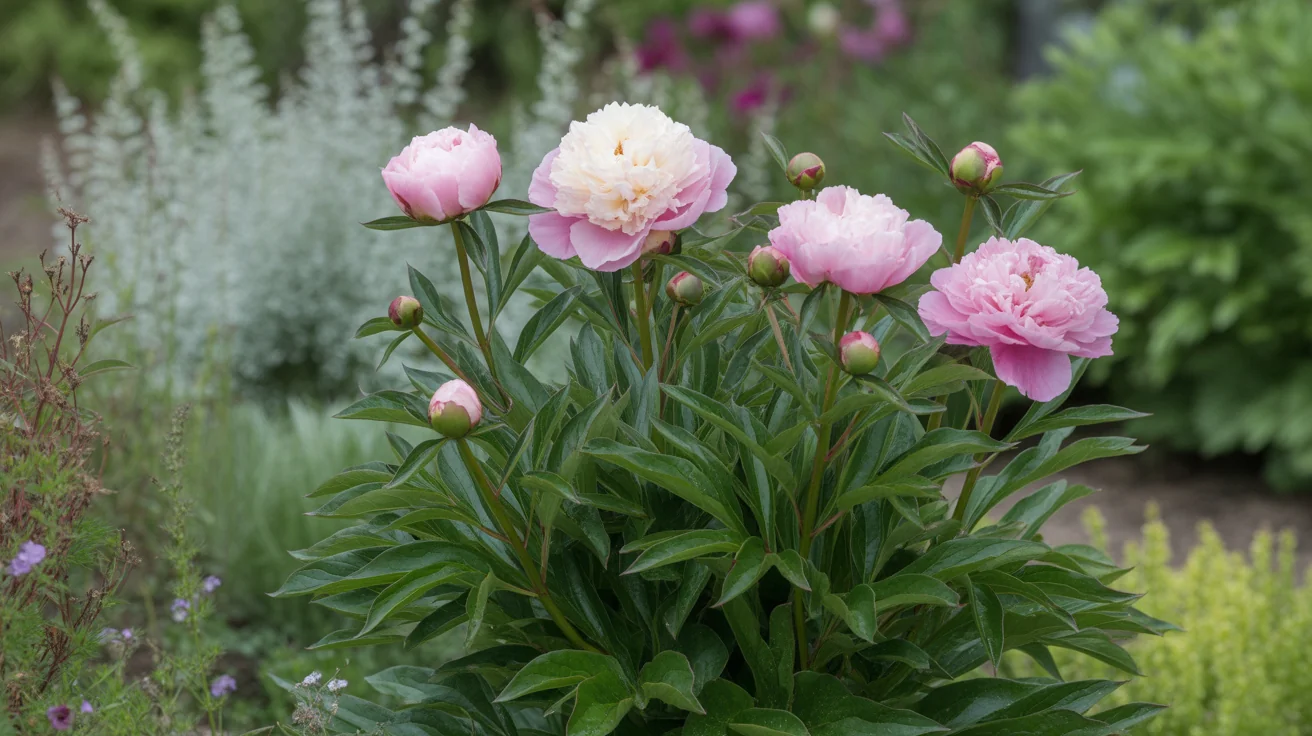
Peony
A long-lived perennial that takes over as the bulb display fades
- Mature fit
- Give the crown a permanent sunny position with room for its mature clump
- Main tradeoff
- A new plant may need several seasons before it delivers a full display
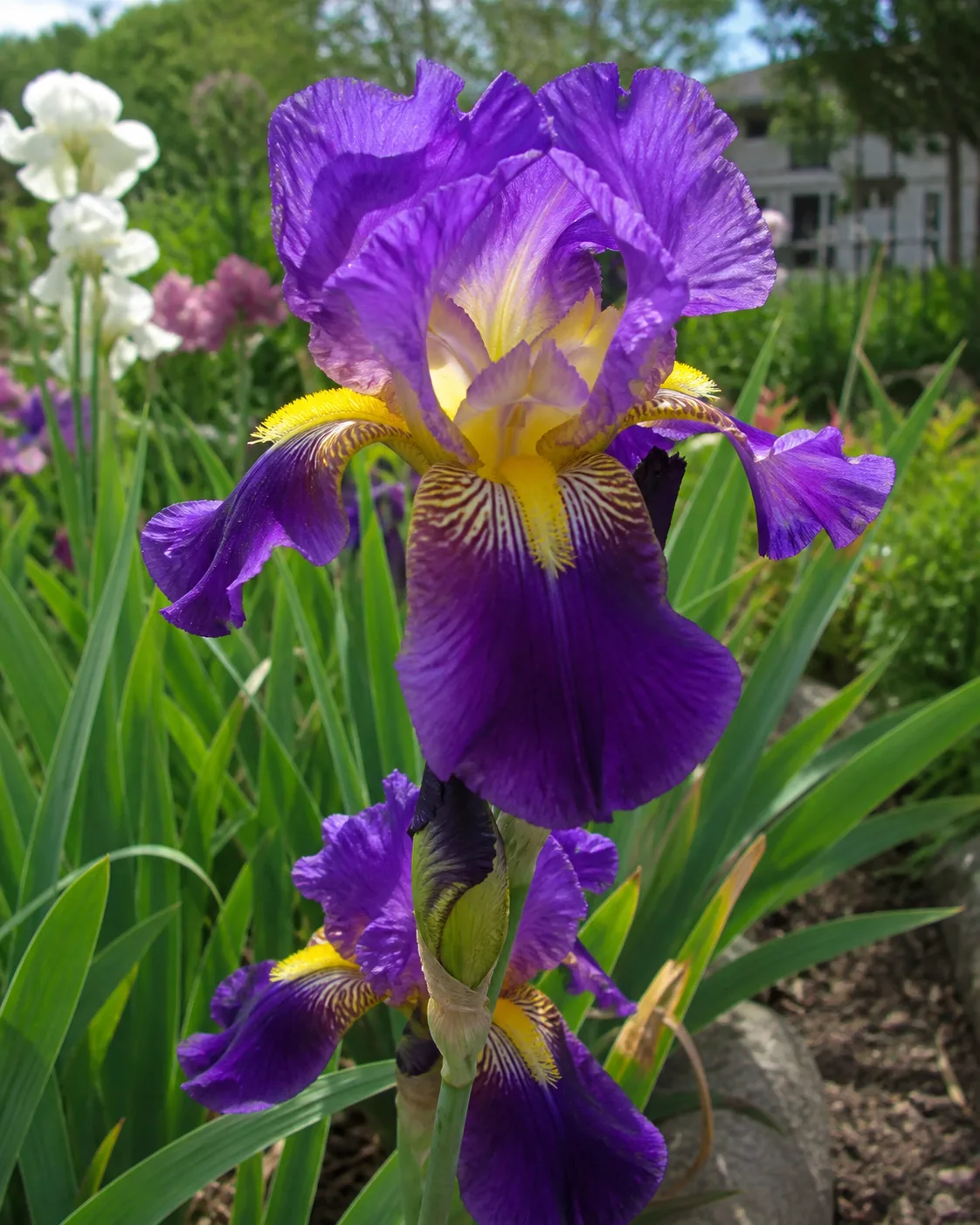
Bearded Iris
Upright late-spring flowers that bridge bulbs and early summer perennials
- Mature fit
- Keep the rhizomes near the soil surface in an open, sunny position
- Main tradeoff
- Deep planting and crowded clumps reduce flowering
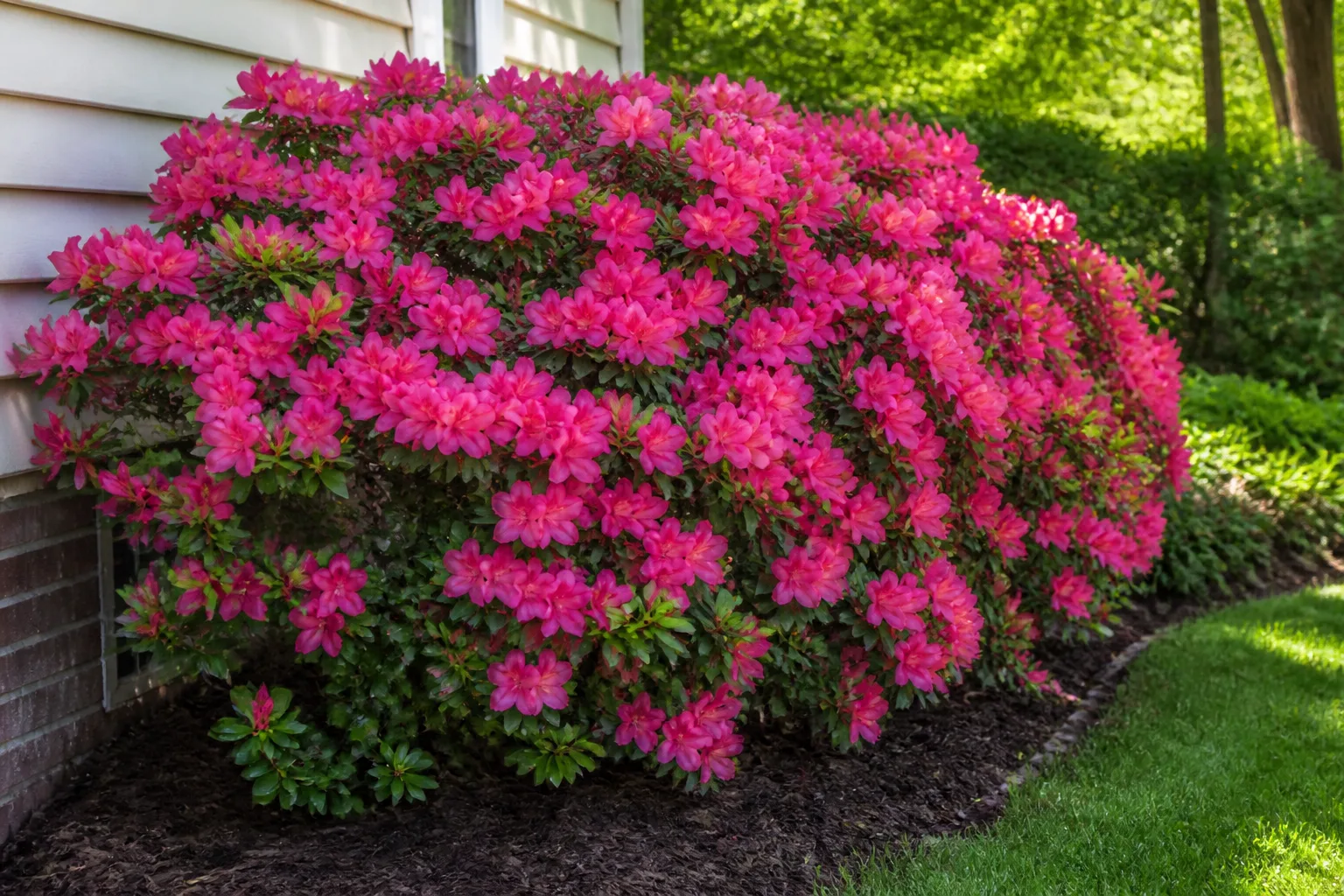
Azalea
Shrub-scale spring color for a site with filtered light
- Mature fit
- Choose a cultivar whose mature width fits without repeated shearing
- Main tradeoff
- The shallow roots need even moisture but suffer in waterlogged soil
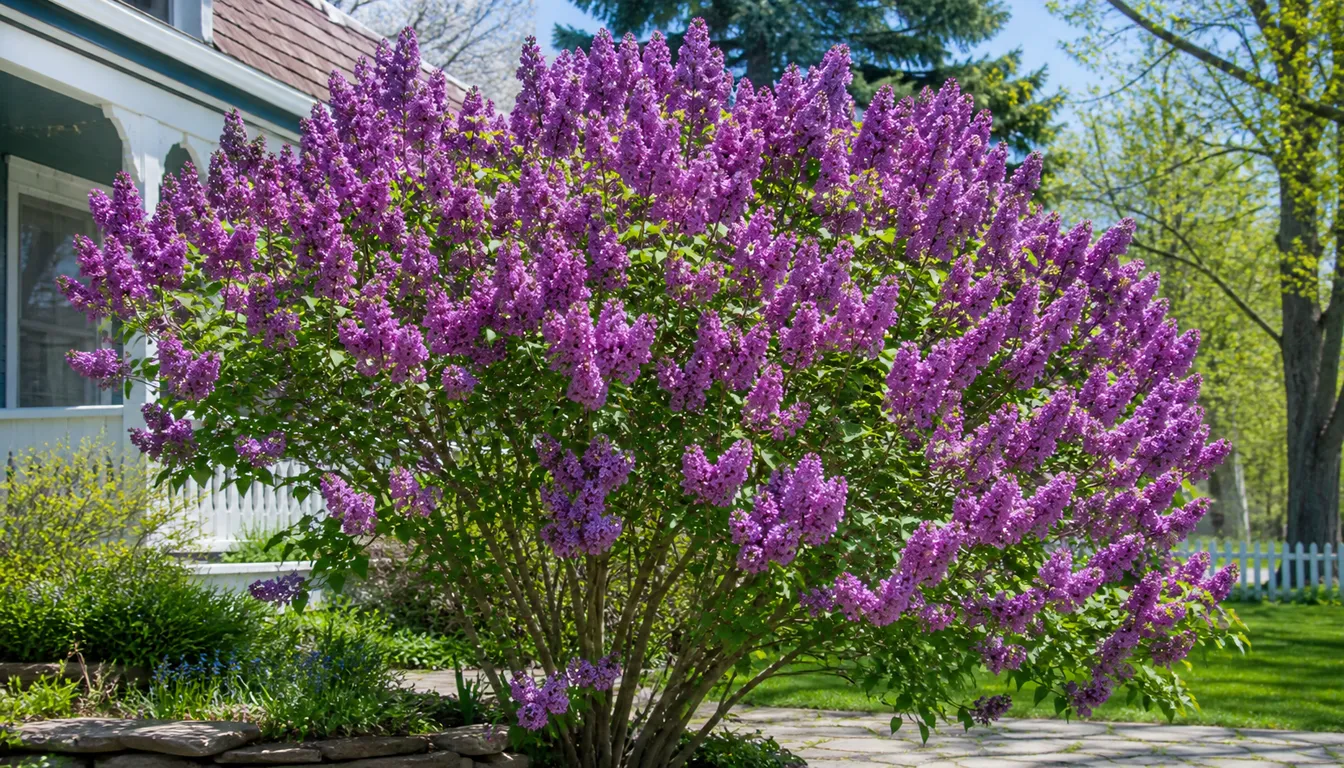
Lilac
Fragrant late-spring flowers on a permanent woody backdrop
- Mature fit
- Give the shrub full sun and enough space for its labeled mature size
- Main tradeoff
- Warm winters, shade, and pruning at the wrong time can reduce bloom
How Do You Keep Spring Going Longer Than a Week?
One variety in quantity gives you a spectacular week and then months of green.
The season is long enough to stack, and the packets already tell you how. Early, mid and late season is printed on almost every one, and it is the field most people skip past on the way to the photograph.
| Layer | Useful plants | What the layer does |
|---|---|---|
| Early | Snowdrops and crocus | Opens while the ground is cold, sometimes through late snow |
| Middle | Daffodils and early tulips | Carries the main spring display |
| Late | Late tulips and early perennials | Hands the bed over to summer instead of leaving a May gap |
Buying across all three in smaller numbers gives roughly two months of color for the same money as one glorious week.
What Can You Plant in Spring If You Missed the Bulbs?
There is a rescue plan and it is not the same thing.
Cool-season annuals
Pansies, violas, and primroses are sold already in flower and can go straight into a bed or container.
Potted bulbs in bud
They flower this year because the chilling was done before sale, then remain in the ground after the foliage dies back.
Spring-planted perennials
They establish this season and are an investment in later years rather than an instant April display.
Then put the fall order on the calendar for July. Ordering while this spring is still fresh in your mind is the version of that plan most likely to happen.
When Can You Cut Bulb Foliage Back?
Not while it is green.
Leaves left after the flowers have gone are making the food that becomes next spring's flower, so cutting them in May to tidy the bed quietly shrinks the display a year later.
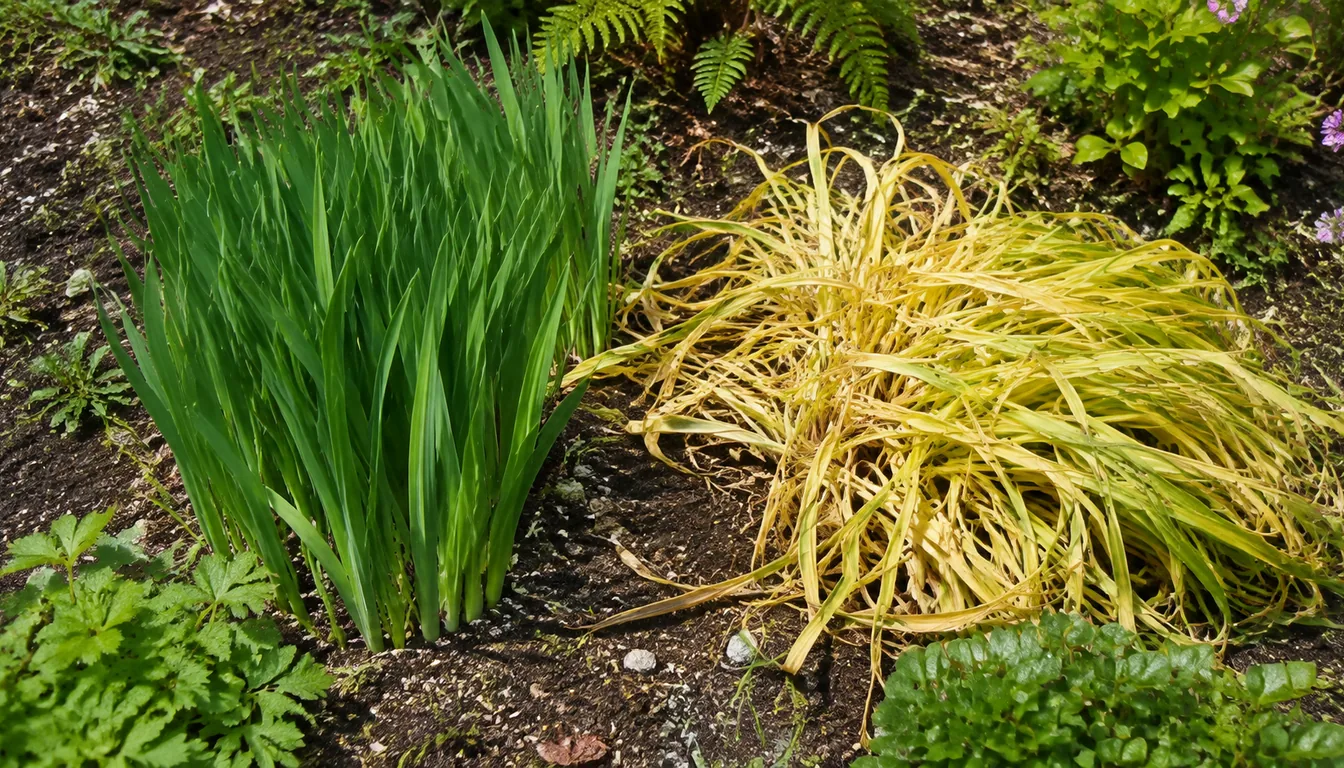
Deadhead the spent flower as soon as it fades. That stops the plant putting energy into seed, and it does not touch a single leaf.
Leave the leaves sprawling rather than tying them into knots or bundles. Tied foliage shades itself and does the job less well, which is a tidy-looking way of doing the same damage more slowly.
The real fix for the untidiness is planting. Bulbs set among perennials that come up later are hidden by that growth exactly when the foliage starts to go over.
Why Do Bulbs Come Up Blind?
Blind means leaves and no flower stems among them.
It is worth being precise about that, because a clump that is merely late looks similar for two weeks and then flowers, and a blind clump never does.
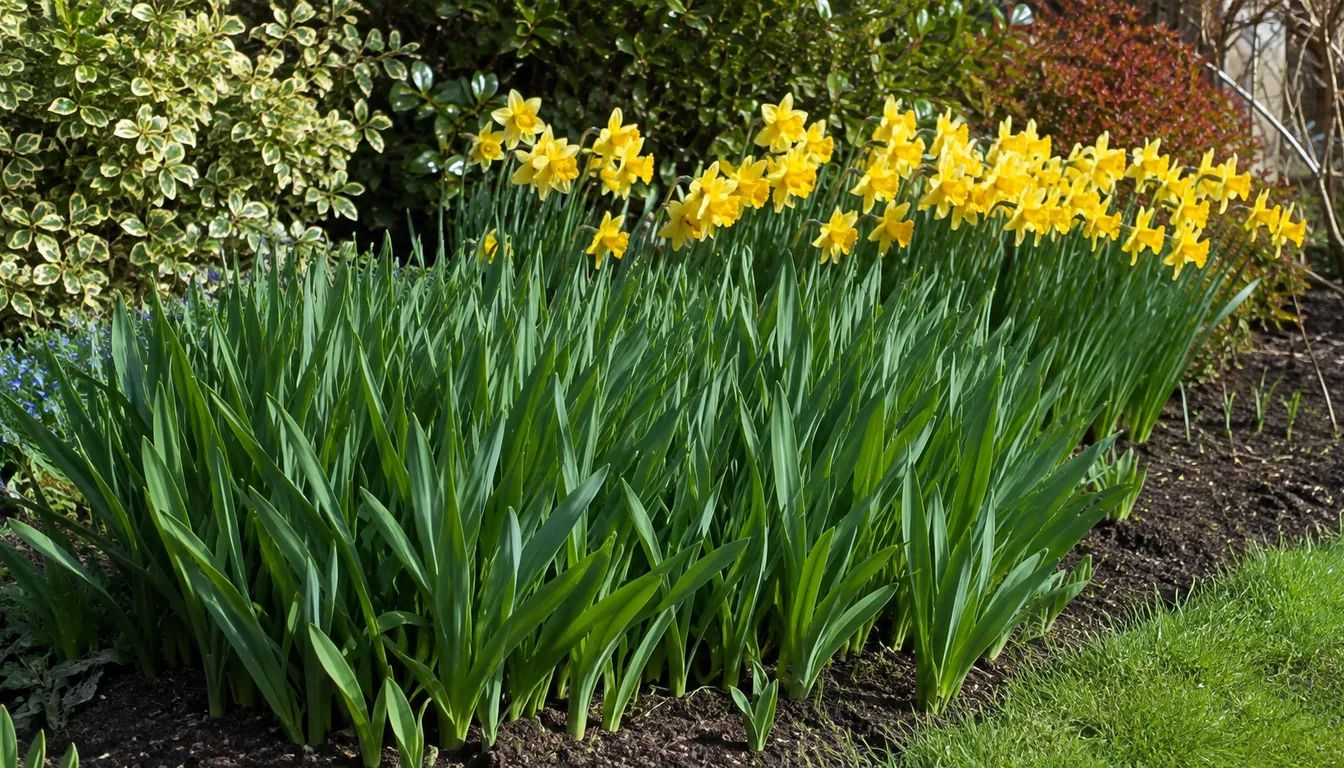
- Foliage cut too early last year: The bulb never built the reserves. Check what you did in May.
- Planted too shallow or too late: Interrupted chilling. Dig one up and measure from its base.
- Crowding: Years of increase leave the clump competing with itself. Lift and divide after the foliage dies back.
- Rotted in the ground: Dig down and look. A soft bulb means the site drains badly, which is a bed problem rather than a bulb problem.
- Bought at an end of season sale: Badly stored bulbs can arrive with the flower bud already dead inside them.
Four of those five you can act on. The last one you cannot, which is the argument for buying bulbs early in the season rather than cheaply at the end of it.
Fertilizer is not on the list. A blind clump is short of reserves or short of room, and feeding a crowded clump grows more leaves for the same number of flowers.
Pro Tips
- Order bulbs in July while this spring is still in your head. The fall window closes while most people are still thinking about summer.
- Plant in groups of odd numbers rather than rows. A drift of seven reads as a planting and a line of six reads as a fence.
- Push a labeled stick in beside each clump as you plant. In March you will be digging somewhere and you will not remember what is underneath.
Frequently Asked Questions
Can I plant spring bulbs in pots instead?
Yes, and they still need the cold. A pot left outside gets it, and a pot brought into a warm room does not, so the container has to overwinter somewhere that actually freezes.
Do I need to lift and store bulbs every year?
Daffodils and most small bulbs are left in the ground for years and only lifted when the clump gets crowded. Tulips are the exception in warm zones, where many gardeners treat them as annuals.
How late in fall can I still plant bulbs?
Until the ground freezes hard enough that you cannot dig. A late planting gives a shorter chilling period and often a later, smaller flower, which still beats leaving the bag in the shed.
Why did my tulips flower once and never again?
Most modern tulips give their best display in the first spring and decline after it, particularly in warm zones where they never get a proper cold period. Daffodils and small bulbs are the ones that build up over years.
Should I fertilize spring bulbs?
It matters far less than depth, drainage and leaving the foliage alone. A bulb arrives with next year's flower already inside it, and what it needs from you is the leaves left on long enough to build the one after that.
Sources & References
Related Guides
Best Butterfly Garden Plants for a Complete Habitat
The best butterfly garden plants do two different jobs. Host plants feed caterpillars, while nectar…
15 min read
Best Fall-Blooming Flowers for Color Near Frost
A bed that still carries flowers in October usually was planned before temperatures fell.
9 min read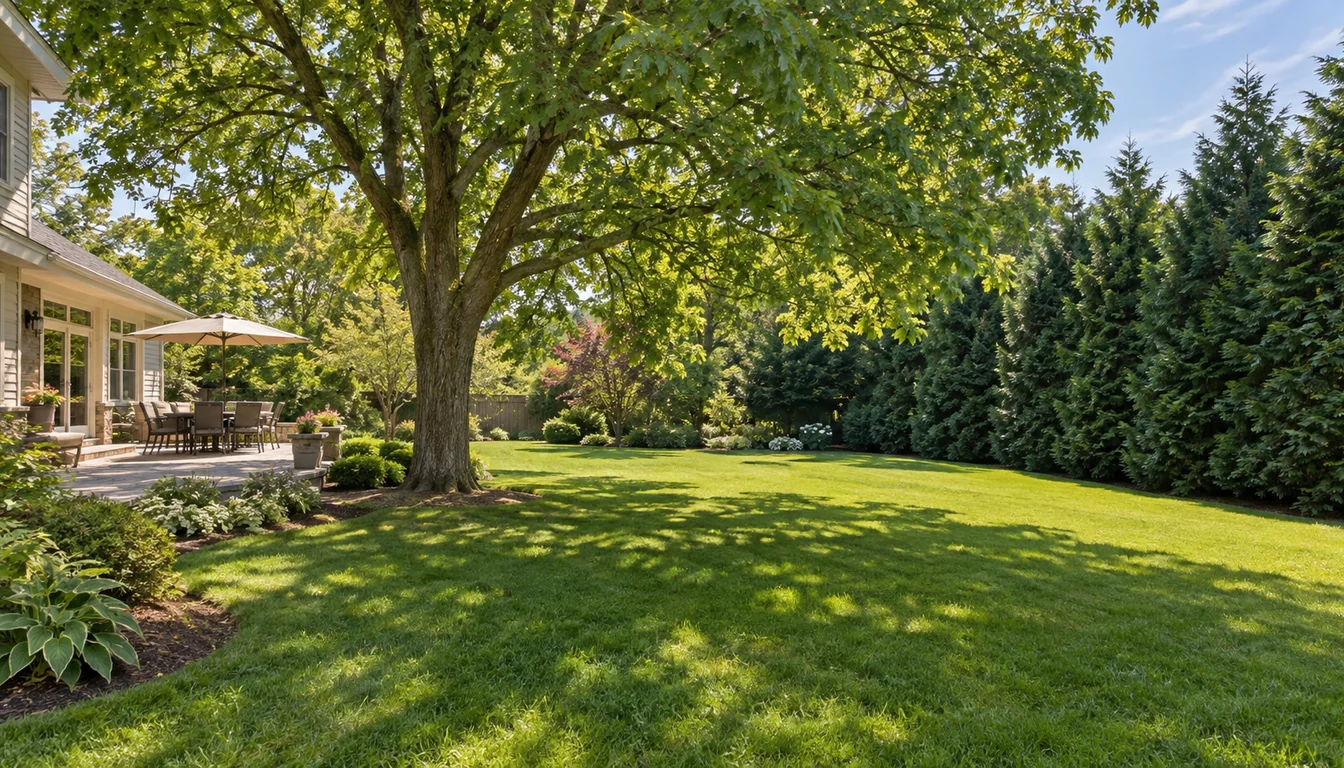
Best Fast-Growing Trees for Shade and Privacy
The best fast-growing tree is the one whose mature crown, roots, climate range, and maintenance…
16 min read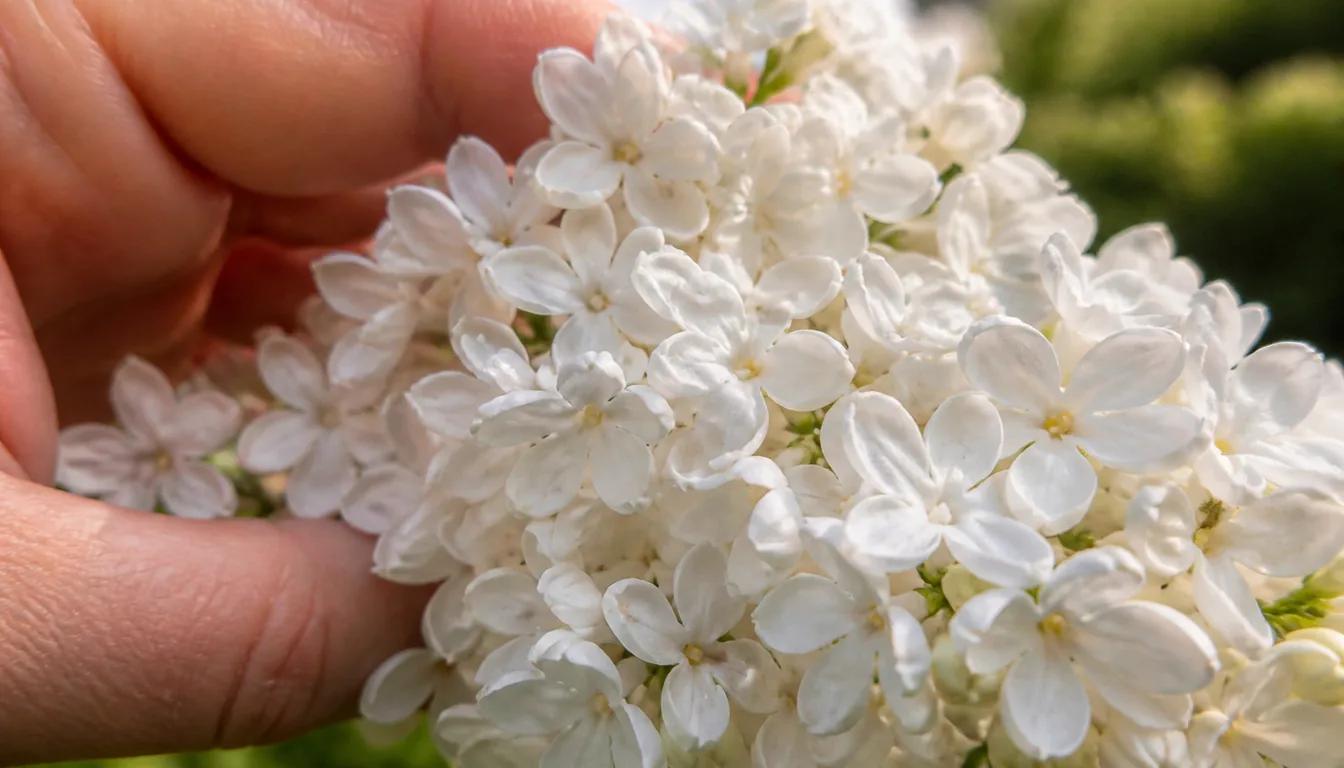
Best Fragrant Flowers for Every Yard and Season
The best fragrant flowers depend on climate, light, space, and the hours you use the yard.
15 min read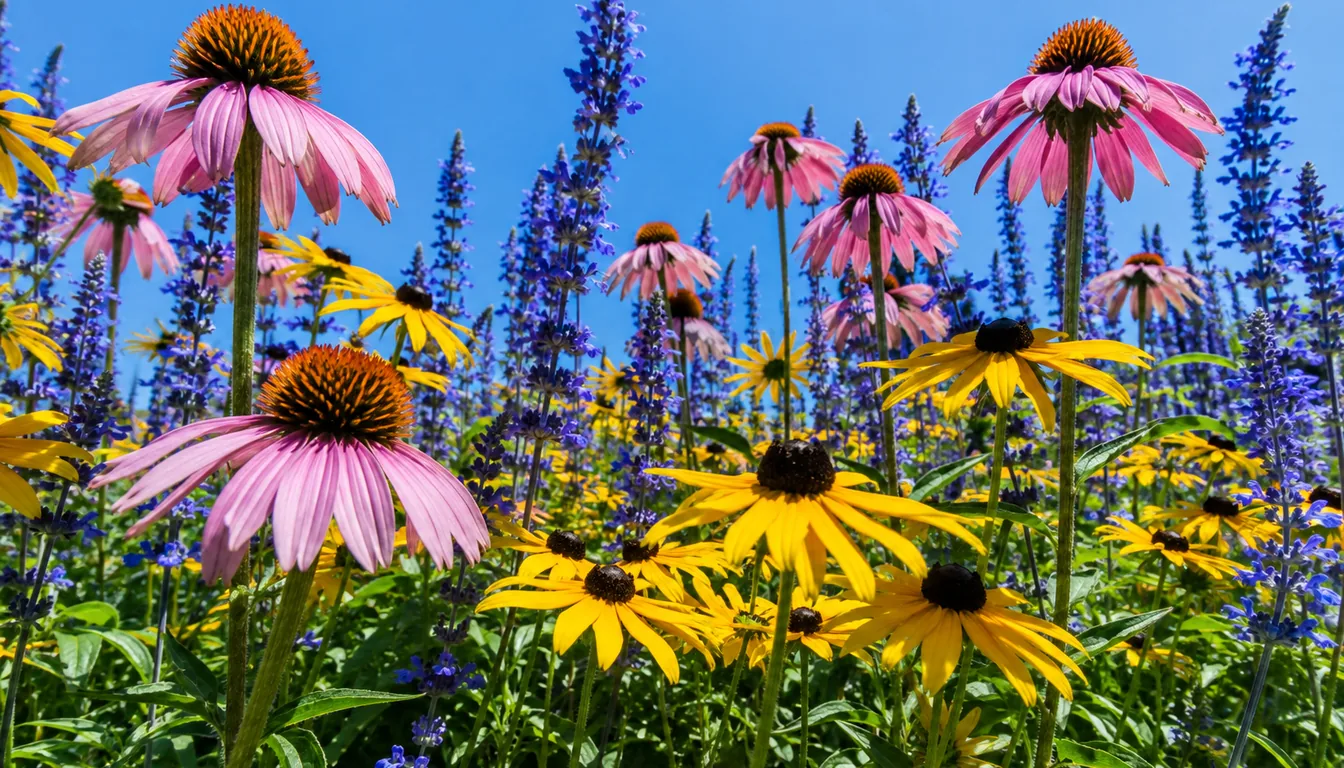
Best Full-Sun Perennials for Hot, Bright Beds
The best full-sun perennials are the ones that match the bed's soil moisture and drainage, local…
14 min read
Best Ground Cover Plants for Sun, Shade, and Slopes
The best ground cover is a plant that survives the site and performs the job without escaping into…
18 min read