
Best Indoor Plants for Every Room and Light Level
The best indoor plant is one that fits the light in its exact location and the care you will actually give it. A ZZ plant or cast iron plant is a strong choice for a dim corner, pothos and spider plant suit many bright rooms, and aloe or jade belongs on a genuinely sunny sill.
Room labels are less useful than conditions. A bathroom can be bright and dry, a living room can be dark ten feet from its windows, and a south window can become too hot for foliage that prefers filtered light.
Start with the permanent location, then choose the plant. That order gives you a much better chance of bringing home a plant that still looks good a year later.
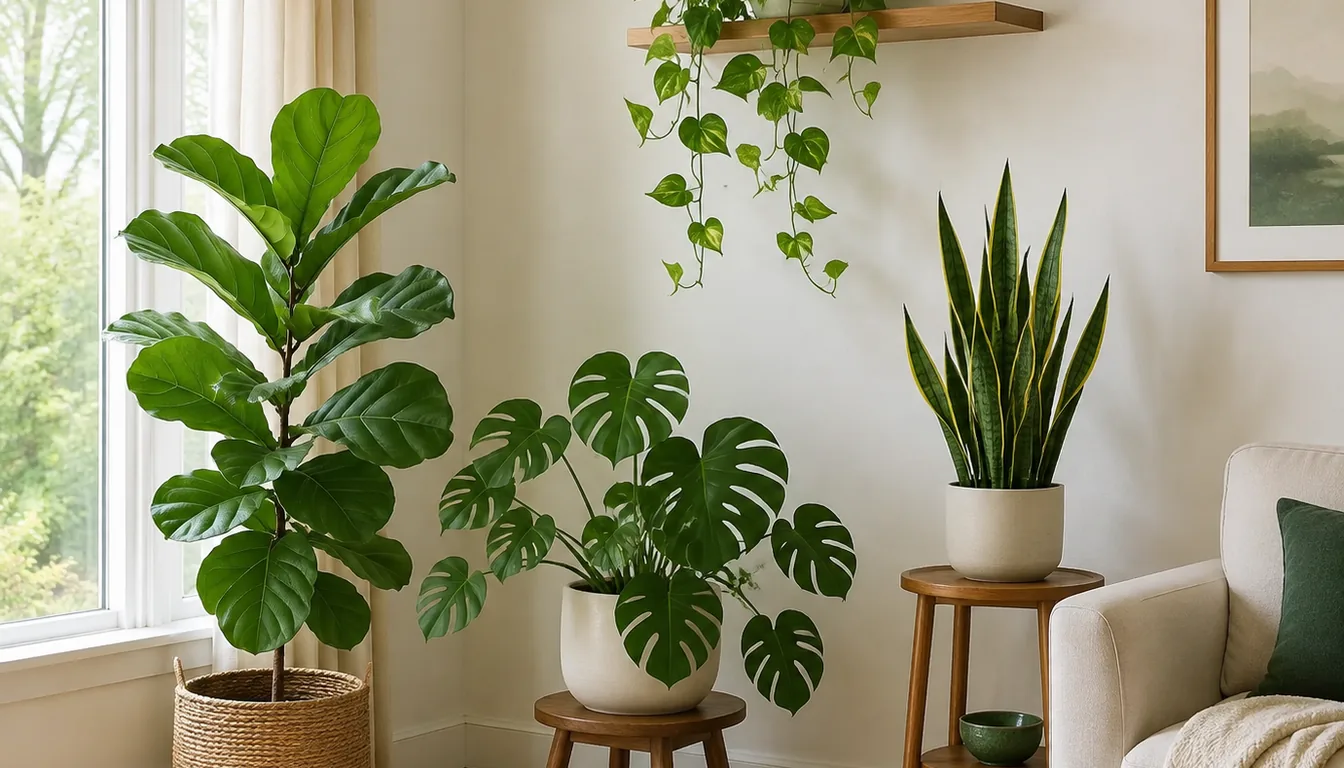
Which Indoor Plant Is the Best Fit for Your Home?
There is no single best houseplant for every home.
The useful answer changes with available daylight, floor or shelf space, how often you notice dry soil, and whether a child or animal can reach the foliage.
- Dim room with natural daylight
- ZZ plant or cast iron plant
- Bright room without harsh midday sun
- Pothos, spider plant, or baby rubber plant
- Large floor plant in bright indirect light
- Monstera or rubber plant
- Sunny south or west sill
- Aloe vera, jade plant, or ponytail palm
- Pet-safer starting point
- Spider plant, parlor palm, baby rubber plant, or African violet
- Windowless room
- Add a properly positioned grow light or choose a nonliving display
For a first plant, favor a species with some margin for error and buy the smallest number you can observe well.
One healthy plant teaches you more about the way soil dries in your home than six unrelated plants with six different needs.
Think about mature size before you fall for a small nursery pot. A young monstera may fit on a desk today, while a pothos can remain shelf-friendly because its vines can be cut back or trained.
Pet safety can eliminate a popular recommendation immediately. Pothos, philodendron, snake plant, peace lily, and ZZ plant should not be treated as safe chewing plants, so use the pet-safer shortlist when leaves will be within reach.
How Much Light Does the Exact Spot Receive?
Light is usually the limiting condition indoors.
Window direction is a useful clue, but the size of the window, distance from the glass, curtains, roof overhangs, nearby buildings, and outdoor trees can change the result.
Bright indirect light produces a clear or softly edged shadow while direct sun places visible sunbeams on the leaves. Low light still lets you comfortably see and work during the day without switching on a lamp, but the plant casts little or no defined shadow.
A spot several feet from a bright window may receive much less usable light than your eyes suggest.
Human vision adjusts to a dim room, while a plant has no way to compensate for energy that never reaches its leaves.
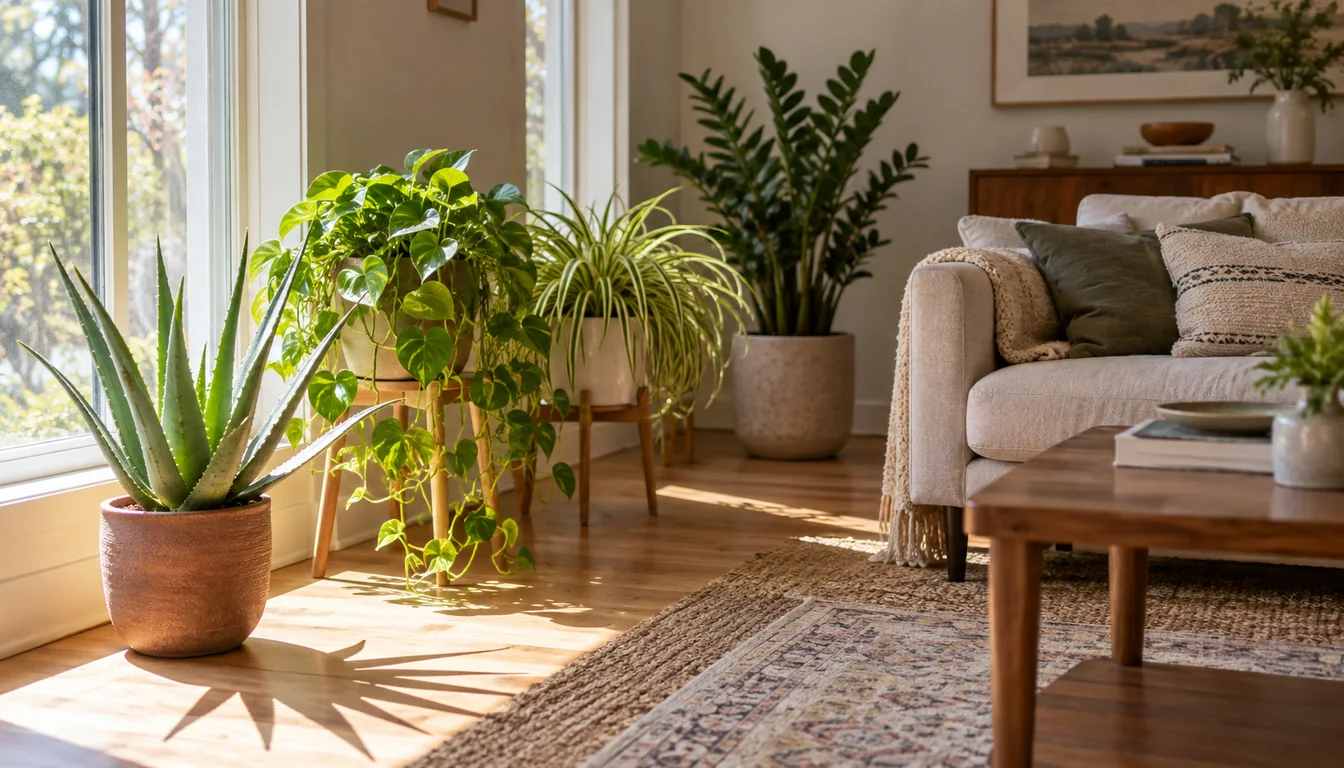
- Observe the spotCheck it in the morning, around midday, and late afternoon on a clear day.
- Watch for direct raysRecord how long sun actually lands where the foliage will sit.
- Look at the shadowA strong hard-edged shadow signals direct light, while a softer distinct shadow suggests bright indirect light.
- Account for barriersInclude curtains, tinted glass, insect screens, overhangs, trees, and nearby buildings.
- Check through the yearRevisit the spot when seasons change because sun angle and tree leaves can transform it.
- Watch the plantStretching, smaller new leaves, and loss of variegation can signal too little light, while bleached patches or dry scorched areas can signal excessive direct sun.
Do not move a nursery-grown plant straight into intense midday sun because its label says bright light. Increase exposure over several days and watch the newest leaves, especially after moving a plant outdoors or removing a curtain.
If you want a deeper shortlist for a dim room, the low-light plants guide separates genuine shade tolerance from plants that merely survive for a while.
The central distinction is that low light is still light.
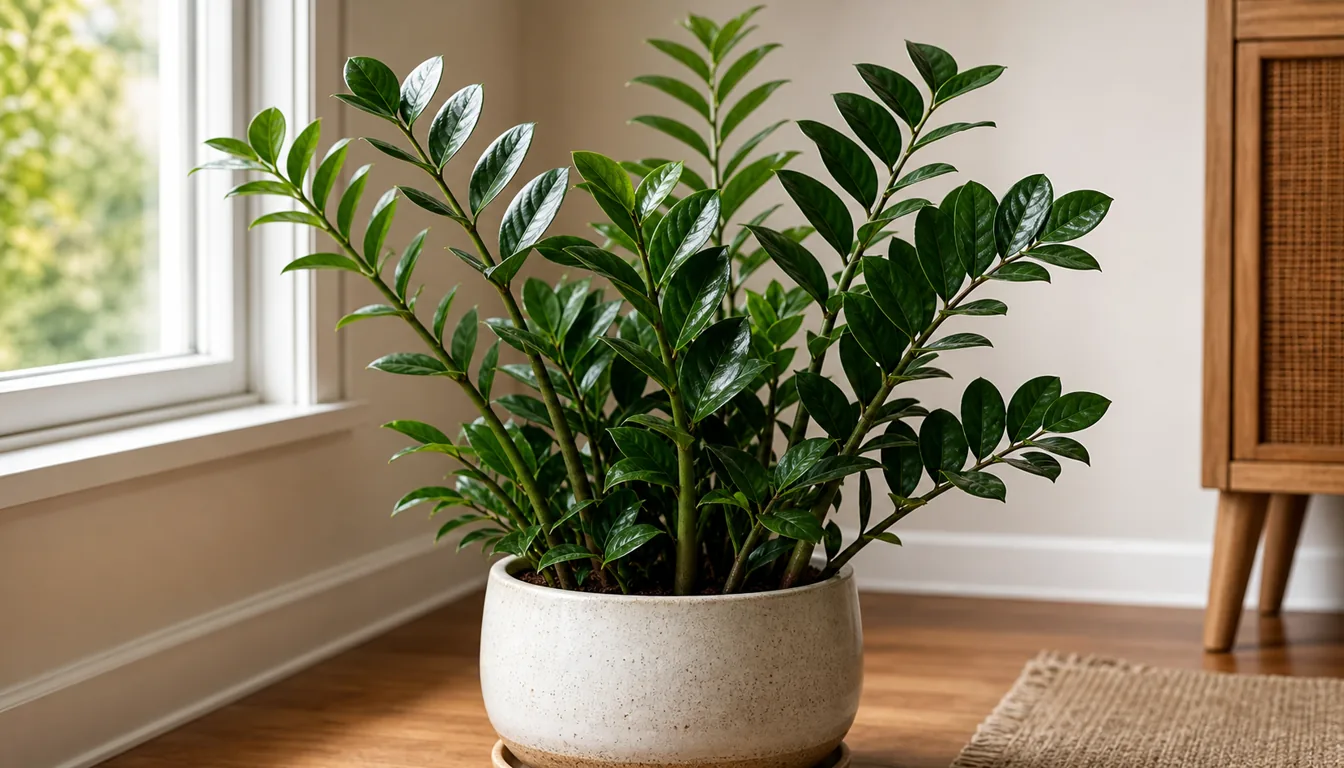
ZZ Plant
An upright floor or tabletop plant for low to medium natural light
- Mature fit
- Slow growth keeps it manageable in a container for years
- Main tradeoff
- Wet soil is a greater risk than a missed watering, and the plant is not pet-safe
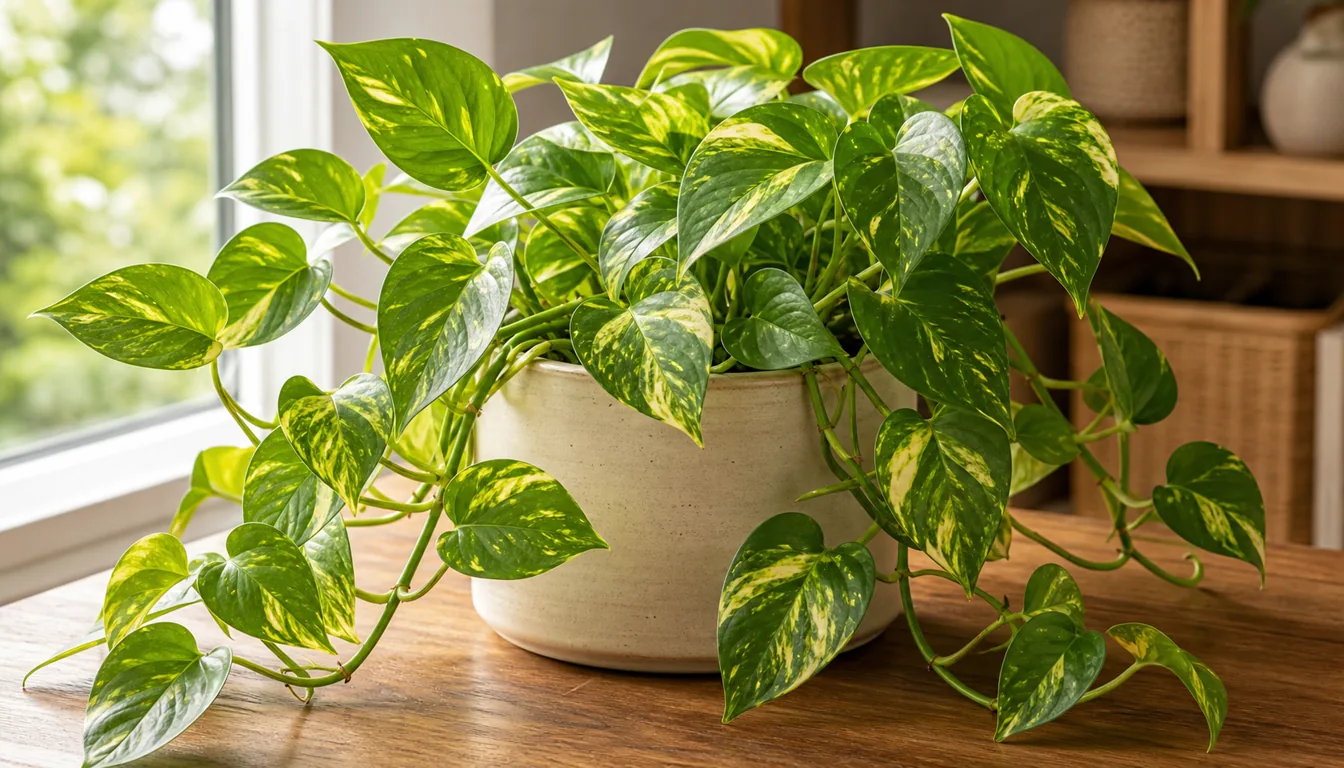
Golden Pothos
A trailing or climbing plant for medium to bright indirect light
- Mature fit
- Vines can hang from a shelf or be trained up a support
- Main tradeoff
- Growth becomes sparse in weak light, and the foliage is not pet-safe
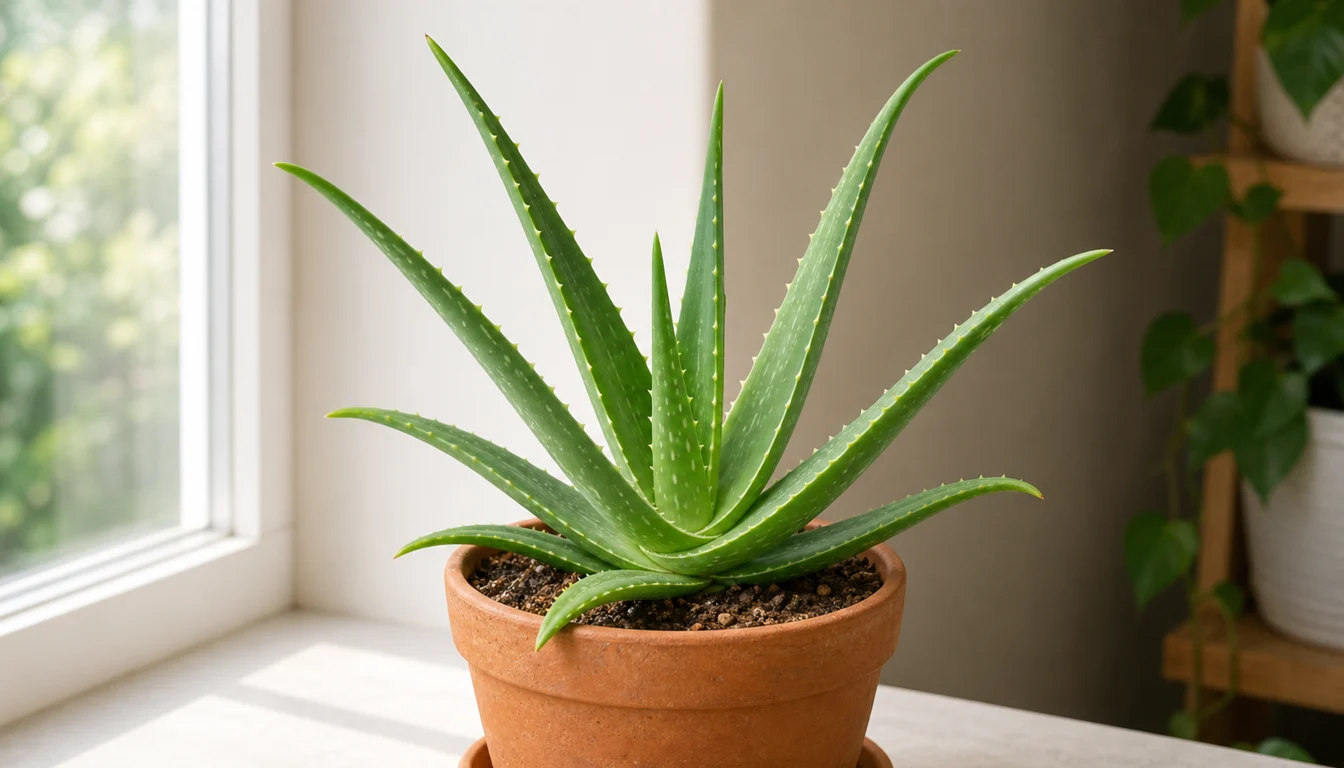
Aloe Vera
A compact succulent for a sill with several hours of direct sun
- Mature fit
- A shallow, stable pot suits its spreading offsets
- Main tradeoff
- It declines in dim rooms and is not pet-safe
What Are the Best Indoor Plants for Low Light?
ZZ plant and cast iron plant are the strongest default choices when a room receives natural daylight but no direct sun. Both hold their shape in subdued light and tolerate ordinary household humidity.
Snake plant also tolerates low light, though it grows better with brighter indirect light. Its thick leaves store water, which makes it useful for someone who forgets to water but risky for someone who adds water whenever the surface looks dry.
Green Chinese evergreen cultivars cope with lower light better than heavily pink, red, or cream forms. Variegated leaves have less chlorophyll, so a colorful plant placed deep in a dim room often loses vigor or color.
None of these plants thrives in total darkness.
Slow growth can look like success for months even while stored energy is being depleted, and a plant that makes no new leaves is not necessarily content.
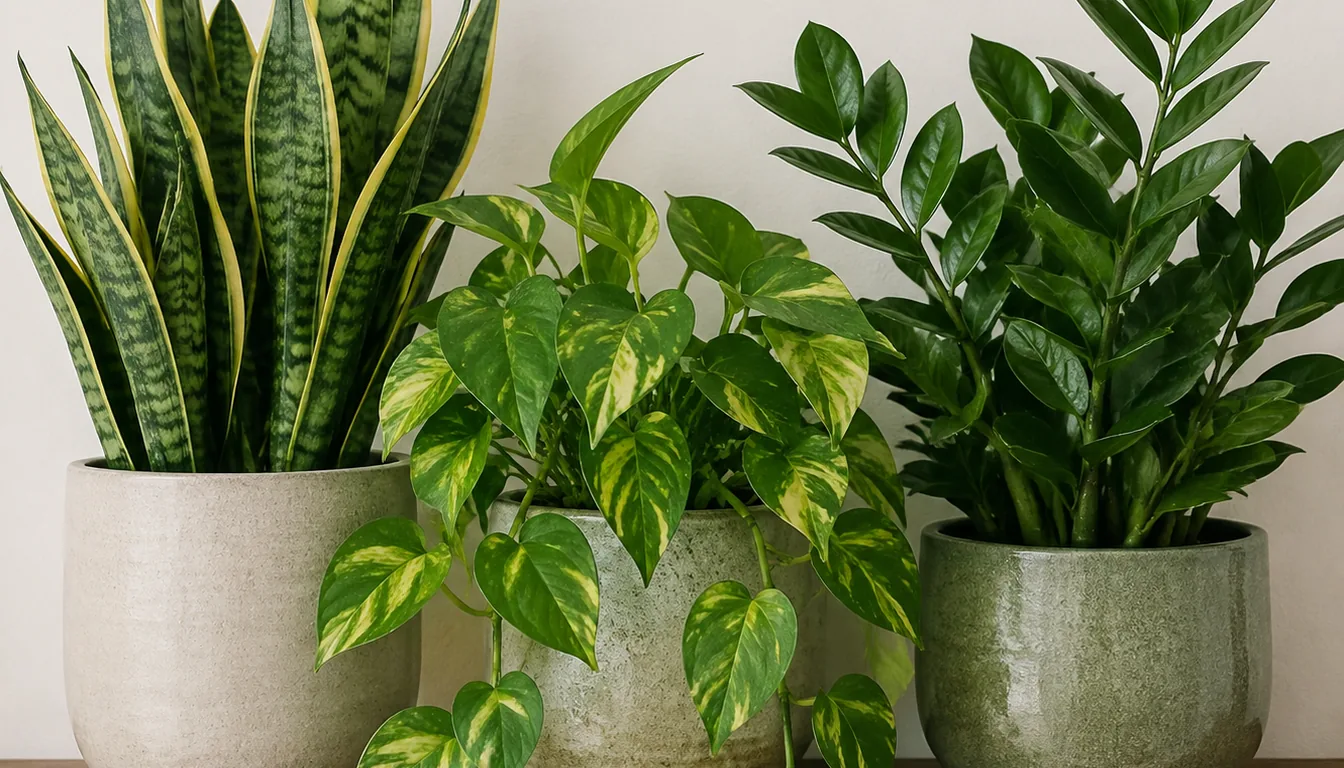
Do not choose a peace lily merely because it wilts visibly. Wilting can make thirst obvious, but repeated collapse stresses the plant, and peace lily is unsafe for pets that chew foliage.
Use a compact plant in a small low-light spot rather than trying to keep a large floor specimen alive far from a window.
A modest ZZ plant close to the available daylight will usually look better than a large plant pushed into the darkest decorative corner.
ZZ Plant
Glossy upright foliage for low to medium natural light
- Mature fit
- Slow, contained growth works beside a desk or on the floor
- Main tradeoff
- Allow substantial drying and keep it away from chewing pets
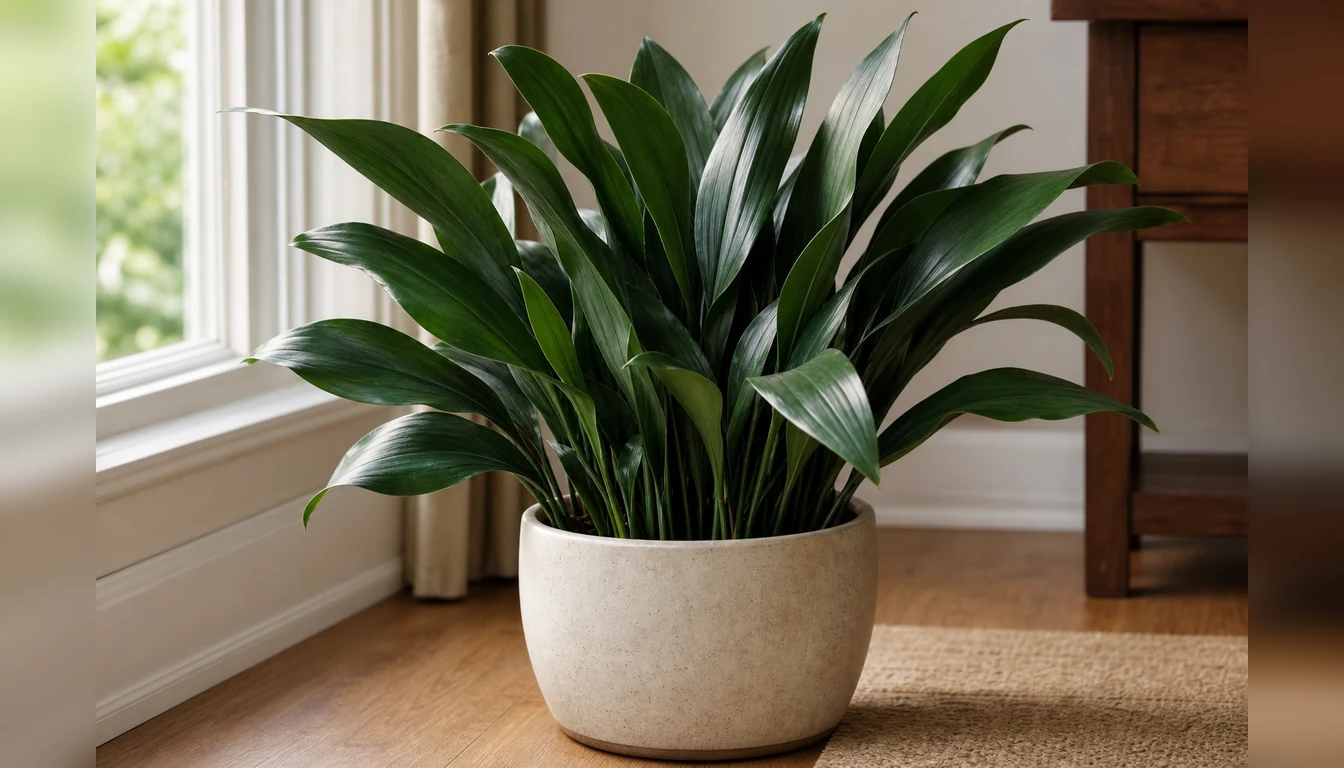
Cast Iron Plant
Broad dark leaves for a cool-looking, shaded interior
- Mature fit
- A clump fills a floor pot without climbing or trailing
- Main tradeoff
- Growth is slow, and strong direct sun can bleach the leaves
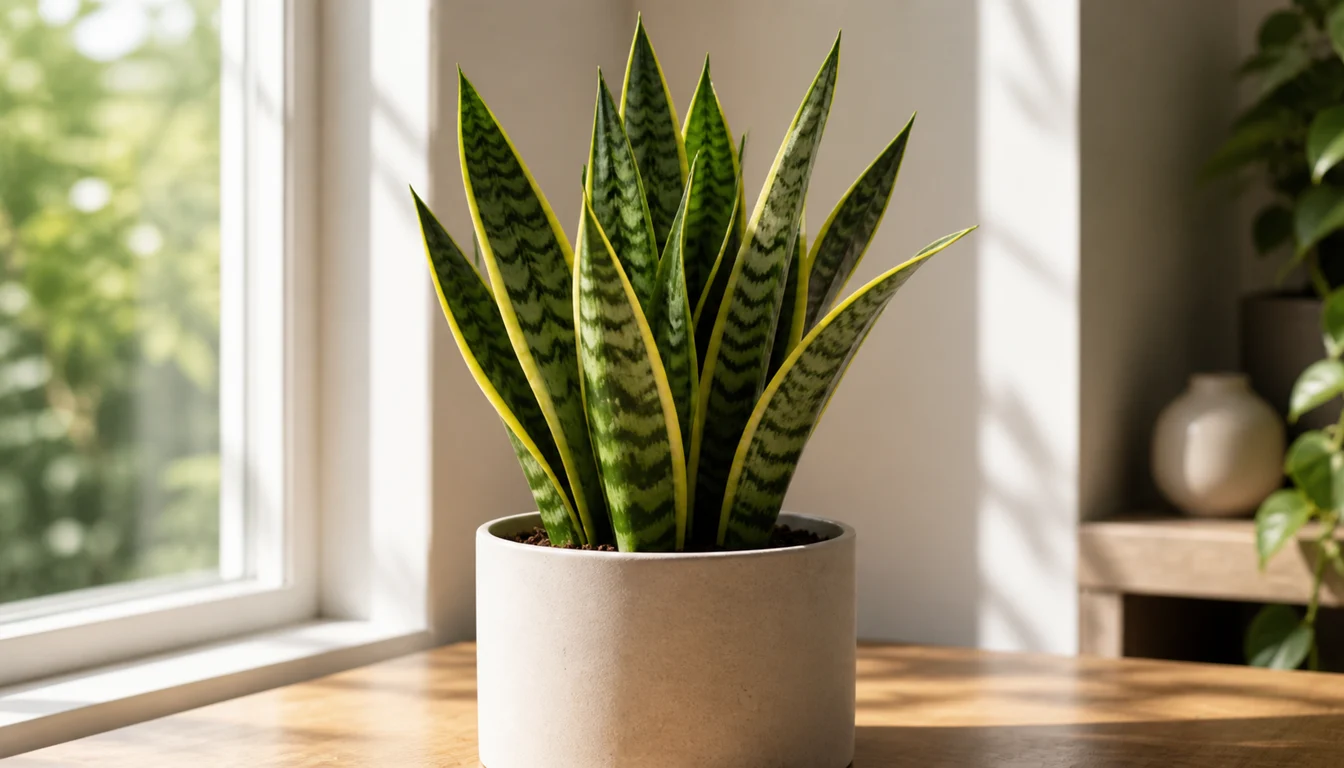
Snake Plant
Vertical leaves where narrow floor space matters
- Mature fit
- Its upright form uses little horizontal room
- Main tradeoff
- Dense wet mix can rot roots, and the plant is not pet-safe
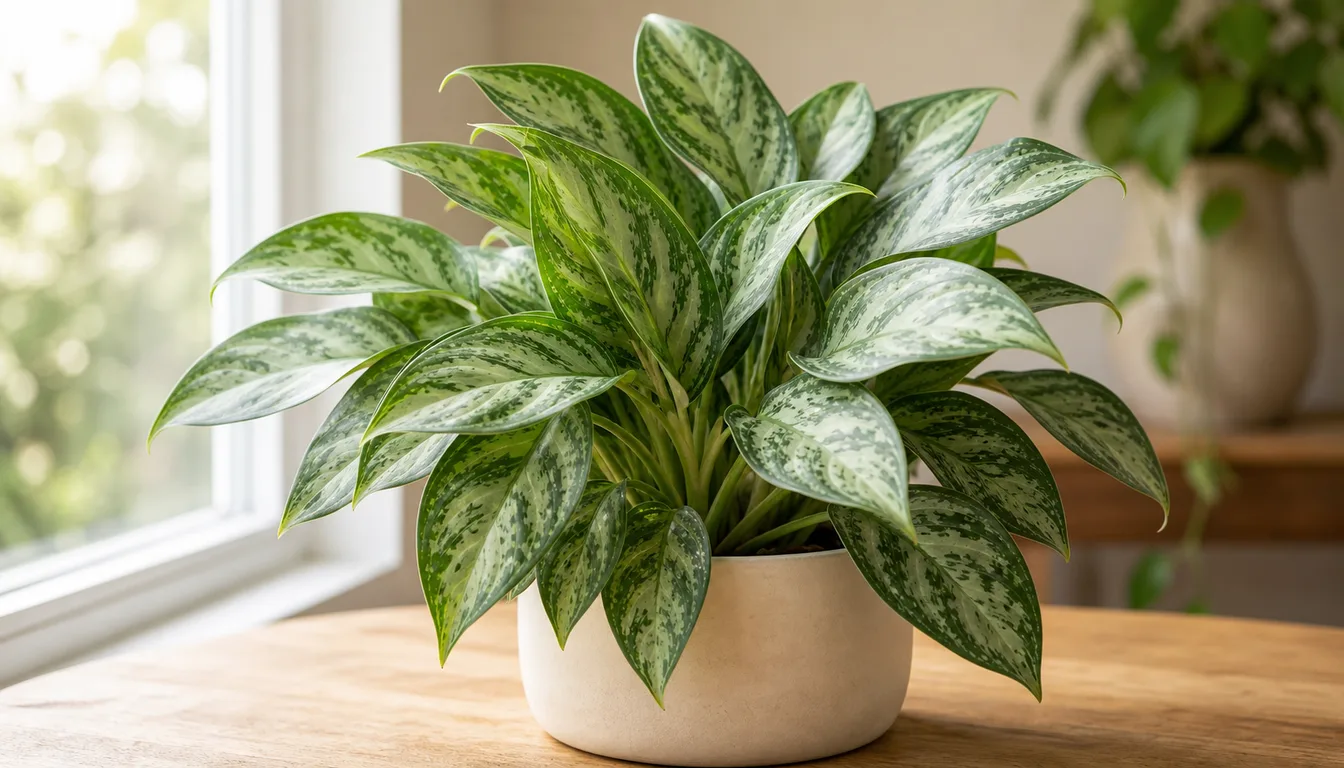
Chinese Evergreen
Patterned foliage for low to bright indirect light
- Mature fit
- A bushy plant fills a tabletop or low stand
- Main tradeoff
- Colorful cultivars need more light, and the foliage is not pet-safe
Which Plants Prefer Bright Indirect Light?
Bright indirect light gives you the widest selection.
An east window often provides gentle direct morning sun followed by bright ambient light, while a sheer curtain can soften stronger exposure at a south or west window.
Pothos is a useful beginner choice when you want trailing growth. Heartleaf philodendron fills a similar role, while spider plant forms a grassy fountain and sends out plantlets when conditions suit it.
Baby rubber plant, Peperomia obtusifolia, stays tidier on a desk or shelf. Its thick leaves tolerate a little drying, but the plant still wants enough light to keep its stems compact.
Monstera fits a floor position where its leaves have room to spread and a support can be added as it climbs. A small juvenile plant is inexpensive, but it should not be bought as a permanently compact tabletop accent.
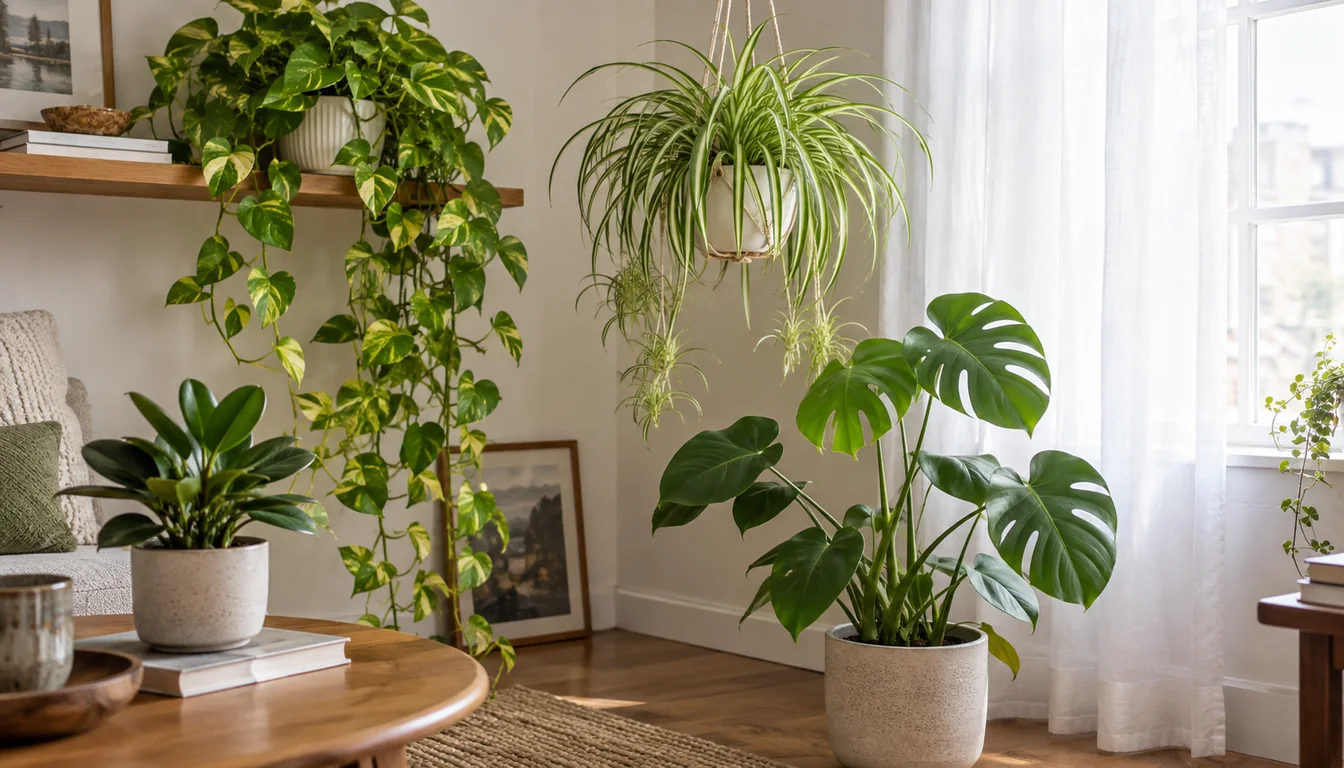
Trailing shelf or hanging pot
Pothos or heartleaf philodendron
Compact desk or narrow shelf
Baby rubber plant
Arching leaves and hanging plantlets
Spider plant
Large floor statement
Monstera or rubber plant
Pet-safer bright-room option
Spider plant or baby rubber plant
Variegation is a useful light indicator.
Cream, white, or yellow portions cannot photosynthesize as efficiently as green tissue, so variegated pothos and rubber plants usually need a brighter position than greener forms.
Bright indirect light is not a license to water weekly. A small plant in dense mix can remain wet longer than a large root-bound plant beside the same window, so match the plant first and then learn how that individual pot dries.
Golden Pothos
Fast trailing foliage for a shelf, hanging pot, or climbing support
- Mature fit
- Pruning controls long vines and keeps growth near the pot
- Main tradeoff
- Variegation fades in dim light, and the plant is not pet-safe
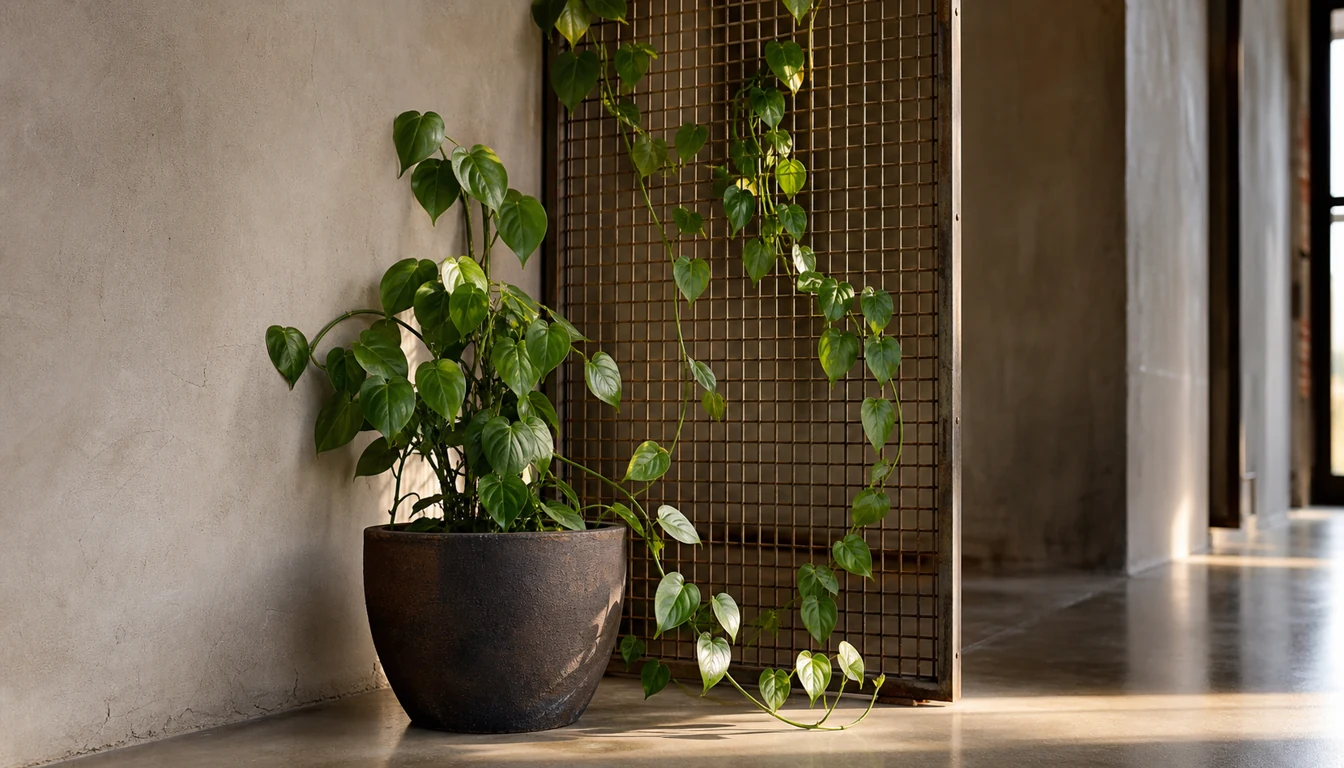
Heartleaf Philodendron
Soft heart-shaped vines for a hanging or climbing display
- Mature fit
- Flexible stems can trail or wrap around a support
- Main tradeoff
- Weak light produces sparse growth, and the plant is not pet-safe
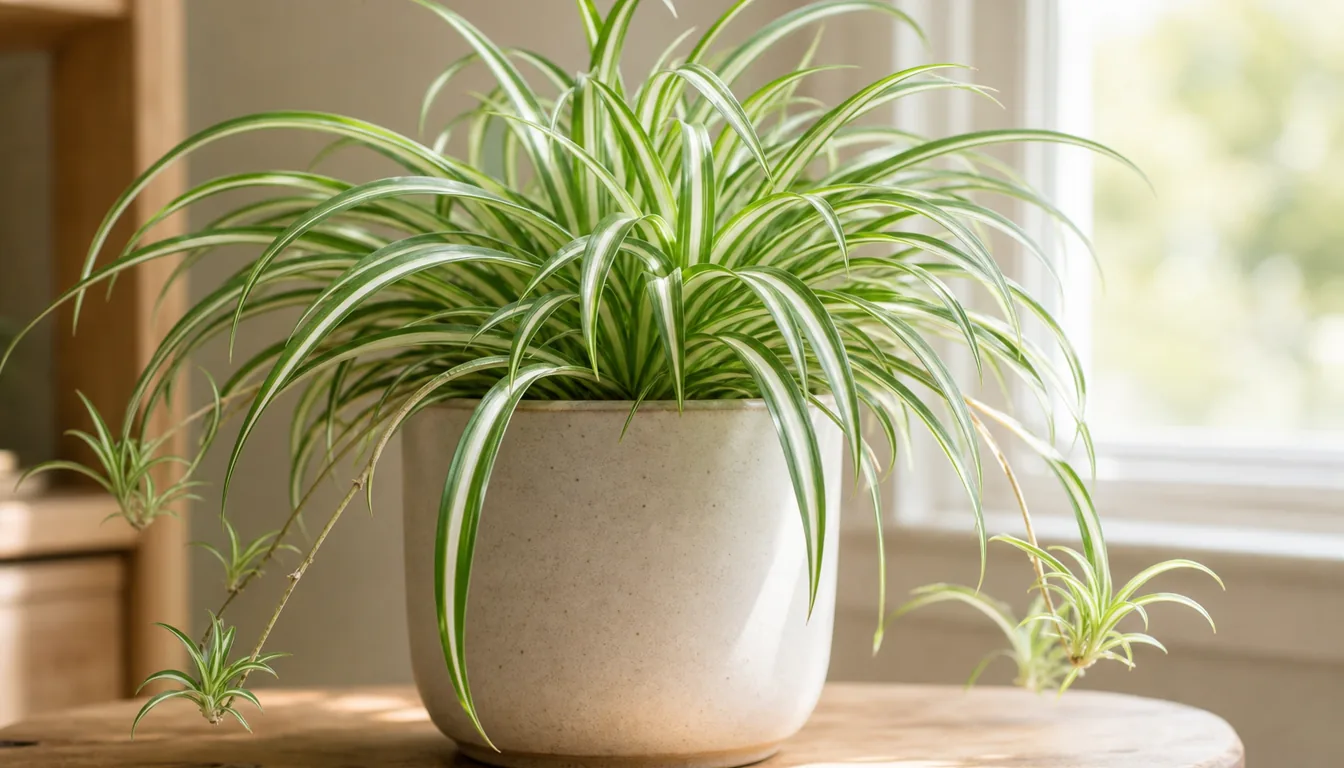
Spider Plant
Arching striped foliage and easy-to-root plantlets
- Mature fit
- A hanging pot gives the runners room to fall
- Main tradeoff
- Leaf tips can brown, and mature plants need width around the pot
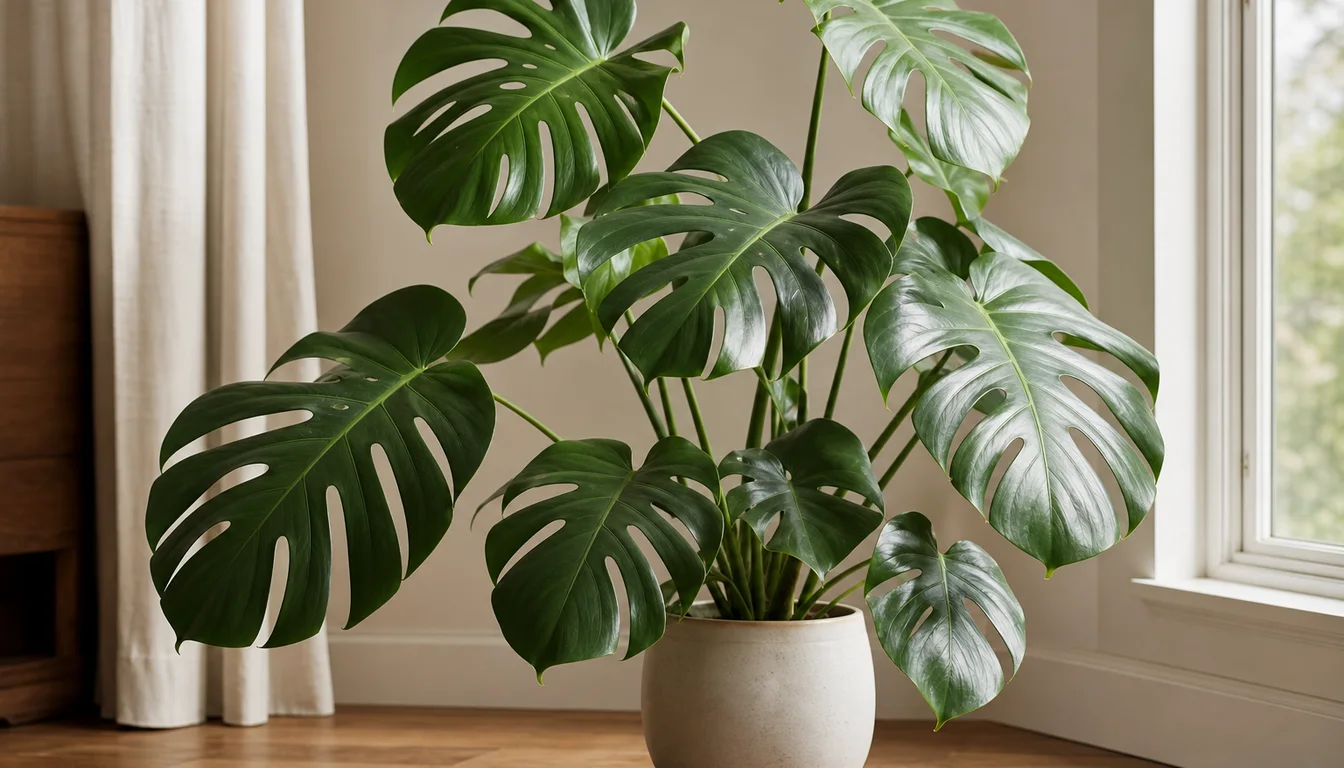
Monstera
A large climbing focal plant for a bright room
- Mature fit
- Reserve floor space and provide a sturdy support
- Main tradeoff
- It outgrows shelves and is not pet-safe
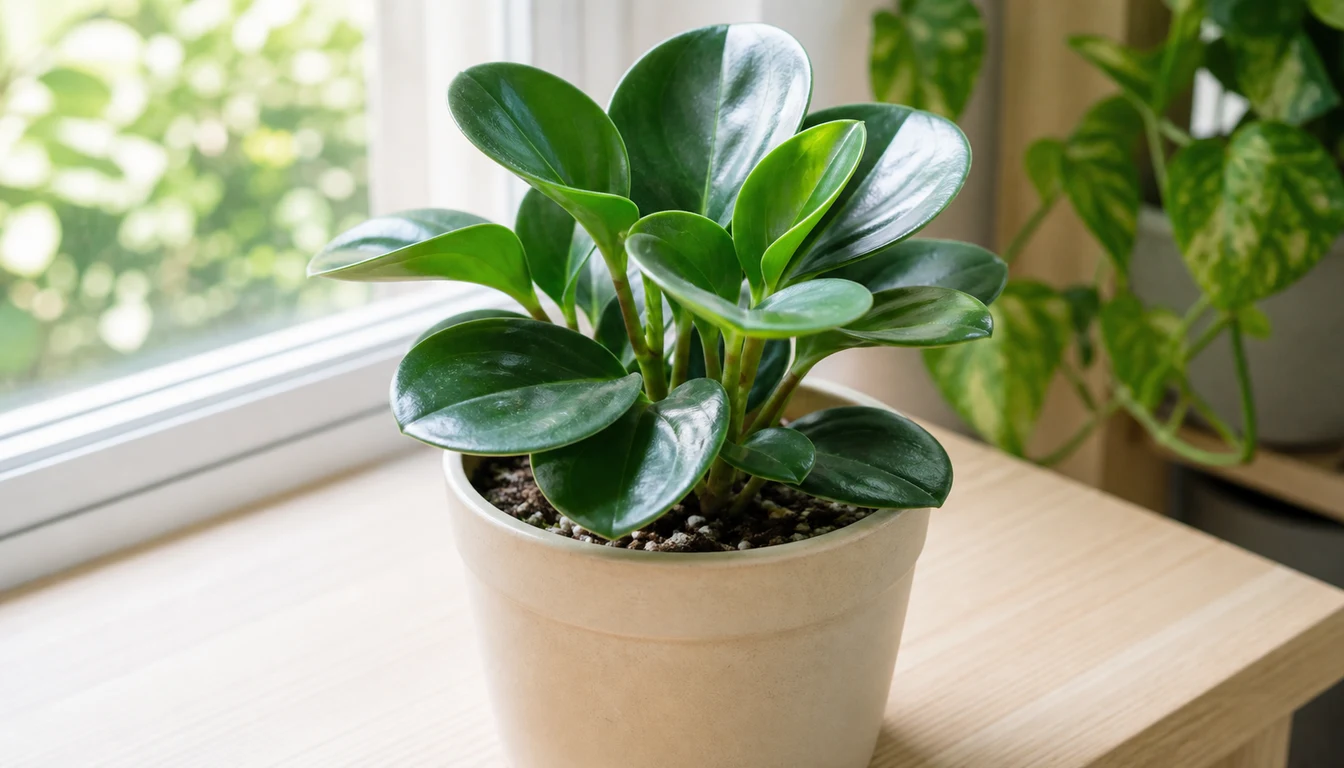
Baby Rubber Plant
Compact glossy foliage for a bright desk or shelf
- Mature fit
- Its bushy habit stays smaller than most tropical floor plants
- Main tradeoff
- Stems stretch in weak light, and wet dense mix encourages decline
Which Indoor Plants Can Take Direct Sun?
Aloe vera, jade plant, and ponytail palm are reliable choices for a window that receives several hours of direct sun. Their water-storing leaves, stems, or swollen bases also suit a person who is more likely to forget water than give too much.
Direct sun through glass can still scorch a plant that was grown under greenhouse shade.
Acclimate it by increasing exposure gradually, and keep leaves from pressing against very hot or cold glass.
Rubber plant accepts some gentle direct light and grows well in strong indirect light, but a sudden move into harsh afternoon sun can damage foliage. Monstera generally belongs a little farther back or behind a sheer curtain rather than on an exposed west sill.
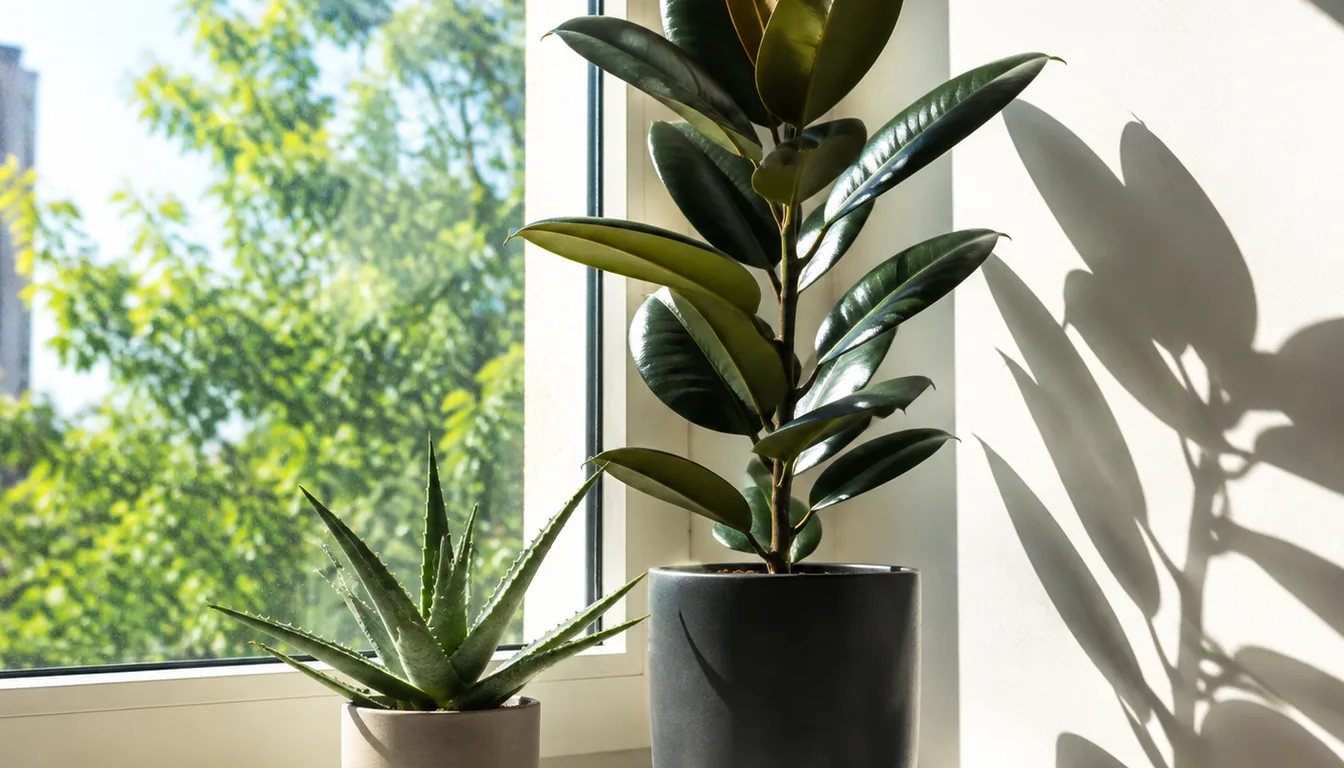
Succulents fail in dim rooms more often than labels suggest.
Aloe and jade may stay alive while slowly stretching, leaning, or dropping lower leaves, but moving them closer to usable light addresses the cause.
Fast drainage matters because a sunny plant can still rot in a pot that holds water around its roots. Use a pot with an open drainage hole, empty the saucer or cover pot after watering, and wait for the root zone to dry according to the species rather than adding small sips.
Aloe Vera
A sculptural succulent for a sunny sill
- Mature fit
- Offsets form a widening clump in a stable pot
- Main tradeoff
- It stretches in weak light and is not pet-safe
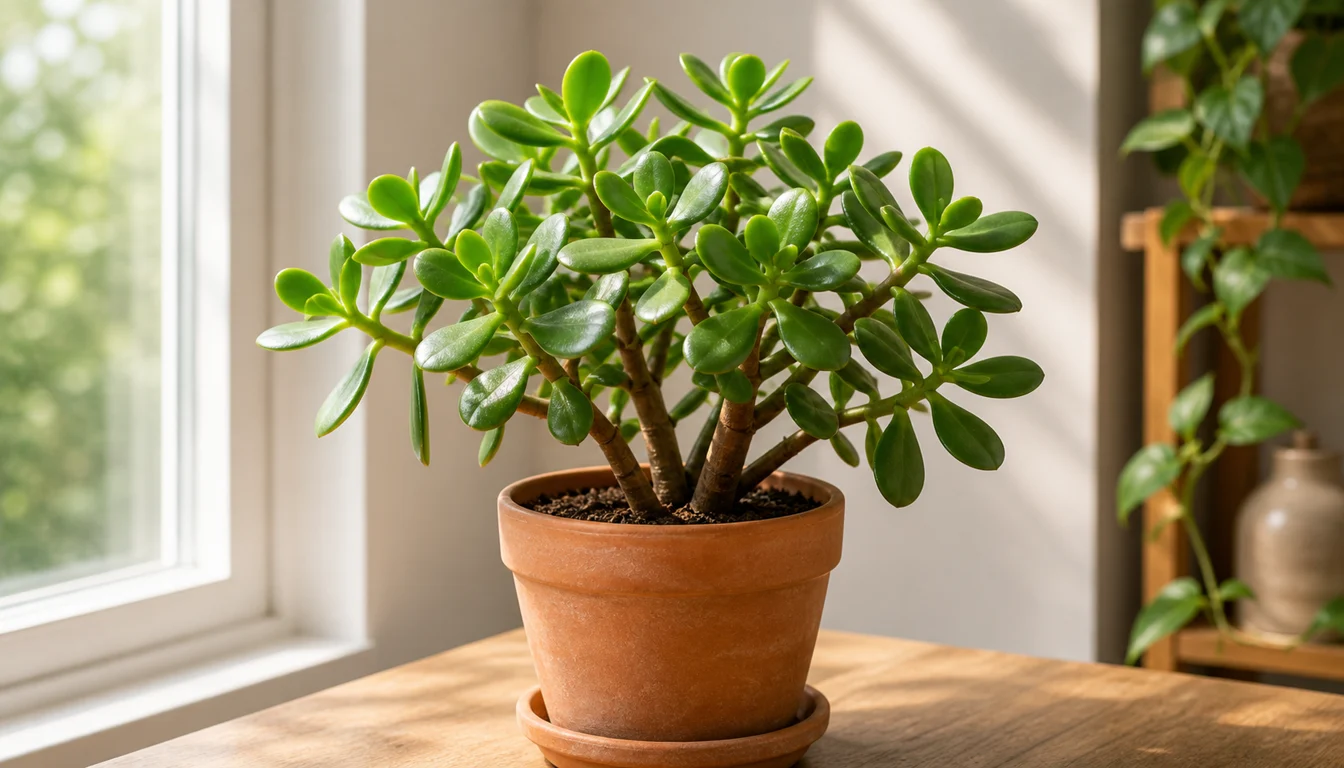
Jade Plant
A branching succulent for strong window light
- Mature fit
- Slow woody growth creates a small tree-like form
- Main tradeoff
- Wet soil causes trouble, and the plant is not pet-safe
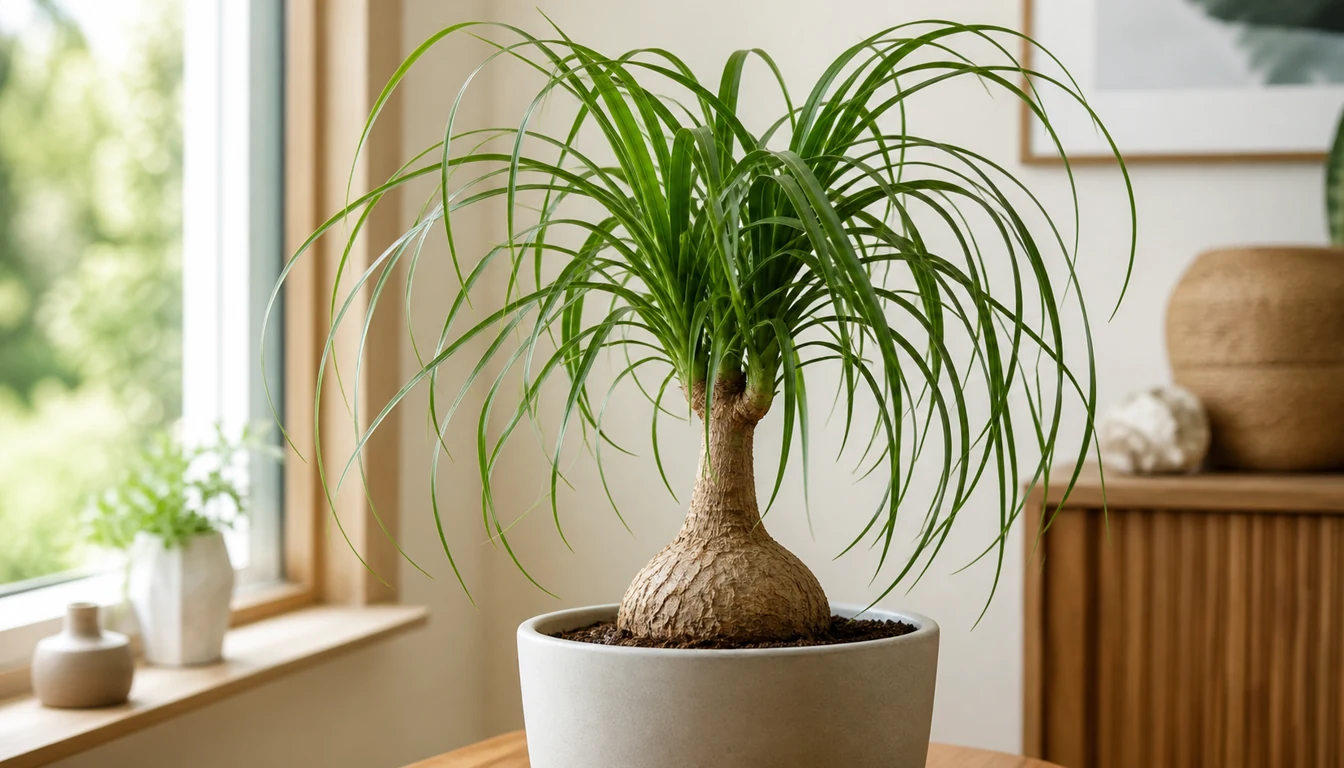
Ponytail Palm
A narrow, drought-tolerant focal plant for direct sun
- Mature fit
- The swollen base grows slowly and needs a stable floor or table pot
- Main tradeoff
- It needs stronger light than many foliage houseplants
What Is the Best Indoor Plant for Each Room?
Choose by the conditions inside the room, not the name on the door. A plant does not benefit from being in a bedroom or bathroom by itself, and ordinary ceiling lights usually do not replace the daylight it needs.
| Room or position | Good starting choice | Why it fits | Check before buying |
|---|---|---|---|
| Bedroom with medium daylight | Pothos or baby rubber plant | Compact or trailing growth is easy to place | Keep out of pet reach if choosing pothos |
| Bright bathroom window | Spider plant or parlor palm | Both accept ordinary indoor humidity and indirect light | A windowless bathroom still needs a grow light |
| Home office shelf | Baby rubber plant or African violet | Small mature footprint | Confirm the shelf receives light rather than only room illumination |
| Narrow floor corner | Snake plant or ZZ plant | Upright growth uses little width | Natural daylight must reach the corner |
| Large bright living room | Monstera or rubber plant | Broad foliage fills a floor position | Reserve mature space and rotate for balanced growth |
| Sunny kitchen sill | Aloe vera or jade plant | Compact form and direct-sun tolerance | Keep foliage away from a hot stove and cold glass |
| High shelf with pets below | Spider plant | Arching foliage and ASPCA non-toxic listing | Secure the pot and trim tempting runners if needed |
Bathrooms are often recommended because showers raise humidity, but that temporary moisture cannot compensate for darkness.
A bright bathroom can suit many tropical plants, while a windowless bathroom is an artificial-light problem.
Bedrooms do not require a special oxygen plant.
Choose a plant that fits the bedroom's light and the sleeper's practical routine, then use ventilation and established indoor-air measures for air quality.
In small apartments, growth direction matters as much as pot diameter. A narrow snake plant uses vertical space, a pothos can trail from above, and a monstera needs clear floor area plus room for leaves to spread.
Avoid placing leaves against heaters, air-conditioning vents, exterior doors, or cold window glass.
The plant may match the room's average temperature but still be damaged by the small zone around a draft or heat source.
Snake Plant
Vertical foliage for a narrow floor position with natural light
- Mature fit
- Leaves rise from the pot without a broad canopy
- Main tradeoff
- Keep away from pets and avoid wet soil
Spider Plant
A hanging or high-shelf plant for a bright bedroom or bathroom
- Mature fit
- Runners need open space below and around the pot
- Main tradeoff
- Secure the container because long plantlets attract attention
Monstera
A broad floor plant for a large bright living room
- Mature fit
- Provide a support and room for expanding leaves
- Main tradeoff
- It becomes large and is not pet-safe
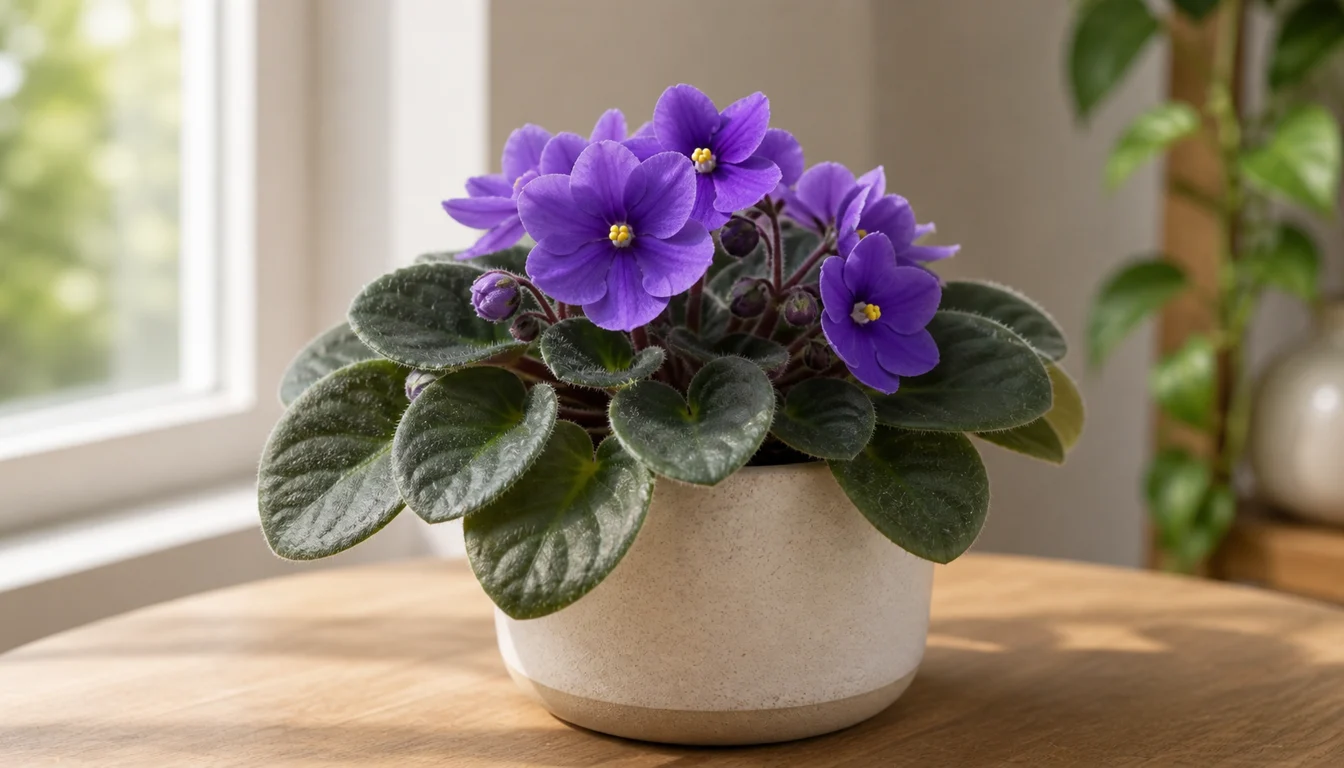
African Violet
A flowering accent for a well-lit desk or compact shelf
- Mature fit
- Its low rosette stays within a small footprint
- Main tradeoff
- It wants consistent bright indirect light and careful watering
Which Indoor Plants Are Safer Around Cats and Dogs?
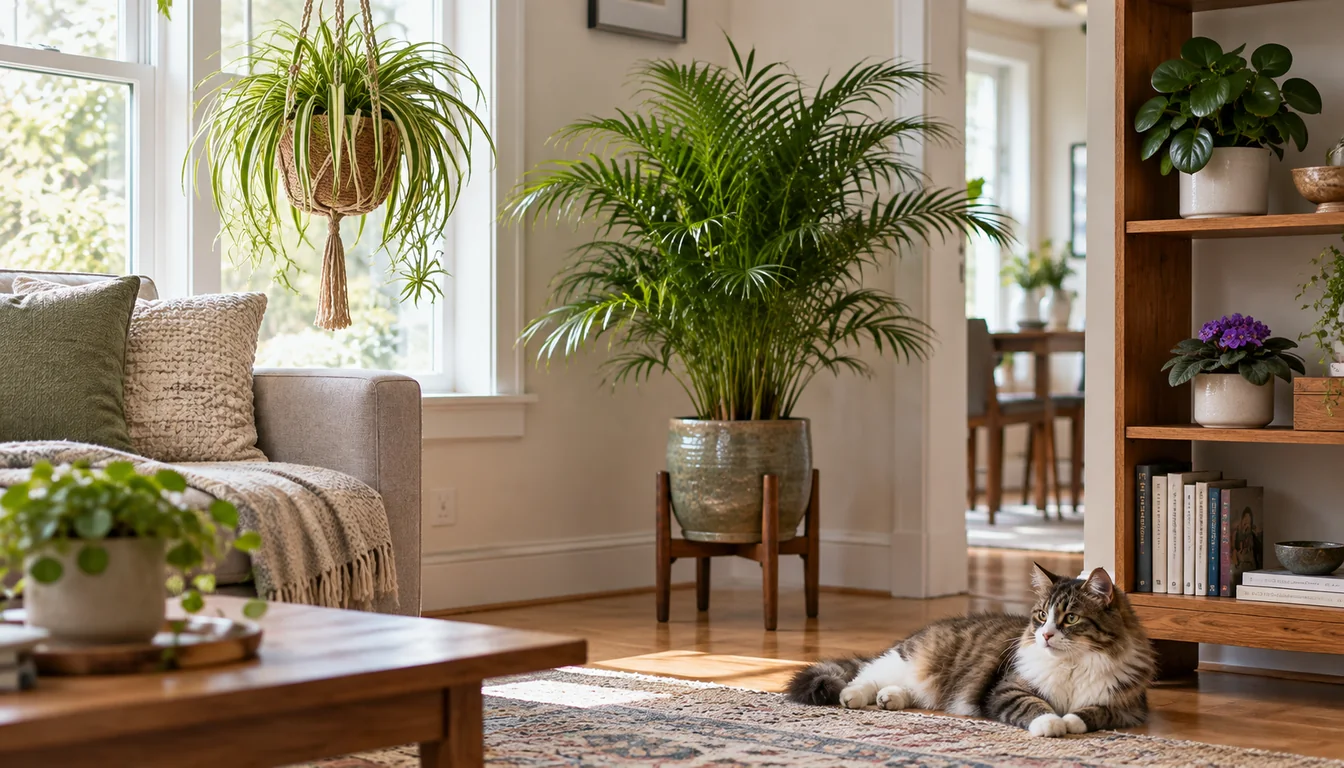
Spider plant, parlor palm, baby rubber plant, and African violet appear on ASPCA non-toxic plant resources.
The pet-safe houseplant guide offers a longer shortlist, but placement and animal behavior still matter.
A non-toxic listing does not make a plant edible or consequence-free. Chewing any plant material can cause stomach upset, a heavy pot can fall, and fertilizers or pest-control products may present a separate hazard.
- Confirm the exact botanical name because common names can refer to unrelated plants
- Check the ASPCA database or ask your veterinarian before bringing the plant home
- Place pots where an animal cannot pull them down or dig in treated soil
- Keep fertilizer, systemic insecticide, leaf shine, and loose potting mix secured
- Watch new pets and young animals instead of assuming they will ignore foliage
- Contact a veterinarian or poison-control service if exposure causes concern
Pothos and heartleaf philodendron contain insoluble calcium oxalates that can irritate the mouth and digestive tract. Peace lily has the same type of concern despite not being a true lily, while snake plant and ZZ plant also belong outside a pet-accessible shortlist.
True lilies are a separate and much more serious danger to cats.
A plant sold with lily in its common name should be identified precisely before it enters a cat household.
The safest decision may be to skip a live floor plant if a determined pet reaches every surface. A hanging pot is useful only when its vines, fallen leaves, drip water, and mounting hardware are also out of reach.
Spider Plant
Pet-safer arching foliage for a hanging pot or bright shelf
- Mature fit
- Allow space for long runners and plantlets
- Main tradeoff
- Cats may still chew the leaves, so placement remains important
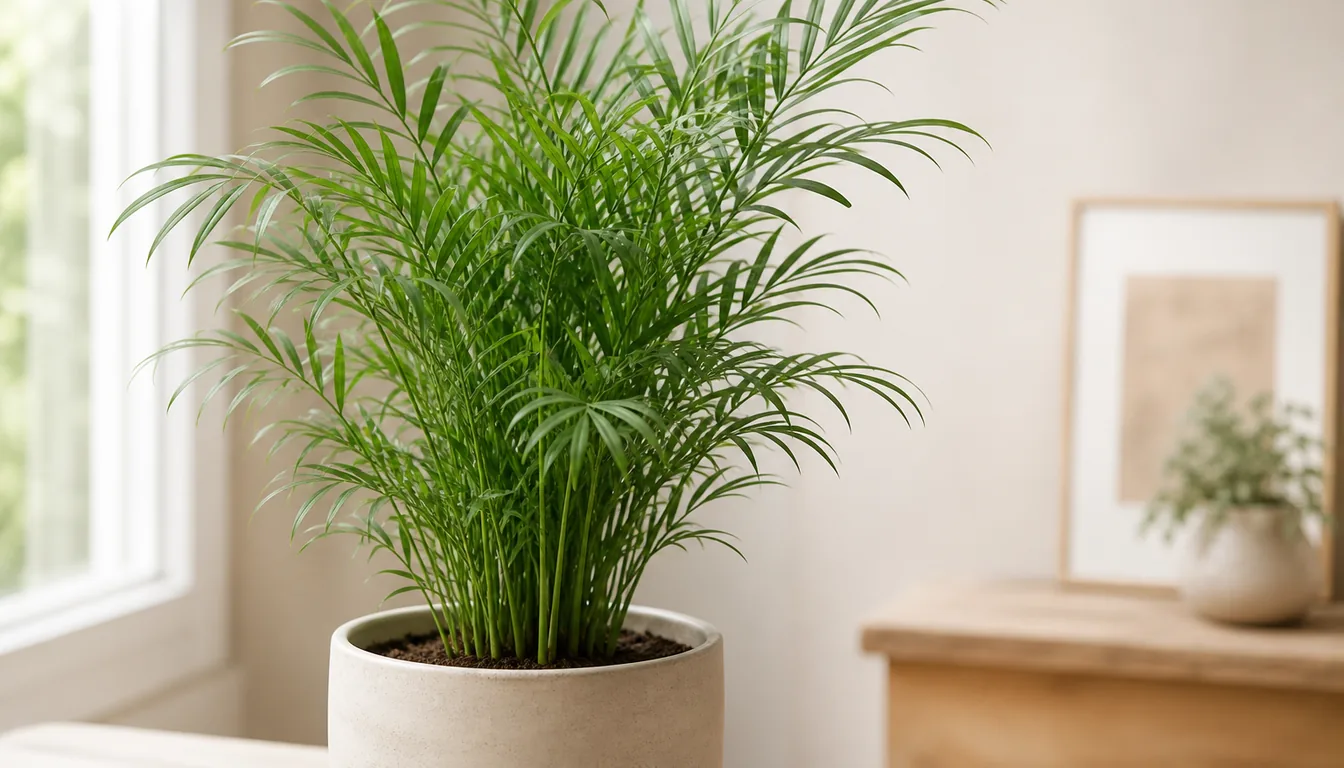
Parlor Palm
Pet-safer feathery foliage for indirect light
- Mature fit
- A slow-growing floor pot adds height without a rigid trunk
- Main tradeoff
- It needs room for spreading fronds and can develop dry tips
Baby Rubber Plant
Pet-safer glossy foliage for a desk or shelf
- Mature fit
- Compact branching growth stays easy to place
- Main tradeoff
- It still needs bright indirect light and a stable pot
African Violet
A pet-safer flowering plant for a small bright position
- Mature fit
- The low rosette fits a windowside table
- Main tradeoff
- Blooming depends on adequate light and consistent care
Can Plants Grow in a Windowless Room?
A living plant needs usable light to grow indefinitely.
Snake plant and ZZ plant tolerate low light, but neither turns darkness into energy.
Ordinary room lighting is designed for human vision and is often too weak or too far away to support compact plant growth. A dedicated LED grow light can make a windowless office or bathroom workable when it is close enough to the foliage and runs for a consistent daily period.
Iowa State Extension gives a typical supplemental-light range of 10 to 16 hours per day, with 12 to 14 hours as a general duration for many indoor plants.
The correct distance depends on fixture output because light intensity drops as the fixture moves away.
- Choose a full-spectrum or daylight-colored LED intended for plant growth
- Use the manufacturer's coverage and distance guidance for that exact fixture
- Put the light on a timer so day length stays consistent
- Leave a dark period instead of running the fixture around the clock
- Watch new growth for stretching, leaning, bleaching, or heat damage
- Raise, lower, or extend the light only after observing the plant's response
The useful measure is the light arriving at the leaves, not the brightness of the bulb when viewed across the room.
A decorative lamp in the ceiling can look intense while delivering little plant-usable light to a pot near the floor.
White full-spectrum LEDs make it easier to judge leaf color and use the room than purple fixtures. They still need safe mounting, airflow, and separation from water in kitchens and bathrooms.
If you do not want a fixture and timer, use dried material or a high-quality artificial plant in the dark spot. Rotating a live plant between darkness and a window can keep it alive temporarily, but it is less reliable than giving the plant a stable suitable location.
How Do You Choose a Healthy Plant at the Store?
A suitable species can still be a poor purchase if the individual plant arrives with pests, damaged roots, or a weak structure.
Inspect the whole plant before checking the decorative pot.
- Read both namesConfirm the botanical name and cultivar so you can verify light, mature size, and pet safety.
- Look at new growthChoose firm, normally colored leaves and shoots rather than distorted or collapsing tips.
- Check both leaf surfacesLook for webbing, sticky residue, cottony clusters, scale bumps, stippling, and moving insects.
- Inspect stems and crownsAvoid soft dark tissue, unexplained wounds, or crowded debris holding moisture at the base.
- Check the potConfirm a drainage path and reject a plant sitting in foul-smelling stagnant water.
- Ease out the root ball only with permissionHealthy roots vary by species, but widespread soft dark roots and a sour smell indicate trouble.
- Compare several plantsUnusual spotting across an entire batch may signal a pest, disease, or poor store conditions.
A few old lower leaves or a root at a drainage hole does not automatically make a plant unhealthy. The pattern matters more than one blemish, and a vigorous plant with minor transport damage can be a better choice than a spotless plant with soft stems.
Keep a new plant apart from an established collection long enough to inspect it repeatedly.
Pests hidden among folded leaves or at the soil line are easier to handle before the pot sits beside every other houseplant.
Do not rush to repot solely because the nursery container is plain. First make sure water can drain and the root zone is healthy, then change the pot when root condition, unstable growth, or unsuitable mix gives you a reason.
The final purchase should fit the location you measured earlier.
A healthy sun-loving succulent is still the wrong plant for a dark shelf, and a healthy shade-grown tropical can still scorch against a hot west window.
Pro Tips
- Choose the permanent location before choosing the species.
- Judge light where the leaves will sit, not at the nearest window.
- Treat low light as reduced daylight, never as darkness.
- Use a pot with a working drainage hole and empty collected water.
- Check pet safety by botanical name because common names can be ambiguous.
- Reserve sunny sills for plants that tolerate direct rays, such as aloe, jade, and ponytail palm.
- Use a timer and the fixture maker's distance guidance when a grow light replaces window light.
- Inspect leaf undersides, stems, crowns, and drainage before buying.
- Start with one to three plants whose needs match the conditions you can provide.
- Reassess light when curtains, outdoor foliage, or seasonal sun angles change.
Frequently Asked Questions
What is the easiest indoor plant for a beginner?
A ZZ plant is one of the easiest choices for a home with low to medium natural light and an owner who may forget to water. Pothos is a better beginner choice when you have brighter indirect light and want visible, faster growth, but it is not pet-safe.
What is the best indoor plant for low light?
ZZ plant and cast iron plant are dependable low-light choices when some natural daylight reaches the spot. Neither can live indefinitely in a windowless room without a grow light.
Can I keep a plant in a bathroom with no window?
Yes, if a properly positioned grow light supplies consistent light each day. Shower humidity does not replace light, and ordinary ceiling fixtures are usually too weak or distant for healthy plant growth.
Which indoor plants are safer for cats and dogs?
Spider plant, parlor palm, baby rubber plant, and African violet appear on ASPCA non-toxic plant resources. Confirm the exact plant and remember that chewing plant material can still cause stomach upset or pull down an unsecured pot.
Do indoor plants clean the air in a home?
Laboratory chamber studies show that plants can remove some volatile organic compounds, but a review of real-world removal rates found that ordinary potted plants do not clean indoor air at a meaningful building scale. The houseplants and indoor air guide explains the numbers. Use ventilation, source control, and suitable filtration for air quality.
How many indoor plants should a beginner buy?
Start with one to three plants that need similar light and watering conditions. A small group is easier to observe, and you can add more after you know how quickly pots dry and how the daylight changes in your home.
Is a bedroom different from another room for choosing plants?
No special bedroom plant is required. Match the species to daylight, temperature, available space, and pet access in the bedroom just as you would anywhere else.
Sources & References
- Iowa State University Extension, How to Care for Houseplants
- University of Georgia Extension, Growing Indoor Plants with Success
- Iowa State University Extension, Important Considerations for Supplemental Light
- ASPCA, Pet-Friendly Plants
- ASPCA, Golden Pothos
- ASPCA, Houseplants That Can Cause Trouble for Pets
- Iowa State University Extension, Shopping for Quality Plants
- Cummings and Waring, Potted Plants Do Not Improve Indoor Air Quality
Related Guides
Best Butterfly Garden Plants for a Complete Habitat
The best butterfly garden plants do two different jobs. Host plants feed caterpillars, while nectar…
15 min read
Best Fall-Blooming Flowers for Color Near Frost
A bed that still carries flowers in October usually was planned before temperatures fell.
9 min read
Best Fast-Growing Trees for Shade and Privacy
The best fast-growing tree is the one whose mature crown, roots, climate range, and maintenance…
16 min read
Best Fragrant Flowers for Every Yard and Season
The best fragrant flowers depend on climate, light, space, and the hours you use the yard.
15 min read
Best Full-Sun Perennials for Hot, Bright Beds
The best full-sun perennials are the ones that match the bed's soil moisture and drainage, local…
14 min read
Best Ground Cover Plants for Sun, Shade, and Slopes
The best ground cover is a plant that survives the site and performs the job without escaping into…
18 min read