
How to Plan a Cut Flower Garden for Steady Harvests
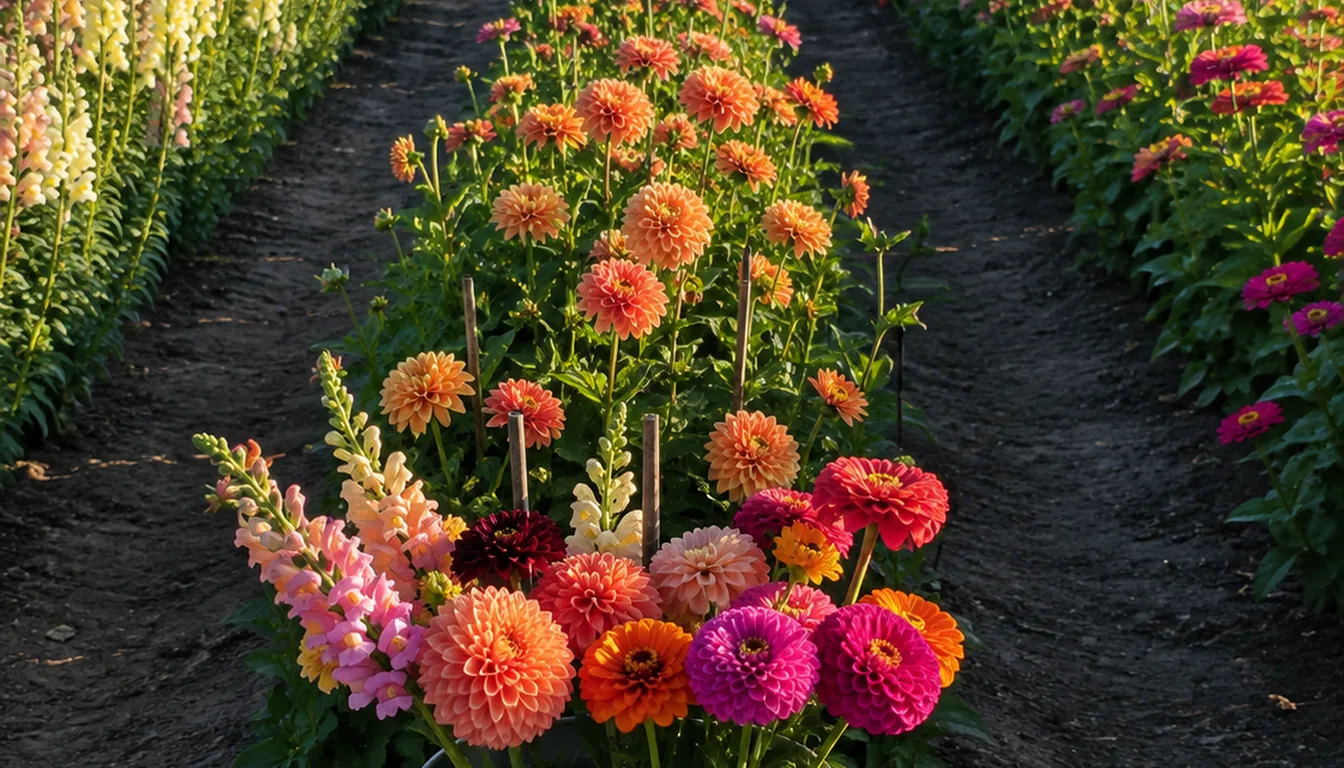
A productive cut flower garden needs easy access, varieties bred for useful stems, and more than one harvest window. Start with a bed you can reach without stepping on the soil, grow a small mix of focal flowers, fillers, and foliage, and use variety-specific sowing and harvest instructions instead of one calendar for every flower.
The best beginner plan is intentionally modest. One accessible bed can teach you how many stems your household uses, which flowers thrive in the site, and where the season runs empty before you spend money on more beds.
Plan backward from the bouquets you want. A weekly mixed vase needs different crops from occasional armfuls of sunflowers, and flowers grown for cutting need longer stems and a better harvest response than compact bedding varieties.
[ky_keyfacts] Site | Full sun for most crops, good drainage, water nearby, and wind protection Layout | Beds reachable from permanent paths without stepping into the root zone Plant mix | Focal flowers, forms or spikes, fillers, and foliage Season | Cool- and warm-season crops with selective succession sowing Harvest | Species-specific bud or bloom stage, clean tools, and immediate hydration [/ky_keyfacts]
At a glance
What Do You Want the Cutting Garden to Produce?
Count the vases or bouquets you realistically expect to cut during a normal week.
Then decide whether you prefer mixed arrangements, single-flower bunches, or a few special-event harvests.
A mixed bouquet needs more than large focal blooms. It also needs narrow or airy forms, smaller filler flowers, and foliage that can bridge gaps when one crop is between flushes.
Small household vases
Emphasize cut-and-come-again annuals, herbs or foliage, and a few perennial stems. Several small weekly harvests matter more than one large crop.
Single-flower bunches
Use repeat rows of one productive variety and stagger plantings only when that species responds well to succession sowing.
Spring-heavy harvest
Combine bulbs and cool-season annuals, then accept a quieter summer or add a separate warm-season row.
Summer-to-frost harvest
Build around warm annuals, dahlias where practical, and late perennials, with irrigation and support ready before heat arrives.
Dried arrangements
Add flowers and seedheads that retain form after drying, but keep their harvest and storage needs separate from fresh stems.
Do not promise a wedding, market volume, or a fixed number of bouquets from an untested bed. Weather, variety, spacing, pests, and your willingness to harvest frequently can change yield sharply.
Keep the first crop list short enough that you can learn each flower's sowing, support, and cutting stage. More species create more seed-starting dates and postharvest rules, not automatically better arrangements.
Write one sentence for each crop before buying it.
“This plant provides tall spikes in early summer,” or “This row provides airy filler from midsummer to frost.” If two crops have the same job and bloom window, keep the one better suited to your site.
Where Should You Put the Beds and Paths?
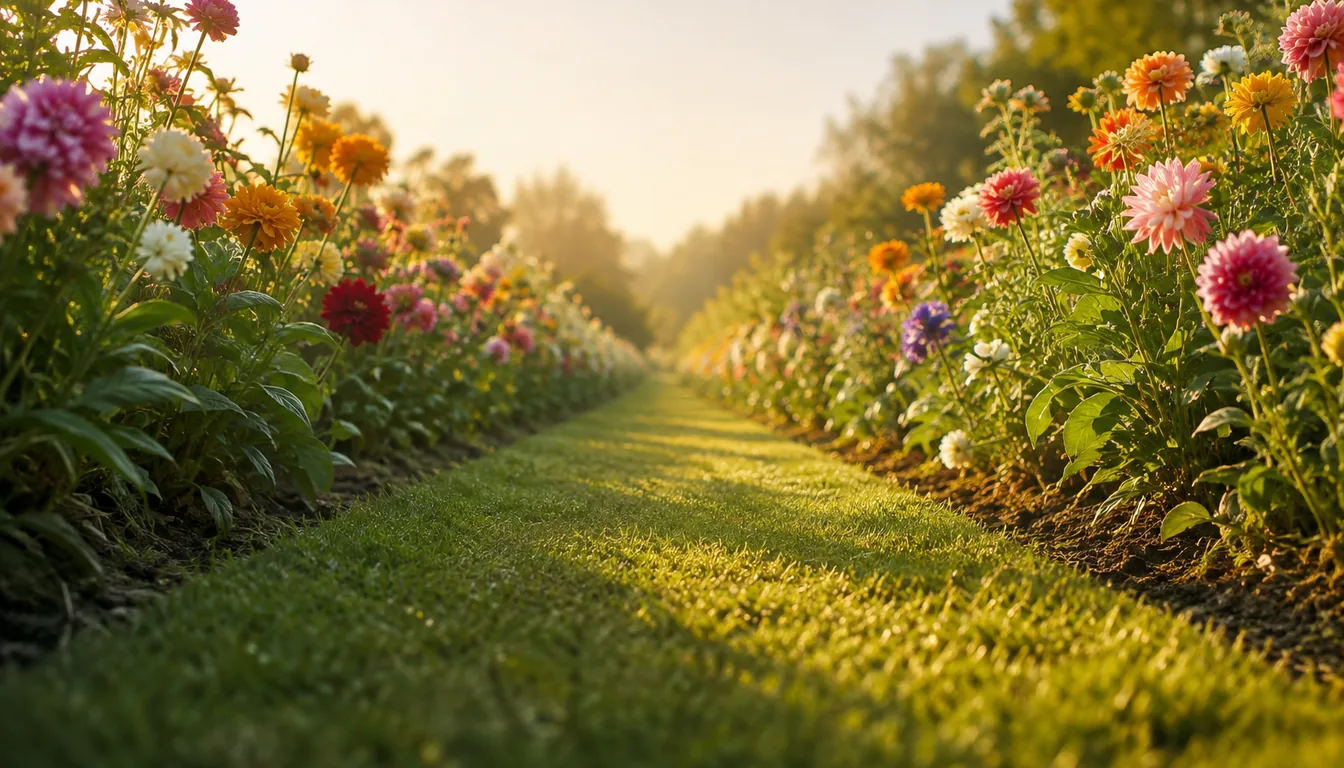
Most high-producing cut flowers need full sun, but access and drainage are equally important. A remote sunny corner that is difficult to water or reach with a bucket often receives less care than a slightly smaller bed beside a practical route.
Observe the site after rain and during the strongest wind.
Standing water threatens roots, while exposed wind bends valuable stems and can make netting or stakes essential.
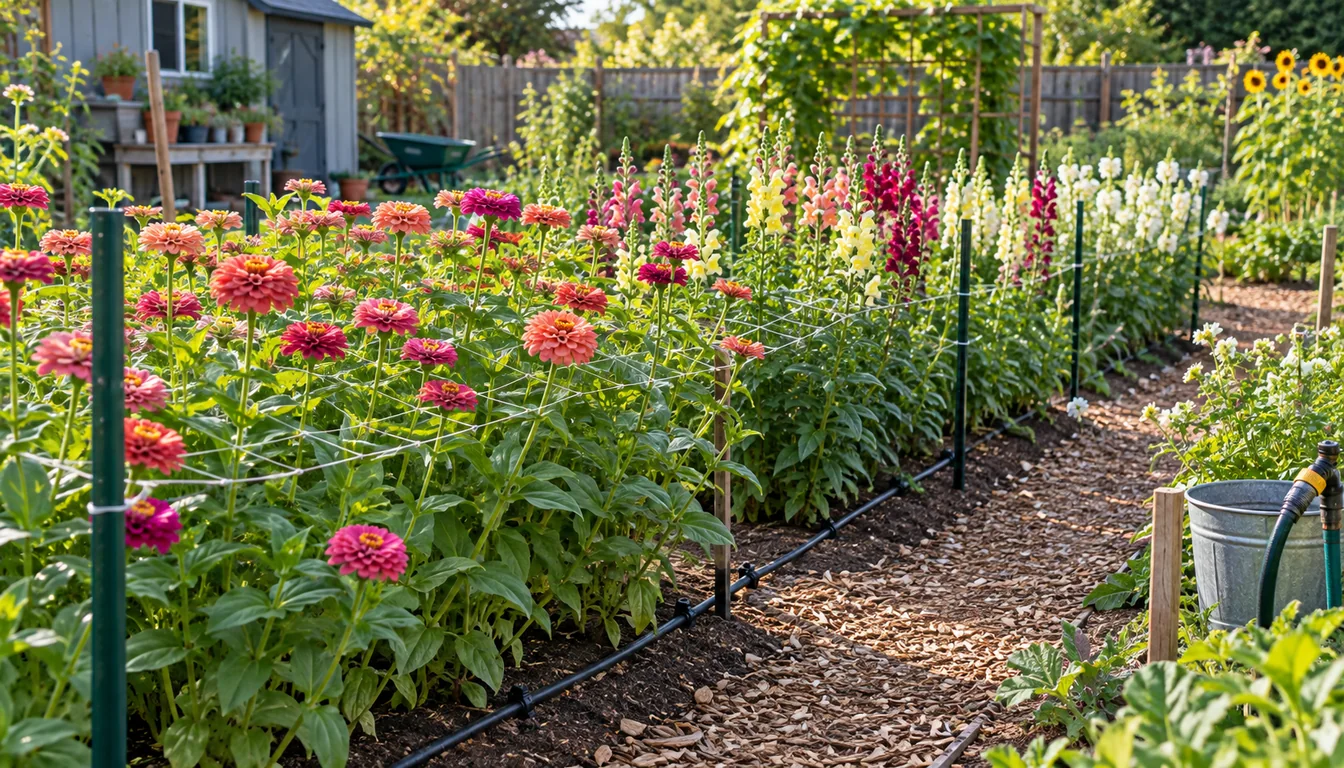
- Measure usable sunRecord direct light after nearby trees leaf out, not only during bare winter conditions.
- Check drainage and soilInspect where water stands, obtain a soil test, and correct a proven limitation across the bed rather than amending isolated holes.
- Draw permanent pathsMake them wide enough for your bucket, cart, or kneeling position and keep bed centers within comfortable reach.
- Locate waterPlan drip tape, a soaker hose, or another root-zone system before the crop fills the bed.
- Mark crop blocksGroup plants with similar support, water, and harvest schedules so routine work stays efficient.
- Reserve a work pointLeave a shaded place for clean buckets, snips, labels, and stems awaiting transport indoors.
A 4-by-8-foot bed is a manageable starting example, not a production formula. Narrow rows or beds can be any useful length, and a gardener who can reach from one side needs a narrower bed than someone with paths on both sides.
Raised beds can improve drainage and accessibility, but they cost more to fill and can dry faster. In-ground rows use the native soil and may retain water longer, provided the site drains and compaction is corrected.
Keep cutting flowers separate from the display border when repeated harvest would leave visible gaps you dislike. You can still borrow occasional stems from landscape shrubs and perennials without treating them as the bed's dependable supply.
Which Flowers Earn Space in a Cutting Garden?
Read the variety description, not just the common flower name.
Look for long or sturdy stems, useful vase life, productivity, plant height, days to bloom, and whether the plant branches after cutting. Compact bedding cultivars may flower heavily yet hold blooms too close to the plant for useful stems.
| Bouquet job | Examples to investigate | Selection question |
|---|---|---|
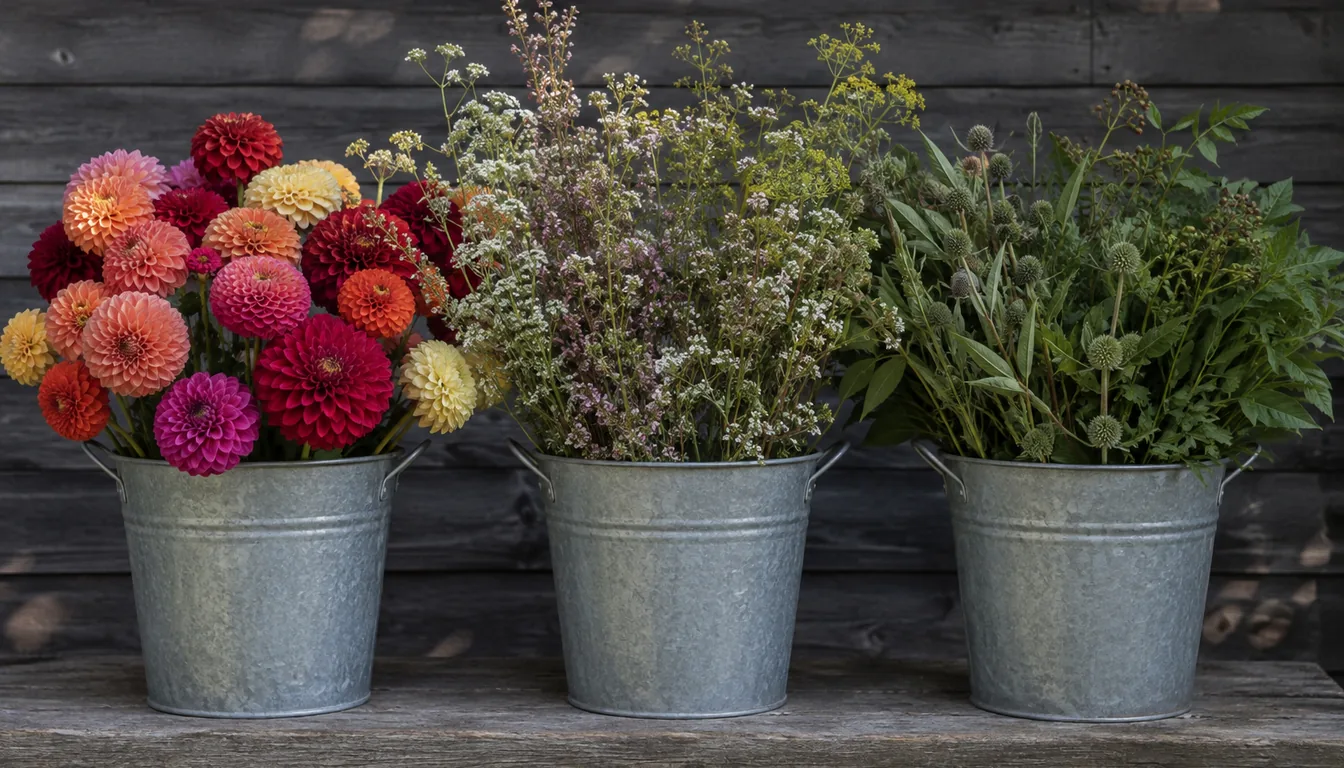
| Focal flower | Dahlia, peony, large zinnia, sunflower, or lisianthus | Does the variety produce a usable stem and suit your season? |
| Spike or vertical form | Snapdragon, celosia, salvia, or gladiolus | Will the crop continue after cutting, or is each plant a one-stem harvest? |
| Airy or clustered filler | Cosmos, ammi, ageratum, feverfew, yarrow, or basil flowers | Does it hold in a vase and avoid becoming invasive locally? |
| Daisy form | Zinnia, coneflower, black-eyed Susan, or aster | What bud or flower stage gives the best stem life? |
| Foliage | Basil, mint in a container, ornamental grasses, or suitable woody stems | Will frequent cutting leave the plant healthy and the stem clean indoors? |
| Seedhead or dried form | Celosia, strawflower, globe amaranth, or selected grasses | Does it need a different harvest stage from fresh use? |
Annuals often provide the longest repeated harvest, while perennials and bulbs can anchor specific weeks. Many perennials bloom for a limited period, so they should not carry an all-season plan by themselves.
Branching sunflowers can make multiple stems, while single-stem types usually make one main market-style bloom.
That distinction changes row space and sowing frequency more than the word “sunflower” on the packet.
Choose flowers whose mature height and support needs fit the bed. Tall snapdragons, cosmos, and dahlias may need netting or stakes before they lean, while short plants can disappear beneath them if rows are placed only by color.
Avoid aggressive spreaders in the production bed. Mint can supply valuable foliage from a container, but loose roots in a fertile row can turn harvesting space into a control problem.
How Do You Plan Blooms From Spring to Frost?
Build the calendar with each packet's days to maturity, temperature preference, transplant tolerance, and local frost dates. A generic instruction to sow everything every two weeks wastes seed on crops that flower once, resent heat, or keep producing after regular cutting.
| Crop behavior | Scheduling approach | Typical use |
|---|---|---|
| One-cut crop | Sow a small block, then repeat only if the remaining season is long enough | Many single-stem sunflowers and some one-stem specialties |
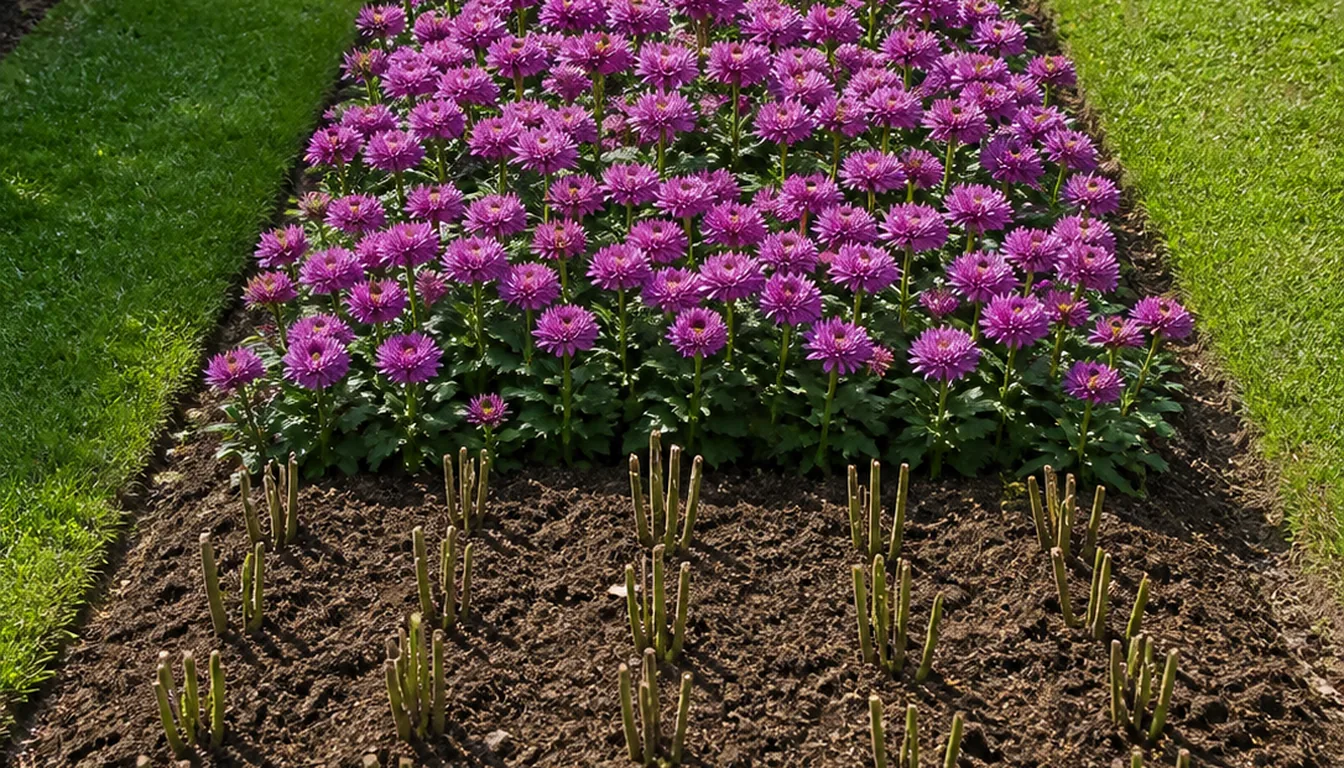
| Cut-and-come-again annual | Make an initial planting and add one or more later blocks if summer length and demand justify them | Many branching zinnias, cosmos, and celosia |
| Cool-season annual | Start early by the method recommended for the species and protect from unexpected heat | Snapdragons, stock, bachelor’s buttons, and other cool performers |
| Tender tuber or corm | Plant after conditions are suitable, then lift or protect according to local winter limits | Dahlias and other tender storage organs |
| Perennial or shrub | Plant for a recurring seasonal window and harvest without stripping the plant | Peony, coneflower, yarrow, hydrangea, and selected woody foliage |
| Spring bulb | Plant at the locally appropriate fall time and plan whether bulbs remain or are treated as a cutting crop | Tulip, daffodil, and allium selections |
Use your last spring frost as a boundary for frost-tender crops, then check current soil and forecast conditions. The frost date is an average, and a warm-week shortcut can still expose seedlings to a late freeze.
Start only the species that benefit from indoor sowing. Some tall sunflowers and other direct-sown crops can suffer root disturbance, while snapdragons and slow young plants may need an earlier indoor start.
Succession sowing works best when a crop has a clear production gap you want to fill.
Record the sowing date, first usable stem, peak, and final useful harvest so next year's schedule is based on the variety in your yard.
How Should You Prepare, Plant, and Support the Bed?
Begin with a soil test and the site's drainage. Cut flowers need adequate fertility and steady growth, but excess nitrogen can produce lush leaves, weak stems, and delayed flowers.
Add organic matter when it improves the whole bed's structure and follows local soil guidance. Do not turn a planting hole into a soft pocket inside compacted soil, and do not add sand to clay without an evidence-based whole-bed plan.
Plant spacing is variety specific. Close spacing can encourage longer stems in some production systems, but crowding beyond the crop's needs increases competition, foliar disease, and harvest difficulty.
- The crop label or seed source identifies the variety as useful for cutting
- Soil-test recommendations are understood before fertilizer is applied
- Permanent weeds are controlled before dense rows make them inaccessible
- Drip or root-zone irrigation reaches the full bed
- Support stakes and netting are installed before tall stems fall over
- Row labels include variety and sowing or transplant date
- Paths remain usable after plants reach mature width
- A harvest bucket can reach the bed without crossing growing soil
Install horizontal support netting over suitable rows while plants are short, then raise or secure it as the crop grows. Individual stakes may suit dahlias or heavy stems better, and low sturdy plants may need no support.
Pinching can make some branching annuals produce more stems, while it ruins the central crop on a single-stem plant.
Follow variety instructions and test an unfamiliar crop on a few plants before treating the whole row.
Mulch can reduce weeds and soil splash, but keep it away from crowns and do not bury small seedlings. Clean cultivation, landscape fabric used appropriately, or shallow organic mulch each carries labor and disposal tradeoffs.
How Do You Keep Stems Growing Without Overfeeding?
Consistent water supports stem length and repeat growth, but a weekly inch is only a rough weather observation, not a prescription for every bed. Check the active root zone and adjust for soil texture, heat, wind, rain, crop size, and whether the bed is raised.
Drip tape or a soaker system keeps water off petals and dense foliage, reduces splash, and makes long rows easier to irrigate evenly. Inspect the far end of the line because a system can run without delivering the same amount to every block.
Water deeply enough to wet the working root zone, then wait until it begins to dry to the level appropriate for the crop. Daily surface sprinkling can produce shallow roots and persistent leaf wetness without reaching deeper soil.
Side-dress or fertigate only when crop needs and soil-test results support it. More fertilizer cannot compensate for shade, root disease, poor drainage, or a variety unsuited to the season.
Harvest and deadheading are part of maintenance. Many branching annuals continue flowering when blooms are removed before seed matures, while one-cut crops finish and should be cleared for the next planned use.
Thin, weak stems
Check light, spacing, excess nitrogen, and whether support arrived too late.
Yellow lower leaves
Check natural aging, root-zone moisture, crowding, and soil-test evidence before feeding.
Flowers become smaller
Review heat, water, crop age, cutting response, and whether a fresh succession should replace the row.
Mildew or leaf spots
Improve airflow, keep irrigation off foliage when possible, remove affected debris, and confirm the disease before treatment.
Bent stems after wind
Add support earlier, reduce exposure where possible, and harvest salvageable stems back to a healthy node.
Walk rows at least often enough to catch weeds before seed set, inspect leaf undersides, and remove overmature flowers.
Short regular visits are more useful than occasional aggressive cleanup that damages stems.
When Should You Cut Each Type of Flower?
Harvest in the cool part of the day after plants are hydrated and surface dew has dried. Bring a clean bucket into the garden so stems enter water or the crop's recommended solution immediately instead of lying in sun.
The correct harvest stage depends on how the flower continues to open after cutting.
One universal rule such as “cut everything fully open” shortens vase life for some crops and prevents others from opening at all.
| Flower type | Useful harvest cue | Important exception |
|---|---|---|
| Daisy forms such as zinnia | Flower is fully colored and the stem is firm rather than floppy below the head | Cultivars differ, so test vase performance before a large harvest |
| Spikes such as snapdragon | Lower florets are open while upper buds still show color | Too-early spikes may not develop full color after cutting |
| Branching sunflower | Petals are beginning to lift from the disk | Single-stem and branching types produce differently |
| Peony | Bud shows color and feels soft enough to give under gentle pressure | Stage varies with cultivar and whether stems will be stored |
| Dahlia | Flower is open but still fresh and firm | Dahlia buds generally do not open normally after cutting |
| Woody hydrangea stem | Flower head has matured enough for the intended use | Immature soft heads can wilt rapidly even after conditioning |
| Foliage or basil | Stem is mature and firm, with clean leaves | Avoid material showing disease, insects, or flowers when foliage is the goal |
Use sharp, clean snips and cut above a healthy node or lateral branch when that placement encourages safe regrowth. Leave enough foliage for the plant to continue photosynthesis, especially on bulbs and perennials storing energy for another year.
Remove leaves that would sit below the bucket water. Submerged foliage decays, adds organic matter, and raises the sanitation load.
Longer is not always better. Take the useful length the plant can spare without stripping its future growth, then trim again during arranging if needed.
How Do You Condition Flowers for Better Vase Life?
Start with sanitized buckets, clean water, and cool shade. Dirty containers and warm standing water increase microbial growth that can block water uptake even when the garden produced a perfect stem.
- Prepare firstWash buckets and tools, mix any labeled flower-food solution accurately, and place the station out of direct sun.
- Harvest cool stemsCut after plants are hydrated, avoid packing wet flowers tightly, and move the stems immediately to the bucket.
- Strip submerged leavesKeep foliage above the water line while preserving enough upper leaves for appearance and stem function.
- Condition by cropLet stems hydrate in a cool shaded place for the time recommended for that species before arranging or storing.
- Recut and arrangeUse a clean cut, a clean vase, and fresh solution suited to the flower.
- Monitor indoorsTop up or change water as needed and remove decaying material before it contaminates the arrangement.
Floral preservative can provide carbohydrate, acidification, and microbial control when it is mixed as directed. An overly concentrated homemade or commercial solution can injure stems, while plain clean water may be preferable to an unverified recipe.
Keep ethylene-sensitive flowers away from ripening fruit, vehicle exhaust, and decaying plant material. Remove the bouquet from hot cars and sunny windows because heat speeds water loss and flower aging.
Evaluate each crop at home.
Record harvest stage, conditioning method, and useful vase days, then keep the practices that consistently work for that variety.
Why Is the Garden Producing Too Few Usable Stems?
Low stem production usually comes from the crop plan, site, or timing rather than a missing specialty product.
Compare what the plant is doing with the job assigned to it.
| Problem | Likely causes to investigate | Best first check |
|---|---|---|
| Many flowers but stems are too short | Bedding cultivar, low light, pinching error, or stress | Recheck the variety description and measured sun |
| Tall plants with few flowers | Excess nitrogen, shade, crowding, or a late-maturing variety | Review soil-test inputs and expected days to bloom |
| One huge flush then nothing | One-cut crop, no succession, or missed deadheading on a responsive annual | Identify the crop's branching and repeat-bloom behavior |
| Stems bend or lodge | Wind, weak growth, dense shade, or support installed too late | Compare the crop with its support and exposure requirements |
| Buds fail in the vase | Harvested too early, poor hydration, dirty water, or crop-specific handling | Check the documented harvest stage and bucket sanitation |
| A month has no flowers | Calendar gap or weather-shifted bloom | Review first and last usable harvest dates from your records |
Replace a consistently poor variety with one bred for cutting rather than forcing it with extra fertilizer. Preserve a sentimental flower in a landscape bed if it is beautiful there but unreliable in a bucket.
When a row finishes, clear diseased or exhausted material and use the space according to the remaining season. A cover crop, later succession, fall bulb plan, or clean mulch may be more useful than a rushed crop that cannot mature.
At season's end, rank crops by usable stems, vase performance, labor, and how well they filled a calendar gap. proven performers and reduce the ones that generated attractive plants but few useful cuts.
Pro Tips
- Begin with one reachable bed and expand after you know your real weekly harvest.
- Buy named varieties described for cutting instead of assuming every tall flower makes a good stem.
- Install support and irrigation before rows become difficult to enter.
- Track sowing, first cut, peak, and final useful harvest for each variety.
- Carry a clean water bucket into the garden and keep it out of direct sun.
- Evaluate crops by usable stems and vase performance, not only garden bloom count.
Frequently Asked Questions
How large should a beginner cut flower garden be?
Start with a bed you can weed, water, support, and harvest consistently. A 4-by-8-foot bed is a manageable example, but access, available time, and bouquet demand matter more than a standard size.
Do cut flowers need full sun?
Most high-producing annual cut flowers perform best in full sun, though some crops tolerate part sun. Measure the site and choose species for that exposure rather than accepting weak, short stems from a sun-loving crop in shade.
How often should I succession-sow cut flowers?
Use the crop's behavior and the remaining season. One-cut crops often need repeated small blocks, while cut-and-come-again flowers may need only an initial sowing and one later backup.
Can perennials provide flowers all season?
Most perennials have a defined bloom period. Use them for dependable seasonal windows, then combine them with annuals, bulbs, foliage, or later perennials when you want a longer harvest.
Why do homegrown flowers wilt quickly in a vase?
Common causes include cutting at the wrong stage, harvesting during heat, leaving stems out of water, submerged leaves, dirty buckets, and crop-specific conditioning errors. Correct the handling chain before assuming the variety has poor vase life.
Sources & References
- University of Minnesota Extension, Where Bouquets Begin: Growing a Cutting Garden from Seed
- Penn State Extension, Growing Cut Flowers for Joy
- Penn State Extension, Cut Flower Production
- Penn State Extension, Pruning Herbaceous Plants
- University of Minnesota Extension, Adding Cut Flowers to Your Fruit and Vegetable Farm
Related Guides
Best Butterfly Garden Plants for a Complete Habitat
The best butterfly garden plants do two different jobs. Host plants feed caterpillars, while nectar…
15 min read
Best Fall-Blooming Flowers for Color Near Frost
A bed that still carries flowers in October usually was planned before temperatures fell.
9 min read
Best Fast-Growing Trees for Shade and Privacy
The best fast-growing tree is the one whose mature crown, roots, climate range, and maintenance…
16 min read
Best Fragrant Flowers for Every Yard and Season
The best fragrant flowers depend on climate, light, space, and the hours you use the yard.
15 min read
Best Full-Sun Perennials for Hot, Bright Beds
The best full-sun perennials are the ones that match the bed's soil moisture and drainage, local…
14 min read
Best Ground Cover Plants for Sun, Shade, and Slopes
The best ground cover is a plant that survives the site and performs the job without escaping into…
18 min read