Regional Climate Guide

Plant by your zone, then check the region

A USDA zone screens winter cold tolerance. Your region adds summer heat, rainfall, frost timing, wind, soil, and the length of the usable season.

US Growing Regions

Climate changes the meaning of the same zone

Two yards can share a hardiness number while receiving different rain, summer heat, wind, and frost windows.

8 regions
Zones 3–7

Northeast

-40°F to 10°F

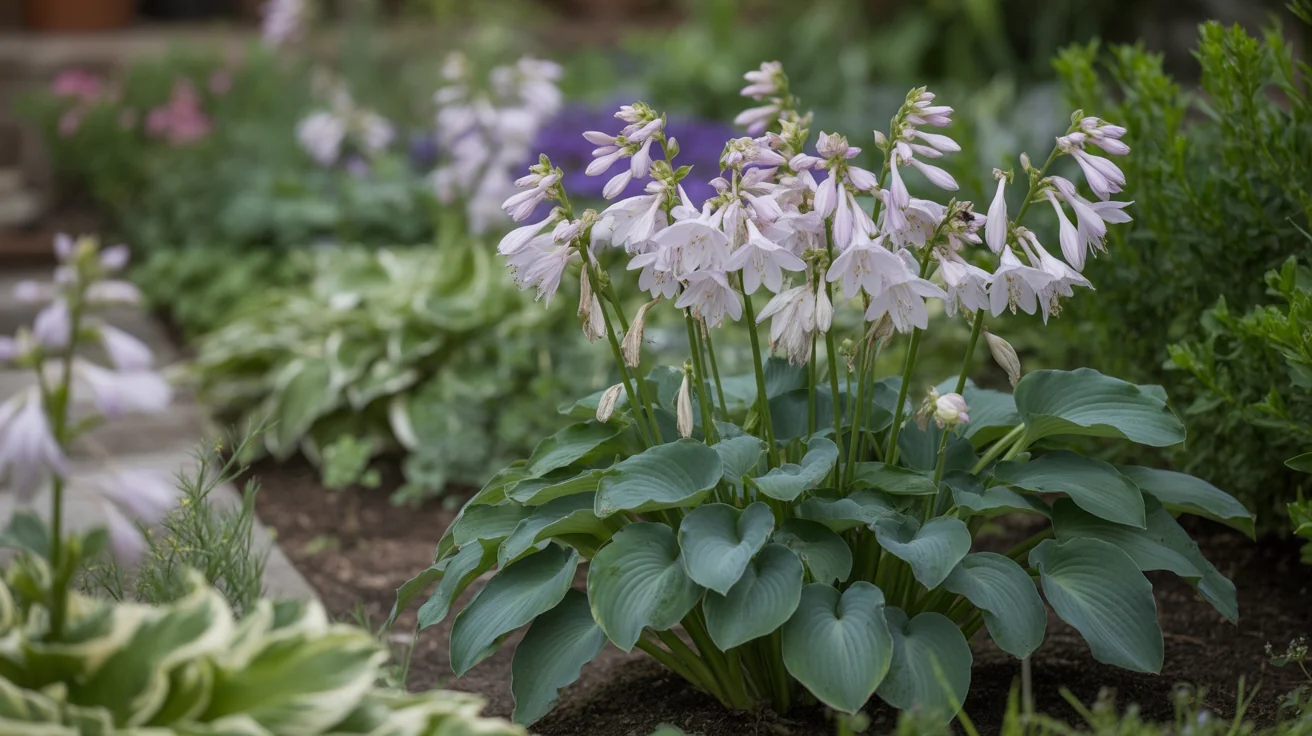
Four distinct seasons pair cold winters with moderate summers. Hardy perennials and cold-tolerant grasses carry the garden between short weather windows.

Rainfall
35–50 inches annually
Growing season
120–180 days
Winter low
-10°F to 10°F
Summer high
75°F to 85°F

Conditions to plan around

  • Heavy snow and ice
  • Late spring frosts
  • Short northern growing seasons
  • Acidic soil in many areas

Regional footprint

Maine, Vermont, New Hampshire, New York, Pennsylvania, Massachusetts, Connecticut, Rhode Island, New Jersey
Zones 7–10

Southeast

0°F to 40°F

Long, hot, humid summers meet mild winters. Plant choice depends as much on disease resistance and heat tolerance as winter survival.

Rainfall
45–65 inches annually
Growing season
240–365 days
Winter low
25°F to 40°F
Summer high
85°F to 95°F

Conditions to plan around

  • Fungal disease in humidity
  • Tropical storm damage
  • Heat stress on cool-season plants
  • Heavy clay soils

Regional footprint

North Carolina, South Carolina, Georgia, Florida, Alabama, Mississippi, Louisiana, Tennessee, Arkansas

Zones 3–6

Midwest

-40°F to 0°F

Large temperature swings reward cold-hardy plants that can also handle humid summers and late-season dry spells.

Rainfall
25–40 inches annually
Growing season
140–190 days
Winter low
-20°F to 0°F
Summer high
80°F to 90°F

Conditions to plan around

  • Extreme winter cold
  • Hot humid summers
  • Severe storms
  • Heavy clay soil
  • Late-summer drought

Regional footprint

Ohio, Indiana, Illinois, Michigan, Wisconsin, Minnesota, Iowa, Missouri, Kansas, Nebraska

Zones 8–10

Southwest

10°F to 40°F

Heat, low rainfall, alkaline soil, and intense sun drive plant choice. Water strategy matters more than a mild zone number suggests.

Rainfall
8–15 inches annually
Growing season
270–365 days
Winter low
25°F to 40°F
Summer high
95°F to 110°F

Conditions to plan around

  • Extreme heat and drought
  • Alkaline soils
  • Intense UV
  • Flash flooding
  • Limited water

Regional footprint

Arizona, New Mexico, Nevada, West Texas, Southern California

Zones 7–9

Pacific Northwest

0°F to 30°F

Mild wet winters and dry summers support conifers and shade plants, but summer irrigation and winter drainage need separate plans.

Rainfall
35–150 inches annually
Growing season
220–280 days
Winter low
30°F to 45°F
Summer high
70°F to 85°F

Conditions to plan around

  • Wet winter soil
  • Summer drought
  • Slugs and snails
  • Moisture-related disease
  • Acidic soils

Regional footprint

Washington, Oregon, Northern California

Zones 8–11

California

10°F to 50°F

Mediterranean rainfall patterns and strong local microclimates make summer water, elevation, coast exposure, and fire conditions decisive.

Rainfall
10–40 inches annually
Growing season
300–365 days
Winter low
35°F to 50°F
Summer high
75°F to 100°F

Conditions to plan around

  • Summer drought
  • Wildfire risk
  • Water restrictions
  • Variable soil
  • Coastal fog and salt

Regional footprint

California

Zones 3–6

Mountain West

-40°F to 0°F

Elevation brings intense sun, low humidity, and large day-to-night temperature swings. The usable growing season can be short.

Rainfall
12–25 inches annually
Growing season
90–150 days
Winter low
-10°F to 20°F
Summer high
75°F to 90°F

Conditions to plan around

  • Short growing season
  • Late and early frost
  • Intense UV
  • Low humidity
  • Rocky alkaline soil

Regional footprint

Colorado, Utah, Idaho, Montana, Wyoming

Zones 3–7

Great Plains

-40°F to 10°F

Windy semi-arid grasslands combine hot summers, cold winters, drought, and severe storms. Tough prairie plants have the best fit.

Rainfall
15–30 inches annually
Growing season
140–200 days
Winter low
-10°F to 10°F
Summer high
85°F to 100°F

Conditions to plan around

  • Severe wind
  • Hail and tornadoes
  • Temperature extremes
  • Periodic drought
  • Alkaline soil

Regional footprint

North Dakota, South Dakota, Nebraska, Kansas, Oklahoma, Northern Texas

USDA Reference

Read the winter temperature bands

Each full zone spans 10°F. Local a and b subzones divide that band into 5°F steps.

Temperature based

The number comes from average annual extreme minimum temperature, not an average winter day.

Useful for perennials

Trees, shrubs, and returning perennials need a winter band that matches their cold tolerance.

One part of the site

Summer heat, humidity, rainfall, drainage, and microclimates can still remove a plant from the shortlist.

Frost Calendar

Zone and frost dates answer different questions

Use the ranges below as regional planning windows. A local extension source gives the closer date for your address.

Northeast

Last spring frost
Apr 15 – May 15
First fall frost
Sep 15 – Oct 15

Southeast

Last spring frost
Mar 1 – Apr 15
First fall frost
Oct 15 – Nov 30

Midwest

Last spring frost
Apr 15 – May 15
First fall frost
Sep 15 – Oct 15

Southwest

Last spring frost
Feb 15 – Mar 30
First fall frost
Nov 1 – Dec 15

Pacific Northwest

Last spring frost
Mar 15 – May 1
First fall frost
Oct 1 – Nov 15

California

Last spring frost
Jan 15 – Apr 1
First fall frost
Nov 1 – Dec 31

Mountain West

Last spring frost
May 15 – Jun 15
First fall frost
Aug 15 – Sep 30

Great Plains

Last spring frost
Apr 15 – May 15
First fall frost
Sep 15 – Oct 15
Growing Season Contrast

Count usable days, not warm-zone assumptions

A long season can support repeated sowings. A short season needs fast varieties, transplants, or protection.

Northeast

120–180 daystypical regional range

Southeast

240–365 daystypical regional range

Midwest

140–190 daystypical regional range

Southwest

270–365 daystypical regional range

Pacific Northwest

220–280 daystypical regional range

California

300–365 daystypical regional range

Mountain West

90–150 daystypical regional range

Great Plains

140–200 daystypical regional range
Seasonal Planning

Use the zone in a full-year sequence

Spring

Watch local soil temperature and late frost risk before moving tender starts outside.

Summer

Heat, rainfall, and root-zone moisture decide whether a cold-hardy plant can stay healthy.

Fall and winter

Finish establishment before the ground freezes and protect roots during temperature swings.