
How to Harvest Rosemary for Peak Flavor and Regrowth
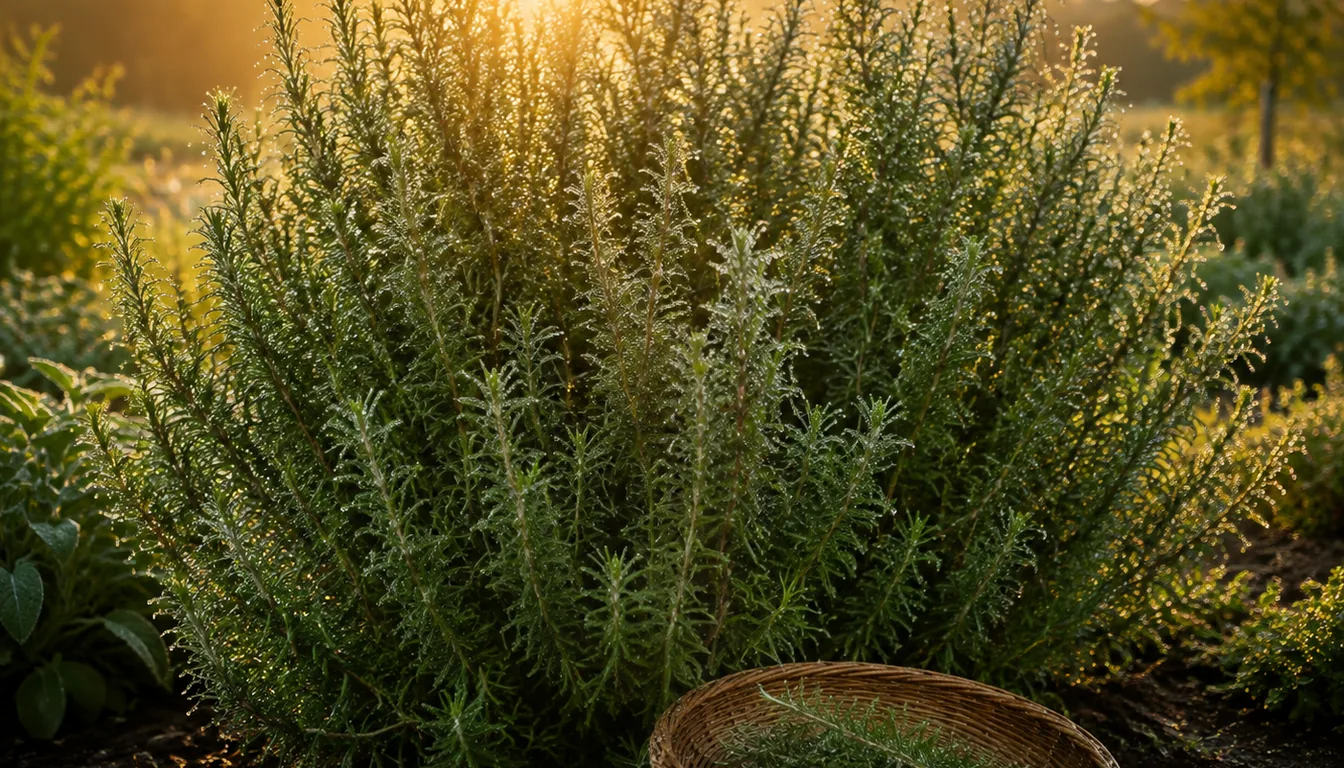
You can harvest rosemary for fresh cooking whenever the plant has healthy green growth. For drying, flavor is usually strongest just before the first flowers open, and a sunny midmorning after dew dries gives you clean, aromatic stems without wet foliage.
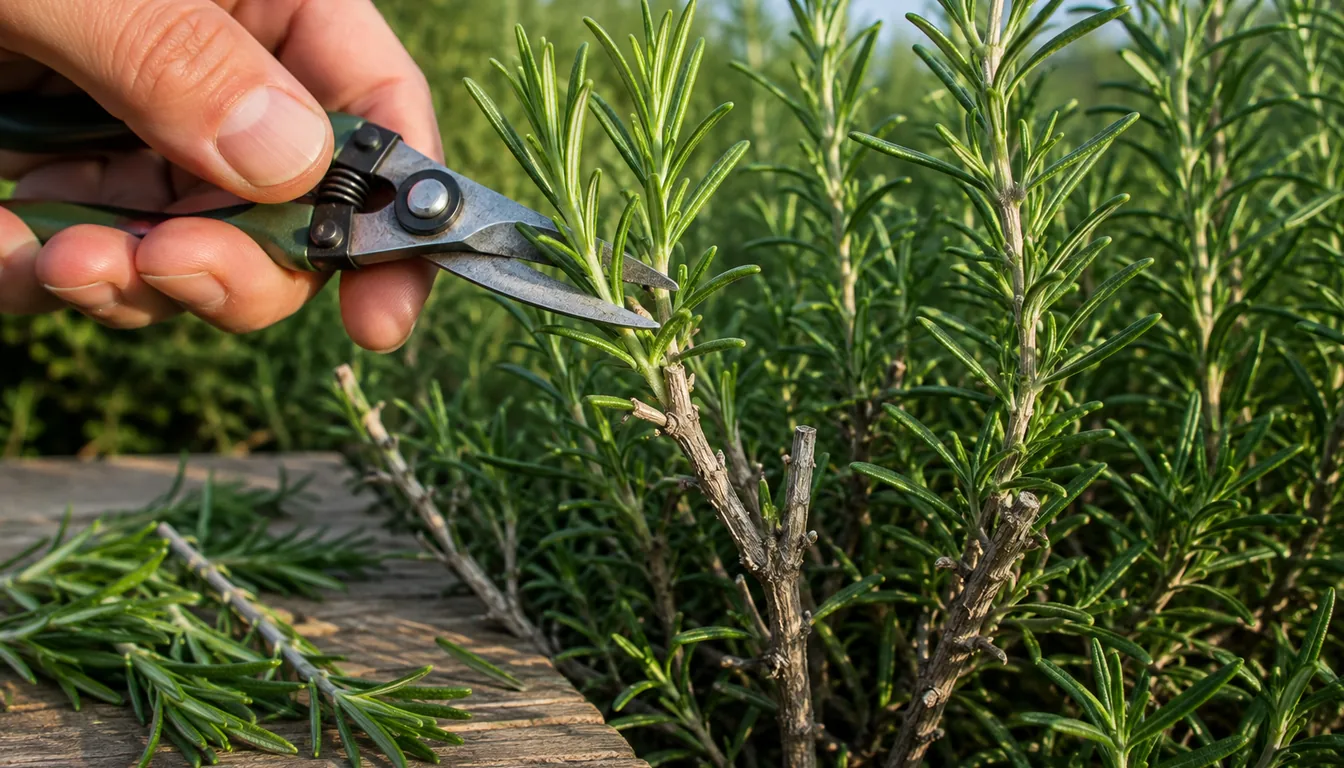
Choose young, tender shoots and cut just above a leaf or pair of leaves. Leave 4–6 inches of stem for continued growth, and do not remove more than one-third of a healthy plant at one time.
Those limits matter more than a weekly calendar. A small pot growing slowly indoors needs lighter picking than an established shrub making new shoots outdoors.
Decide first whether you need fresh cooking or drying. Fresh sprigs, drying bundles, and a shaping cut are three different jobs.
At a glance
When Is the Best Time to Harvest Rosemary?
Fresh rosemary does not have one narrow harvest date. Penn State Extension says leaves can be cut throughout the growing season, so the practical test is whether the plant has enough healthy, leafy growth to spare.
Preserving changes the timing. Extension guidance for leafy herbs places the strongest drying harvest just before flowers open, when young tip leaves carry concentrated flavor. The aromatic compounds sit in the leaf tissue, so fresh young tips give the preserving batch more flavor to retain.
Midmorning on a sunny day is a useful window after dew has evaporated. Dry foliage is easier to inspect, rinse, and prepare than wet stems, and the plant is usually under less heat stress than it will be later in the day.
| Your goal | Best cue | Why it helps |
|---|---|---|
| A few fresh sprigs | Tender green tips are available | Small cuts leave the plant’s structure intact |
| Dry leaves | Flower buds are present but not open | Tip leaves retain strong flavor |
| Freeze rosemary | Clean, healthy growth is available | Freezing preserves a fresh-style flavor |
| Shape the plant | Active growth can cover the cut | Harvest and light pruning share one job |
Flowering does not make rosemary unusable. Pick fresh sprigs when needed, but use the pre-bloom window for a larger batch intended for storage. A rainy week changes handling more than edibility because wet foliage takes longer to prepare for safe drying.
Which Rosemary Stems Should You Cut?
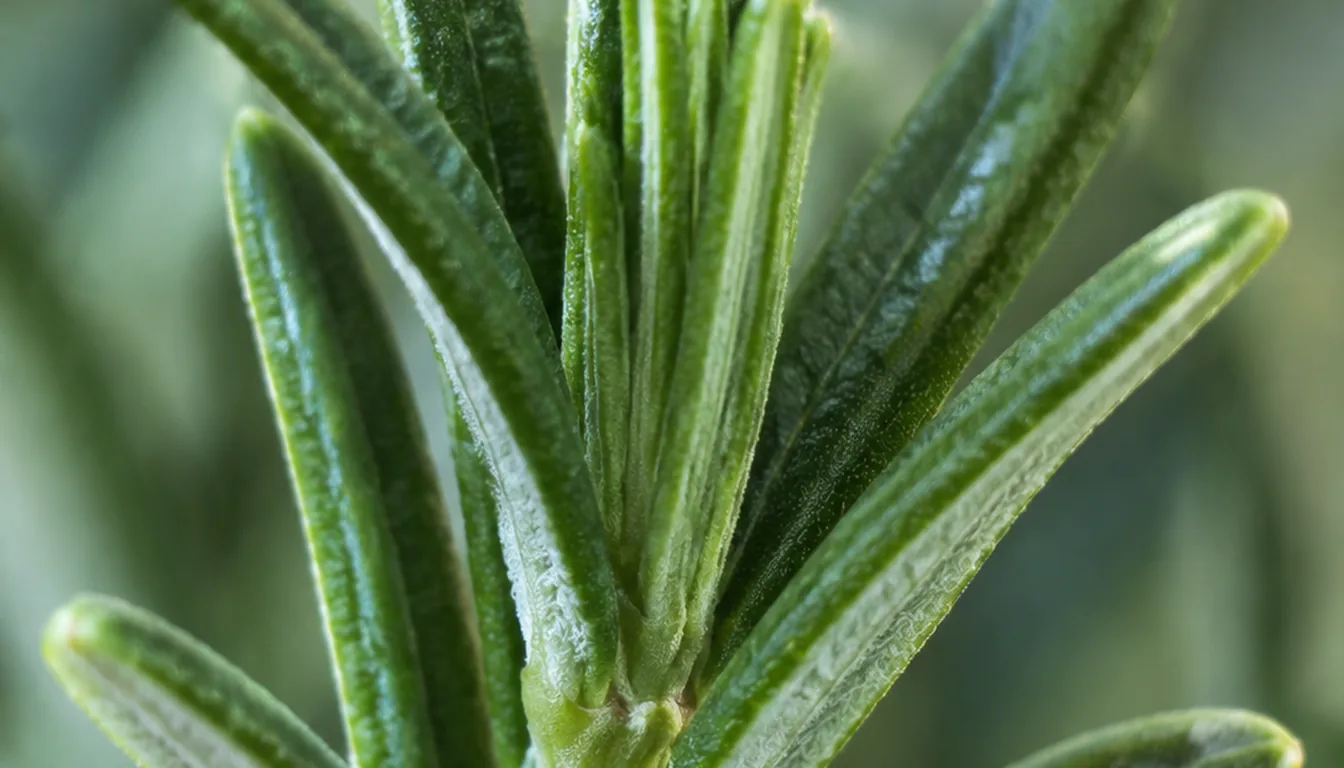
Select the younger tender stems and leaves at the outside of the plant. They bend more readily, strip from the stem more easily, and carry the fresh growth that extension guidance recommends harvesting.
Leave pale, wilted, spotted, sticky, or heavily webbed stems on the plant until you identify the problem. A harvest basket should not become the disposal route for pest-damaged or unhealthy material.
- [ ] Leaves are green and firmly attached
- [ ] The tip is flexible rather than hard and bare
- [ ] No sticky residue, webbing, scale, or spotting is present
- [ ] Enough leafy stem will remain below the cut
- [ ] The plant is actively replacing earlier cuts
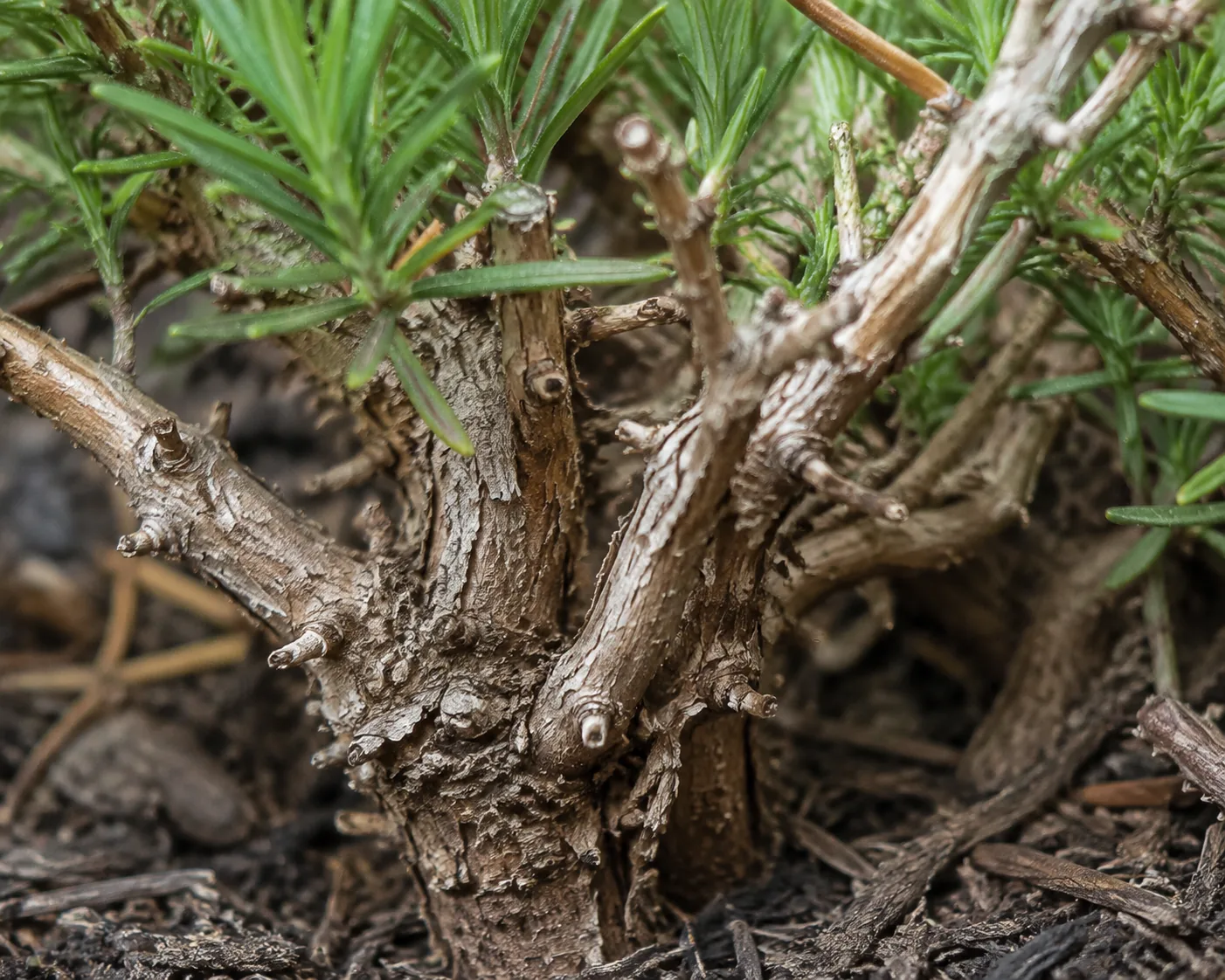
Woody lower stems support the shrub but make poor kitchen sprigs. Their leaves can still be usable, yet cutting far into old bare wood may leave a hole that closes slowly or never fills. A green stem carries both the harvest and the leafy buds that can rebuild the tip.
Rub a clean leaf and smell it if flavor is your concern. Compare healthy stems on the same plant rather than waiting for a fixed length or color that every cultivar must reach. Clean blades matter most when moving between plants because sap and debris can carry problems from one specimen to another.
How Do You Cut Rosemary So It Regrows?
Use clean scissors or bypass pruners that make a crisp cut without crushing the stem. Cut just above a leaf or pair of leaves so leafy growth remains below the wound.
- Choose a healthy tender shoot that fits the kitchen or storage job.
- Follow it down to a leafy point above the older framework.
- Hold neighboring stems aside so the blades do not catch them.
- Cut cleanly just above a leaf or leaf pair.
- Place the sprig in a clean container and inspect the plant before the next cut.
- Stop while at least 4–6 inches of stem and most foliage remain.
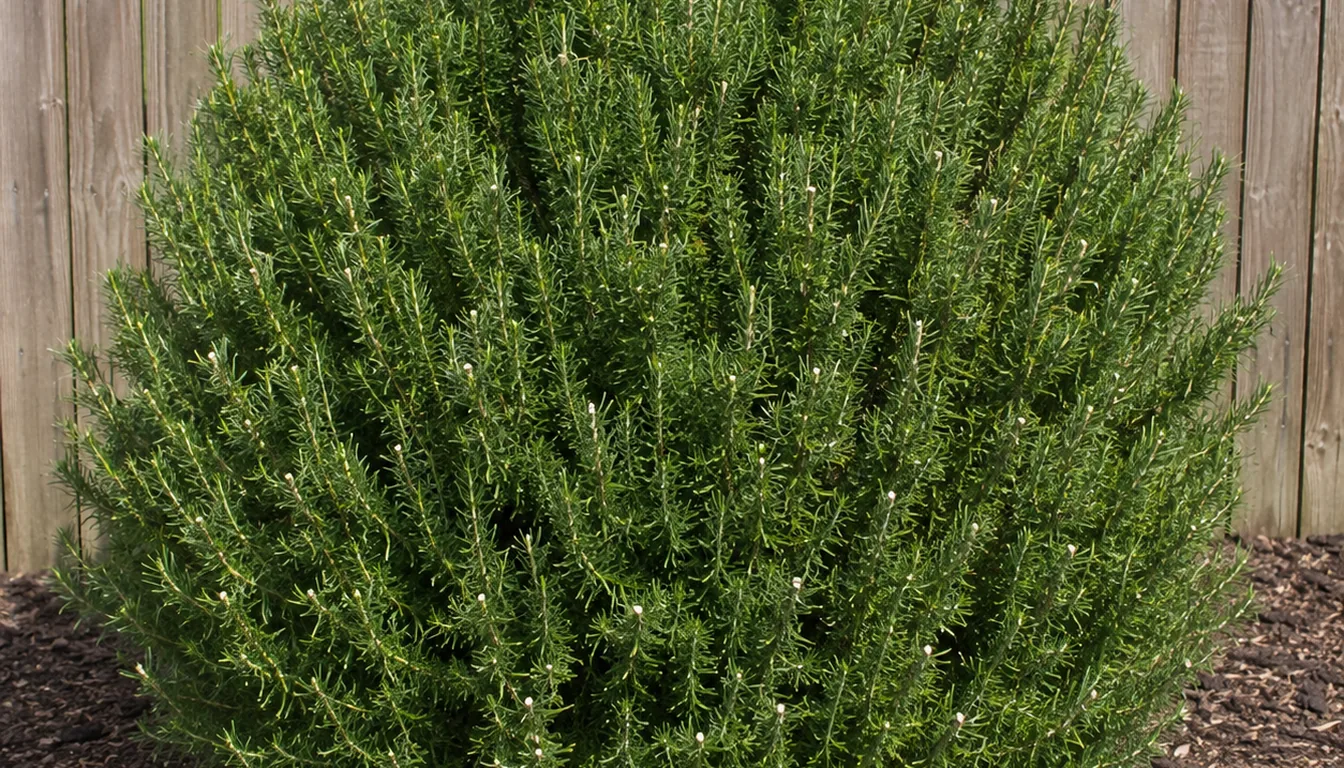
Work around the plant instead of stripping one face. Distributing small cuts keeps light reaching the remaining leaves and preserves a balanced outline. The remaining leaves power the buds below your cuts, which is why a harvest that preserves canopy recovers more reliably.
How Much Rosemary Can You Harvest at Once?
Iowa State Extension advises taking no more than one-third of a rosemary plant at one time. Treat that as an upper boundary for a vigorous plant, not a target for every harvest.
A young plant, a newly repotted specimen, or a rosemary growing slowly indoors should lose much less. Kitchen snips from several tips are safer than one hard cut that removes the plant’s active canopy.
| Plant condition | Reasonable harvest | Wait for |
|---|---|---|
| Small or recently planted | A few tender tips | Clear new growth |
| Healthy container plant | Light cuts across several sides | Replacement shoots |
| Established outdoor shrub | Up to one-third of green growth | Canopy recovery |
| Heat-, drought-, or root-stressed | None beyond damaged material | Firm foliage and active growth |
Frequency follows recovery. If the plant replaces cut tips and remains dense, another light harvest is reasonable. If it stalls, yellows, or exposes bare wood, stop and diagnose care.
A calendar cannot see light, root room, temperature, or the amount removed last time. The next-harvest signal is new leafy growth. Several light kitchen cuts can add up to one heavy pruning when they all come from the same side or week.
How Do Season and Containers Change the Harvest?
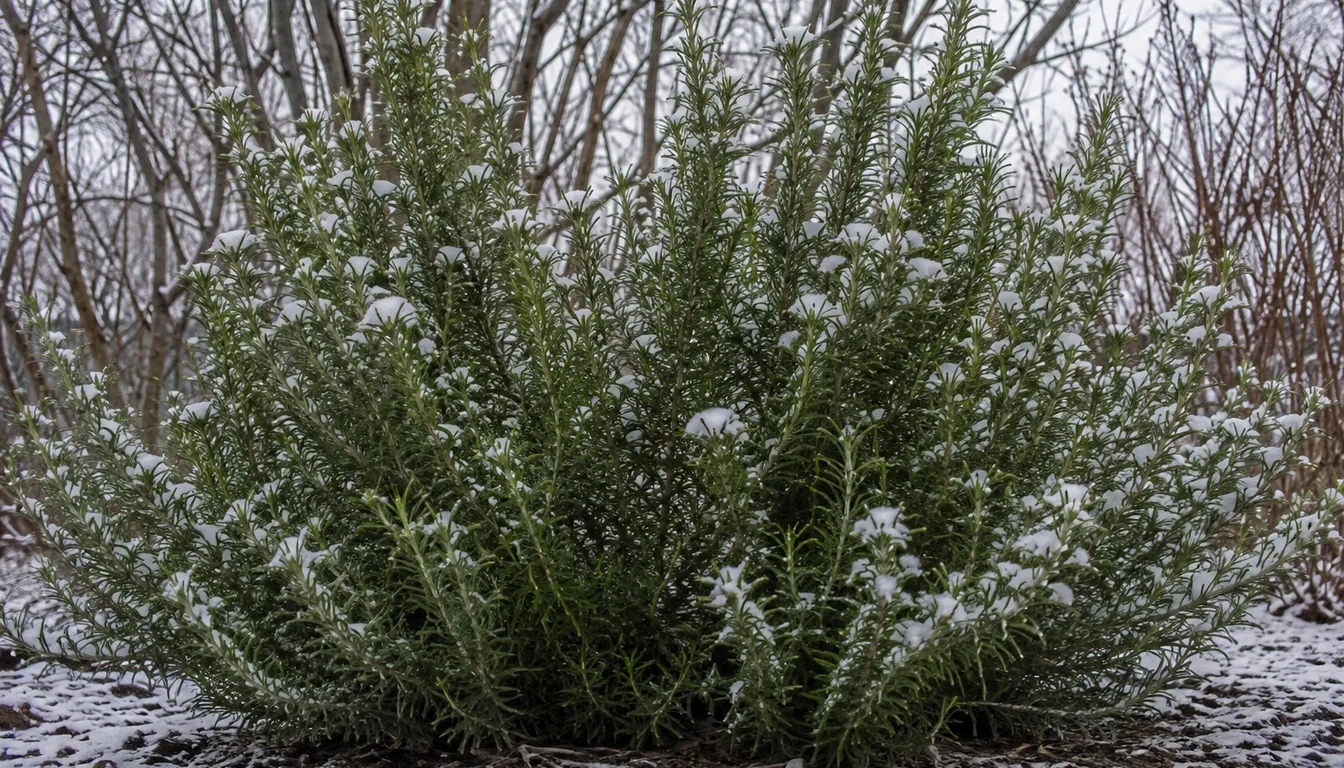
Rosemary is a tender perennial in many cold climates. Where it is not reliably hardy, gardeners often grow it as an annual or move a pot indoors before freezing weather.
Reduce harvest as growth slows because the plant has less light and warmth for replacement foliage. A final preserving cut can make sense before a tender outdoor plant is lost to winter, while a plant being overwintered needs enough canopy to adjust indoors.
Strong outdoor growth
Take normal fresh sprigs or a planned preserving harvest
Hot or drought-stressed plant
Wait for firm foliage and stable root moisture
Cold-climate container
Move before freezing weather and harvest conservatively indoors
Mild-climate shrub
Continue light fresh cuts while growth remains active
Containers dry and cool faster than garden soil, and their limited root volume can slow recovery after a large cut. Judge a pot by new growth, drainage, root room, and light rather than by diameter alone.
Indoor rosemary usually receives less light than the same plant had outdoors. Acclimate it to the new position and take only small kitchen sprigs until you see active replacement growth. A bright window may still deliver fewer useful hours than an outdoor summer position, so winter regrowth can be slow even when the leaves stay green.
Use rosemary care for site, drainage, and overwintering decisions that sit outside the harvesting job.
What Care Does Rosemary Need After Harvest?
A normal harvest does not automatically require water or fertilizer. Check the root zone and the plant’s normal care needs before adding either one.
Rosemary tolerates dry conditions after establishment but declines in wet, poorly drained soil. Water when the root zone needs it, let excess drain from containers, and do not keep the mix saturated because foliage was removed.
- [ ] The remaining outline is leafy and balanced
- [ ] Cuts are clean with no crushed or torn stems
- [ ] Pot or soil drains without standing water
- [ ] Root-zone moisture matches the plant’s need
- [ ] New tips appear before the next large harvest
Fertilizer cannot replace the leaves you cut. Feed only when container care, soil evidence, and active growth support it. Routine rescue feeding can produce weak growth or add salt stress. Saturated mix also limits oxygen around roots, so extra water can slow the recovery it was meant to help.
Dead, blackened, or rapidly declining stems need diagnosis rather than another shaping session. Check drainage, root condition, cold injury, and pests before assuming the harvest caused every change.
A photo taken before and after a larger cut helps you judge recovery without inventing a deadline. Look for new green tips and a stable canopy instead of expecting regrowth in a fixed number of days.
How Should You Dry, Freeze, or Store Rosemary?
Handle the harvest according to its next use. Remove damaged material, inspect for insects, rinse when needed, and remove surface water with a clean towel or salad spinner before drying.
- Keep only clean, sound stems and leaves.
- Rinse if needed and remove as much surface moisture as possible.
- Tie small loose bundles or spread stems on a food-safe screen.
- Dry in low humidity with good air movement and protection from sun and dust.
- Wait until leaves are crisp and crumble easily.
- Strip leaves and seal them in an airtight container in a cool, dark, dry place.
A dehydrator offers more control when it can hold 95–110°F. Penn State advises against ordinary oven drying for flavor and color because even low oven settings may be too hot, while sun drying can be unreliable in humid conditions.
| Method | Best use | Finished cue | Main caution |
|---|---|---|---|
| Refrigerator | Fresh sprigs for near-term cooking | Leaves remain firm and aromatic | Keep cold rather than on a warm counter |
| Freezer | Fresh-style leaves for cooked dishes | Sprigs or portions are fully frozen | Package promptly to limit drying and odor transfer |
| Air drying | Sturdy sprigs in low humidity | Leaves crumble easily | Large tight bundles can trap moisture |
| Dehydrator | Controlled drying | Leaves are crisp | Keep herbs within the recommended low range |
Store dried leaves whole when practical and crush them as needed, because more exposed surface releases aroma faster. Illinois Extension says properly stored dried herbs generally retain flavor for about a year. Leaves are dry enough when they are crisp and crumble easily rather than merely limp.
Why Is Rosemary Growing Poorly After Harvest?
Start with the pattern and the root zone. A cut end that dies back into bare old wood points toward the cut location, while decline across the whole plant points toward water, drainage, cold, light, or pests.
| What you see | First check | Next decision |
|---|---|---|
| No shoots below one cut | Bare woody stem below it | Leave living framework and wait |
| Whole plant wilts in wet mix | Drainage and root condition | Stop extra watering and diagnose roots |
| Brown tips after cold weather | Exposure and timing | Protect or remove confirmed dead growth |
| Pale weak indoor shoots | Available light | Improve placement before harvesting again |
| Sticky leaves or fine webbing | Scale, aphids, or mites | Identify the pest before treatment |
| One side becomes bare | Harvest distribution and light | Rotate small cuts and improve exposure |
Do not respond to slow regrowth by cutting again to “stimulate” the plant. Leaves supply the energy for recovery, so additional harvest removes the resource a weak plant needs.
Likewise, do not keep wetting roots because the upper growth looks tired. Confirm root-zone moisture before changing irrigation, especially in a container.
When the plant resumes firm green growth, start with a few tips and watch the response. A clean recovery earns another harvest. Continued decline belongs to the plant-care or diagnosis page rather than the kitchen calendar.
Pro Tips
- Cut tender green shoots just above a leaf or leaf pair.
- Use the pre-bloom, dry-midmorning window for a preserving harvest.
- Leave 4–6 inches of stem and most foliage for recovery.
- Treat one-third as an upper limit for a vigorous plant, not a target.
- Store fully dried leaves airtight in a cool, dark, dry place.
Frequently Asked Questions
Can I harvest rosemary in its first year?
Yes, when the young plant has healthy green growth to spare. Take a few tender tips, leave leafy stem below every cut, and wait for clear replacement growth before taking more.
Is rosemary better before or after flowering?
Fresh rosemary can be cut during active growth. For drying, extension guidance favors the period just before the first flowers open, when young tip leaves carry concentrated flavor.
How much rosemary can I take at once?
Do not remove more than one-third of a healthy plant at one time, and take much less from young, stressed, recently moved, or slow-growing plants. Let visible new leafy growth set the next harvest date.
Should I water rosemary after harvesting?
Water only when the root zone needs it. A harvest does not justify saturating rosemary, which is vulnerable to wet, poorly drained soil.
Can I cut rosemary back into old wood?
Routine harvesting should stay on leafy green shoots because bare old stems may not refill reliably. Reserve deeper renovation cuts for plant-specific pruning guidance and never make them merely to gather kitchen sprigs.
Sources & References
- Clemson Cooperative Extension: Herbs in the Garden
- University of California Master Gardeners: Growing Rosemary in the Garden
- Missouri Botanical Garden Plant Finder: Salvia rosmarinus (Rosemary)
- Royal Horticultural Society: How to Grow Rosemary
- Penn State Extension: Herb Garden Plants — Rosemary
- Iowa State University Extension: Growing, Harvesting, and Drying Herbs
- Penn State Extension: Let's Preserve — Drying Herbs
- Illinois Extension: Preserving Herbs
Related Guides

Best Butterfly Garden Plants for a Complete Habitat
The best butterfly garden plants do two different jobs. Host plants feed caterpillars, while nectar…
15 min read
Best Fall-Blooming Flowers for Color Near Frost
A bed that still carries flowers in October usually was planned before temperatures fell.
9 min read
Best Fast-Growing Trees for Shade and Privacy
The best fast-growing tree is the one whose mature crown, roots, climate range, and maintenance…
16 min read
Best Fragrant Flowers for Every Yard and Season
The best fragrant flowers depend on climate, light, space, and the hours you use the yard.
15 min read
Best Full-Sun Perennials for Hot, Bright Beds
The best full-sun perennials are the ones that match the bed's soil moisture and drainage, local…
14 min read
Best Ground Cover Plants for Sun, Shade, and Slopes
The best ground cover is a plant that survives the site and performs the job without escaping into…
18 min read