
Best Fall-Blooming Flowers for Color Near Frost
A bed that still carries flowers in October usually was planned before temperatures fell.
Start with your own average first frost date, then give new perennials enough mild weather to establish roots. Choose true late bloomers for the main display, check that a mum is a hardy garden type, and protect tender plants only when a light frost is brief enough for a cover to help.
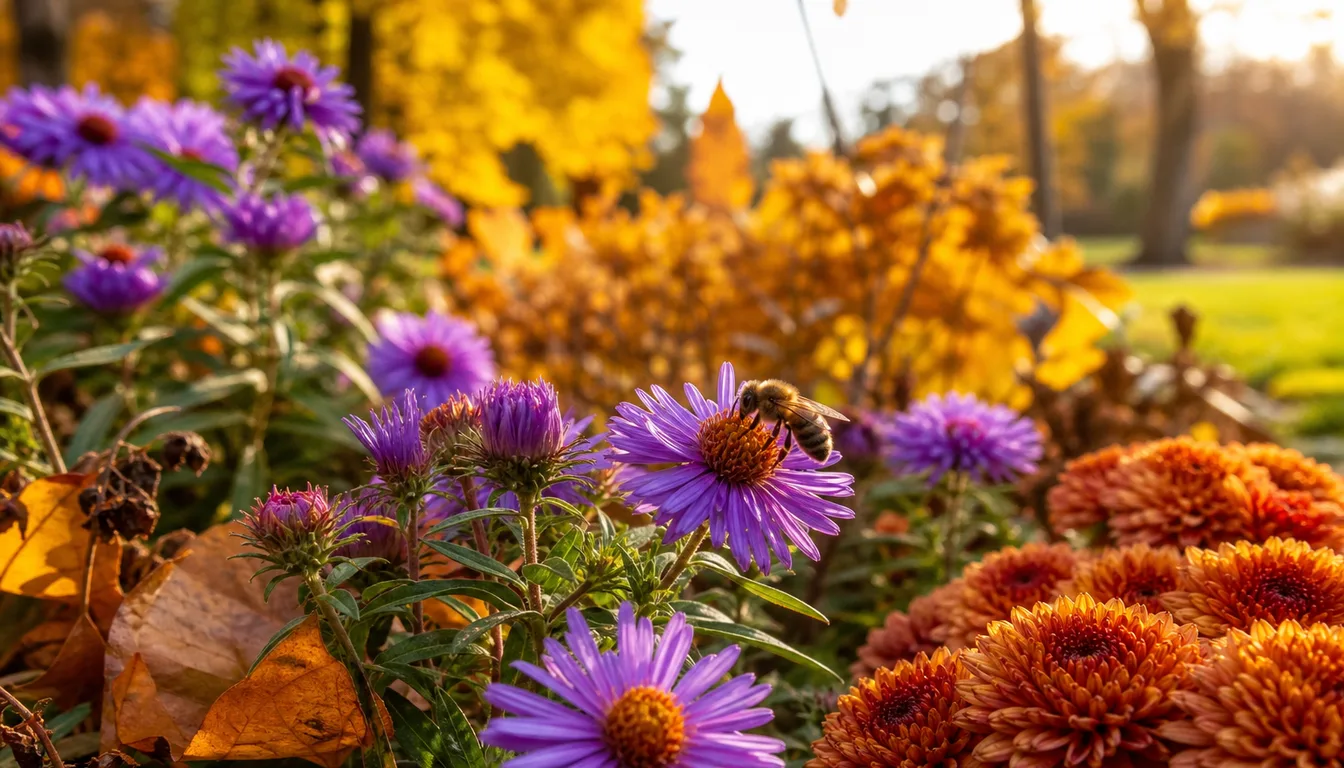
At a glance
Work Backward From Your Frost Date
One number governs the whole plan, and it is local rather than general. Look up your own average first frost date before buying anything, because a plan built on somebody else's autumn is wrong by weeks in either direction.
Then subtract, because fall bloomers want to be in the ground 6 to 8 weeks before that date so roots settle while the soil is still warm, which puts the shopping and the planting in late summer while the garden still looks like July.
The same date tells you something else worth knowing, which is which plants can still finish. A plant that needs eight weeks to reach bloom is no use to you if frost is six weeks out, however good it looks on the label.
Find your average first frost date, subtract 6 to 8 weeks for the planting deadline, and treat the date itself as an average rather than a promise. It moves a week or two either way most years.
The Plants That Peak When Everything Else Quits
A true late bloomer is not a summer plant running behind but one that holds its flowering back until nights cool and days shorten, which is why these arrive exactly as everything else is giving up.
Flowers are only part of an autumn bed, and the parts that are not flowers do more work than people expect. Sedum turns rusty and stands into winter, and ornamental grasses catch low-angle light in a way no bloom manages.
Two entries need checking rather than trusting. Salvia hardiness varies enormously between species, and lantana is a perennial only in Zones 9 to 11 and an expensive annual everywhere colder.
| Plant | Height | Zone | What it brings |
|---|---|---|---|
| Aster | 1-6 ft by cultivar | 3-9 | The headline autumn flower |
| Garden chrysanthemum | 8-36 in | 5-9 | Dense late color, if it is the hardy kind |
| Sedum | 2-24 in | 3-9 | Flat rusty heads that stand into winter |
| Black-eyed Susan | 1-3 ft | 3-9 | Carries late summer into autumn |
| Coneflower | 2-4 ft | 3-9 | Seed heads after the petals go |
| Knock Out rose | 3-5 ft | 5-11 | Reblooms right up to frost |
| Salvia | 12-48 in | Varies by species | Late nectar, check the label |
| Lantana | 10 in to 6 ft | 9-11 only | Months of bloom in warm zones |
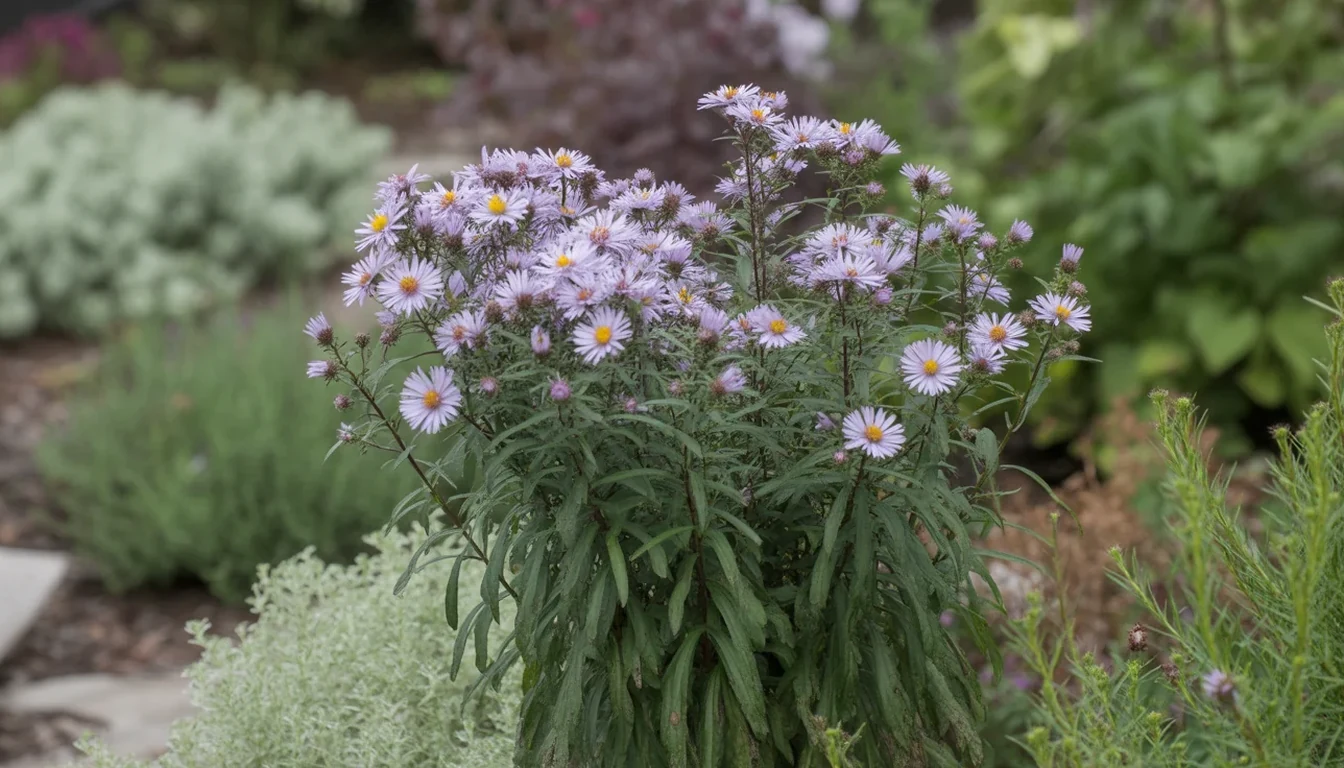
Aster
The main autumn flower and a late nectar source
- Mature fit
- Choose by cultivar because mature height ranges from 1 to 6 feet
- Main tradeoff
- Bloom timing and final size vary enough that the label matters
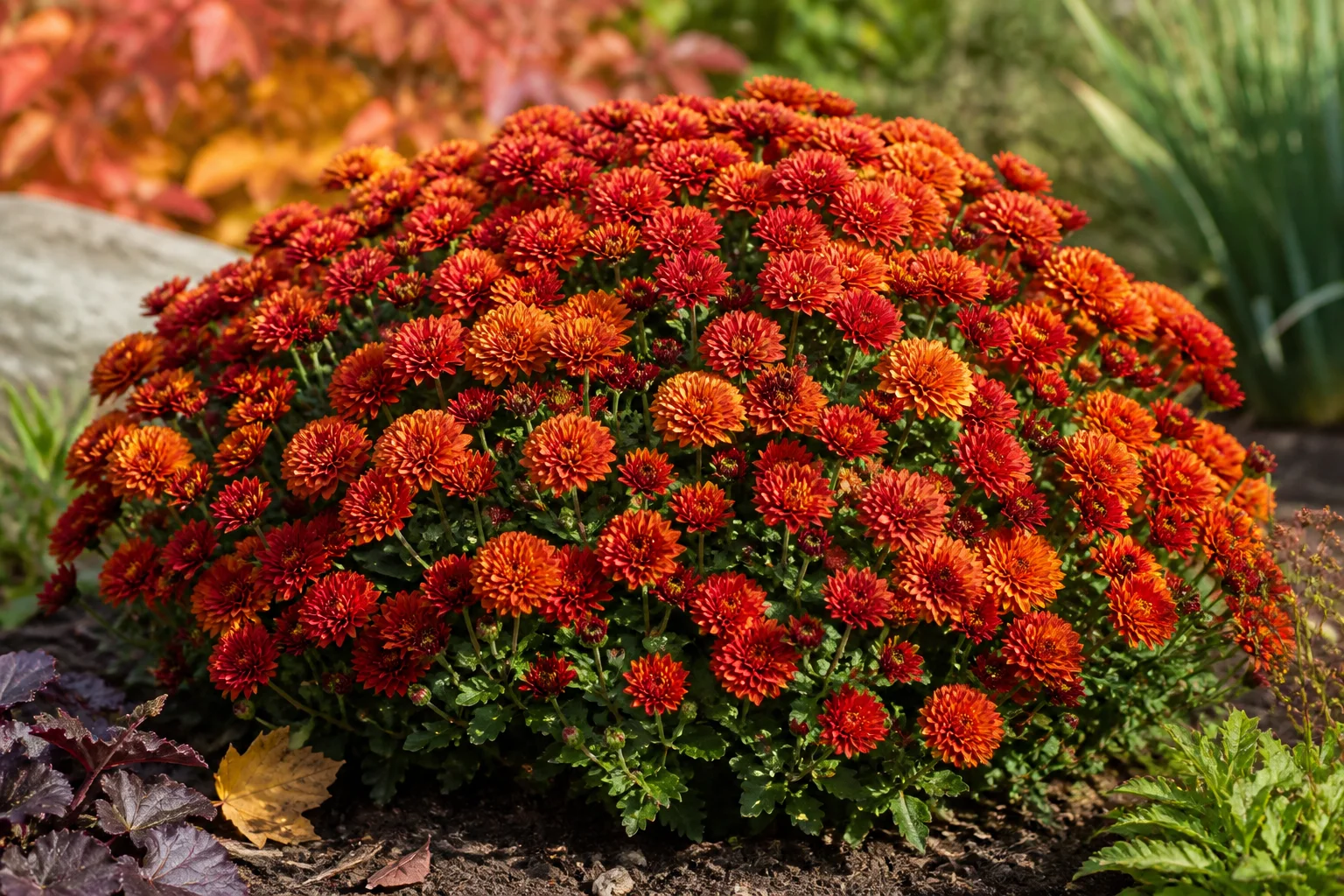
Chrysanthemum
Dense late color when hardy garden mums are planted in time
- Mature fit
- Use a garden cultivar suited to your zone and its 8-to-36-inch height
- Main tradeoff
- A florist mum bought in full bloom may be seasonal decor rather than a lasting perennial
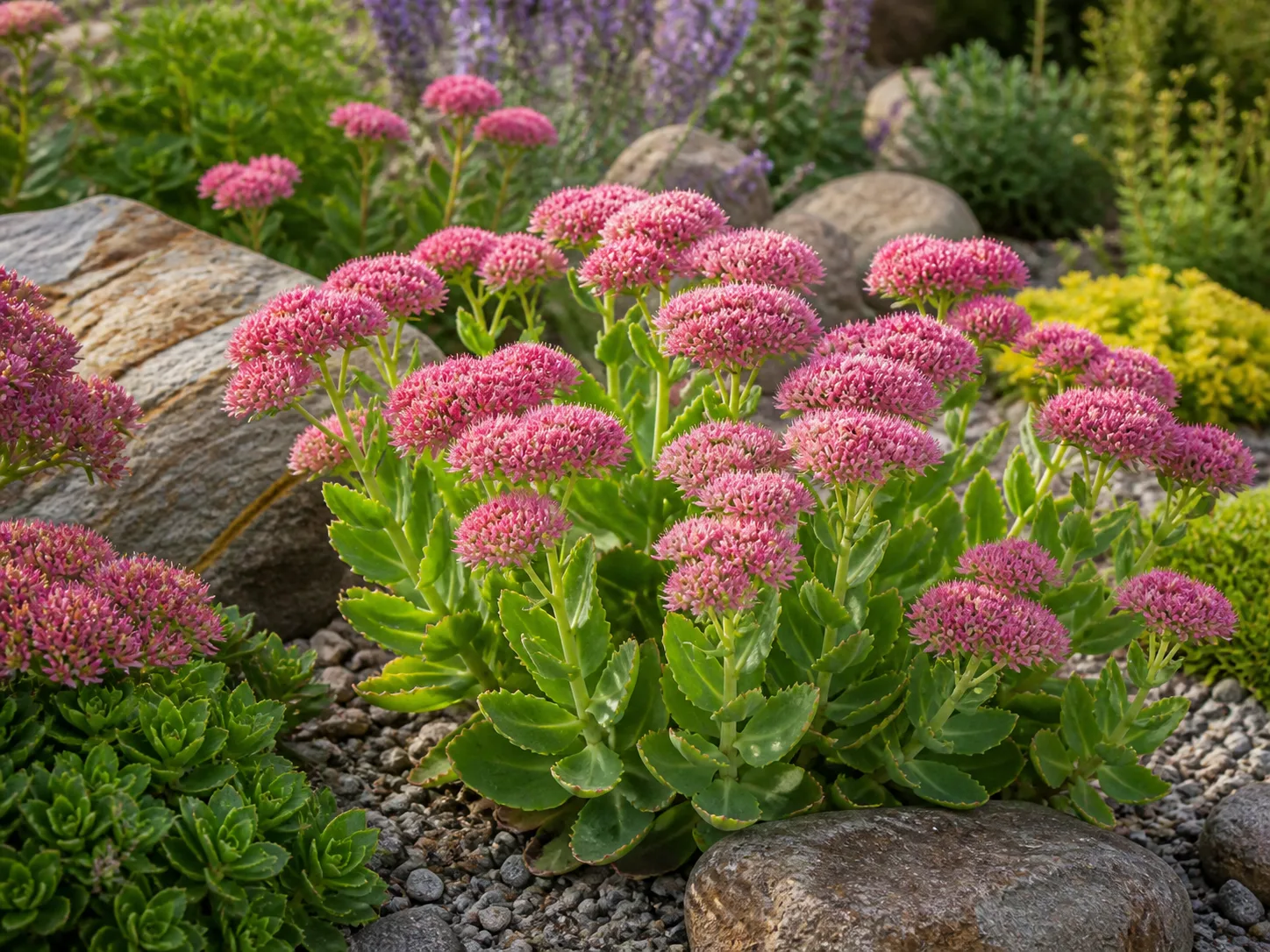
Sedum
Flat flower heads that turn rusty and stand into winter
- Mature fit
- Cultivars range from low edging plants to 2-foot clumps
- Main tradeoff
- Its strongest late-season value can be the aging head rather than fresh petals
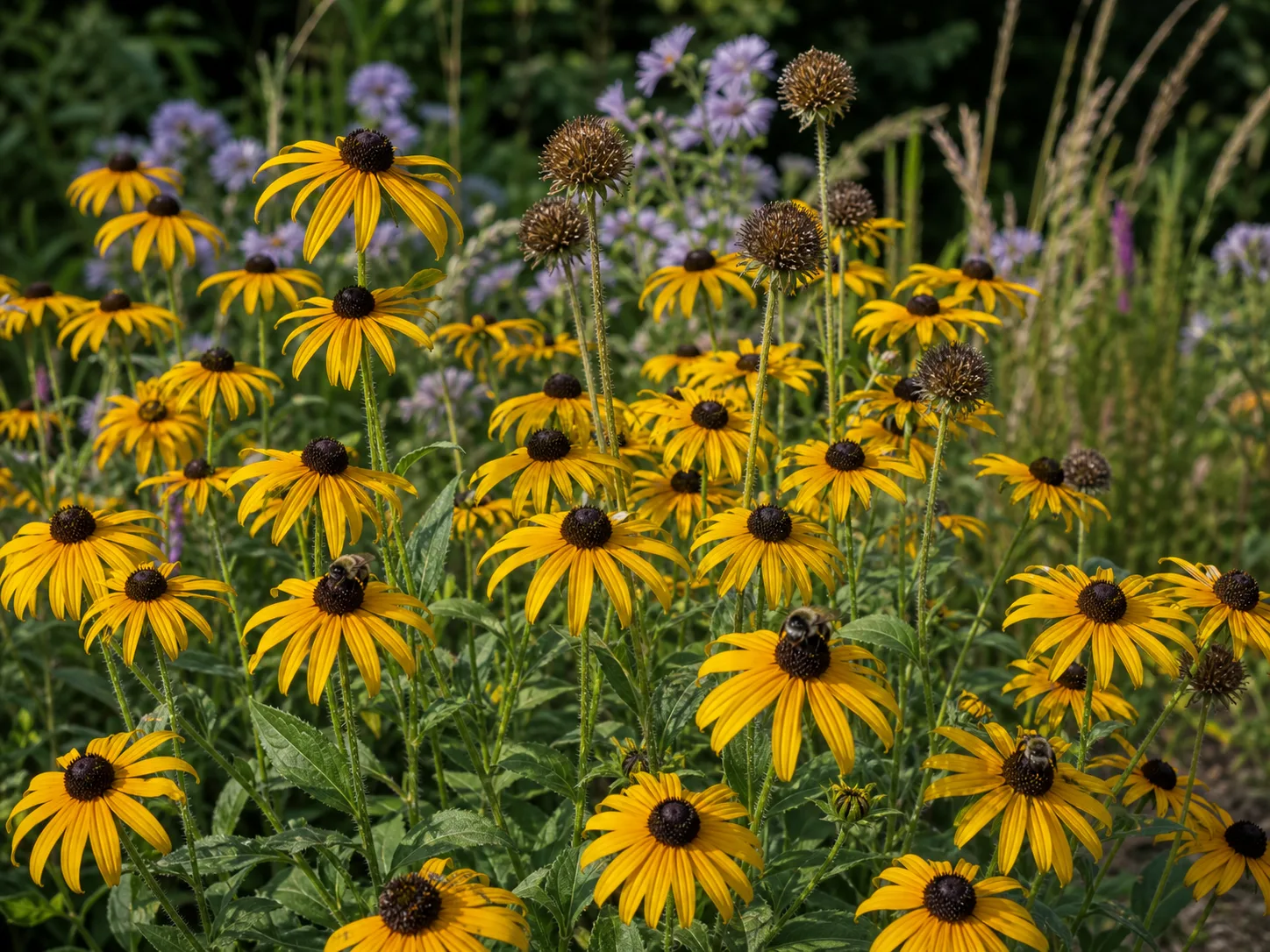
Black-Eyed Susan
A warm bridge from late summer into the autumn bed
- Mature fit
- Allow roughly 1 to 3 feet of height according to the cultivar
- Main tradeoff
- The display starts earlier than aster and may finish before the final frost
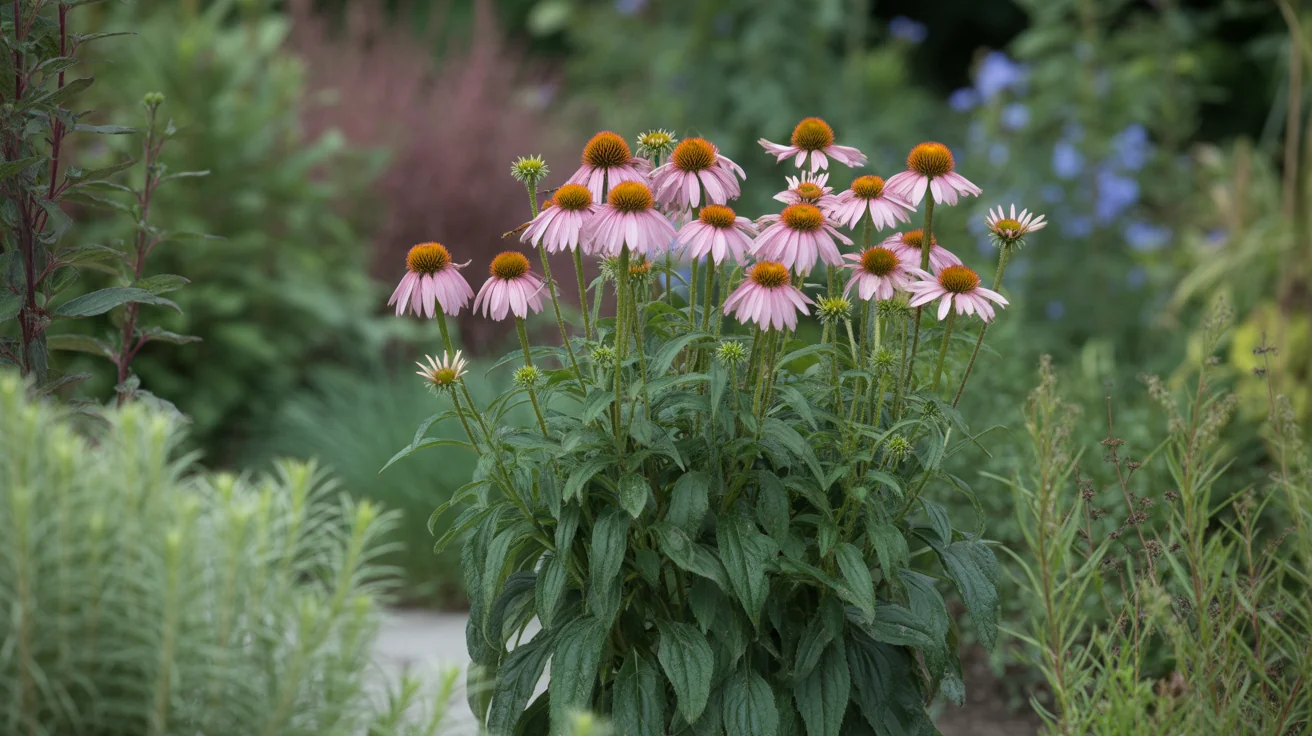
Coneflower
Late color followed by seed heads that extend the display
- Mature fit
- Place its 2-to-4-foot stems where the dry heads can remain standing
- Main tradeoff
- The seed-head stage supplies structure after the petal color has gone
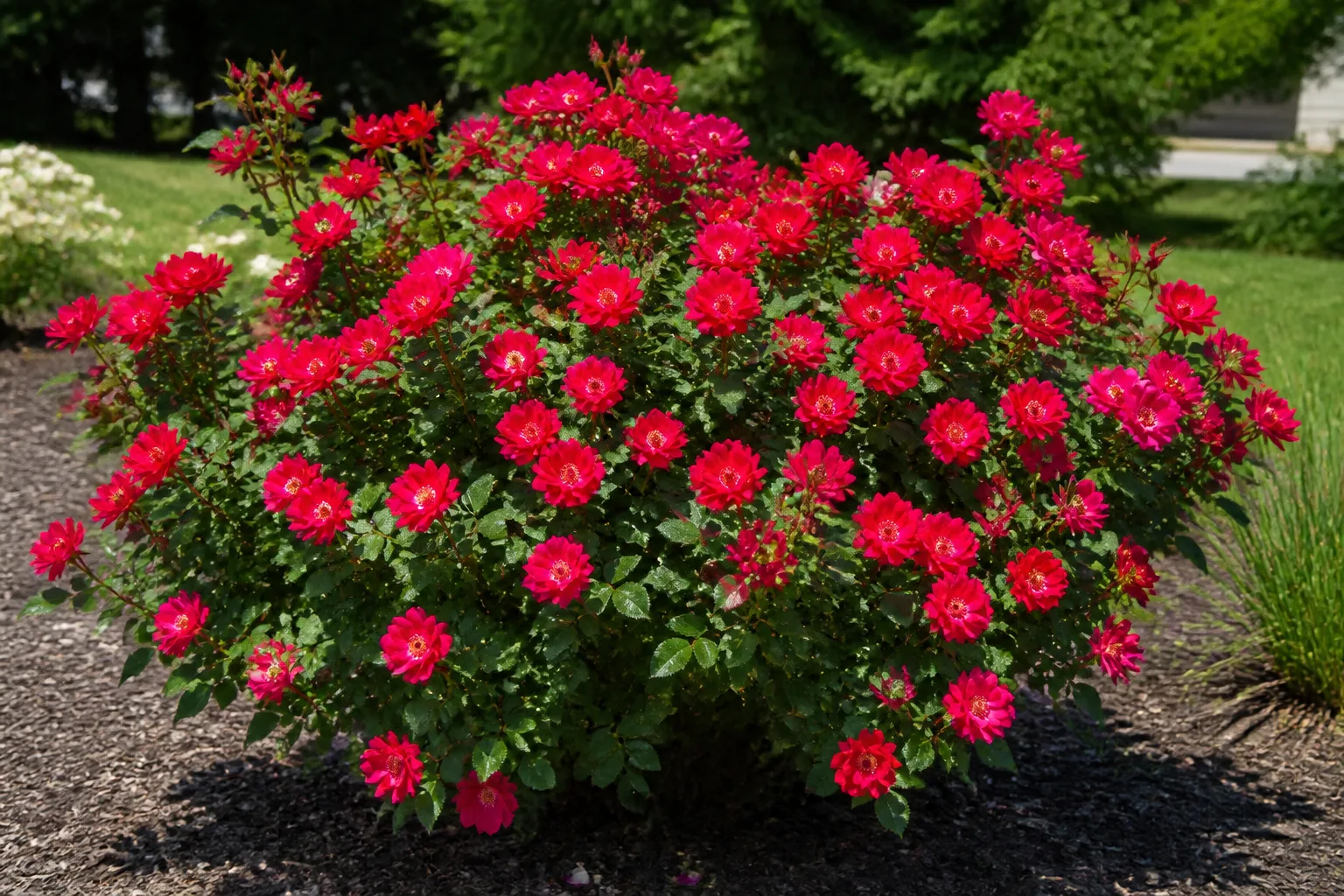
Knock Out Rose
A larger flowering shrub that reblooms toward frost
- Mature fit
- Reserve space for a shrub about 3 to 5 feet tall
- Main tradeoff
- It supplies repeat bloom rather than the distinct peak of a true autumn perennial
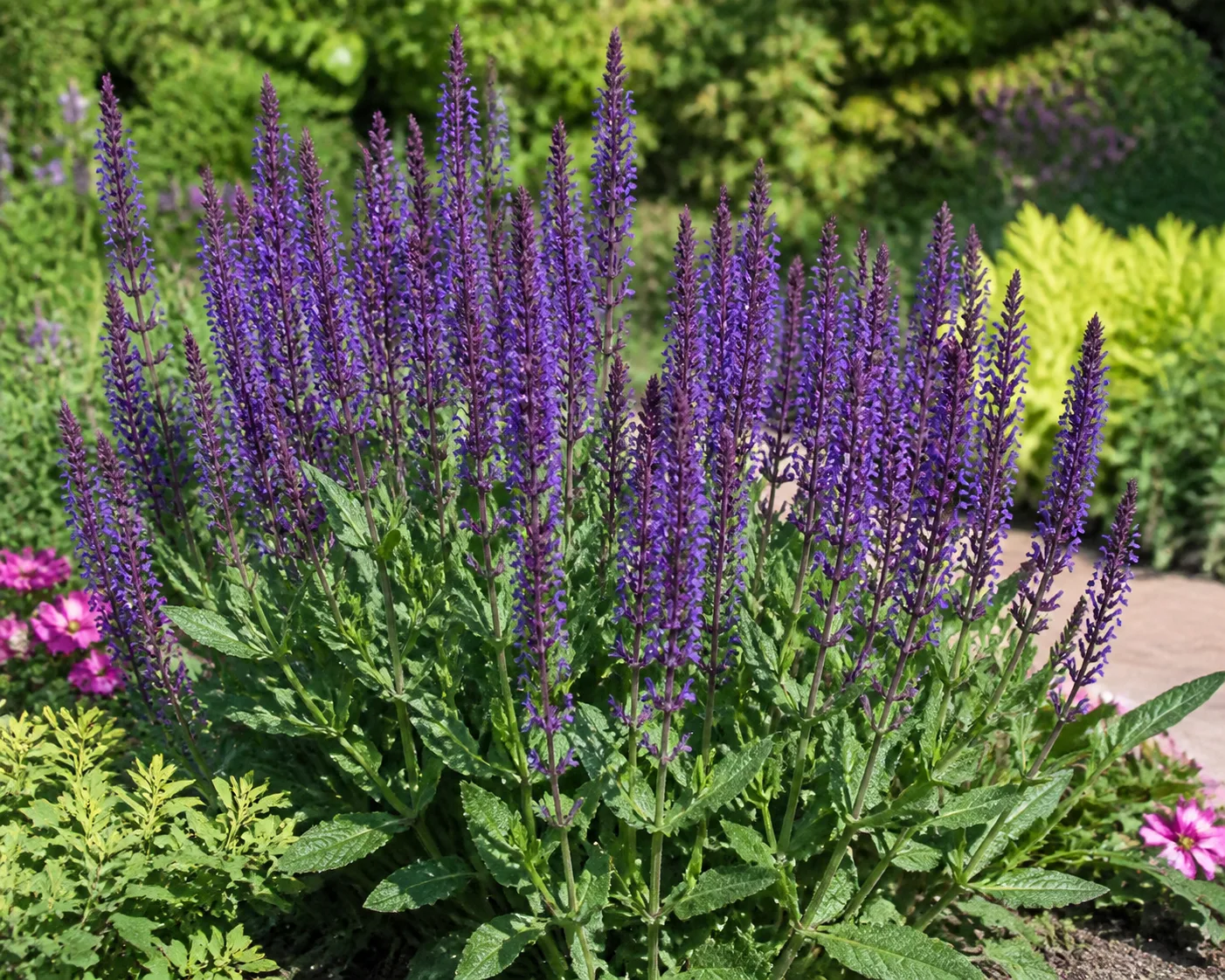
Salvia
Late nectar and upright flower spikes
- Mature fit
- Use the species and cultivar label to confirm height and local hardiness
- Main tradeoff
- Plants sold as salvia differ widely in whether they survive winter
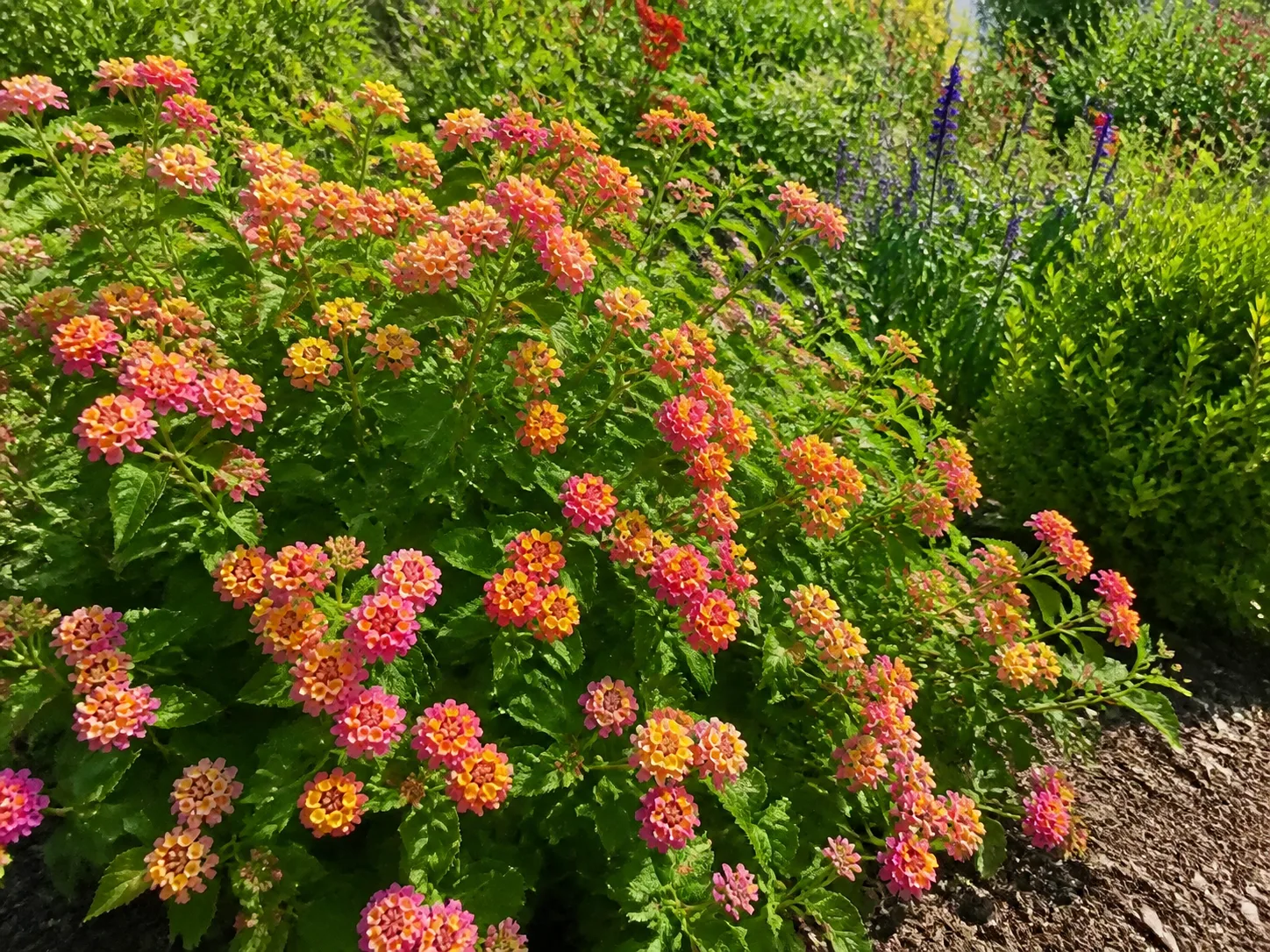
Lantana
Months of hot-weather bloom that can continue into fall
- Mature fit
- Treat it as a perennial only in Zones 9 to 11
- Main tradeoff
- Cold-climate gardeners usually buy it again as an annual
Telling a Garden Mum From a Florist Mum
The mums stacked outside every store in September are mostly one-season decor, and buying the wrong one is the most reliable way to waste money on autumn planting.
The two kinds look different once you know what to look at. A florist or gift mum is bred as a solid dome of bud with almost no foliage showing, while a hardy garden mum is looser and leafier, with green leaves and stem structure visible between the flowers and buds still to open.
Timing decides the rest, because even a genuinely hardy mum bought in full bloom in October rarely roots enough before winter, which is why the ones that come back were planted in spring or by late summer.
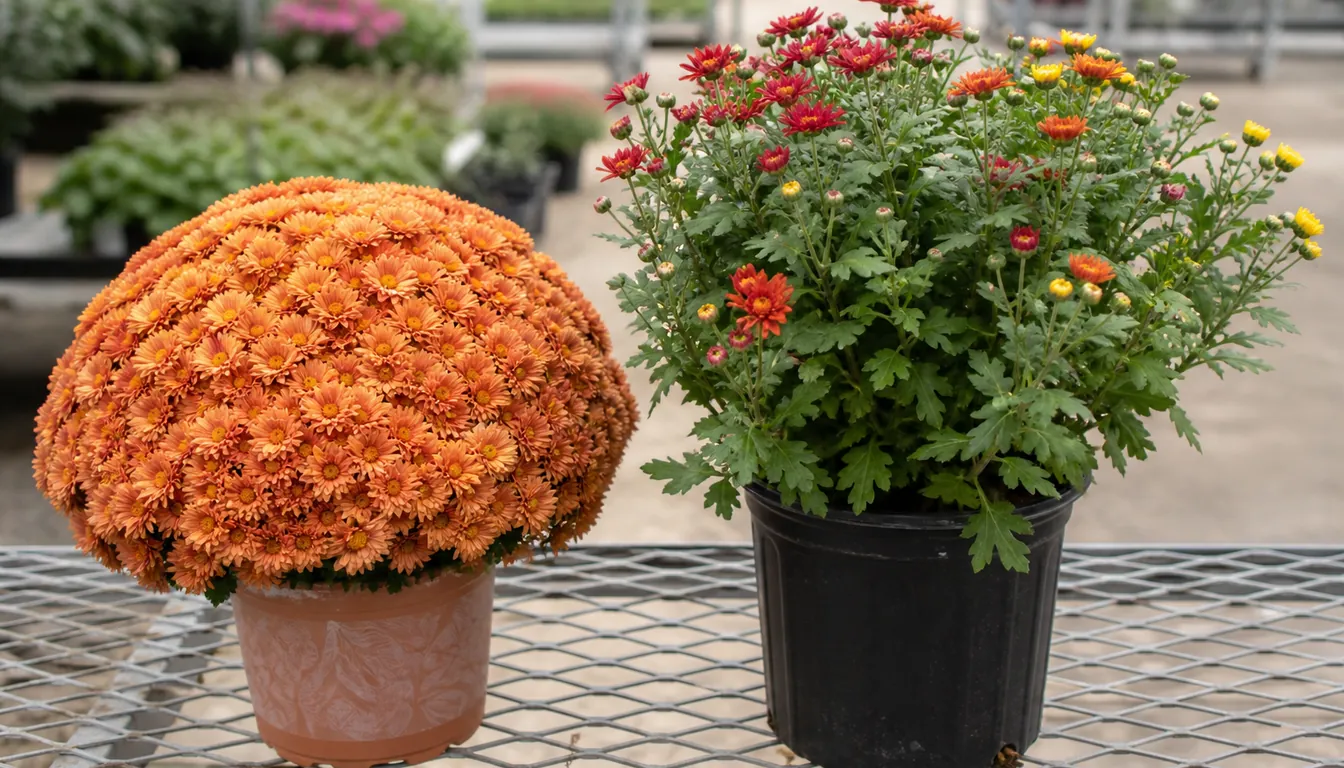
- The shape: a solid flower dome with no leaves showing is a florist mum
- The foliage: green leaves and visible stems between the flowers mean a garden mum
- The pot: a decorative pot is decor, a plain nursery pot is a plant
- The section: perennials rather than the seasonal display outside the door
Light Frost or Killing Freeze
The word frost covers two different events, and only one of them is worth getting out of the house for. A light frost runs roughly 29 to 32 degrees and marks tender growth while hardy plants shrug it off entirely.
A hard freeze is 28 degrees or below held for several hours and ends the tender season whatever you throw over the bed, so knowing which one the forecast is describing is the whole decision.
- 33 F and above: nothing to do, the bed is fine
- 29 to 32 F: cover the tender plants, since this is where covering actually pays
- 28 F or below: the tender season is over, so harvest or enjoy them and let go
- Any of the above: aster, chrysanthemum and sedum need no protection at all
Stretching the Last Few Weeks
A first frost is usually followed by weeks of mild weather, so the season is rarely over when it arrives. A little work on two or three cold nights buys most of that time back.
The detail people get wrong is the morning, since a cover left on through a sunny day cooks what it was protecting, so it goes on before dusk and comes off at first light.
- Cover before dusk, uncover in the morning: the heat is what you are trapping, not the plant
- Take the cover to the ground: draping it over the plant traps nothing
- Water the evening before: moist soil holds and releases more heat overnight than dry soil
- Use the warm spots: a south-facing wall or paving edge runs several degrees warmer than open ground
The Last Nectar of the Year
Autumn flowers are the last significant nectar available before winter, which makes them worth more than their looks. Bees are building the stores that carry a colony through, and monarchs are fueling a migration that runs thousands of miles.
That changes what you do at the end of the season, because cutting the whole bed flat in one afternoon removes the food and the shelter together. Aster and goldenrod are among the most valuable autumn plants there are for this, and the pollinator planting page covers the rest of the year the same way.
- Standing seed heads: feed finches and other birds right through the cold
- Hollow stems: shelter overwintering insects until spring
- Late flowers: the last nectar for bees and migrating monarchs
- Fallen leaves in the bed: cover for the insects that overwinter at ground level
Pro Tips
- Look up your own average first frost date before buying anything.
- Plant fall bloomers 6 to 8 weeks before that date, which usually means shopping in late summer.
- Buy chrysanthemum from the perennial section, not the display outside the door.
- A solid dome of flowers with no foliage showing is a one-season mum.
- Cover for 29 to 32 degrees, and accept the loss at 28 or below.
- Take frost covers off at first light, since a cover left on in sun cooks the plant.
- Leave seed heads and hollow stems standing rather than cutting the bed flat.
Frequently Asked Questions
When should I plant fall-blooming flowers?
Six to eight weeks before your average first frost date, which puts the work in late summer while the garden still looks like July. That gives roots time to settle in soil that is still warm, and it is the reason autumn beds are bought in August.
Why do store-bought mums never come back?
Most of them are florist mums, bred as a solid dome of bud for one show rather than as a lasting plant, and even a hardy garden mum bought in full bloom in October rarely roots before winter. Buy from the perennial section and plant in spring or by late summer instead.
What temperature kills flowers?
A light frost of 29 to 32 degrees marks tender growth while hardy plants are unaffected, and a hard freeze of 28 degrees or below held for hours ends the tender season. Covering pays for the first and does nothing useful for the second.
Which fall flowers survive frost?
Aster, hardy garden chrysanthemum and sedum all take light frost without protection, and sedum's flat heads keep standing into winter after the color has gone. Tender plants like lantana outside Zone 9 finish with the first real freeze.
Should I cut the garden back after the first frost?
Not all at once, because seed heads feed finches through winter and hollow stems shelter overwintering insects. Cut what is diseased or collapsed and leave the standing structure, since a bed shaved flat in October removes food and shelter in one afternoon.
Sources & References
Related Guides
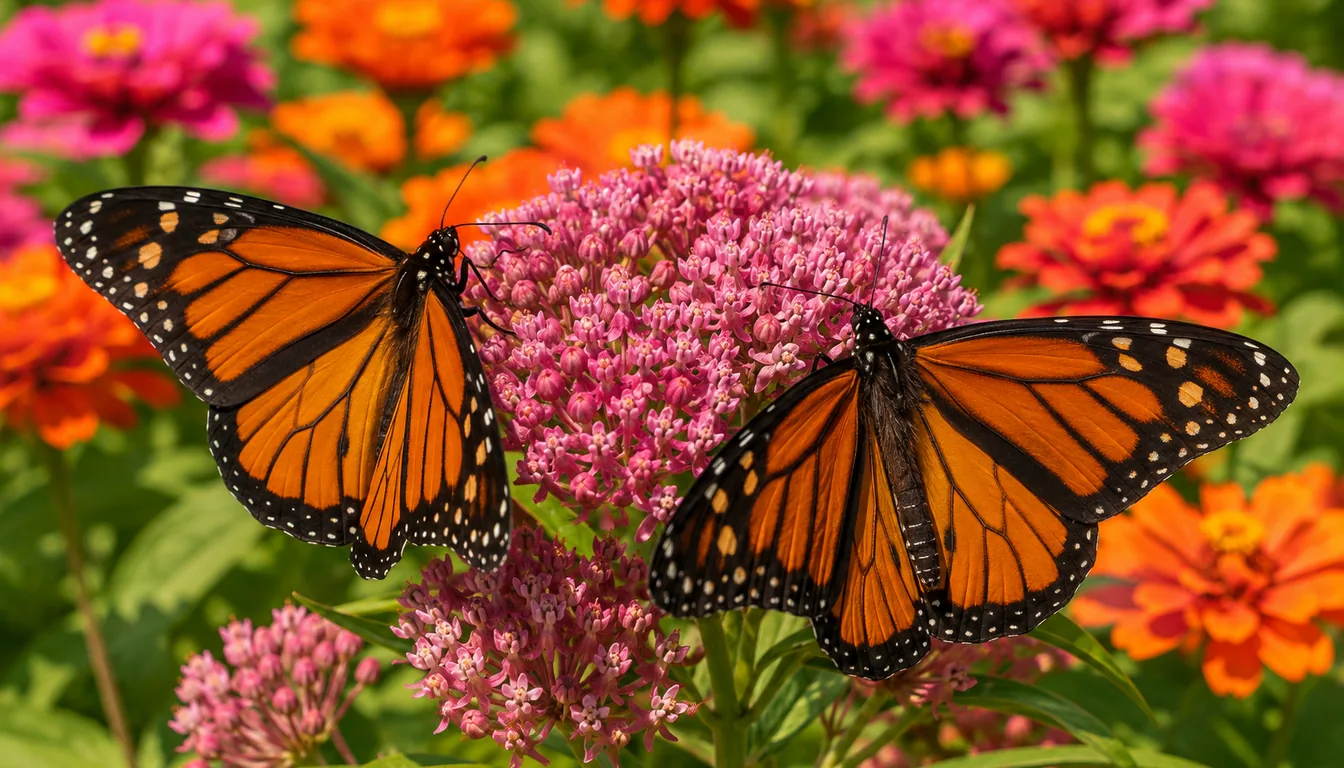
Best Butterfly Garden Plants for a Complete Habitat
The best butterfly garden plants do two different jobs. Host plants feed caterpillars, while nectar…
15 min read
Best Fast-Growing Trees for Shade and Privacy
The best fast-growing tree is the one whose mature crown, roots, climate range, and maintenance…
16 min read
Best Fragrant Flowers for Every Yard and Season
The best fragrant flowers depend on climate, light, space, and the hours you use the yard.
15 min read
Best Full-Sun Perennials for Hot, Bright Beds
The best full-sun perennials are the ones that match the bed's soil moisture and drainage, local…
14 min read
Best Ground Cover Plants for Sun, Shade, and Slopes
The best ground cover is a plant that survives the site and performs the job without escaping into…
18 min read
Best Indoor Plants for Every Room and Light Level
The best indoor plant is one that fits the light in its exact location and the care you will…
16 min read