
Monthly garden planning
Choose the month you will work
What each month plan includes
These are the Zone 7 plans. Each month plan lists that month's tasks for your zone, the winter lows that set the zone, the plant types rated for it, and guides for the work of the season.
What each season asks of the yard
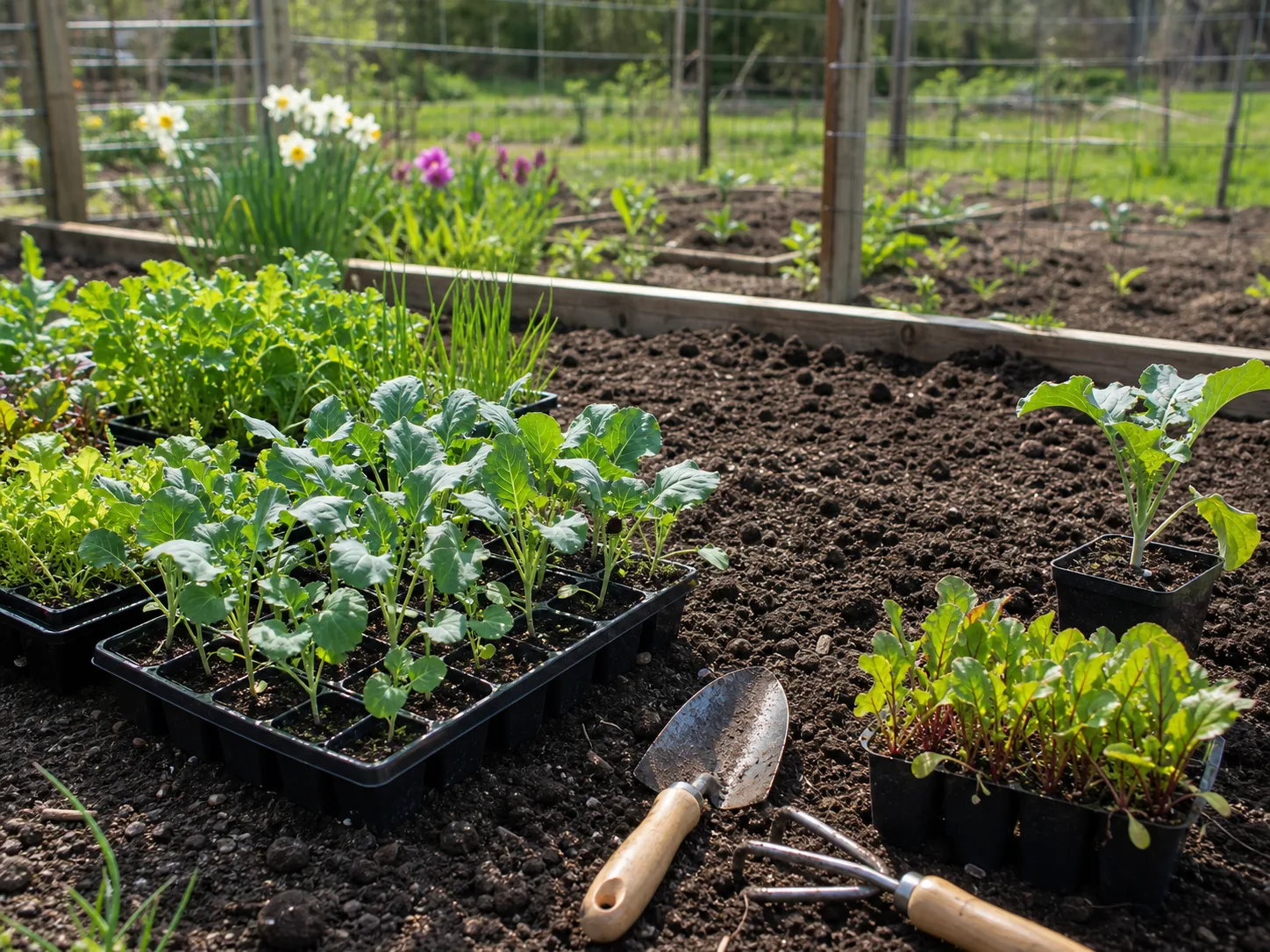
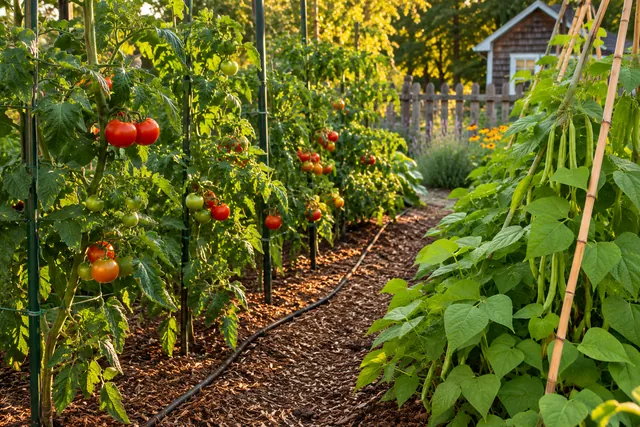
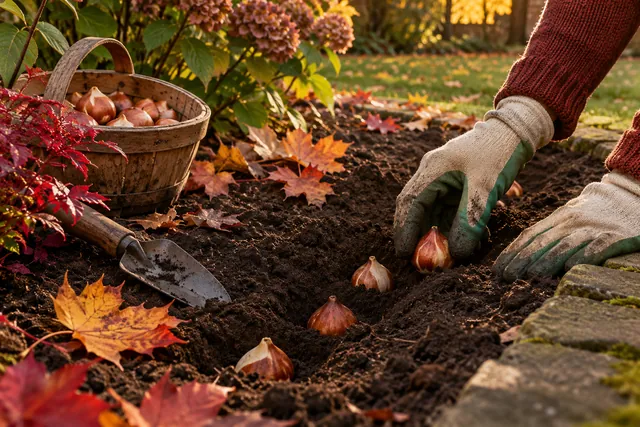
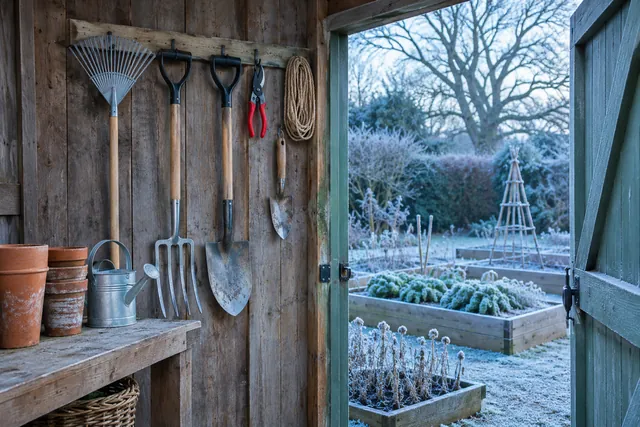
See the tasks for each season
Spring
- Start seeds indoors 6 to 8 weeks before your last frost.
- Test soil pH and work compost into beds.
- Prune trees and shrubs before new growth starts.
- Check new leaves weekly for aphids and slugs.
Summer
- Water deeply twice a week instead of a little every day.
- Keep 2 to 3 inches of mulch over the roots.
- Pick vegetables and herbs often so plants keep producing.
- Check tomatoes and squash daily for hornworms and squash bugs.
Fall (now)
- Sow lettuce, spinach, kale, and radishes for a cool-season crop.
- Plant trees and shrubs while the soil is still warm.
- Spread compost on empty beds before winter.
- Plant tulip and daffodil bulbs 6 weeks before hard frost.
Winter
- Note what grew well and order seeds early.
- Sharpen, clean, and oil your garden tools.
- Water houseplants less and keep them away from heaters.
- Mulch tender perennials and wrap young tree trunks.
Check before you work
What to look for
The month gives you a shortlist. These observations help you judge whether a task fits current conditions.
- Forecast. Delay work when frost, heavy rain, heat, or wind would undo it.
- Soil. Check temperature, moisture, and whether the ground can be worked without compaction.
- Plant stage. Use buds, new growth, bloom, fruit, or dormancy as the plant's current signal.
- Yard notes. Compare this season with your own frost, bloom, pest, and harvest records.
Turn the calendar into a working date
What each page gives you
- Frost dates. Use dates from local weather records to calculate the interval between frosts.
- Regional context. Compare hardiness with regional heat, rainfall, and seasonal constraints.
- Methods. Use a step-by-step guide for the exact planting, watering, pruning, or lawn task.
Use the month as a planning window
A zone narrows the expected cold range. Local weather and plant growth still decide the working day.
- Prepare beds and hardy crops. Cool weather. Use soil condition and frost risk to time early planting, cleanup, and cool-season lawn work.
- Watch water and active growth. Warm weather. Track heat, rainfall, flowering, harvest, and pest pressure while plants are growing quickly.
- Protect, inspect, and plan. Dormant weather. Check winter damage, tool condition, stored supplies, and projects that should wait for active growth.

How every guide is made

KnowTheYard Editorial publishes every guide, with its sources and last-changed date on the page.