
Best Butterfly Garden Plants for a Complete Habitat
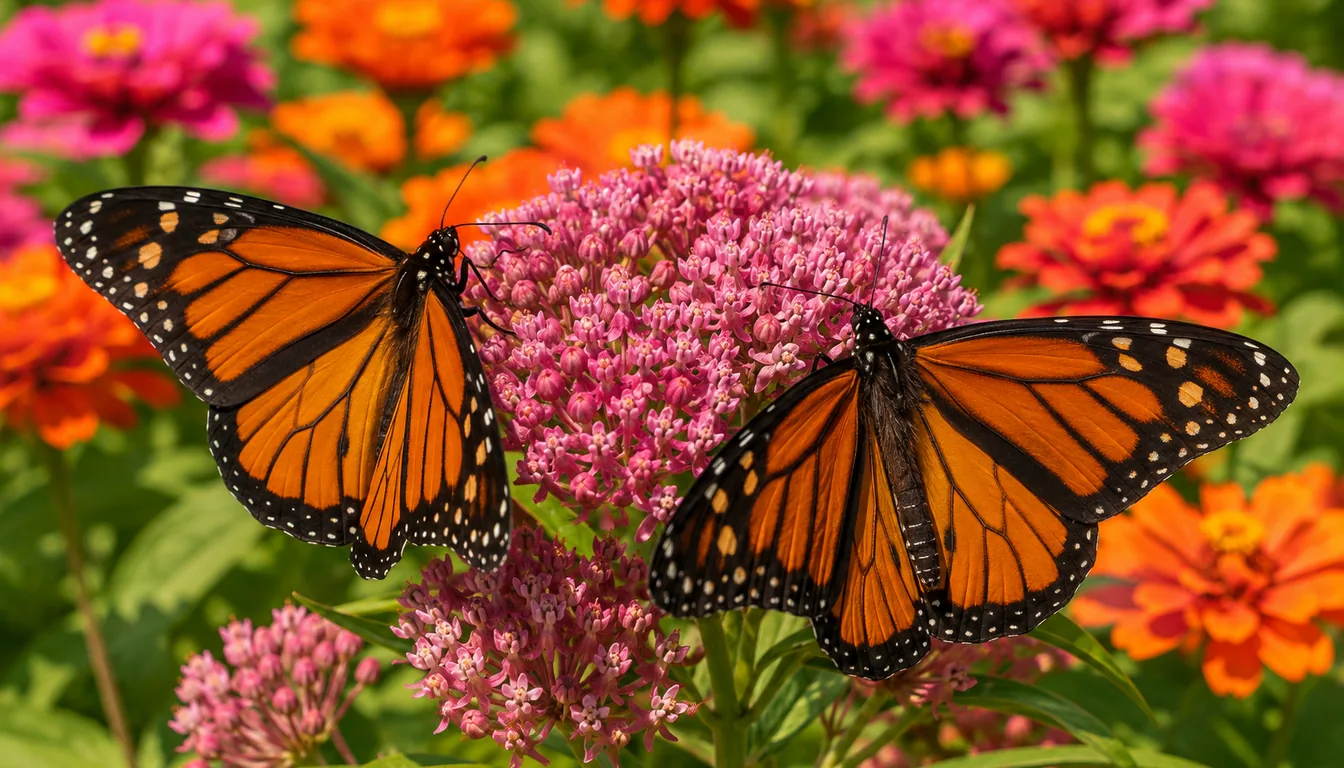
The best butterfly garden plants do two different jobs. Host plants feed caterpillars, while nectar plants feed adult butterflies, so a bed with flowers alone supports only part of the life cycle.
Start with butterflies that occur in your county, match each one to a locally appropriate host plant, and add overlapping nectar bloom from spring through fall. Put that planting in a sunny, wind-sheltered place and avoid routine insecticide use.
A small garden can work when every plant has a clear job. A large garden can still fail when it has no host foliage, runs out of flowers in late summer, or receives products that kill the insects it was meant to attract.
[ky_keyfacts] First decision | Identify local butterflies and their larval host plants Adult food | Several nectar species with overlapping bloom periods Site | Sunny, sheltered from strong wind, with suitable soil moisture Planting pattern | Visible groups rather than isolated single flowers Main conflict | Insecticides can kill caterpillars and visiting adults [/ky_keyfacts]
At a glance
Which Plants Do Local Butterfly Caterpillars Need?
Host-plant choice begins with the butterfly, not with a nationwide shopping list.
Many caterpillars can eat plants from only one genus or family, and the useful species within that group change by region.
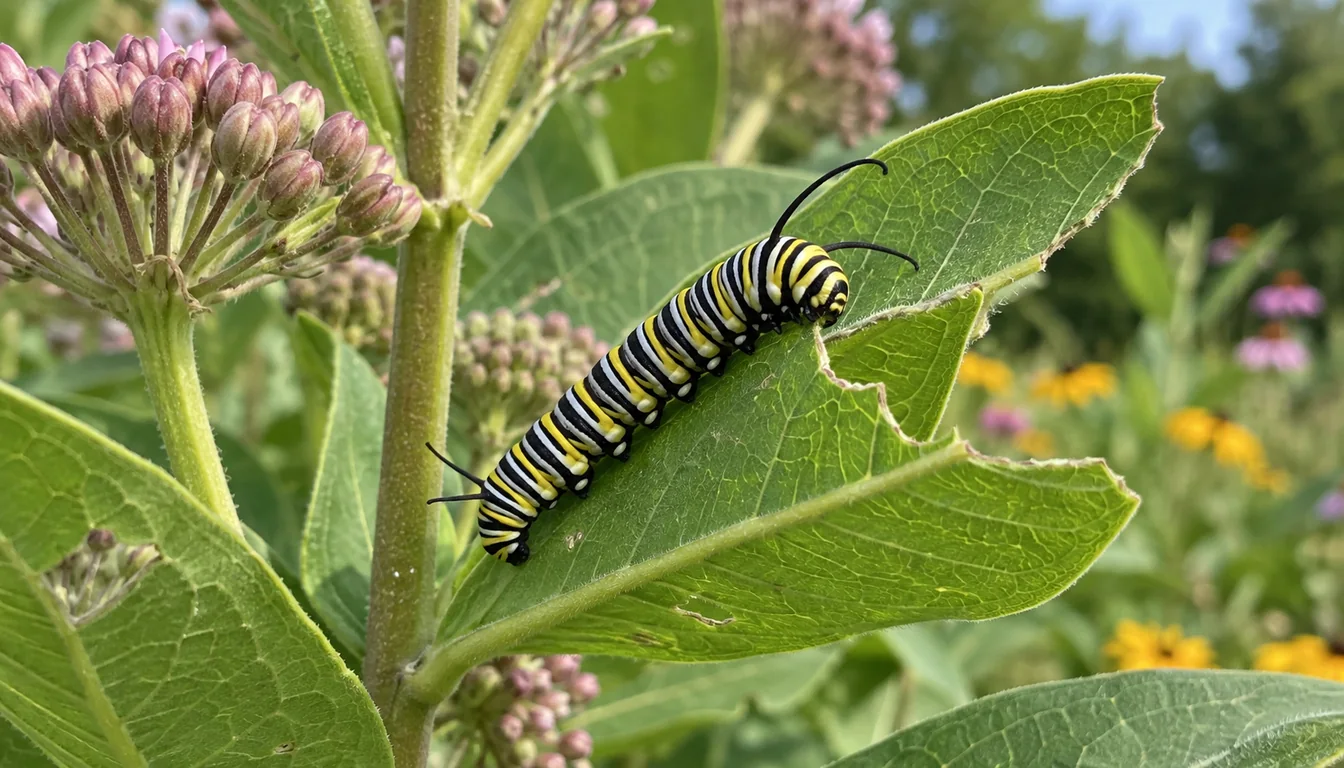
Monarch caterpillars use milkweeds (Asclepias species), while black swallowtails can use parsley, dill, fennel, and native carrot-family plants. Fritillaries use violets, spicebush swallowtails use spicebush or sassafras, and several large butterflies use native trees such as willow, black cherry, or tulip tree.
| Butterfly group | Example host plants | What to verify before planting |
|---|---|---|
| Monarch | Regionally native milkweed species | Native range, site moisture, mature spread, and local disease guidance |
| Black swallowtail | Parsley, dill, fennel, golden alexanders | Whether you can leave part of the crop unsprayed and available to larvae |
| Fritillaries | Native violets | The violet species that occurs locally and the light it receives |
| Spicebush swallowtail | Spicebush and sassafras | Mature shrub or tree space and regional range |
| Tiger swallowtails | Tulip tree, black cherry, willow, and other regional hosts | Mature tree size and whether the species suits the site |
| Painted lady | Mallows, thistles, and other documented hosts | Local weed rules and a noninvasive garden choice |
Use your state Extension service, native plant society, or a regional butterfly organization to confirm both sides of the relationship. A plant labeled “pollinator friendly” may offer nectar but still provide no food for the caterpillar you want to support.
Plant more than one small herbaceous host so a few larvae do not strip the only available plant. The correct number depends on mature size and available space, and a tree or large shrub may serve many larvae without being planted in a group.
Expect holes, missing leaf edges, and temporary bare stems. host-plant feeding damage unless the plant is too small to recover or a different pest is causing serious decline.
How Do You Keep Nectar Available Through the Season?
Write an early, middle, and late bloom calendar for your own region before choosing colors.
The target is not a fixed number of species. It is a sequence with enough overlap that one weather-shortened bloom does not leave an empty period.
Simple, accessible flower forms usually serve butterflies better than densely doubled cultivars whose petals hide or replace the flower's working parts.
Flat-topped clusters, daisy forms, short tubes, and flower heads made of many small florets provide useful landing and feeding structures for different butterfly sizes.
| Seasonal job | Candidate plants to investigate | Planning note |
|---|---|---|
| Early spring | Native willow, serviceberry, wild geranium, native phlox, or regionally suitable shrubs | Woody plants and spring ephemerals can feed early adults before summer perennials open |
| Late spring to early summer | Milkweeds, coreopsis, penstemon, bee balm, mountain mint, or yarrow | Some plants can provide nectar and host foliage, but confirm the exact species |
| Midsummer | Coneflower, blazing star, bee balm, mountain mint, black-eyed Susan, or locally recommended annuals | Combine flower shapes and retain enough soil moisture for continued bloom |
| Late summer to fall | Native asters, goldenrods, ironweed, Joe-Pye weeds, sedum, or late salvia | Late nectar is especially important for migrants and species still active near frost |
This table is a research list rather than a national recipe. A goldenrod that behaves well in one state may be too large for a small bed, and a milkweed adapted to dry prairie can fail in a wet coastal garden.
Check each candidate's native range, soil moisture, mature width, and bloom period against local references. Cultivar bloom time can differ from the species, so read the actual label instead of relying on a generic plant name.
Repeat the strongest nectar plants in visible groups where their mature widths fit. Butterflies can locate a block of flowers more easily than isolated stems scattered among unrelated foliage, while a mixture of several groups protects the season from one crop failure.
Keep a brief bloom log during the first year. Mark weeks with no open flowers and fill those gaps the following season rather than buying more plants during the peak period that already looks full.
Which Butterfly Plants Fit Your Site and Region?
Butterfly value does not rescue a plant from the wrong soil. Group candidates by the conditions they can actually tolerate, then choose a regional species from that group.
Dry, sunny bed
Investigate locally native milkweeds, coneflowers, blazing stars, mountain mints, coreopsis, or goldenrods adapted to dry soil. Avoid wetland species that would need constant irrigation.
Average, well-drained soil
A broad range of asters, bee balms, black-eyed Susans, violets, phlox, and flowering shrubs may fit. Use mature width and local disease resistance to narrow the list.
Moist or seasonally wet ground
Consider swamp milkweed, buttonbush, Joe-Pye weeds, willows, or moisture-tolerant asters where their native ranges and mature sizes fit. Do not put dry-site crowns into a low spot.
Part sun or woodland edge
Look at spicebush, native violets, serviceberry, woodland phlox, or other local host and nectar plants that tolerate filtered light. Expect fewer choices than in full sun and protect the area from strong shade competition.
Container or paved space
Use pesticide-free nectar annuals and compact perennials in pots, then include a host only when the container can support enough foliage. Containers need closer water checks and may not overwinter like plants in the ground.
“Native” should refer to your ecoregion or state, not merely North America. Local Extension and conservation plant lists can also flag species that are invasive where you live.
Butterfly bush illustrates why this check matters.
It offers adult nectar, but it is not a substitute for larval hosts, and some Buddleja types are invasive or restricted in parts of the United States. Keep it only where local guidance permits it, and pair any permitted nectar shrub with regionally appropriate host plants.
A healthy garden can mix suitable native plants with carefully selected nonnative nectar plants. The decision turns on ecological function, invasive risk, site fit, and pesticide exposure rather than a label category alone.
How Should You Lay Out a Butterfly Garden?
Choose a place where butterflies can warm in direct sun and leave strong wind.
Many nectar plants also flower best with at least 6 hours of direct light, though regional heat and the chosen species may make morning sun preferable to a reflected west-facing site.
Put trees, shrubs, a fence, or taller perennials on the windward edge without casting the whole bed into shade. Leave sunny openings among flower groups so butterflies can approach, feed, and bask.
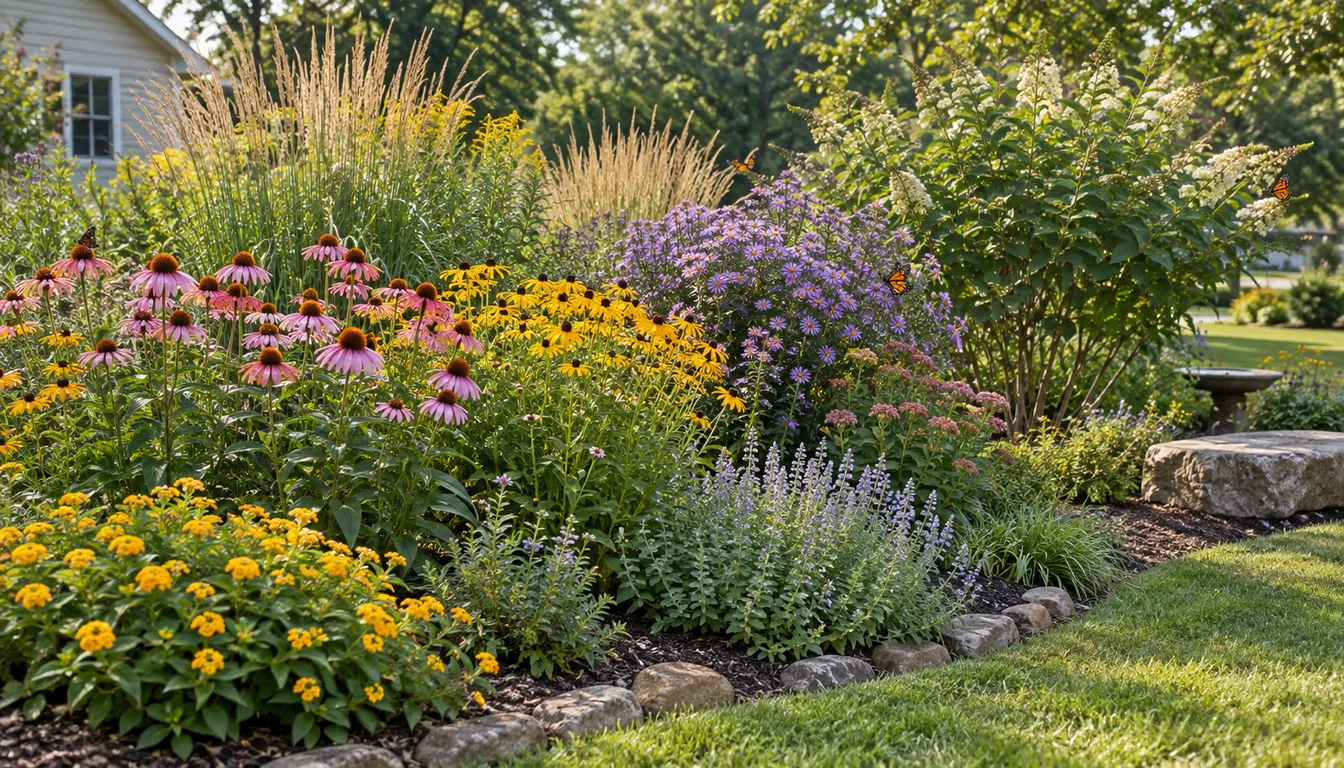
- Map the exposureObserve direct sun, prevailing wind, wet spots, reflected heat, and existing pesticide drift before placing the bed.
- Place permanent structureSet suitable shrubs, small trees, or tall perennials where their mature size provides shelter without crowding paths or lower plants.
- Arrange host groupsPut larval food where you can tolerate chewed foliage and still inspect it. Do not hide every host at the inaccessible back of the bed.
- Build the nectar sequenceRepeat early, middle, and late groups through the visible planting rather than placing one season in a single isolated corner.
- Keep accessLeave stepping points or a narrow path so you can weed and water without crushing host plants or compacting their roots.
- Add optional observation featuresA flat sun-warmed stone or a small patch of damp mineral soil can support basking or puddling without replacing the plants.
A dish of standing water is not necessary and can breed mosquitoes. If you experiment with a puddling area, use damp sand or soil, keep it shallow, and empty or refresh any container often.
Mulch selectively.
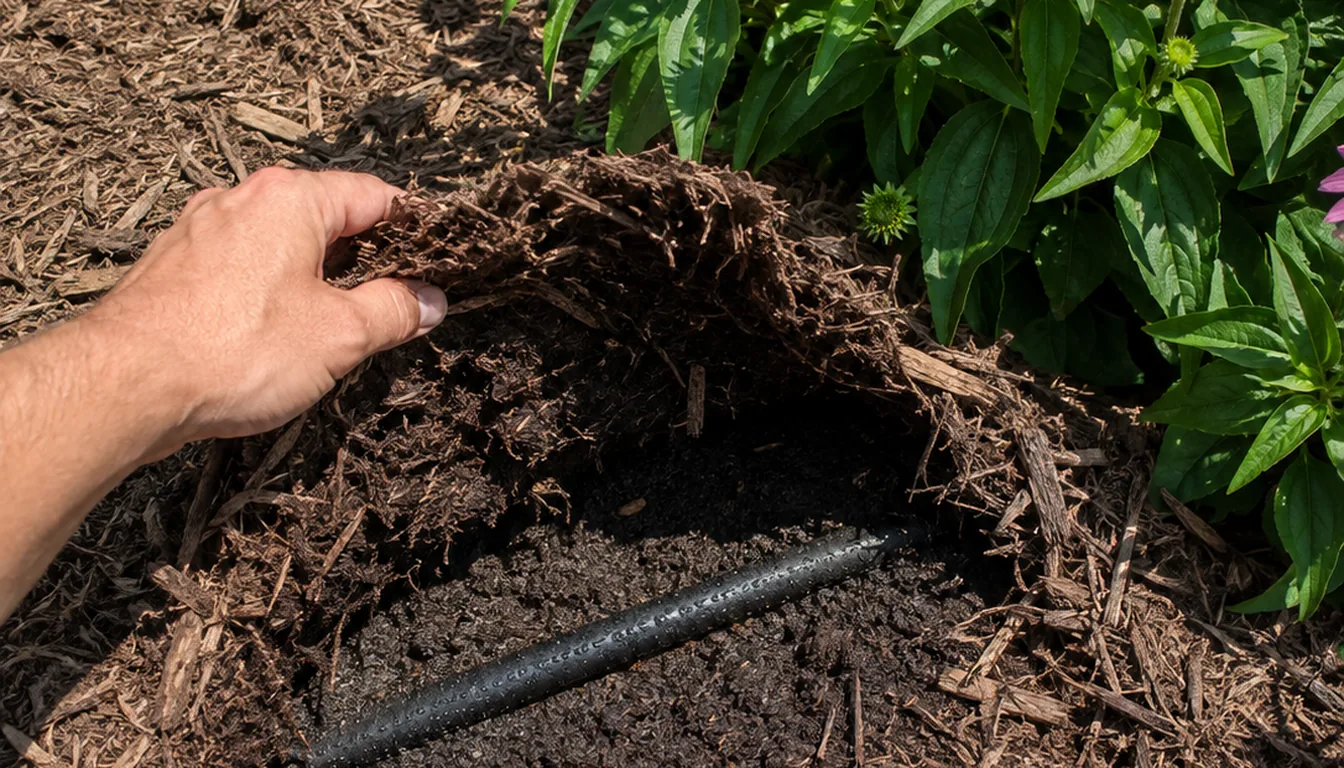
Organic mulch can conserve water around new plants, but an uninterrupted deep layer removes bare-ground nesting habitat for other beneficial insects and can bury small host plants. Keep mulch away from crowns and leave intentional open areas only where erosion and weeds can be managed.
The finished bed should look designed even after caterpillars feed. Strong plant groupings, repeated colors, and a clear edge provide visual order while allowing host foliage and standing stems to do ecological work.
How Do You Plant and Establish the Bed?
Prepare the site for the plants you selected rather than applying one amendment recipe to every soil. Correct drainage, remove perennial weeds, and use a soil test when fertility or pH may limit establishment.
Set every plant at the depth it grew in its container and use labeled mature width for spacing. Crowding may create quick color, but it reduces airflow, hides small caterpillars, and makes later maintenance more disruptive.
New plants need more frequent moisture checks because roots still occupy the original root ball. Probe that root ball and the nearby soil, water thoroughly when they begin to dry, and lengthen the interval as roots spread.
There is no safe nationwide “once a week” rule. Temperature, wind, soil texture, plant size, rain, and whether the species prefers dry or wet ground all change the interval.
- The species and cultivar fit the site's light, soil moisture, and hardiness
- The plant is native or noninvasive according to a local authority
- Host plants are untreated or their pesticide history is acceptable
- The planting hole drains and the crown is not buried
- The irrigation pattern reaches every new root ball without leaving standing water
- Mature widths preserve airflow, paths, and access to utilities
- Mulch stays clear of stems and small host rosettes
- A late-season nectar group remains in the plan
Fertilize only when a soil test, label, or visible deficiency supports it.
Excess nitrogen can produce soft leafy growth, fewer flowers, and a pest-prone canopy, while many native meadow plants perform well in comparatively lean soil.
Do not mix plants with opposite water needs on one irrigation line. Grouping by moisture keeps a swamp milkweed from drying out while preventing a dry-site blazing star from sitting in wet soil.
How Can You Control Pests Without Harming Butterflies?
A butterfly garden cannot be managed like an insect-free display bed. Caterpillars are insects, and products that kill leaf-feeding larvae can kill the species you invited.
Identify the organism and the amount of actual plant injury before treating. A few aphids, holes on milkweed, or a partially eaten parsley stem may need observation, a water spray, hand removal of a confirmed non-target pest, or no action.
Follow the product label for the exact organism, plant, site, rate, and timing.
Broad-spectrum insecticides can harm adults and larvae, and herbicides can remove caterpillar food. Avoid preventive spraying, lawn drift, mosquito fogging across the bed, and systemic products that can move into plant tissue unless a local expert and the label support a treatment that protects the habitat.
If a serious pest or disease requires control, isolate the problem where possible. Remove a heavily infected stem, treat a nonflowering plant at a time when butterflies are not active, or replace a chronically susceptible cultivar rather than repeatedly exposing the whole habitat.
Nursery treatments matter after purchase. Ask about systemic insecticides, remove flowers when current residues are uncertain, and follow local guidance on how long treated plants should remain away from pollinator use.
The goal is not zero leaf damage.
It is a stable planting that tolerates normal feeding while you intervene only when a correctly identified problem threatens plant survival or spreads beyond an acceptable limit.
What Seasonal Care Keeps the Habitat Working?
Care should preserve food and shelter across the whole life cycle. A perfectly cleared bed in fall can remove seed, leaf litter, hollow stems, and protected places used by overwintering insects.
| Season | Useful work | What to leave alone |
|---|---|---|
| Late winter to spring | Check crowns, remove confirmed diseased material, cut some stems when local insects begin to emerge, and fill early bloom gaps | Delay wholesale cleanup while insects may still shelter in standing stems and litter |
| Late spring | Plant regional hosts, support new root balls, and watch for eggs or young caterpillars | Do not mistake host feeding for a pest outbreak |
| Summer | Keep the nectar sequence flowering, monitor water by root-zone checks, and replace failed annual gaps | Avoid cutting every spent flower when some seed or shelter has value |
| Late summer to fall | Protect late nectar, record visitor and bloom gaps, and collect only seed you can identify | Leave sound stems, seedheads, and some leaf litter where they do not create a disease problem |
| Winter | Review the year's records and order locally appropriate plants | Avoid disturbing protected habitat for cosmetic cleanup alone |
Deadheading helps some annuals and perennials continue flowering, but not every species reblooms.
Learn which plants respond, then leave selected seedheads and stems for wildlife or winter structure.
Remove diseased foliage when sanitation can interrupt a known problem. “Leave the garden standing” is not permission to retain material carrying a serious recurring disease beside susceptible plants.
Watch the calendar and the garden at the same time. A late aster that normally bridges September can finish early during drought, so a second species with a similar period can provide resilience.
Record which host plants were used, not just which flowers attracted adults. That distinction tells you whether the yard supplied a feeding stop or supported reproduction.
Can a Small Yard or Container Garden Help Butterflies?
A balcony, patio, or small front bed can provide useful nectar, and it may support a caterpillar when the host plant has enough foliage. The limits are root volume, exposure, winter survival, and how quickly one larva can consume a container plant.
Choose compact species proven for your region and the container's light. Use a pot with drainage, a container mix rather than garden soil, and enough volume to keep roots from overheating or drying within hours.
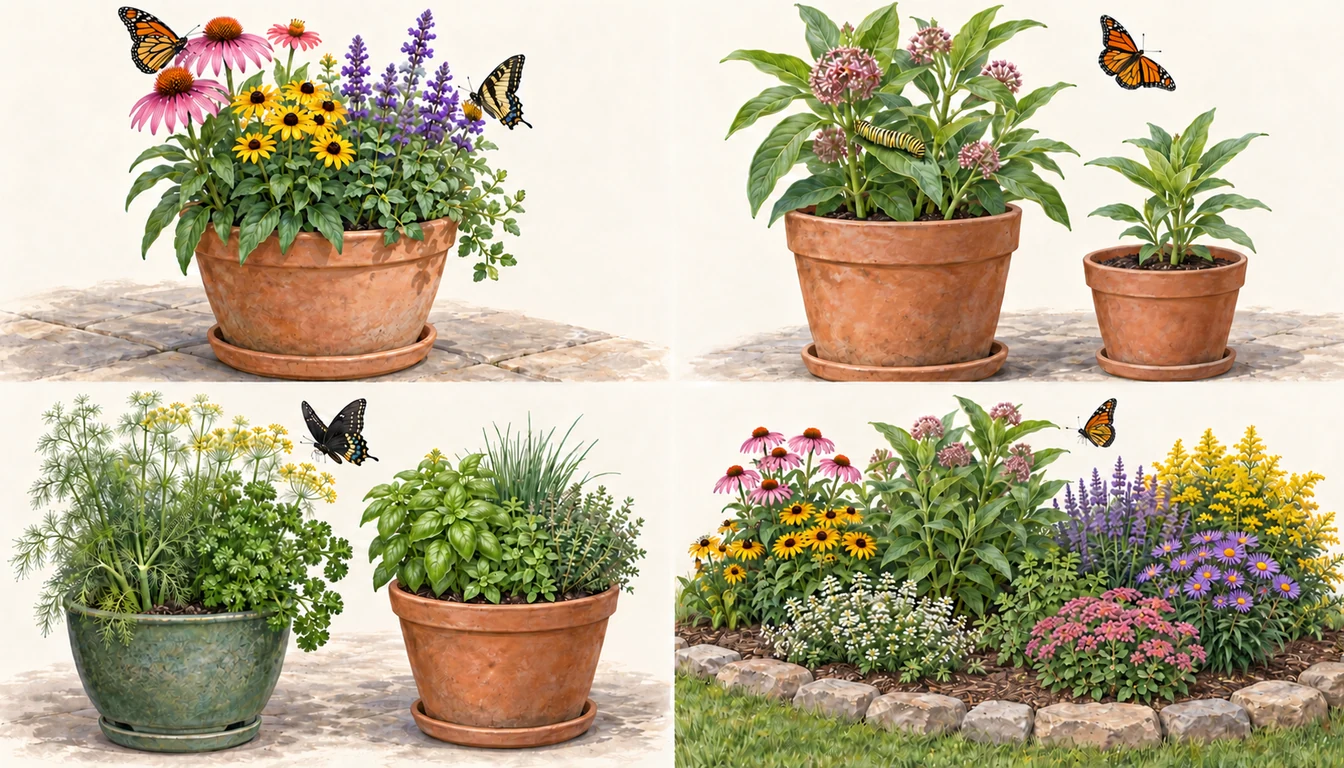
Nectar pot
Combine two or three pesticide-free nectar plants with overlapping bloom and similar water needs. Use this where one host plant would not provide enough foliage.
Host pot
Grow a locally suitable herbaceous host in a generous pot. Expect chewed leaves, and keep an untreated backup only when regional guidance supports it.
Herb planters
Reserve parsley, dill, or fennel for black swallowtail larvae. Harvest from a separate unsprayed group.
Small bed
Combine one regional host group with early, midsummer, and late nectar plants. Record bloom gaps before expanding.
Containers in full sun can dry rapidly, yet constantly wet mix harms roots.
Check by weight and below the surface, then water thoroughly when the plant's root zone is beginning to dry.
Avoid moving a caterpillar to an unrelated plant when it finishes a leaf. Add more of the correct host or accept that the container cannot support that many larvae.
A small habitat is most useful when it connects with other unsprayed plantings nearby. Several neighboring yards with different bloom periods and host plants can provide more continuity than one overloaded container collection.
Why Are Few Butterflies Visiting the Garden?
Low activity does not prove the plant list failed.
Butterfly populations, migration, weather, time of day, surrounding habitat, and pesticide exposure all affect what you see.
| What you observe | Likely direction to investigate | First useful check |
|---|---|---|
| Flowers are open but no adults feed | Plant form, nectar value, weather, or low local butterfly activity | Watch during warm, calm daylight and confirm the plant is a documented nectar source |
| Adults visit but no eggs or caterpillars appear | Missing or mismatched host plants | Identify local butterfly species and verify the exact larval host |
| Caterpillars appear and then disappear | Normal movement, predators, weather, or pesticide exposure | Check nearby feeding signs and review every product used on or around the bed |
| Plants stop flowering in midsummer | Bloom gap, drought stress, crowding, or excess nitrogen | Compare the bloom log with root-zone moisture and recent fertilizer |
| Only one species dominates | The planting may serve one host relationship or one flower shape | Add another locally documented host and a different accessible nectar form |
| Plants decline despite watering | Site mismatch, crown depth, drainage, or root trouble | Inspect soil moisture below the surface and compare the plant's required habitat |
Change one major variable at a time when the planting is healthy. Filling the late nectar gap, adding the correct host, or stopping a conflicting pesticide practice gives you more information than replacing the whole bed.
Do not purchase mail-order caterpillars or relocate wild butterflies simply to create activity. Build suitable habitat and let locally occurring species find it, following state rules for any protected species.
A strong result may be a chewed violet, a chrysalis you nearly missed, or one repeated visitor rather than a constant cloud of adults. life-cycle jobs, not by a single afternoon's butterfly count.
Pro Tips
- Confirm host plants for butterflies recorded in your county before buying a generic seed mix.
- Keep a simple bloom log so early- and late-season gaps become visible.
- Ask how nursery plants were treated when they will provide host foliage or nectar.
- Group plants by compatible soil moisture as well as by flower color.
- Leave sound stems and some leaf litter through winter where disease and safety permit.
- Treat host-plant chewing as expected evidence until identification shows a different pest.
Frequently Asked Questions
What is the most important plant in a butterfly garden?
There is no single best plant for every location. The most important first choice is a larval host used by a butterfly that actually occurs in your area, followed by nectar plants that cover the local season.
Do butterfly gardens have to be in full sun?
A sunny, sheltered site supports butterfly basking and many nectar plants, but some hosts and nectar species grow at woodland edges or in part sun. Match the species to measured light instead of forcing every plant into one exposure.
Should I plant butterfly bush?
Butterfly bush can provide nectar, but it does not replace native host plants and some types are invasive or restricted in parts of the United States. Check local guidance before planting it and choose a noninvasive regional alternative when advised.
Can I use Bt in a butterfly garden?
Do not treat Bt products as interchangeable. Caterpillar-active strains can kill wanted butterfly larvae that eat treated foliage, so identify the pest, read the exact product label, and keep those treatments off host plants.
When should I clean up a butterfly garden?
Delay wholesale cleanup while insects may still overwinter in stems and litter. Remove confirmed diseased material when needed, then stage the remaining cleanup according to local insect activity and new plant growth.
Sources & References
- Penn State Extension, Gardening for Butterflies
- Penn State Extension, Butterfly Gardening and Conservation
- USDA Forest Service, Pollinator Gardens and Habitat Requirements
- USDA Forest Service, Attracting Pollinators to Your Garden Using Native Plants
- Penn State Extension, Pollinator Health and Pesticides
Related Guides
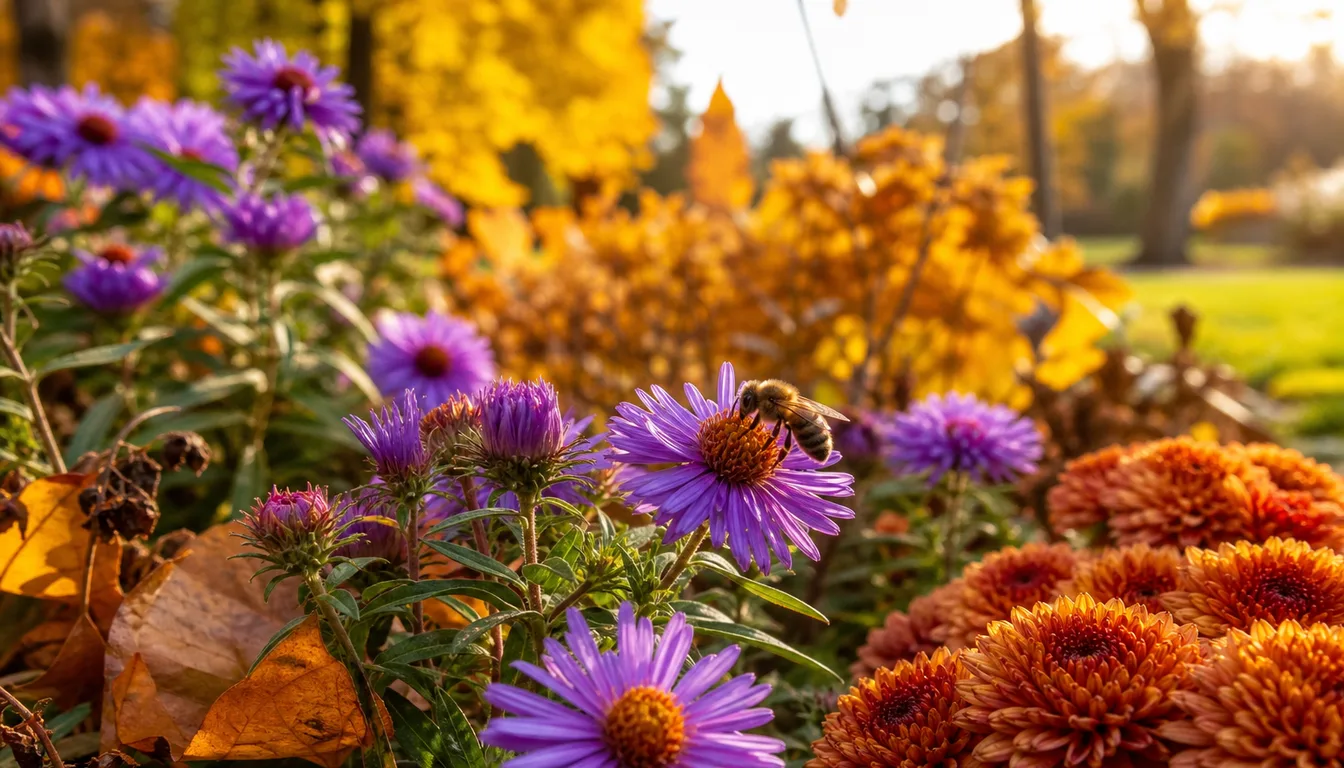
Best Fall-Blooming Flowers for Color Near Frost
A bed that still carries flowers in October usually was planned before temperatures fell.
9 min read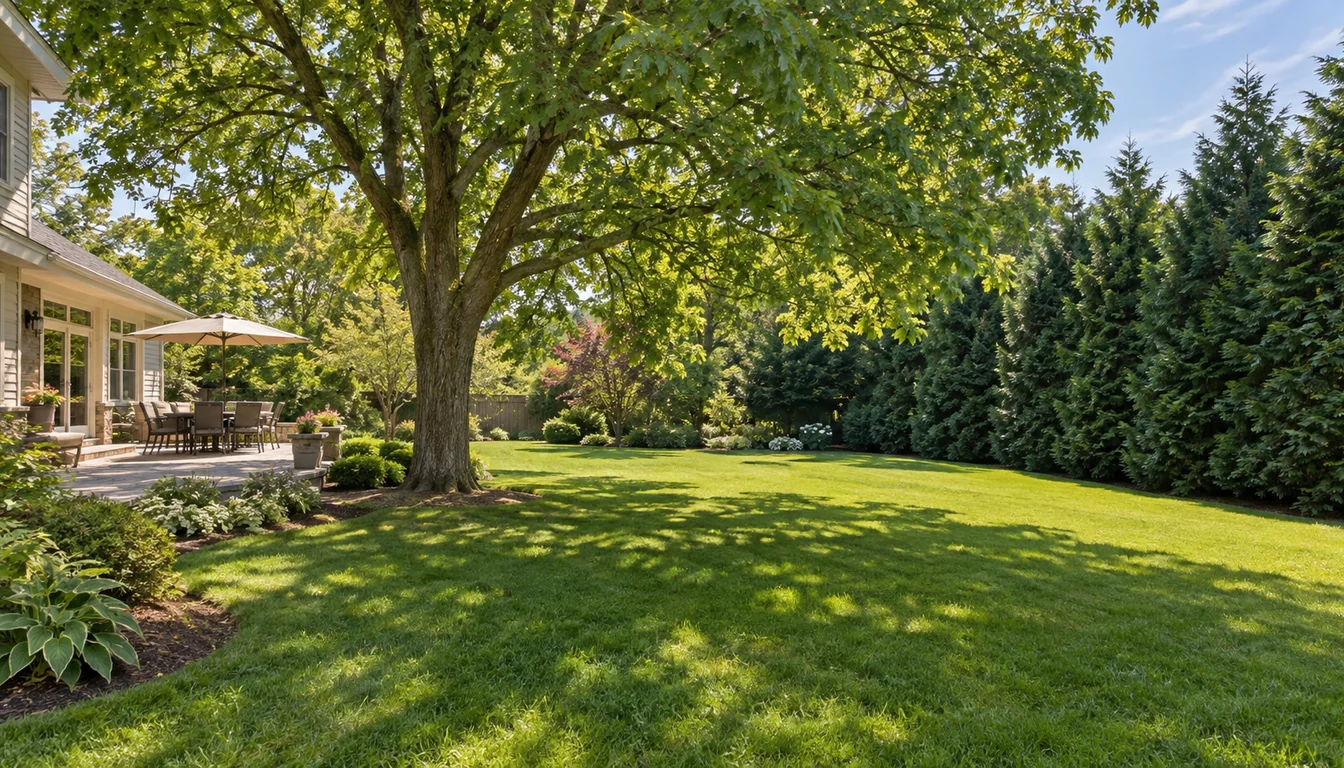
Best Fast-Growing Trees for Shade and Privacy
The best fast-growing tree is the one whose mature crown, roots, climate range, and maintenance…
16 min read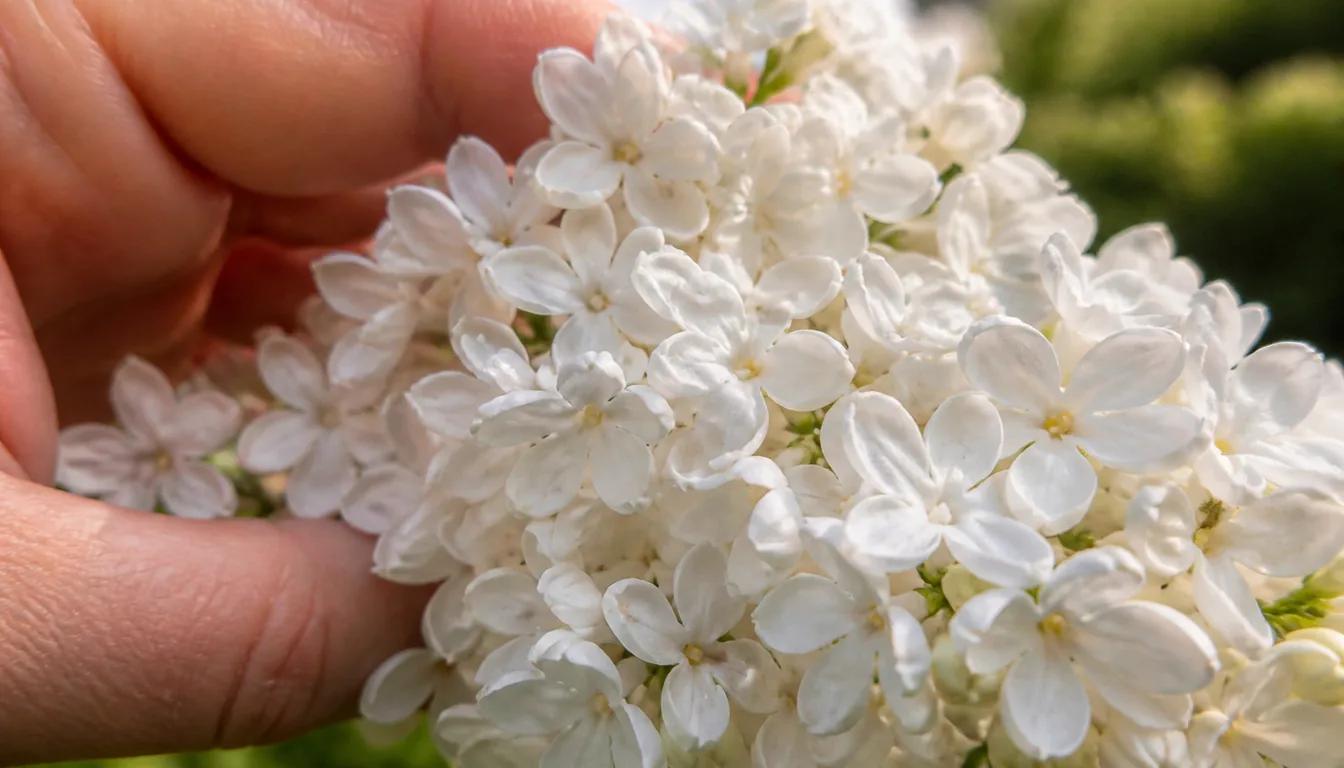
Best Fragrant Flowers for Every Yard and Season
The best fragrant flowers depend on climate, light, space, and the hours you use the yard.
15 min read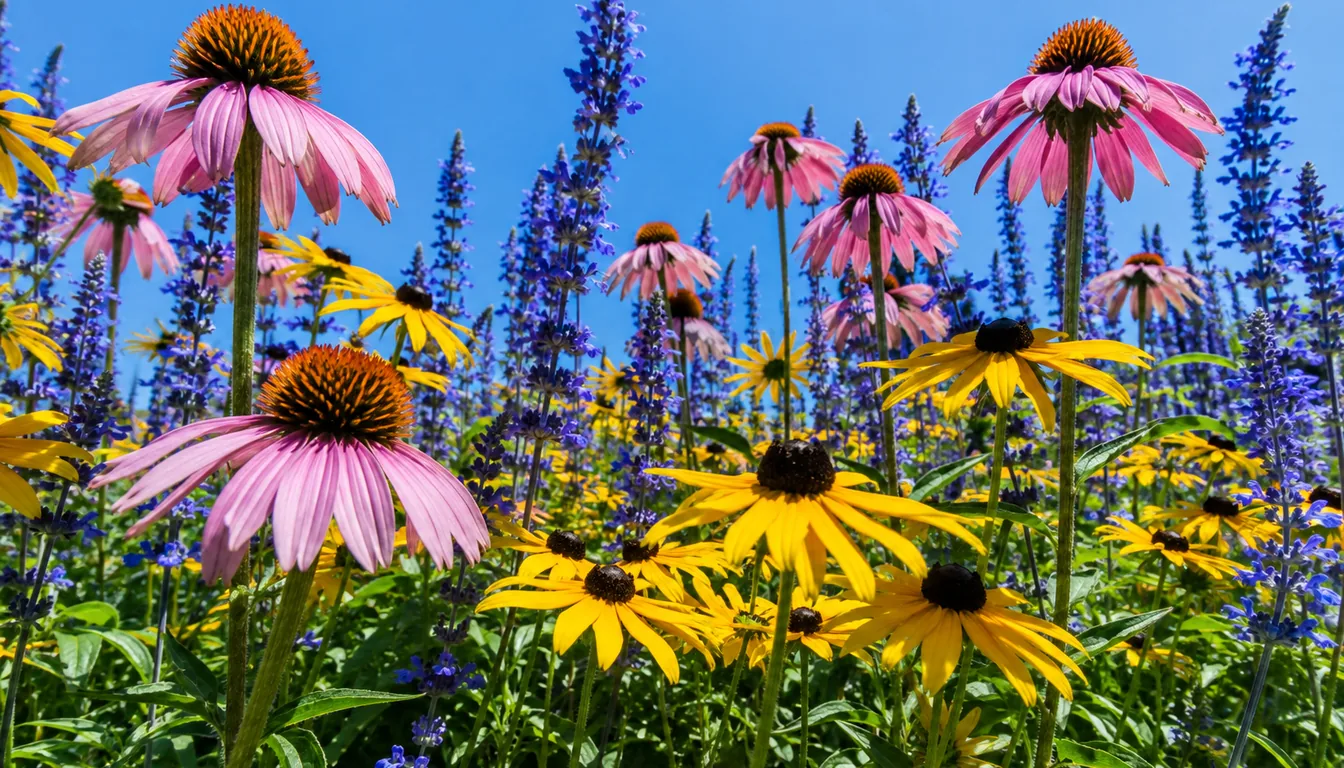
Best Full-Sun Perennials for Hot, Bright Beds
The best full-sun perennials are the ones that match the bed's soil moisture and drainage, local…
14 min read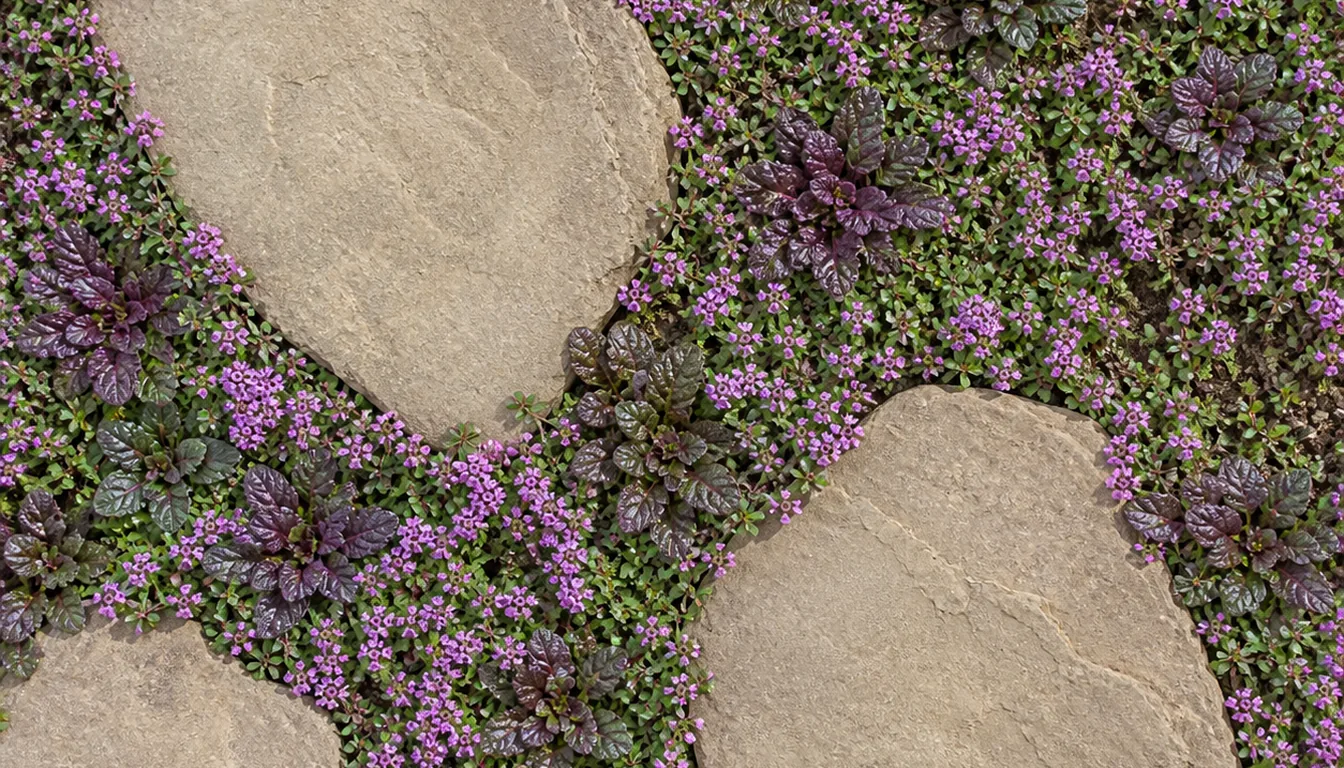
Best Ground Cover Plants for Sun, Shade, and Slopes
The best ground cover is a plant that survives the site and performs the job without escaping into…
18 min read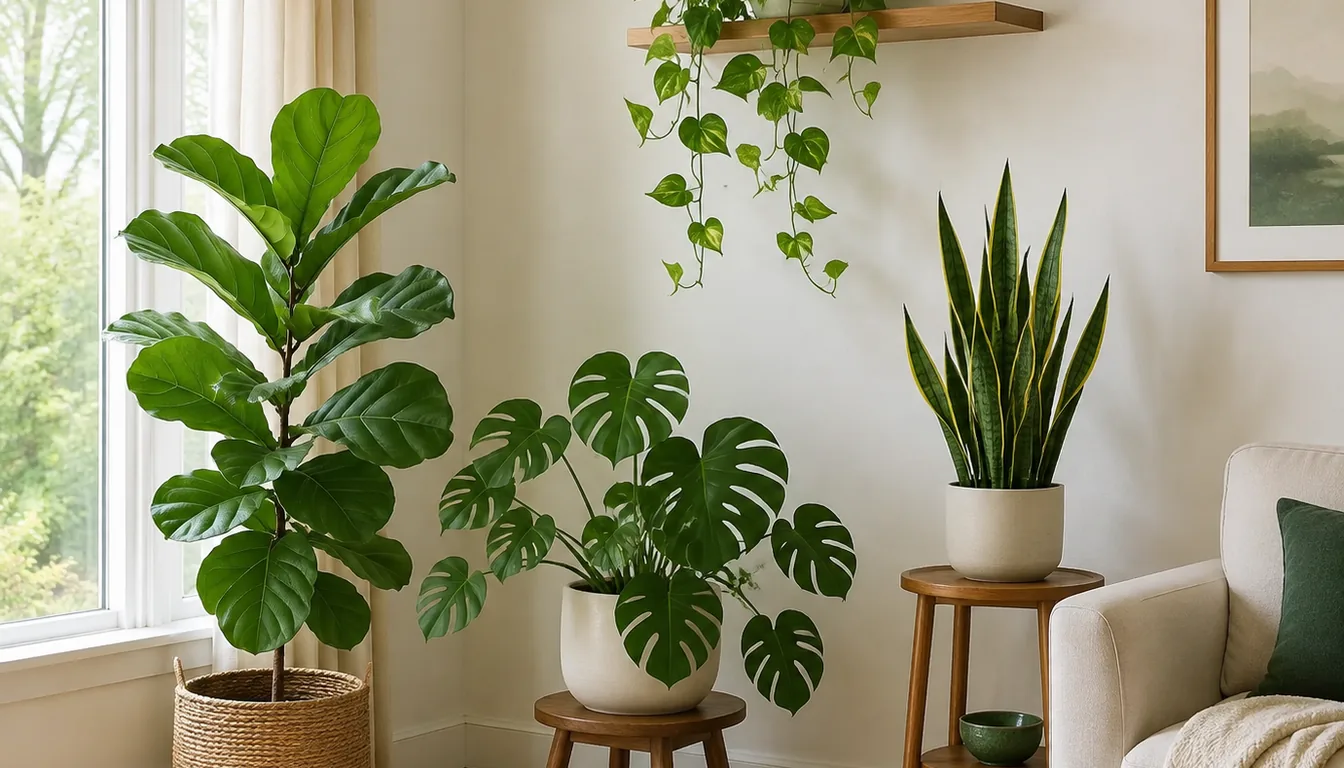
Best Indoor Plants for Every Room and Light Level
The best indoor plant is one that fits the light in its exact location and the care you will…
16 min read