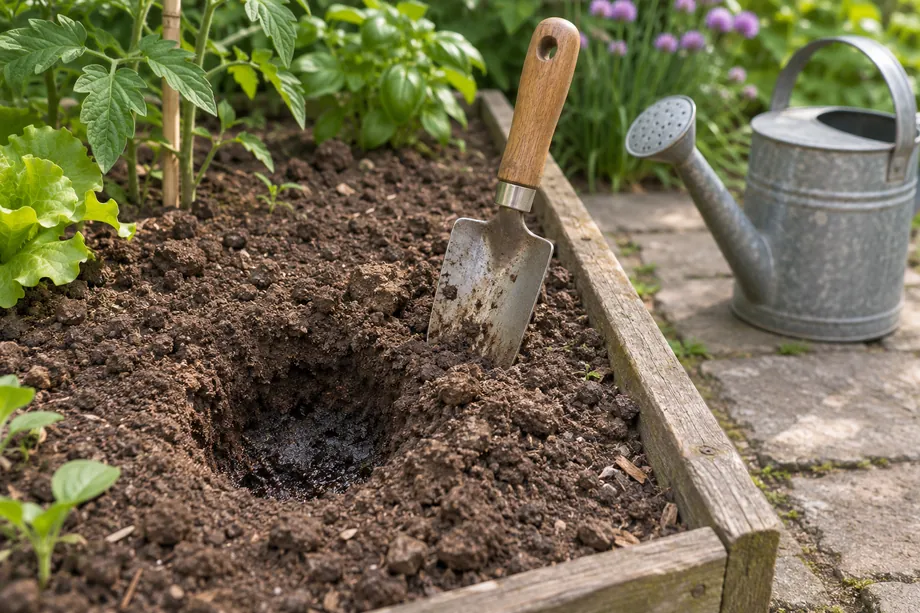
Find the right plant for your actual yard
Start with the conditions you cannot change. Narrow 242 published plant profiles by winter cold, daily light, watering reality, and the job your plant needs to do.
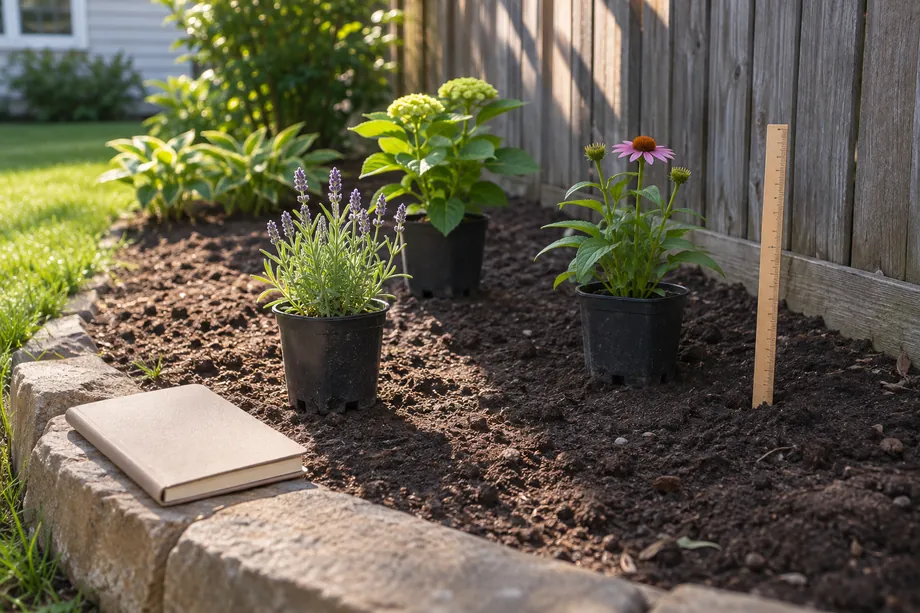
Start with the conditions you cannot change
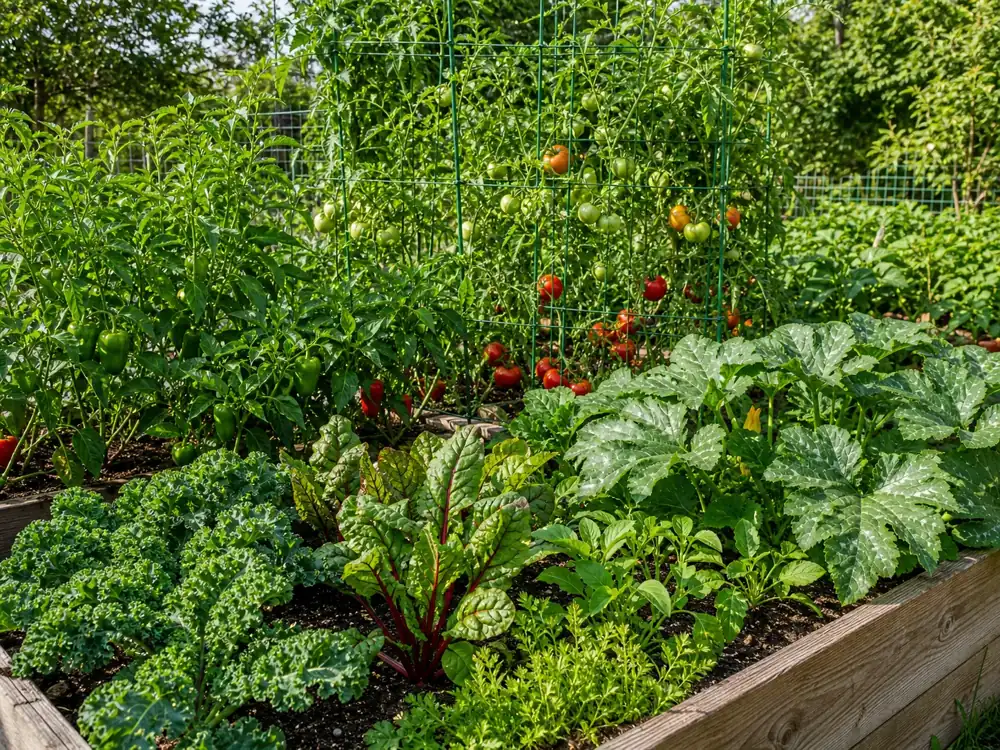
Choose what the plant needs to do
Open a focused collection first, then confirm zone, light, water, and mature size on each profile.
Use your USDA zone as the cold limit
The zone removes plants that cannot survive your typical winter. It does not measure summer heat, drainage, wind, or the light in one planting spot.
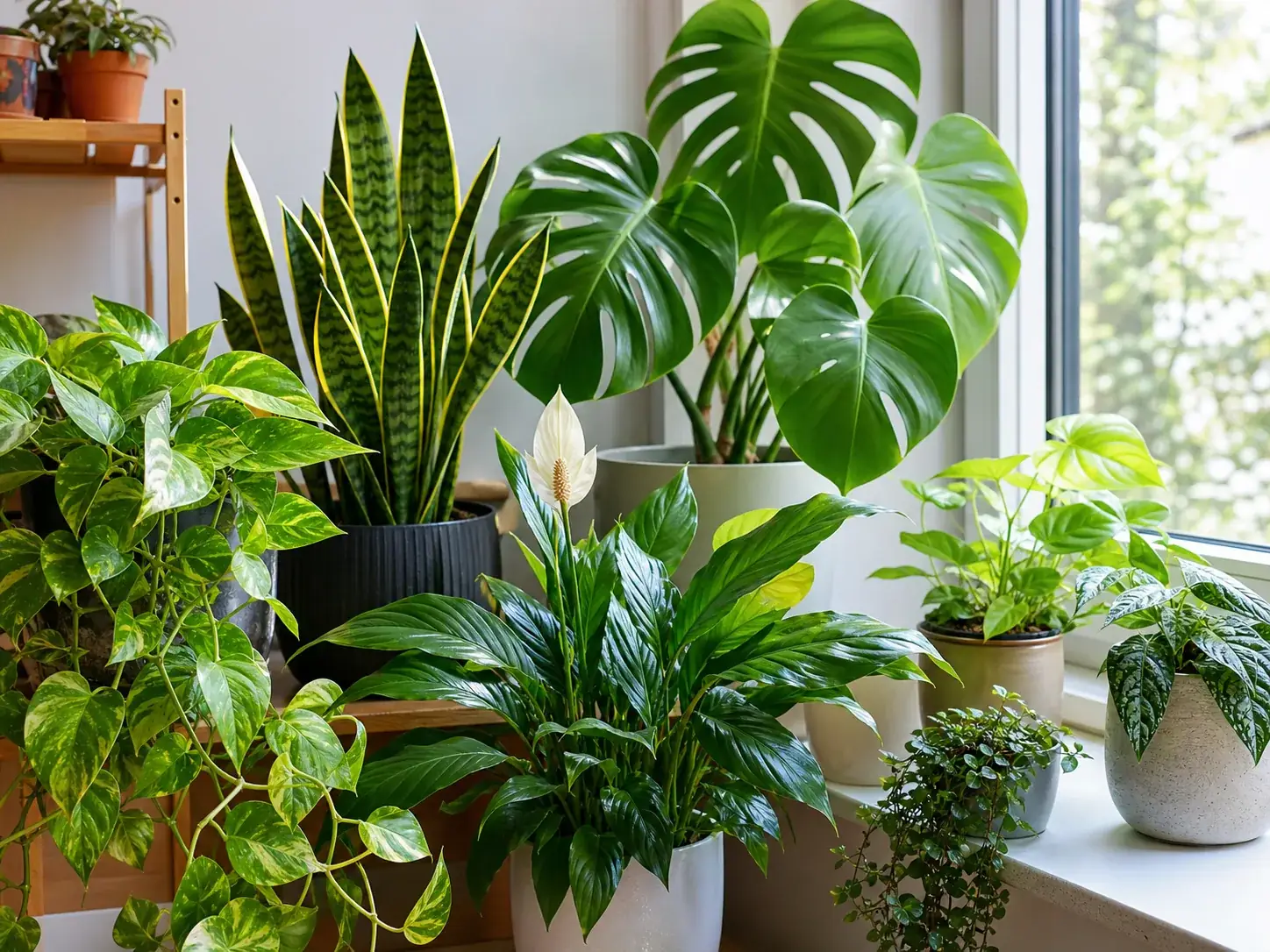
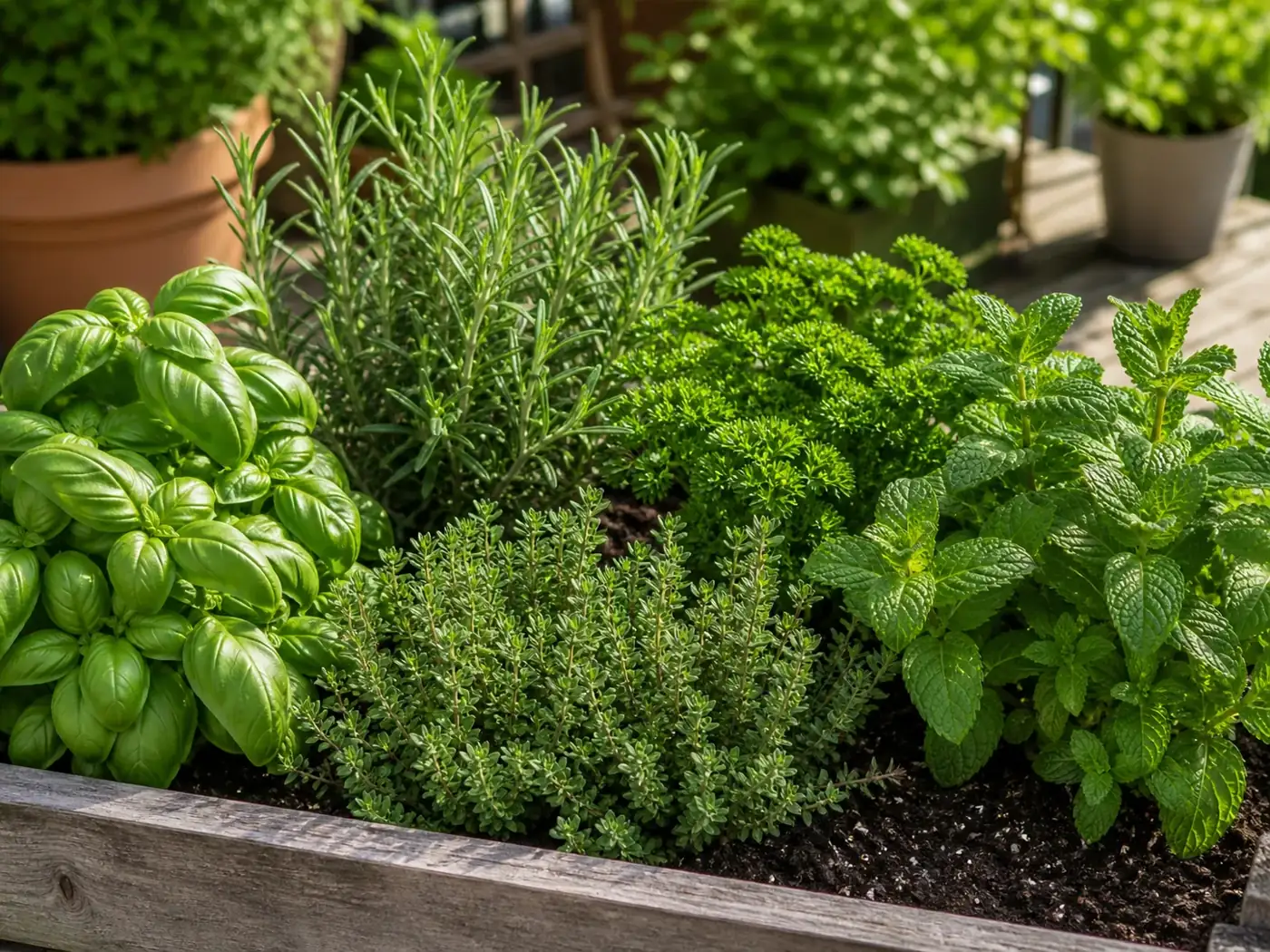
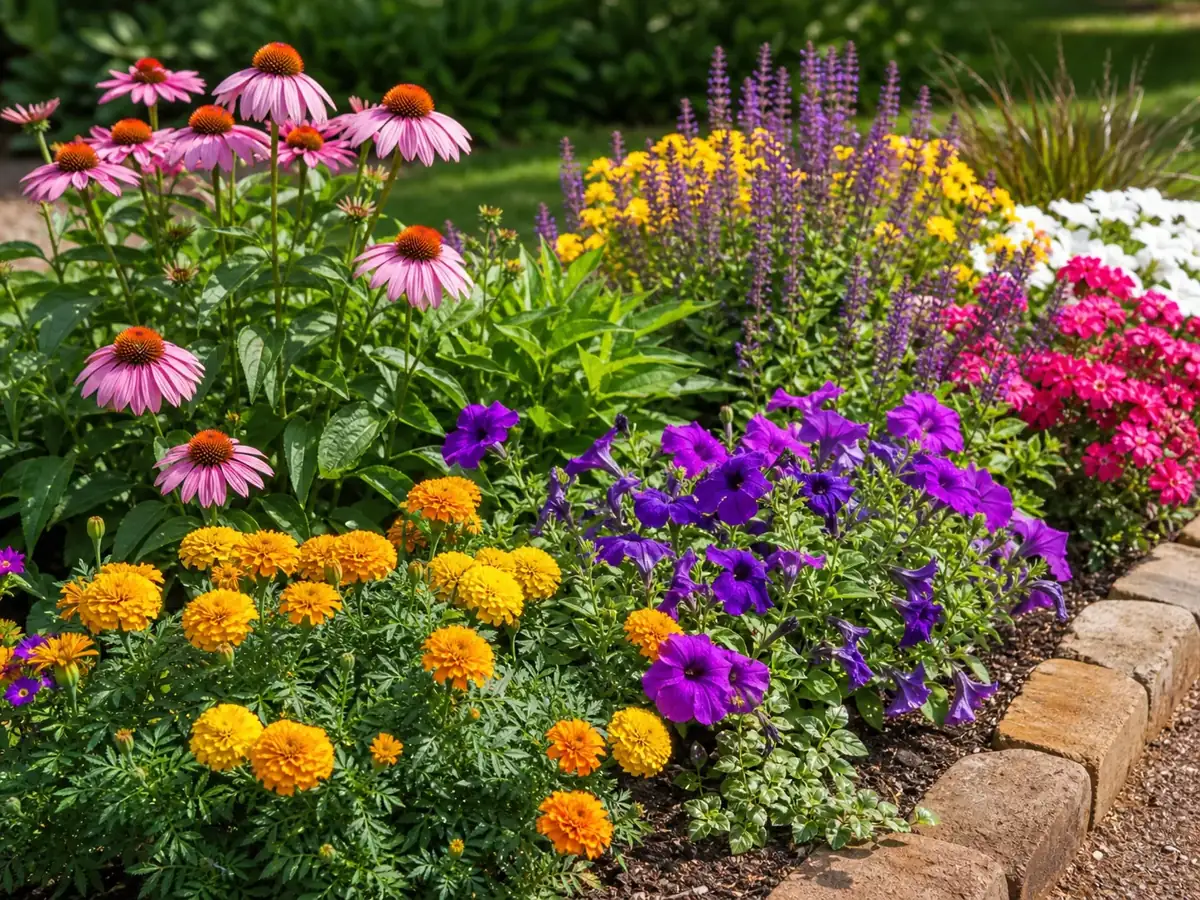
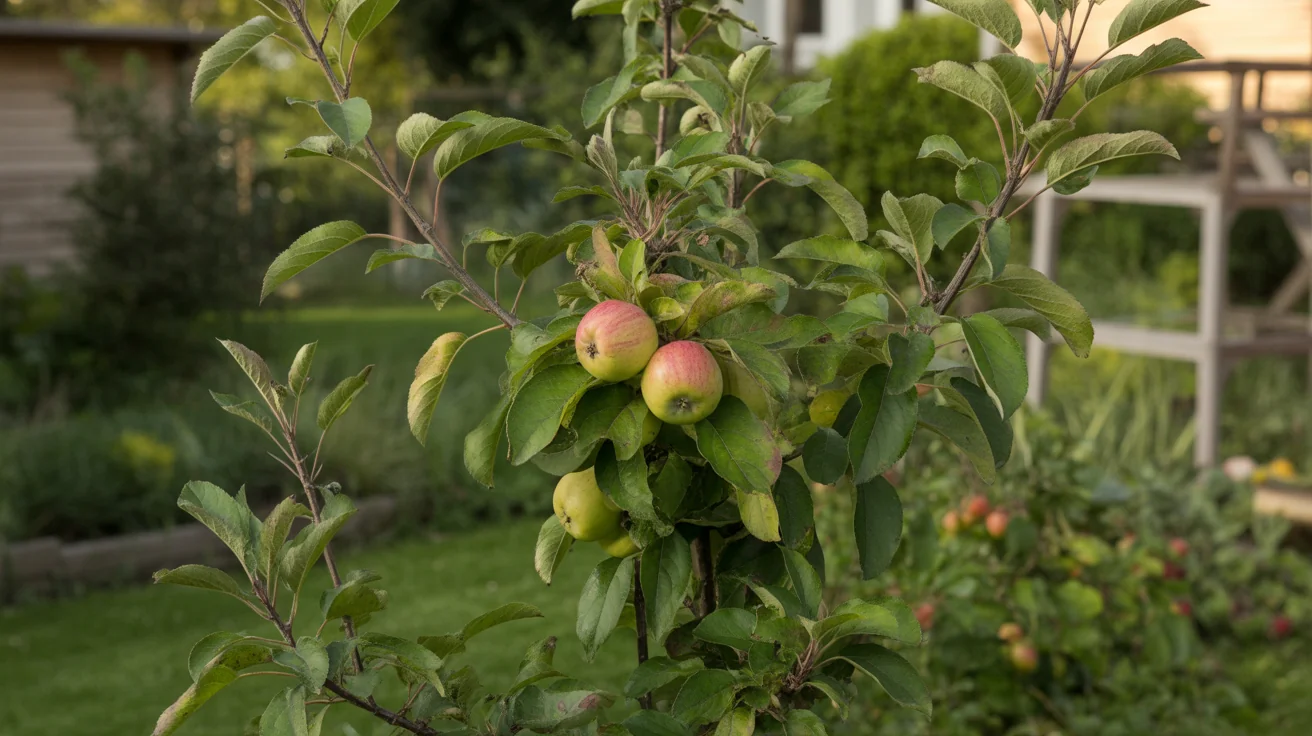
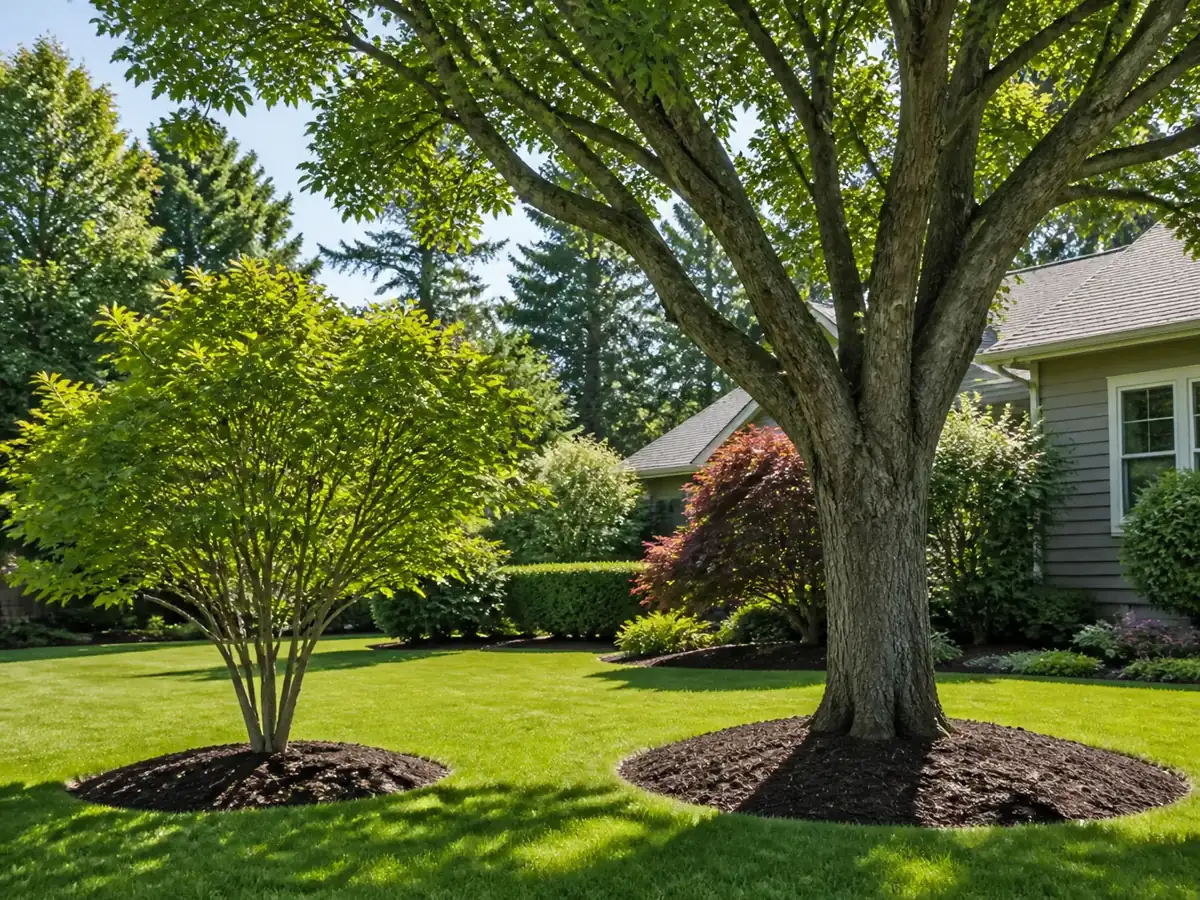
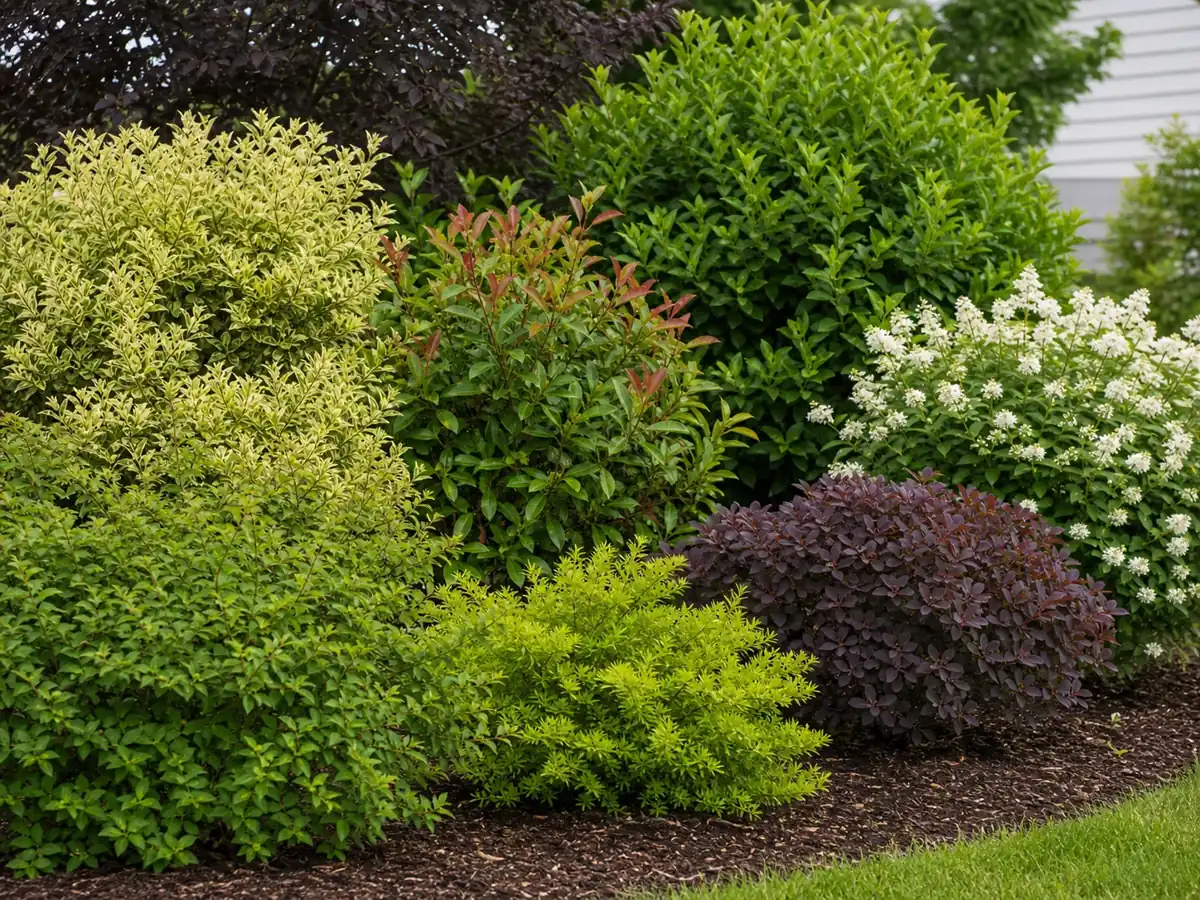
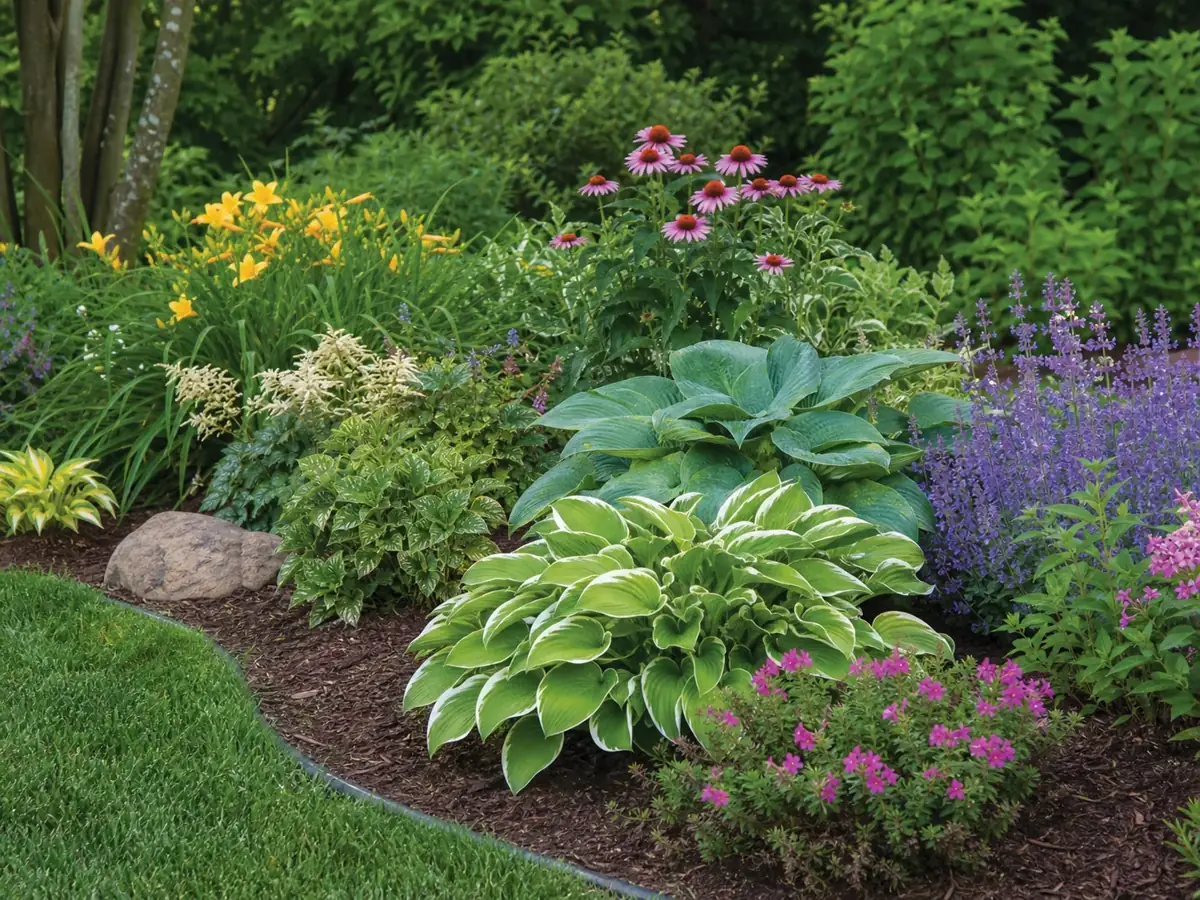
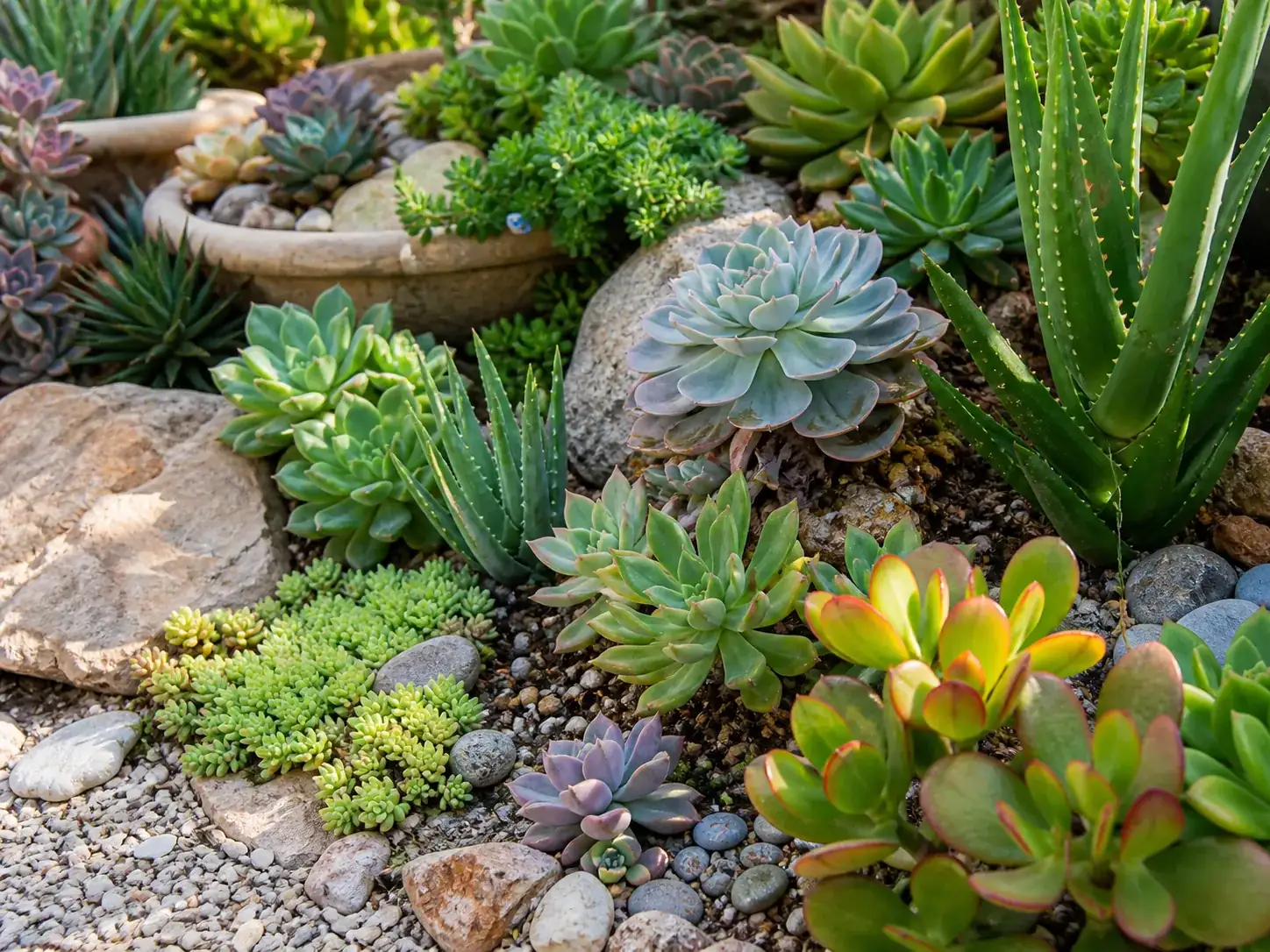
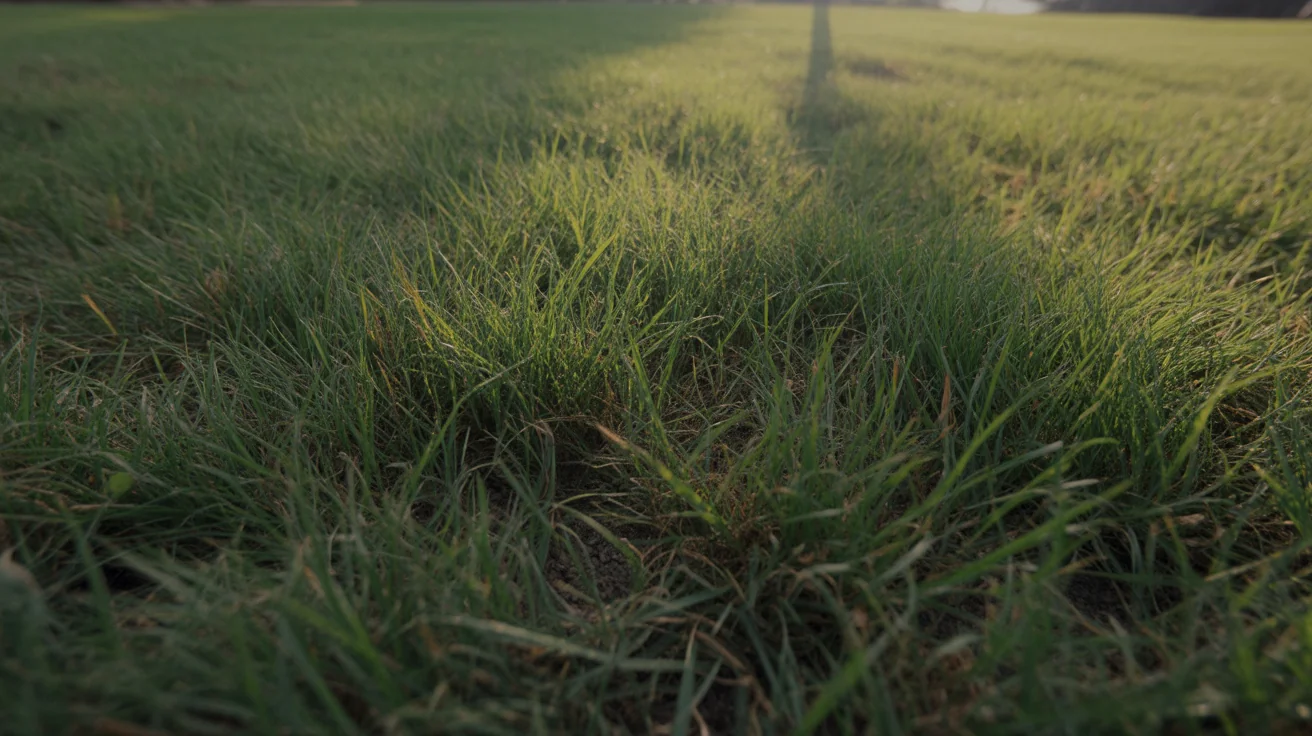
Choose a plant family
Every family lists the plants it holds, the jobs they are grown for, and filters for the traits we can check.
What each check rules out
Each measurement removes some plants from the list. The plants that remain are the ones worth comparing.
| Check | How to measure it | What it rules out |
|---|---|---|
| Winter cold | Find your USDA zone on the official map | Perennials, shrubs, and trees rated only for warmer zones |
| Direct sun | Count the hours of direct sun on that spot during a clear day | Full-sun plants where the spot gets under 6 hours, and shade plants where it gets far more |
| Drainage | Look at the spot after a heavy rain | Plants that need dry roots, if water is still standing hours later |
| Space | Measure the width and height the plant can fill | Any plant whose mature size is larger than the space |
| Watering | Count how many days a week you can water | Thirsty plants, if you can only water now and then |
Check the site before buying a plant
A useful shortlist starts with measured conditions. Change one preference at a time when the list becomes too narrow.