
How to Grow Watermelon From Seed to Ripe Fruit
To grow watermelon, choose a cultivar that can finish during your warm season, give its vines full sun and well-drained soil, and plant only after frost danger has passed and the soil at seed depth is at least 65°F.
Keep the root zone evenly moist through flowering and fruit growth, provide a diploid pollinizer if you grow triploid seedless plants, and leave each melon on the vine until several ripeness signs agree.
Start with the seed packet and your local Extension planting window. Those two sources are more useful than a hardiness-zone shortcut because spring soil temperatures, summer heat, cultivar maturity, and the way a supplier counts days can all change your schedule.
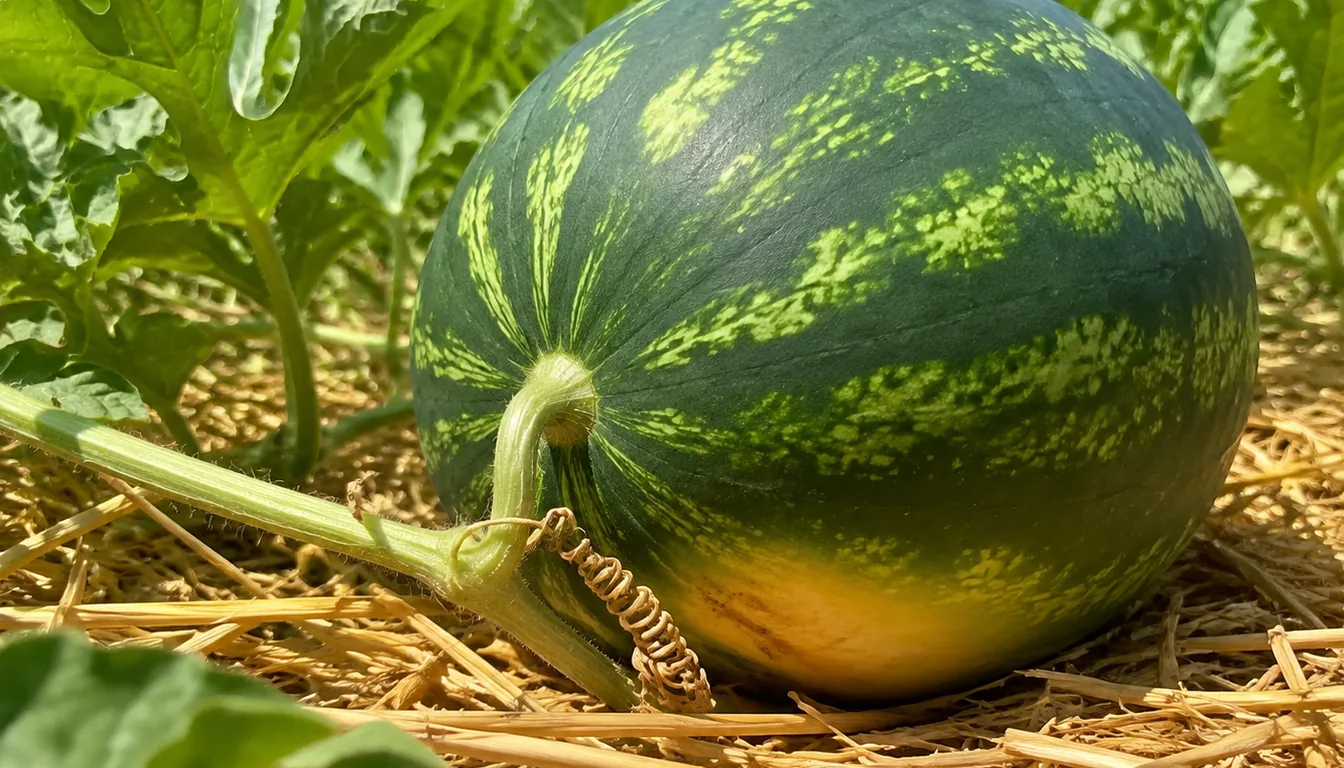
Choose a variety that fits the warm season
A cultivar must have time to make ripe fruit before cool weather slows the vine. Compare its labeled days to maturity with the warm growing period your local Extension office expects, then leave some margin for cool weeks and transplant recovery.
Check the starting point printed with the maturity estimate rather than assuming what it means. For example, an Illinois Extension cultivar listing gives one seedless watermelon as 65 days from transplant and 75 days from seed, a difference that matters when you build a calendar.
Days to maturity are an estimate under suitable conditions, not a harvest appointment. If the label is unclear, ask the supplier and include germination and seedling time in your own calendar.
Smaller fruit and compact or shorter-vined cultivars can be easier to fit into a modest garden, but those words do not guarantee early maturity. Check the named cultivar's vine spread, fruit weight, disease-resistance notes, and maturity estimate as separate traits.
Understand the seed labels
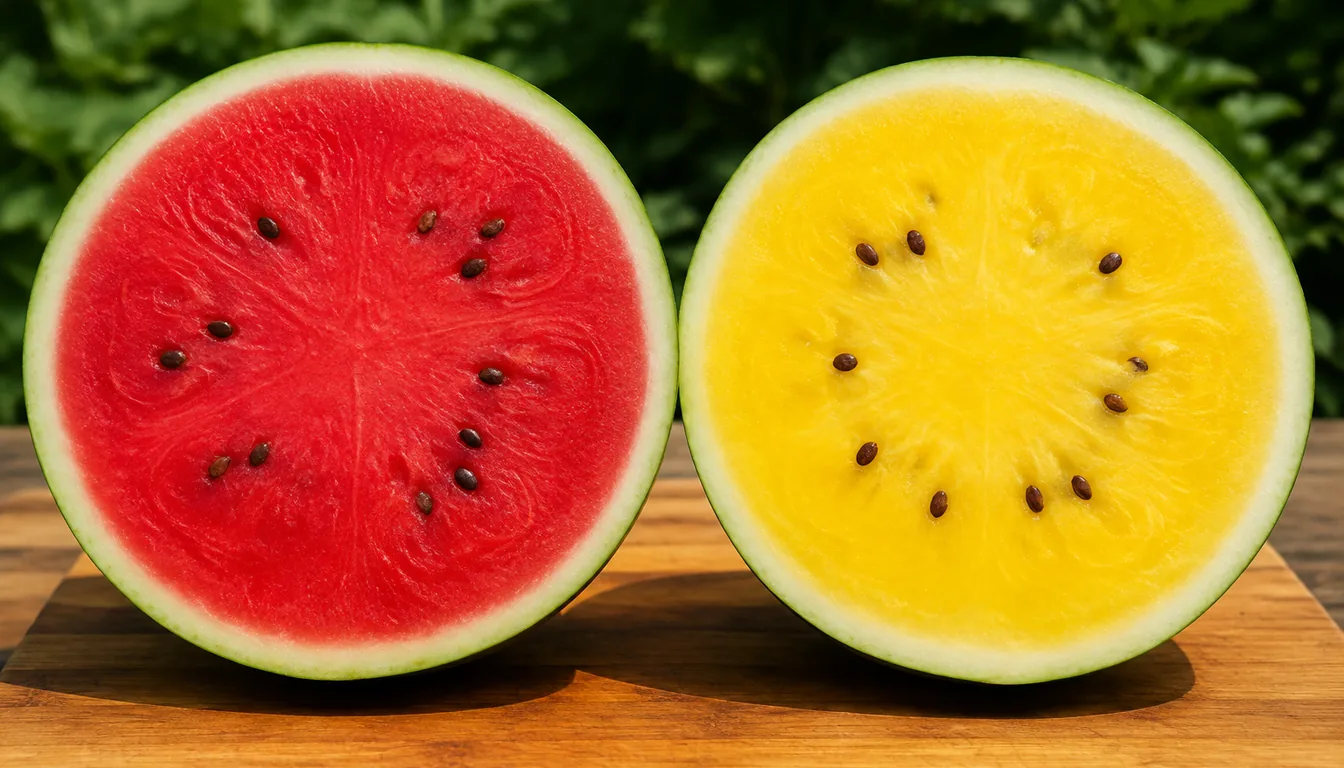
| Seed label | What grows | What the planting needs |
|---|---|---|
| Seeded diploid | A normal seeded watermelon with viable pollen | Insect visits must move pollen from male flowers to female flowers, which may be on the same plant |
| Triploid seedless | Fruit with undeveloped white seed coats and few, if any, hard seeds | A compatible diploid watermelon or dedicated pollinizer must flower nearby because the triploid supplies too little usable pollen |
| Diploid pollinizer | A seeded cultivar or specialized pollen-producing plant | Follow the seed supplier's ratio and placement so pollen-producing flowers overlap with the triploid flowers |
Seedless packets sometimes include marked pollinizer seed, but that is not universal. Keep the labels separate at sowing, and choose a pollinizer whose fruit or plant can be distinguished from the seedless crop at harvest.
A triploid seedless plant cannot serve as its own pollen source. Plan space for both seed types before buying an all-seedless packet.
Plan the site before the vines run
Use the sunniest practical part of the garden, with soil that drains after rain and enough open ground for the named cultivar's spread.
Shade from a fence or tall crop reduces the leaf area available to support fruit, while a low wet pocket deprives roots of air and favors disease.
Draw the vine path as well as the root location. Keep runners out of gates and main walkways, leave access for watering and scouting, and avoid routing them through another crop that you will need to cultivate or harvest repeatedly.
Full-size watermelon plantings often need several feet between plants and much wider alleys between rows.
Published Extension ranges vary because cultivars and systems differ, so use the packet and local recommendation for final spacing rather than copying one universal number.
A raised bed can improve drainage in heavy soil and can warm sooner in spring, although its edges also dry faster. If the bed is narrow, place the crown near an edge and let the vine run onto a mulched area that will remain available all season.
A trellis can save ground space only when the structure and every developing fruit can carry the eventual load. Pick a cultivar suited to vertical growing and reserve room for supported fruit rather than assuming any long vine belongs on a fence.
Choose direct sowing or young transplants
Wait until frost danger has passed and the seed zone has reached at least 65°F. Measure at the intended planting depth on several mornings because one warm afternoon can heat the surface while the soil below remains cold.
Cold, wet soil slows emergence and increases the chance that seed will rot. A forecast of cold rain is a sound reason to wait even when yesterday's reading crossed the minimum.
| Starting method | Best fit | Main caution |
|---|---|---|
| Direct sow seeded diploids | The soil is warm and the cultivar can finish within the remaining season | Add germination and seedling growth when the maturity label counts from transplanting |
| Start seeded diploids indoors | A short season needs a head start or early outdoor conditions are unreliable | Start only a few weeks ahead so plants remain compact and not yet vining |
| Start triploid seedless seed indoors | Warm, controlled germination is available and the expensive seed needs close attention | Follow the supplier's temperature and moisture directions, and start the pollinizer so flowering overlaps |
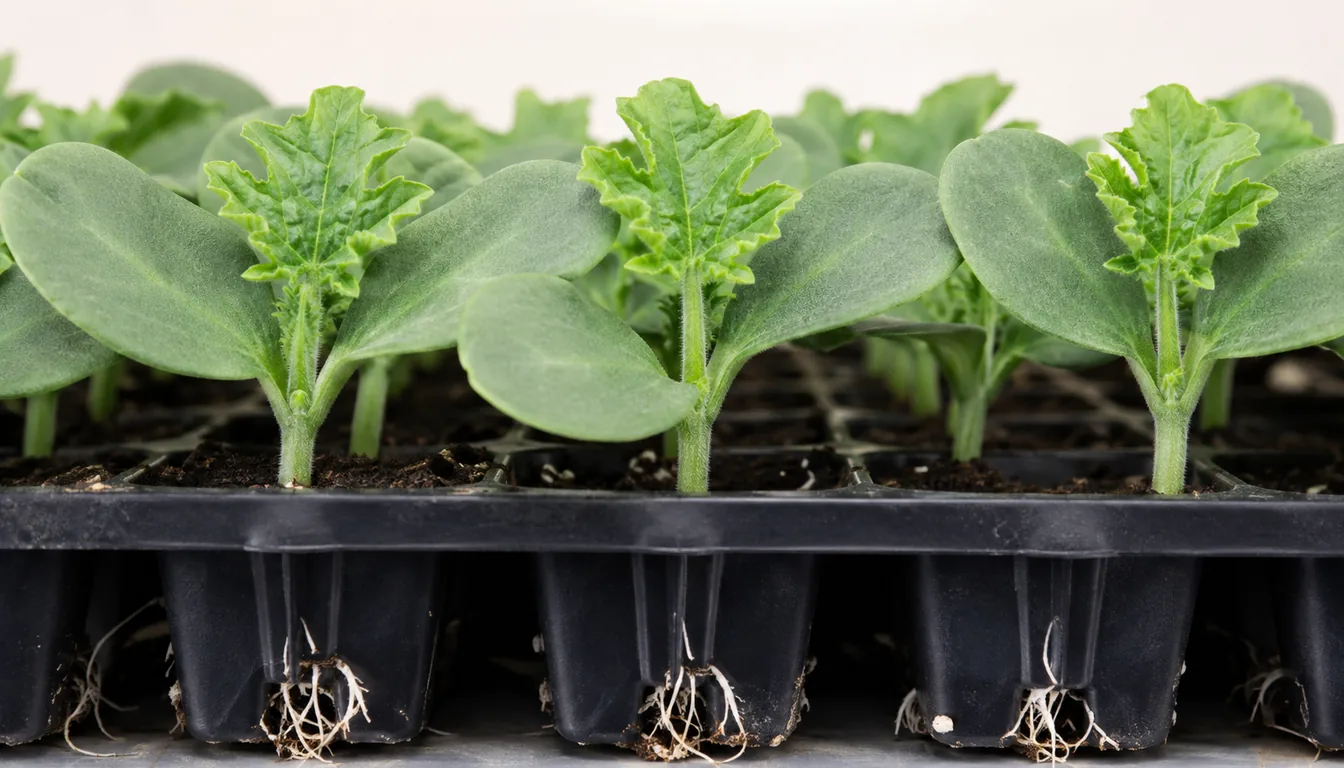
For many home gardens, starting ordinary watermelon about 3–4 weeks before the expected transplant date is enough.
Set seedlings out while they are compact with two or three true leaves, rather than maintaining oversized vines indoors.
Triploid seedless seed needs a warmer germination stage than the later seedling-growing stage. UGA Extension lists 85–95°F for seedless germination, while its optimum post-emergence growing range is 70–80°F by day and 60–70°F at night.
Treat those as production ranges, then follow the packet for the particular seed lot and avoid keeping emerged seedlings at germination heat. Give them strong light, air movement, and only enough moisture to keep the mix evenly moist rather than saturated.
Give indoor-grown seedlings a gradual transition to outdoor sun, wind, and temperature before planting. Pause that process during a cold snap or severe weather because acclimation cannot make watermelon frost tolerant.
Slide the root ball out with its mix held together and support it from below. Root damage can slow establishment, but the useful rule is careful handling rather than an absolute claim that a touched root must fail.
Prepare the soil and plant accurately
Test the soil before adding lime or a fixed fertilizer blend. Watermelon generally performs well in slightly acidic soil, around pH 6.0–6.5, but only a test can show whether the bed needs correction and which nutrients are already sufficient.
Loosen compacted ground without turning the planting area into powder.
The goal is a root zone that admits water and air, then drains, and finished compost is useful only in an amount that improves that particular soil.
Do not place a strong fertilizer band against seed or a transplant plug. Follow the soil-test recommendation and product label for material, amount, timing, and placement.
- Mark the final layoutSet the plant or hill positions from the cultivar packet, then trace where vines and access paths will go.
- Moisten the bedWater dry soil before planting so seed or a small root ball does not enter a dusty layer over wet subsoil.
- Sow or set plantsFollow the packet's depth, commonly about 1 inch for direct-sown seed, or set a transplant at the same depth it grew in its container.
- Thin grouped seedlingsAfter true leaves appear, keep the healthiest plants allowed by the spacing plan and snip extras at soil level instead of pulling through nearby roots.
- Settle the root zoneWater gently after planting so soil contacts the seed or root ball, then check that water drains rather than collecting around the crown.
When a packet calls for several seeds per hill, its final spacing normally assumes that group will be thinned. Keeping every seedling changes the intended plant density and makes it harder for leaves to dry after rain.
A black plastic mulch can warm soil and suppress weeds in a cool spring, but monitor the temperature beneath a row cover or plastic system. Vent or remove covers when heat builds, and uncover plants when flowering begins so insects can reach the blooms.
Match water and fertilizer to the growth stage
Keep the shallow seed zone consistently moist during germination and check a new transplant's original plug as well as the surrounding bed.
Once roots extend, water deeply enough to wet the active root zone, then allow air to return instead of adding another shallow sprinkle on schedule.
Rainfall, soil texture, temperature, wind, mulch, and plant size all change the interval. A weekly inch total can be a rough planning reference in some gardens, but a calendar alone cannot tell whether sandy soil is already dry or clay soil is still saturated.
Flowering, fruit set, and fruit enlargement are sensitive periods. Both drought and waterlogged soil can reduce growth or contribute to flower and young-fruit abortion, so check moisture before leaves wilt and after heavy storms.
- Feel the soil below the dry surface in more than one place, including near the newest root growth.
- Count rainfall and look at the next few days of heat, wind, and storms before irrigating.
- Apply water at soil level and long enough to wet the root zone without creating runoff or standing water.
- Recheck after watering to learn how deeply that amount reached in your soil.
As a melon approaches maturity, its water demand may ease and excess irrigation can increase cracking, leaching, or quality problems. Reduce an unnecessary application when the root zone still holds adequate moisture, but do not deliberately wilt the vine to concentrate sugar.
Sweetness depends on the cultivar, enough healthy leaf area, suitable heat, and full ripening on the vine. Drought during fruit development can shrink fruit, injure the vine, or lower quality rather than improve it.
Spread mulch after the soil is warm to slow evaporation, shield fruit from mud, and suppress weeds. Straw, dried clippings known to be herbicide-free, or other clean surface mulch can work, and high-carbon mulch belongs on the surface rather than mixed into the active root zone.
Hoe shallowly while vines are small, then hand-pull weeds near the crown. Watermelon roots spread beyond the stem, so deep cultivation after runners develop can cut working roots.
Feed by soil evidence and growth stage
At soil preparation and planting, let the soil test determine whether lime or base nutrients are needed and how much to use. Incorporate only the recommended material, and keep concentrated fertilizer away from seed and transplant roots.
When runners begin extending, reassess color and growth alongside weather and the original recommendation. Side-dress only if the test or local Extension plan calls for a split application, placing it beyond the stem and watering it into moist soil rather than feeding automatically.
At flowering and fruiting, protect steady growth instead of trying to force fruit set with more fertilizer. Recheck soil moisture and root health first, and add nutrients only when a test or well-supported deficiency diagnosis calls for them because excess nitrogen can delay flowering and keep growth overly vegetative.
Protect pollination and read failed fruit correctly
Watermelon produces separate male and female flowers.
The first blooms are often male, and fruit can begin only after female flowers with a small ovary behind the petals open.
A seeded diploid can provide pollen for its own female flowers, although sticky watermelon pollen still needs insects to move it. A triploid seedless plant produces too little viable pollen, so its female flowers need pollen from the compatible diploid pollinizer placed according to the seed supplier's directions.
Watermelon flowers are open for a short period and good fruit development depends on repeated insect contact.
Remove row covers when bloom begins, avoid applying an insecticide to open flowers or while bees are foraging, and follow every pesticide label restriction.
Watch the patch in the morning before assuming it needs hand pollination. If female blooms are open but insect visits remain scarce, take a newly opened male flower from the correct pollen-producing plant, expose its pollen-bearing center, and brush it gently across the center of a newly opened female flower.
Hand pollination can rescue individual flowers, but it is not the first response to every tiny fruit that shrivels.
Heat, drought, flooded roots, poor plant vigor, and simple limits on the number of fruit a vine can carry can also cause abortion after a flower was visited.
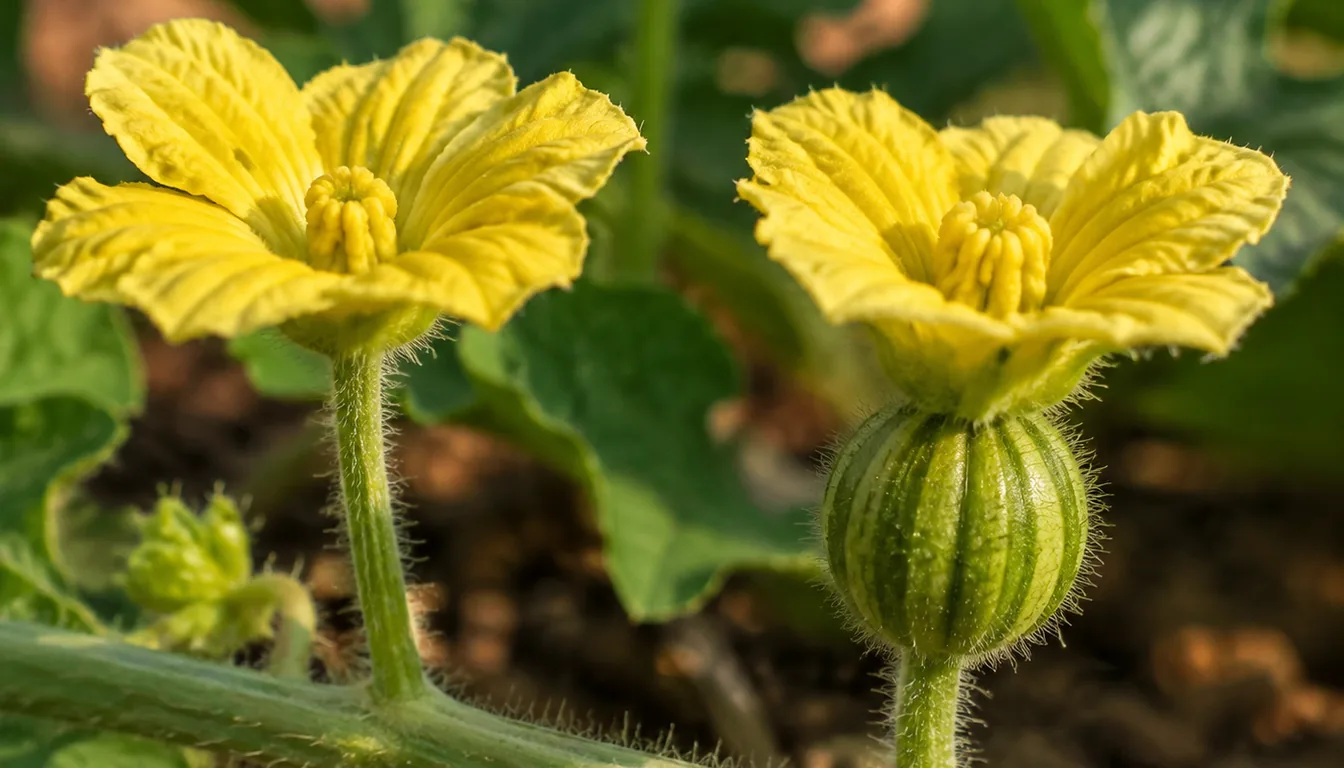
| What you observe | More useful interpretation | Next check |
|---|---|---|
| Male flowers but no females yet | Early flowering can begin with males | Give the plant time and correct major heat, water, or growth stress |
| Female flowers close without enlargement, or fruit starts misshapen | Incomplete pollen transfer is plausible | Confirm morning insect activity and, for seedless plants, overlapping diploid pollinizer bloom |
| A well-shaped young fruit begins growing, then yellows or shrivels | Pollination may have occurred, while heat, root-zone moisture, plant stress, or crop load may now limit development | Review recent weather, soil moisture, roots, and the whole vine before changing fertilizer |
Do not thin every healthy plant to a preset number of melons.
Cultivar, leaf area, weather, season length, and plant health determine how many fruit can finish, so remove damaged fruit and make any late-season thinning decision from the actual vine rather than a promise of sweeter melons.
Protect vines and hand off specific problems
Guide young runners away from paths while they are flexible, then minimize handling once flowers and fruit appear. Twisting or crushing a vine can interrupt water flow to everything beyond the injury.
Fruit on the ground can rest on clean straw or another dry, stable surface where mud is a problem. Do not turn a developing melon repeatedly because its stem and vine are easier to damage than the rind makes them look.
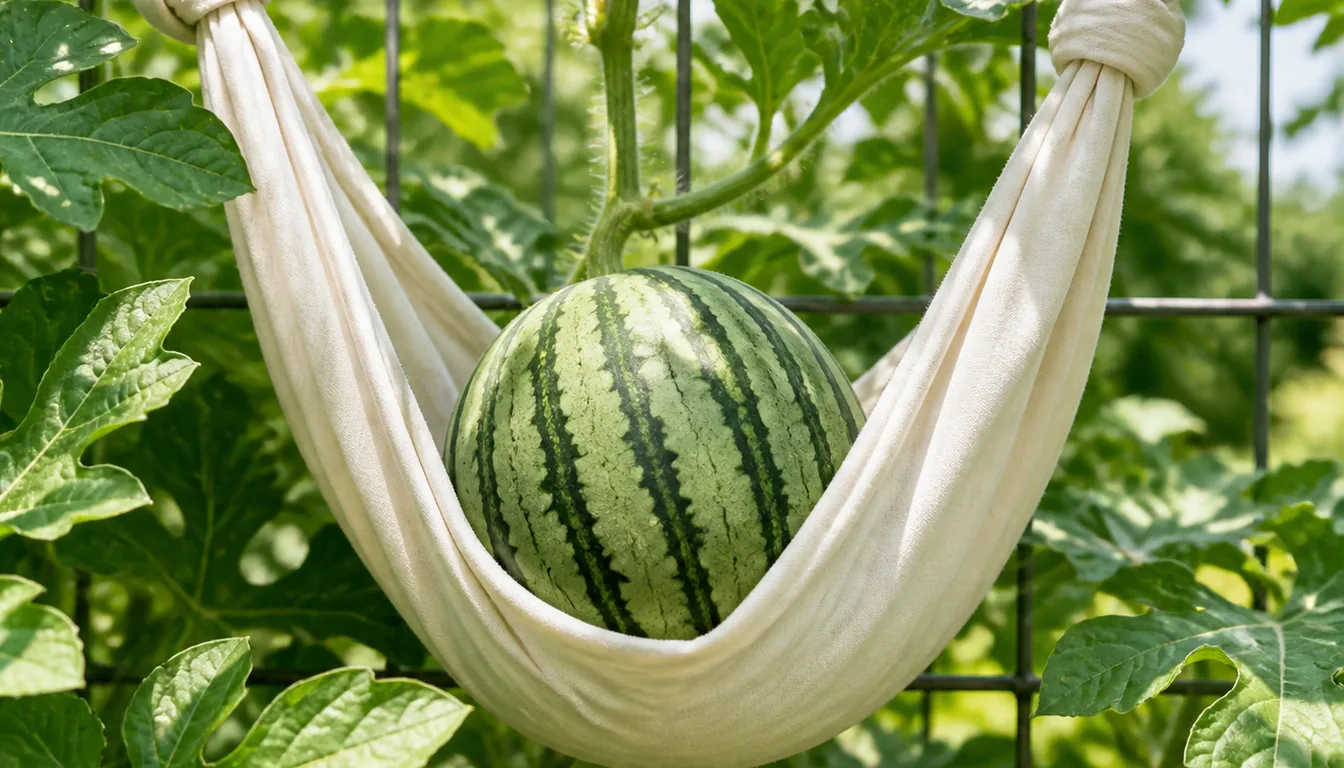
For a trellised cultivar, tie the vine loosely to a structure anchored for its mature load and add a broad, breathable sling beneath each fruit early. Attach the sling to the trellis, not to the fruit stem, and enlarge it before it pinches the rind.
Healthy leaves power fruit development, so routine heavy pruning works against the crop. Remove a crushed or clearly diseased section when that action is warranted, using clean tools, but redirect sound runners instead of cutting them merely to make the patch look tidy.
Scout by symptom, not by a generic treatment
Check both leaf surfaces, stems at the crown, flowers, young fruit, mature fruit, and soil moisture at least whenever you water. Note whether a symptom affects one runner or the whole plant and whether it followed heat, rain, irrigation, or pesticide use.
- White powdery patches that expand across leaves need a focused mildew check rather than more fertilizer.
- A dark, sunken or leathery patch at the blossom end of fruit needs a blossom-end-rot assessment and a review of moisture and soil conditions.
- Female flowers or tiny fruit that repeatedly fail need a fruit-set review that includes pollinizer bloom, insect activity, heat, and root-zone moisture.
- Sudden wilt in moist soil can have several causes, so inspect the crown and roots and use a local Extension diagnostic service when the cause is not visible.
- Chewing insects on seedlings call for identification before control, and any row cover must come off when flowers need pollinators.
Powdery mildew, blossom-end rot, and poor fruit set each have their own diagnostic path. Moving to the matching problem page once you recognize that pattern is more reliable than treating every weak vine as a fertilizer shortage.
Harvest when several ripeness signs agree
Watermelon does not become sweeter after harvest, so let each fruit finish on a healthy vine.
The packet estimate and a note of when its female flower set fruit give you a checking window, with roughly 35–45 days from flowering to maturity reported for many cultivars under suitable weather.
Start with the tendril nearest the fruit's attachment. When it has turned completely brown and dry, compare that sign with the cultivar's ground spot and rind appearance rather than cutting immediately.
On cultivars that form a visible ground spot, the patch commonly shifts from pale green or white toward cream or yellow. The rind often loses some shine as it matures, although color and sheen vary, and the named cultivar's harvest notes should settle any conflict.
Thumping is a learned comparison, not a dependable single test. Sound varies with cultivar and internal condition, and a dull sound can sometimes come from overripe fruit.
- The packet timing and the recorded fruit-set date say the maturity window is plausible.
- The nearest tendril is fully brown and dry, not partly green.
- The ground spot has reached the mature color described for the cultivar.
- The rind has the mature, usually duller appearance described by the supplier.
- The cultivar's relevant timing, tendril, ground-spot, and rind clues agree with one another.
Use the combination that applies to the named cultivar before you cut. A dry tendril can occur after vine injury, and a yellow underside by itself does not prove that the flesh has finished.
Cut the stem cleanly with pruners or a knife and leave a short handle rather than twisting the fruit from the vine. Handle the melon from underneath, especially if other fruit remain on the same runner.
Use the first ripe fruit to calibrate the rest of that cultivar. Record its indicators and eating quality, then compare later melons from the same patch instead of applying a different variety's rind color or sound.
Frequently Asked Questions
How long does watermelon take to grow from seed?
Use the named cultivar's label, then check whether its count begins at sowing or transplanting.
After a female flower sets fruit, many watermelons need roughly 35–45 more days to mature, with temperature and cultivar changing the pace.
Can seedless watermelon grow without a seeded watermelon nearby?
A triploid seedless plant needs viable pollen from a compatible diploid watermelon or dedicated pollinizer. Follow the seed supplier's ratio and placement, and keep the two seed types labeled so their flowering periods overlap.
Why do tiny watermelons turn yellow and fall off?
Incomplete pollination is one possibility, especially when a fruit never develops evenly. Heat, drought, saturated soil, weak roots, or more young fruit than the vine can support can also cause abortion, so review the whole plant and recent conditions before treating it.
Should watermelon vines or fruit be pruned?
Keep healthy leaves because they supply the developing fruit, and redirect sound vines instead of pruning for neatness. Remove damaged or clearly diseased growth when needed, but do not thin every plant to a fixed fruit count in the belief that this guarantees sweeter melons.
Sources & References
- Utah State University Extension — How to Grow Watermelon in Your Garden
- Illinois Extension — Watermelon
- University of Minnesota Extension — Flower and Fruit Set in Cucurbits
- University of Minnesota Extension — Irrigation Strategies for Vegetables
- Iowa State University Extension — Planting a Home Vegetable Garden
- University of Georgia Extension — Commercial Watermelon Production
- University of Minnesota Extension — Harvesting and Storing Melons, Squash and Pumpkins
- University of Minnesota Extension — Managing Plant Diseases in the Home Garden
- Illinois Extension — Gardeners Corner Spring 2022
Related Guides
Best Butterfly Garden Plants for a Complete Habitat
The best butterfly garden plants do two different jobs. Host plants feed caterpillars, while nectar…
15 min read
Best Fall-Blooming Flowers for Color Near Frost
A bed that still carries flowers in October usually was planned before temperatures fell.
9 min read
Best Fast-Growing Trees for Shade and Privacy
The best fast-growing tree is the one whose mature crown, roots, climate range, and maintenance…
16 min read
Best Fragrant Flowers for Every Yard and Season
The best fragrant flowers depend on climate, light, space, and the hours you use the yard.
15 min read
Best Full-Sun Perennials for Hot, Bright Beds
The best full-sun perennials are the ones that match the bed's soil moisture and drainage, local…
14 min read
Best Ground Cover Plants for Sun, Shade, and Slopes
The best ground cover is a plant that survives the site and performs the job without escaping into…
18 min read