
How Do You Harden Off Seedlings Without Sunscald?
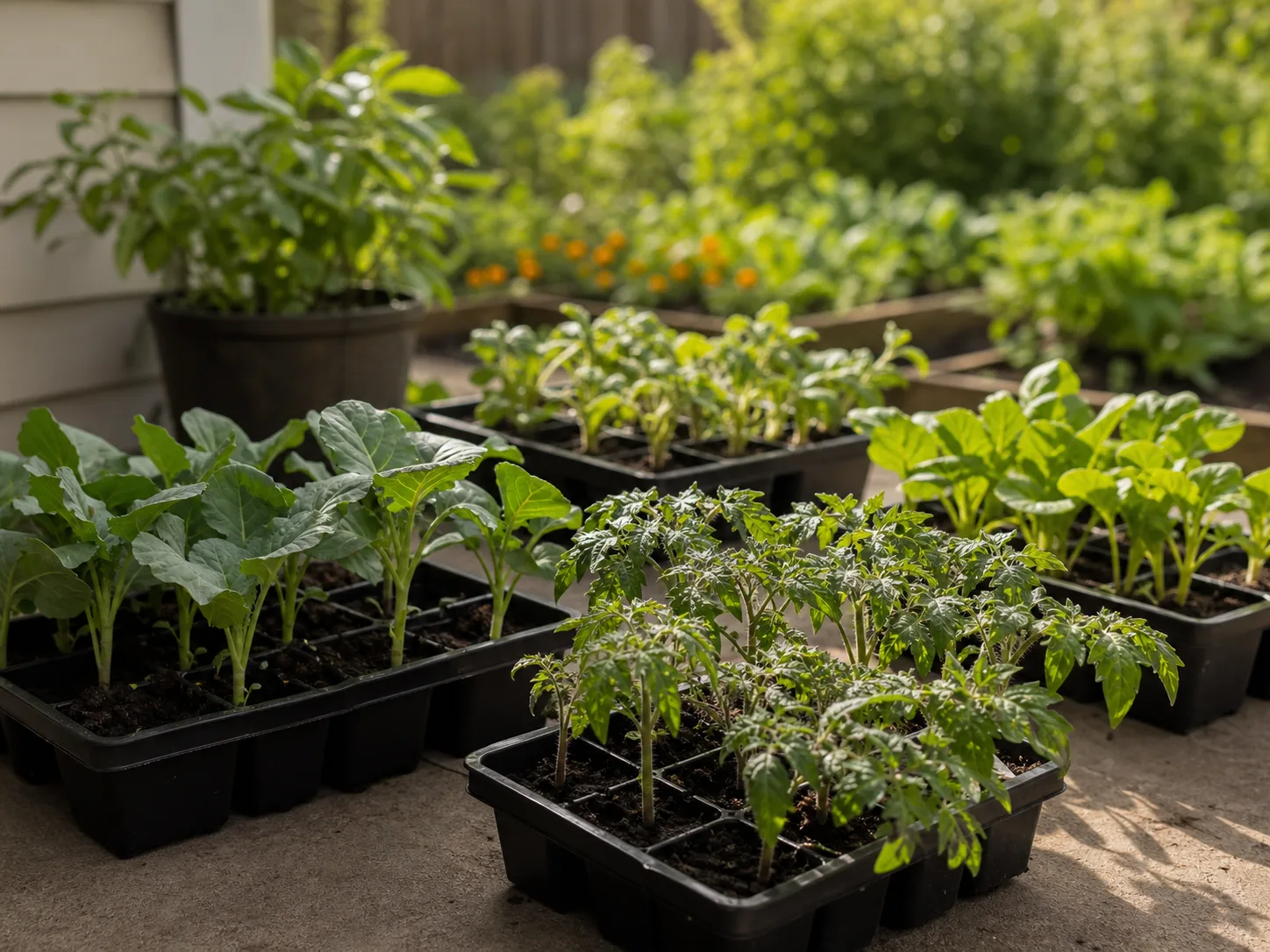
Hardening off means gradually increasing a seedling’s exposure to outdoor light, air movement, and temperature changes before planting. A sheltered start followed by longer, brighter sessions gives plants time to adjust without deliberately wilting or chilling them.
Many home-garden instructions allow about one to two weeks. Plants raised in especially warm, protected conditions may need longer, and poor weather can interrupt the transition. The forecast and the plant’s response decide when to advance.
At a glance
What Does Hardening Off Actually Do to a Seedling?
Indoor growing conditions can differ sharply from an open garden. Brighter light, lower humidity, and moving air increase water loss, while small pots give roots a limited supply to replace it.
During acclimation, leaf structure and waxiness change, and growth often slows. Those adjustments help a plant cope with outdoor conditions. They do not make a frost-tender crop frost-hardy.
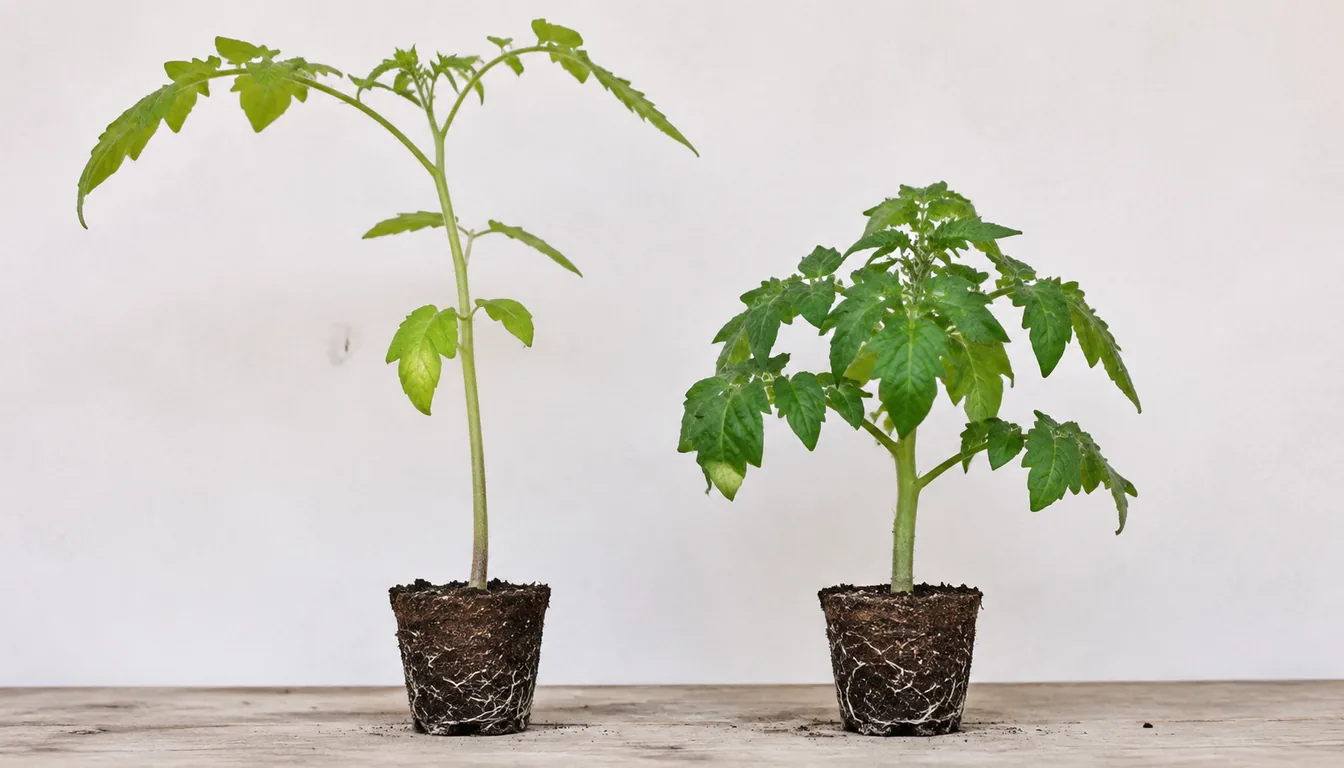
A compact transplant may be easier to handle than a stretched one, but height alone does not show whether it is hardened. Variety, earlier light, nutrition, and pot size also affect its appearance. An already elongated stem will not become shorter simply because the tray goes outside.
The practical evidence comes from the plant’s history and response. A tray that has tolerated progressively longer sessions under conditions similar to its future bed is better prepared than one that merely looks stocky.
Purchased seedlings need the same assessment. Plants raised in a protected greenhouse may still need acclimation even if they spent the morning on an outdoor sales bench.
How Do You Increase Outdoor Exposure Gradually?
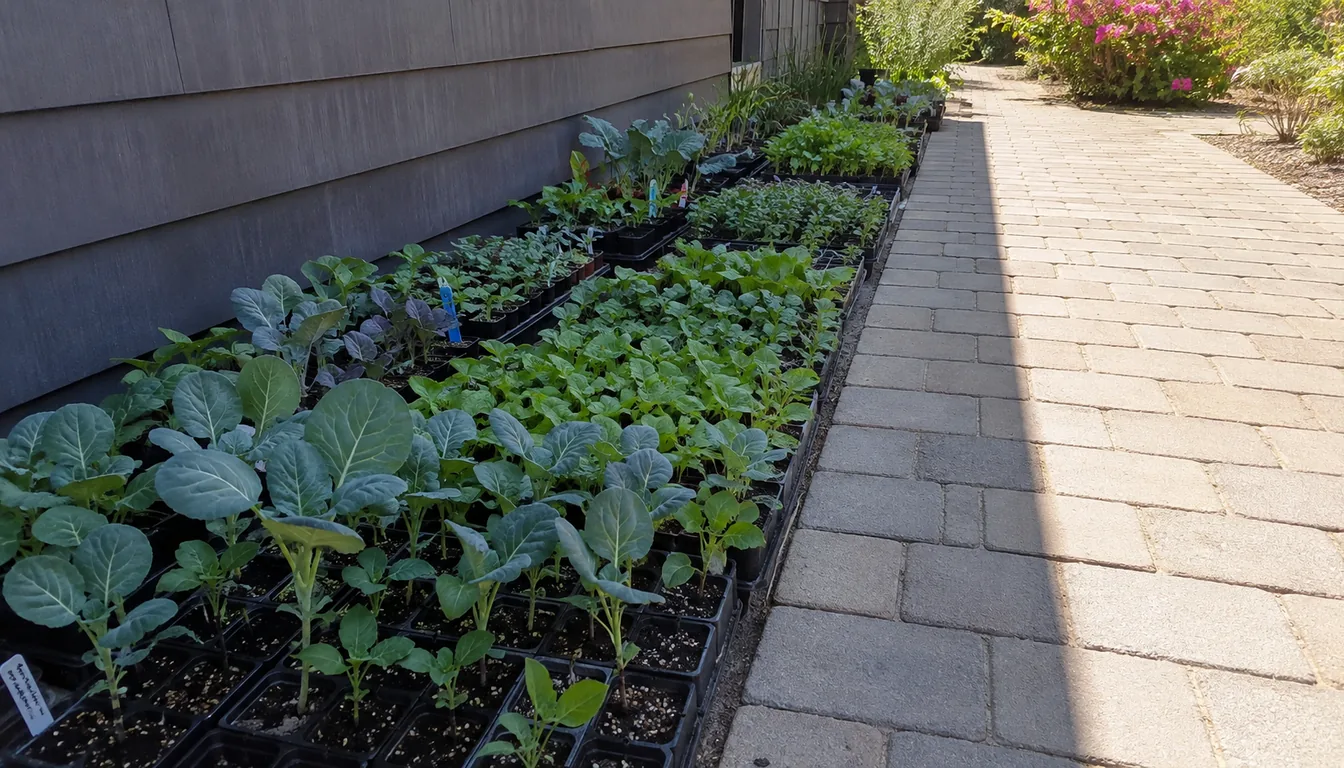
Begin while there is still time to adjust before planting. Illinois Extension describes roughly two weeks, while RHS allows two to three weeks for tender plants transitioning from protected conditions. These are planning ranges, not deadlines that certify a tray.
A first session of a few hours in sheltered shade on a mild day is a useful starting point. Later sessions extend the duration and introduce more direct light gradually, with shelter available if plants struggle.
| Stage | Exposure to introduce | What determines the next step |
|---|---|---|
| First sessions | A short period in bright shade, protected from wind | Leaves remain reasonably firm and the mix does not dry excessively |
| Building exposure | Longer outdoor periods and a little direct sunlight | The previous exposure caused no new scorching or persistent wilt |
| Approaching garden conditions | Most of the day in light appropriate to the crop | The plant tolerates the setting and watering can meet its needs |
| Overnight and planting | Suitable nights after successful daytime exposure | Crop-specific temperature needs, warm-enough soil, and the forecast agree |
Full sun is an eventual goal for sun-loving vegetables, not for every bedding plant. A shade-grown annual still needs a gradual transition to its intended garden light.
What Weather Should Cancel a Day Outside?
A forecast low and the temperature beside the tray answer different questions. A sunny enclosure can overheat while the general air temperature is mild, and a clear night can be colder at an exposed garden spot than beside a sheltered building.
UMN’s guidance for holding vegetable transplants advises avoiding temperatures around or below 50°F for warm-season crops and below about 45°F for cool-season crops. These are precautions for that context, not proof that every species is safe just above the number.
- Frost or hail: Keep vulnerable seedlings protected. Hardening off does not remove their cold sensitivity.
- Strong wind or driving rain: Postpone the session or use effective shelter. Shade alone does not stop wind damage.
- Hot sun or a warming enclosure: Reduce exposure and provide ventilation before the tray overheats.
- A colder forecast: Check the crop’s requirements before extending a session into evening or leaving plants out overnight.
A frost-date estimate helps with seasonal planning, but it cannot predict a particular night. The current forecast and conditions at the tray take priority.
How Does the Crop Change the Plan?
Cool-season vegetables such as cabbage and kale can move toward cooler garden conditions than heat-loving tomatoes and peppers. That distinction affects exposure and planting timing, but it does not assign a guaranteed seven-day or ten-day course to either group.
Maryland Extension warns that excessive hardening can stop growth and harm crops. Cauliflower can form very small heads, while cucumbers and melons may stall. Deliberate drought or repeated cold exposure is not a shortcut to stronger plants.
Bedding flowers also differ in cold tolerance and final light needs. Their plant label or a crop-specific guide is more useful than grouping all annuals as equally tender.
Root space matters when planting is delayed. A crowded tray may dry quickly, but moving it into a cold bed simply exchanges one problem for another. Tomatoes and peppers can often be moved into larger containers if a long delay makes that necessary. Cucurbits are more sensitive to root disturbance.
Separate trays when their needs differ. A cool-season crop’s successful overnight stay does not establish that the neighboring warm-season tray is ready.
Illinois Extension advises holding fertilizer during the brief hardening period to avoid encouraging soft growth. A prolonged weather delay needs a fresh care decision. Withholding water or nutrients until growth stops can harm transplants, so extending the calendar should not mean extending stress indefinitely.
What Do Wilt, Bleaching, and Collapsed Stems Mean?
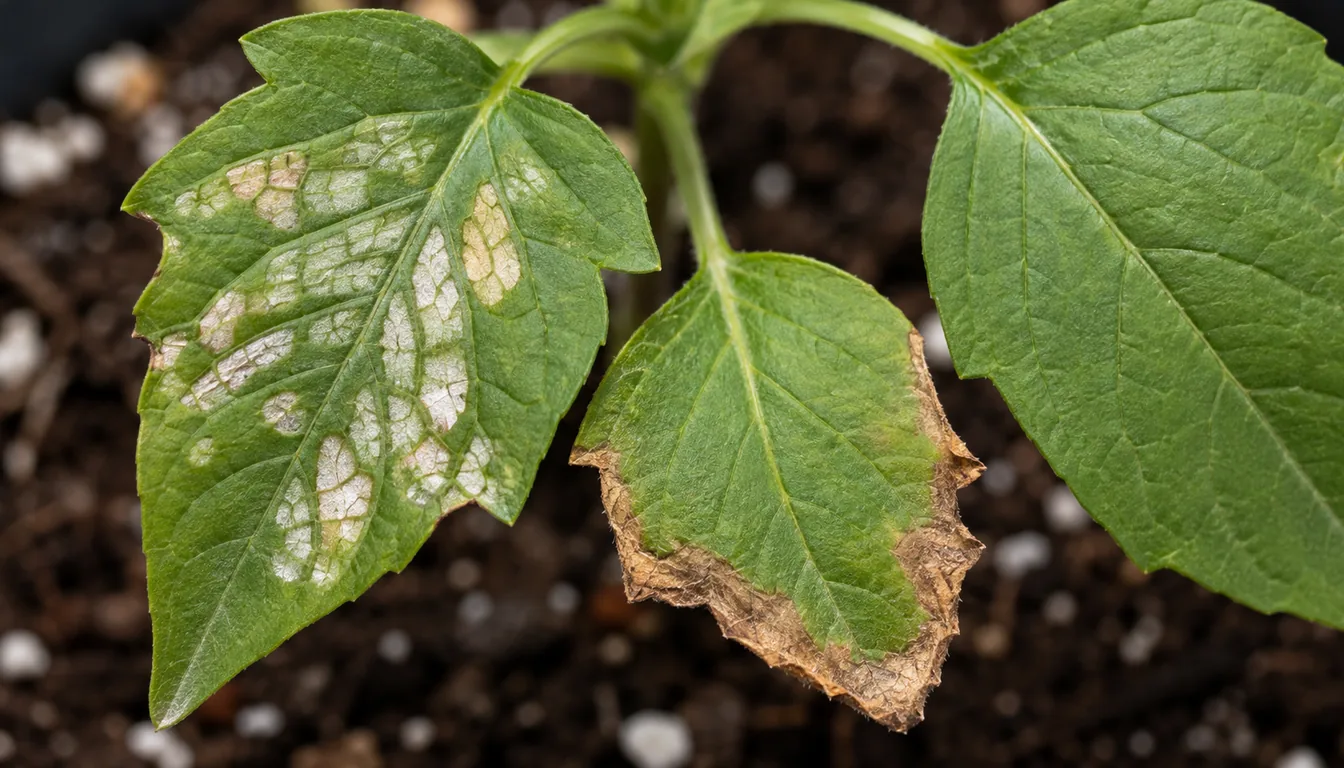
Wilting means leaves are losing water faster than the plant can replace it, but it does not identify the cause. A dry cell, hot conditions, strong wind, or impaired roots can contribute. Recovery after returning indoors does not prove that water was the only problem.
The first response is to reduce stressful exposure and inspect the mix. A genuinely dry root ball needs even rewetting and drainage. Wet mix with a wilted plant calls for checking drainage and root or stem damage before adding more water.
| Observation | Possible explanation | Useful next check |
|---|---|---|
| Wilt during an outdoor session | Water loss exceeds supply | Mix moisture, temperature, wind, and root condition |
| Bleached or papery patches after a sudden move | Light injury is possible | Recent exposure and whether damage continues under shelter |
| Brown margins or torn leaves | Drying, physical injury, or other damage | Weather history and the pattern across the tray |
| Collapse at the soil line | Injury or damping-off may be involved | Pinched, soft, water-soaked stems and affected neighboring cells |
Damping-off can kill seedlings and spread through contaminated material or shared water. A collapsed stem is not automatically wind damage. Affected seedlings and contaminated growing material should be removed from use, with healthy trays kept separate.
The seedling watering guide explains moisture checks and damping-off precautions in more detail. A spreading problem or uncertain diagnosis warrants local Extension advice rather than repeating outdoor sessions as a test.
Dead, papery tissue will not become green again. Further decisions depend on surviving growth and whether the cause has been addressed, not a promise that two days in shade will repair the plant.
What If You Cannot Move Trays Twice a Day?
An unattended setup needs to remain suitable through the whole time you are away. A shaded position at breakfast may receive direct sun by noon, so observing the moving shade before leaving trays there is more useful than relying on the wall’s compass direction.
Sheltered bright shade
Reduces the initial light change. The site still needs protection from wind, heavy rain, and drying.
Secured shade cloth
Can moderate sunlight while allowing airflow. Its position and support must remain reliable as the sun and wind change.
Ventilated cold frame
Shelters plants while exposure increases. A clear lid traps heat, so ventilation and a thermometer matter even on a cool day.
A cold frame is not automatically frost-proof or safe to leave closed in sun. UMN describes gradually opening its lid as part of acclimation. The amount of protection changes with the weather and the frame itself.
If nobody can respond to a risky forecast, keeping seedlings in a suitable protected growing space is safer than leaving them in an untested setup. Continue adequate light and moisture while waiting. A delay has no fixed two-day penalty, but growing plants still need room and care.
When Are Seedlings Ready to Plant?
Planting readiness combines acclimation with a suitable bed and forecast. For tomatoes, UMN recommends waiting until frost danger has passed and the soil has warmed. Other crops have their own planting requirements.
A root ball needs moisture before planting, whether that requires watering shortly beforehand or was achieved earlier. The condition of the mix matters more than a rule that morning watering is always better than the previous evening. Saturation is not the goal.
A calm, cloudy period or late afternoon reduces the immediate exposure while roots are disturbed. Support the root ball during removal and use the planting depth appropriate to the crop. Tomato stem-burying advice should not become a universal rule for annual flowers.
Water after planting to settle the surrounding soil against the roots. Tomato stakes or cages can go in at planting, when their position can be chosen around the root ball.
Some temporary wilt may follow the move, but persistent decline needs attention. Check moisture and weather exposure again rather than assuming that a completed hardening schedule rules out a problem.
Sources & References
- RHS: Hardening Off Tender Plants
- Illinois Extension: Hardening Off Indoor Seedlings
- Penn State Extension: Transplanting Annuals into the Garden
- University of Maryland Extension: Hardening Off Vegetable Seedlings
- University of Minnesota Extension: Starting Seeds Indoors
- University of Minnesota Extension: Maintaining Healthy Transplants Through Cool Weather
- University of Minnesota Extension: Growing Tomatoes in Home Gardens
- University of Minnesota Extension: How to Prevent Seedling Damping-Off
Related Guides
Best Butterfly Garden Plants for a Complete Habitat
The best butterfly garden plants do two different jobs. Host plants feed caterpillars, while nectar…
15 min read
Best Fall-Blooming Flowers for Color Near Frost
A bed that still carries flowers in October usually was planned before temperatures fell.
9 min read
Best Fast-Growing Trees for Shade and Privacy
The best fast-growing tree is the one whose mature crown, roots, climate range, and maintenance…
16 min read
Best Fragrant Flowers for Every Yard and Season
The best fragrant flowers depend on climate, light, space, and the hours you use the yard.
15 min read
Best Full-Sun Perennials for Hot, Bright Beds
The best full-sun perennials are the ones that match the bed's soil moisture and drainage, local…
14 min read
Best Ground Cover Plants for Sun, Shade, and Slopes
The best ground cover is a plant that survives the site and performs the job without escaping into…
18 min read