
Best Pollinator Plants for a Useful Garden
The best pollinator plants are regionally appropriate flowers that provide accessible pollen or nectar when the rest of the landscape has little in bloom. A useful garden combines several species rather than depending on one famous "pollinator plant."
Start with local native plants suited to the site, then fill three bloom windows across early, middle, and late season. Keep flowers close to nesting or shelter habitat, avoid routine pesticide use, and include host plants when supporting butterflies is part of the goal.
A balcony container, a vegetable-bed edge, and a large native border can all help. The right design depends on space and climate.
Use one practical test. Can a pollinator find food, reach it, and complete more of its life cycle nearby?
[ky_keyfacts] First filter | Plants adapted to your region, sun, soil, and moisture Seasonal goal | Overlapping flowers from early spring through fall Flower choice | Several accessible shapes rather than only double or highly modified blooms Habitat beyond flowers | Nesting soil, standing stems, leaves, shelter, and host plants Pesticide rule | Avoid treating open flowers and follow every pollinator warning on the label [/ky_keyfacts]
At a glance
Know What Pollinators Actually Need
Nectar and pollen are the headline.
Pollinators also need shelter, water, and safe places to nest.
A perfect bloom surrounded by concrete and sprayed grass will not see much action.
Different insects prefer different flower shapes. Flat daisies suit butterflies, tubular blooms suit hummingbirds, and small clustered flowers support tiny native bees that ignore big showy blossoms.
Planting one lonely clump of flowers does little. Pollinators work most efficiently when you group several plants of the same kind together so they can forage without wasting energy flying long distances.
Regionally native plants often support relationships that ornamental imports do not, including specialist bees and butterfly larvae. Local plant lists are more reliable than a national top-ten list because native range, bloom timing, and climate all change by region.
Many common ornamentals are bred for looks, not food. Heavy doubled blooms on some modern rose varieties can be nearly sterile, which means lots of petals and little nectar.
A yard that feeds pollinators almost always looks a bit wilder than a clipped foundation planting. That is normal and usually a sign things are working.
Skip broad spectrum insecticides near blooms, or you can wipe out the very insects you are trying to attract.
That tradeoff matters more than a perfectly tidy edge if the goal is actual insect traffic.
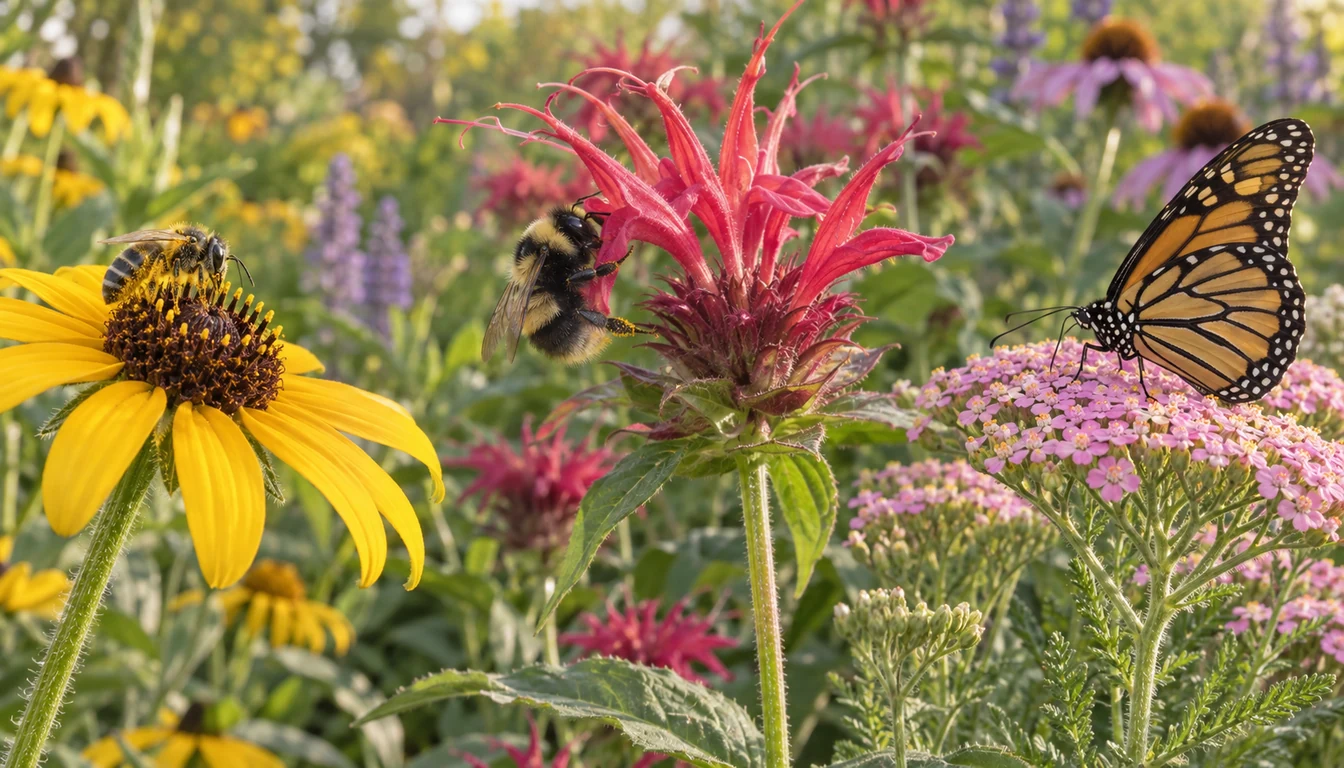
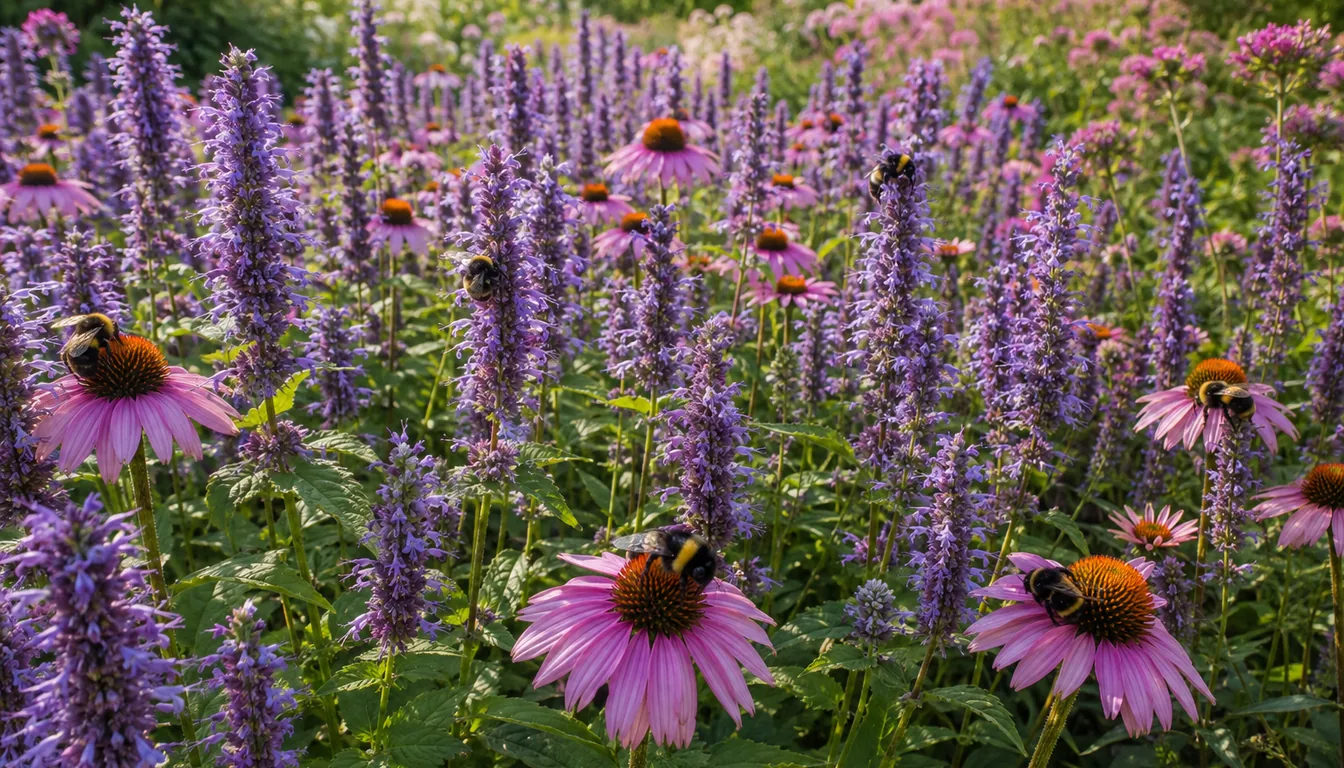
- Food sources: Mix nectar rich perennials, annuals, and flowering herbs.
- Shelter: Leave some leaf litter, hollow stems, and dense shrubs.
- Water: Provide shallow dishes with stones for landing.
- Safety: Avoid spraying insecticides on open flowers.
Pick Plants for Spring, Summer, and Fall
Early, mid, and late season flowers keep pollinators coming back.
A yard that only explodes in June leaves bees hungry in April and again in October.
Think in waves. Spring bulbs and flowering shrubs start the season, summer perennials carry the show, and late bloomers finish strong for migrating butterflies and winter hungry bees.
Spring flowers can include bulbs like tulips and daffodils, but pollinators prefer simpler forms. Shrubs such as fragrant lilac clusters and early azalea blossoms are workhorses in cooler zones.
By early summer, plants like salvia spikes, catmint drifts, and lavender hedges keep bees buzzing. Pair them near vegetables like tomato vines and flowering pepper plants to help with pollination.
Late summer and fall should lean on asters, native goldenrod species, upright sedum clumps, and garden aster varieties. These carry monarchs and native bees into cooler weather.
In warmer zone 8–11 gardens, long blooming choices like heat loving lantana can bridge gaps between seasonal waves. Trailing verbena mixes help cover the same late-season gap in containers and bed edges.
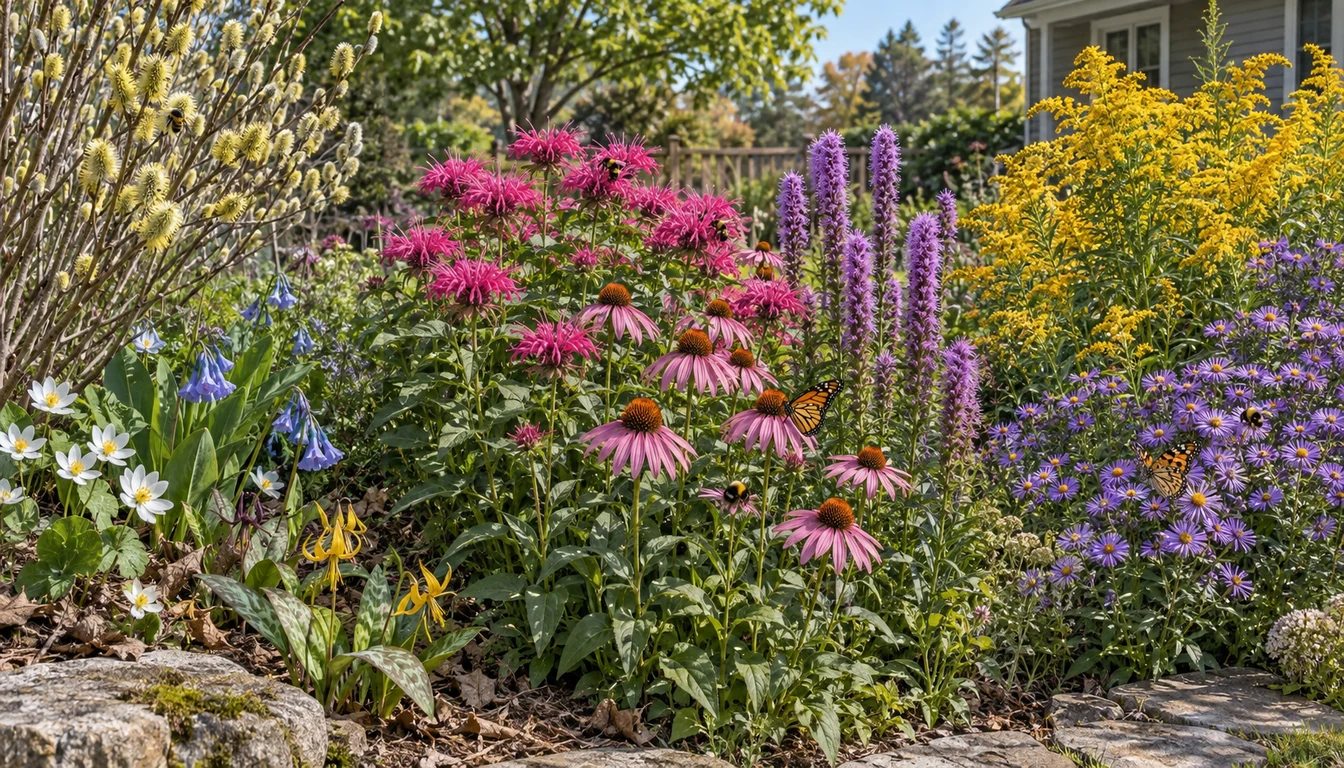
- Early season: Crocus, simple single tulip types, naturalizing daffodils, serviceberry.
- Midseason: coneflower patches, shasta daisies, bee balm.
- Late season: rudbeckia clumps, flat topped yarrow, asters, goldenrod.
- Evergreen anchors: Flowering shrubs and small trees that also offer structure.
Design Beds Pollinators Can Use
A pollinator bed that looks good from the curb can still be hard for insects to use if plants are scattered or blooms sit far apart.
Think like a bee with short wings.
Place flowers in blocks instead of single specimens. Repeating those blocks across the bed creates a clean design for you and a predictable buffet for insects.
Edge paths and vegetable beds with low flowers like sweet alyssum edging, dwarf compact salvia selections, or creeping flowering thyme mats. Pollinators will move right from edges into cucumber vines and squash hills.
Use taller plants such as back row hollyhocks, butterfly bush shrubs, and panicle hydrangea forms at the back or center to create windbreaks. Calm air pockets make it easier for insects to forage.
Avoid using fabric mulch under everything. Many native bees nest in bare or lightly mulched soil, and landscape fabric blocks access.
Leave at least one sunny patch of bare or lightly mulched soil for ground nesting bees.
That one gap does more for native bees than another layer of decorative mulch.
- Group size: Repeat each useful species in a visible drift rather than scattering isolated plants.
- Height tiers: Low along paths, medium in the middle, tall at the back.
- Access: Keep narrow paths so you can deadhead and weed without trampling.
- Color: Mix flower colors but repeat them for a cohesive look.
Choose Nectar-Rich Flowers, Shrubs, and Herbs
Not every bloom feeds pollinators well. Some modern hybrids sacrifice nectar and pollen for oversized petals or unusual colors that insects barely recognize.
Whenever possible, favor single flowers instead of heavy doubles. You still get plenty of color, and bees can reach the pollen.
Perennials such as echinacea clumps, simple daisies, and spiky liatris form the backbone of a pollinator garden in zones 4–8. Add tall garden phlox where you want height and a longer summer bloom window.
Shrubs like butterfly bush panicles, spirea clusters, and trumpet shaped weigela flowers serve both as nectar sources and structure in the bed.
Herbs are doing double duty. Flowering basil spikes, blooming oregano clumps, woody rosemary stems, and low thyme carpets pull in tiny native bees while you harvest leaves for dinner.
If you like tropical flair, options such as open faced hibiscus, annual salvia plantings, and multi colored lantana heads are magnets for butterflies and hummingbirds in zone 8–11.
Let some herbs and leafy vegetables bolt on purpose near your beds, the flowers are often pollinator super magnets.
- Perennial anchors: Coneflower, rudbeckia, liatris, yarrow.
- Shrubby color: Butterfly bush, spirea, weigela, late hibiscus relatives.
- Useful herbs: Basil, dill, fennel, mint, thyme.
- Annual fillers: Zinnia, cosmos, sunflowers around home vegetable rows.
Watering, Mulch, and Basic Aftercare
Freshly planted pollinator beds need steady care in the first season so roots can anchor before you back off. That first year, aim to treat them like a new hedge instead of a wild meadow.
Deep, infrequent watering beats a quick sprinkle. Water deeply when the root zone begins to dry, adjusting for rainfall, soil texture, plant size, and weather.
Use a simple soil check rather than a calendar.
Check below the mulch in more than one place, because the surface can look dry while the active root zone remains moist.
Mulch holds moisture and keeps weeds down, but too much can smother ground-nesting bees.
Keep 2 inches of mulch around clumps of coneflower plantings, leaving open soil patches between groups.
Skip fertilizer in the first year unless a soil test says otherwise. Overfeeding pushes tall, floppy growth with fewer blooms, which is the opposite of what butterflies and bees need.
Deadheading, which means snipping off spent blooms, keeps many flowers producing. It works well on plants such as shasta-type daisies, upright salvia spikes, and compact lantana mounds.
Do not deadhead everything. Leave some faded blooms on late-season plants so they can set seed for goldfinches and other seed eaters.
Strong wind can topple top-heavy flowers before they help a single pollinator. Stake tall plants like liatris spires or taller holly shrubs early so stems grow around the support.
By the second or third year, most natives and tough perennials will need far less babying. Water mainly during extended dry spells and your bed will keep feeding bees through the worst heat.
- Water new transplants when their root zones begin to dry
- Keep mulch clear of crowns and preserve some nesting soil
- Remove diseased material rather than clearing every spent stem
- Leave selected seed heads for birds and overwintering structure
- Adjust care as roots establish and the planting closes over
Avoid Pesticides That Wipe Out Pollinators
The fastest way to turn a pollinator bed into a silent one is routine spraying.
Most broad-spectrum insecticides kill bees, butterflies, and beneficial wasps along with the pests you are targeting.
Systemic insecticides require particular care because active ingredients can move into plant tissue, including flowers that open after treatment. Read the Environmental Hazards and pollinator-protection language on the label before applying any product to a plant that is blooming or will bloom during the residual period.
If you are battling chewing pests on nearby shrubs, try spot treatments instead. Hand-pick beetles from rose bushes, blast aphids off milkweed plantings with a hose, or prune out the worst damage rather than coating entire areas.
Keep pesticides off open flowers and flowering weeds. An organic label does not mean a product is harmless to pollinators, so identify the pest, use the narrowest treatment the label permits, and prevent drift.
Some "natural" sprays still harm pollinators. Oils and soaps can smother soft-bodied insects, including beneficials, if you cover them.
Build in plants that attract predators to help you instead. Clumps of frilly yarrow, flowering dill, and catmint borders draw lady beetles and tiny parasitic wasps that hunt aphids and caterpillars.
If deer or rabbits are the main issue, focus on physical barriers and plants that taste terrible to them. Mix in deer resistant choices around beds to take pressure off more tender blooms.
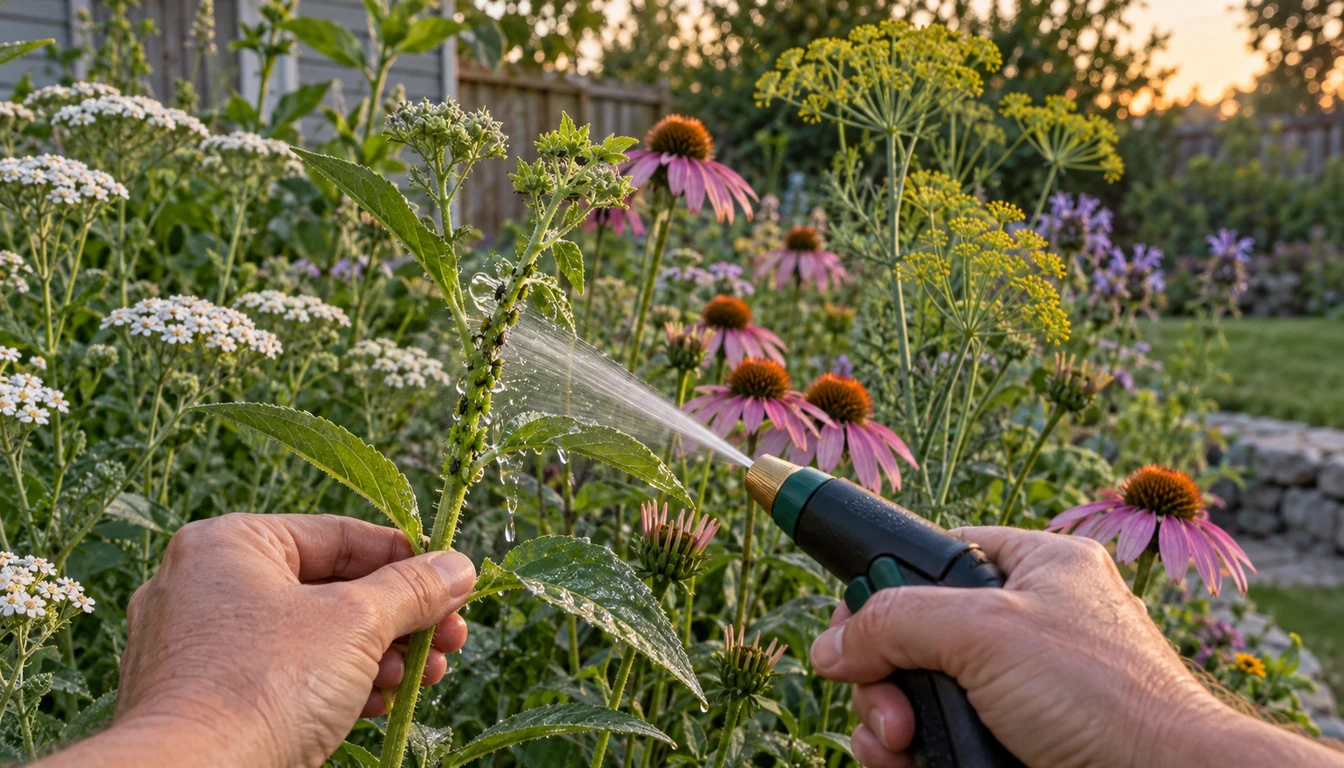
- Identify the pest and confirm that damage justifies treatment
- Keep pesticides off open flowers and flowering weeds
- Use a spot treatment instead of covering the whole bed when the label permits
- Prevent drift into nesting areas, water sources, and neighboring blooms
- Follow the product label for timing, protective equipment, and re-entry
Seasonal Cleanup Without Erasing Habitat
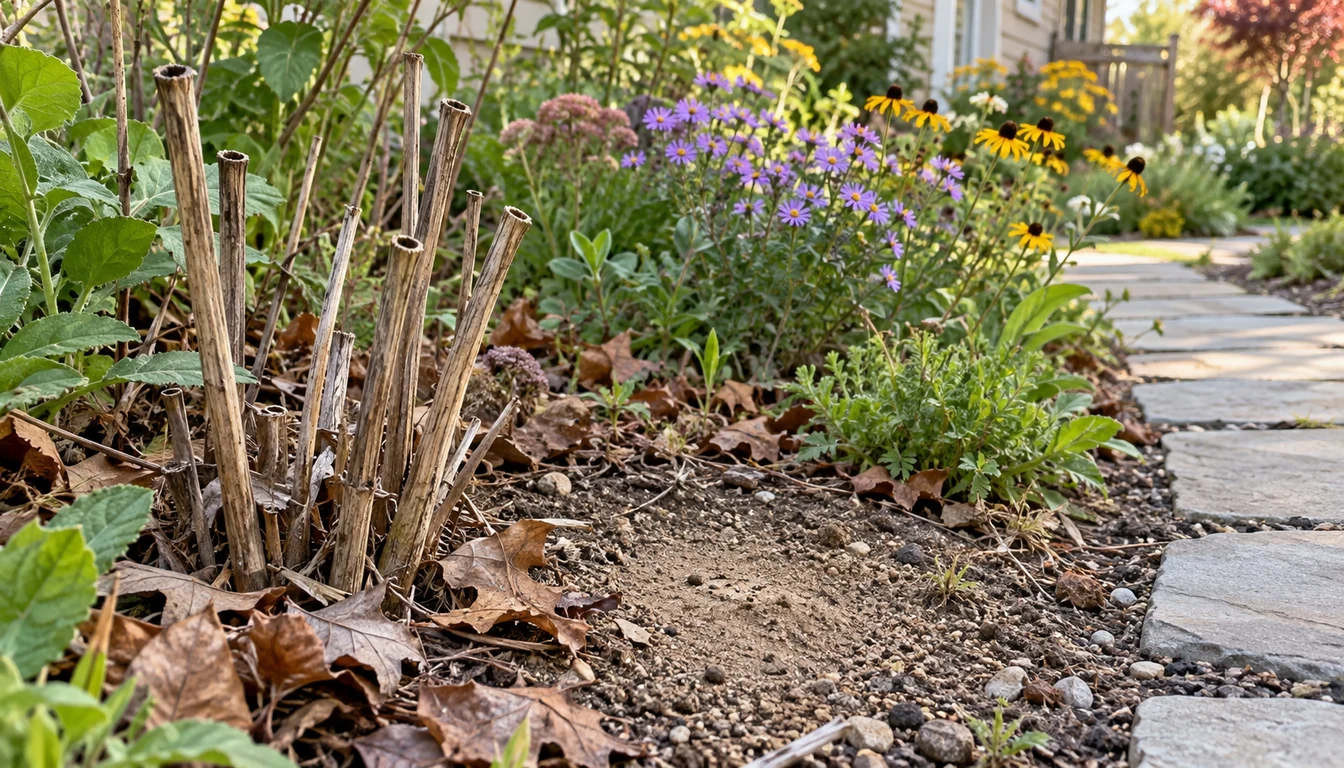
Aggressive fall cleanup leaves beds looking tidy but strips away winter shelter. Many native bees and beneficial insects tuck into hollow stems, leaf piles, and seed heads once frost hits.
For fall, focus on removing only what spreads disease.
Bag and toss mildewed phlox stems, black-spotted rose foliage, and any plants that rotted at the base instead of composting them.
Leave at least 12 to 18 inches of hollow stems on sturdy perennials. Stems from echinacea clumps, black eyed susans, and russian sage stands can house cavity-nesting bees all winter.
Dry seed heads feed birds through snow and ice. Goldfinches especially swarm spent flowers on fall asters and blazing star spikes long after the petals fall.
Pick one "messy" corner as a dedicated habitat patch and promise yourself not to tidy it until late spring.
Spring cleanup has better timing for pollinators. Delay spring cleanup until local insects are active, then cut stems in stages and leave some habitat standing rather than clearing everything on one date.
Shred old stems by hand or with pruners and tuck them under fresh mulch. Any insects still hiding inside will have a chance to emerge into your garden instead of the landfill.
An early-mowing pass around the edges gives you a neat frame while the center of the bed stays wild. That simple border trick makes neighbors far more accepting of wildlife-friendly cleanup delays.
Fall
Remove diseased material, but keep sound stems, seed heads, and some leaves.
Winter
Leave nesting and shelter features in place rather than shredding the bed.
Spring
Wait for local insect activity, then cut back in stages and keep some stems standing.
All year
Frame habitat with a path or cut edge so the planting still looks intentional.
Why Are There Few Pollinators or Weak Blooms?
Sometimes you do everything "right" and still see almost no bees or butterflies. Before you rip plants out, look at three things in order.
Check light first, then bloom timing and nearby habitat.
Weak bloom almost always traces back to light or soil. Sun lovers like purple coneflower drifts and daylily clumps need a true 6 or more hours of sun to flower well.
If your bed sits in bright shade, shift toward plants that can handle it. Try astilbe plumes, hydrangea shrubs, and hosta foliage around the edges where tree cover is thicker.
Overly rich, wet soil can push leaves over flowers. If you have been feeding like a vegetable patch, scale back and follow a basic fertilizing schedule only for true heavy feeders.
Sparse pollinators in an otherwise blooming bed often point to surrounding conditions. Large expanses of mowed turf or yards treated for grubs cut down on nesting spots and safe travel corridors.
If your lawn gets regular treatments, switch one side yard to a low-input area.
Let clover patches flower, mow higher, and reduce sprays to create a safer flight path toward your beds.
Do not judge success on honeybees alone. Native solitary bees can be tiny, fast, and easy to miss unless you pause and watch.
Another common frustration is plants looking great one year and weak the next. Many perennials, including catmint mats and coral bells clumps, benefit from division every 3 to 5 years to stay productive.
If you are still stumped, walk your neighborhood at peak bloom. Note which yards are buzzing and borrow plant ideas, paying attention to similar light and soil.
Meadows, Edges, and Containers
Once the main beds are humming with life, you can expand support with side projects.
Small meadows, hedgerows, and even containers can pick up gaps and help pollinators move through your yard.
A mini meadow works best where you can stop mowing. Convert a strip of lawn along a fence, driveway edge, or behind a shed so you are not fighting the urge to keep it "clean."
Mix grasses with flowers for structure. Warm-season species like little bluestem clumps or short buffalo turf hold up taller blooms and offer nesting spots for ground bees.
Containers help if you only have a patio or balcony. Group pots planted with compact lavender, upright rosemary, and flowering basil to create a vertical buffet in tight spaces.
Container herbs will stop helping pollinators if you pinch every bud. Let at least a few stems of each herb bloom.
Edging strips can act like pollinator highways. Plant a repeating mix of yarrow hummocks, low verbena, and short salvia rows along paths so insects can move easily between larger beds.
For bigger properties, staggered shrubs will do more than a solid hedge. Alternate spirea mounds, butterfly bush anchors, and serviceberry trees for a rolling bloom line from early spring into summer.
If you want to tune your plant mix over time, keep quick notes each season. Mark which flowers drew the most visitors and which flopped, then replace duds with tougher options from hardy perennial lists.
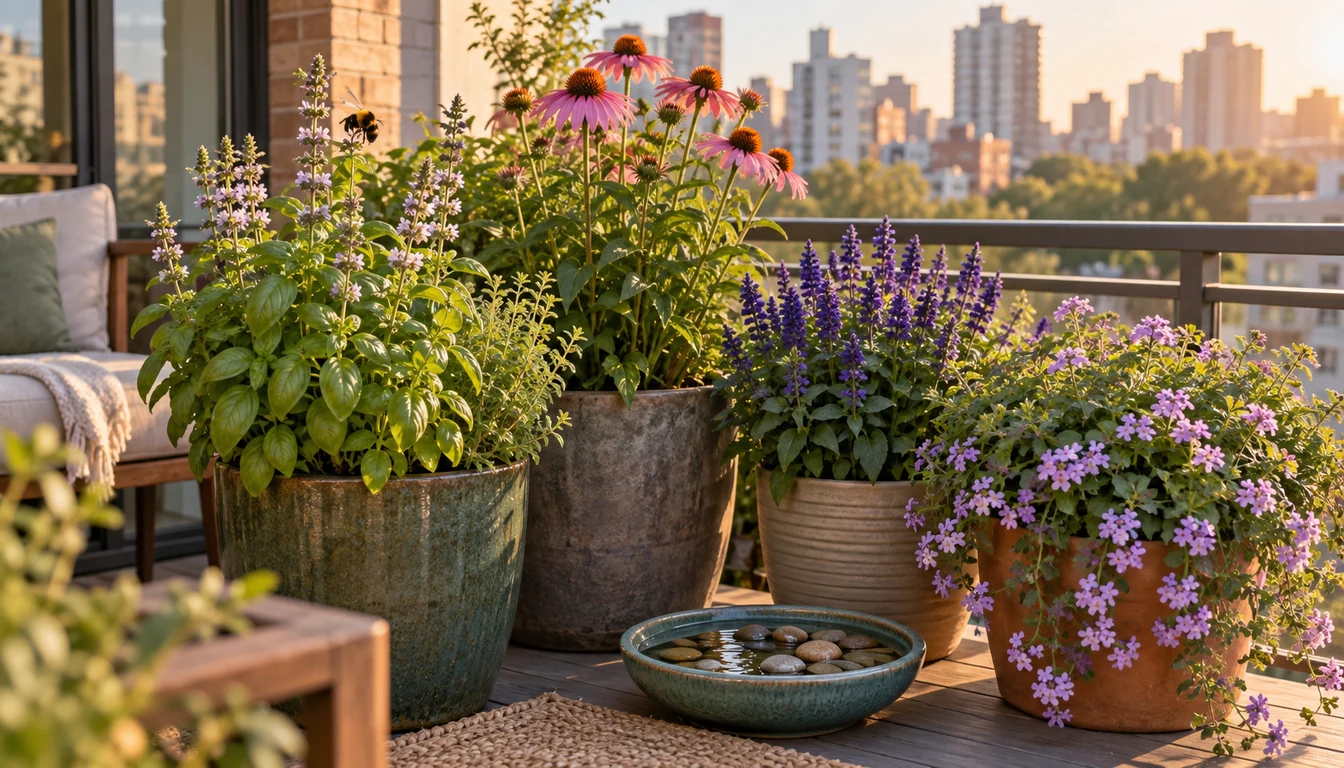
Balcony or patio
Group several large pots, overlap their bloom, and keep the water dish clean.
Vegetable-bed edge
Use compact flowers and flowering herbs where they will not block crop access.
Fence strip
Build a repeated mix of grasses and flowers chosen for the site's moisture and light.
Larger meadow
Prepare the seedbed, use a regional mix, and follow its establishment and mowing instructions.
Pro Tips
- Plant at least three different species for each bloom season so something is open even if one plant sulks.
- Skip pesticides labeled broad spectrum on or near open flowers, even organic sprays can hit pollinators.
- Group flowers by color and variety in clumps instead of mixing singles randomly across the bed.
- Let a few herbs and leafy crops bolt each year, their tiny flowers are pollinator favorites.
- Provide shallow water dishes with stones so bees and butterflies can drink without drowning.
- Leave some stems and leaf litter standing over winter so beneficial insects have shelter.
- Mix shrubs, perennials, and annuals so your pollinator garden still has structure in the off season.
Frequently Asked Questions
Do I need native plants for a pollinator garden?
Native plants are the backbone of a strong pollinator garden, because local insects evolved with them. You can still mix in non-invasive favorites, but anchor each bed with several native species that bloom in different seasons.
Can I still have a tidy yard and help pollinators?
Yes.
Keep clean edges, mowed paths, and a few neat foundation shrubs while letting at least one bed stay a little wild.
Leaving stems, seed heads, and some leaf litter in that area gives insects food and shelter without upsetting neighbors.
How long before pollinators find new plantings?
In many areas you will see bees within weeks of the first blooms opening.
Butterfly numbers usually climb in the second and third seasons as host plants mature and more larvae survive.
Consistent water and avoiding pesticides speeds this up.
Will pollinator gardens attract wasps near my patio?
Flower beds attract mainly solitary wasps that hunt pests and ignore people.
Social wasps usually key in on trash and sugary drinks, not flowers.
Place major pollinator plantings a few steps away from seating if you are worried about close traffic.
Do container pollinator plants actually help?
Yes, especially in urban areas with limited habitat. Grouping three to five containers packed with long-blooming herbs and flowers can give bees and butterflies a refueling stop between larger green spaces, even on balconies or small decks.
Sources & References
Related Guides
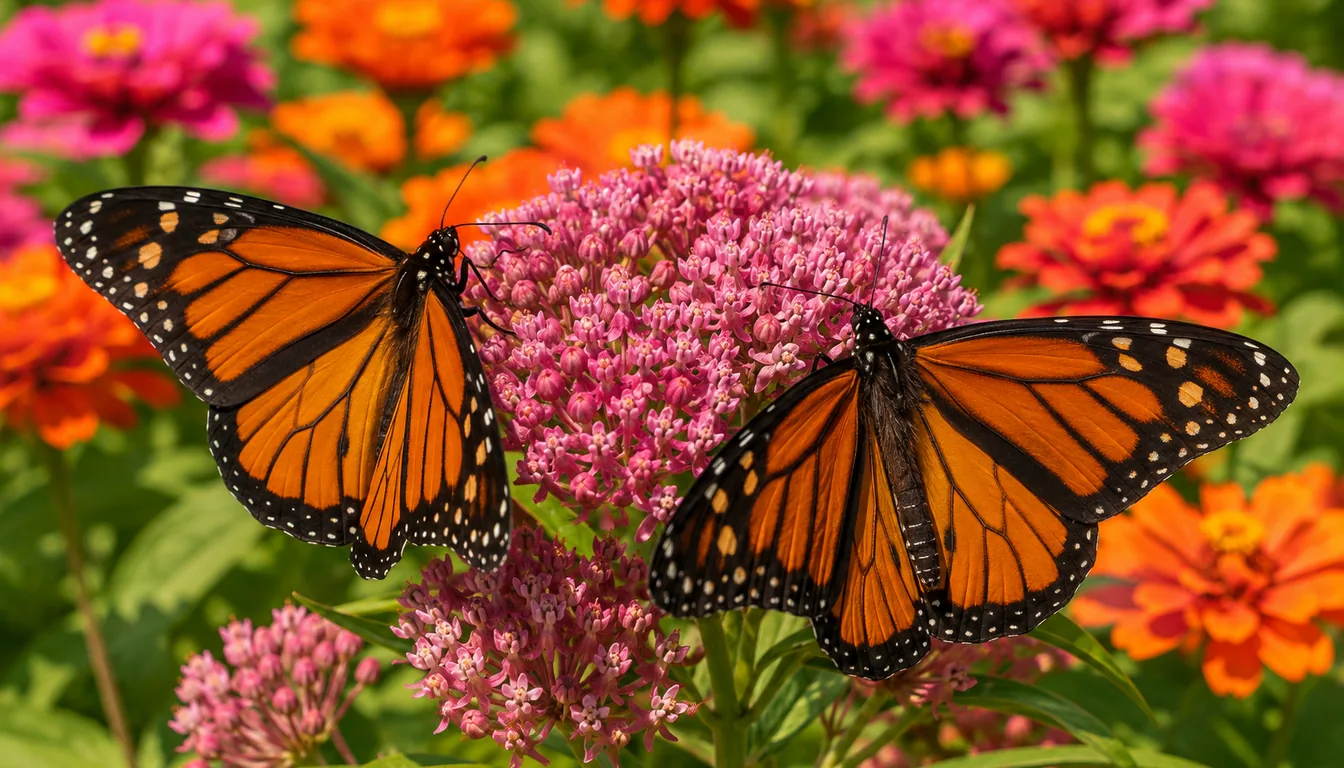
Best Butterfly Garden Plants for a Complete Habitat
The best butterfly garden plants do two different jobs. Host plants feed caterpillars, while nectar…
15 min read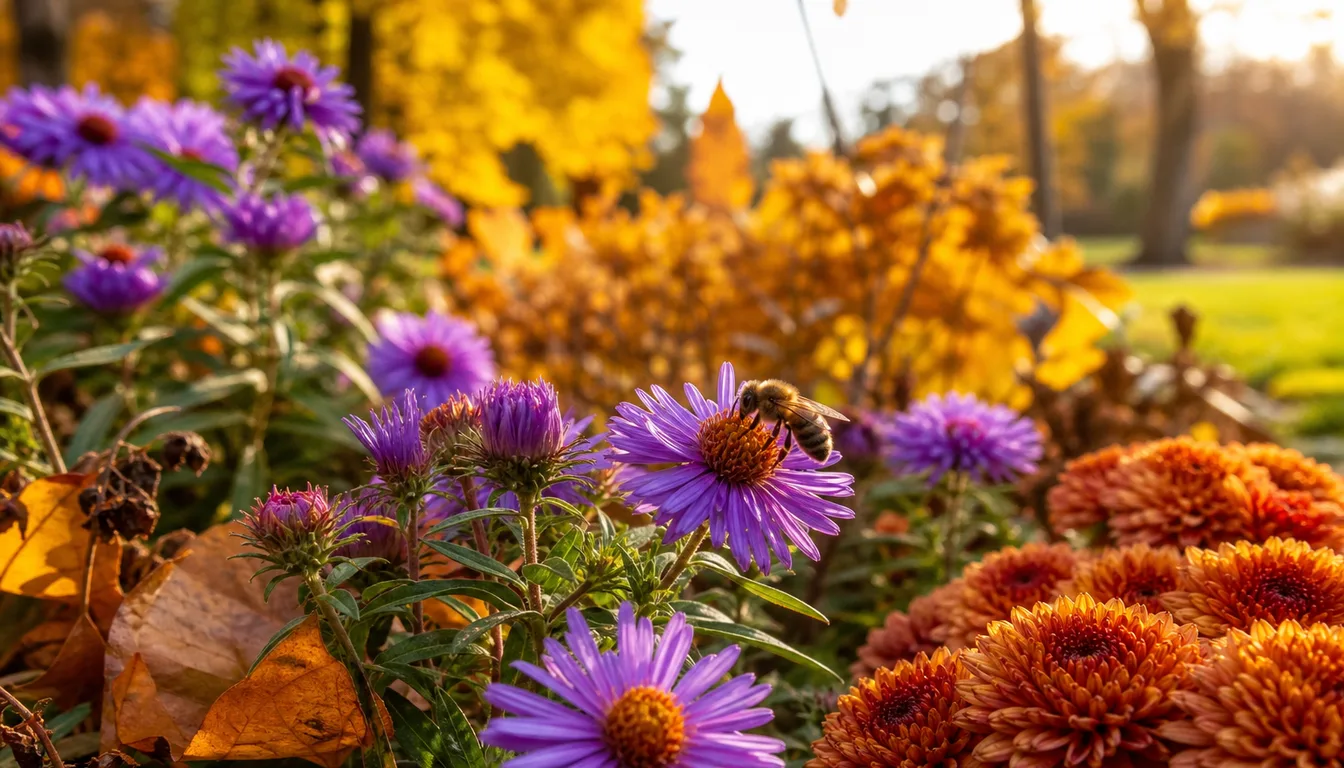
Best Fall-Blooming Flowers for Color Near Frost
A bed that still carries flowers in October usually was planned before temperatures fell.
9 min read
Best Fast-Growing Trees for Shade and Privacy
The best fast-growing tree is the one whose mature crown, roots, climate range, and maintenance…
16 min read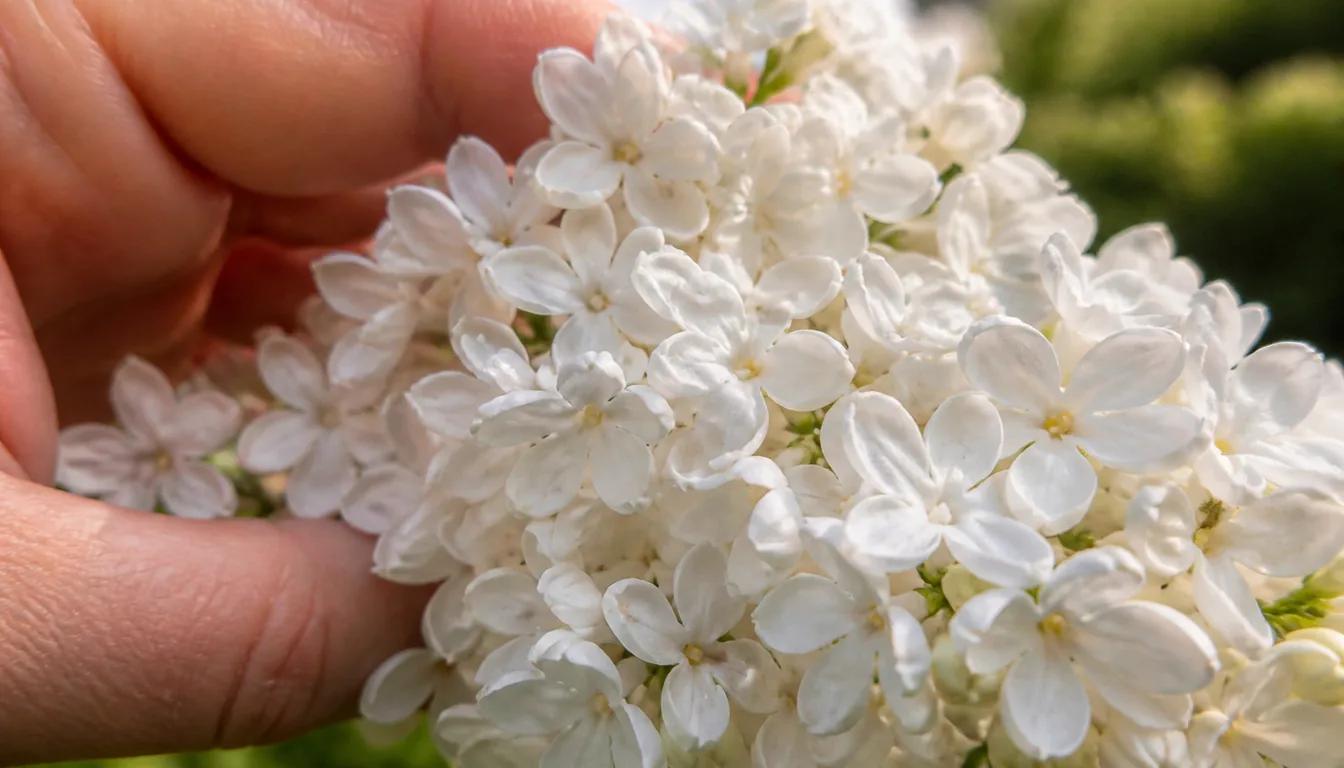
Best Fragrant Flowers for Every Yard and Season
The best fragrant flowers depend on climate, light, space, and the hours you use the yard.
15 min read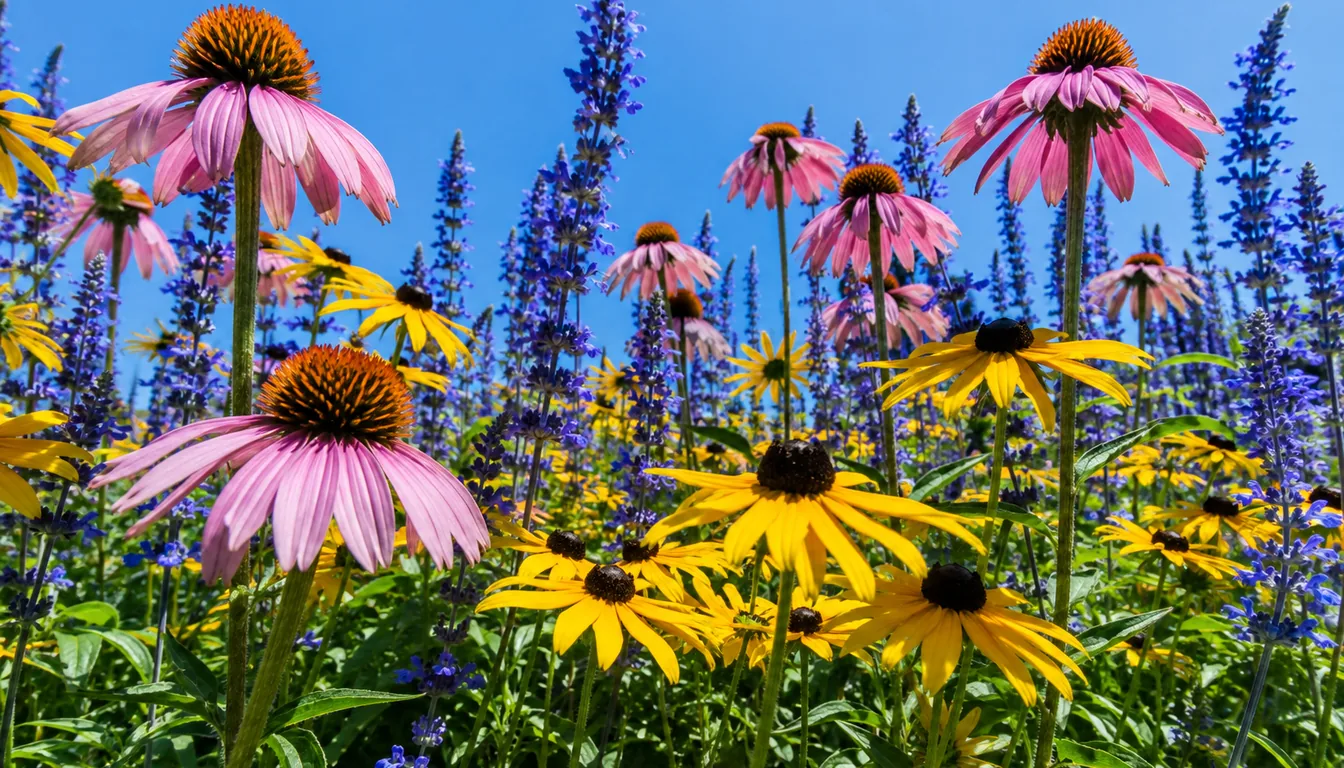
Best Full-Sun Perennials for Hot, Bright Beds
The best full-sun perennials are the ones that match the bed's soil moisture and drainage, local…
14 min read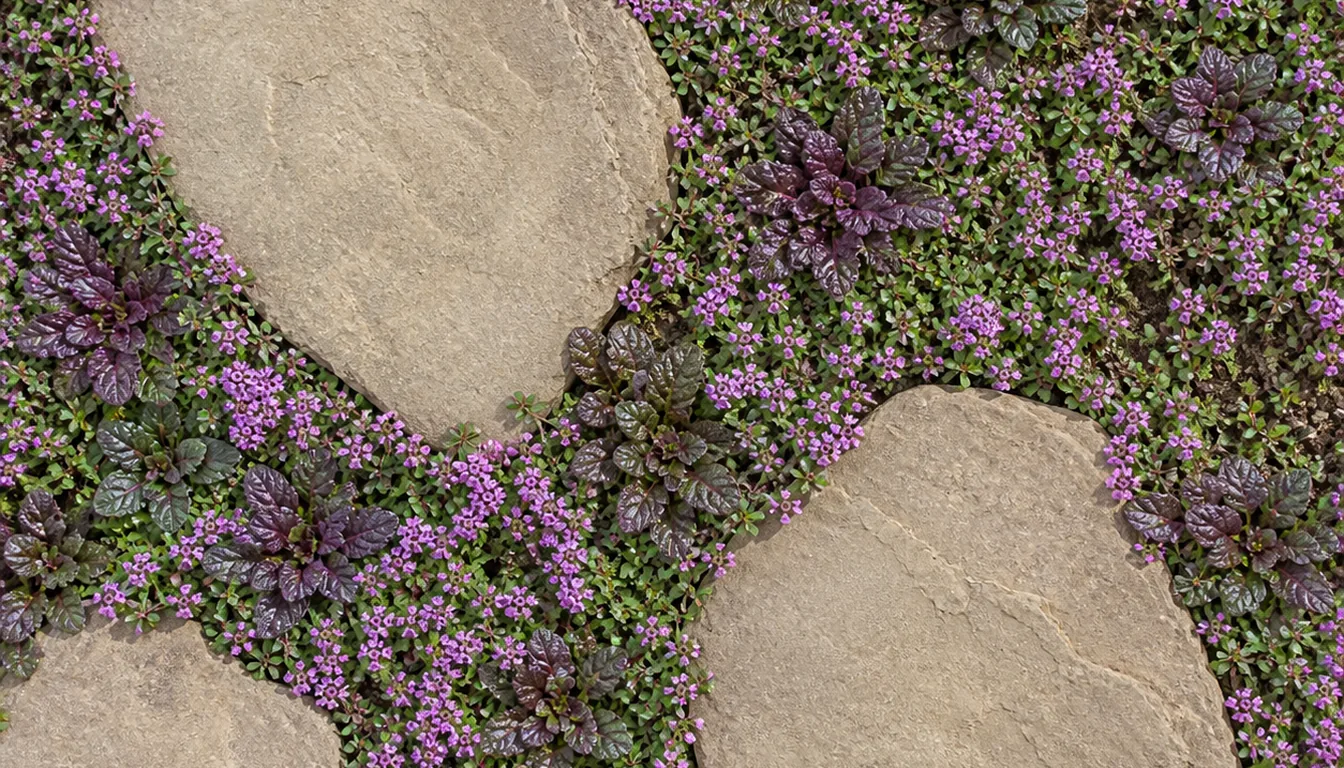
Best Ground Cover Plants for Sun, Shade, and Slopes
The best ground cover is a plant that survives the site and performs the job without escaping into…
18 min read