
Flowers for ornamental yards
Find flowers for borders, bouquets, containers, pollinators, and every part of the bloom season.
Browse Flowers
18 matching profiles
Search and filter profiles
About search and filters
Search checks the common name, scientific name, and profile description. Zone checks the hardiness range; sorting uses the profile name or last update.
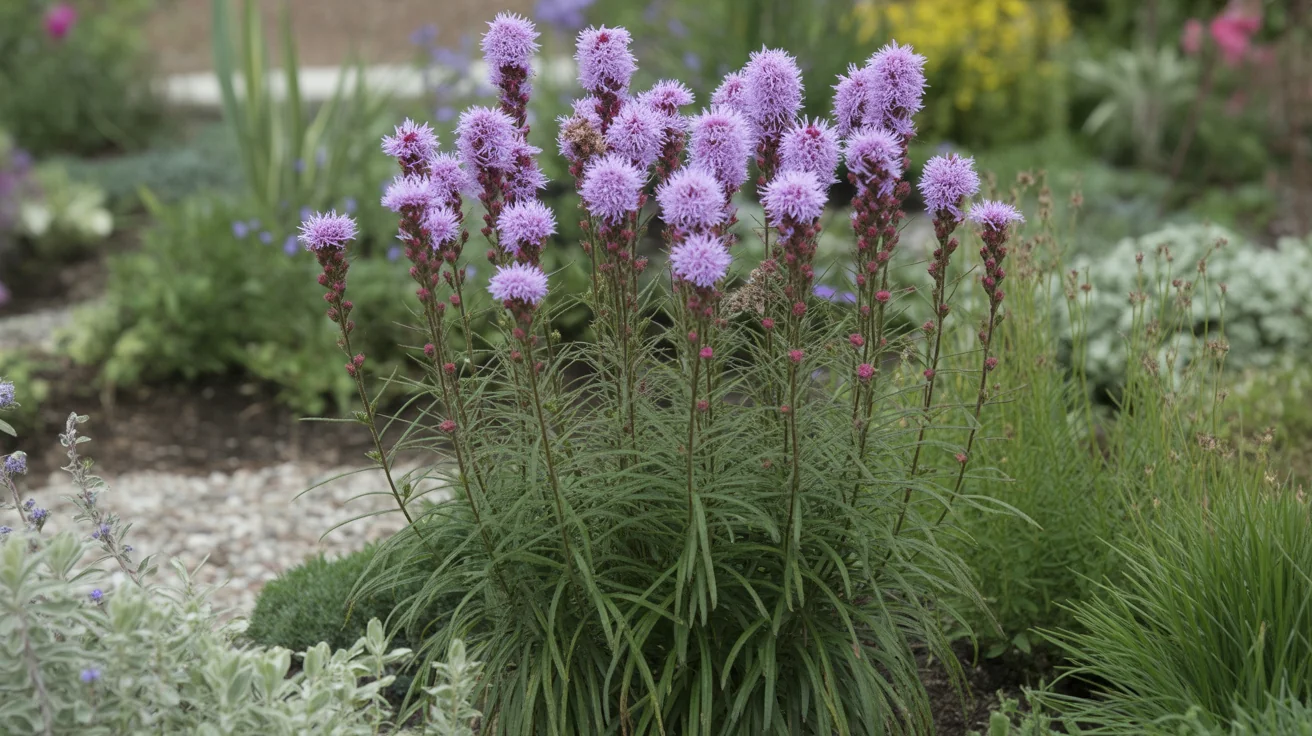
How tall do they get?
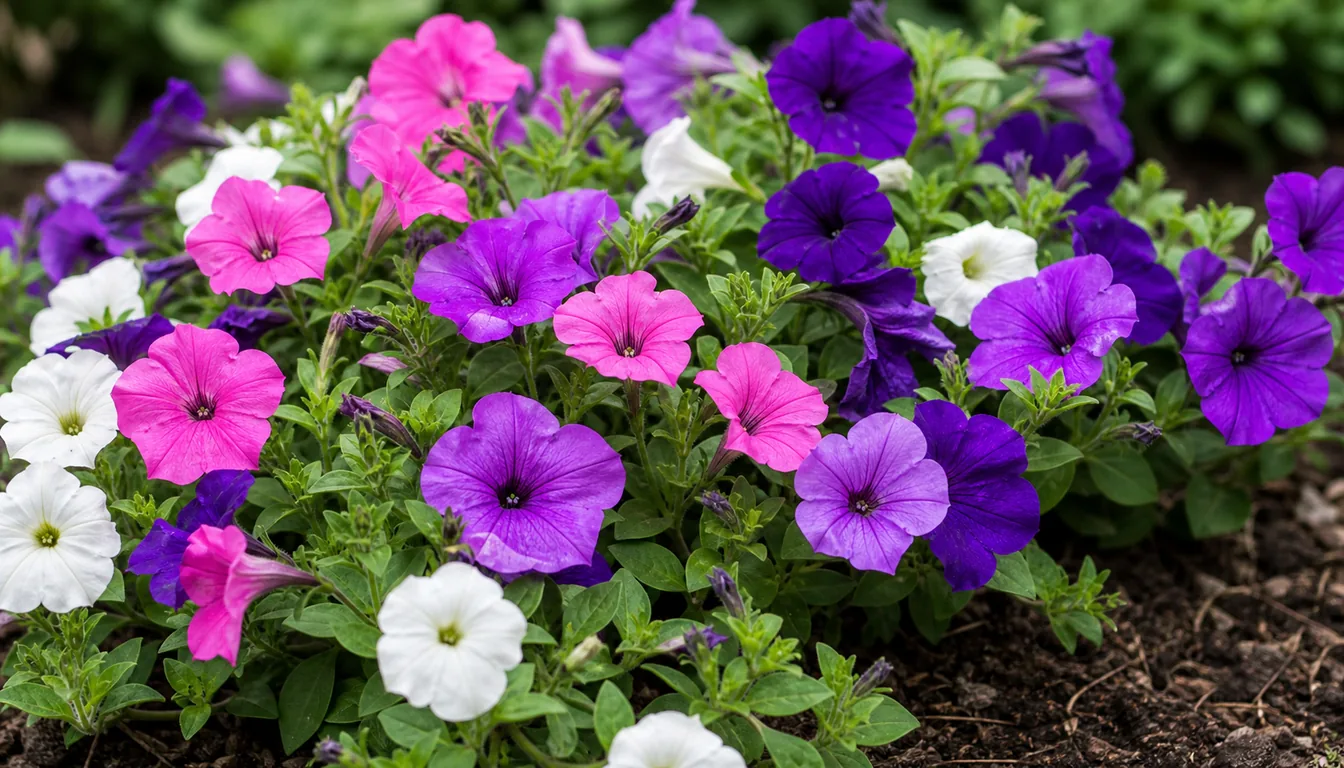 Petunia6-18 inches depending on type
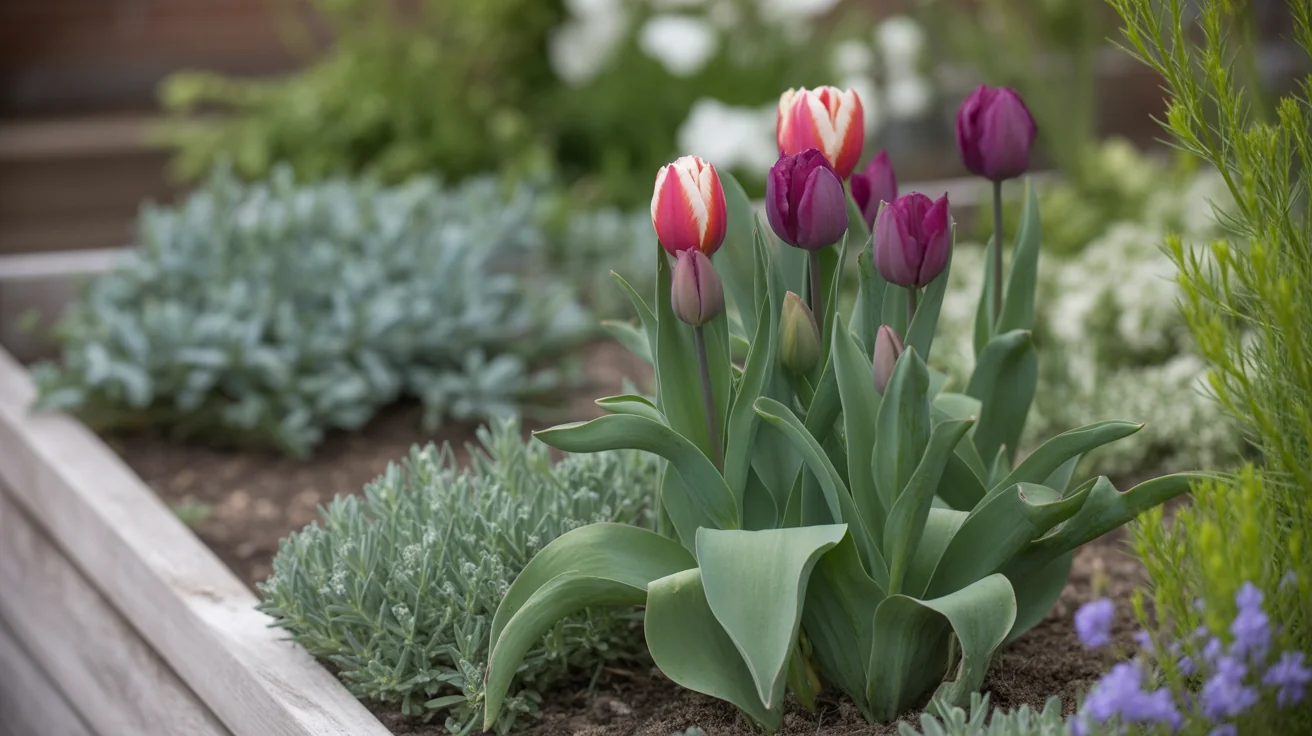 Tulip6-24 inches depending on type
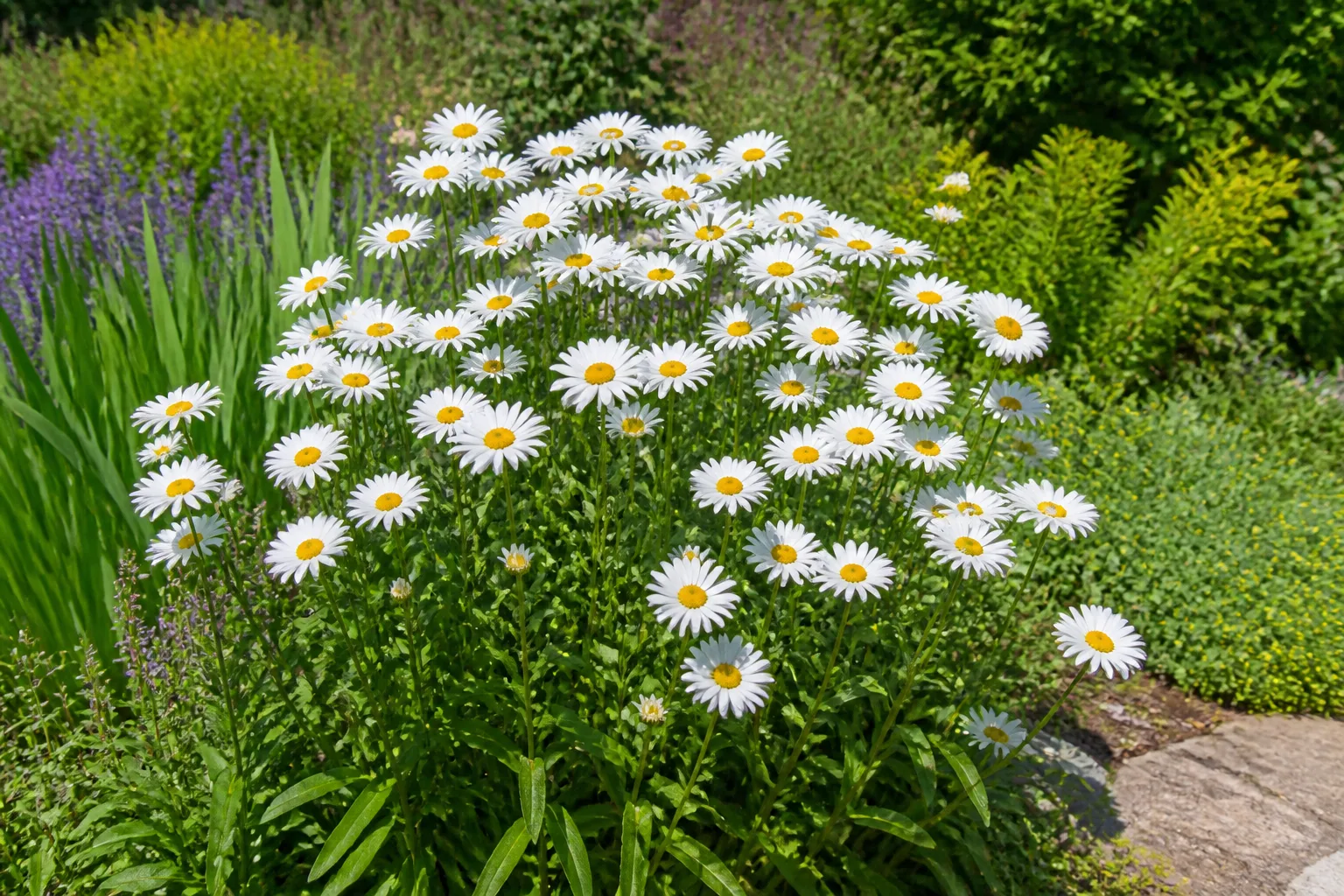 Shasta Daisy12-36 inches depending on cultivar
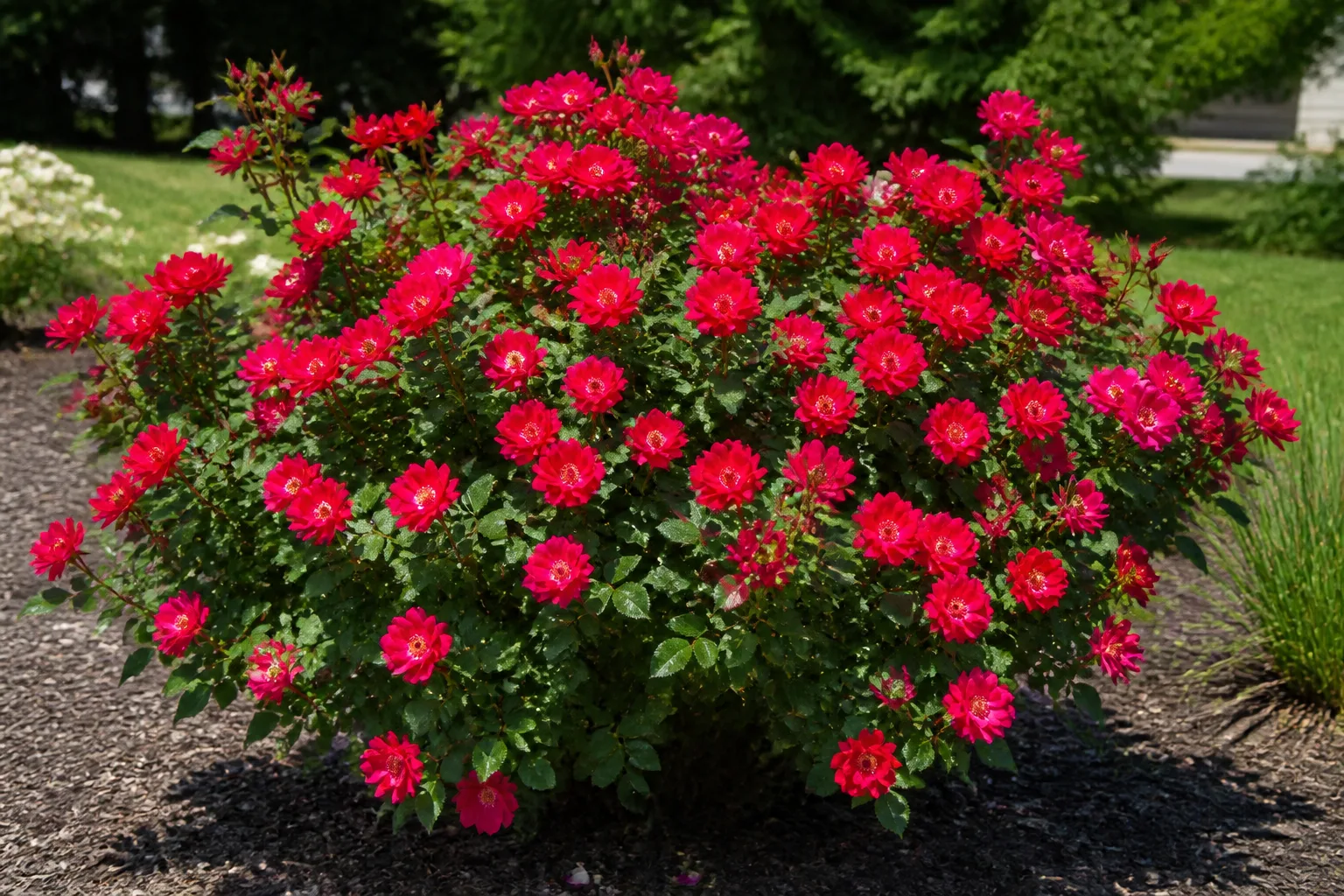 Knock Out RoseUsually 3-5 feet tall
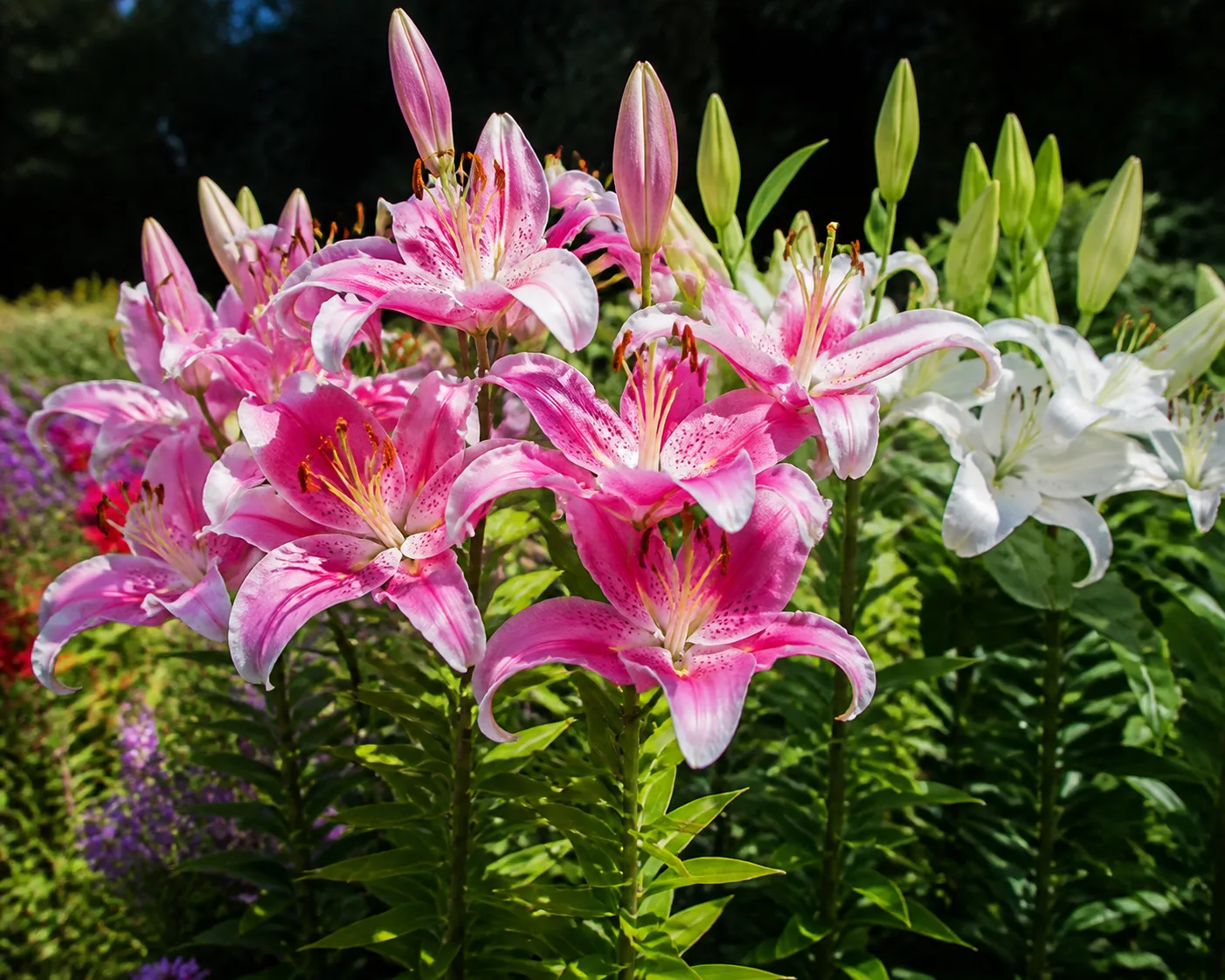 LilyAbout 1 to over 6 feet depending on type
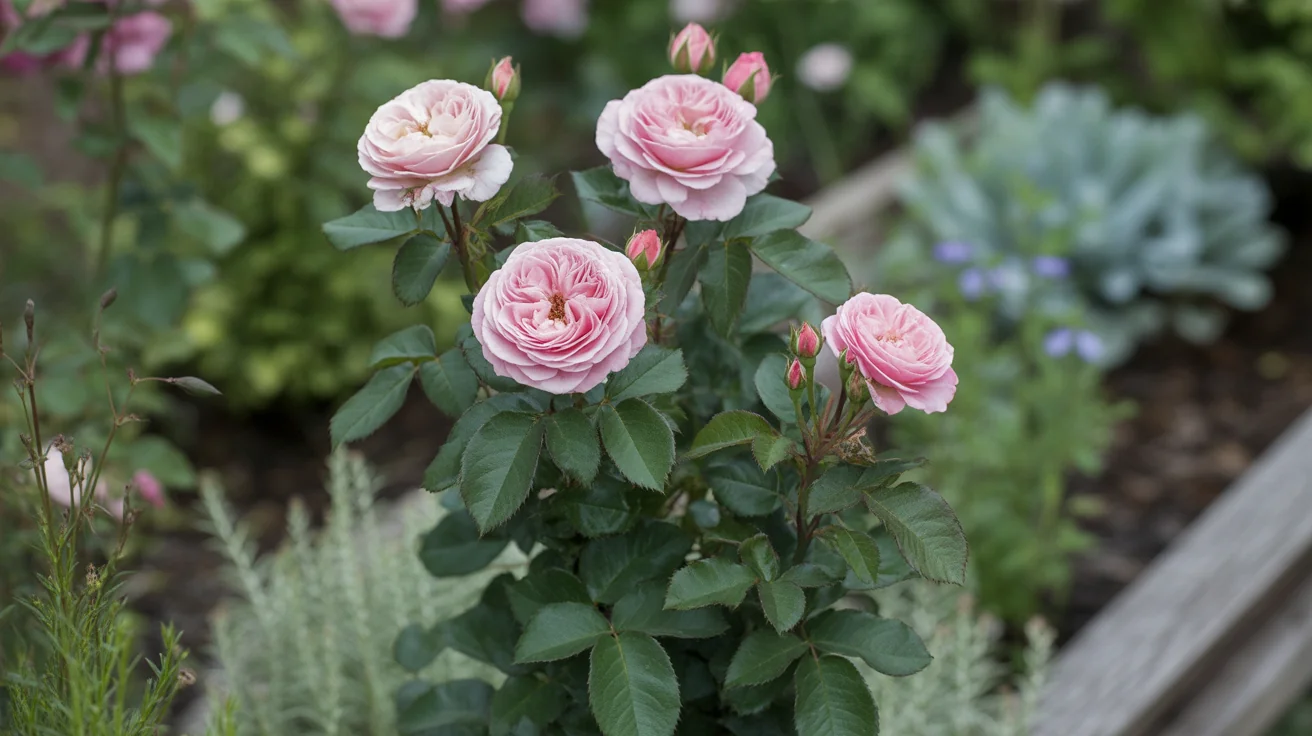 Rose1-20 feet depending on type
Source: the Quick care panel on each linked profile.
Match light and water
Each profile sits where its care panel puts it.
| Full sun | Sun to part shade | Part shade to shade | |
|---|---|---|---|
| Steady moisture | 6 | 3 | 1 |
| Tolerates drying | 7 | 1 | None listed |
If pets share the space
- Documented as toxic to pets9
- A source lists it as non-toxic3
- No clear listing6
Flowers at a glance
- Zones 3–9Bearded Iris
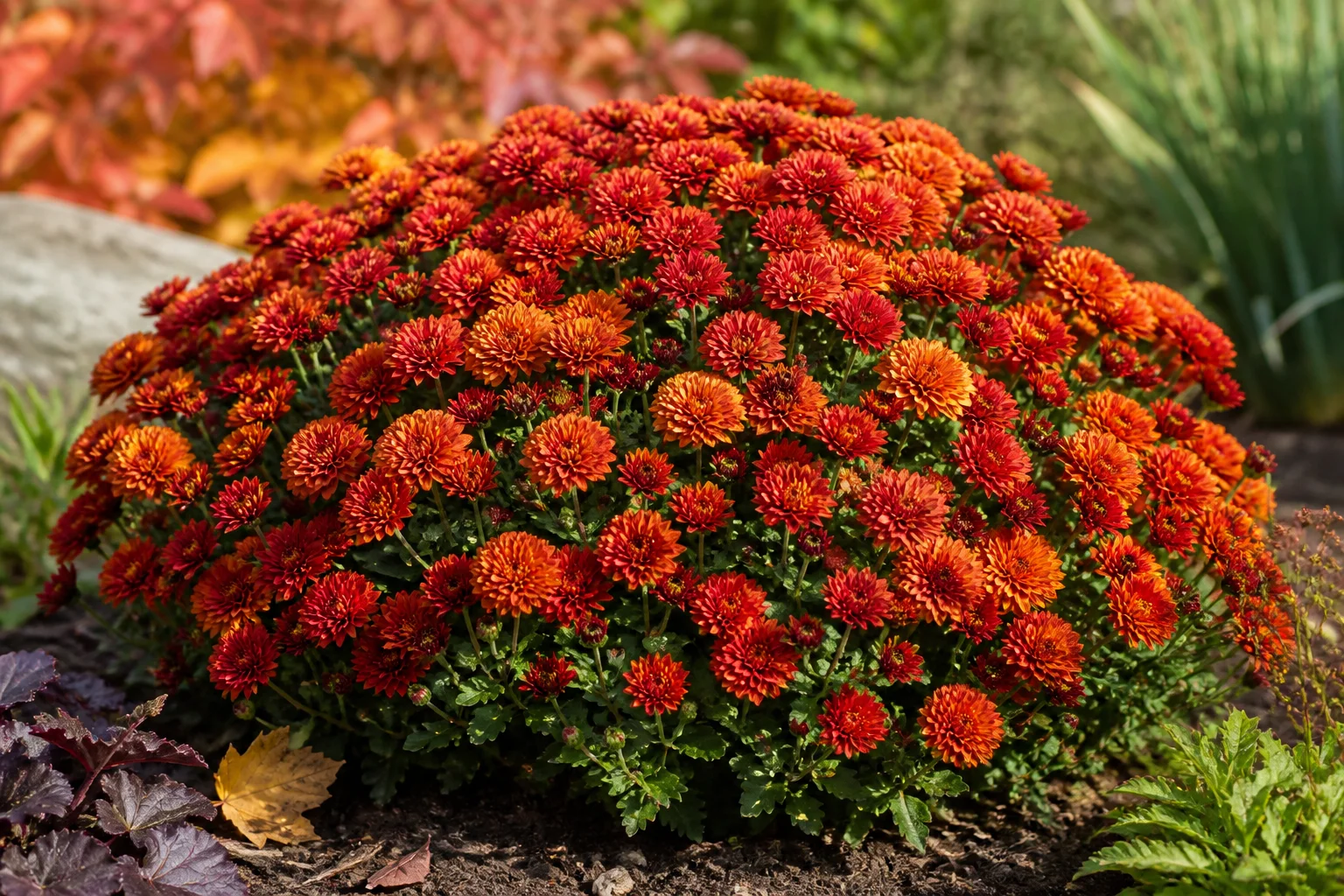
- Zones 5–9Chrysanthemum
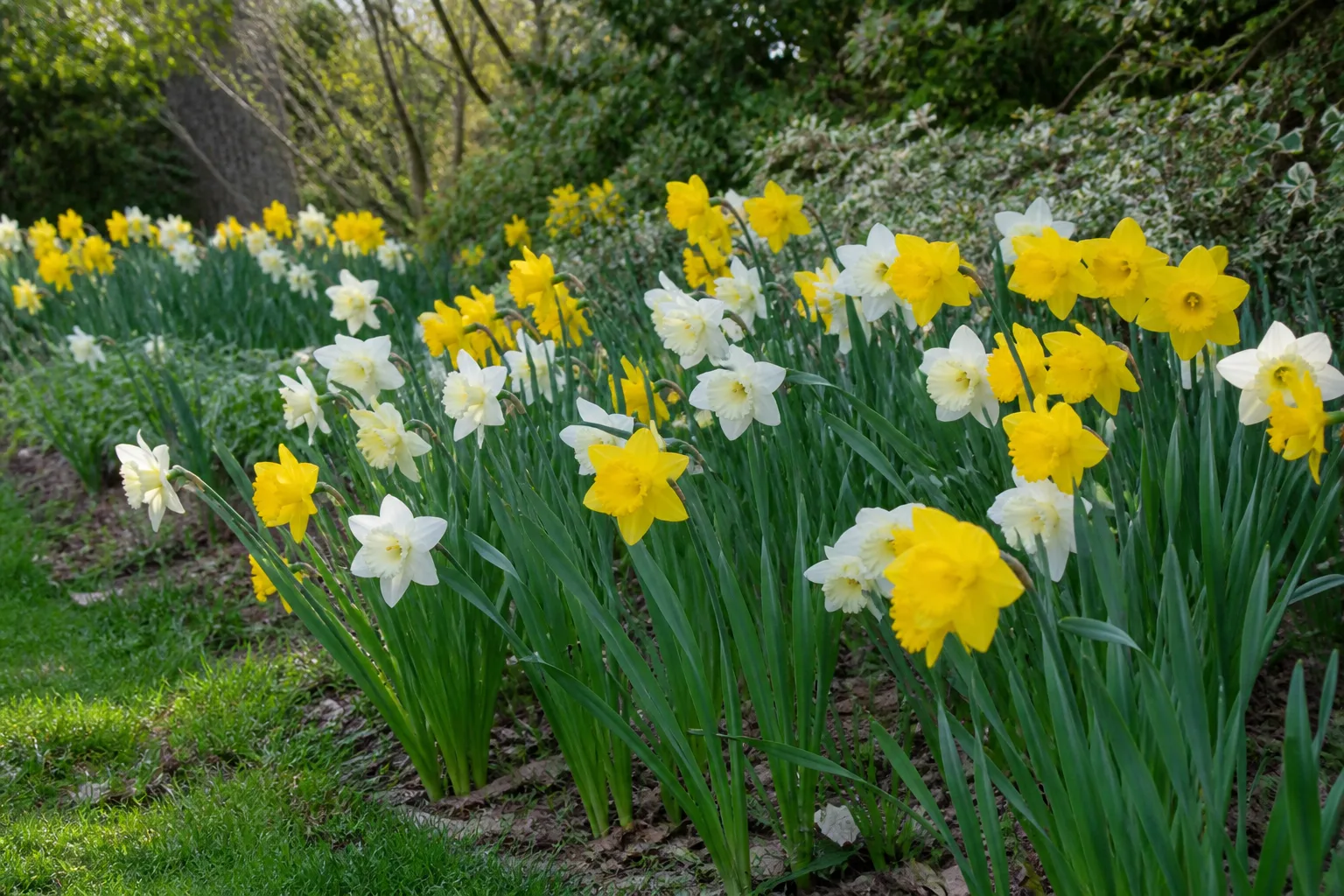
- Zones 3–8Daffodil
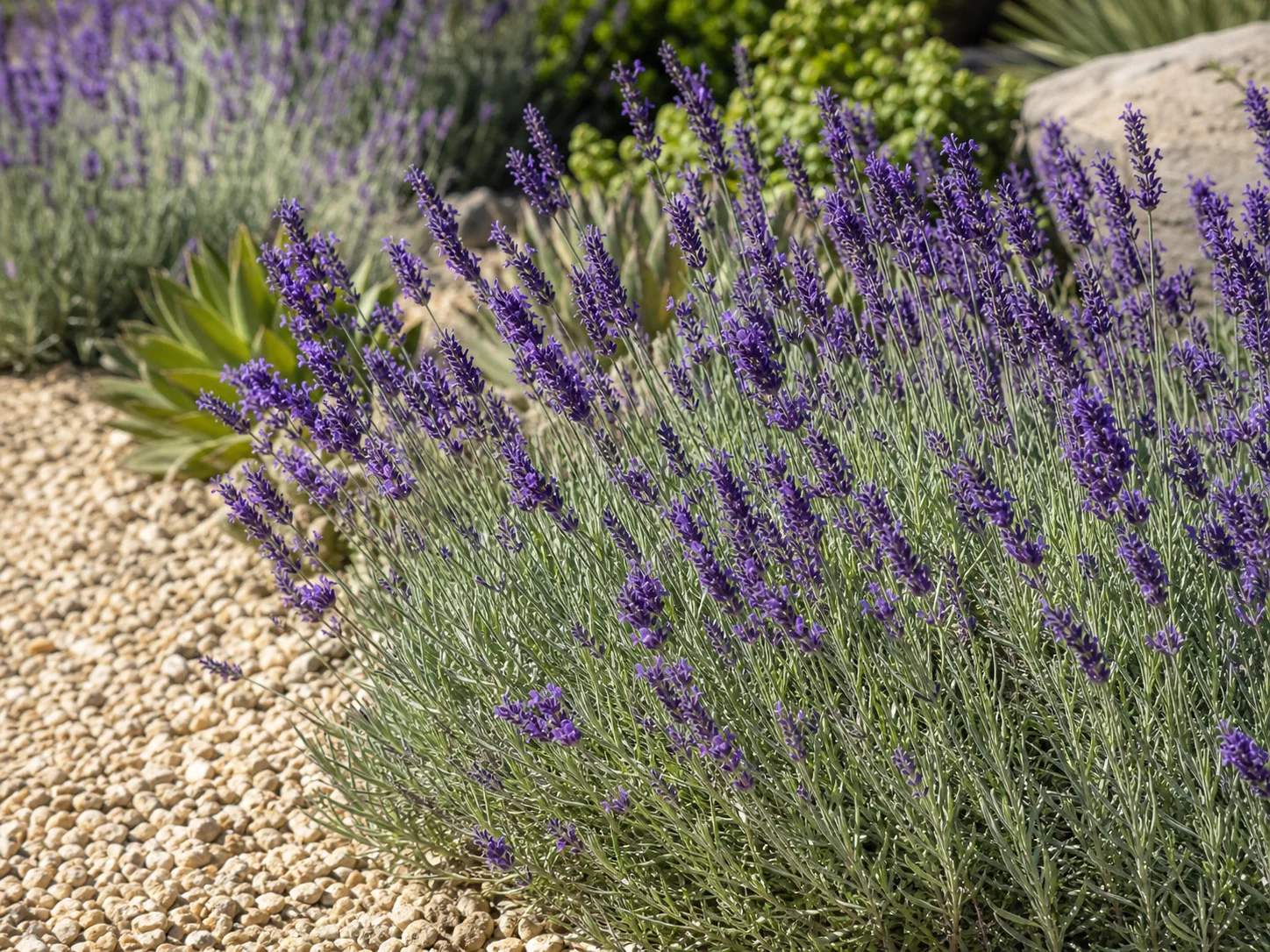
- Zones 5–9English Lavender
Show all 18 rows
| Chrysanthemum | Full sun, 6+ hours for best bloom | Even moisture, never soggy crowns | — | Toxic (sourced) |
| Daffodil | Full sun to light shade in spring | Moist during growth, dry during dormancy | — | Toxic (sourced) |
| Tropical Hibiscus | Full sun to very bright light | Even moisture during active growth | — | No source yet |
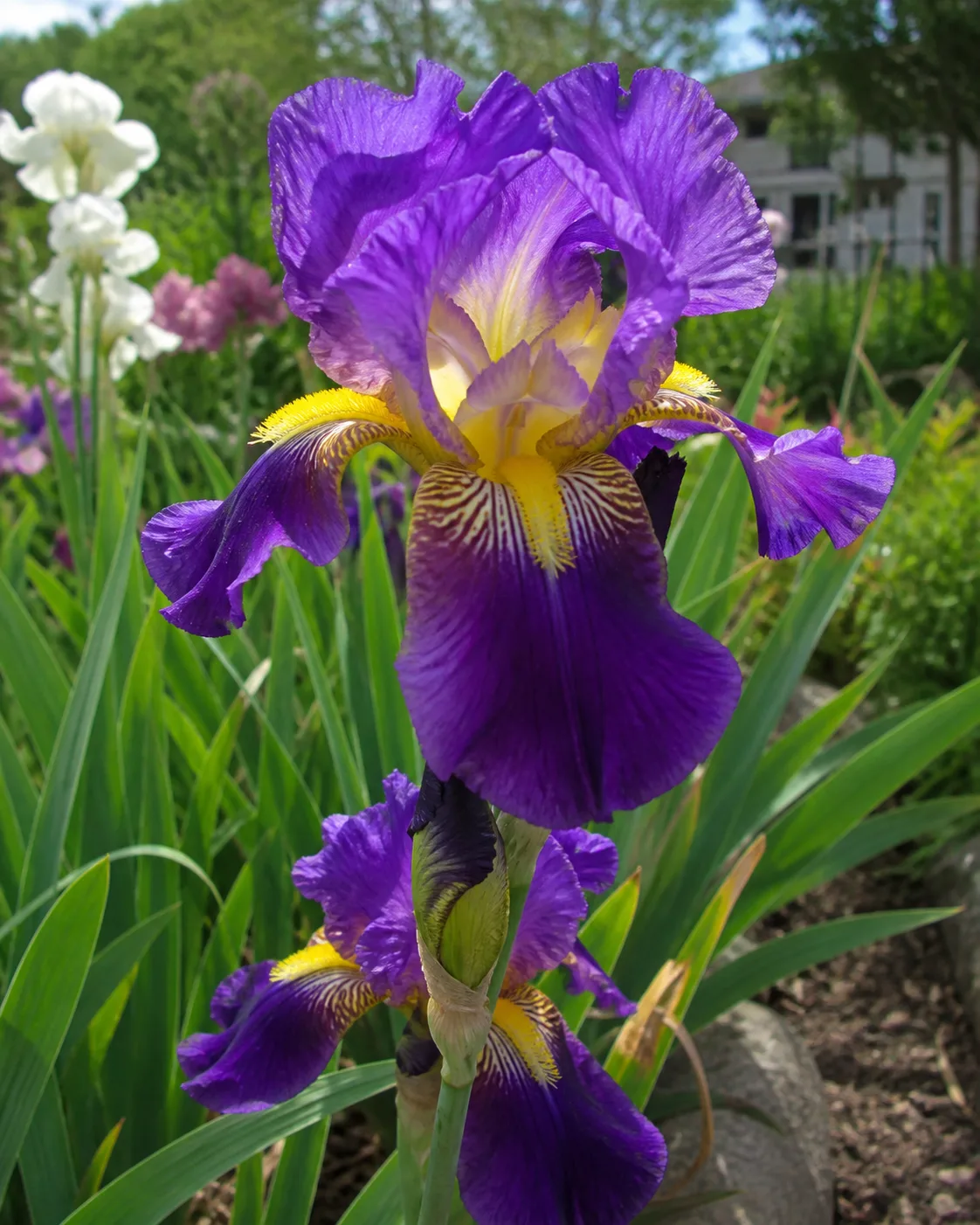
| Bearded Iris | Full sun, afternoon shade in heat | Moderate while establishing, low once settled | — | Toxic (sourced) |
| Knock Out Rose | Full sun, 6+ hours for best bloom | Deep weekly soak once established, more in heat | — | Listed non-toxic (sourced) |
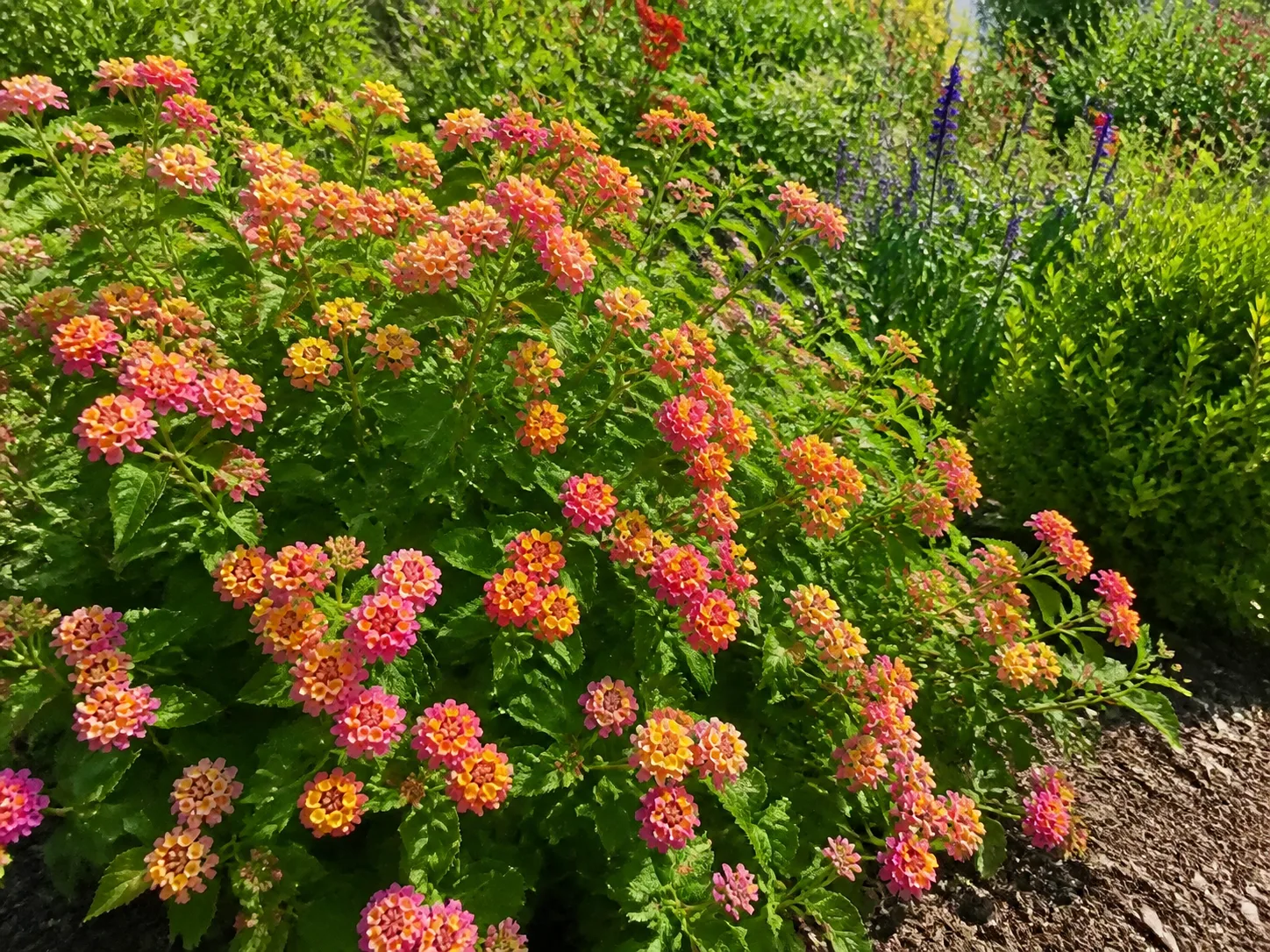
| Lantana | Full sun, 6+ hours for best bloom | Low once established; more often in pots | — | Toxic (sourced) |
| English Lavender | Full sun, 6-8+ hours daily | Low once established; avoid wet crowns | — | Toxic (sourced) |
| Liatris | Full sun, 6+ hours for sturdy spikes | Moderate while establishing, drought tolerant later | — | No source yet |
| Lily | Full sun to light afternoon shade | Even moisture during growth, never soggy bulbs | — | Toxic (sourced) |
| Marigold | Full sun, 6+ hours daily | Moderate while establishing, lower once rooted | Warm-season | No source yet |
| Peony | Full sun, light afternoon shade in hot climates | Moderate, deep watering during dry spells | — | Toxic (sourced) |
| Petunia | Full sun, 6+ hours for best bloom | Consistent moisture, especially in containers | Perennial | Listed non-toxic (sourced) |
| Rose | Full sun, 6-8+ hours for best bloom | Deep watering during dry spells | — | Listed non-toxic (sourced) |
| Salvia | Full sun, 6+ hours for best bloom | Low to moderate once established | — | No source yet |
| Shasta Daisy | Full sun, 6+ hours for best bloom | Moderate; let soil drain between soakings | — | Toxic (sourced) |
| Sunflower | Full sun, 6-8+ hours | Moderate while establishing; drought tolerant later | Warm-season | No source yet |
| Tulip | Full spring sun; shade if warm | Moist in spring; dry during dormancy | Perennial | Toxic (sourced) |
| Verbena | Full sun, 6+ hours | Low to moderate once established | — | No source yet |
Common questions
Why are my bearded iris not blooming?
Bearded iris usually stop blooming because they have too much shade, buried rhizomes, crowded clumps, heavy nitrogen, or poor drainage. Start by exposing the rhizomes and checking sun, then divide if the clump is crowded.
From Bearded Iris
Are garden mums annuals or perennials?
Chrysanthemums are herbaceous perennials by type, but many fall-bought pots act like annuals because they are planted too late to root before winter. Hardy garden mums planted in spring, or in late August or early September, have the best chance of returning, and Virginia Tech adds that they usually bloom best in the first year and then start to decline, so it suggests new plants each year or every other year.
From Chrysanthemum
Do daffodils come back every year?
Yes, daffodils are hardy bulbs in USDA zones 3 through 8 (Penn State). They return best when planted deep, grown in spring sun, kept from summer wetness, and allowed to keep their leaves until they yellow naturally.
From Daffodil
Is English lavender a perennial?
Yes. English lavender is a perennial subshrub in Zones 5 to 9, especially where winters are cold but the soil drains well. Illinois Extension links winter dieback to the soft growth that heavy clay soil produces, so a well-drained site matters as much as the zone.
From English Lavender
Do Knock Out Roses need deadheading?
Knock Out Roses bloom without deadheading, but removing spent clusters keeps shrubs cleaner and can speed the next flush. Cut back to a strong leaf set.
From Knock Out Rose
Turn a choice into a plan
Keep exploring
Perennials
Plants that come back each year, by light and height. 31 plant profiles.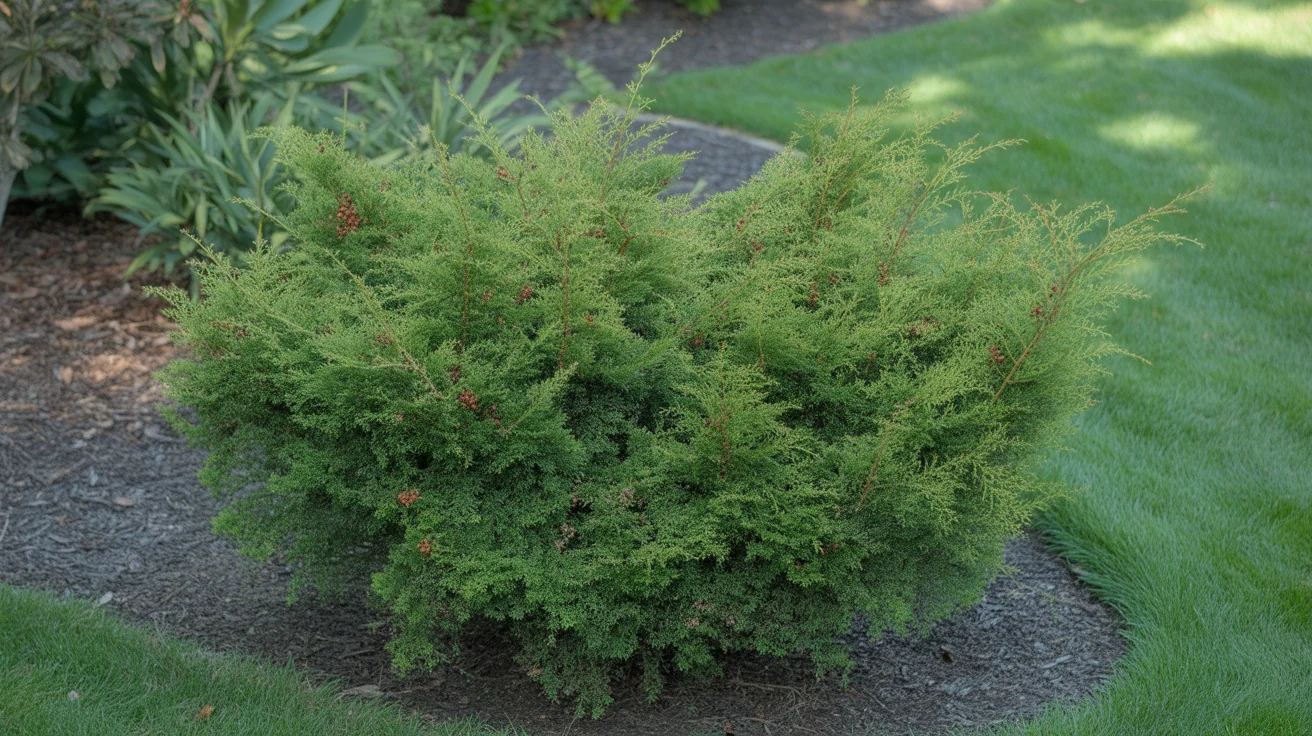
Shrubs
Hedges, screens and flowering shrubs by size and sun. 32 plant profiles.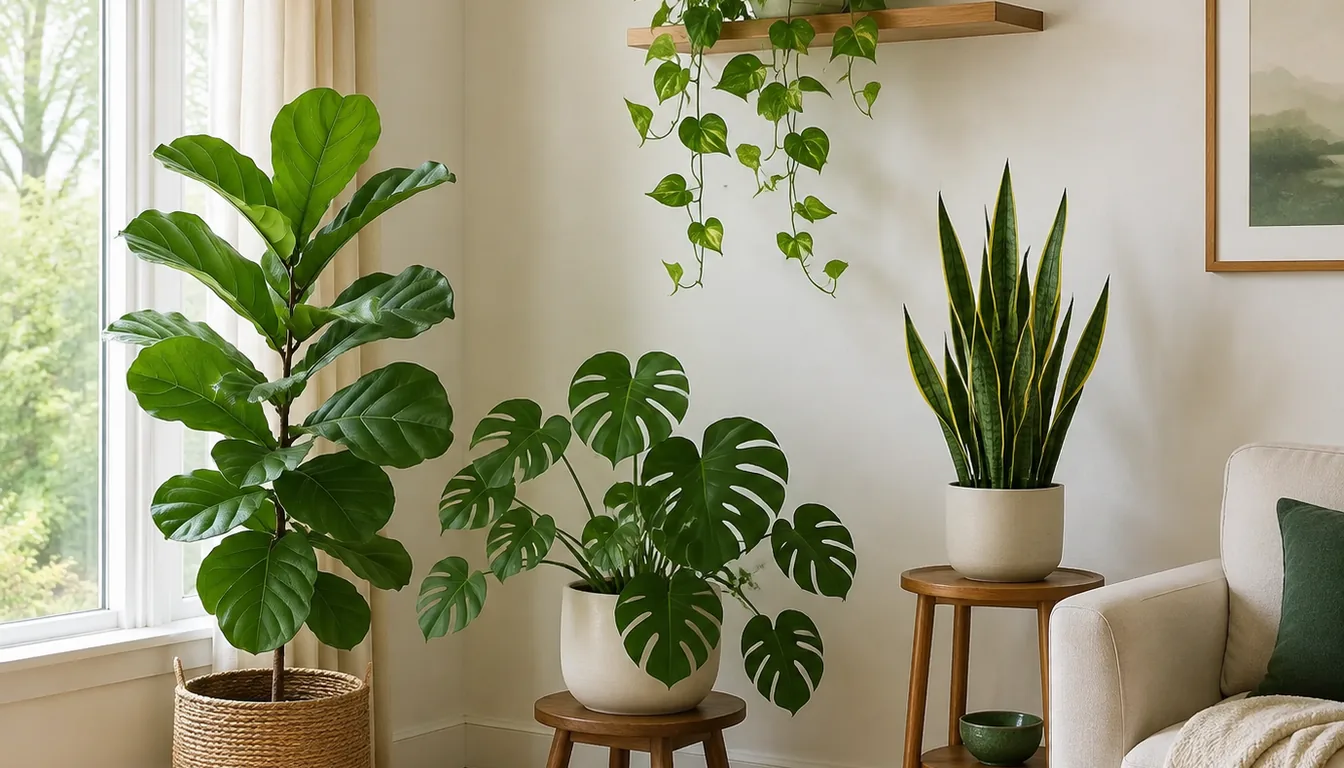
Planting guides
Timing, spacing and soil prep for a good start. 53 guides.About this list
Published profiles: 18 · Climate range: Zones 3–11 · Last updated: Nov 2026
This table covers the 18 flowering plant profiles on KnowTheYard, including roses, spring bulbs such as daffodil and tulip, summer bloomers such as salvia, lantana, and sunflower, and long-lived perennials such as peony and bearded iris. Sort by light, water, or pet safety to narrow the list before you open a profile.
Sun is the first filter for this group. Almost every flower listed here blooms best with six or more hours of direct sun, and several profiles note that light afternoon shade helps only in hot climates. A bed that gets less sun than that usually grows more leaves and fewer flowers, whatever else you change.
Water needs split more sharply. Daffodils and tulips want moisture while they are growing and a dry spell once the foliage dies back, lavender and bearded iris rot in wet ground, and petunias in containers need steady moisture through summer. Read the water column as a starting point, then check the drainage notes in each profile.
Planting depth and timing decide bloom for several of these plants. A peony set too deep or a bearded iris rhizome planted too deep can stay healthy and still refuse to flower, so the planting sections in those profiles are worth reading before you dig.
Many popular flowers are on toxicity lists for cats or dogs, including lilies, tulips, daffodils, and peonies, so the pet-safety column shows a status only when we could tie it to a named source. Each profile lists its sources and the date of its last update.

How every guide is made

KnowTheYard Editorial publishes every guide, with its sources and last-changed date on the page.