
Best White Flowers for Evening, Shade, and Every Season
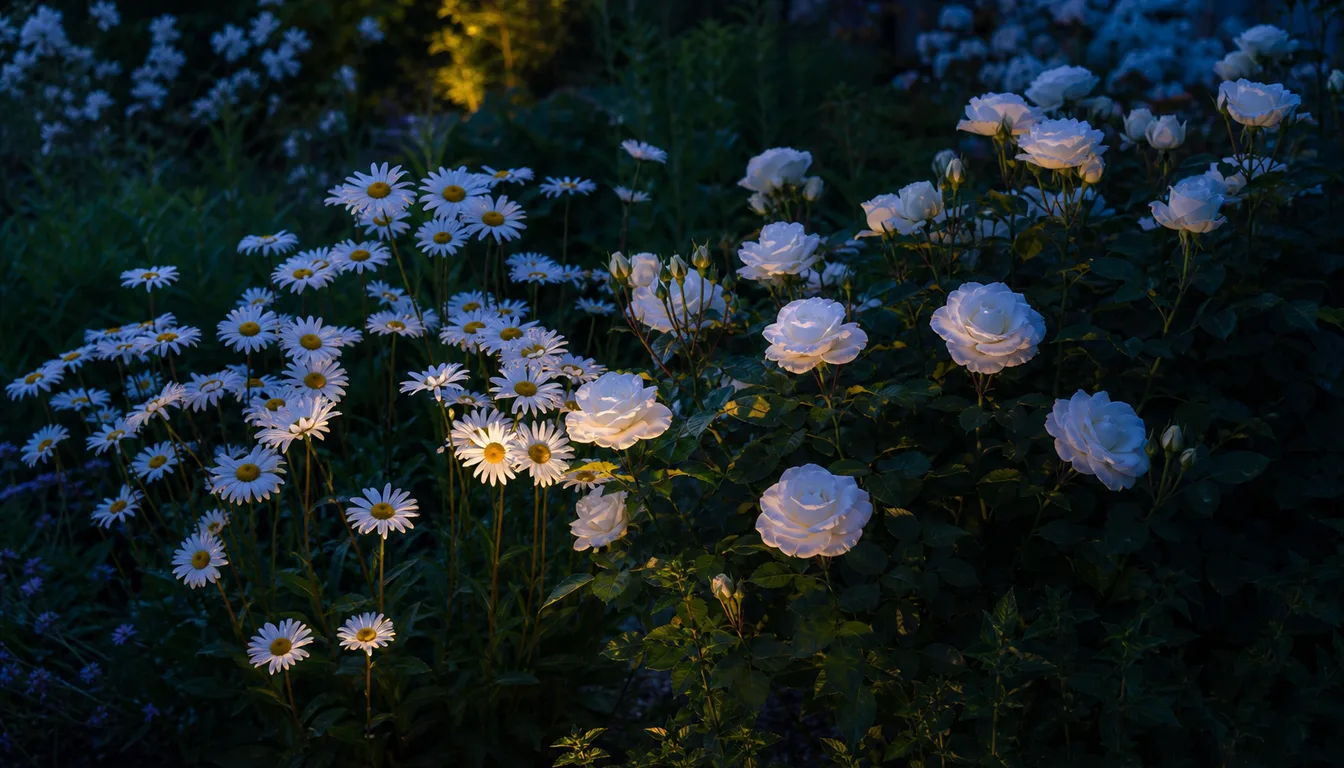
The best white flowers solve a specific job. They remain visible at dusk, brighten shade, add fragrance near a seat, or carry a border between stronger colors.
Choose them by light, mature height, bloom season, and how closely you can inspect aging petals.
Gardenia and lilies earn space near evening seating, while hosta and astilbe brighten shaded beds. Shasta daisy, phlox, peony, hydrangea, and viburnum cover different heights and seasons in brighter sites.
White petals show rain marks and browning quickly, so place delicate blooms away from roof drip lines and remove spent flowers when they become distracting.
At a glance
The Jobs Only White Can Do
White reflects light across the whole visible spectrum rather than absorbing most of it, which is a physical fact rather than a design opinion. Every job below is that one property doing something useful.
It is the last color the eye can still resolve as light fades, so a white bloom keeps reading after every other flower has gone to silhouette. The same reflectivity bounces light into a shaded corner where saturated reds and purples turn muddy, and because pale objects read as further away than dark ones, white at the far end of a short garden makes it feel deeper.
The cost is the same property working against you, because a surface that reflects everything also shows every brown mark.
Pick the job before the plant, whether that is white for evening, white for a dark corner, white for depth, or white to calm a bed that has too much going on. White chosen as a default is the one that ends up looking tired.
Why Are So Many Night-Scented Flowers White?
Most gardeners notice the pattern without naming it. Many flowers that smell strongest after dark are white or very pale, and that combination helps night-flying pollinators find them.
Moths use pale flowers as visual targets in low light, while fragrance can lead them toward a bloom from farther away. A moth-pollinated flower often combines both signals and releases more scent on the same schedule its visitors fly.
The practical consequence is that the fragrant list and the white list overlap enough to plan them together. Color alone does not guarantee scent, so check the species and cultivar before buying.
Planting a Moon Garden
A moon garden is placed by where the household actually sits after dark, not by where the bed photographs best. That distinction decides whether it works.
Fragrance weakens with distance and moves unpredictably with air currents. Put scented flowers beside a seat, doorway, or path where people will pass close enough to notice them.
Silver and variegated foliage does the connecting work between flowers, holding light in the gaps so the bed reads as one glowing mass rather than scattered spots.
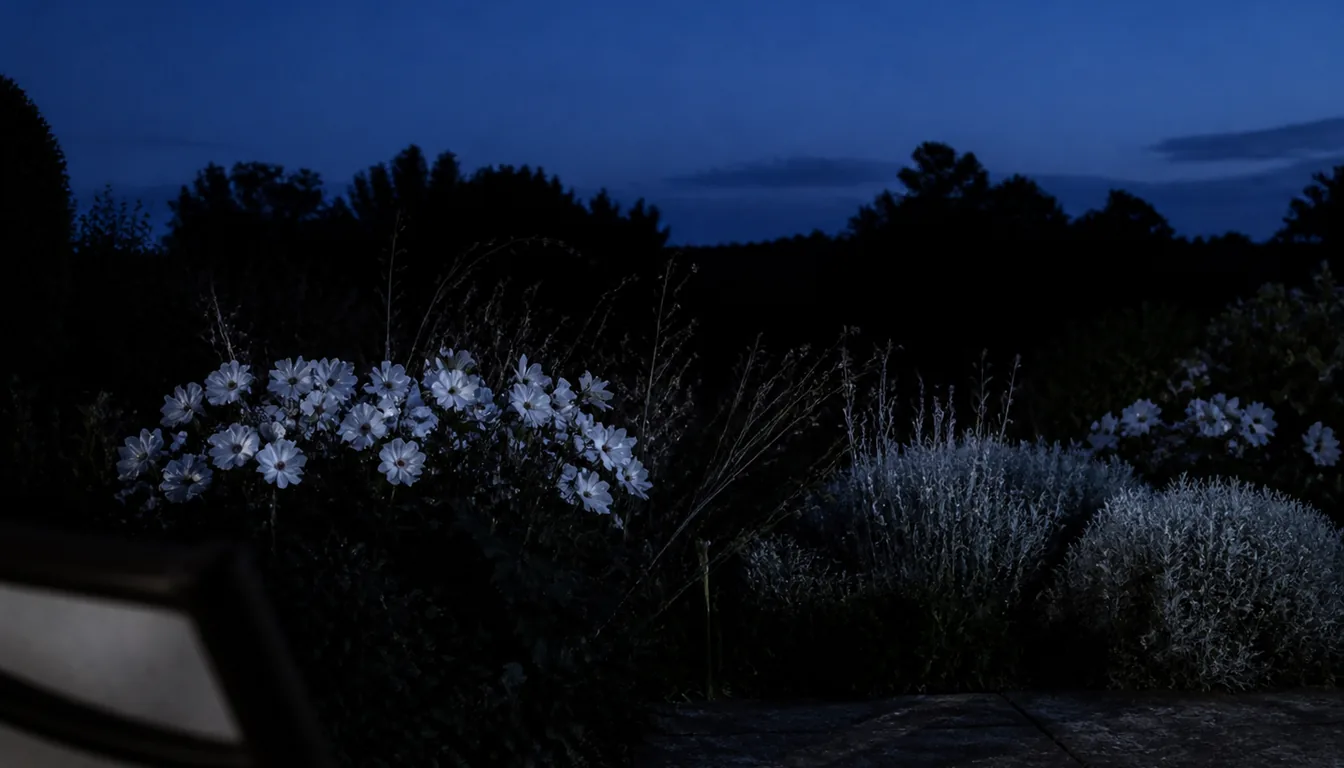
- Beside the seat: fragrant whites such as gardenia and stock
- Along a night path: low flowers and pale foliage at ankle to knee height
- Mid-bed: shasta daisy and white phlox for a larger flower mass
- Far end: the tallest whites, which pull the eye outward and add depth
Whites by Light and Height
Light comes before every other choice with this color, because white is the one color that genuinely performs in both sun and shade and does a different job in each.
In sun it reads as crisp and clean and holds its own against strong colors. In shade it does the work no other color can, since it is the only thing that stays legible where saturated tones go flat.
Then match the height to the tier you need filled, because a 6-inch hosta and a 12-foot viburnum are both correct answers to different questions.
| Plant | Light | Height | When it flowers |
|---|---|---|---|
| Hosta | Part to full shade | 6 in to 3 ft | Summer, grown for foliage |
| Astilbe | Part to light shade | 1-4 ft | Early to midsummer |
| Shasta daisy | Full sun | 12-36 in | Midsummer, long run |
| Garden phlox | Sun to light shade | 2-4 ft | Midsummer, 6-8 weeks |
| Peony | Full sun | 2-4 ft | Late spring, about 2 weeks |
| Gardenia | Morning sun, afternoon shade | 3-6 ft, dwarfs 2-3 | Early summer, scented |
| Hydrangea | Morning sun, afternoon shade | 3-6 ft | Summer into fall |
| Viburnum | Sun to partial shade | 4-12 ft | Spring, back of the bed |
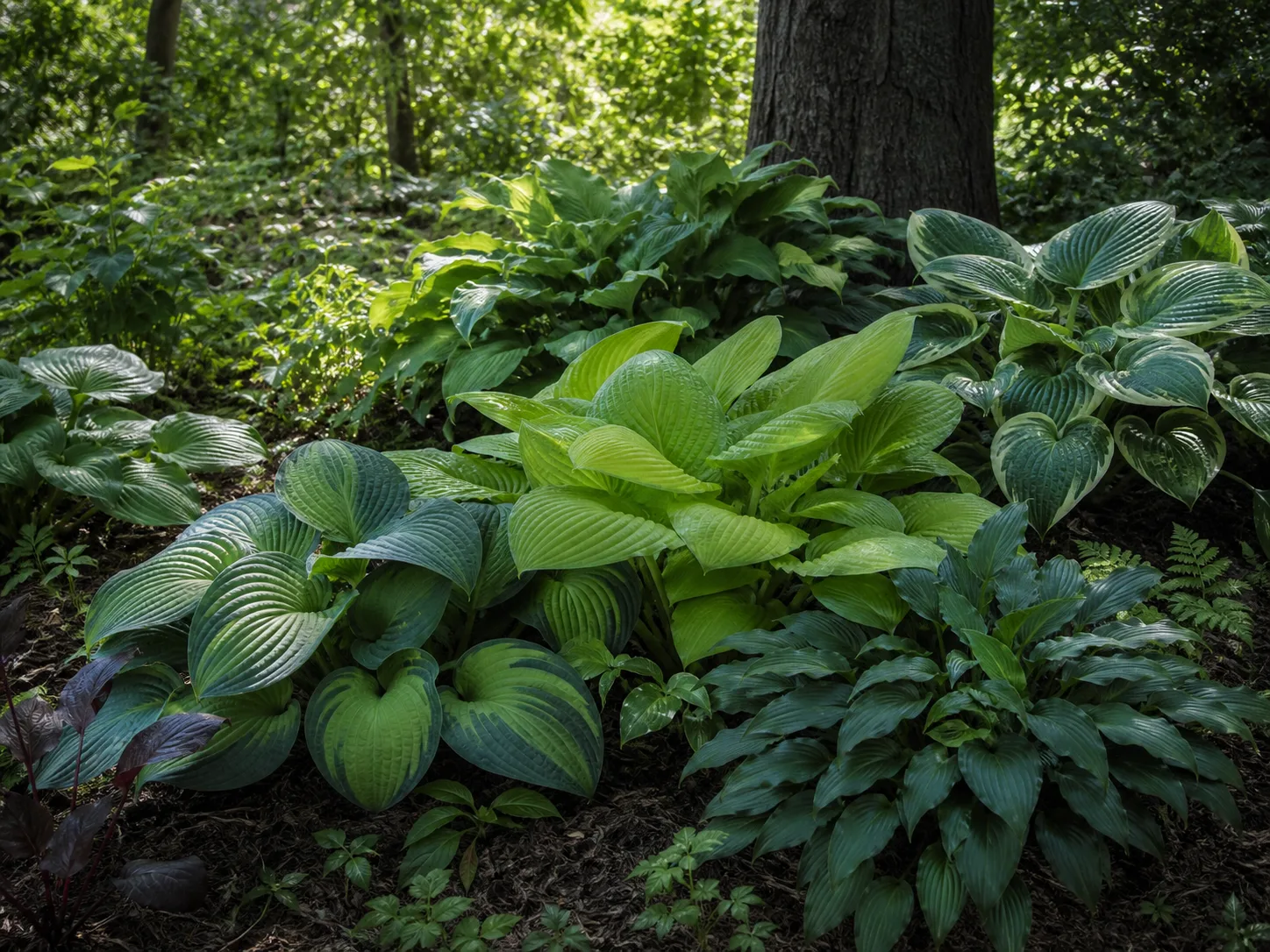
Hosta
Pale foliage and summer flowers for the darkest part of the bed
- Mature fit
- Choose a cultivar by mature spread because sizes range from edging plants to broad clumps
- Main tradeoff
- Slugs, deer, and hot afternoon sun can mark the leaves
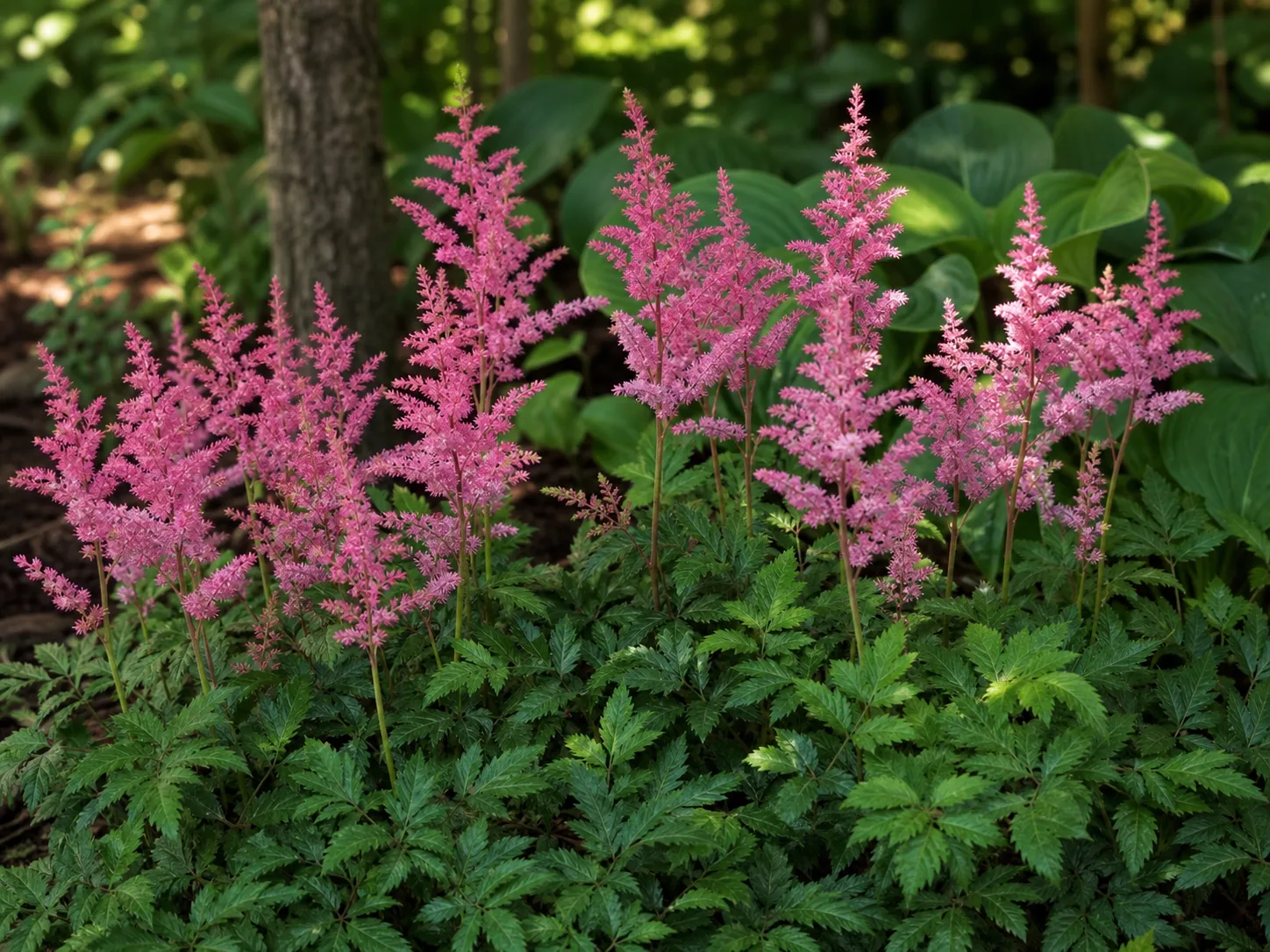
Astilbe
Feathery white plumes for moist soil in partial shade
- Mature fit
- Use compact selections near the edge and taller ones through the middle
- Main tradeoff
- Dry soil shortens bloom and scorches the foliage
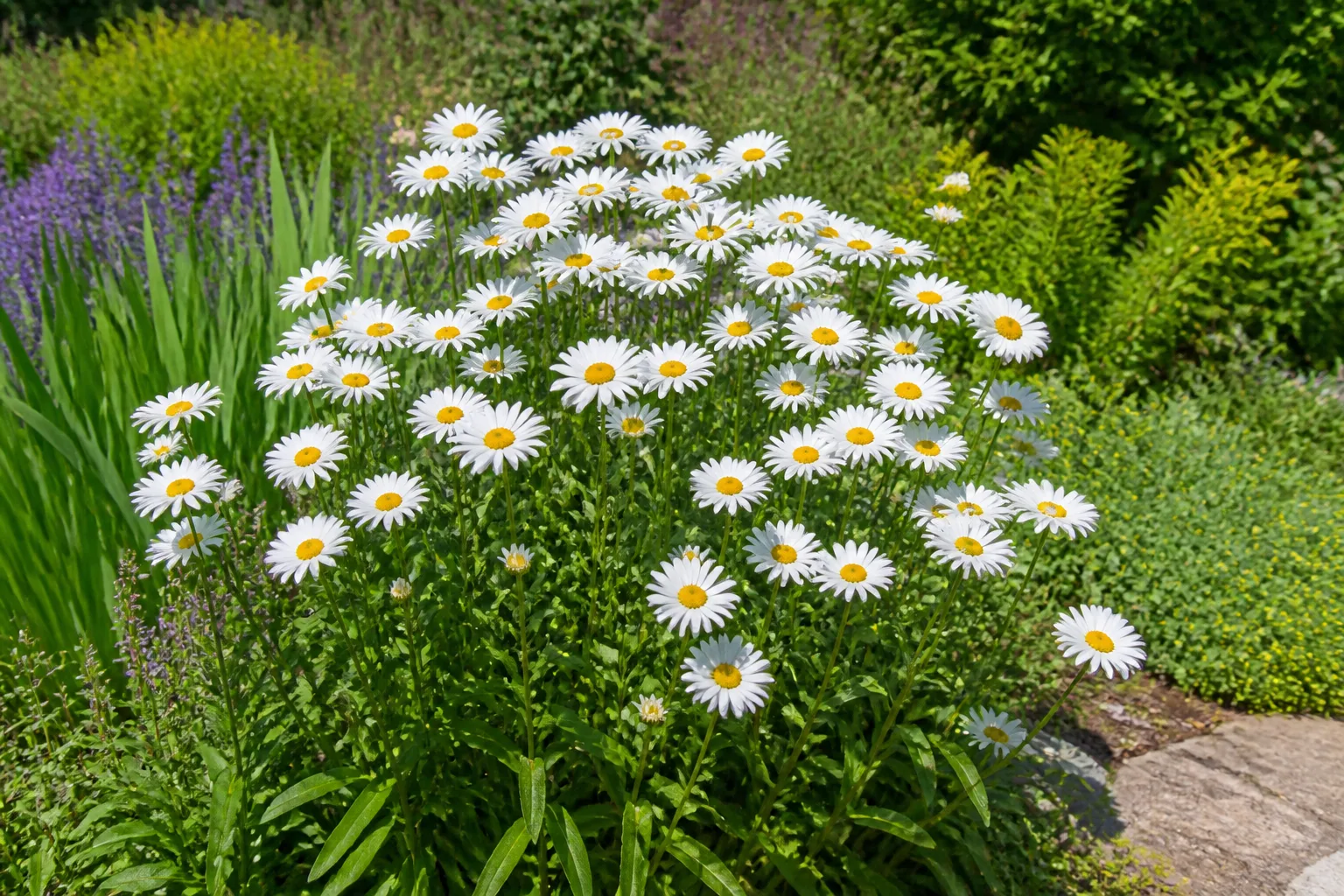
Shasta Daisy
A long-running white flower for a sunny summer border
- Mature fit
- Give the clump open sun and enough room for air to move through it
- Main tradeoff
- Spent flower heads turn brown quickly and need regular removal for a clean display
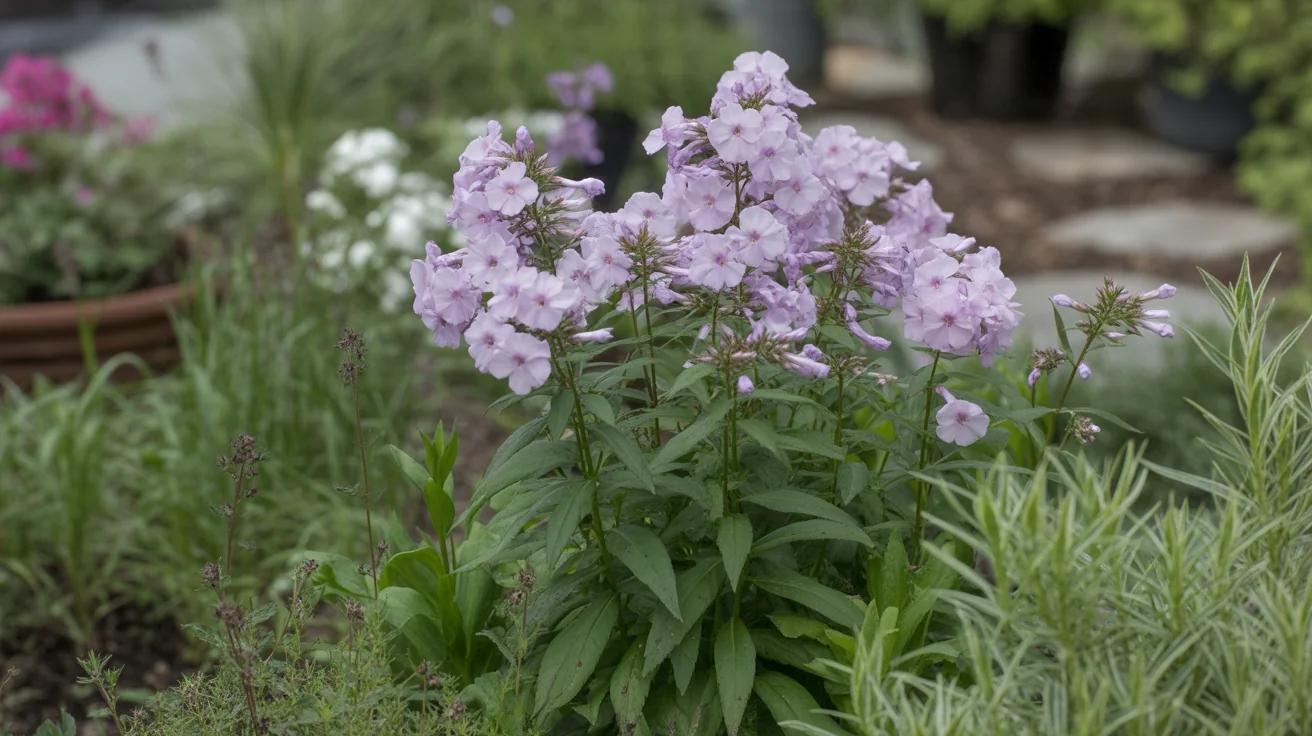
Garden Phlox
Mid-to-late summer flower clusters for the middle or back of a border
- Mature fit
- Place tall garden phlox where shorter plants can cover its lower stems
- Main tradeoff
- Crowded growth and wet leaves increase powdery mildew risk
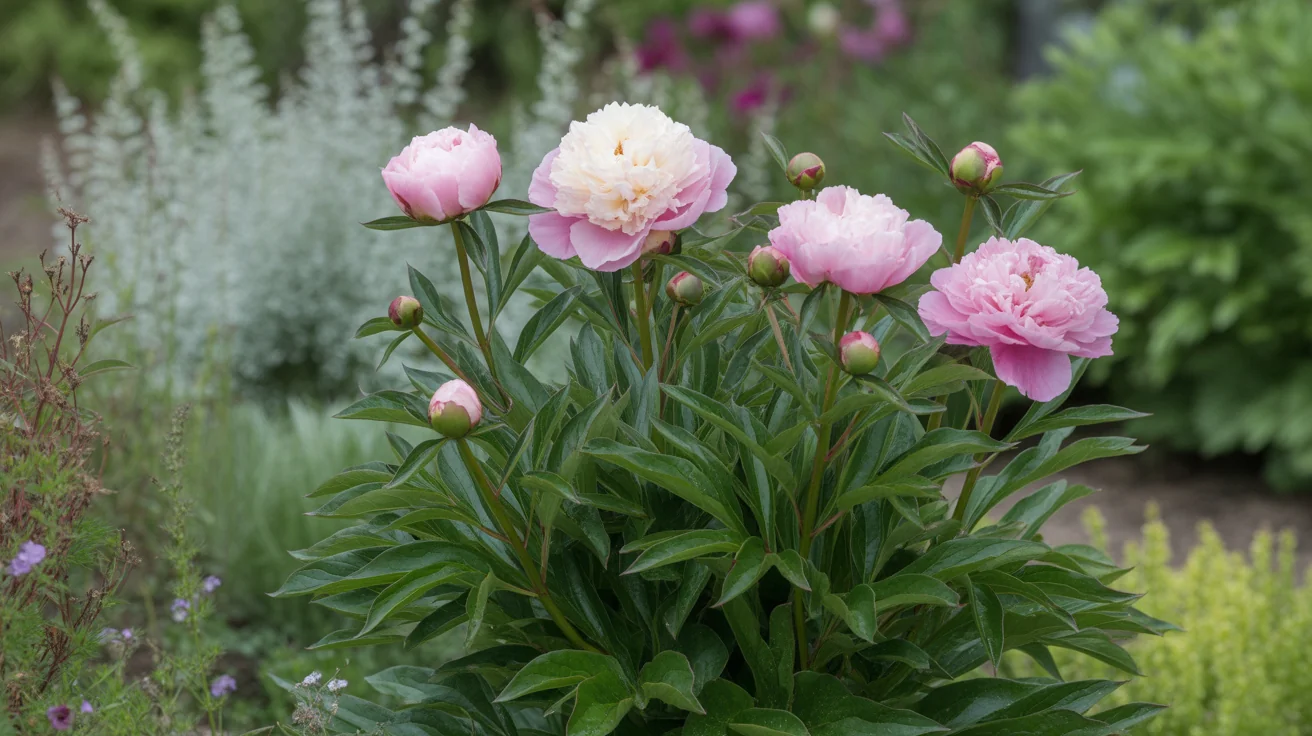
Peony
Large late-spring flowers from a long-lived sunny clump
- Mature fit
- Choose a permanent position where the crown can remain undisturbed
- Main tradeoff
- The main bloom window is brief and heavy flowers may need support
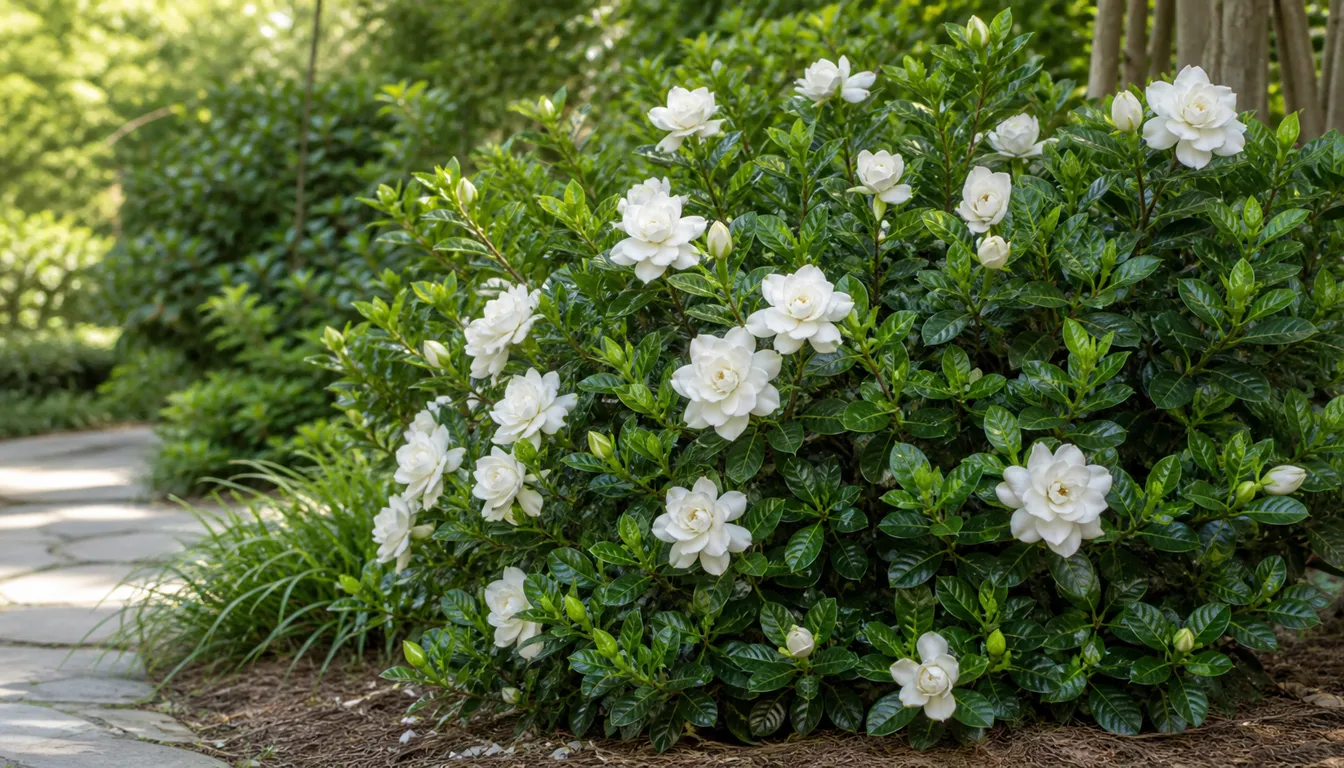
Gardenia
Fragrant white flowers beside an evening seat or doorway
- Mature fit
- Provide morning sun, afternoon shelter, and room for the selected cultivar
- Main tradeoff
- Cold, alkaline soil, and irregular moisture can stop buds from opening
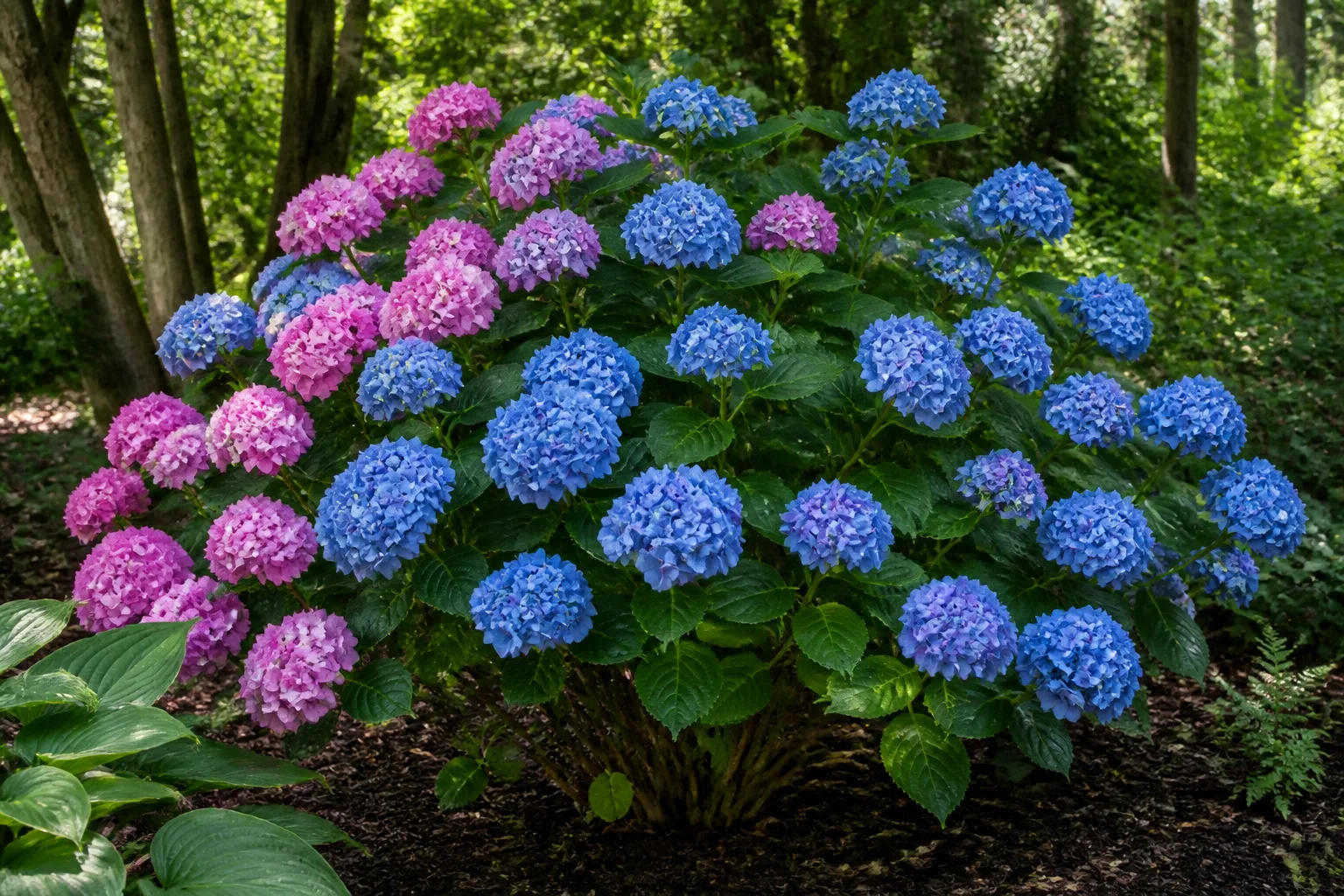
Bigleaf Hydrangea
Large summer flower heads for a bright or partly shaded backdrop
- Mature fit
- Choose by mature width before placing it beside a path or wall
- Main tradeoff
- Flowering wood and pruning time differ by hydrangea type
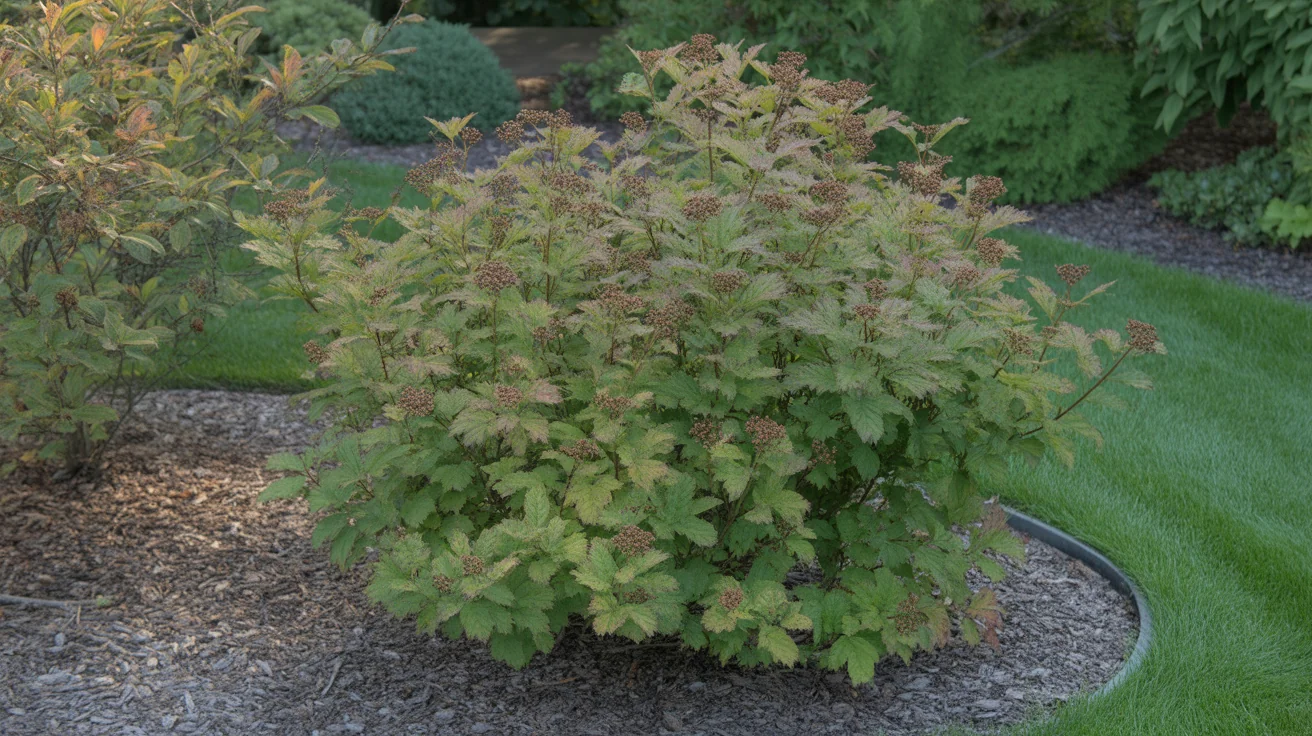
Viburnum
A spring-flowering shrub that gives the white border height and structure
- Mature fit
- Match the species to the available height and width because sizes vary widely
- Main tradeoff
- A shrub placed too tightly cannot be kept small with harmless yearly pruning
White in Shade and Small Yards
In low light a deep red or purple absorbs what little light there is and goes muddy, while white keeps reflecting whatever reaches it. That is why a shaded corner comes alive with white and stays gloomy with almost anything else.
The same reflectivity buys depth in a short garden, but only if the white is placed rather than scattered. Spread evenly through a bed it cancels out, while grouped at the far end it pulls the boundary backward.
- Far end of a short garden: groups the white where it reads as distance
- Foreground only: shortens the garden instead, which is the mistake to avoid
- Along a shaded edge: lights the path without needing a fixture
- Pale and variegated foliage: carries the same effect in the weeks nothing is flowering
Why White Flowers Look Dirty
A brown edge that vanishes on a red bloom is obvious on a white one within a day, so white is not harder to grow, it is harder to keep looking good.
Check the flowers as part of a weekly walk, then remove spent or weather-marked blooms when they interrupt the display. Rain, overhead irrigation, and hard afternoon sun often mark petals even when the plant itself remains healthy.
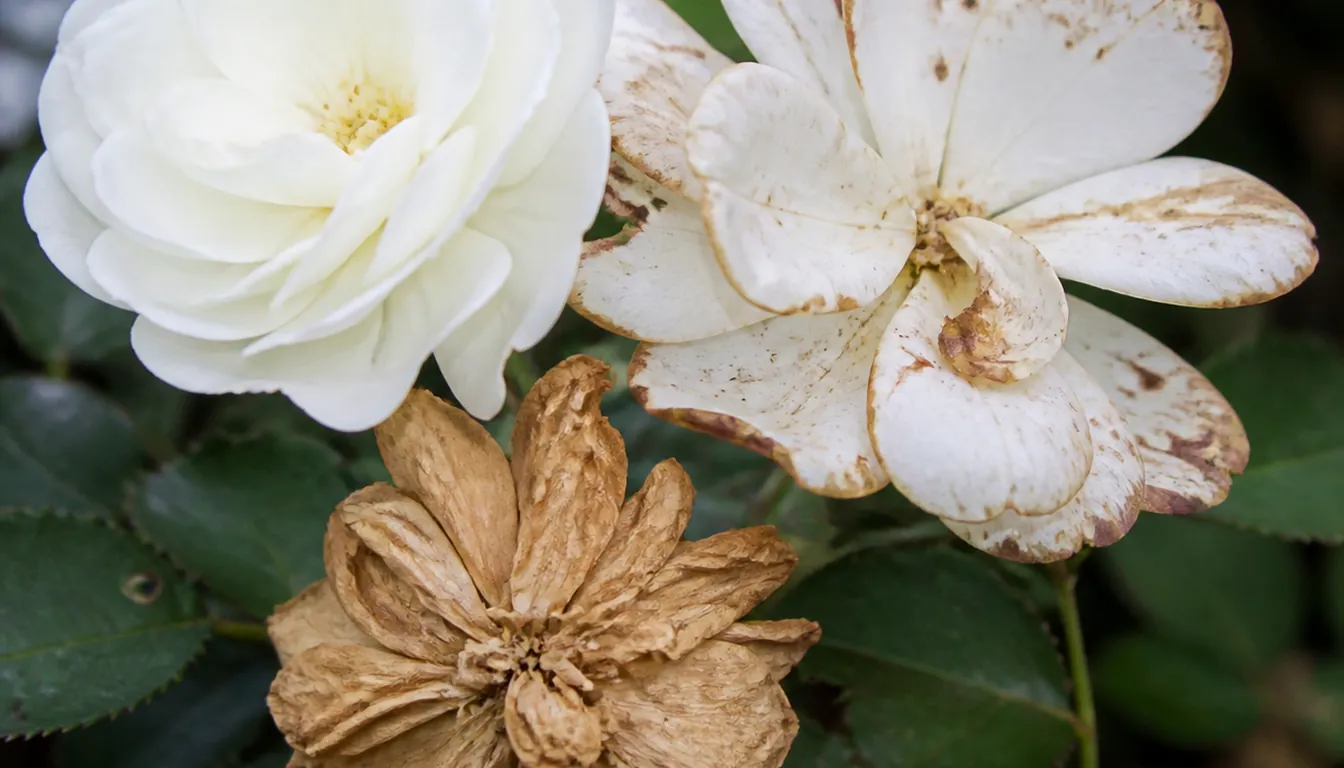
- Remove browned blooms: white petals make normal aging easy to see
- Shelter delicate flowers from hard afternoon sun: thin petals scorch first
- Keep them away from roof drip lines and driving rain: both can spot pale petals
- Water at the soil line: this keeps mud from splashing onto low blooms, and watering timing helps reduce leaf wetness
A White Border That Holds All Season
A border built on one flowering shrub is a green hedge for most of the year, which is the usual reason a white planting disappoints.
Stack the bloom windows instead, so something is carrying the glow in every stretch of the season rather than one spectacular two weeks followed by fifty quiet weeks.
Pro Tips
- Choose white for a named job, since white as a default is what ends up looking tired.
- Put scented whites beside a seat, doorway, or path where people will pass close enough to notice them.
- Group white at the far end of a short garden, never scattered evenly through it.
- Check white flowers weekly and remove browned or weather-marked blooms when they interrupt the display.
- Use hosta and astilbe where shade would swallow any other color.
- Add silver and variegated foliage to hold the glow between bloom periods.
- Expect a white rose to show disease early, which is useful as well as annoying.
Frequently Asked Questions
Why are so many night-scented flowers white?
Because they are pollinated by night-flying moths, which navigate by contrast rather than color, and white holds contrast longest after sunset. The scent is released on the same schedule the moth flies, which is why gardenia, oriental lily and night-scented stock all come alive at dusk.
How close does a fragrant plant need to be?
Keep fragrant flowers beside a seat, doorway, or path where people pass close to them. Scent strength changes with the plant, temperature, and moving air, so a fixed distance is less useful than placing the plant on a route you actually use.
What white flowers grow in shade?
Hosta from 6 inches to 3 feet and astilbe from 1 to 4 feet both carry part to full shade, and white hydrangea works with morning sun and afternoon shade. Shade is where white is genuinely useful rather than just pretty, because saturated colors go muddy in low light.
Do white flowers make a garden look bigger?
They can, because pale objects read as further away than dark ones at the same distance. Group the white at the far end and along the edges, since white scattered evenly through a bed cancels the effect and white in the foreground shortens the garden.
Why do my white flowers always look brown?
White shows what other colors hide, so ordinary aging is easy to see on pale petals. Check blooms weekly, remove brown or weather-marked flowers, and shelter delicate kinds from hard afternoon sun and driving rain.
Sources & References
Related Guides

Best Butterfly Garden Plants for a Complete Habitat
The best butterfly garden plants do two different jobs. Host plants feed caterpillars, while nectar…
15 min read
Best Fall-Blooming Flowers for Color Near Frost
A bed that still carries flowers in October usually was planned before temperatures fell.
9 min read
Best Fast-Growing Trees for Shade and Privacy
The best fast-growing tree is the one whose mature crown, roots, climate range, and maintenance…
16 min read
Best Fragrant Flowers for Every Yard and Season
The best fragrant flowers depend on climate, light, space, and the hours you use the yard.
15 min read
Best Full-Sun Perennials for Hot, Bright Beds
The best full-sun perennials are the ones that match the bed's soil moisture and drainage, local…
14 min read
Best Ground Cover Plants for Sun, Shade, and Slopes
The best ground cover is a plant that survives the site and performs the job without escaping into…
18 min read