
Best Fragrant Flowers for Every Yard and Season
The best fragrant flowers depend on climate, light, space, and the hours you use the yard. Lilac and peony suit cold-winter yards, gardenia belongs in mild climates, lavender needs sharp drainage, and flowering tobacco saves its scent for evening.
Start with the plant's winter hardiness, mature size, and bloom window.
Then check the named cultivar for fragrance, because two roses, peonies, or nicotianas sold under the same common name may smell very different.
A useful fragrant garden puts scent near a path, chair, doorway, or open window and hands the job from one season to the next. One well-placed fragrant plant can be more noticeable than a whole bed at the far end of the yard.
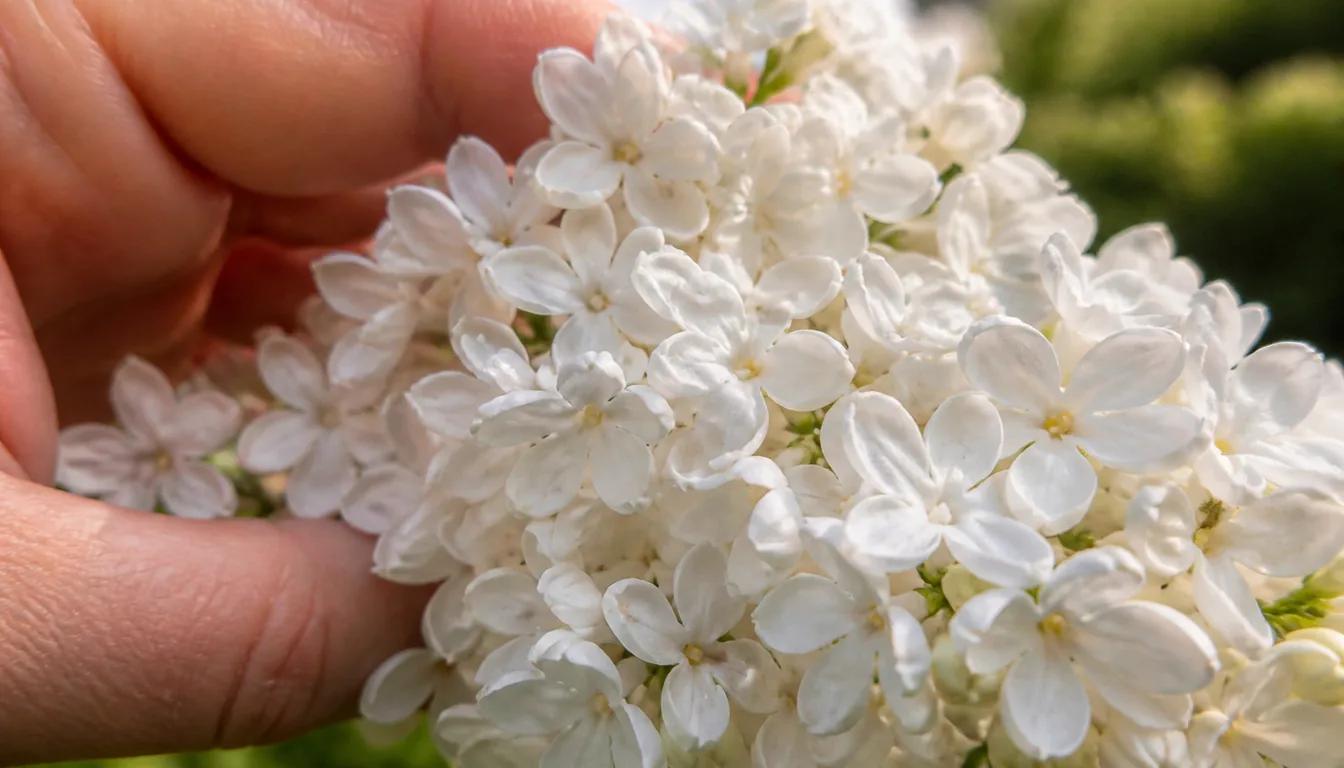
At a glance
The Fragrant Flowers Worth Buying First
Choose from the table by site and season before choosing by flower color.
The tradeoff column matters most. A wonderful two-week lilac may still be the wrong shrub for a tiny yard, while a modest patch of sweet alyssum can perfume a container for months.
Hardiness varies among species and cultivars, so the zone ranges below are useful starting points rather than substitutes for the plant label. A plant at the warm or cold edge of its range also benefits from a protected site.
| Plant | Best site | Main bloom window | Typical mature fit | The catch |
|---|---|---|---|---|
| Sweet box | Part to full shade; Zones 6-8 | Late winter to early spring | 2-5 ft shrub, depending on species | Slow spread and needs moisture while establishing |
| Lilac | Full sun; commonly Zones 3-7 | Mid to late spring | 5-15 ft shrub, depending on cultivar | Powerful but brief bloom; needs room and winter chill |
| Mock orange | Full sun to part shade; Zones 4-8 | Late spring to early summer | 6-12 ft deciduous shrub | Plain after bloom and may become leggy |
| Peony | Full sun; commonly Zones 3-8 | Late spring to early summer | 2-4 ft perennial clump | Fragrance varies sharply by cultivar; flowers are brief |
| Dianthus | Full sun and fast drainage; range varies | Late spring into summer | 6-24 in edging plant | Wet soil and stagnant air invite crown and leaf disease |
| Rose | Full sun; range varies by class | Late spring to frost on repeat bloomers | 2-15+ ft shrub or climber | Scent and disease resistance must be checked cultivar by cultivar |
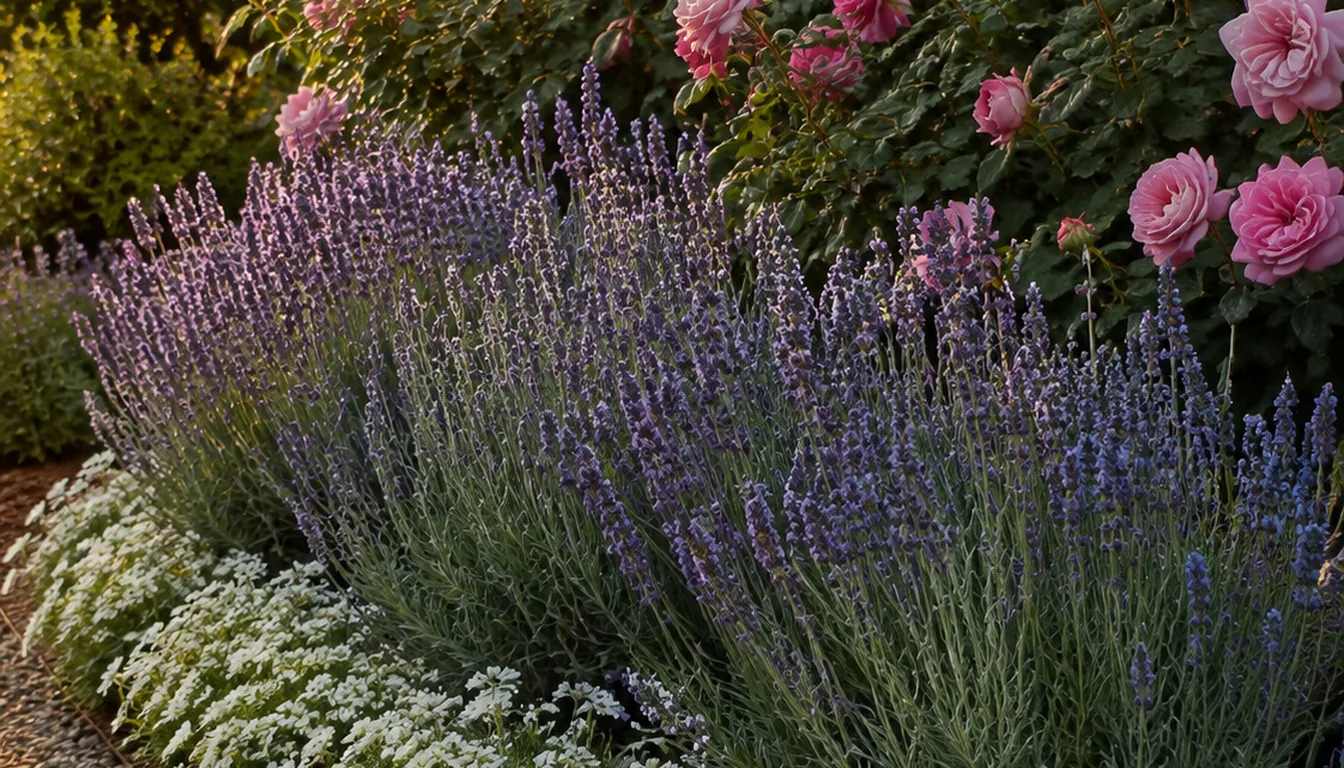
| English lavender | Full sun and lean, fast-draining soil; commonly Zones 5-8 | Early to midsummer | 1-3 ft mound | Short-lived in humid sites or wet winter soil |
| Garden phlox | Full sun to light shade; Zones 4-8 | Midsummer to early fall | 2-4 ft perennial | Needs airflow and moisture; cultivar resistance matters for mildew |
| Oriental lily | Sun with a cool root zone; range varies | Mid to late summer | 3-6 ft upright stems | Highly dangerous to cats and may need staking |
| Gardenia | Morning sun or bright part shade; mild climates | Late spring through summer | 3-8 ft evergreen shrub | Cold tender and particular about acidic, well-drained soil |
| Fragrant hosta | Part shade with steady moisture; commonly Zones 3-9 | Late summer | 18-30 in foliage mound and taller flower scapes | Only fragrant species and cultivars provide the promised scent |
| Sweet alyssum | Sun to part shade; grown as an annual in most yards | Spring to frost, with a summer pause in heat | 4-10 in edging or container spill | Can fade during hot weather and may self-seed |
| Flowering tobacco | Sun to part shade; tender annual | Summer to frost | 1-5 ft, depending on selection | Many compact hybrids have little or no fragrance |
| Moonflower | Full sun and a sturdy support; tender vine | Midsummer to frost | 10-15 ft annual vine | Opens late, needs a long warm season, and seeds are toxic |
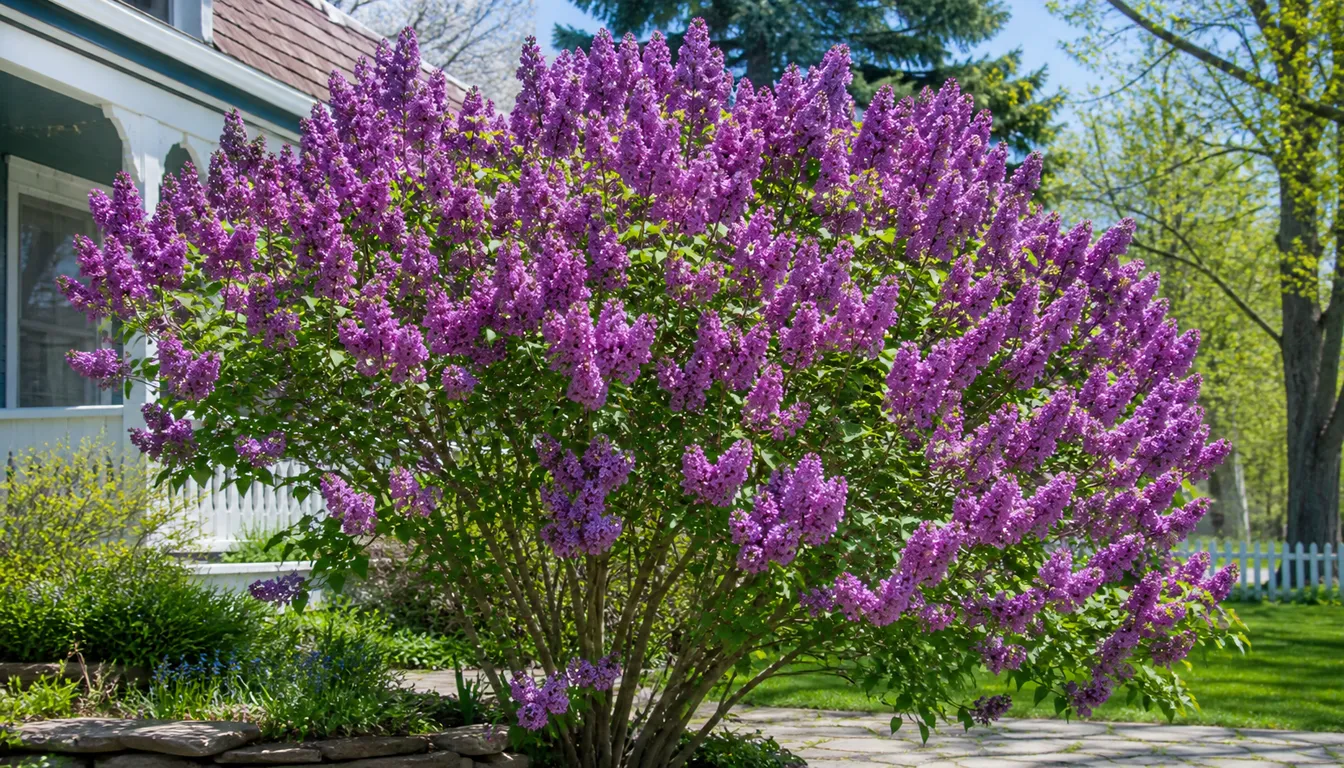
Lilac
Carry a strong spring fragrance across a sunny yard
- Mature fit
- Choose a compact or full-size cultivar before allowing for its final width
- Main tradeoff
- The fragrant bloom is brief and flowering is weaker without enough sun or winter chill
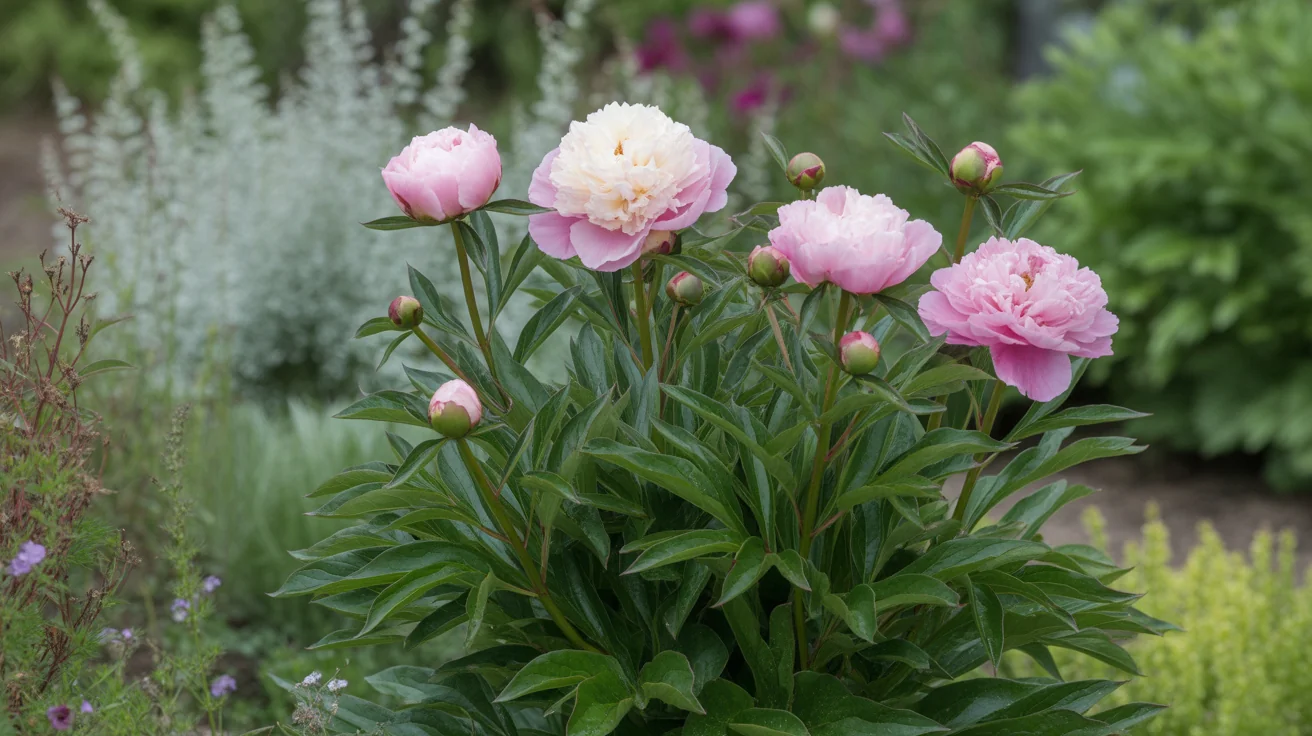
Peony
Put a rich late-spring scent at perennial-border height
- Mature fit
- Give the permanent crown about three feet and leave it undisturbed
- Main tradeoff
- Scent differs by cultivar and the bloom window lasts only a few weeks
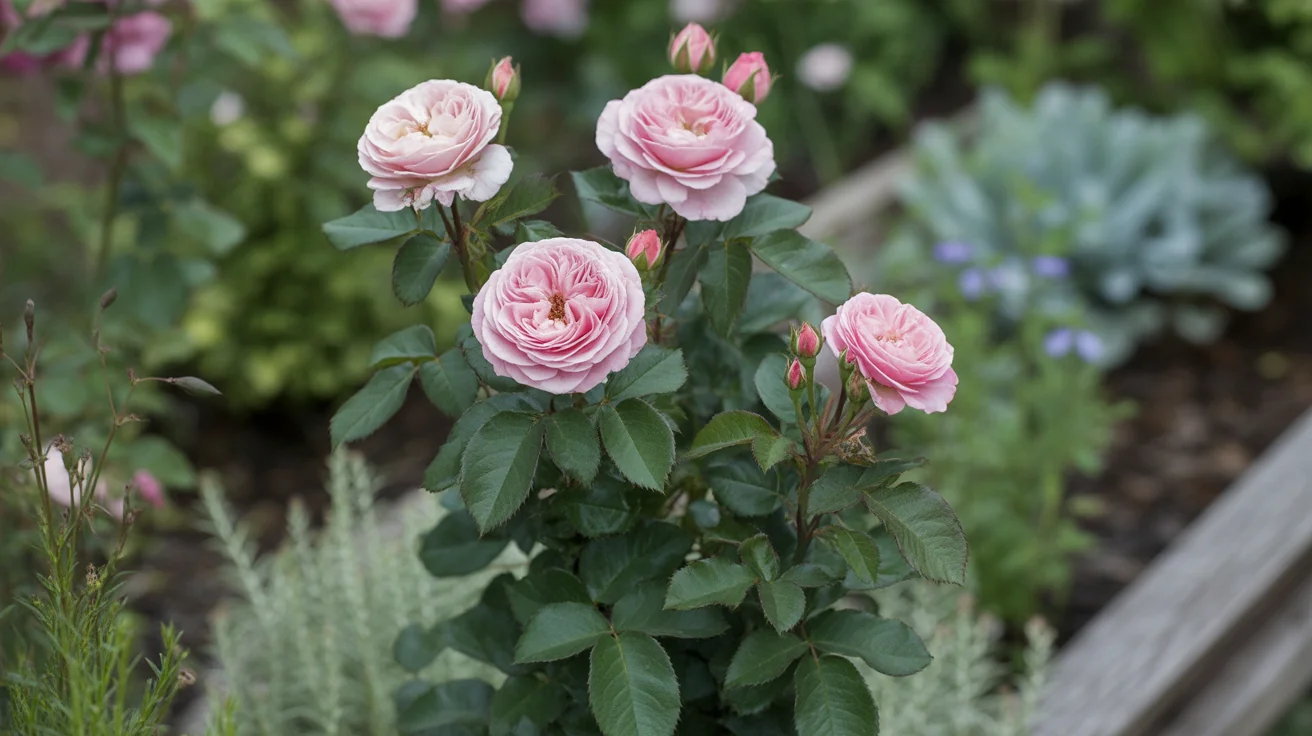
Rose
Supply repeat flowers and a wide choice of scent styles
- Mature fit
- Match shrub, climber, or compact rose to the support and available airflow
- Main tradeoff
- A beautiful cultivar may have weak fragrance or poor disease resistance
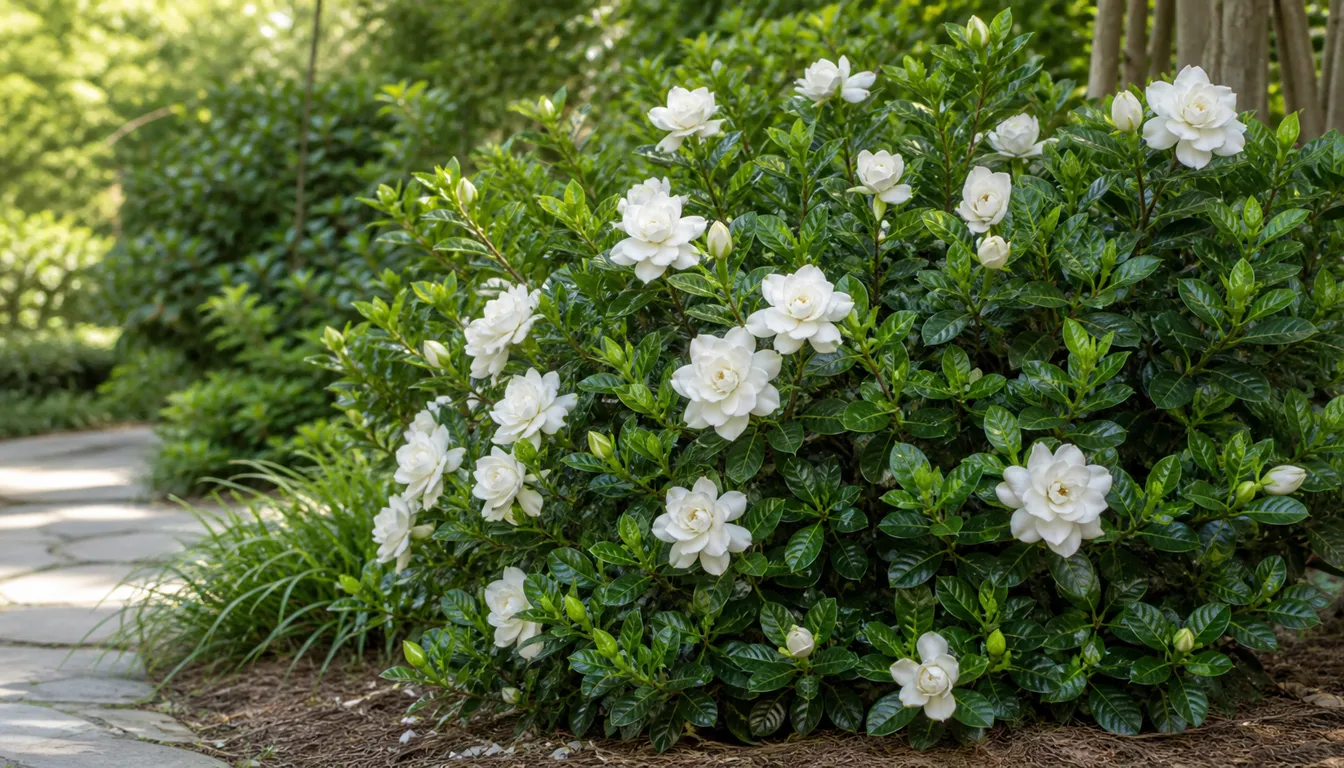
Gardenia
Deliver intense white-flower fragrance near a mild-climate patio
- Mature fit
- Use a size-matched cultivar in acidic soil with morning sun or bright shade
- Main tradeoff
- Cold, alkaline soil, and soggy roots quickly reduce growth and flowering
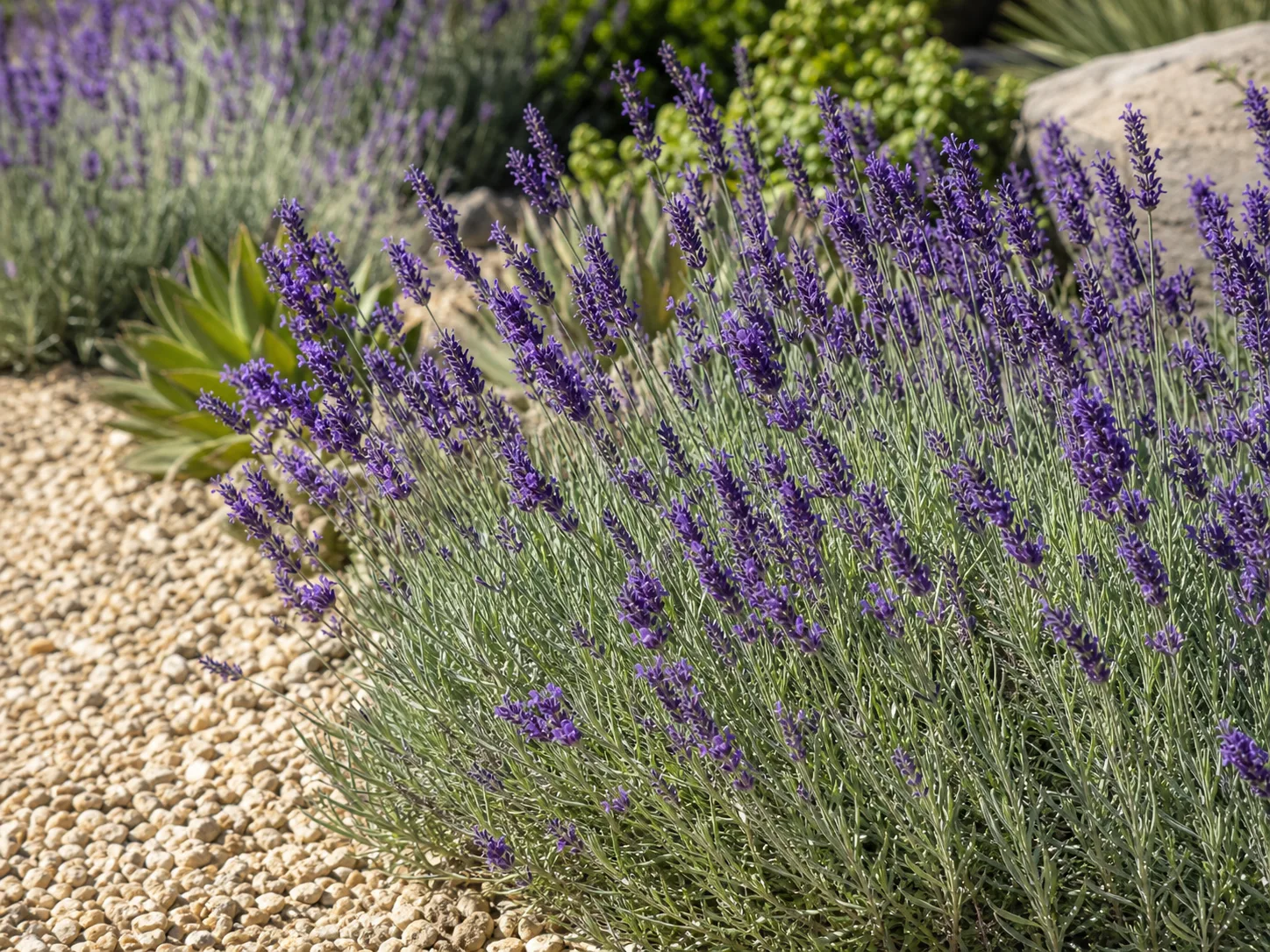
English Lavender
Add summer flower and foliage scent beside a hot, sunny path
- Mature fit
- Space the woody mound where air moves and water drains immediately
- Main tradeoff
- Humidity and wet winter soil shorten its life more than cold alone
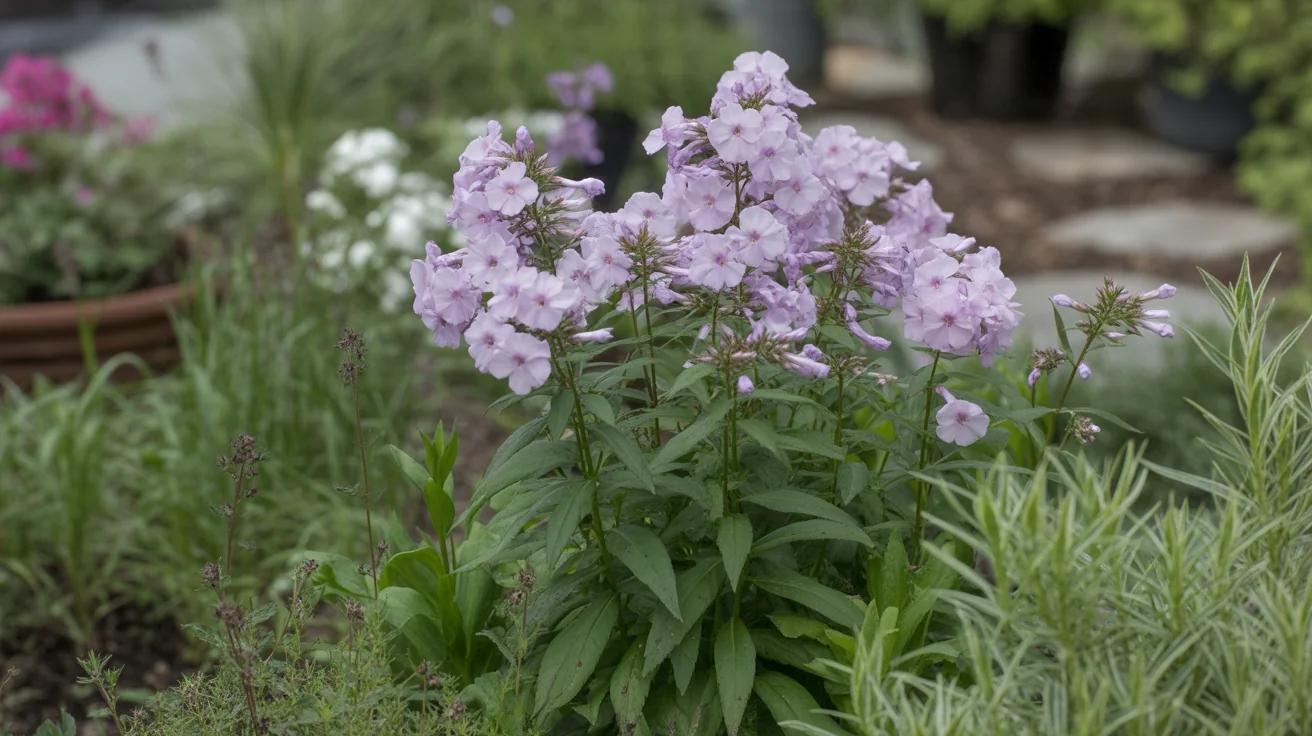
Garden Phlox
Bridge the midsummer gap with tall fragrant flower clusters
- Mature fit
- Place the clump in the middle of a border with air around the stems
- Main tradeoff
- Crowded foliage and overhead watering raise powdery mildew pressure
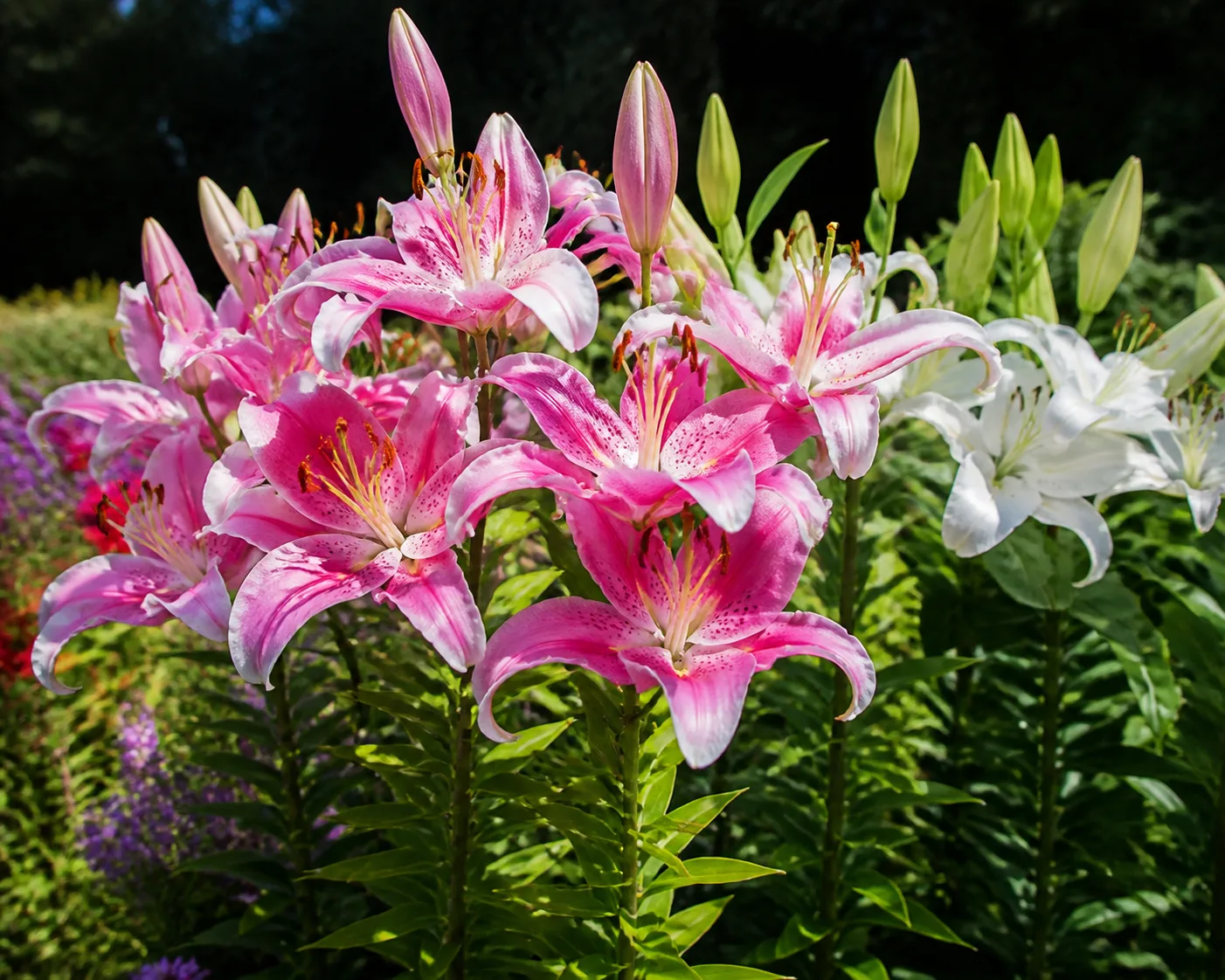
Lily
Create a concentrated burst of summer perfume above lower perennials
- Mature fit
- Plant a small group where the stems can rise without blocking a path
- Main tradeoff
- True lilies are unsafe around cats and tall stems may need support
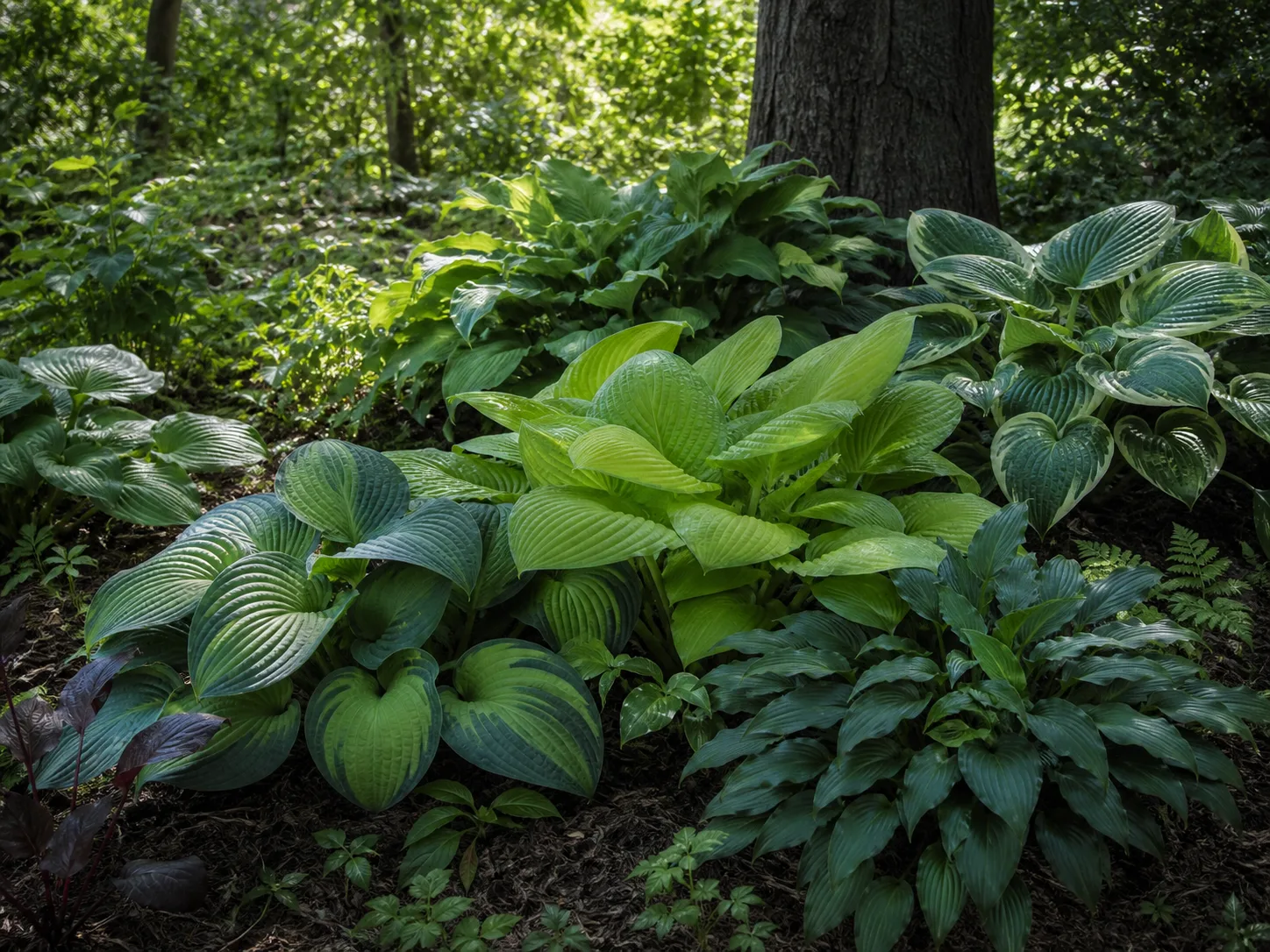
Hosta
Bring late-summer fragrance into a moist, partly shaded bed
- Mature fit
- Look for Hosta plantaginea or a named fragrant cultivar, not any hosta
- Main tradeoff
- The common name alone does not guarantee scented flowers
Why the Cultivar Name Matters More Than the Color
A photo can prove flower shape and color, but it cannot prove fragrance. Breeding for compact growth, long vase life, unusual color, or dense double flowers sometimes leaves scent low on the list of traits, so the common name is never enough.
Roses make the problem obvious. One rose may carry a strong old-rose, fruit, myrrh, musk, or tea scent while the next has almost none, and fragrance strength does not follow petal count or color in a dependable way.
Peonies and sweetshrubs vary too. North Carolina Extension specifically recommends buying sweetshrub while it is flowering because aroma differs among plants, and that same in-person test is useful for lilacs, dianthus, garden phlox, and other selections sold for scent.
Time and weather change what your nose detects.
Warm, calm air often holds scent near the plant, while wind disperses it and cool weather slows the release of volatile compounds. Compare plants at roughly the same time instead of judging one on a cold morning and another on a warm afternoon.
What Fits Full Sun, Shade, a Container, or a Small Yard?
Most heavily blooming fragrant plants want generous light, but shade is not an empty category.
Sweet box handles true shade, fragrant hosta cultivars take part shade, and gardenia performs well with morning sun and protection from fierce afternoon heat in warm climates.
Full sun favors lilac, rose, peony, lavender, dianthus, and many garden phlox cultivars.
The important split is water. Lavender and dianthus need quick drainage, while phlox and rose flower better when the root zone does not repeatedly dry out.
Containers make scent easier to notice and let cold-climate gardeners move tender plants. A large gardenia needs a much bigger root volume than sweet alyssum, and a moonflower needs both a deep pot and a support that can hold a vigorous vine.
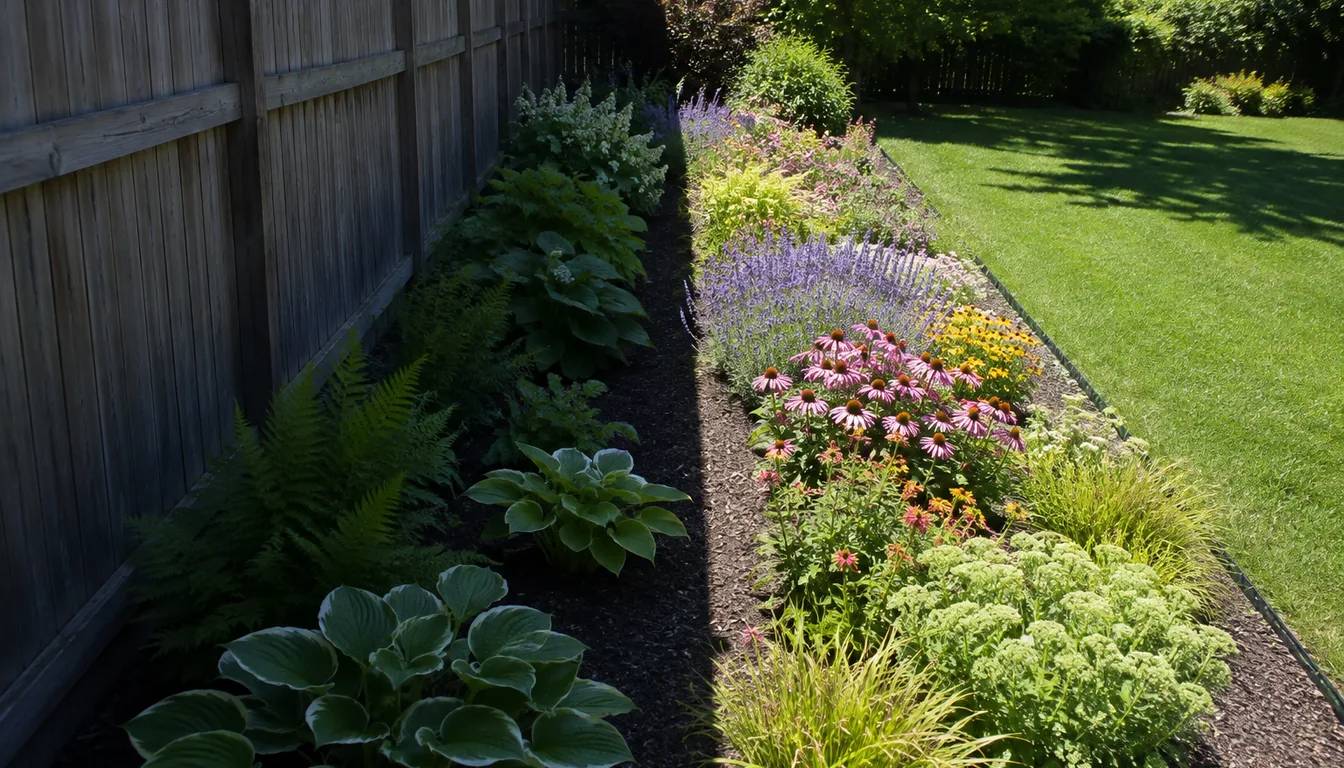
Hot, dry sun
English lavender and dianthus fit lean soil and fast drainage. Keep them off the same irrigation schedule as thirsty phlox.
Sunny mixed border
Rose, peony, garden phlox, and Oriental lily provide different heights and bloom windows when the soil drains but holds moderate moisture.
Part shade
Sweet box and fragrant hosta cultivars cover the cooler end. Gardenia joins them only where winters are mild.
Patio container
Sweet alyssum works at the rim, a fragrant rose or gardenia can anchor a large pot, and flowering tobacco supplies height after the weather warms.
Measure the mature width, not the nursery pot. A mock orange that matures eight feet wide cannot be made into a three-foot foundation shrub without repeated shearing, and those cuts can remove the flowering wood that carries the scent.
How to Keep Fragrance Moving From Winter to Fall
A season-long fragrant garden is built from overlap, not from a plant that flowers all year. Woody plants usually give the strongest early anchors, perennials carry late spring and summer, and tender annuals can continue until frost.
The exact month shifts with climate and weather.
Use the sequence below to identify gaps, then check local bloom records or ask a nearby public garden when each candidate normally flowers in your area.
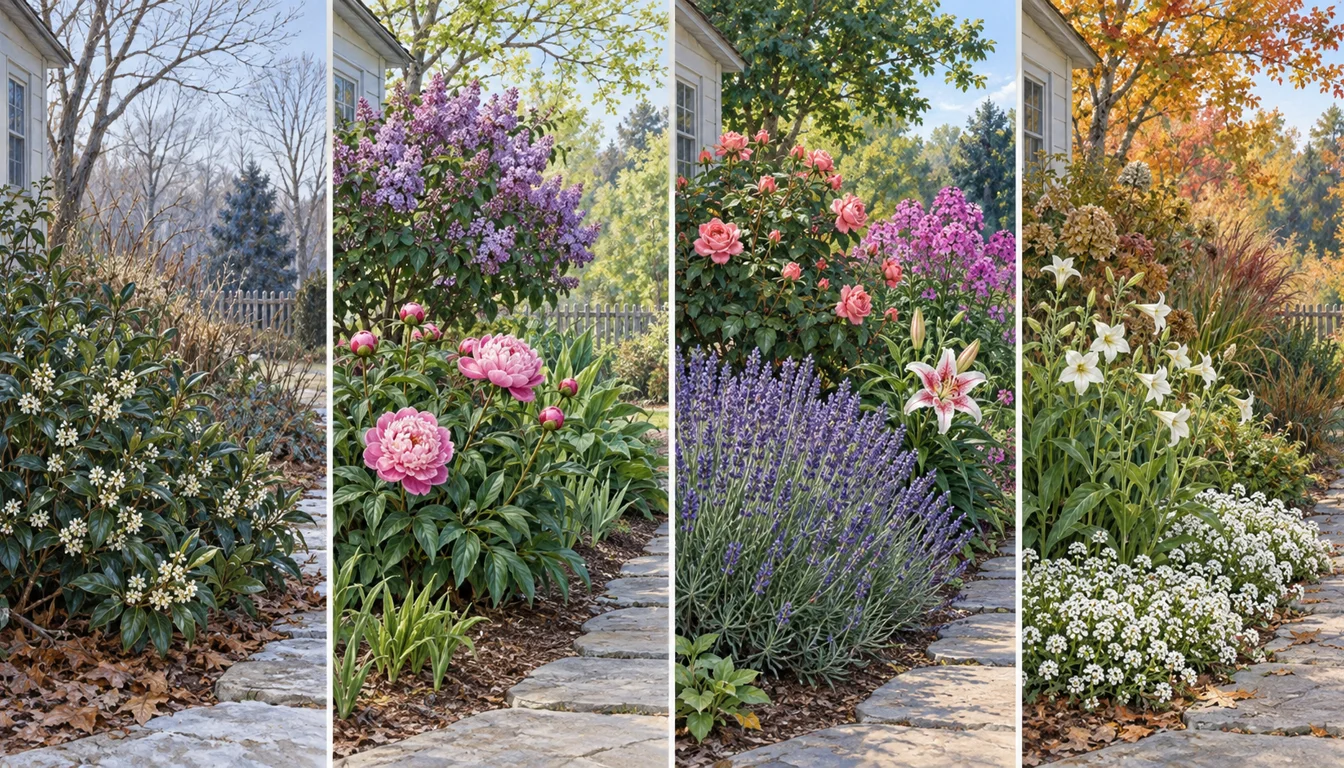
| Fragrance window | Reliable candidates | What follows it |
|---|---|---|
| Late winter to early spring | Sweet box in shade; fragrant witch hazel where space allows | Lilac and mock orange take over as woody growth wakes |
| Mid to late spring | Lilac, mock orange, peony, dianthus | Repeat-blooming roses and early lavender begin the summer handoff |
| Early to midsummer | Rose, lavender, garden phlox, Oriental lily | Later phlox and fragrant hosta extend the perennial display |
| Late summer to frost | Fragrant hosta, sweet alyssum after heat eases, flowering tobacco, moonflower | Containers can move to a sheltered doorway as nights cool |
Do not buy every row at once. Start with the season when you use the yard most, add one plant for the gap immediately before it, then watch a full year before filling the remaining openings.
In a cold climate, spring shrubs and hardy perennials can carry most of the plan. In a warm climate, gardenia and other mild-winter shrubs can extend the woody season, while cool-season alyssum may perform better in spring and fall than through midsummer.
Which Flowers Smell Strongest After Sunset?
Evening fragrance is a separate planting job. Moonflower opens large white trumpets late in the day, while the true species Nicotiana alata opens fragrant tubular flowers at night and attracts moths.
Compact bedding nicotianas are a common disappointment because many were selected for daytime color and short growth rather than fragrance. Look for the species or a named fragrant selection, and expect a taller, looser plant than the neat nursery packs sold for edging.
White and pale flowers also remain visible as daylight fades. Pairing their visual contrast with scent makes a patio or moon garden feel active after brighter daytime flowers disappear into the dark.
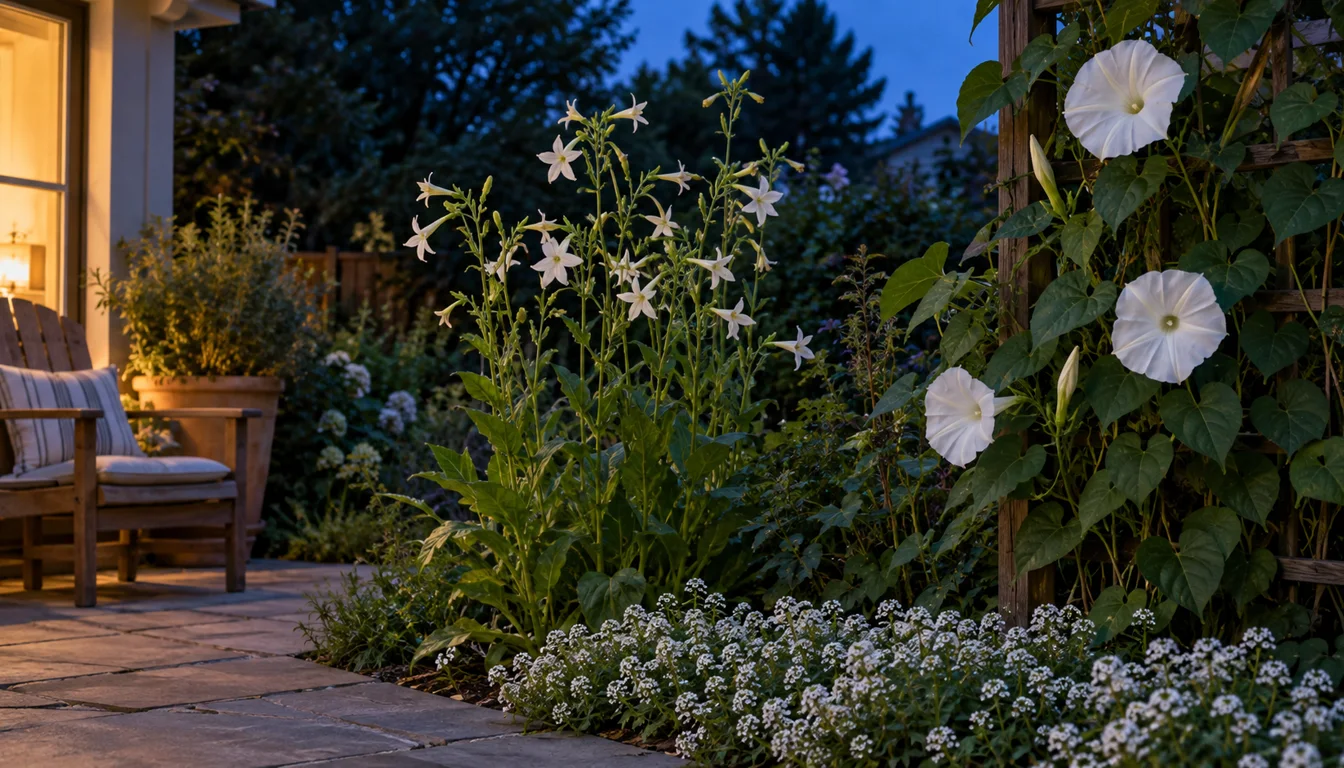
- For a trellis: moonflower can cover a strong support in one warm season, but it starts slowly in cool soil and the seeds should stay away from children and pets.
- For border height: flowering tobacco places its flowers near seated nose level and blooms from summer toward frost with regular moisture.
- For the edge: sweet alyssum forms a low scented ribbon, although it may pause during the hottest part of summer.
- For a permanent framework: place a fragrant shrub nearby, then let the annuals fill the weeks when that shrub is out of bloom.
If the yard is mainly used after work, give the best position to an evening-scented plant instead of spending that space on a flower that closes before you arrive.
Where Should Fragrant Flowers Go?
Scent has to reach a person to do its job. A fragrant shrub at the back fence may be beautiful, but a smaller plant beside a chair or open window will usually be noticed more often.
Strong wind carries fragrance away quickly, while a sheltered courtyard, hedge corner, or house wall can hold it. Still air can also make one intense plant overwhelming in a small enclosure.
Keep thorny roses, bee-busy flowers, and plants that drop sticky petals out of narrow doorways.
Place touch-released foliage such as thyme where a hand or leg can brush it without forcing people through stems.
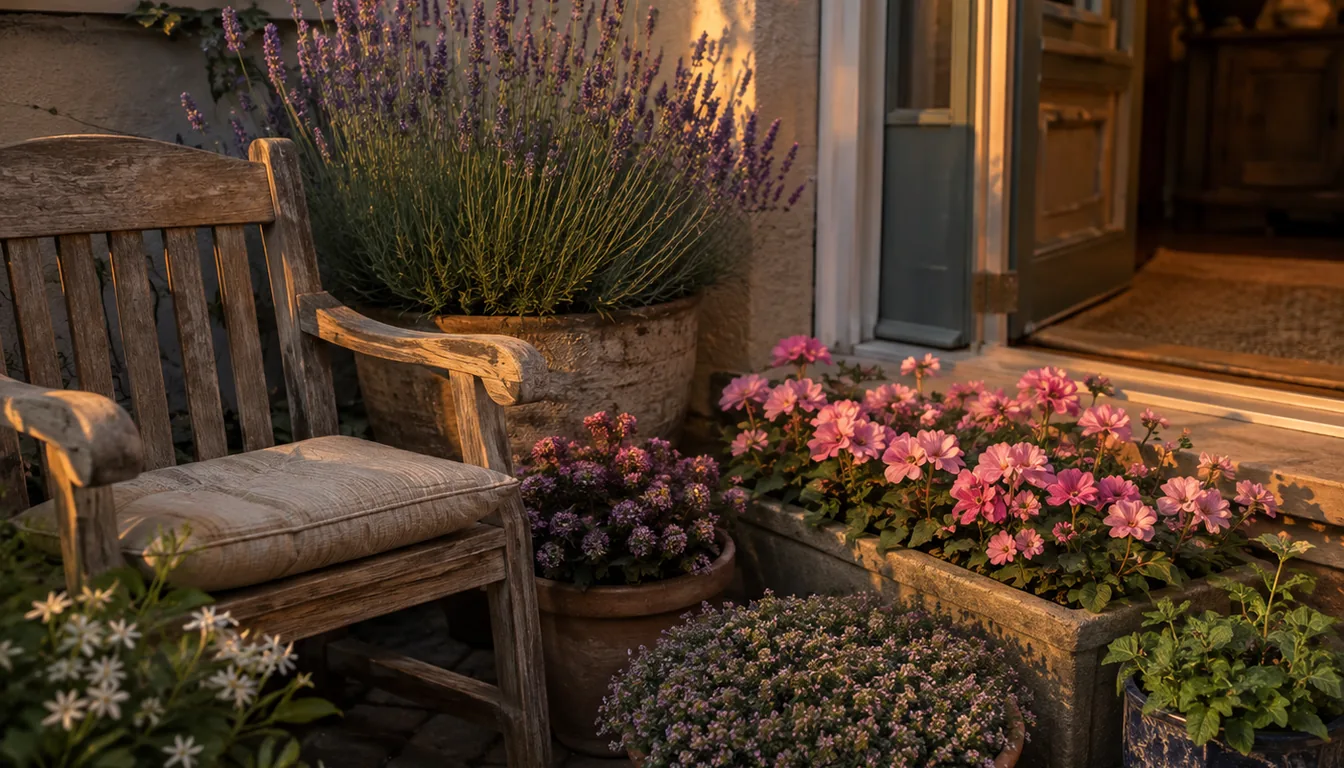
- Mark the scent destinationStand at the chair, door, path turn, or window where you want the fragrance to arrive.
- Watch the airVisit on a calm day and a breezy day, noting whether air moves toward or away from that destination.
- Check mature reachAllow the full height and width so the plant does not block a walkway or require flower-removing shearing.
- Test the strongest scentKeep a fragrant container in the proposed spot for a week before committing a large shrub nearby.
- Build the handoffPlace a second plant with a different bloom window close enough to serve the same destination.
Use repeated small pockets instead of one distant mass when the yard has several activity areas. A pot near the back door, a shrub near the patio, and low flowers at a path bend create three useful encounters without saturating the entire space.
What Should You Check Before Bringing a Plant Home?
A plant can be wonderfully fragrant and still be wrong for the household. Toxicity, scent sensitivity, invasiveness, thorns, bee traffic, and winter survival can each outweigh perfume.
True lilies in the genus Lilium and daylilies in Hemerocallis are especially dangerous to cats. The ASPCA warns that very small exposures, including pollen groomed from fur, can lead to kidney failure, so a cat household should choose another summer flower rather than relying on distance or supervision.
Common names also hide risk.
"Jasmine" may refer to several unrelated plants, and "lily" appears in the names of plants outside Lilium. Identify the botanical name before using a toxicity database or deciding a plant is safe.
Some fragrant plants spread beyond the bed. Invasive status varies by state and species, so check a state invasive-plant list before buying a honeysuckle, butterfly bush, or other plant known to escape cultivation in parts of the United States.
- Confirm the full botanical and cultivar name on the label.
- Check the plant against the household's pets and young children.
- Search the state invasive-plant list, not a national yes-or-no summary.
- Smell the actual flowers if anyone in the household is scent-sensitive.
- Leave enough clearance for thorns, visiting bees, falling petals, and mature branches.
- Verify winter hardiness and summer heat tolerance for the planting location.
A strong scent is not proof that a flower produces more allergenic airborne pollen.
Still, fragrance itself can trigger discomfort for some people, so sample one plant or container near the seating area before installing a hedge or mass planting.
How Do You Keep the Flowers and the Scent Coming?
The practical goal is more healthy flowers, not a universal trick for stronger perfume. Give each plant the light, drainage, moisture, and pruning timing its species needs, because stress usually reduces flowering before it changes anything your nose can measure.
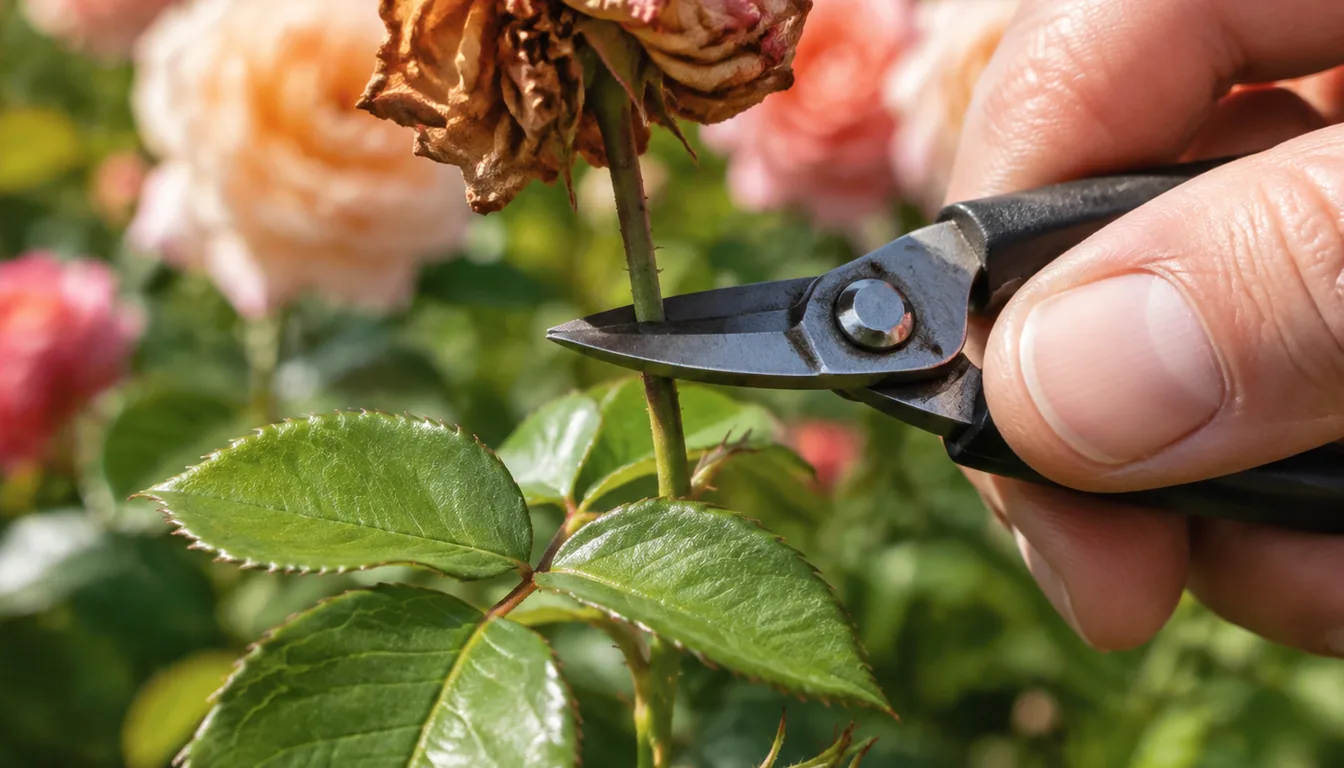
Deadheading helps repeat-blooming roses and many annuals continue making flowers. It tidies peonies and lilies but does not make those once-a-year bloomers start a second full season, so know which response to expect before cutting.
Pruning time matters most on spring-flowering shrubs.
Lilac and mock orange carry flower buds on older growth, which means heavy dormant-season shearing can remove the next fragrant display. Shape them after bloom and keep the mature size realistic.
- Lavender
- Keep the crown dry, provide fast drainage, and avoid cutting deep into leafless old wood.
- Garden phlox
- Water the soil rather than the leaves and preserve airflow through the clump.
- Gardenia
- Maintain acidic, well-drained soil and steady moisture without leaving the root zone soggy.
- Rose
- Water deeply at soil level, remove diseased debris, and use pruning guidance for the rose class you own.
- Annuals
- Remove spent blooms where the selection benefits, water containers before they wilt, and replace plants when heat or frost ends their season.
Fertilizer cannot compensate for poor light or a mismatched climate.
Excess nitrogen can produce soft leafy growth at the expense of flowers, so test the soil or follow a species-specific schedule instead of feeding every fragrant plant with the same bloom product.
When scent seems weaker than last year, compare bloom count, sun exposure, weather, and the time of day before assuming the plant changed. A newly shaded lilac, a cold windy week, or your nose becoming accustomed to a nearby flower can all change the experience for different reasons.
Pro Tips
- Buy a named cultivar in bloom when fragrance is the deciding trait.
- Choose the season and time of day when you use the yard before choosing the plant.
- Put scent beside a chair, path, doorway, or open window instead of at the far property line.
- Separate dry-site plants such as lavender from moisture-loving garden phlox.
- Use a container to test a strong scent before planting a large shrub near the house.
- Check botanical names for pet safety and state lists for invasive status.
- Prune spring-flowering shrubs after bloom so you do not remove the next flower buds.
Frequently Asked Questions
What is the most fragrant flower for a garden?
Lilac, gardenia, mock orange, strongly scented roses, Oriental lilies, and flowering tobacco can all be powerful, but there is no single winner in every climate.
Choose a named cultivar and smell it in bloom, because fragrance varies within each group and weather changes how strongly it carries.
Which fragrant flowers bloom the longest?
Repeat-blooming fragrant roses and annuals such as sweet alyssum and flowering tobacco usually cover a longer season than lilac or peony. Their actual run still depends on cultivar, summer heat, moisture, and whether frost ends the season.
Which fragrant flowers grow in shade?
Sweet box grows in part to full shade, while fragrant hosta cultivars suit part shade with steady moisture. Gardenia can take bright shade or morning sun in a mild climate, but most heavy-blooming fragrant flowers produce more flowers with greater light.
What flowers smell strongest at night?
Moonflower and the true species Nicotiana alata are dependable evening choices.
Moonflower opens large white trumpets late in the day, while flowering tobacco opens scented tubular flowers at night. Many compact bedding nicotianas are much less fragrant.
Can fragrant flowers bother allergies?
Fragrance can cause headaches or discomfort for some people even when a plant is not a major source of airborne pollen. Test one container near the seating area before planting a large group, and move intense scents away from bedrooms, doors, or shared boundaries if they cause a problem.
Why did a flower labeled fragrant have no scent?
The cultivar may be lightly scented, the flowers may have opened in cool or windy weather, or you may have sampled them at the wrong time of day. Check the full cultivar name, compare it on a warm calm day, and ask for a blooming specimen before buying more.
Sources & References
- Penn State Extension, Fragrant Trees and Shrubs
- North Carolina Extension Gardener Plant Toolbox, Fragrant Mockorange
- North Carolina State Extension, General Pruning Techniques
- North Carolina Extension Gardener Plant Toolbox, Common Sweetshrub
- North Carolina Extension Gardener Plant Toolbox, Clove Pinks
- Missouri Botanical Garden Plant Finder, Garden Phlox
- Missouri Botanical Garden Plant Finder, Lavandula angustifolia 'Sharon Roberts'
- North Carolina Extension Gardener Plant Toolbox, Flowering Tobacco
- University of Illinois Extension, Moonflower
- Penn State Extension, Starting a New Perennial Garden
- ASPCA, Which Lilies Are Toxic to Pets?
- North Carolina Extension Gardener Plant Toolbox, Gardenia
- North Carolina Extension Gardener Plant Toolbox, Fragrant Plantain-lily
- University of Illinois Extension, Rose Types
- North Carolina Extension Gardener Plant Toolbox, Herbaceous Peonies
- North Carolina Extension Gardener Plant Toolbox, Moonflower
- North Carolina Extension Gardener Plant Toolbox, Fragrant Sarcococca
Related Guides
Best Butterfly Garden Plants for a Complete Habitat
The best butterfly garden plants do two different jobs. Host plants feed caterpillars, while nectar…
15 min read
Best Fall-Blooming Flowers for Color Near Frost
A bed that still carries flowers in October usually was planned before temperatures fell.
9 min read
Best Fast-Growing Trees for Shade and Privacy
The best fast-growing tree is the one whose mature crown, roots, climate range, and maintenance…
16 min read
Best Full-Sun Perennials for Hot, Bright Beds
The best full-sun perennials are the ones that match the bed's soil moisture and drainage, local…
14 min read
Best Ground Cover Plants for Sun, Shade, and Slopes
The best ground cover is a plant that survives the site and performs the job without escaping into…
18 min read
Best Indoor Plants for Every Room and Light Level
The best indoor plant is one that fits the light in its exact location and the care you will…
16 min read