
Best Summer-Blooming Flowers for Continuous Color
The best summer-blooming flowers either run until frost or respond to deadheading and shearing with another flush. Lantana, verbena, coneflower, black-eyed Susan, daylily, salvia, butterfly bush, hydrangea, and hosta cover different combinations of sun, shade, height, and bloom length.
A bed that looked full in June can still thin out by August. Seed set is the switch you can control, while sustained heat may pause bloom even when the foliage remains healthy.
Build the planting around long runners, then use short-window flowers as accents instead of asking them to carry the whole season.
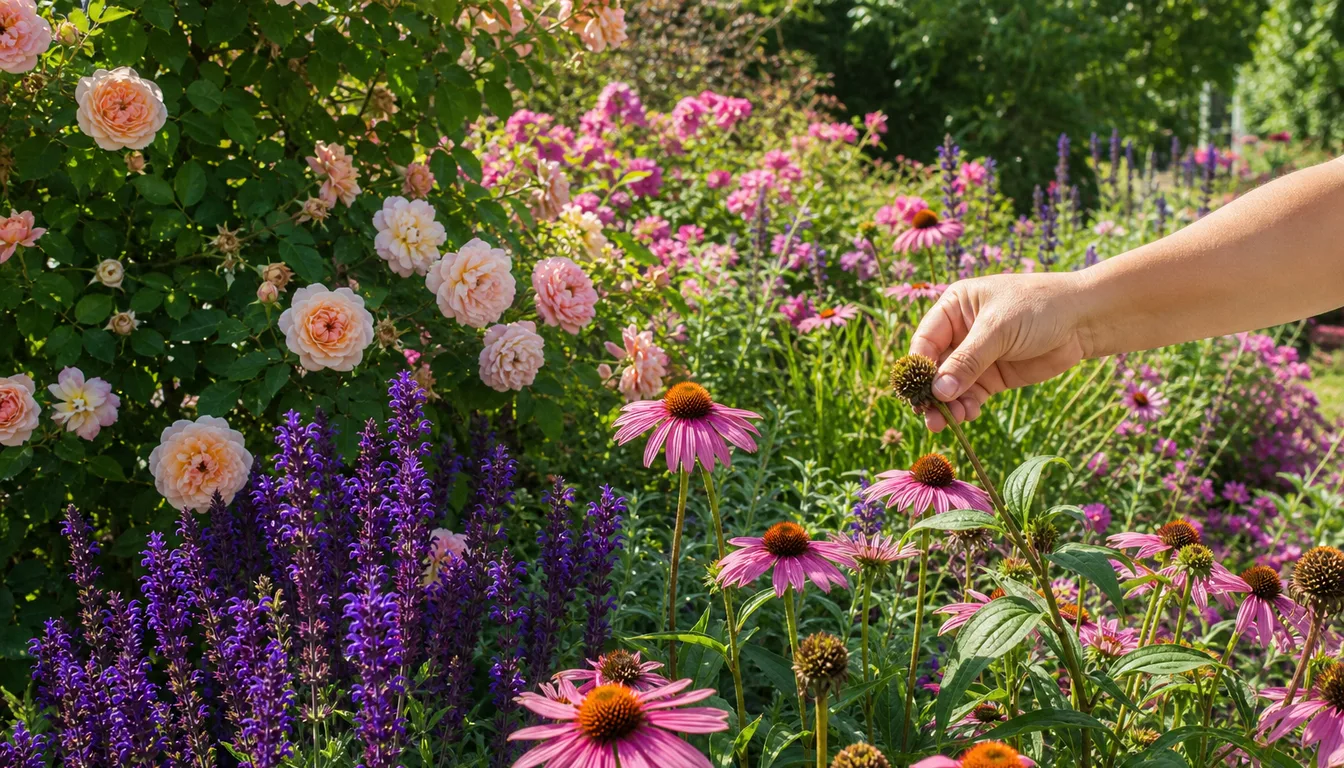
At a glance
Setting Seed Is the Plant's Off Switch
A flower is not decoration from the plant's point of view. It is the apparatus for making seed, and it exists for that one purpose.
Once seed is set the job is finished, so the plant stops spending energy on new flowers while staying perfectly healthy itself.
Deadheading works because it interrupts that. Removing the spent flower before the seed develops leaves the plant with an unfinished task, and it responds by flowering again.
That gives you a timing rule rather than a vague instruction to tidy up, because the moment a swelling appears behind a faded flower the pod is forming and that stem has closed its window.
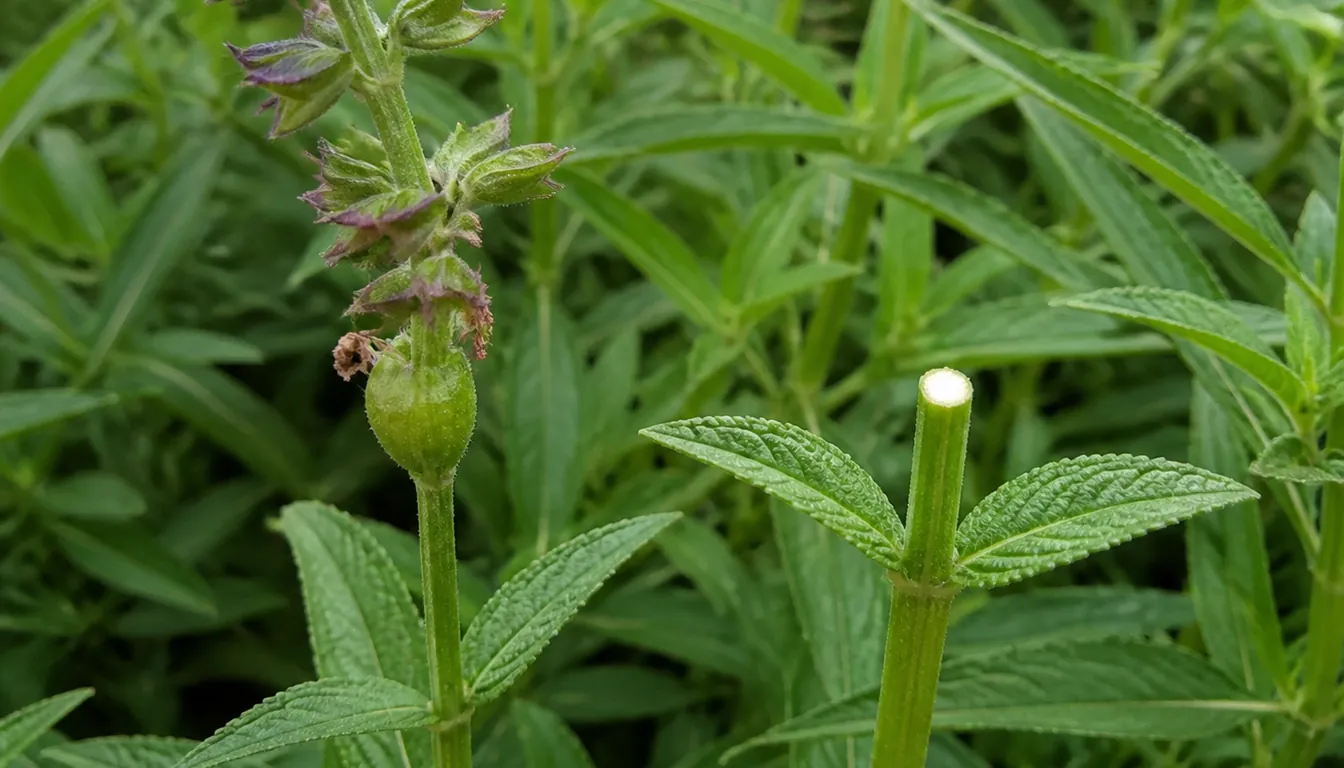
Sometimes letting it finish is the better call, since coneflower and sedum seedheads feed birds and hold structure through winter.
Only One Kind of Flower Answers to Deadheading
Blanket deadheading advice is why so much of it disappoints. Whether cutting a spent flower does anything at all depends entirely on which of three groups the plant belongs to.
The self-cleaning group drops its own spent flowers and needs nothing from you, so time spent picking over calibrachoa, wave petunias, begonia or vinca is time wasted.
The responsive group is the one the advice was written for. Salvia, coreopsis, cosmos, zinnia, roses and dahlias all rebloom noticeably harder when cut before they set seed, and the cut point matters as much as the timing.
The one-and-done group will not flower again this year whatever you do to it. Peony, most bearded iris and oriental poppy each open once a season, and no amount of cutting changes that.
Telling them apart is usually simple, because a plant that holds its dead flowers on the stem going brown is nearly always one that answers to deadheading.
Treat each group accordingly. Leave the self-cleaners alone, deadhead the responsive ones weekly through summer, and cut the one-and-done plants back for the look of the bed rather than in hope of more flowers.
| Group | Example plants | What to do |
|---|---|---|
| Self-cleaning | Calibrachoa, wave petunia, begonia, vinca | Nothing at all |
| Reblooms if cut | Salvia, coreopsis, cosmos, zinnia, roses, dahlia | Deadhead weekly before seed sets |
| One and done | Peony, bearded iris, oriental poppy | Cut back for looks only |
The Flowers That Genuinely Run All Summer
Sorting a plant list by color or height tells you nothing about whether the bed will still be working in August. Sorting by how long each plant actually runs does.
The annuals are the ones that never pause. Lantana, verbena, zinnia, cosmos and calibrachoa flower from planting until frost without a gap, and lantana and verbena in particular are close enough to be worth comparing before you buy either.
Among perennials the workhorses are a short list. Coneflower, black-eyed susan, daylily, salvia and coreopsis run for months rather than the two or three weeks most perennials manage.
Shrubs are the part most people forget, and butterfly bush with repeat-flowering roses carries summer at a scale no bedding plant reaches.
Shade needs a different list rather than the same one planted more hopefully. Hydrangea and hosta hold the shaded end of a bed, and a fuller shade perennial list is worth having before you plant.
Build from the long runners and add the short-window plants afterwards. A bed made entirely of one-and-done perennials gives you a spectacular two weeks and eleven quiet weeks.
| Plant | Type | Light | How long it runs |
|---|---|---|---|
| Lantana | Annual or tender shrub | Full sun | Planting to frost |
| Verbena | Annual | Full sun | Planting to frost |
| Zinnia | Annual | Full sun | Midsummer to frost |
| Cosmos | Annual | Full sun | Midsummer to frost |
| Coneflower | Perennial | Full sun | Mid to late summer |
| Black-eyed susan | Perennial | Full sun | Mid summer to early fall |
| Daylily | Perennial | Sun to part shade | Several weeks |
| Salvia | Perennial | Full sun | Months, if sheared |
| Butterfly bush | Shrub | Full sun | Mid summer to frost |
| Hydrangea | Shrub | Part shade | Weeks to months by type |
| Hosta | Perennial | Shade | Foliage all season |
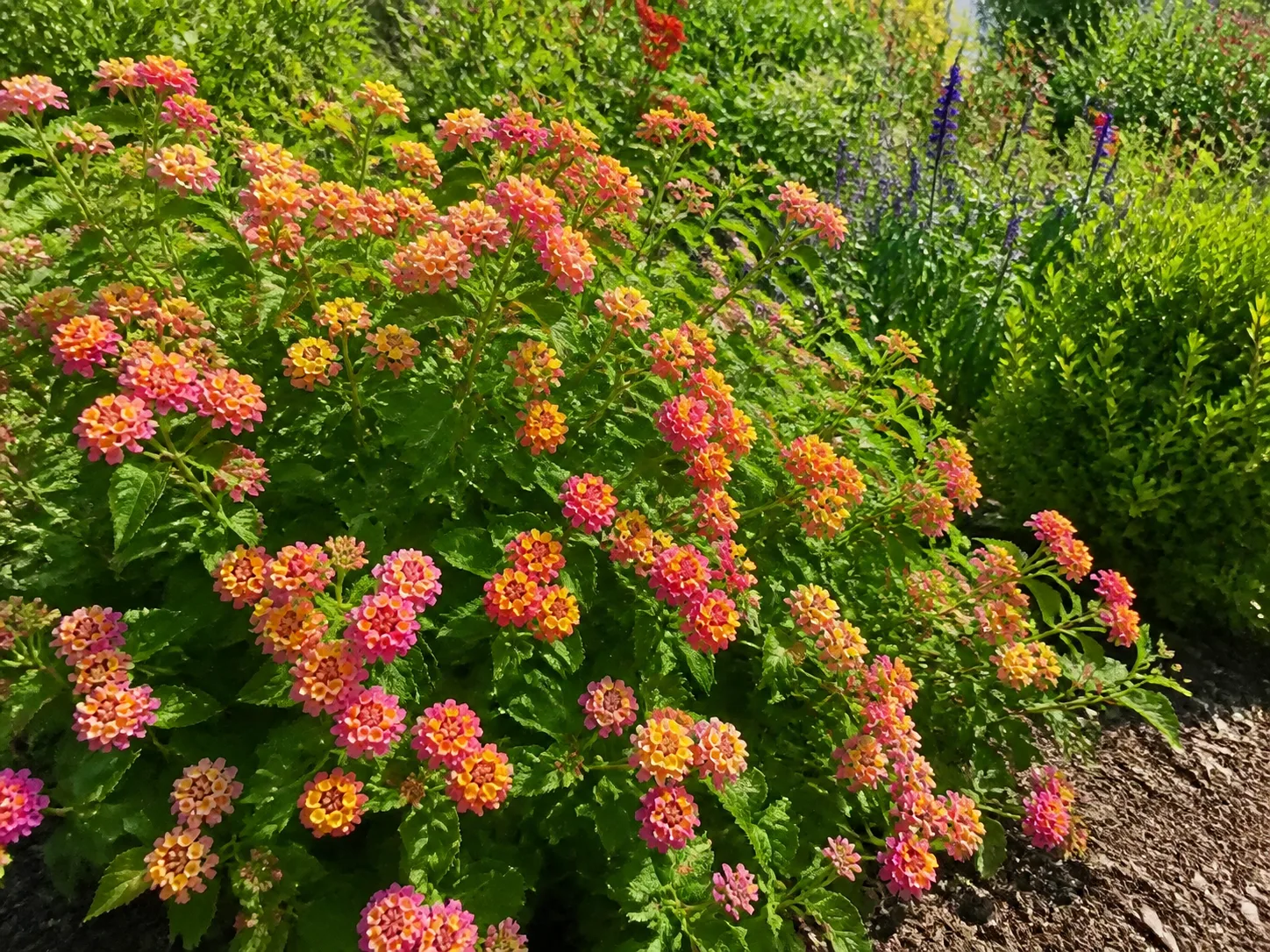
Lantana
Heat-tolerant flower clusters that carry a sunny bed to frost
- Mature fit
- Choose a compact or shrub-sized cultivar for the space available
- Main tradeoff
- It is perennial only in warm climates and can be invasive in some regions
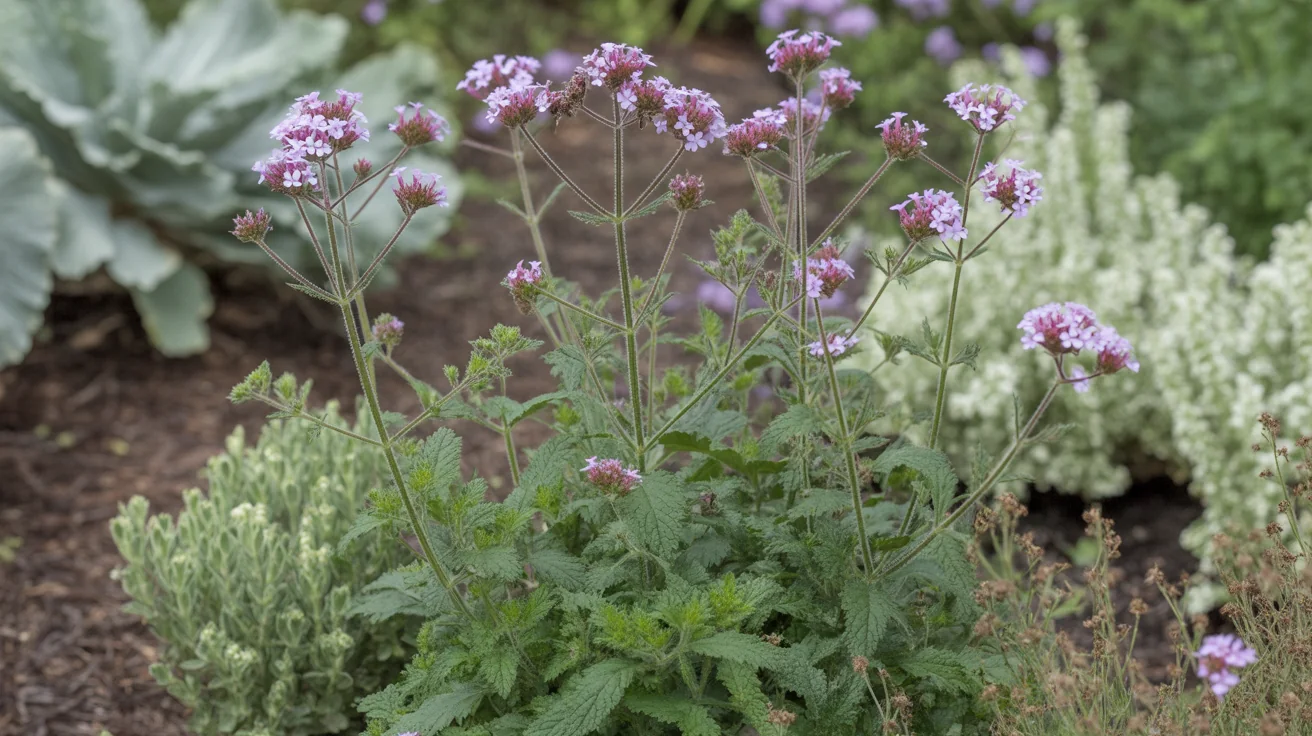
Verbena
Low, spreading color for a sunny edge or container
- Mature fit
- Let trailing forms spill and give upright forms open air around the stems
- Main tradeoff
- Poor drainage and crowded growth shorten the display
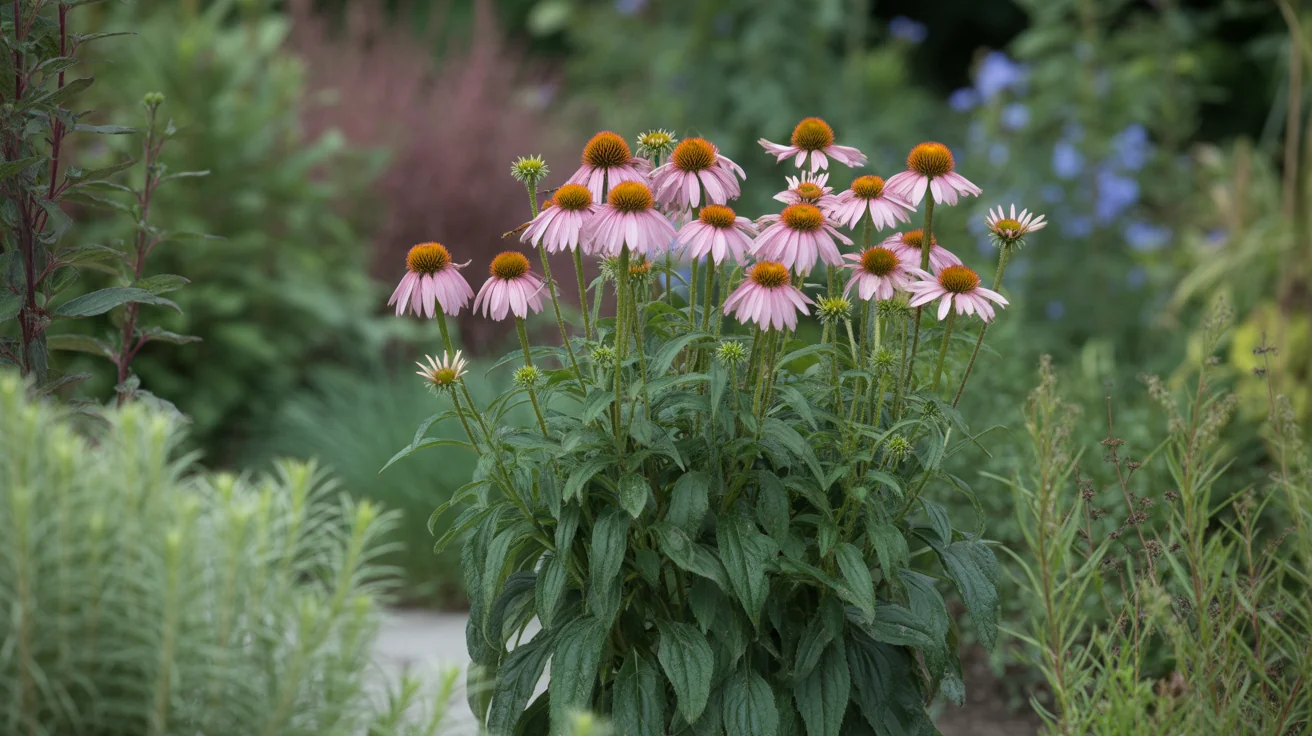
Coneflower
A sturdy midsummer perennial with seedheads that can feed birds
- Mature fit
- Place its upright clumps in the middle of a full-sun border
- Main tradeoff
- Deadheading extends bloom, but leaving some heads supports winter wildlife
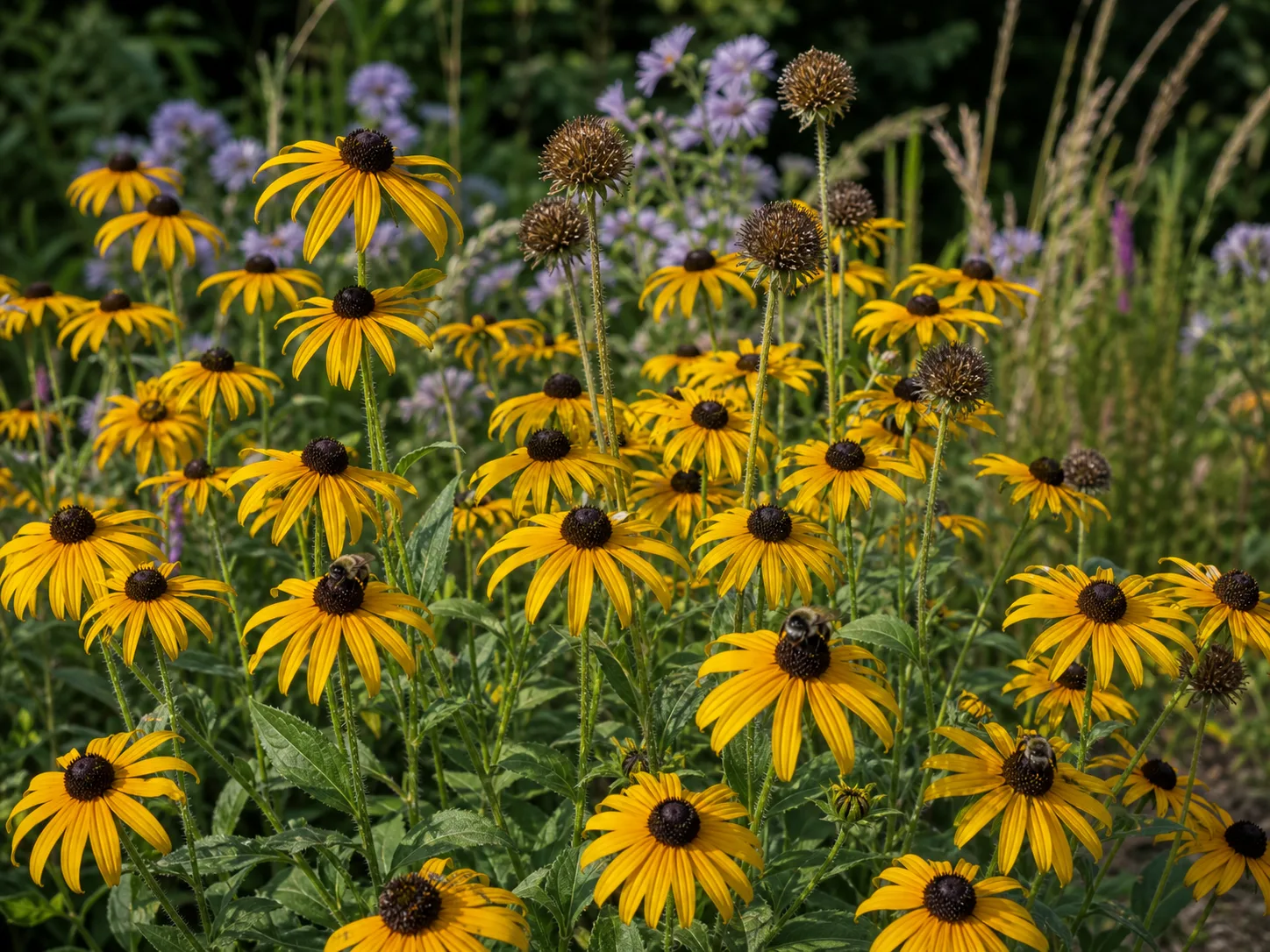
Black-Eyed Susan
Warm yellow color that bridges midsummer into early fall
- Mature fit
- Allow room for a clump that can spread beyond its first-season footprint
- Main tradeoff
- Crowded, wet foliage is more prone to leaf spot
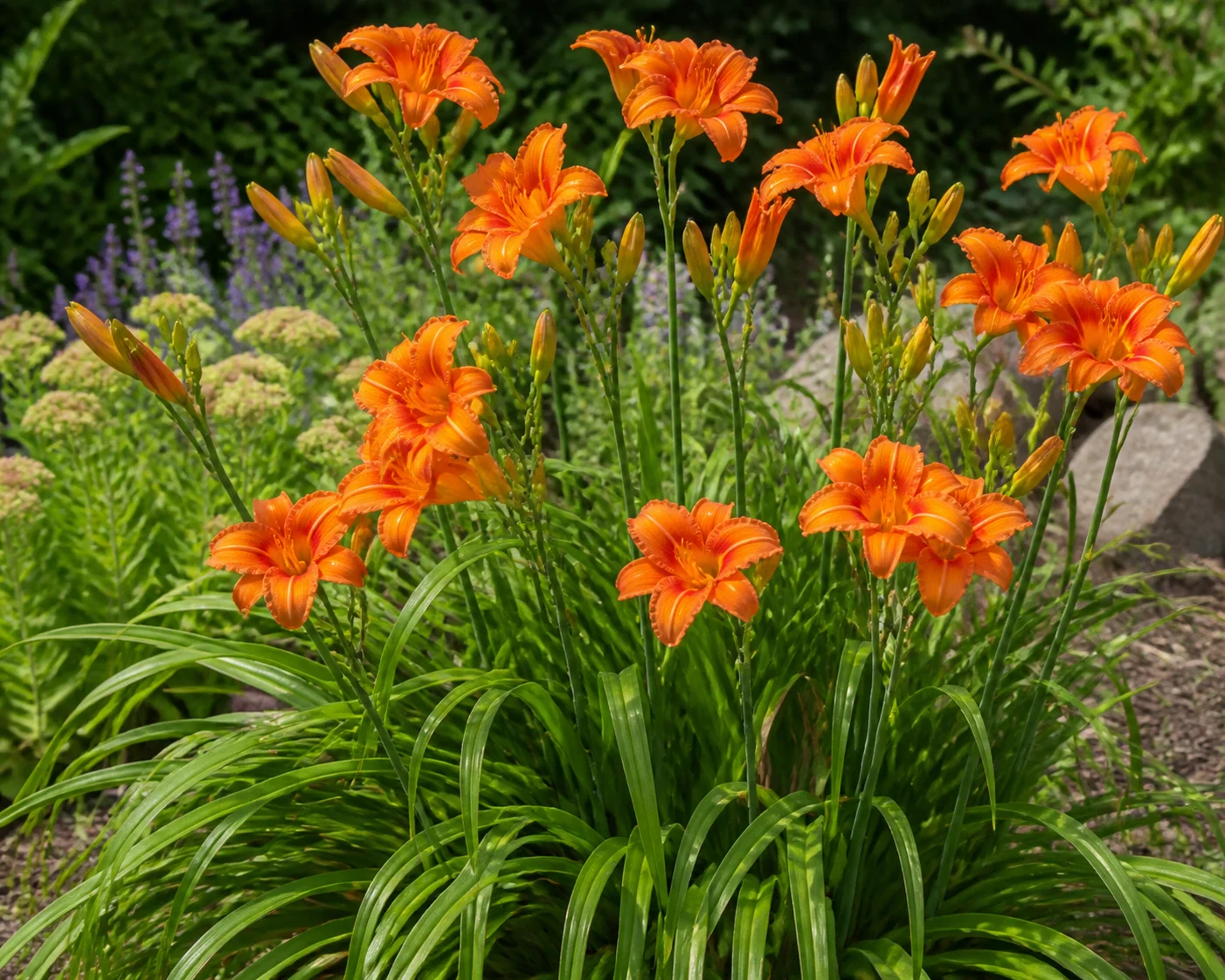
Daylily
Reliable summer flowers for sun or light afternoon shade
- Mature fit
- Use the arching foliage where it will not cover smaller edging plants
- Main tradeoff
- Each flower lasts one day even though a mature clump carries many buds
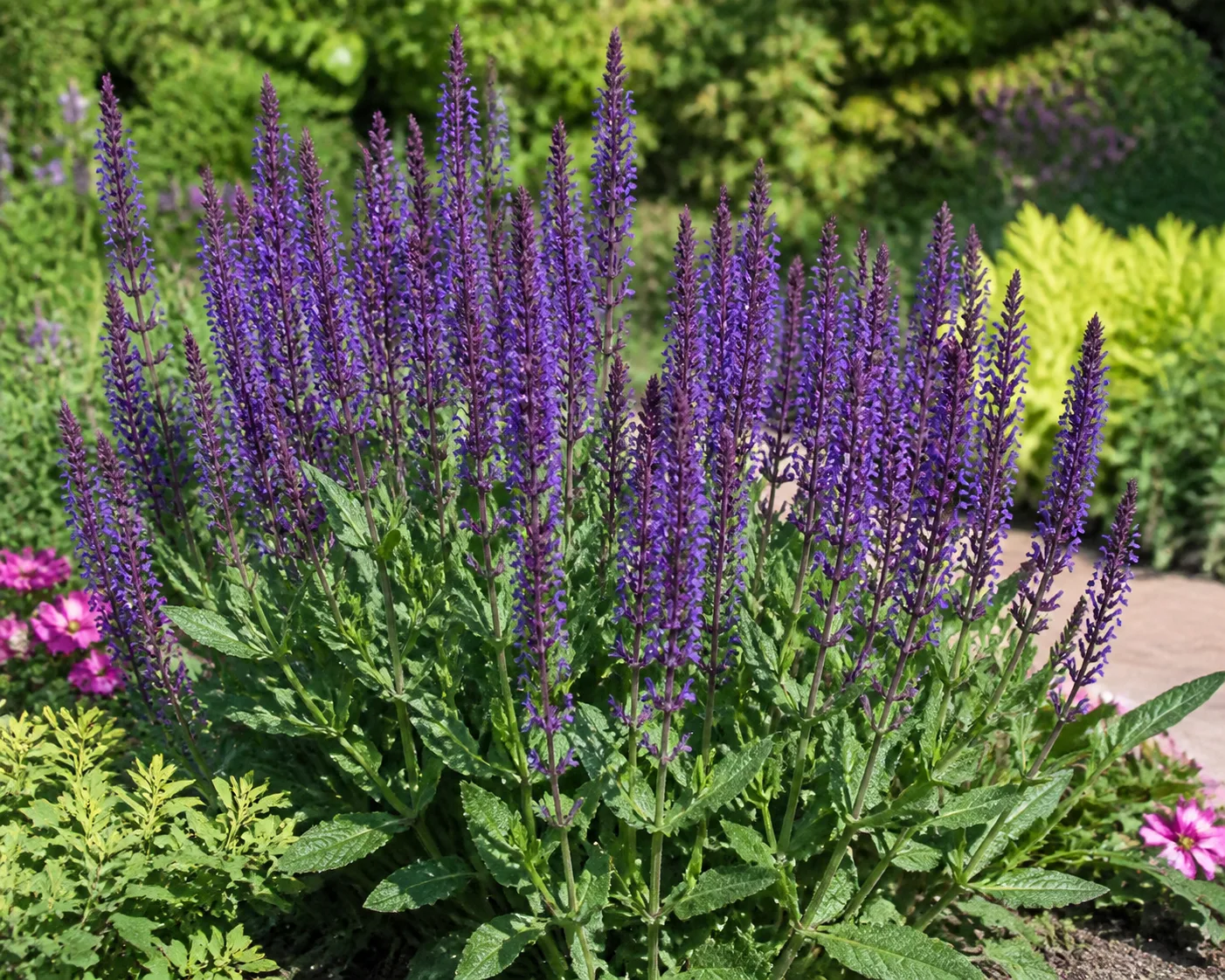
Salvia
Upright flower spikes that can return after a hard midsummer shear
- Mature fit
- Match cultivar height to the middle or back of a sunny bed
- Main tradeoff
- Hardiness and moisture tolerance vary widely by species
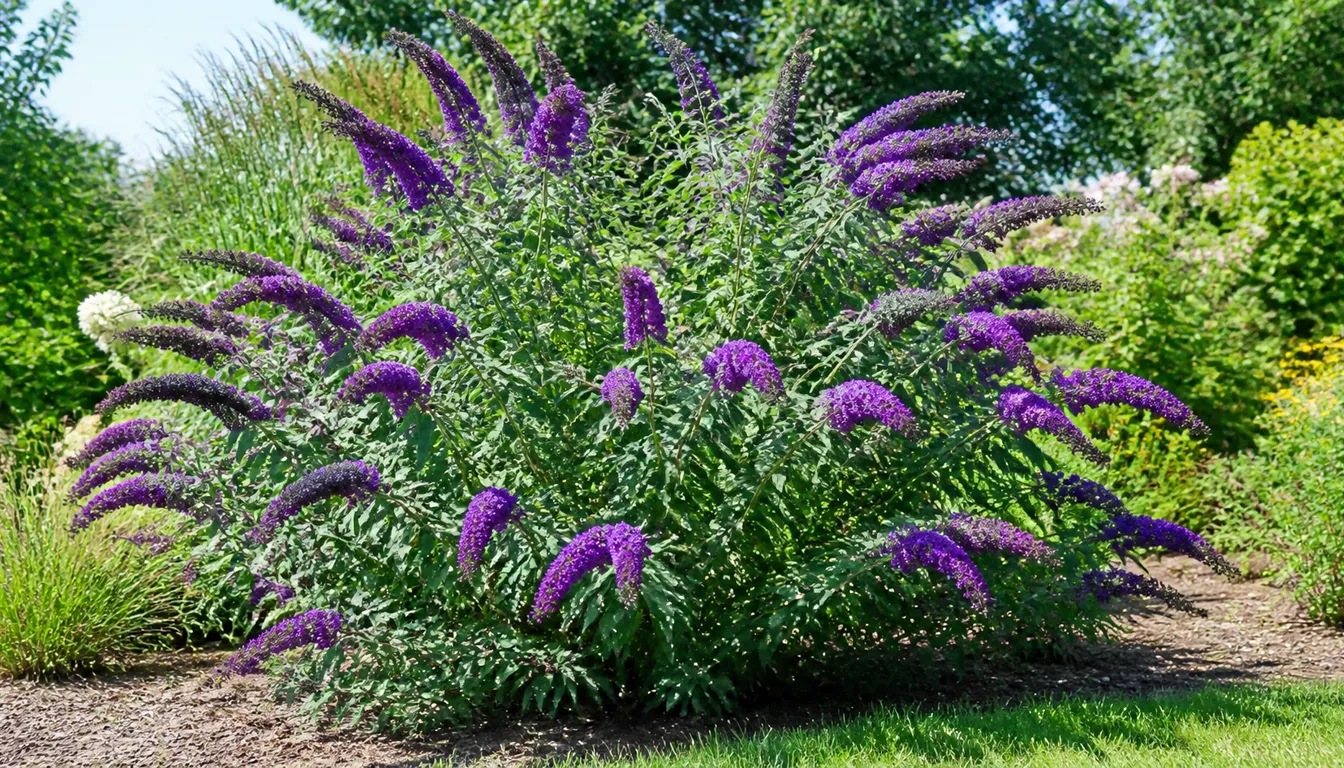
Butterfly Bush
Shrub-scale flower panicles from midsummer toward frost
- Mature fit
- Check mature width before placing it behind perennials
- Main tradeoff
- It can self-seed aggressively and is restricted in some regions
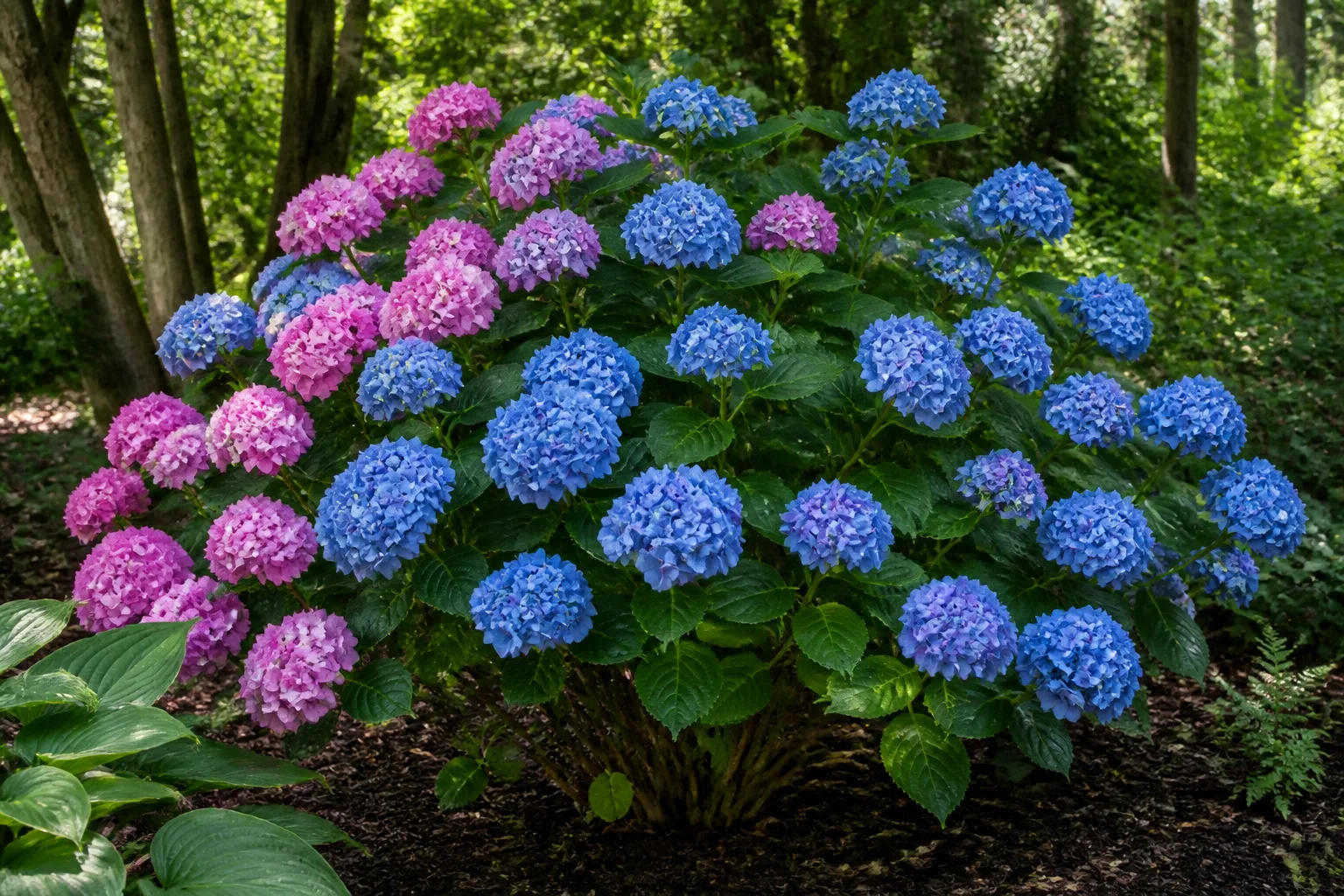
Bigleaf Hydrangea
Large summer flower heads for the partly shaded end of a border
- Mature fit
- Choose by mature width because pruning cannot safely hold every type small
- Main tradeoff
- Bloom timing and pruning needs depend on the hydrangea type
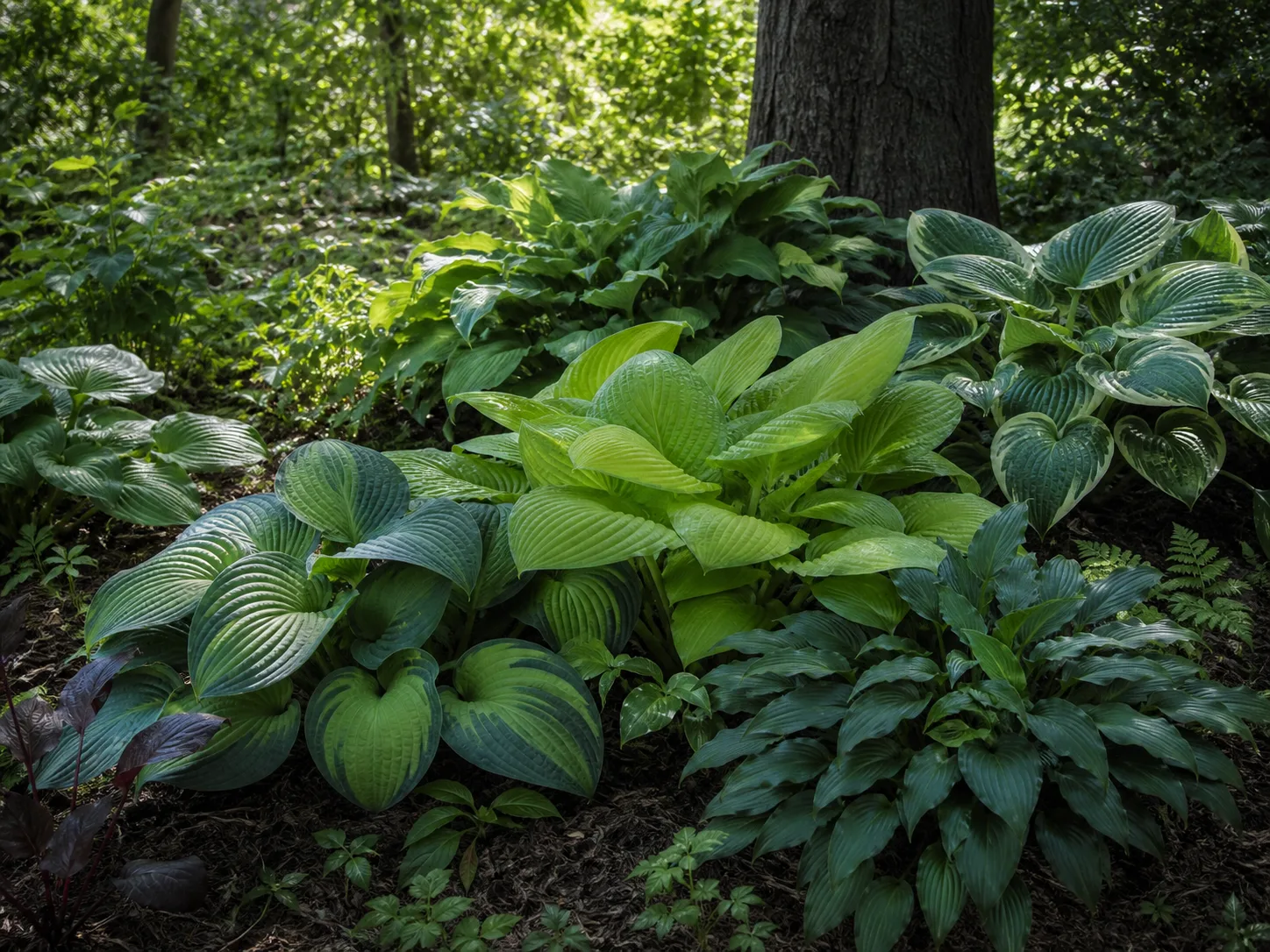
Hosta
Season-long foliage and summer flowers where the bed is shaded
- Mature fit
- Match the cultivar's mature spread to the open ground between shrubs
- Main tradeoff
- Slugs, deer, and hot afternoon sun can damage the leaves
Heat Is the Other Off Switch
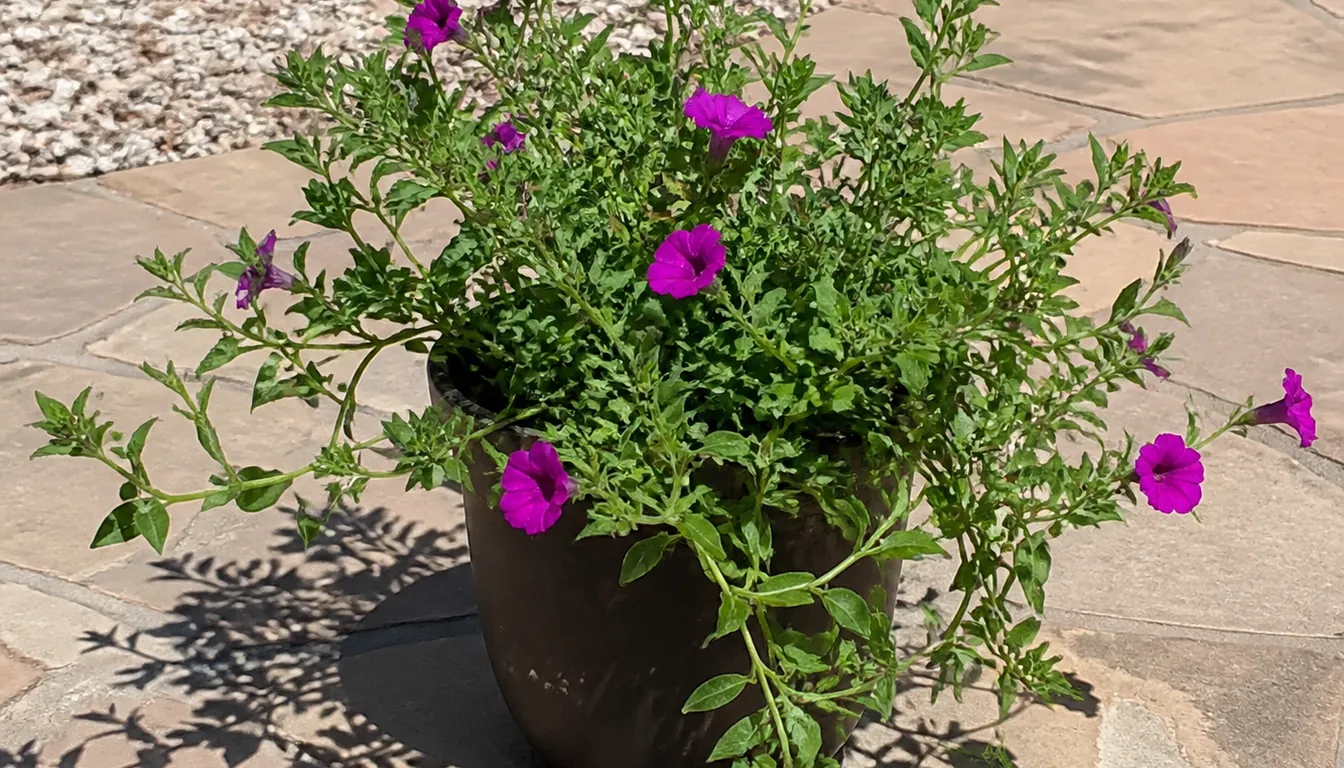
Heat stops bloom by a route that has nothing to do with watering. Sustained high night temperatures make many plants abort flower buds they have already formed, so flowering halts while the plant stays entirely healthy.
Some plants were never going to hold. Pansy and snapdragon are cool-season annuals that quit outright once real summer heat arrives, and they will not resume until fall.
The tell is the foliage, since a heat-stalled plant keeps clean unblemished leaves while anything diseased or genuinely dry shows damage before it stops flowering.
Deep watering and mulch reduce the compounding stress and are worth doing, but nothing restarts bloom while the heat holds. Feeding a stalled plant achieves nothing except growth it does not need, and watering more often than deeply makes matters worse.
- Cause
- High night temperatures, buds aborted
- First to quit
- Pansy, snapdragon and other cool-season annuals
- The tell
- Foliage stays clean and undamaged
- What helps
- Deep watering and mulch
- What does nothing
- Fertilizer, fungicide, more frequent watering
- Recovery
- When night temperatures drop
What If the Leaves or Stems Also Look Wrong?
Seed set and heat explain a healthy plant that stops flowering. Damaged foliage, weak new growth, or collapsing stems point to a different problem and need a separate check before you cut or feed anything.
Start at the root zone because dry and waterlogged soil can both leave a plant wilted. Push a finger or trowel below the surface instead of judging by the dusty top inch, then correct the moisture problem with a slow soak or better drainage.
Lush leaves with few flowers often point to too little sun or too much nitrogen. Moving a container or changing next season's placement is more useful than adding another bloom product.
Spotted leaves, distorted tips, chewed buds, or sticky residue need close inspection for disease or pests. Remove badly damaged material only after identifying the cause, because cutting every symptom can hide the evidence without fixing the plant.
- Foliage clean and soil evenly moist: wait for cooler nights before changing care
- Soil dry below the surface: water slowly and deeply, then recheck the root zone
- Soil stays wet or smells sour: improve drainage and let air return to the roots
- Lush green growth with few buds: check sun exposure and stop high-nitrogen feeding
- Spots, webbing, sticky residue, or distorted tips: identify the pest or disease before treating
A deep-watering check helps when the root ball is dry below the surface. If the foliage is clean and the soil moisture is reasonable, avoid stacking extra fertilizer, pesticide, and water onto a temporary heat stall.
The Hard Shear That Buys a Second Flush
A hard shear is not a trim. It means cutting a sprawling clump back by roughly half to two thirds, taking off the flopping growth entirely, and it is the single most useful thing you can do to a tired midsummer bed.
The plants that reward it are specific. Catmint, hardy geranium, salvia and coreopsis all come back from a hard cut with dense new foliage and a full second flush, and lavender wants a gentler version of the same idea.
Timing is a rule rather than a date. Cut once the first flush is clearly finished and the clump has started to open in the middle, and stop doing it late enough in the season that there is no time left to rebloom.
Expect the bed to look worse before it looks better, because the sheared clump stays bare for two or three weeks and that is why most people trim the tips instead and end up with more sprawl.
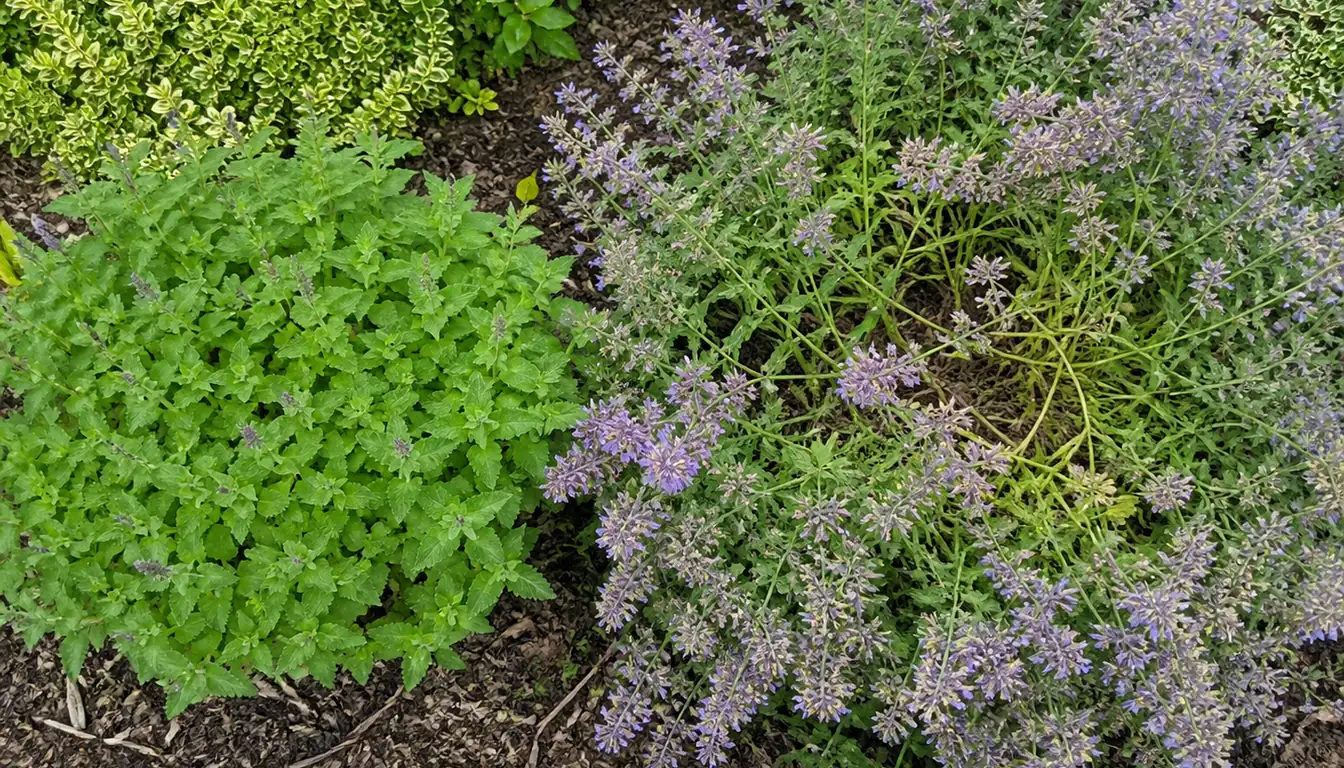
- Wait for the right momentThe first flush is over and the clump has flopped open at the center.
- Cut hardTake off half to two thirds, removing the sprawling growth rather than tipping it.
- Water it inA deep soak after cutting helps the regrowth come away quickly.
- Leave it aloneTwo to three bare weeks are normal, and feeding now does not speed it up.
- Stop in timeSkip the shear if there is not enough season left for the plant to rebloom.
Plant the Gap Before It Opens
The replacement layer needs to be growing before the first flowers tire.
- Start several weeks earlySow zinnia or cosmos in early summer so the seedlings are ready before shearing opens holes.
- Repeat through the bedUse several small groups that echo an existing color or shape rather than one isolated patch.
- Move only what is readyPlant out sturdy seedlings as the first wave fades, then water them through establishment.
Pro Tips
- Deadhead while the petals are collapsing and before the pod behind them swells, since that stem is finished once seed has set.
- Check which of the three groups a plant belongs to before deadheading it. Self-cleaners need nothing and one-and-done plants will not repeat.
- Cut back to the first healthy pair of leaves rather than snapping the flower off, so new growth has a point to break from.
- Shear catmint, hardy geranium and salvia by half to two thirds once the first flush finishes, and accept two bare weeks.
- Read clean foliage with no flowers as a heat stall rather than a disease, and do not feed it.
- Sow zinnia or cosmos in early summer so the fillers are ready when the first wave is sheared back.
Frequently Asked Questions
Why did my flowers stop blooming in midsummer?
Usually one of two switches. Either the plants have set seed, which tells them the job is done and ends flowering, or sustained high night temperatures have made them abort the buds they had already formed.
Does deadheading really make plants flower more?
For some plants yes and for others not at all, which is why the advice so often disappoints. Salvia, coreopsis, zinnia, roses and dahlias rebloom harder when cut before they set seed, calibrachoa and begonia clean themselves and need nothing, and peony and bearded iris flower once a season whatever you do.
What flowers bloom all summer long?
Among annuals, lantana, verbena, zinnia, cosmos and calibrachoa run from planting until frost without a gap. Among perennials the reliable long runners are coneflower, black-eyed susan, daylily, salvia and coreopsis, and butterfly bush carries the same job at shrub scale.
Should I cut my catmint back in summer?
Yes, and harder than feels comfortable, taking off half to two thirds once the first flush is finished and the clump has opened in the middle. It will look bare for two or three weeks and then produce a full second flush, which trimming the tips will not do.
Why are my petunias leggy with few flowers?
Leggy growth with healthy green leaves and sparse bloom in high summer is usually a heat stall rather than a problem to treat. Keep watering deeply, resist the urge to feed, and expect flowering to pick up when night temperatures come down.
How do I keep a flower bed from going bare in August?
Build the bed from long-running plants first and treat the two-week performers as additions rather than as the backbone. Then sow zinnia or cosmos in early summer so there is something coming on when you shear the first wave back.
Sources & References
Related Guides
Best Butterfly Garden Plants for a Complete Habitat
The best butterfly garden plants do two different jobs. Host plants feed caterpillars, while nectar…
15 min read
Best Fall-Blooming Flowers for Color Near Frost
A bed that still carries flowers in October usually was planned before temperatures fell.
9 min read
Best Fast-Growing Trees for Shade and Privacy
The best fast-growing tree is the one whose mature crown, roots, climate range, and maintenance…
16 min read
Best Fragrant Flowers for Every Yard and Season
The best fragrant flowers depend on climate, light, space, and the hours you use the yard.
15 min read
Best Full-Sun Perennials for Hot, Bright Beds
The best full-sun perennials are the ones that match the bed's soil moisture and drainage, local…
14 min read
Best Ground Cover Plants for Sun, Shade, and Slopes
The best ground cover is a plant that survives the site and performs the job without escaping into…
18 min read