
Hummingbird Plants That Keep Nectar Blooming From Spring to Fall
The plants hummingbirds use most are tubular, single-flowered nectar plants grown in patches, with bloom that overlaps from spring to fall. In the Midwest, Wisconsin Horticulture's top picks are cardinal flower, coral honeysuckle, scarlet bee balm, scarlet sage, blue anise sage, and cuphea. In the Southeast, University of Florida IFAS adds firebush, coral bean, red buckeye, and scarlet hibiscus.
Red and orange help, but color is not the deciding trait. Hummingbirds feed just as readily on the deep blue flowers of 'Black and Blue' salvia, and a red flower with little nectar does them little good. What matters is a flower shaped for a bird's bill, enough nectar, and enough flowers blooming at once, across the whole season the birds are present.
At a glance
What Makes a Flower Worth a Hummingbird's Visit
Hummingbirds and their flowers evolved together. Wisconsin Horticulture explains that hummingbird bills range from short and straight to long and curved, and that each shape matches flowers with tubes of a similar length and curve. Hummingbird-pollinated flowers are often red or orange, generally lack the near-ultraviolet patterns that guide insects to land, and tend to make relatively weak nectar high in sucrose.
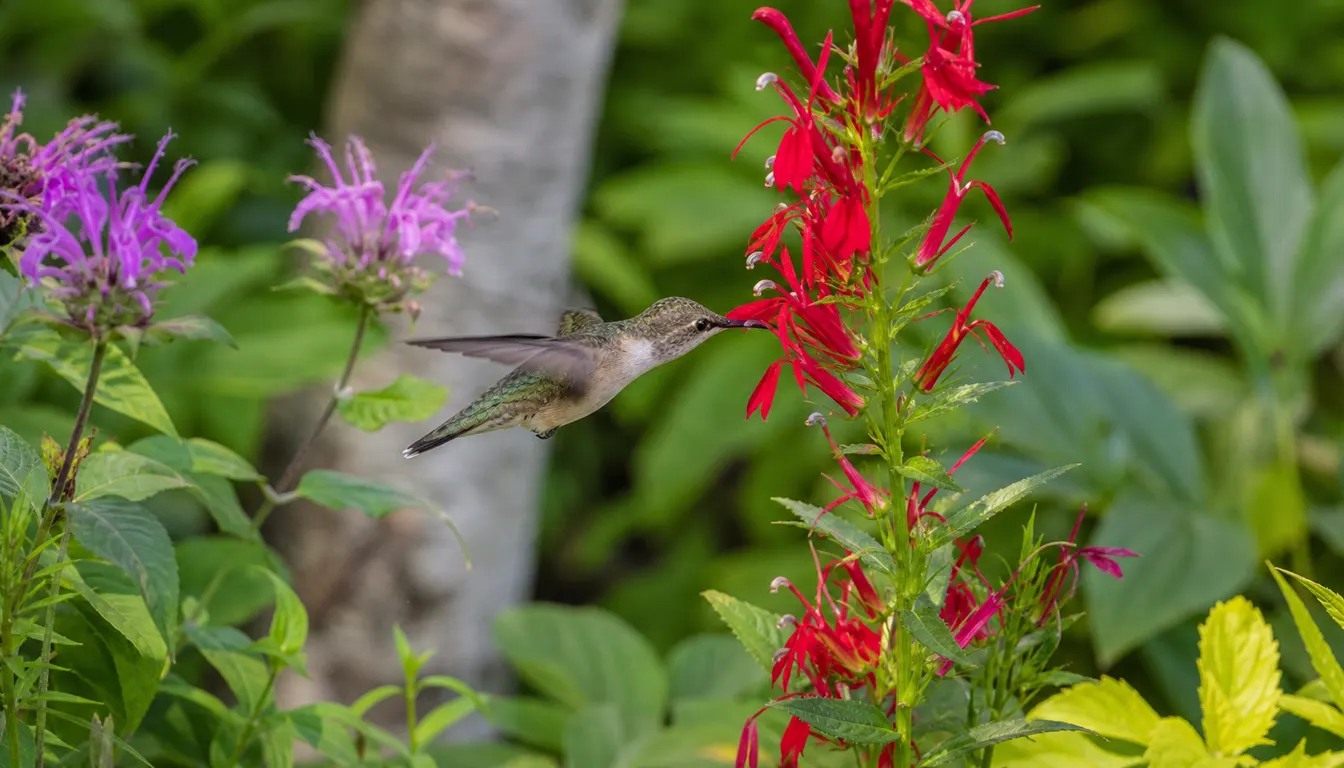
Some flowers depend on the birds completely. University of Florida IFAS notes that cardinal flower relies entirely on hummingbirds for pollination, because other pollinators have trouble reaching the inside of the flower.
Three plant choices change how much nectar a bed actually offers, according to Wisconsin Horticulture.
- Single flowers rather than doubles, which Wisconsin rates as the better choice for hummingbirds
- The species where possible, since some cultivars and hybrids carry much less nectar than the species
- Patches of one plant rather than single plants scattered across the yard
Color is the trait people notice, but it is only a slight preference. Wisconsin notes that hummingbirds feed readily on tubular flowers of other colors, and that a plant on a favorites list may go unused in some areas. The red flowers for beds and borders page covers the color side of the choice, while the plants here are chosen for nectar and season.
Reliable Hummingbird Plants and Why Each One Works
The table combines Wisconsin Horticulture's list of the best Midwest hummingbird plants with University of Florida IFAS natives for the Southeast, and takes hardiness and bloom season from NC State Extension's plant database. Hardiness zones describe winter survival, so a plant listed as a tender perennial can still feed hummingbirds all summer as an annual in a colder zone.
| Plant | Type and zones | Bloom | Why hummingbirds use it | The catch |
|---|---|---|---|---|
| Eastern red columbine, Aquilegia canadensis | Native perennial, Zones 3 to 8 | Spring | Drooping, spurred red and yellow flowers early in the season | Spring-only bloom, so it needs summer partners |
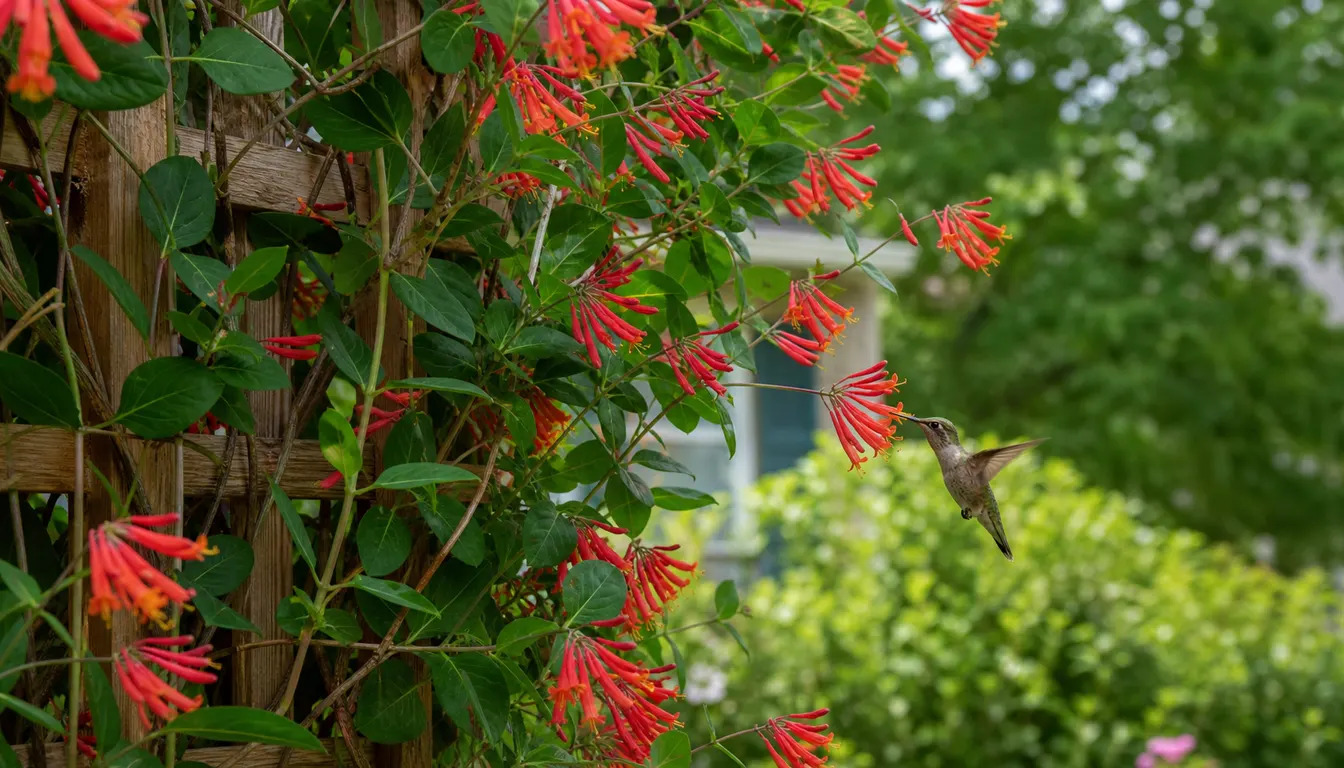
| Coral honeysuckle, Lonicera sempervirens | Native twining vine, Zones 4 to 10 | Spring into summer | Red trumpet flowers on a vine about 10 to 20 ft long | Needs a trellis or fence to climb |
| Scarlet bee balm, Monarda didyma | Native perennial, Zones 4 to 9 | Summer | Dense heads of tubular red flowers | NC State lists it as weedy, since it spreads |
| Trumpet vine, Campsis radicans | Native woody vine, Zones 4 to 10 | Summer | Trumpet-shaped flowers 1 to 3 inches long | Vigorous and weedy, climbs by clinging rootlets, and the sap can irritate skin |
| Scarlet sage, Salvia coccinea | Annual in cold areas, perennial in Zones 8 to 10 | Summer to fall | Native salvia with red tubular flowers that keeps blooming in heat | Flowers less in shade |
| Blue anise sage, Salvia guaranitica | Perennial in Zones 7b to 10, annual elsewhere | Summer | Deep blue tubular flowers that hummingbirds visit as readily as red | Tender in cold winters |
| Coral bells, Heuchera sanguinea | Perennial, Zones 3 to 8 | Spring into summer | Small red bell-shaped flowers | Small flowers, best planted in groups |
| Cardinal flower, Lobelia cardinalis | Native perennial, Zones 3 to 9 | Summer into fall | Tubular red flowers that depend on hummingbirds for pollination | Needs moist soil, and the plant is poisonous if eaten in quantity |
| Cuphea, including cigar plant | Tender perennial grown as an annual in most areas | Spring to fall | Tubular orange-red flowers over a long season | Survives winter outdoors only in frost-free areas |
| Firebush, Hamelia patens | Shrub in Zones 9 to 11 | Much of the year in warm areas | Orange-red tubular flowers that are consistently attractive to hummingbirds | Grown as an annual north of its range |
| Zinnia, tall red or orange types | Annual | Summer to fall | Wisconsin lists zinnias, especially tall red or orange varieties | Replanted from seed or transplants each year |
A few southern natives need care around children and pets. University of Florida IFAS notes that all parts of red buckeye are poisonous to humans and toxic to pets, and that coral bean seeds are poisonous. Lantana, another plant Wisconsin lists for hummingbirds, is toxic to dogs, cats, and horses according to the ASPCA.
Familiar garden plants round out the list. Wisconsin includes salvia hybrids, tall garden phlox, coral bells, weigela, verbena, and lantana, so an existing border may already hold a hummingbird plant or two that only needs partners blooming in other months.
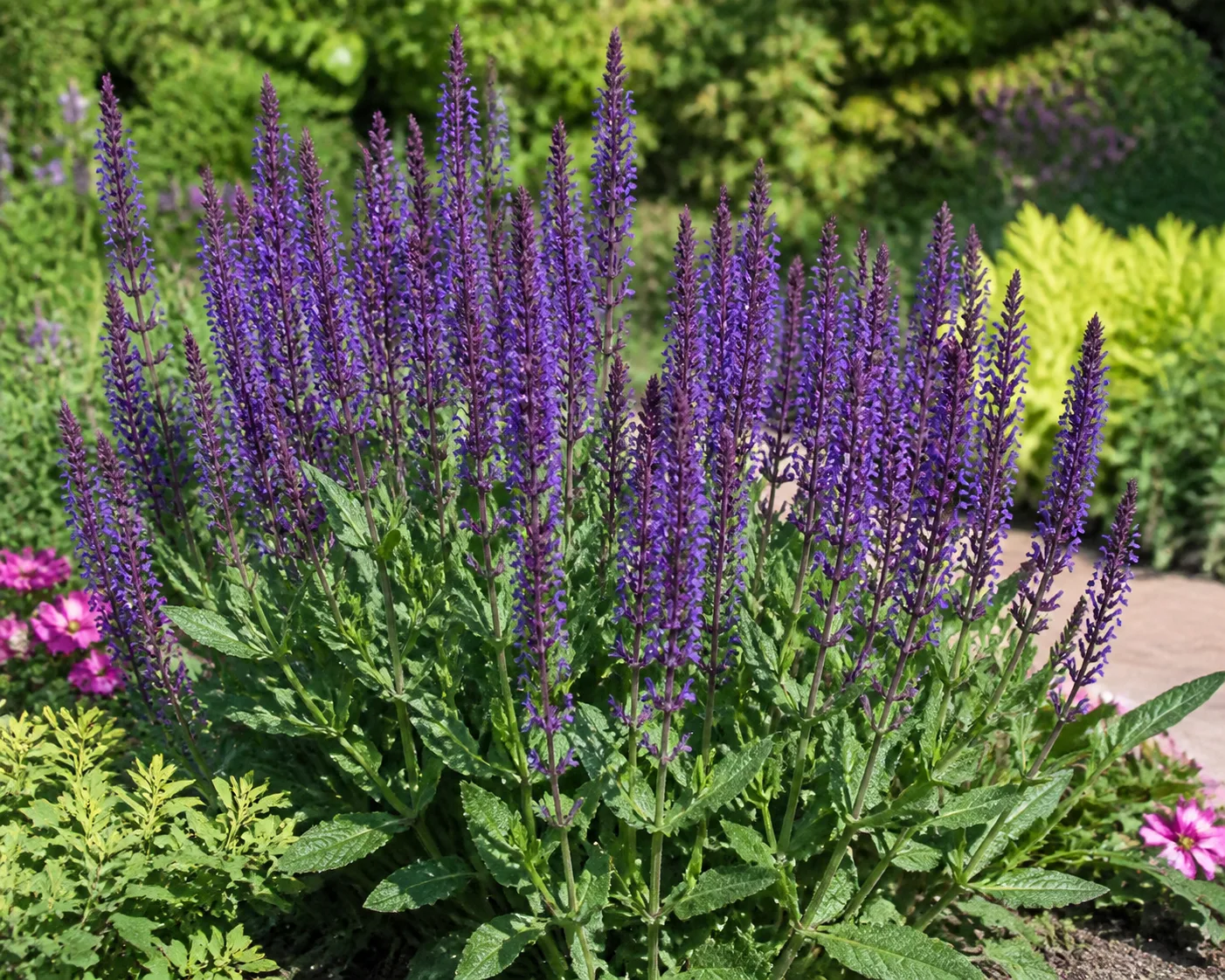
Salvia
Tubular summer to fall flowers in red, blue, and purple
- Mature fit
- From compact annuals to shrubby perennials, by species
- Main tradeoff
- Hardiness varies widely, so many hummingbird salvias are annuals in cold zones
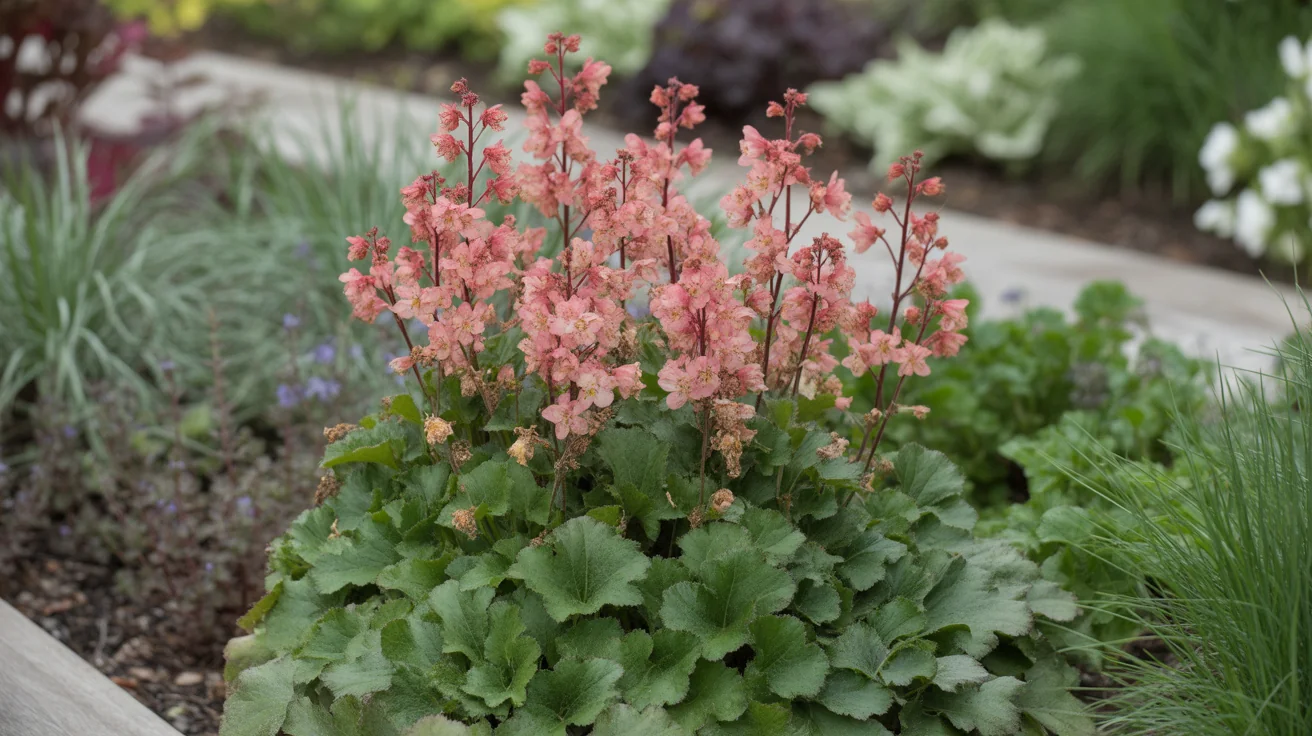
Coral Bells
Red bell-shaped spring and early summer flowers at the front of a bed
- Mature fit
- Low clumps with flower stems rising above the leaves
- Main tradeoff
- Small flowers, so a group feeds birds better than a single plant
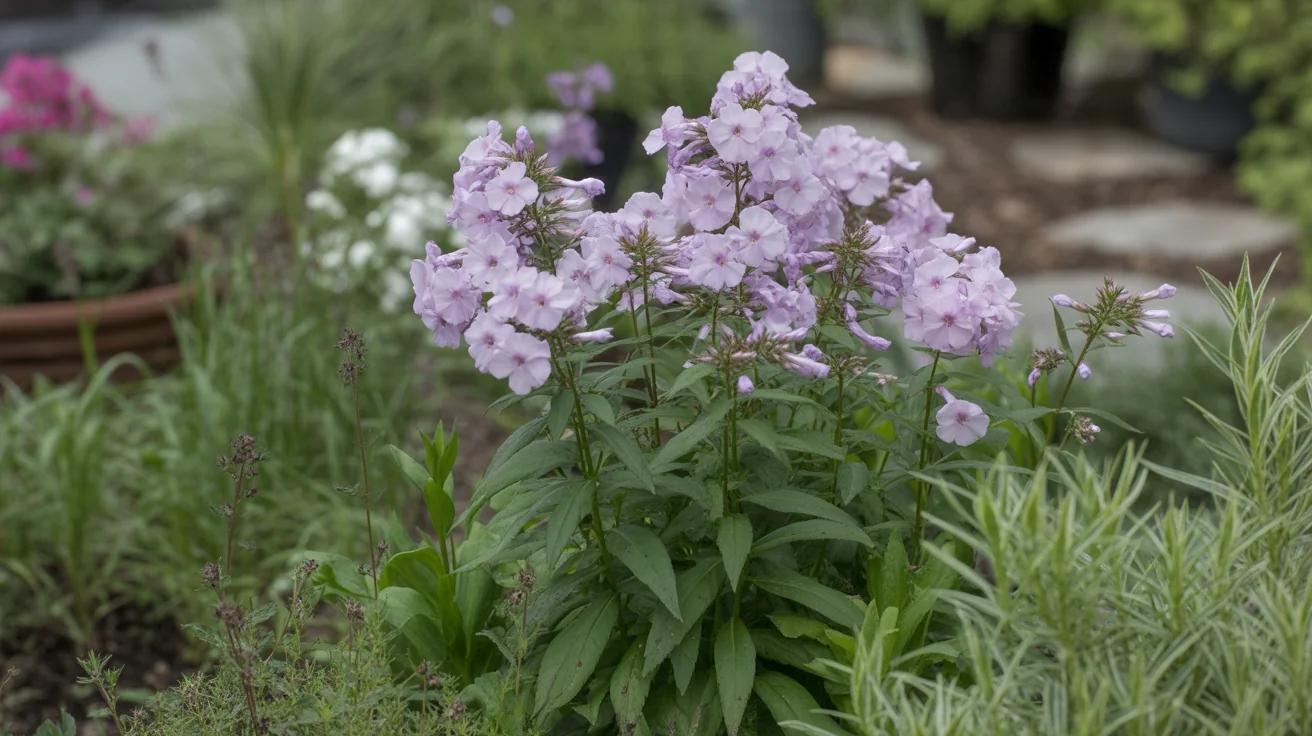
Garden Phlox
Midsummer flower clusters in the middle of a border
- Mature fit
- Tall garden types about 2 to 4 feet
- Main tradeoff
- Flowers from midsummer, so spring nectar has to come from other plants
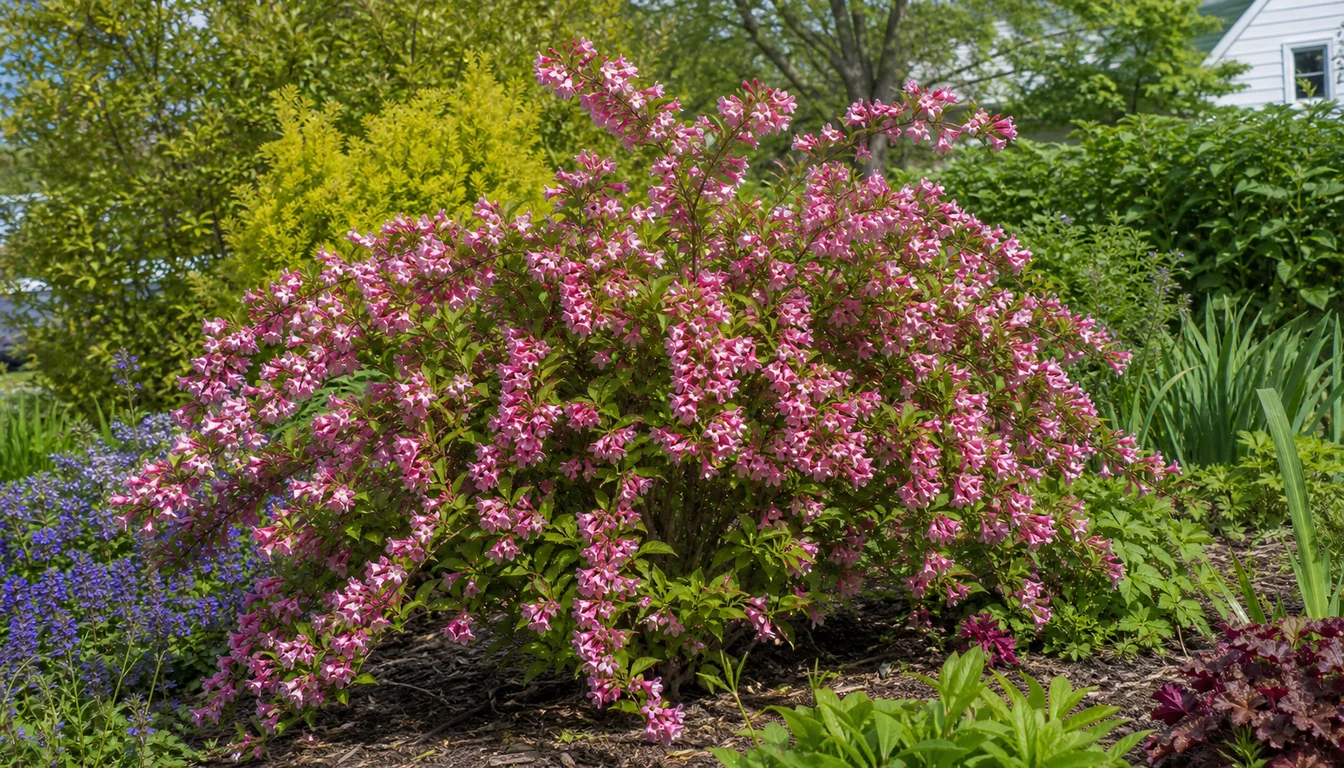
Weigela
Shrub with tubular late-spring flowers near a perch or bed edge
- Mature fit
- Cultivars run from low mounds to shrubs about 10 feet tall
- Main tradeoff
- Main bloom is in late spring, though some newer cultivars rebloom
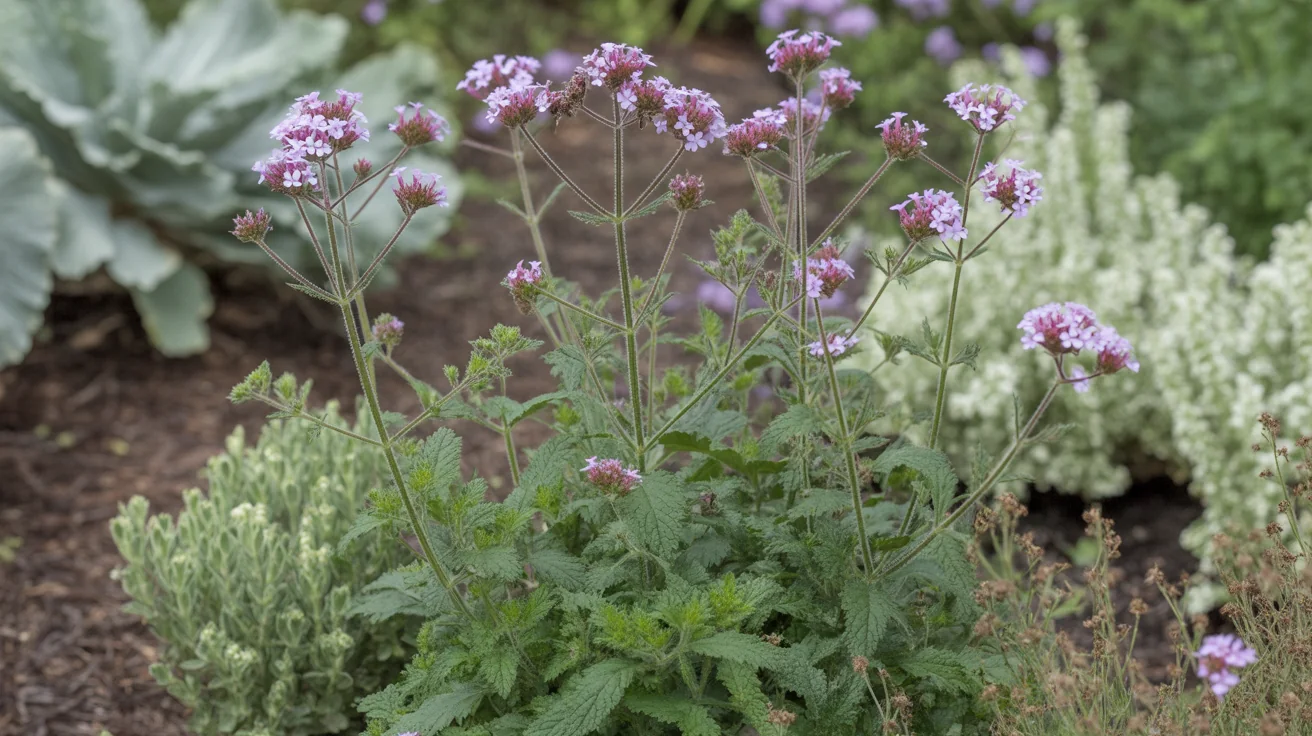
Verbena
Long-flowering filler for sunny beds and containers
- Mature fit
- Low spreading or upright, by type
- Main tradeoff
- Usually grown as an annual, since hardiness varies by species
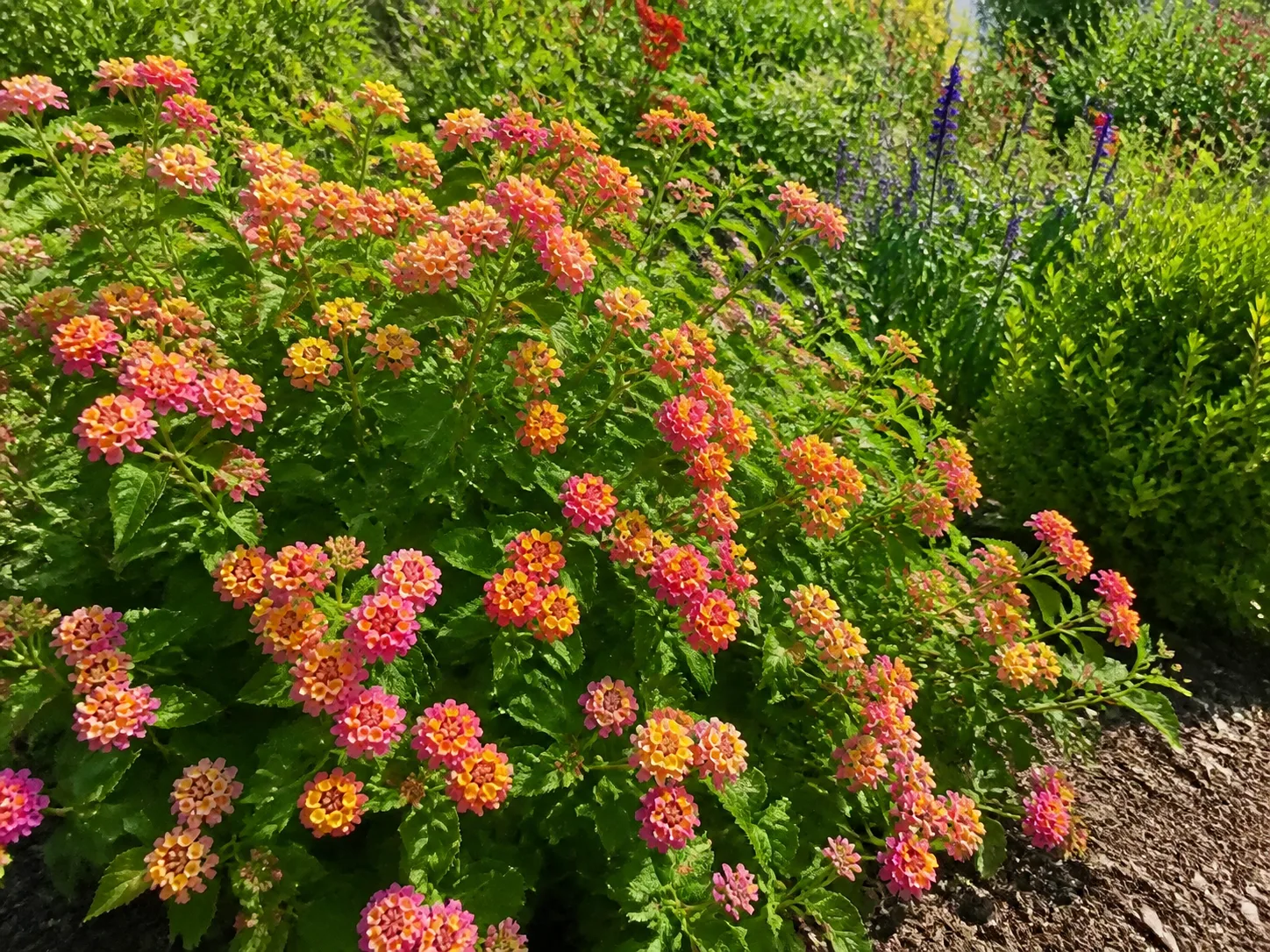
Lantana
Heat-loving summer color for sun, especially in red forms
- Mature fit
- A mounding shrub or annual, by climate
- Main tradeoff
- Toxic to dogs, cats, and horses, according to the ASPCA
Planning Bloom From Spring Arrival to Fall Migration
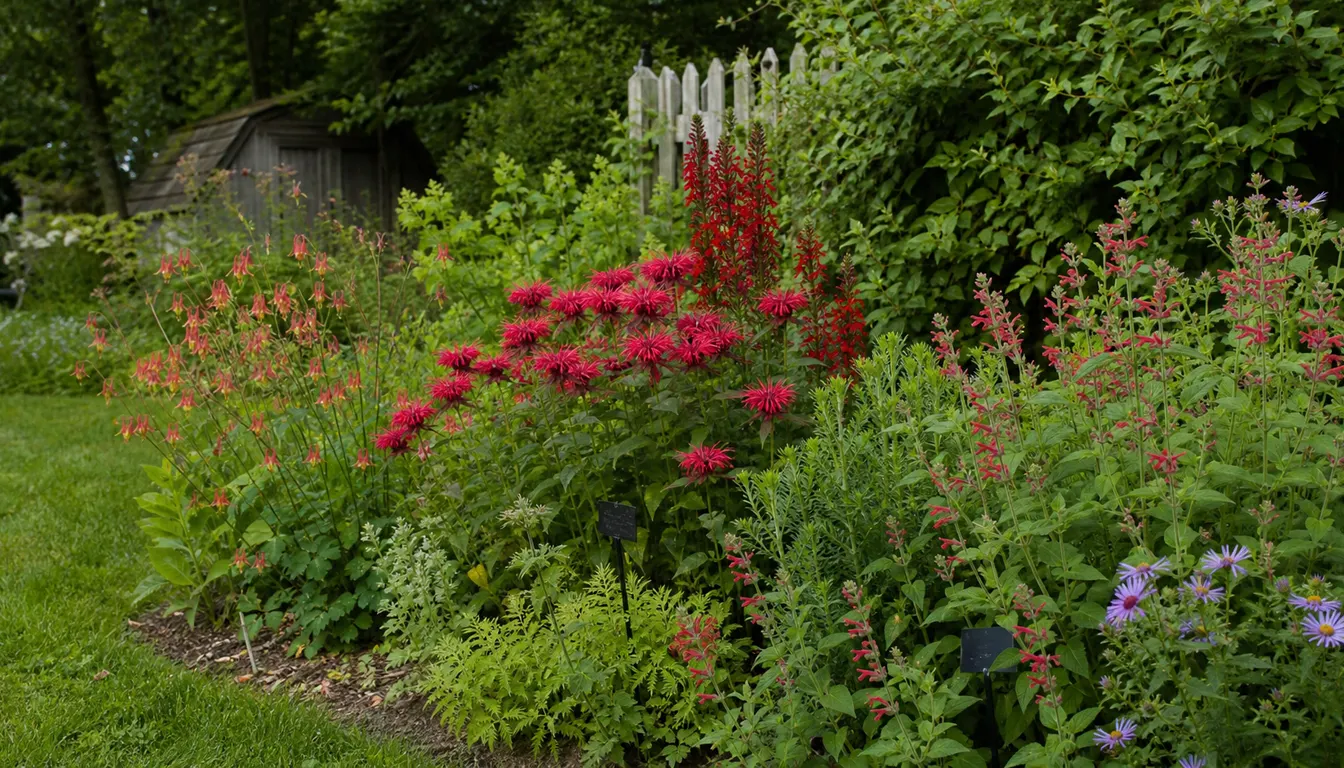
Wisconsin Horticulture recommends staggered bloom times so there is food for the entire season, and the birds' calendar explains why both ends matter.
In much of the East and Midwest the bird is the ruby-throated hummingbird. Wisconsin describes it as the only common hummingbird in the Midwest, and other species seen there do not breed east of the Mississippi. Females raise one or two broods each summer, and in late summer and fall the birds gain as much as 100% of their body weight to fuel migration, which includes a nonstop flight across the Gulf of Mexico. Males start leaving first, sometimes by early August.
| Season | What the birds are doing | Plants that cover it |
|---|---|---|
| Spring | Arriving and setting up territories | Eastern red columbine, coral honeysuckle, coral bells |
| Summer | Nesting and feeding young | Bee balm, trumpet vine, salvias, garden phlox |
| Late summer to fall | Fattening for migration | Cardinal flower, scarlet sage, blue anise sage, cuphea, zinnia |
Timing differs by region. Wisconsin notes that pineapple sage rarely blooms in the upper Midwest before ruby-throated hummingbirds leave, so a plant that is a fall staple farther south may flower too late to help there. In Florida, IFAS points out that nesting runs from spring through summer and that a few other hummingbird species can appear in winter, which is where long-blooming firebush earns its place.
Matching Plants to Wet, Dry, and Shady Spots
Hummingbird plants do not share one set of growing conditions, and putting each in the right spot is what keeps them blooming.
Moist ground suits cardinal flower, which NC State describes as a plant of moist locations and IFAS recommends for rain gardens. Scarlet bee balm also tolerates wet soil. These two do poorly in a dry, sunny border that suits salvias.
Dry, hot sites suit scarlet sage, blue anise sage, and coral bells, which NC State lists as resistant to drought, and firebush, which IFAS describes as tolerant of heat and drought.
Part shade still works for several. NC State lists cardinal flower, coral honeysuckle, eastern columbine, and coral bells for part shade, though IFAS notes that firebush and scarlet sage both flower more in sun.
Grouping the moisture lovers together, away from the drought-tolerant salvias, lets one bed be watered for cardinal flower without drowning plants that prefer to dry out.
Planting in Patches Near Cover
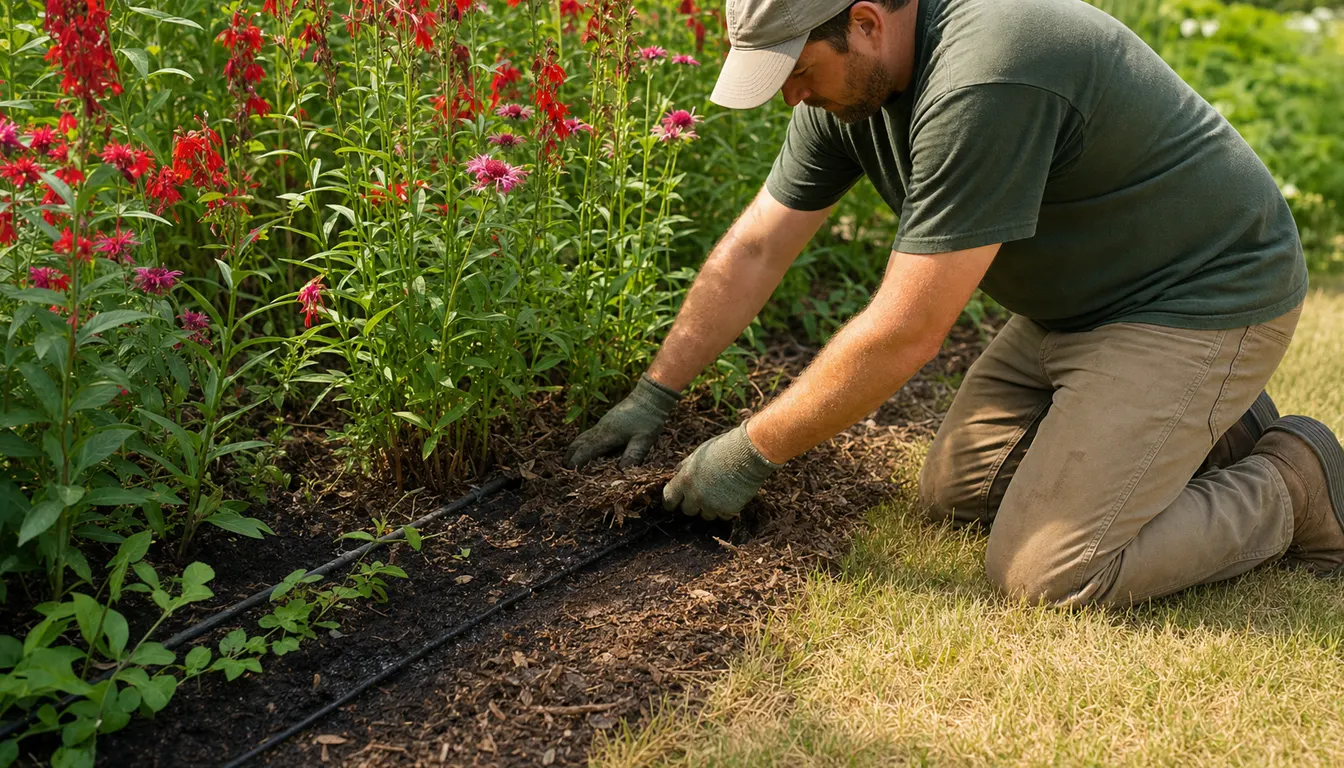
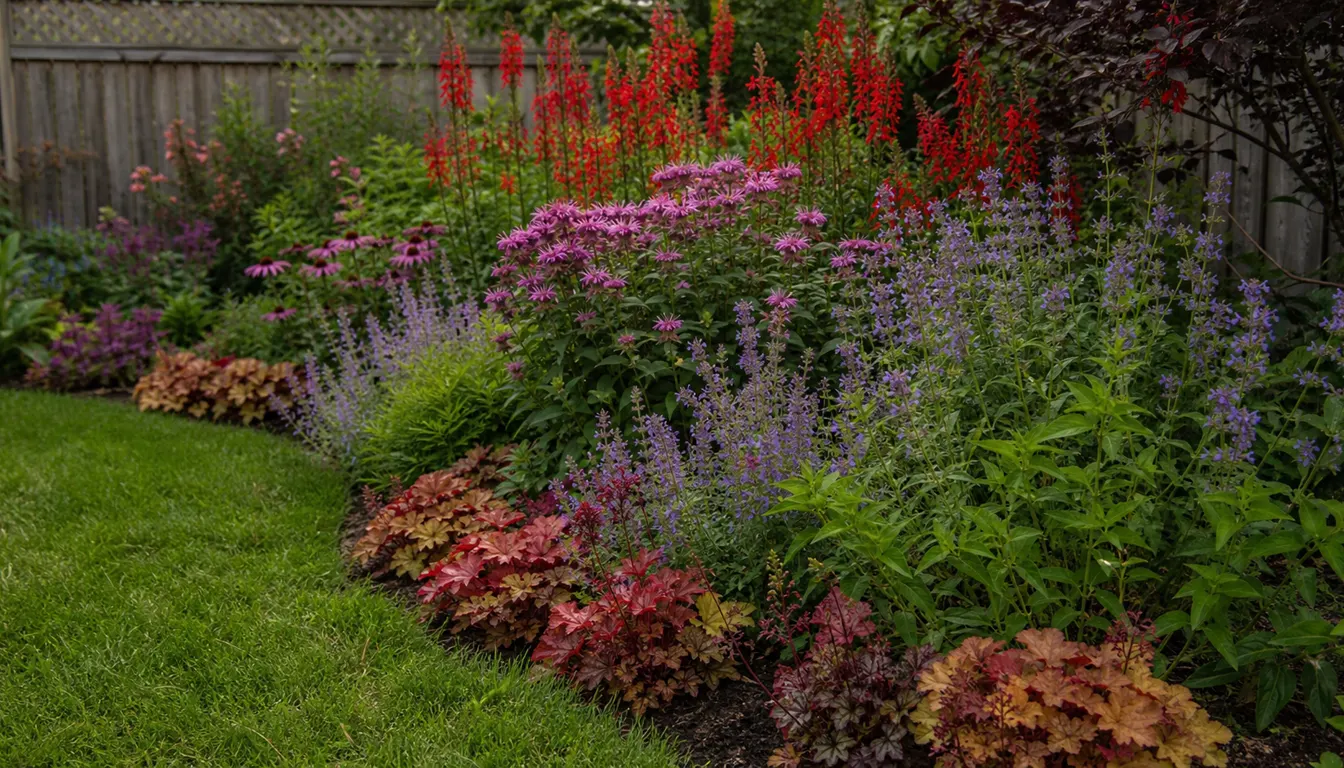
Wisconsin Horticulture notes that patches of flowers tend to work better than individual plants spaced widely through a landscape, and that even a few highly attractive plants added to existing gardens will draw birds. A group of one plant gives a feeding bird many flowers in a single stop.
Cover matters too. The same source recommends trees or tall shrubs nearby for nesting and perching, along with a source of water. A shrub or small tree within sight of the main patch gives birds a place to rest and watch between visits.
Territory shapes how the patches should be arranged. Both male and female ruby-throated hummingbirds are territorial and aggressively chase other hummingbirds from their feeding area, according to Wisconsin. Several separate patches, out of sight of each other, can give more than one bird a place to feed instead of letting a single bird guard everything.
Once hummingbirds find a patch, Wisconsin notes, they are likely to keep visiting through the season and usually return the following year.
Containers for Patios and Small Yards
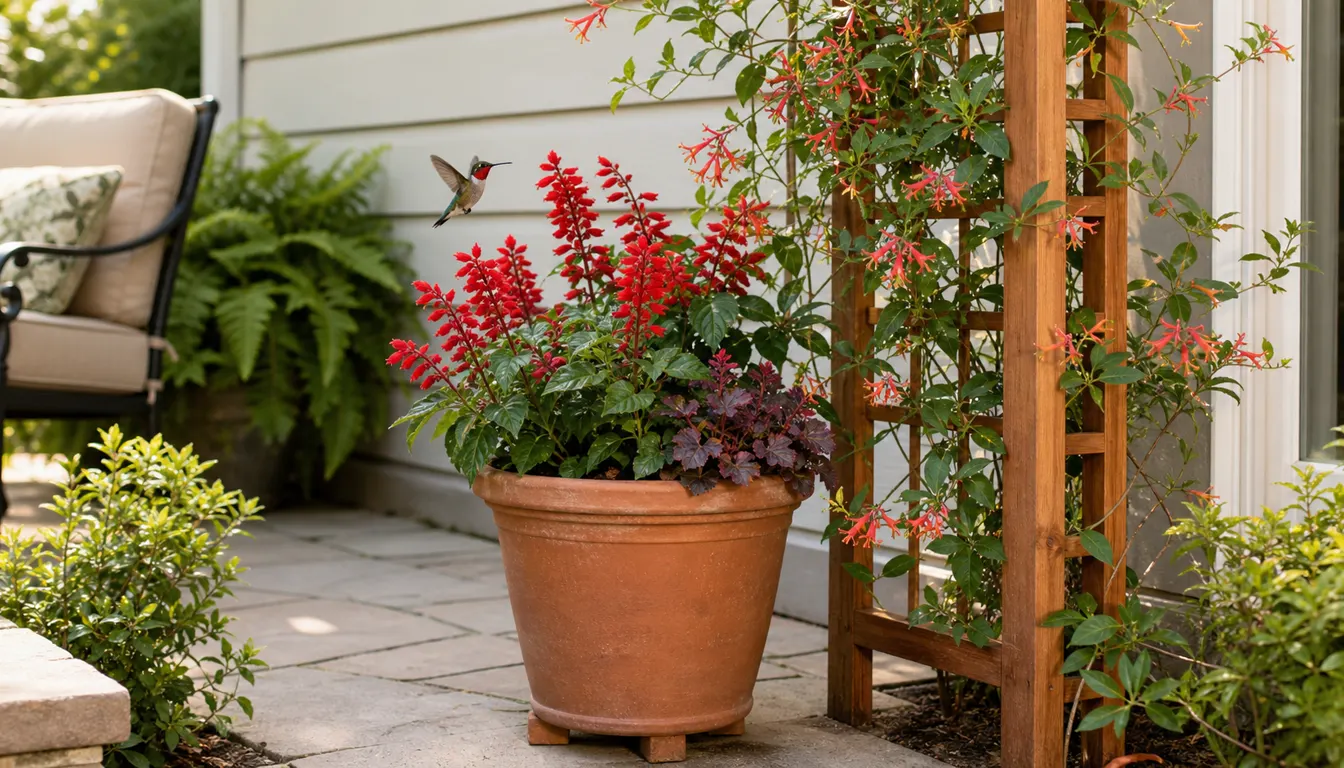
A hummingbird garden does not need ground space. Wisconsin Horticulture notes that hummingbirds readily visit flowers in containers, which puts nectar beside a patio, deck, or window where the birds can be watched.
Tender perennials are the natural container plants because they bloom for months and are replaced each spring in cold climates anyway. NC State describes cigar plant as suitable for containers, with near year-round flowering, and it can be wintered indoors in a sunny spot. Scarlet sage and the salvia hybrids Wisconsin lists also fill a large pot quickly.
A narrow trellis turns a pot or a small bed into vertical bloom. Coral honeysuckle twines up a support, and trumpet vine climbs by clinging rootlets, which is a reason to give it a freestanding post or arbor rather than a house wall.
Feeders, Insects, and Pesticides
Flowers are the main food, and Wisconsin Horticulture describes feeders as a supplement, most useful when blooms are scarce. Its recommended mix is white granulated sugar at 3 to 4 parts water to 1 part sugar, with weaker solutions of 4:1 or 5:1 during hot, dry weather when the birds need more water. Natural nectar averages close to the 3:1 strength.
Hummingbirds also eat small insects and spiders, which supply protein and other nutrients that nectar does not, and females feed their young mainly on insects. That is why Wisconsin advises avoiding pesticides that would kill those small insects. A hummingbird bed that is sprayed for aphids loses part of the food supply it was planted to provide.
Pro Tips
- Buy single-flowered forms, since double flowers and some hybrids carry less nectar than the species.
- Plant at least one late bloomer such as cardinal flower or scarlet sage for birds fattening up before migration.
- Plant more than one flower patch, out of sight of each other, so one territorial bird cannot guard every flower.
Frequently Asked Questions
What is the best plant to attract hummingbirds?
Cardinal flower, coral honeysuckle, scarlet bee balm, scarlet sage, blue anise sage, and cuphea are Wisconsin Horticulture's top picks for the Midwest. In the Southeast, firebush and coral honeysuckle are reliable natives. A mix that blooms in spring, summer, and fall works better than any single plant.
Do hummingbirds only like red flowers?
No. They show a slight preference for red, orange, and bright pink tubular flowers, but feed just as readily on others, such as the deep blue 'Black and Blue' salvia. Flower shape and nectar matter more than color.
What sugar water ratio should a hummingbird feeder use?
Wisconsin Horticulture recommends white granulated sugar at 3 to 4 parts water to 1 part sugar, and a weaker 4:1 or 5:1 mix in hot, dry weather. Feeders work best as a supplement when flowers are scarce.
Can hummingbird plants grow in shade?
Some can. Cardinal flower, coral honeysuckle, eastern columbine, and coral bells all grow in part shade, though firebush and scarlet sage both flower more in sun.
How long before hummingbirds find a new planting?
It varies, but once they discover a patch they tend to keep visiting through the season and usually return the following year. Patches of one plant and a nearby shrub or tree for perching make a new planting easier to find and use.
Sources & References
- Hummingbirds in the Garden, Wisconsin Horticulture, University of Wisconsin-Madison Extension
- Hummingbird Gardens, UF/IFAS Gardening Solutions
- Lobelia cardinalis, North Carolina Extension Gardener Plant Toolbox
- Monarda didyma, North Carolina Extension Gardener Plant Toolbox
- Lonicera sempervirens, North Carolina Extension Gardener Plant Toolbox
- Aquilegia canadensis, North Carolina Extension Gardener Plant Toolbox
- Salvia guaranitica, North Carolina Extension Gardener Plant Toolbox
- Salvia coccinea, North Carolina Extension Gardener Plant Toolbox
- Campsis radicans, North Carolina Extension Gardener Plant Toolbox
- Heuchera sanguinea, North Carolina Extension Gardener Plant Toolbox
- Cuphea ignea, North Carolina Extension Gardener Plant Toolbox
- Lantana, ASPCA Toxic and Non-Toxic Plants
Related Guides
Best Butterfly Garden Plants for a Complete Habitat
The best butterfly garden plants do two different jobs. Host plants feed caterpillars, while nectar…
15 min read
Best Fall-Blooming Flowers for Color Near Frost
A bed that still carries flowers in October usually was planned before temperatures fell.
9 min read
Best Fast-Growing Trees for Shade and Privacy
The best fast-growing tree is the one whose mature crown, roots, climate range, and maintenance…
16 min read
Best Fragrant Flowers for Every Yard and Season
The best fragrant flowers depend on climate, light, space, and the hours you use the yard.
15 min read
Best Full-Sun Perennials for Hot, Bright Beds
The best full-sun perennials are the ones that match the bed's soil moisture and drainage, local…
14 min read
Best Ground Cover Plants for Sun, Shade, and Slopes
The best ground cover is a plant that survives the site and performs the job without escaping into…
18 min read