
When Should You Repot a Houseplant, and How?
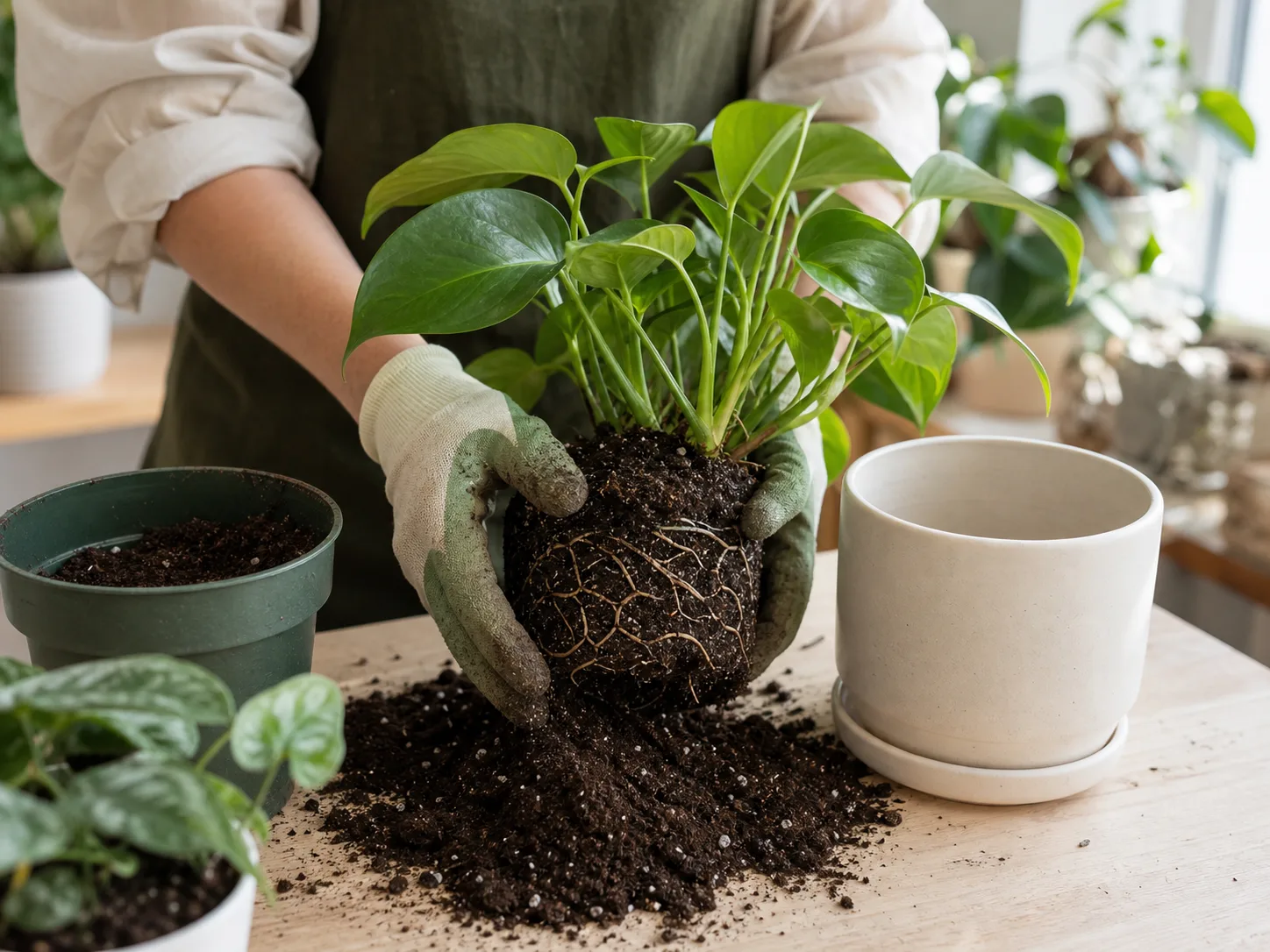
A houseplant may need repotting when crowded roots or deteriorated mix make healthy growth and watering difficult. Roots appearing at a hole, small new leaves or wilting are reasons to investigate, not proof that the plant needs a larger container.
For a healthy, crowded foliage plant, the usual move is into a modestly larger draining pot with suitable fresh mix. A plant with few surviving roots may need the same size or a smaller container instead. When the aim is only a different appearance, a removable outer pot can avoid disturbing the roots at all.
The handling below applies to established foliage houseplants. Orchid media changes, cactus root repairs and propagation from cuttings need their own plant-specific treatment rather than an automatic transfer of every step.
At a glance
Does Your Plant Actually Need Repotting?
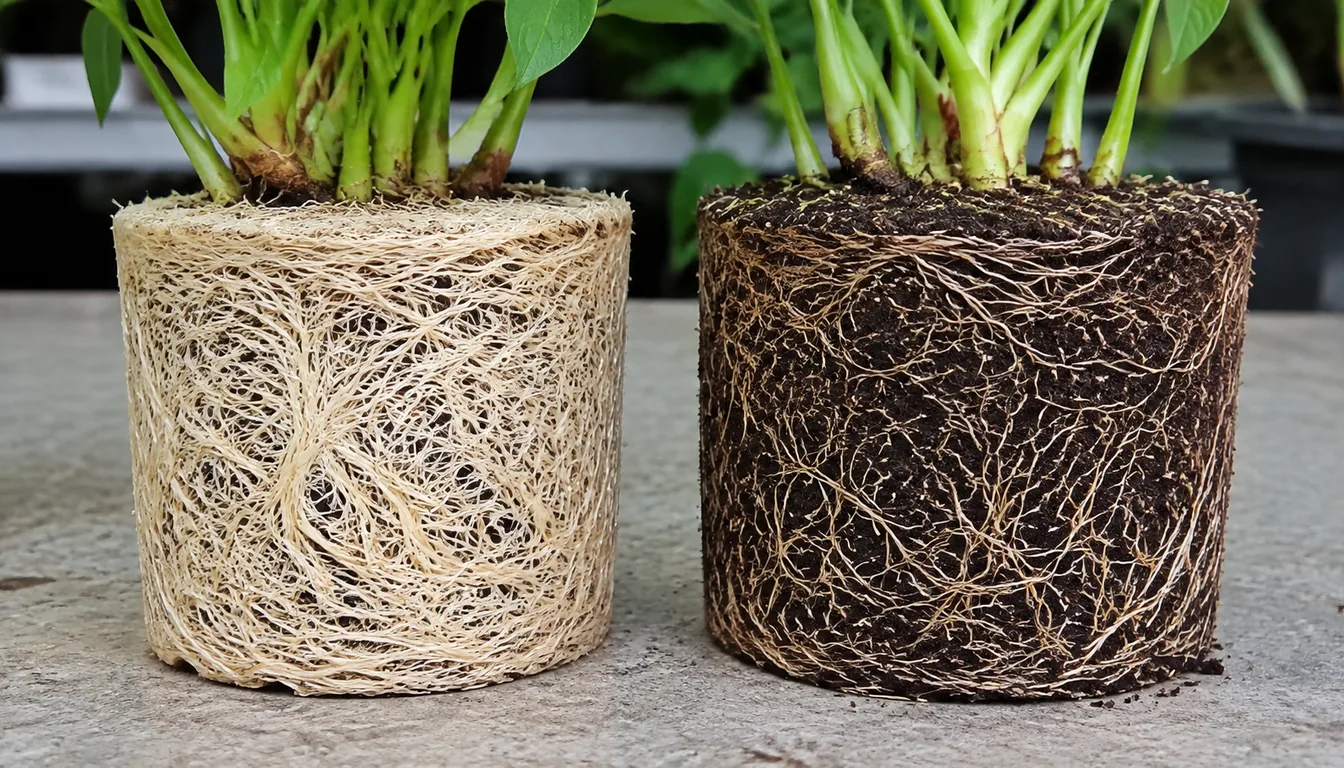
A root ball with dense circling roots and little visible mix gives stronger evidence of crowding than one small leaf. Penn State recommends taking the plant out to inspect when drying, growth or roots at drainage holes suggest a problem.
The symptoms need context. Less light can change growth and leaf size. A wilted plant may have dry roots, but it can also have wet, damaged roots that cannot supply the leaves. Increasing pot size will not correct either situation without addressing the cause.
| What you notice | What it may mean | What to inspect before deciding |
|---|---|---|
| Roots emerge from drainage holes | Roots have reached the pot boundary | Whether the whole ball is densely crowded, not just one escaping root |
| The pot dries much faster than it used to | More roots or foliage may be using the available water | Root density, whether the center wets properly, and any change in heat or light |
| New growth is smaller or slower | Root restriction is one possibility | Light, watering, nutrition and root condition together |
| The plant wilts while the mix stays wet | Root function may be impaired | Drainage and soft or deteriorating roots, rather than a larger wet pot |
| Mix has lost structure and watering is difficult | The medium may need renewal | Whether fresh mix is needed even if the roots do not need more space |
Routine repotting is easiest around active growth, often spring or early summer under natural indoor light. A plant's actual growth matters more than a date, particularly under supplemental lighting. Serious drainage or root problems warrant attention when they occur, rather than waiting for a preferred season.
How Much Bigger Should the New Pot Be?
The new pot needs room for the healthy root ball and a manageable layer of fresh mix. For an ordinary healthy plant moving up, the next modest container size is a useful starting point. Comparing the actual interior dimensions is more helpful than a decorative pot's size label.
RHS guidance explains the risk of overpotting. A large volume of mix around relatively few roots can take longer to dry, so frequent watering may leave those roots short of air. That material still loses water through evaporation, and a large pot does not make rot inevitable, but it can make moisture harder to manage.
A floor plant does not automatically need a much larger container. Its living root mass, growth rate and the available space matter. A broad, stable base can help support a tall plant without surrounding a small root ball with excessive mix.
Drainage holes need an unobstructed outlet. If the pot is going inside a decorative cover, there must also be a practical way to remove runoff. A heavy setup that cannot be lifted safely needs help or a different arrangement before the plant is taken out.
After substantial root loss, a smaller pot may fit the remaining roots better. Pot size follows what is left alive, not the old canopy's height or an expectation that fresh mix will replace missing roots.
When Is Refreshing the Mix Enough Instead?
Refreshing the surface can be useful when a large, healthy plant is difficult to lift. Loose crust and tired surface material can be removed carefully and replaced without burying the stems or damaging exposed roots. This is limited maintenance, not a renewal of the entire root zone.
White deposits may include fertilizer residues or minerals from the water. Removing surface crust removes that visible material, but it does not establish that most dissolved salts were in the top inch. Water and fertilizer history still matter, and suitable leaching requires a freely draining container.
Returning to the same pot is also possible. If the root ball is not congested, loose deteriorated material can be replaced around it. If dense roots already fill all the space, simply squeezing fresh mix around the outside will not create room.
Some plants tolerate planned root pruning or division to maintain size. The amount and timing depend on the plant, its health and the method, so there is no useful instruction to cut every houseplant back by the same fraction. A plant that is too large for its location may be better divided, propagated or relocated according to its species.
New mix also changes the feeding situation. A fertilized commercial blend may already supply nutrients, while an uncharged mix needs a suitable feeding plan. Surface renewal is not a reason to add several products at once.
What Should You Do With the Roots?
Preparation keeps the roots exposed for less time. The receiving pot, suitable potting mix, clean tools and a stable work surface can be ready before the old container comes off. For a large plant, another person may be needed to support its weight.
The original ball is easier to handle when it holds together without being muddy. A severely dry or waterlogged plant needs a moisture assessment first, rather than the same mandatory watering the day before. Fresh mix can be moistened according to its packaging so that it wets evenly.
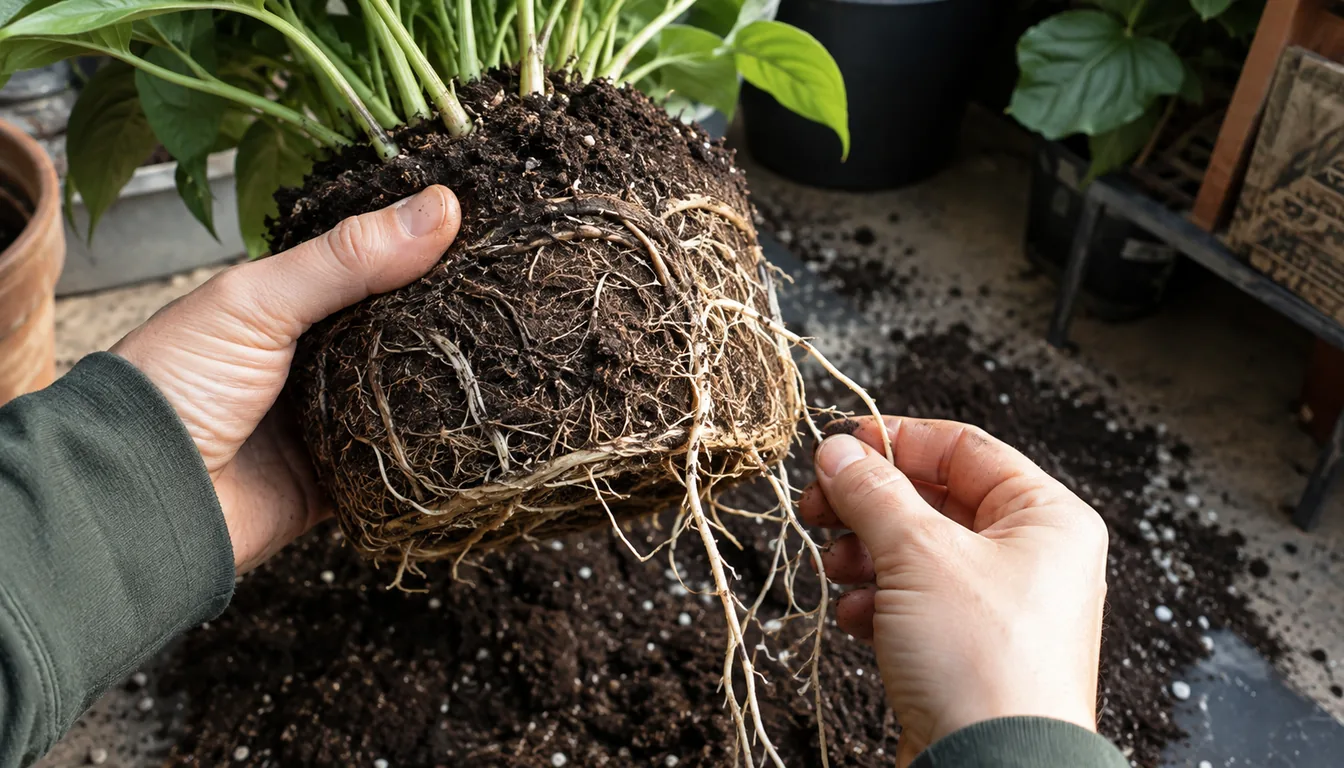
- Release the containerSupport the root ball and plant base. Squeeze a flexible nursery pot or loosen the edge carefully, then slide the ball out. Do not lift a heavy plant by a few leaves or pull until stems tear.
- Inspect before cuttingLook at root density, firmness, loose mix and any decaying tissue. A ball retaining the pot's shape is not enough reason to cut it.
- Free crowded outer rootsGently tease out roots that are circling and matted. Avoid stripping a healthy ball bare merely to expose every root.
- Trim only where justifiedClean, sharp tools can remove dead or soft rotted material and address roots that cannot be untangled. Heavily congested balls may need more deliberate pruning appropriate to that plant.
- Keep useful roots protectedPrepare the base layer and return the plant to suitable mix without leaving fine roots exposed while searching for supplies.
Healthy root colors vary, so brown does not automatically mean dead. Firmness, decay and the overall condition are more useful together than a white-versus-black rule. Extensive soft roots or a deteriorating stem base change the task from routine repotting to assessing whether enough healthy tissue remains for recovery.
There is no need to score three or four cuts into every cylindrical root ball. Root pruning can help a genuinely congested plant, but the cuts are injuries and need a reason. Some plants tolerate disturbance poorly, making identification particularly important before substantial root work.
How Deep Does the Plant Sit in the New Pot?
For ordinary established foliage plants, the previous planting level is the starting point. Enough mix goes underneath to position the old root ball correctly, then fresh material fills the space around it. Raising the entire root ball on a deeper base layer is different from piling mix against previously exposed stems.
The pot rim and planting depth are separate decisions. Leaving some headroom below the rim lets water collect briefly and soak in without spilling. It does not require burying the crown deeper, nor does every pot need exactly the same gap.
The mix can be settled gently around the roots to remove large handling voids and keep the plant stable. Heavy packing reduces the pore space the new mixture was meant to provide. Firm support and root aeration are both needed.
If the plant sits too low, lifting it and adjusting the base layer is better than covering the stems with extra mix. If it sits too high, reducing that layer preserves watering space. The final check is the plant's position after the mix settles, not whether the bag has been emptied.
How Do You Water a Freshly Repotted Plant?
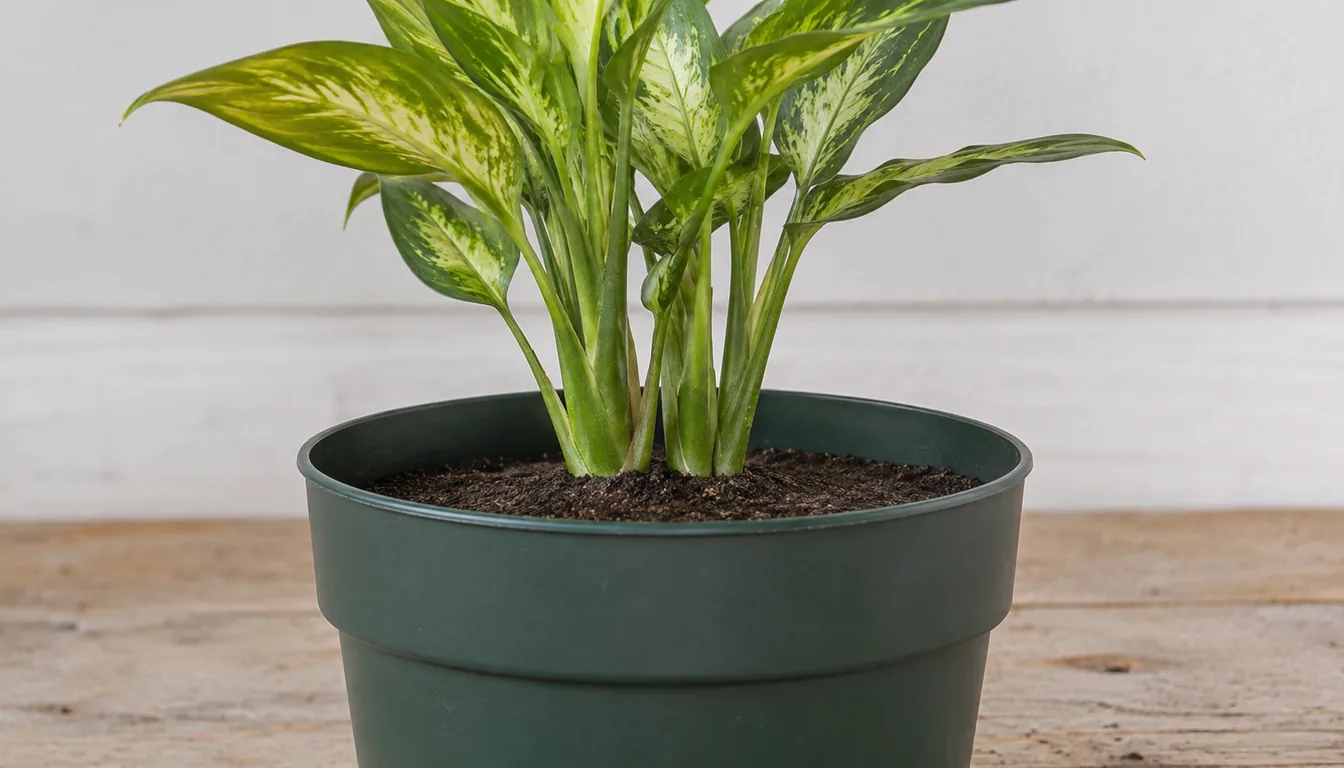
For the healthy foliage plant described here, a thorough initial watering helps settle the fresh mix around the root ball, followed by complete drainage. Water is then judged from the root zone and plant's needs. It is not added again simply because the old reminder says so.
An intact nursery root ball and the material around it can hold moisture differently. Checking only the fresh outer layer can miss a dry center or a center that remains wet. The mix, pot and root system now need to be considered together.
| After repotting | What it suggests | Useful response |
|---|---|---|
| Dry center with loose, moistened new mix outside | The original ball may not have wetted evenly | Rewet it carefully and confirm uptake before watering again |
| Wet mix with increasing wilt or soft tissue | Roots may be damaged or decaying | Stop automatic watering and investigate the cause |
| Mild temporary growth pause without worsening symptoms | The plant may be adjusting | Keep appropriate conditions stable and monitor |
| Sudden leaf damage after moving into stronger sun | Exposure changed as well as the pot | Correct the exposure rather than treating every symptom as thirst |
A suitable light position supports recovery without a sudden jump into harsh sun. Deep shade is not a universal recovery treatment, and a sun-loving plant does not need permanent low light because it was repotted.
Feeding depends on the plant's condition and what the new mix already contains. Fertilizer cannot repair torn or dead roots. Once healthy growth resumes, the product and plant instructions are a better basis than a fixed waiting period for every mixture.
Frequently Asked Questions
Does a newly bought houseplant need immediate repotting?
Not automatically. The nursery container may still suit the roots. A removable decorative cover can change its appearance without root disturbance, provided runoff is emptied. A broken pot, severe crowding, trapped water or a root problem gives a more concrete reason to act than the purchase date.
Sources & References
- Penn State Extension: Repotting Houseplants
- Illinois Extension: Repotting
- Royal Horticultural Society: Overpotting
- Iowa State University Extension: Why Is My Houseplant Wilting?
- University of Maryland Extension: Watering Indoor Plants
- University of Maryland Extension: Lighting for Indoor Plants
- Iowa State University Extension: How to Care for Houseplants
Related Guides
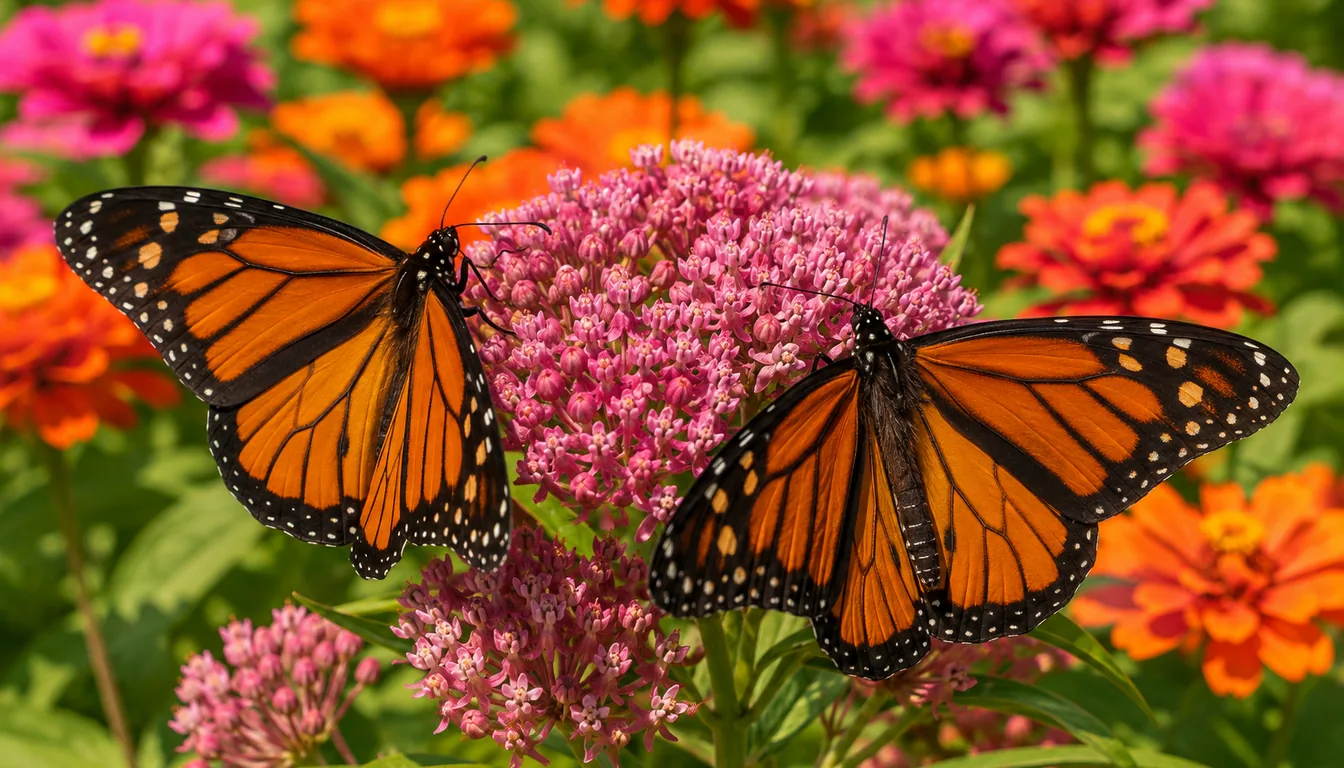
Best Butterfly Garden Plants for a Complete Habitat
The best butterfly garden plants do two different jobs. Host plants feed caterpillars, while nectar…
15 min read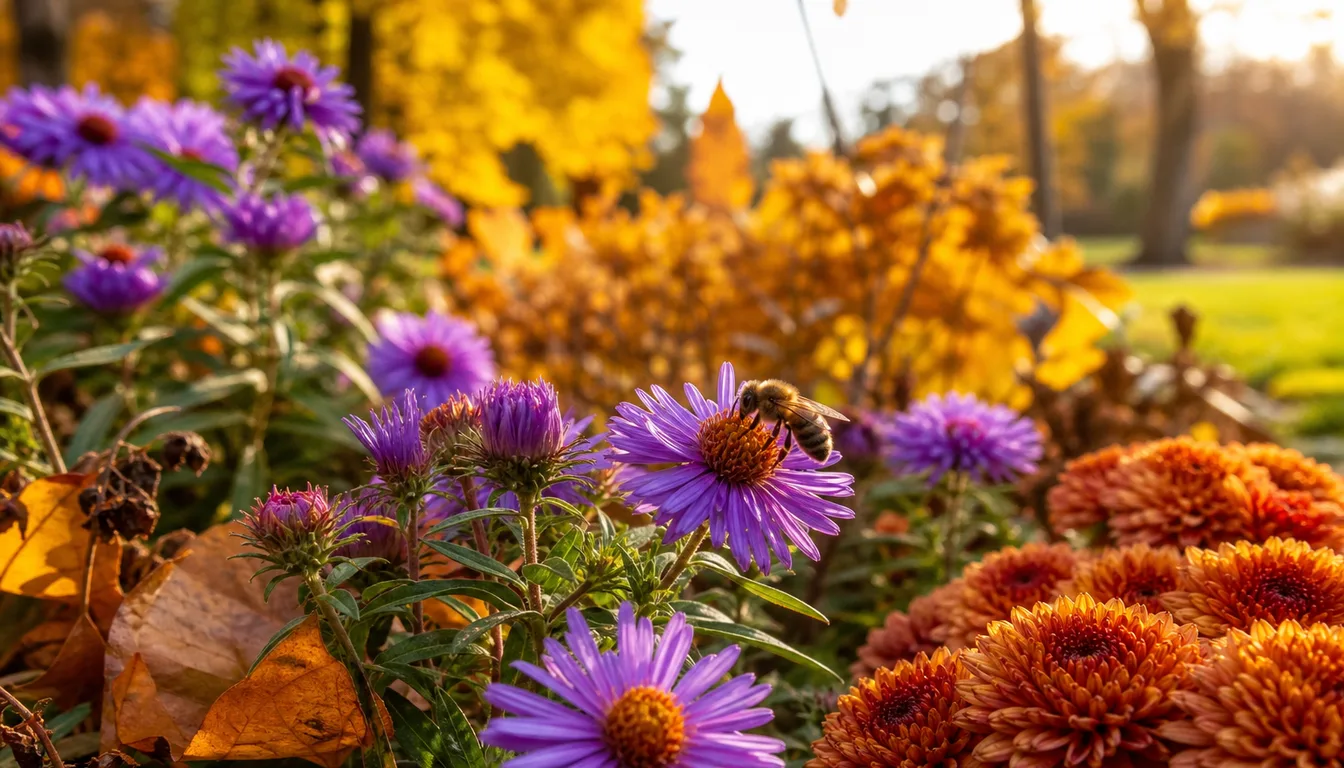
Best Fall-Blooming Flowers for Color Near Frost
A bed that still carries flowers in October usually was planned before temperatures fell.
9 min read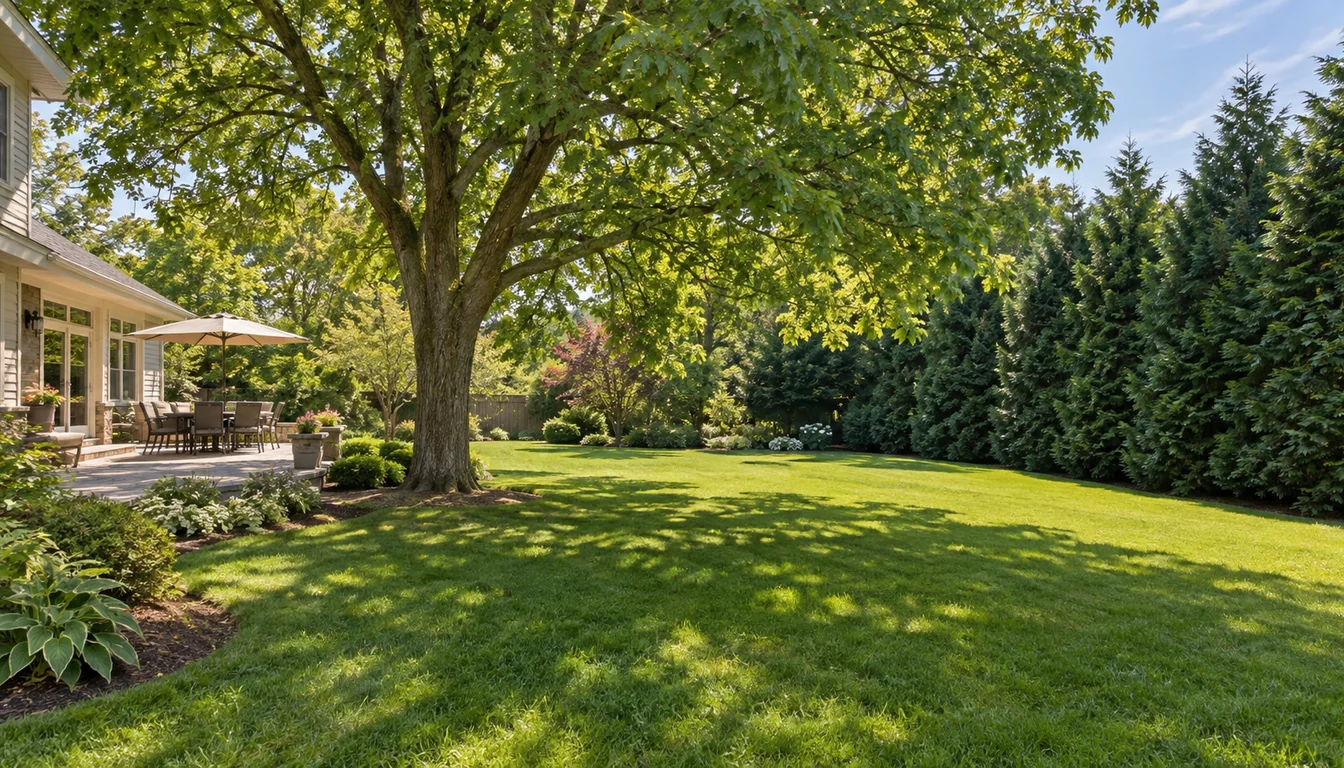
Best Fast-Growing Trees for Shade and Privacy
The best fast-growing tree is the one whose mature crown, roots, climate range, and maintenance…
16 min read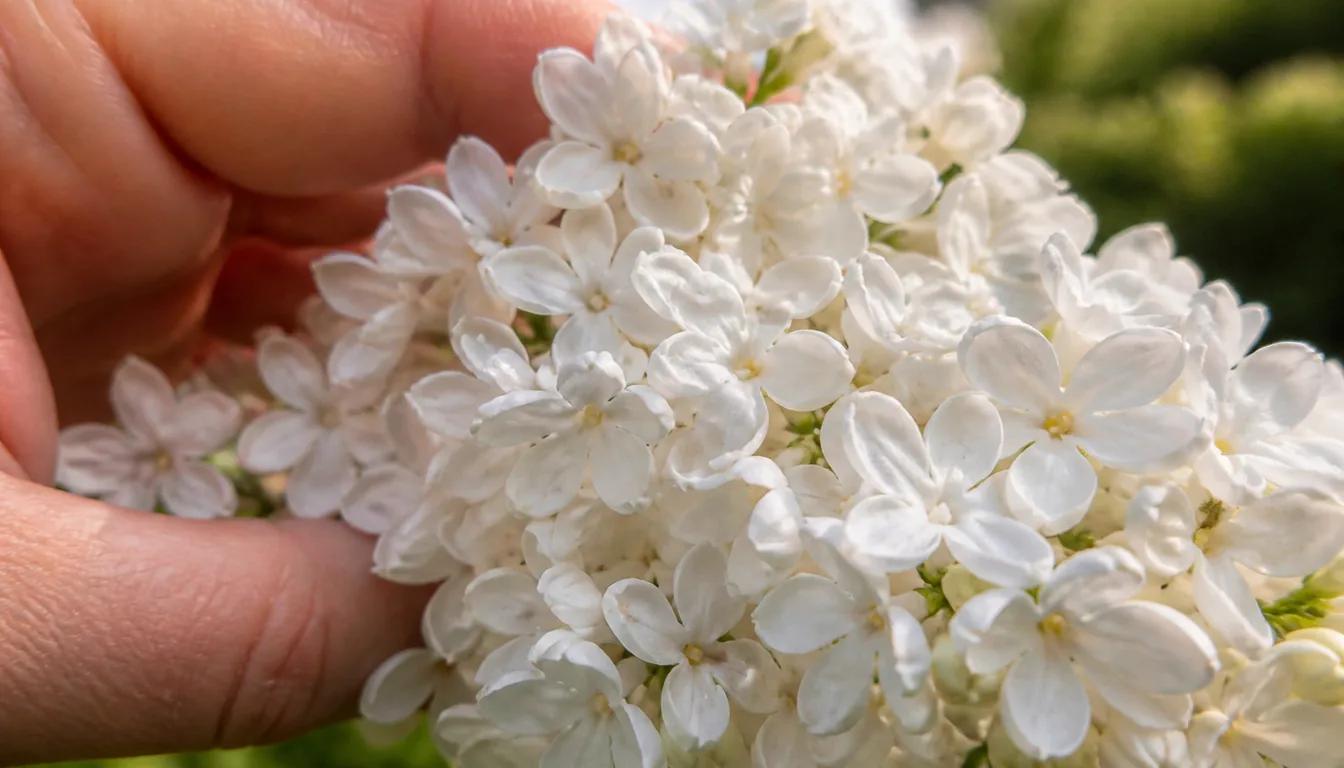
Best Fragrant Flowers for Every Yard and Season
The best fragrant flowers depend on climate, light, space, and the hours you use the yard.
15 min read
Best Full-Sun Perennials for Hot, Bright Beds
The best full-sun perennials are the ones that match the bed's soil moisture and drainage, local…
14 min read
Best Ground Cover Plants for Sun, Shade, and Slopes
The best ground cover is a plant that survives the site and performs the job without escaping into…
18 min read