
Planting Guides
Choose your next task
Search and filter guides
About search and filters
Search checks titles, introductions, and summaries inside this topic. Reading depth uses the listed minutes; sorting uses update date, title, or reading time.
Find the guide for the job in front of you
Every guide by job
These guides help you choose plants that fit the light, soil, and space you have, then get them started from seed, transplant, or cutting at the right time.
Choosing plants for a site
10 guides
Selection guides match plants to dim rooms, shade beds, hot full-sun beds, and slopes that need ground cover, and to yards that need a privacy screen or a tree that grows quickly.
Color and bloom season
12 guides
Color guides plan flowers by hue, including why many flowers sold as blue open violet or mauve in a bed. Season guides cover spring through winter bloom and fragrance.
Wildlife and cut flowers
5 guides
Habitat guides separate host plants that feed caterpillars from nectar plants that feed adult butterflies, and cover pollinators, hummingbirds, ladybugs, and a cut flower bed.
Seeds, transplants, and new beds
11 guides
Seed guides cover starting indoors, choosing between direct sowing and transplanting, hardening off, thinning, and testing old seed. Bed guides cover a first vegetable plot, succession planting, and no-dig beds.
Houseplant setup
9 guides
Indoor guides cover potting mix, drainage holes, repotting, propagation, and how care changes through the year. One explains why houseplants do not measurably clean the air in a real room.
Fruit, herbs, and harvest
6 guides
Crop guides cover raspberries, watermelon, and rosemary, and when butternut squash is ready to cut. One shows how to divide hostas.
Common questions
Can herbs grow indoors with no direct sun at all?
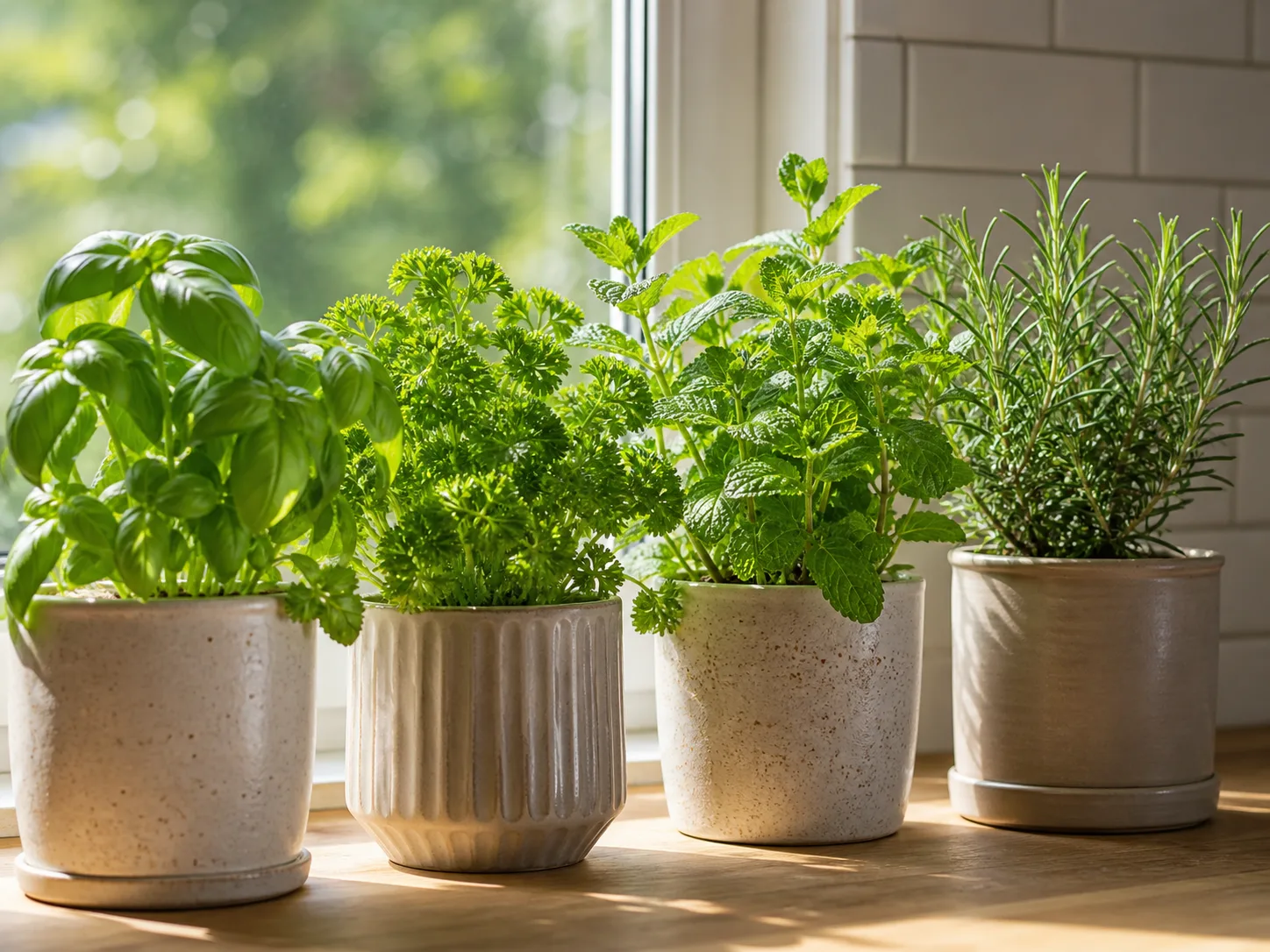
Not reliably. Chives, cilantro and lemon balm get by on 2 to 6 hours of direct sun according to Penn State, which is still some direct sun. A north window gives only medium or low light, and culinary herbs such as basil and thyme are high-light plants, so with no direct sun a grow light 6 to 12 inches above the plants has to make up the difference.
What is the best plant to attract hummingbirds?
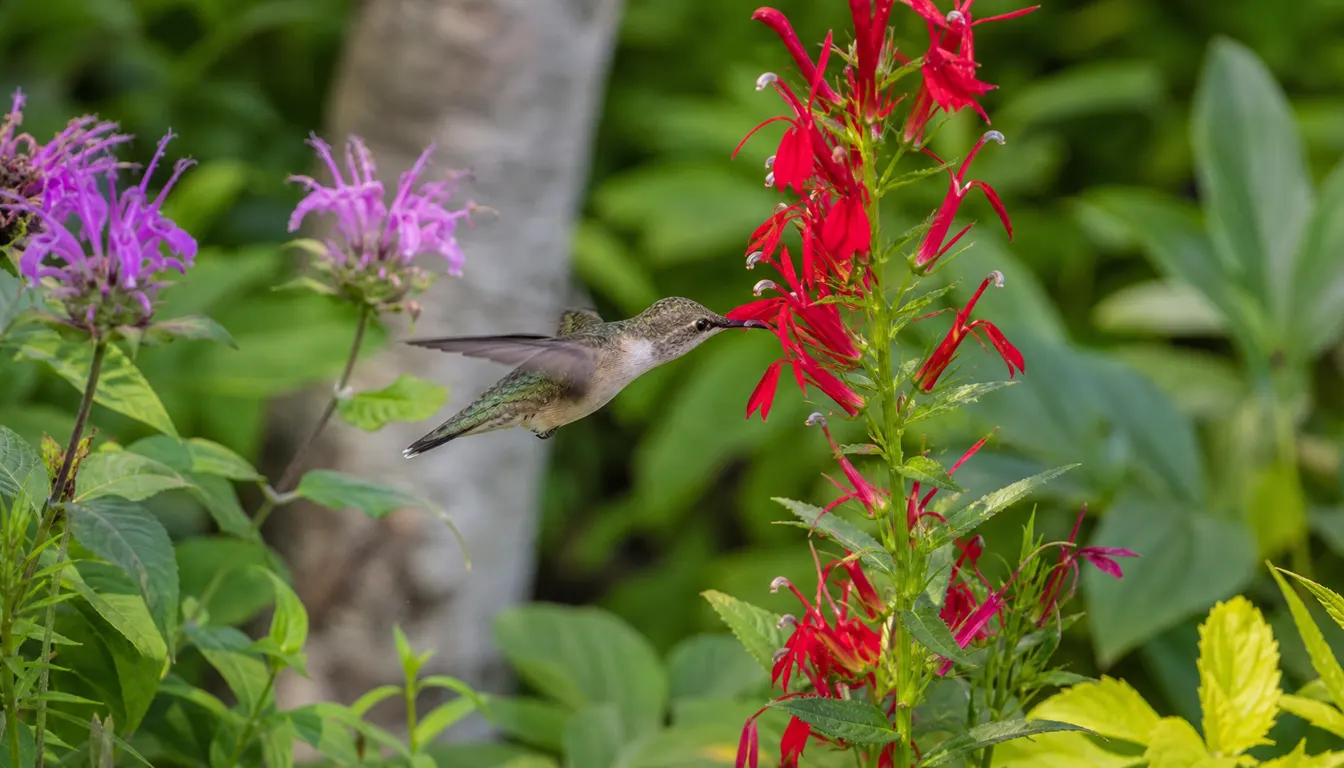
Wisconsin Horticulture marks cardinal flower, coral honeysuckle, scarlet bee balm, scarlet sage, blue anise sage and cuphea as plants many consider the very best to grow in the Midwest. UF/IFAS lists firebush and coral honeysuckle among the native plants for Florida. Wisconsin also recommends staggered bloom times so there is food for the entire season.
From Which Hummingbird Plants Keep Nectar Blooming From Spring to Fall?
What are the easiest perennials for beginners?
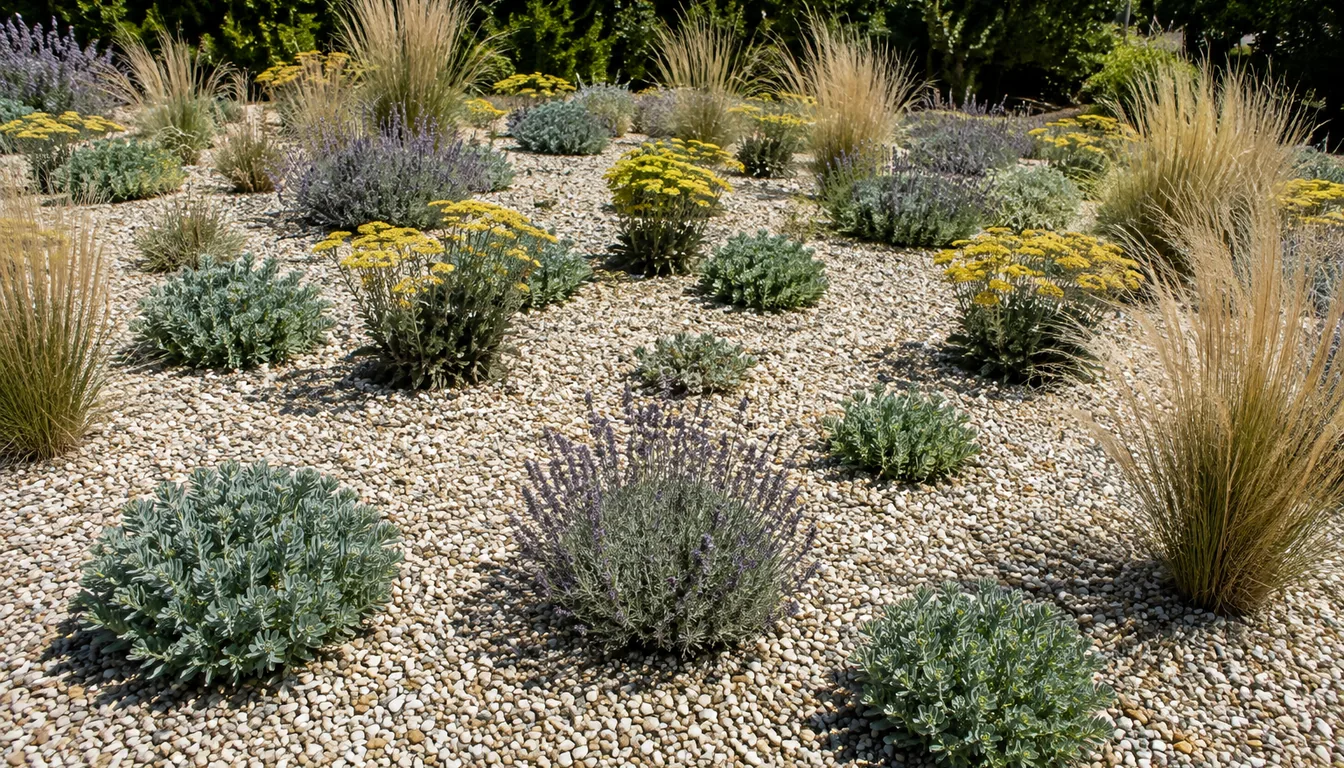
Start with the ten in the table above, which Iowa State Extension writes for Midwest gardens. Hosta is the shade pick, the rest want sun, and hosta needs protection where deer, rabbits or slugs are common.
From Which Low-Maintenance Plants Need Less Water, Pruning, and Fuss?
Can I use garden soil for houseplants?
No. Garden soil loses many of its large air pores when it is dug up and put in a container, and it drains slowly in a shallow pot, so it stays saturated around the roots. Penn State Extension adds that garden soil in indoor containers could lead to disease and pest problems, and Iowa State notes that soil can carry weed seeds.
Keep exploring
Watering guides
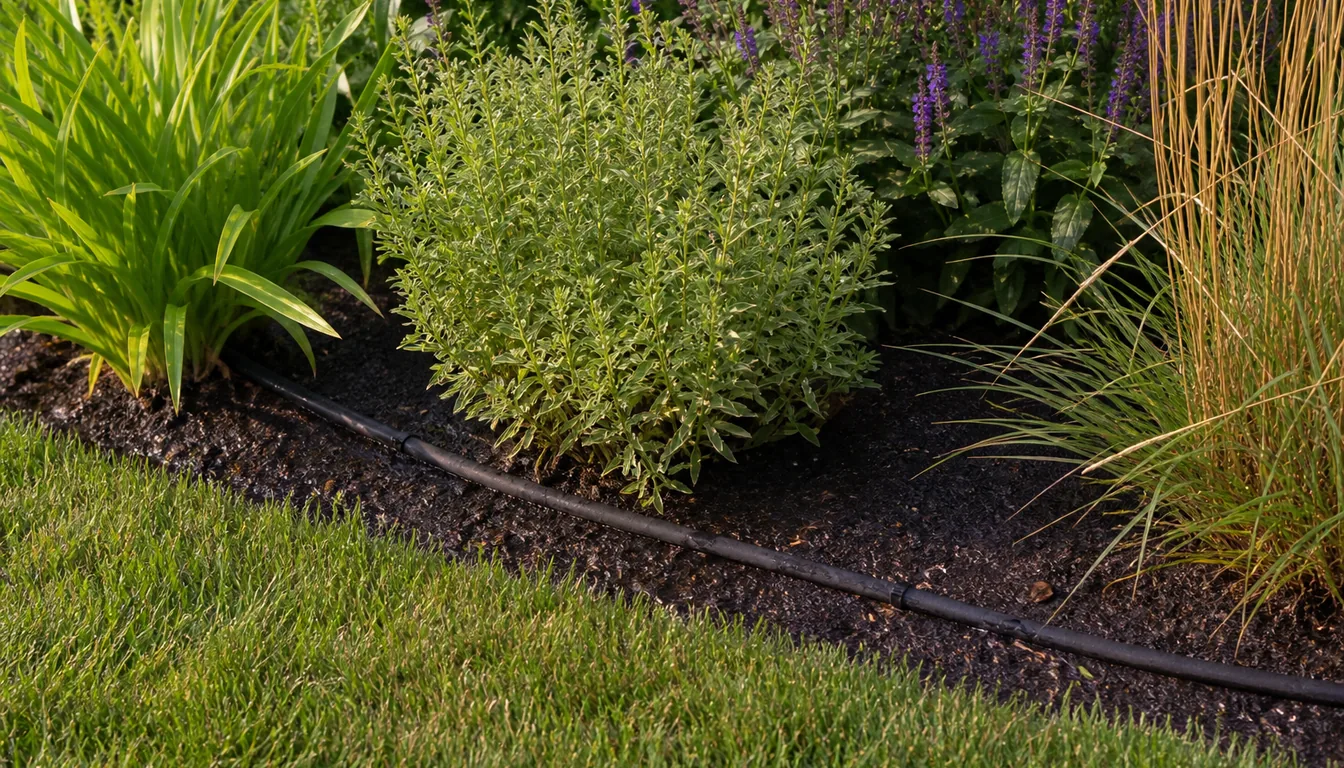
How much, how often, and how to tell. 17 guides.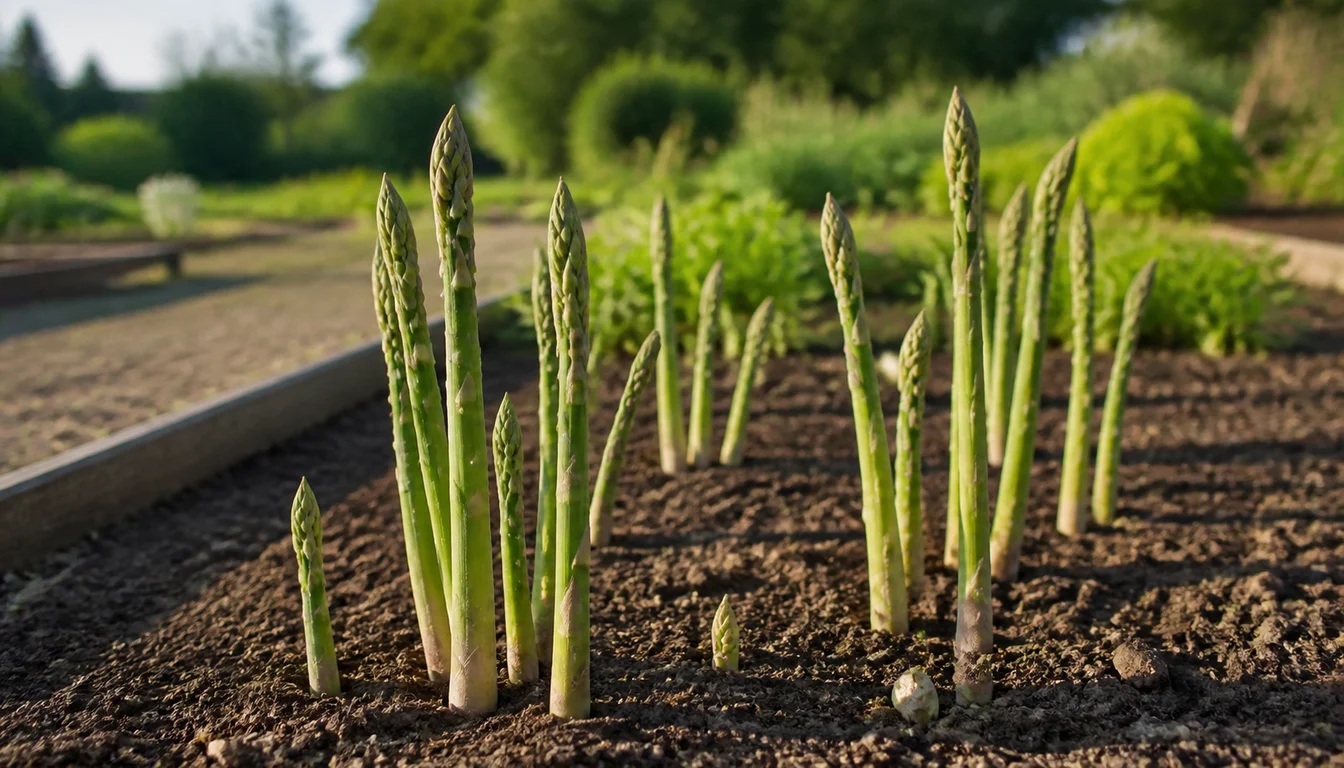
Vegetables
Food crops with spacing, timing and harvest notes. 29 plant profiles.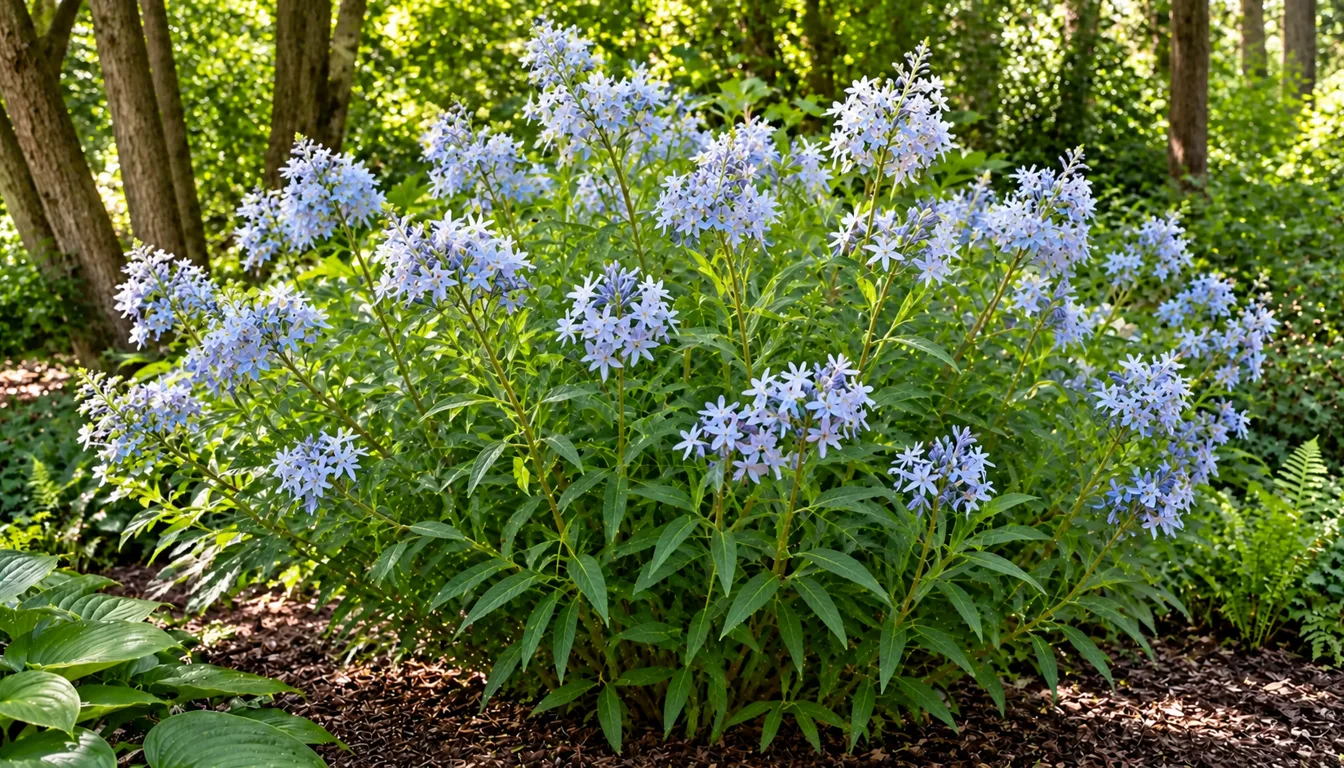
Perennials
Plants that come back each year, by light and height. 31 plant profiles.Check the plant and the symptom
Three decisions that shape the result
Test the site fit
Compare the plant with the available light, drainage, and mature space.Protect the root flare
Set trees and shrubs at the correct depth before backfilling.Plan establishment water
Water the root zone on a schedule that follows soil moisture.
Before you begin
- Confirm the right season.
- Gather the listed tools.
- Read the final checks before starting.
About this list
- Available guides
- 53
- Average read
- 12 min
- Sources cited
- 717

How every guide is made
KnowTheYard Editorial publishes every guide, with its sources and last-changed date on the page.