
Plantingschedule11 min read
Air Purifying Plants for Cleaner Indoor Air
Learn how to pick, place, and care for air purifying plants so they help your indoor air instead of just looking pretty.
A few good plants will not replace an air purifier, but they do help your place smell fresher and feel less stale. The trick is choosing the right mix and putting them where they can work.
This covers the essentials: how many plants you really need, which species pull their weight, and how to keep them alive in normal homes, not greenhouses. We will point you toward tough options like Snake Plant clumps for bedrooms. Hanging choices like Spider Plant baskets also fit small apartments.
The goal is a simple plan for cleaner-feeling air in your favorite rooms, without turning your living room into a jungle you cannot maintain.
airWhat Houseplants Can (And Cannot) Do for Air
The NASA study that made houseplants famous used sealed chambers, bright lights, and way more leaf surface than most living rooms. Your home is leakier and full of new air every time someone opens a door.
That means plants are not going to scrub smoke from a big party or replace a HEPA filter during wildfire season. They shine at smaller jobs, like softening smells in bedrooms and offices and raising humidity a bit in winter.
Leafy workhorses such as peace lily clumps and Boston fern fronds are great at catching dust on their foliage. Wiping those leaves sends dust to the rag instead of your lungs.
Research suggests you would need dozens of plants per room for a lab level effect. In real houses, aim for 3 to 6 medium plants in spaces where you spend hours, like bedrooms and home offices.
Focus less on exotic species and more on getting several sturdy plants thriving; the more healthy leaf surface you have in the room, the more benefit you get per square foot.
If anyone in your home has serious allergies or asthma, keep medical-grade filtration as your primary tool and treat air purifying plants as a bonus layer.
That keeps expectations realistic while still giving foliage a useful support role.
potted_plantPick The Right Plants For Your Rooms
Think about your rooms like tiny climates. A bright south window in Zone 5 behaves very differently from a low, north-facing window in a basement office.
Tough foliage plants handle most homes better than fussy bloomers. Start with survivors like upright Snake Plant clumps, low effort ZZ Plant clumps, and trailing Pothos vines that forgive uneven care.
If you have decent light, you can add broader leaves for more surface area. Options like Monstera foliage or a tabletop Parlor Palm cluster give you that big green filter look without being impossible to grow.
Medium to bright rooms can also handle a few “thirstier” cleaners, such as glossy rubber plant trees or a Peace Lily pot that droops when it needs water. That built in signal helps newer growers.
Bathrooms with a window are perfect spots for humidity loving options like ferns by the tub or compact Chinese evergreen leaves. These soak up moisture that would otherwise linger on grout.
Skip very spiky or fragile species for tight spaces or kids rooms. Broken leaves mean less working surface and more cleanup for you.
Guide — See AlsoFull Sun Perennials for All-Day Hot SpotsPractical planting guide for full sun perennials, from choosing tough varieties to soil prep, spacing, and watering so y
chevron_rightlightbulbPlace Plants Where They Actually Clean Air
Plants only help the air they can “see.” A healthy pot shoved in a dark corner behind the couch does almost nothing for a room you use.
Put at least one plant within 6 to 8 feet of where you sit or sleep for several hours. Think bedside tables, desk corners, or the end of a sofa near your reading spot.
In tight bedrooms or apartments, pair a tall floor plant like vertical Snake Plant leaves with a hanging option such as Spider Plant babies near the window. That combo adds leaf surface at both floor and eye level.
Clusters work better than orphan pots scattered everywhere. A group of three mixed plants in front of a bright window moves more air over foliage than three singles hiding in different dim corners.
Rooms with forced air vents benefit when plants sit near, but not directly in front of, supply registers. Light airflow carries more air past leaves without blasting them dry.
Avoid placing pots right on cold winter sills or pressed against hot radiators. Roots that swing between freezing and baking will fail long before the plant can improve your air.
Email Updates
Join the KnowTheYard update list
Zone-specific advice, seasonal reminders, and new plant guides — no filler.
water_dropWatering And Care That Keep Leaves Working
Dried out or rotting roots mean fewer healthy leaves doing anything for your air. Consistent, moderate care beats constant fussing followed by neglect.
Most air purifying plants like the same rhythm as other common houseplants, with soil drying partway between waterings. Use your finger to check the top 1 to 2 inches instead of following a calendar.
Drought tolerant picks such as stiff sansevieria clumps and ZZ canes prefer to stay more dry. Moisture lovers like peace lilies in bloom and bathroom ferns want the soil slightly damp but never soggy.
Dust cuts the leaf area that can touch air. Wipe broad leaves like rubber foliage or Monstera splits every month with a barely damp cloth so they keep pulling their weight.
Skip heavy feeding. A balanced, diluted product from the indoor fertilizer list once a month in spring and summer is plenty for most pots.
Overwatering is the number one killer here. If you are unsure, wait two days and check again before topping up.
Check the soil again before reacting; most struggling foliage perks up faster from patience than from another splash of water.
- fiber_manual_recordWater check: Top 1–2 inches dry before watering most foliage plants
- fiber_manual_recordHumidity boost: Group plants on a tray of pebbles and water below the pot line
- fiber_manual_recordCleaning habit: Dust or rinse leaves lightly every 4–6 weeks
- fiber_manual_recordFertilizer rate: Use half strength on the label for indoor containers
- fiber_manual_recordProblem watch: Monitor for gnats and treat with targeted gnat control if you see them
Guide — See AlsoHow to Germinate Old Seeds and Test ViabilityLearn reliable ways to germinate old seeds, from quick viability tests to pre-soaks and ideal temperature and moisture s
chevron_rightpest_controlTackle Dust, Pests, And Sick Leaves Early
Dust is the quiet enemy of air purifying plants, because dirty leaves simply do not absorb as much gas or light. A quick weekly wipe keeps pores open and lets plants like Snake Plant clumps pull their weight.
Use a soft, damp cloth and room temperature water on sturdy foliage. On finer leaves, such as Boston fern fronds, set the pot in the tub and rinse with a gentle spray, then let it drip dry in bright indirect light.
Pests thrive on stressed, dusty plants, so early checks matter. Turn leaves over and look for webbing, sticky residue, or tiny dots on favorites like Monstera foliage or Peace Lily blooms. Catching issues early keeps plants filtering instead of declining.
If you see fine webbing or stippling, treat for mites using a method from a solid resource like the spider mite treatment guide. Repeat weekly until new growth looks clean and you see no new damage.
Heavy pest sprays can also stress plants, so isolate and spot-treat whenever you can instead of dousing the whole room.
Sticky leaves with tiny green or brown bumps usually mean aphids or scale. Wipe them off with soapy water, then rinse. Follow up with insecticidal soap, and improve airflow around problem plants like dracaena groupings to make re-infestation less likely.
Fungal issues show up as black, brown, or yellow spotting, especially on constantly damp leaves. Trim off badly spotted leaves on plants such as calathea varieties, water the soil only, and use a small fan nearby to keep air from sitting still.
If a plant keeps getting sick or heavily infested, your air quality will benefit more from replacing it. Hardy options like ZZ Plant clumps or Spider Plant offsets often bounce back better and need fewer interventions over time.
compostFertilizing Without Ruining Indoor Air
Extra foliage means more surface area to grab pollutants, so feeding plants correctly supports cleaner air. You want steady, modest growth, not a jungle that collapses from weak stems and salt build-up.
Use a balanced, water-soluble product labeled for houseplants at half the recommended strength during active growth. A slow, steady program like options in the indoor fertilizer picks keeps leaves green on workhorses such as heartleaf philodendron vines.
Overfeeding is worse than light underfeeding for indoor air plants. Too much fertilizer leads to burnt roots, yellow tips, and stressed foliage that filters less effectively. Tip burn is common on sensitive plants, especially Peace Lily clumps and calathea leaves.
Most air purifying choices only need feeding in spring and summer. Back off in fall and stop in winter, when plants like rubber plant trees naturally slow down. They still clean some air, but they are not interested in heavy food.
- fiber_manual_recordFrequency: Every 4–6 weeks in spring and summer, none in winter
- fiber_manual_recordStrength: Mix at 50 percent of what the label suggests for outdoor plants
- fiber_manual_recordType: Balanced liquid or organic concentrate designed for houseplants
- fiber_manual_recordFlushes: Every 2–3 months, run water through the pot for several minutes
Flushing matters in closed containers. Salts from fertilizer and tap water build up over time, especially in plants like Parlor Palm clusters that stay in the same pot for years. A good soak and drain cycle pushes salts out so roots can breathe.
If leaves start showing brown edges or random yellow spots right after feeding, pause fertilizer for two months. Water deeply with plain water, then reassess new growth. If new leaves on your money tree stems look healthy, you dodged long term damage.
Households with sensitive noses may want to avoid strong-smelling organic feeds indoors. You can fertilize odor-prone plants such as aloe vera pots outdoors, let them drain well, then bring them back inside once the soil surface dries slightly.
Guide — See AlsoHow to Propagate Houseplants Without Losing the Parent PlantLearn the easiest houseplant propagation methods for cuttings, division, and offsets so you can multiply healthy plants
chevron_rightcalendar_monthSeasonal Adjustments For Year-Round Filtering
Indoor air still changes with the seasons, which means your plant routine should shift a bit too. Light angles, heating, and how often you open windows all affect how hard the plants are working.
In winter, forced air heat dries leaves and soil quickly. Plants near vents, such as taller fiddle leaf fig trees, often get crispy edges. Move them out of direct airflow, add a tray of pebbles and water nearby, and group plants to raise local humidity.
Winter sun hits at a lower angle, so south and west windows get stronger light than they did in summer. Tough foliage like rubber tree leaves may love it, but shade lovers can bleach. Shift ferns and patterned calathea back from glass by 2–3 feet.
Spring is the time to repot, divide, and refresh soil when needed. Give root-bound workhorses like indoor Pothos vines a slightly larger pot and fresh mix, or trim roots and keep the same pot size if space is tight.
Repotting right before a vacation is asking for trouble, because freshly potted plants dry out and stress faster while you are gone.
Summer brings longer days and more open windows, which helps air exchange but can also bring heat spikes. Watch moisture on plants in bright spots, especially Peace Lily groupings and majesty palm tubs, since they can wilt in a single hot afternoon.
Fall is a good reset point. As you close windows and run heat again, trim leggy vines on Spider Plant baskets, remove dead foliage, and space pots so every plant still has its own light patch for the darker months.
In very cold areas like zone 3 or zone 4, many folks bring porch plants inside. Check these visitors, such as Parlor Palm containers, carefully for pests outdoors first, so you are not adding fungus gnats or mites into your winter air supply.
airCombining Plants With Other Air Strategies
Plants help, but they are one piece of a cleaner indoor air plan. You will get better results if you combine foliage with simple mechanical fixes and good habits.
Start with airflow. A small, quiet fan moving air across a cluster of Peace Lily plants and ferns keeps leaves dry and gases mixing at the surface. Aim for gentle movement, not a breeze that flattens foliage.
Pair plants with filtration in rooms that really matter, like bedrooms. Place an air purifying unit and a group of plants such as upright Snake Plant pots and arching Spider Plant baskets on the same side of the room so both are working on the same air stream.
Absorb odors at the source as well. A pot of potted lavender in a sunny kitchen window adds some volatile oils. Indoor rosemary can do the same, but you still want range hoods and open windows when cooking smoky foods.
Houseplants can also support humidity control when paired with trays and grouping. Clumps of Parlor Palm fronds and moist ferns around a pebble tray add gentle moisture, while drier species like ZZ Plant foliage sit farther away.
- fiber_manual_recordVentilation: Crack a window or run kitchen and bath fans daily, even in winter
- fiber_manual_recordFilters: Replace HVAC filters on schedule for your system
- fiber_manual_recordSources: Store paints, solvents, and cleaners in sealed containers
- fiber_manual_recordBalance: Mix tough cleaners like Snake Plant stands with more sensitive foliage
If you use chemical bug sprays or heavy cleaners indoors, move plant clusters out of the room first. Leaves on plants such as marble queen Pothos can spot or burn from overspray, and damaged tissue does less for your air.
Rugs, fabrics, and clutter trap a lot of dust that eventually lands on leaves. A regular quick vacuum around plant groupings means less dust to wipe and fewer particles floating around for the foliage to handle alone.
Guide — See AlsoWhen to Harvest Rosemary for Maximum FlavorLearn exactly when to harvest rosemary for peak flavor, how often you can cut it, and how timing changes with season and
chevron_rightwarningCommon Mistakes That Cut Air Benefits
Several habits quietly reduce how much your plants can help indoor air. The good news is that most are very fixable once you see them.
Packing pots too tightly together blocks airflow and light. A dense jungle of Monstera leaves, trailing Pothos, and philodendron brasil may look great, but inner leaves do little filtering. Leave a few inches between pots and prune where needed.
Relying on only one or two species is another issue. Mixing leaf shapes, such as pairing stiff ZZ Plant stems with strappy Spider Plant foliage and broad Peace Lily leaves, gives more surface textures and growth habits working at once.
Ignoring pruning lets plants get leggy and tired. Regular trims, like snipping back long runners on wandering jew, trigger fresh, vigorous growth. Neon Pothos vines respond the same way and carry much of the plant's filtering power.
Do not be afraid to cut plants back hard. A healthy root system on vigorous vines and canes usually sends up cleaner, fuller growth within a month or two.
Leaving problem plants in place too long is another trap. If a specimen is constantly sick, infested, or dropping leaves, your air gets more benefit from replacing it with sturdy options like cast iron plant or Chinese evergreen clusters.
Some people also forget about safety. Several popular air helpers, including Snake Plant clumps and dieffenbachia canes, are toxic if chewed. In homes with pets or small kids, lean more on safer picks like Parlor Palm pots and non-toxic Spider Plant baskets.
Finally, do not expect plants to fix serious moisture or mold problems. If you see visible mold or constant condensation, your first call should be to solve leaks, insulation, or ventilation. Plants are helpers, not a replacement for solid building fixes.
tips_and_updates
Pro Tips
- check_circleGroup three or more plants together near a window to increase local humidity and effective leaf area.
- check_circleRotate pots a quarter turn every few weeks so all sides get light and stay equally leafy.
- check_circleMatch pot size to the root ball, oversized containers stay wet longer and risk root rot.
- check_circleUse a simple plug in timer for grow lights if your rooms sit below 8 hours of daylight.
- check_circleChoose at least one tough plant per room, like a low maintenance ZZ anchor, so a vacation does not wipe everything out.
- check_circleRinse shower safe plants like spider foliage under lukewarm water occasionally to knock off dust and mites.
- check_circleKeep toxic plants out of reach if you also grow herbs like fresh basil pots indoors to avoid confusion for kids.
quiz
Frequently Asked Questions
How many air purifying plants do I really need in a room?expand_more
There is no perfect number, but 2–4 medium plants in a typical bedroom or office is a practical start. Focus on healthy growth and good placement instead of cramming every surface with pots.
Which air purifying plants are best for low light rooms?expand_more
Good low light choices include Snake Plant clumps, ZZ Plant pots, Pothos varieties, and Chinese evergreen selections. They tolerate dim corners better than flowering plants that demand bright light.
Are air purifying plants safe for pets and kids?expand_more
Some are, some are not. Safer options include Spider Plant baskets, Parlor Palm pots, and many ferns. Popular picks like Peace Lily and Snake Plant foliage are toxic if chewed, so keep them out of reach.
Do I need grow lights for plants to clean air?expand_more
Not always, but consistent light matters. If a room is too dim to comfortably read, plants like ZZ Plant clumps and Snake Plant groups will survive, but a small LED grow light will boost growth and filtering.
Can air purifying plants replace an air purifier?expand_more
No. Plants are a helpful supplement, not a full replacement. Combine clusters of sturdy foliage, such as Monstera leaves and Peace Lily clumps, with good ventilation and mechanical filtration for the biggest improvement.
Related Guides
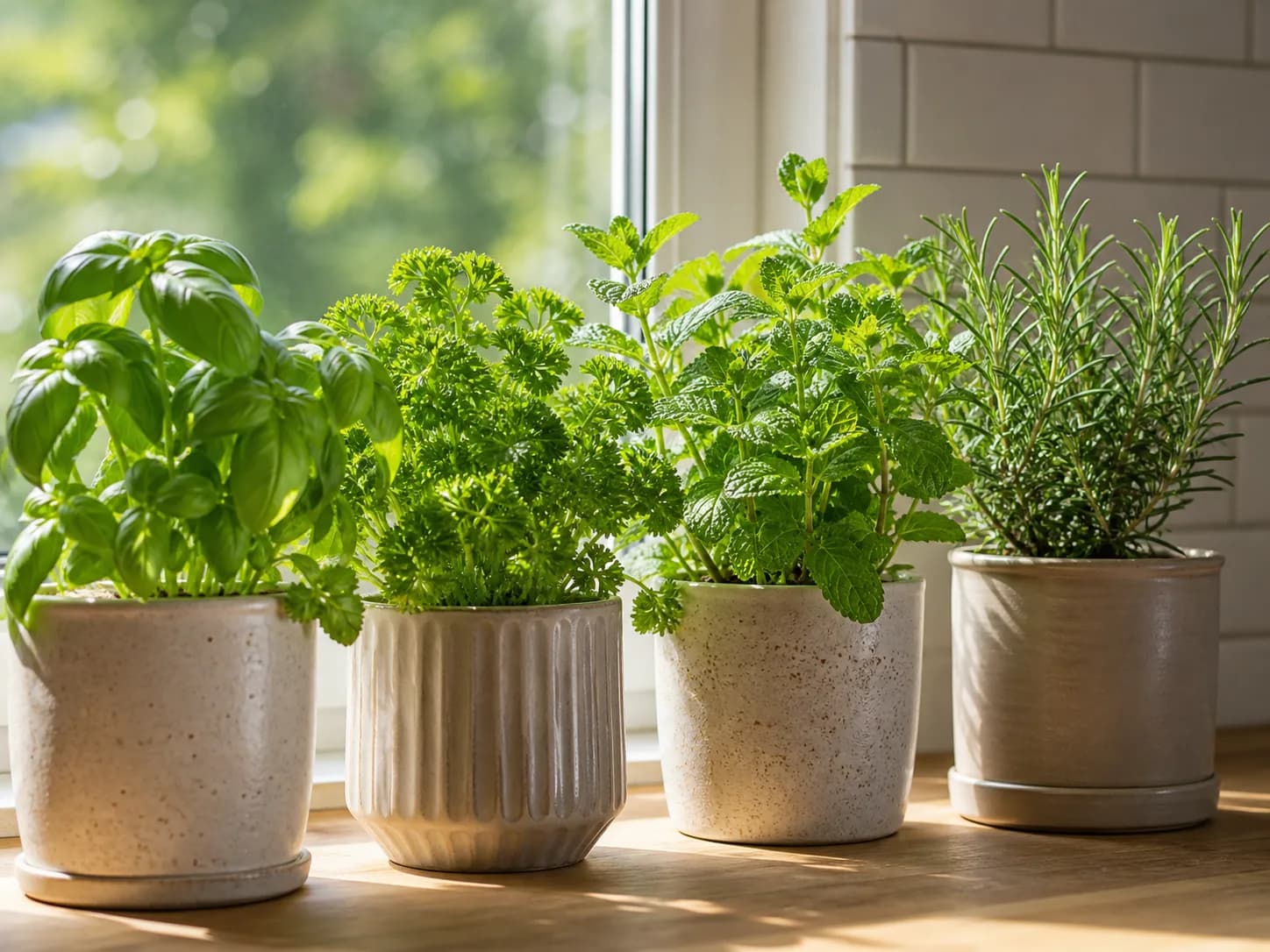
Best Herbs to Grow Indoors for Real Harvests, Not Spindly Pots
Choose indoor herbs that can actually produce in your light, temperature, and container setup, then match each one to the right harvest rhythm and watering style.
10 min read
Best Indoor Plants for Every Room and Light Level
A practical guide to choosing the best indoor plants for your home, covering beginner-friendly picks, low light champions, bright light lovers, watering basics, and how to avoid the most common mistakes.
13 min read
Best Shade Plants for Gardens That Get Little Sun
A practical guide to choosing the best shade plants for outdoor gardens, covering perennials, shrubs, ground covers, and design tips for partial, full, and dappled shade.
12 min read