verifiedGarden Guides
Planting
Learn when to plant, how to prepare soil, and how to start seeds or transplants correctly for vegetables, herbs, houseplants, and ornamentals.
menu_book53Guides
potted_plant113Plants Covered
schedule11 minAvg Read Time
help264FAQs Answered
Planting Guides
53 Guides Availableinfo
About This Hub
Learn when to plant, how to prepare soil, and how to start seeds or transplants correctly for vegetables, herbs, houseplants, and ornamentals. These guides are maintained from published references, practical garden context, and internal editorial review.
schedule
Timing Is Everything
Most planting failures trace back to wrong timing, not wrong technique. Transplanting tomato seedlings two weeks before your last frost date kills them. Starting basil seeds indoors 12 weeks early produces leggy, weak transplants.
Every plant has an optimal planting window tied to soil temperature and day length, not calendar dates. A Zone 7 garden and a Zone 4 garden need the same conditions — they just arrive at different times.
Our guides specify planting windows by soil temperature triggers so you can time correctly regardless of where you garden.
compost
Soil Preparation Protocols
Plants extract water and nutrients through root hairs that grow into soil pore spaces. Compacted soil has fewer pores, limiting root expansion and nutrient access. Overly loose soil drains too fast.
Before planting anything, test your soil. A $15 extension soil test tells you pH, nutrient levels, and organic matter content. Most vegetables thrive in pH 6.0–6.8. Most houseplants prefer slightly acidic mixes around pH 5.5–6.5.
Amending before planting is far more effective than correcting later. Work 2–3 inches of compost into the top 8 inches of garden beds. For containers, use a purpose-built potting mix — never garden soil.
eco
Seeds vs. Transplants
Direct-sowing works best for plants that resent root disturbance: carrots, beans, radishes, sunflowers, and most root vegetables. These establish faster when sown directly into their final position.
Transplanting makes sense for slow-starting crops that need a head start: tomatoes, peppers, eggplant, and brassicas. Starting these indoors 6–8 weeks before transplant date extends the effective growing season.
For houseplants, most propagation happens through stem cuttings or division rather than seed. Pothos, philodendrons, and snake plants root reliably in water or perlite within 2–4 weeks.
wb_sunny
The Hardening Off Process
Indoor seedlings that go directly outdoors without hardening off experience transplant shock — wilting, leaf scorch, and sometimes death. The transition from stable indoor conditions to variable outdoor conditions must be gradual.
The standard protocol takes 7–10 days. Start with 2 hours of sheltered outdoor exposure on day one. Increase by 1–2 hours daily, gradually introducing direct sun and wind.
Skipping hardening off is the most common cause of transplant failure in home gardens. Plants that look fine indoors under grow lights are not adapted to UV intensity, wind stress, or temperature swings.
calendar_monthSeasonal Planting Tips
local_floristSpring
Wait until soil temperatures reach 60°F before transplanting warm-season crops outdoors. A soil thermometer costs $8 and prevents the most common planting mistake.
wb_sunnySummer
Start fall brassicas (broccoli, cabbage, kale) indoors in June–July for transplanting when temperatures cool. Many gardeners miss this second planting window.
parkFall
Plant garlic cloves 4–6 weeks before the first hard freeze. They establish roots through winter and produce full bulbs by the following summer.
ac_unitWinter
Order seeds early — popular varieties sell out by February. Use this time to plan garden layout, test soil, and organize your seed-starting supplies.
 Planting
Air Purifying Plants for Cleaner Indoor Air
Learn how to pick, place, and care for air purifying plants so they help your indoor air instead of just looking pretty.
schedule11 min readsignal_cellular_altAll Levels
Read Guide arrow_forward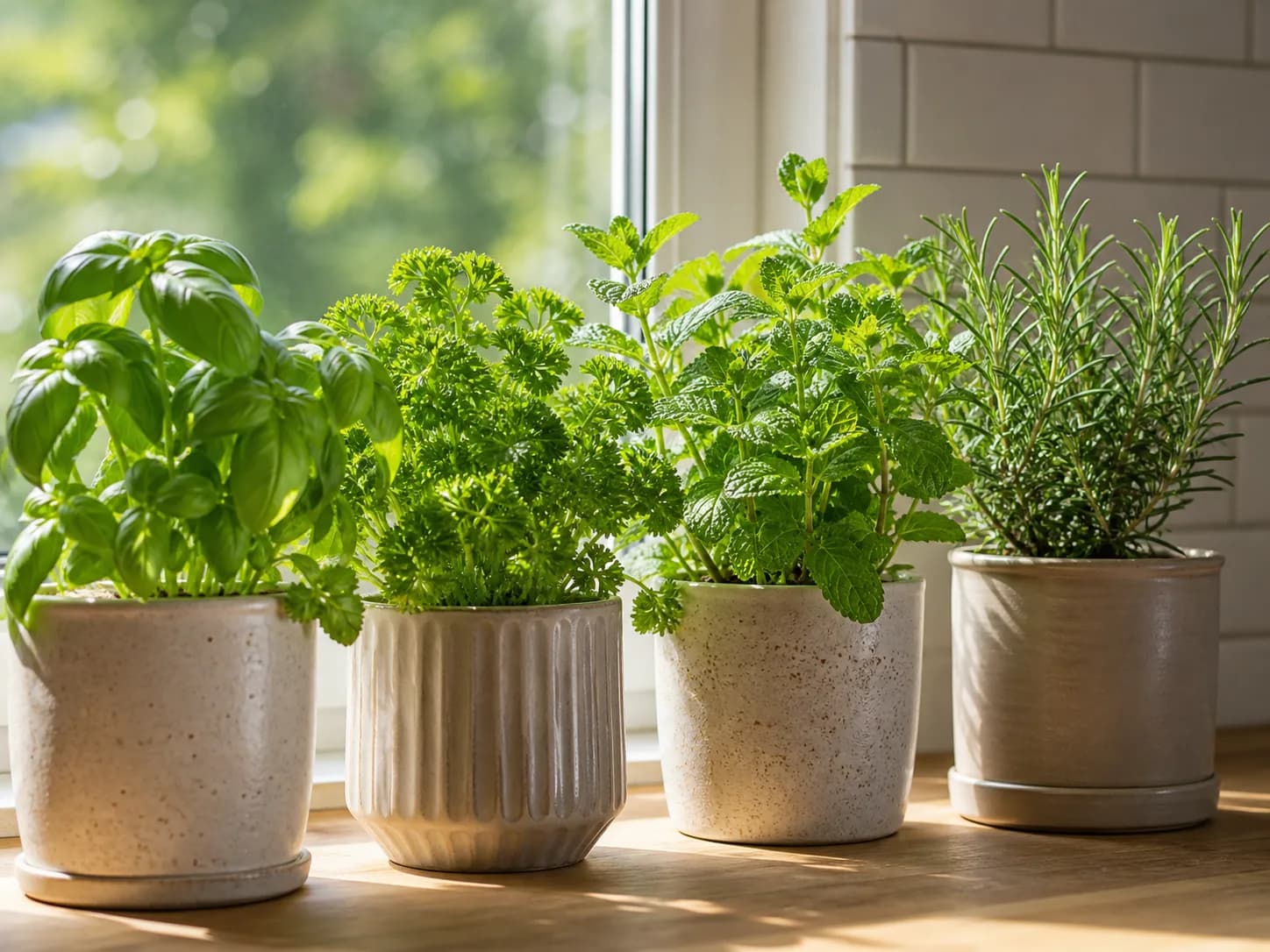 Planting
Best Herbs to Grow Indoors for Real Harvests, Not Spindly Pots
Choose indoor herbs that can actually produce in your light, temperature, and container setup, then match each one to the right harvest rhythm and watering style.
schedule10 min readsignal_cellular_altAll Levels
Read Guide arrow_forward Planting
Best Indoor Plants for Every Room and Light Level
A practical guide to choosing the best indoor plants for your home, covering beginner-friendly picks, low light champions, bright light lovers, watering basics, and how to avoid the most common mistakes.
schedule13 min readsignal_cellular_altAll Levels
Read Guide arrow_forward Planting
Best Shade Plants for Gardens That Get Little Sun
A practical guide to choosing the best shade plants for outdoor gardens, covering perennials, shrubs, ground covers, and design tips for partial, full, and dappled shade.
schedule12 min readsignal_cellular_altAll Levels
Read Guide arrow_forward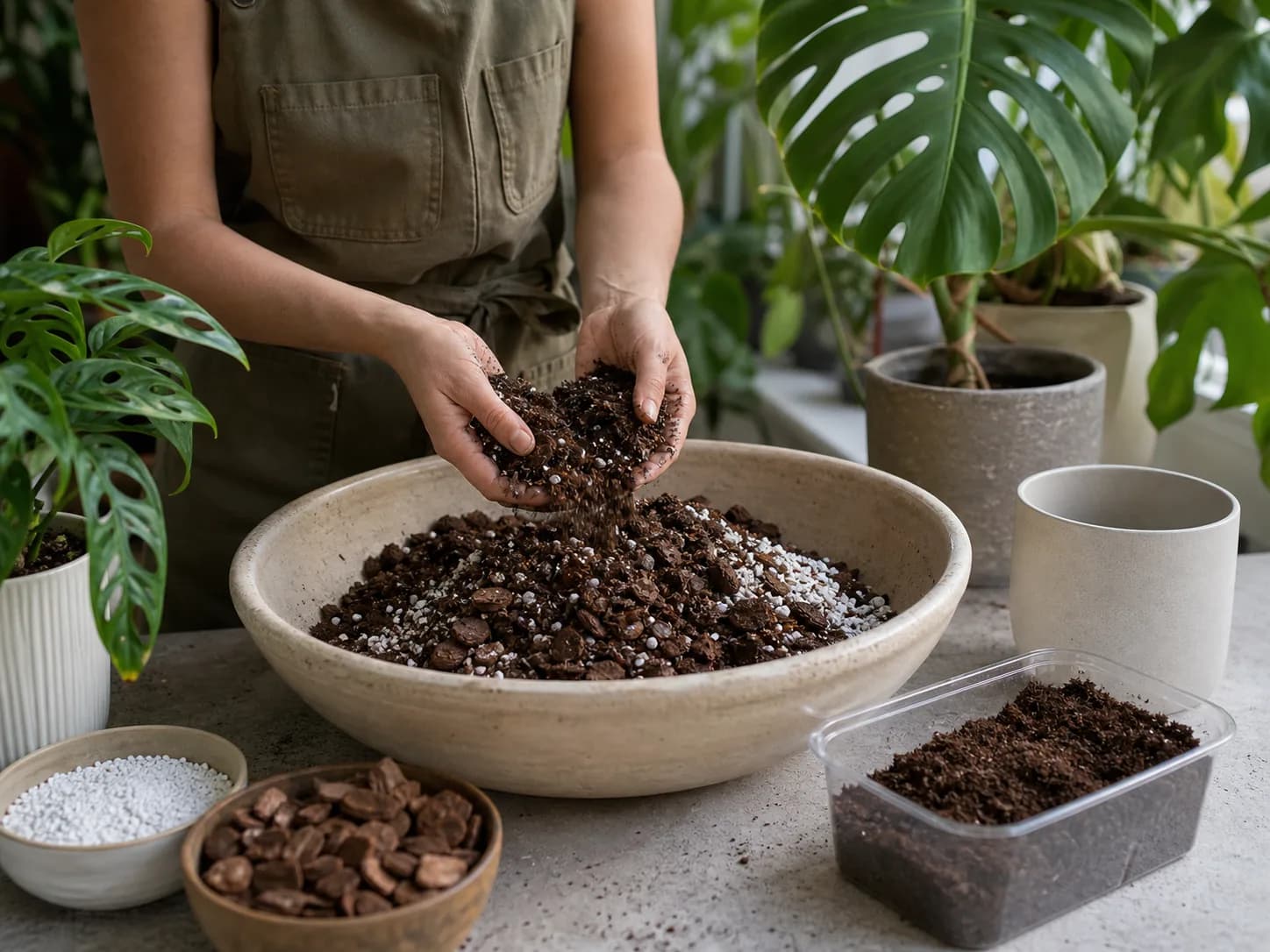 Planting
Best Soil for Houseplants: Match the Mix to the Roots
Choose houseplant soil by airflow, water retention, and root habit instead of buying one bag and hoping every plant accepts it.
schedule11 min readsignal_cellular_altAll Levels
Read Guide arrow_forwardhelpFrequently Asked Questions
When should I start seeds indoors?expand_more
Count backward from your last frost date. Most warm-season crops (tomatoes, peppers) need 6–8 weeks of indoor growth. Cool-season crops (broccoli, lettuce) need 4–6 weeks. Starting too early produces leggy, root-bound seedlings that transplant poorly.
How deep should I plant seeds?expand_more
The general rule is 2–3 times the seed diameter. Tiny seeds like lettuce and basil are surface-sown with a light dusting of vermiculite. Large seeds like beans and squash go 1–2 inches deep. Planting too deep delays or prevents emergence.
What is the best soil mix for starting seeds?expand_more
Use a sterile, soilless seed-starting mix — typically peat or coir with perlite and vermiculite. Garden soil introduces pathogens and compacts in containers. Pre-moisten the mix before filling trays to ensure even water distribution.
How do I know when seedlings are ready to transplant?expand_more
Seedlings are transplant-ready when they have 2–3 sets of true leaves (not the initial seed leaves), a sturdy stem, and roots that hold the soil plug together. They must be hardened off for 7–10 days before going outdoors.
Can I plant vegetables in containers?expand_more
Yes. Tomatoes, peppers, herbs, lettuce, and beans all grow well in containers with 5+ gallons of potting mix per plant. Ensure drainage holes exist, use quality potting mix (not garden soil), and fertilize regularly since nutrients leach with each watering.
When should I repot a houseplant?expand_more
Repot when roots circle the bottom of the pot, growth stalls despite adequate light, or water runs straight through without being absorbed. Spring is the best time. Go up only 1–2 inches in pot diameter to avoid overwatering risk from excess soil volume.