verifiedSource Reviewed
Neon Pothos: Bright Chartreuse Trailing Vine
Epipremnum aureum 'Neon'
Family: Araceae
wb_sunnyLight
Bright to medium indirect light indoors
water_dropWater
Moderate, let top 1–2 inches dry
heightHeight
Trails 3–10 ft indoors
publicZone
Zone 10-12 outdoors, houseplant elsewhere
airAir Quality
Air Quality Note

Native Region
Mo'orea (French Polynesia), widely naturalized in tropical Asia
Color Is the Care Signal
The whole reason to grow Neon Pothos is the chartreuse color. A long vine with dull green leaves is alive, but it is not showing the trait you bought.
This plant shares the easy vine habit of classic pothos, yet it needs a little more light to stay bright. Low light usually turns new growth flatter and greener.
Use new leaves as the report card. If the newest leaves glow, the placement works; if they fade toward plain green, move the plant brighter before changing water or fertilizer.
Choose Neon for Color, Not Variegation
Neon is not a speckled or marbled plant. Its value is a solid electric leaf color, so compare it by glow and even growth rather than white pattern.
Pick a pot with several rooted vines and bright new tips. Old trailing stems can be pruned later, but weak crowns are slow to fill.
A pot with mixed bright and dull leaves often came from uneven light. Pick the plant with the strongest new tips if you want fast color at home.
Use Marble Queen pothos when white marbling matters more than speed. Use satin pothos when a muted silver vine fits the room better.
Neon pothosSolid chartreuse leaves; best for color contrast.
Marble QueenWhite-green marbling; needs brighter light and grows slower.
Satin pothosSilver Scindapsus leaves; different plant with thicker, slower vines.
Guide — See AlsoAir Purifying Plants for Cleaner Indoor AirLearn how to pick, place, and care for air purifying plants so they help your indoor air instead of just looking pretty.
chevron_rightBright Indirect Light Keeps the Glow
Give Neon Pothos medium to bright indirect light. It can survive lower light, but survival is not the same as holding that yellow-green color.
Morning sun is usually safe. Harsh afternoon sun can bleach leaves or leave dry tan patches, especially if the vine sits against hot glass.
If one side of the pot turns green, prune that side after you improve light. Keeping weak runners only makes the color problem more visible.
Rotate a shelf plant so one side does not go green in the shade. Long vines need light along their length, not only on the pot.
lightbulbColor beats length
If you must choose, prune for bright compact growth instead of keeping every pale runner. The plant can regrow length faster than it can fix weak color.
Email Updates
Join the KnowTheYard update list
Zone-specific advice, seasonal reminders, and new plant guides — no filler.
Water When the Pot Lightens
Let the top inch or two dry, then water fully. A light pot and slightly relaxed leaves are better signals than a fixed weekly schedule.
A bright plant near a window drinks faster than one on a dim shelf. Start with houseplant watering frequency, then let pot weight decide.
Yellow leaves near the base can be normal aging, but several yellow leaves after wet weeks point to root stress. Use pothos yellow leaves to separate age, water, and light clues.
infoDo not chase one yellow leaf
One old leaf does not mean the whole routine is wrong. Look for a pattern across the crown and newest vines.
Guide — See AlsoBest Herbs to Grow Indoors for Real Harvests, Not Spindly PotsChoose indoor herbs that can actually produce in your light, temperature, and container setup, then match each one to th
chevron_right
Use a Pot That Lets Vines Outgrow Roots
Pothos roots like a normal indoor mix that drains well. Add perlite if the pot stays wet too long, especially in a cachepot or low-light room.
Repot when roots circle tightly and water runs around the root ball. Moving up one pot size is enough because oversized pots slow dry-down.
If the crown stays thin, the issue is often light at the top of the pot, not the soil recipe. Keep the mother pot where new nodes receive light.
Pot goalStable pot with drainage, not a huge wet container.
Mix goalEvenly moist after watering, airy again within days.
Support choiceTrail from shelves or clip to a pole for larger leaves.
Propagate Bright Tips and Rotate the Mother Plant
Cuttings are the easiest way to thicken a Neon Pothos pot. Choose bright tips with at least one node and one healthy leaf.
- 1Cut just below a node.
- 2Root the cutting in water or damp mix.
- 3Wait for several roots, not one tiny nub.
- 4Plant cuttings back into the mother pot for a fuller crown.
Place rooted cuttings close to the crown, not only around the pot edge. That makes the top look full before the vines trail again.
This is also how you keep the color strong. A pot rebuilt from bright tip cuttings usually looks better than one built from old shaded vines.
Take cuttings from the brightest growth. If you only propagate pale shaded runners, the new pot starts with the weakest part of the plant.
lightbulbUse cuttings to fix bare tops
Bare crowns happen when vines trail far from the light. Root short bright cuttings and tuck them near the crown instead of coiling old stems over the soil.
Guide — See AlsoBest Indoor Plants for Every Room and Light LevelA practical guide to choosing the best indoor plants for your home, covering beginner-friendly picks, low light champion
chevron_rightYellow Leaves Do Not Always Mean Overwatering
Neon leaves make every color change obvious. Pale green can be low light, lemon-yellow old leaves can be aging, and soft yellow leaves in wet soil can be root stress.
When the pattern is confusing, compare the leaf age and root moisture before acting. Pothos yellow leaves can come from age, drought, wet roots, or low light.
Pest checks should start at the newest leaves, because tender chartreuse growth shows distortion first. Older leaves tell you more about watering history.
Mealybugs gather at nodes and under leaf stems. Thrips can scar new leaves, leaving silvery streaks or distorted tips.
- fiber_manual_recordOld single yellow leaf: remove it and watch.
- fiber_manual_recordMany yellow leaves after wet soil: check roots.
- fiber_manual_recordDistorted new leaves: inspect for pests.
Prune for Color in Active Growth
Spring and summer are the best time to prune pale runners, root cuttings, and feed lightly with indoor plant fertilizer.
Use the indoor plant care calendar to time pruning and feeding while the vine is actually growing.
In winter, expect slower growth and longer dry-down. Keep the plant bright and warm instead of pushing fertilizer into a resting vine.
Guide — See AlsoWhat Does an Overwatered Plant Look Like (With Photos in Mind)Learn the real signs of overwatering, how they differ from underwatering, and what to check on leaves, stems, and soil b
chevron_rightKeep Long Vines Away From Pets
Pothos can irritate pets that chew leaves. Keep long vines trimmed above pet height, especially when they dangle from shelves.
If the decision is between easy vines, compare pothos vs philodendron for leaf texture and growth habit.
Choose Neon Pothos when bright color matters most. Choose a plain green vine when the room is too dim to hold that chartreuse glow.
eco
Keep Exploring
Related Plants
 Houseplants
Nerve Plant
Nerve Plant is a tiny veined foliage plant that tells you fast when the room is too dry, too bright, or too unevenly watered. Grow it for a humid desk or te
 Houseplants
Anthurium
Most people drown Anthurium in soggy soil or park it in dark corners, then wonder why the "flowers" fade fast. This tropical houseplant prefers bright filtered
 Houseplants
Peace Lily
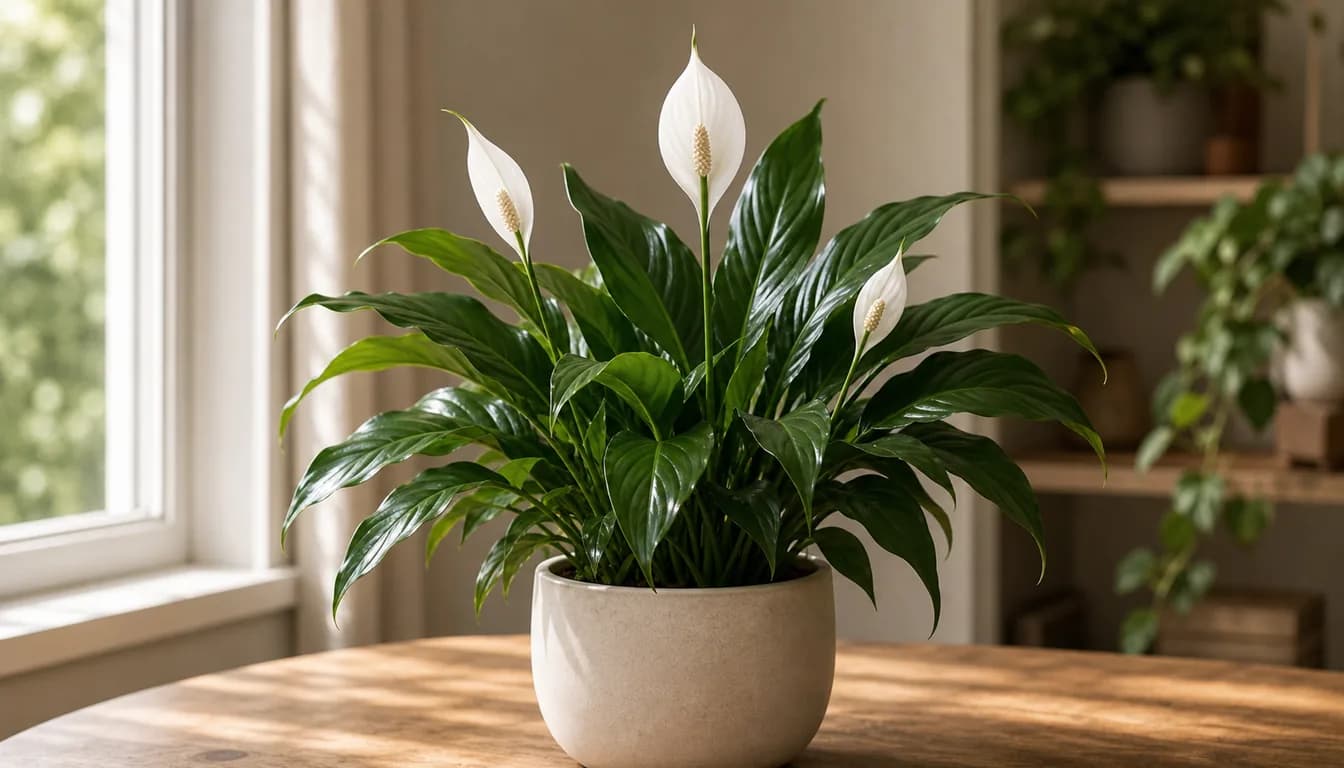
Peace Lily is a shade-tolerant houseplant that tells you when water is late, but blooms only when the room gives it enough useful light.
quiz
Frequently Asked Questions
Why is my Neon Pothos turning green?expand_more
It usually needs more bright indirect light. Neon Pothos can survive low light, but stronger light keeps new leaves chartreuse.
Can Neon Pothos grow in water?expand_more
Yes, cuttings can live in water, but a soil-grown plant usually makes stronger vines in an airy potting mix.
How do I make Neon Pothos fuller?expand_more
Prune bright tips, root the cuttings, and plant them back into the crown. Also rotate the pot so new growth does not lean toward one window.
menu_book
Sources & References
- 1.University of Florida IFAS Extension – Epipremnum aureum, Pothosopen_in_new
- 2.Royal Horticultural Society – Epipremnum aureum (pothos) Profileopen_in_new
- 3.Missouri Botanical Garden – Epipremnum aureum Plant Finderopen_in_new
- 4.University of Florida IFAS Extension, Epipremnum aureum, Golden pothosopen_in_new
- 5.ASPCA, Golden Pothos Toxicity to Cats and Dogsopen_in_new
- 6.Missouri Botanical Garden, Epipremnum aureum Plant Finderopen_in_new
- 7.NC State Extension, Epipremnum aureum Profileopen_in_new