verifiedSource Reviewed
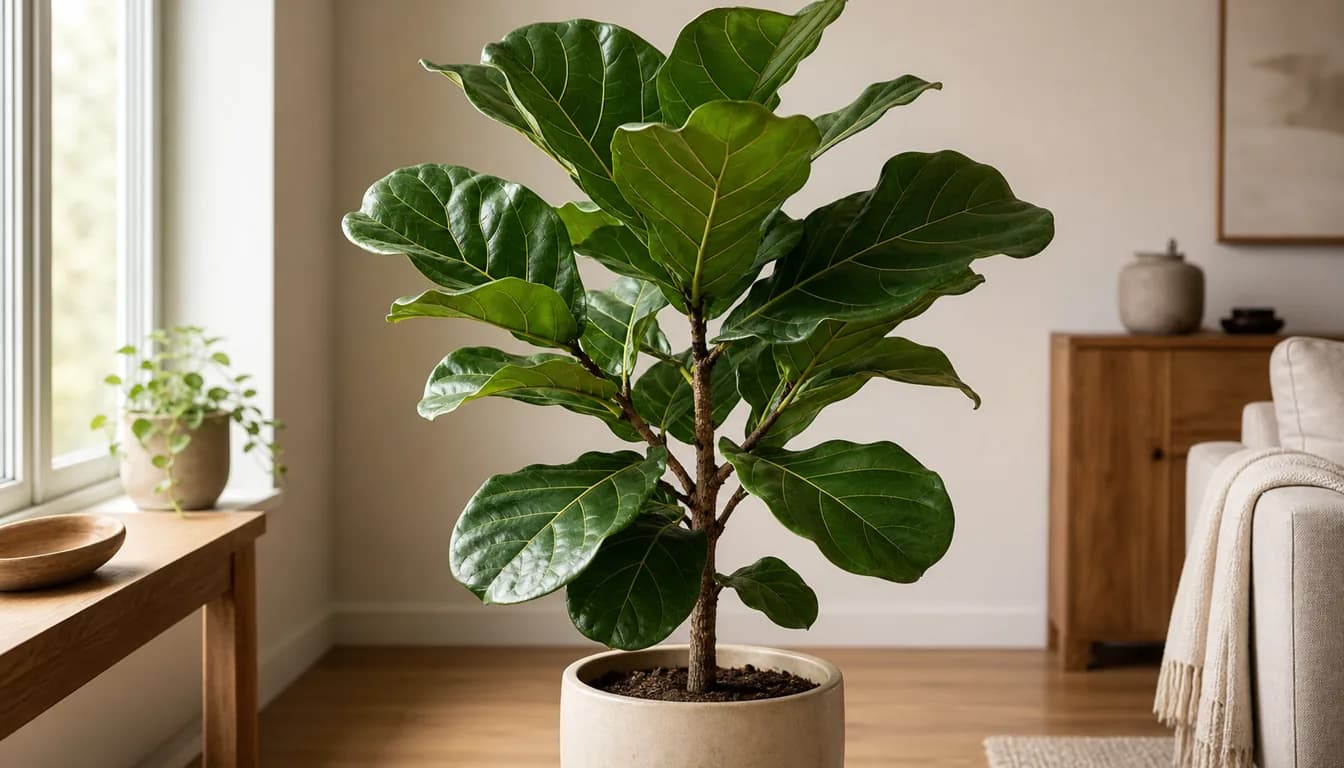
Fiddle Leaf Fig
Ficus lyrata
Family: Moraceae
wb_sunnyLight
Bright indirect light; some direct morning sun
water_dropWater
Moderate; let top 1-2 inches dry between waterings
heightHeight
5-10 ft indoors depending on conditions
publicZone
Outdoors in Zone 10-12; indoors anywhere
airAir Quality
Air Quality Note
Native Region
Western Africa (Cameroon, Sierra Leone, Nigeria)
wb_sunnyChoose the Window Before You Buy the Tree
The window decision comes before the pot, the basket, or the leaf shine. Fiddle Leaf Fig needs bright indirect light and often benefits from gentle morning sun; a dim corner makes the tree burn energy faster than it can replace leaves.
Stand in the room at the time the plant will get its strongest light. If the spot is bright enough to read without turning on a lamp and the sun is not blasting the leaves for hours, you are closer to the right placement.
This is why it is not interchangeable with Snake Plant. ZZ Plant can also decorate dim rooms. Fiddle Leaf Fig needs the room to support tree growth.
sync_altDo Not Move It Unless the Leaves Prove It
Fiddle Leaf Fig hates casual relocation because each move changes light direction, airflow, temperature, and watering speed at once. If the tree is holding leaves and pushing new growth, leave the placement alone.
Move it only for a named reason: not enough light, direct scorch, cold draft, heat vent, or physical crowding. Then change one condition and watch the next leaves, not the oldest scars.
lightbulbRotate slowly, not randomly
A quarter turn every week or two can keep growth balanced. A full room move every month teaches you nothing because every variable changed.
Use that short checklist only after you know what changed. The goal is to isolate one cause, not to keep testing the tree every week.
- fiber_manual_recordKeep the same window if the tree is holding leaves.
- fiber_manual_recordMove only for a named problem such as scorch, draft, or low light.
- fiber_manual_recordWatch the next new leaf before making another change.
Guide — See AlsoAir Purifying Plants for Cleaner Indoor AirLearn how to pick, place, and care for air purifying plants so they help your indoor air instead of just looking pretty.
chevron_rightwater_dropWater the Whole Root Ball, Then Wait
The common watering mistake is sipping. A little water on top leaves dry pockets inside the root ball, then the owner waters again because the leaves still look dull.
Water thoroughly until the mix is evenly wet and excess drains out, then wait until the top inch or two dries and the pot feels lighter. A large tree in a tight nursery pot may need water sooner than a small tree in a decorative planter.
Too dryEdges droop, soil pulls from pot, lower leaves crisp after repeated drought
Too wetHeavy pot, yellowing leaves, dark root smell, leaf drop from the lower canopy
Correct rhythmFull watering followed by a real dry-down, not daily top-ups
If you want a ficus with more forgiveness, Rubber Plant is usually easier. The Fiddle Leaf Fig vs Rubber Plant comparison is a better decision tool than hoping a dark room becomes brighter.
Email Updates
Join the KnowTheYard update list
Zone-specific advice, seasonal reminders, and new plant guides — no filler.
troubleshootLeaf Drop Is a Pattern, Not a Mood
Read where the leaves fall before deciding what to fix. Lower older leaves can drop after a dry spell or low light. Sudden leaves from several heights often point to a move, cold draft, or watering shock.
Brown patches in the middle of leaves after wet soil suggest root stress; dry tan edges after a hard drought tell a different story. One damaged leaf is data, not a diagnosis.
- check_circleDrop after moving: return to stable light and avoid more changes for several weeks.
- check_circleDrop plus wet heavy pot: inspect drainage and wait for oxygen to return to the root zone.
- check_circleDrop on the dark side only: rotate gradually or improve light from that side.
- check_circleSpots plus sticky residue: check for scale before changing water.
Guide — See AlsoBest Herbs to Grow Indoors for Real Harvests, Not Spindly PotsChoose indoor herbs that can actually produce in your light, temperature, and container setup, then match each one to th
chevron_right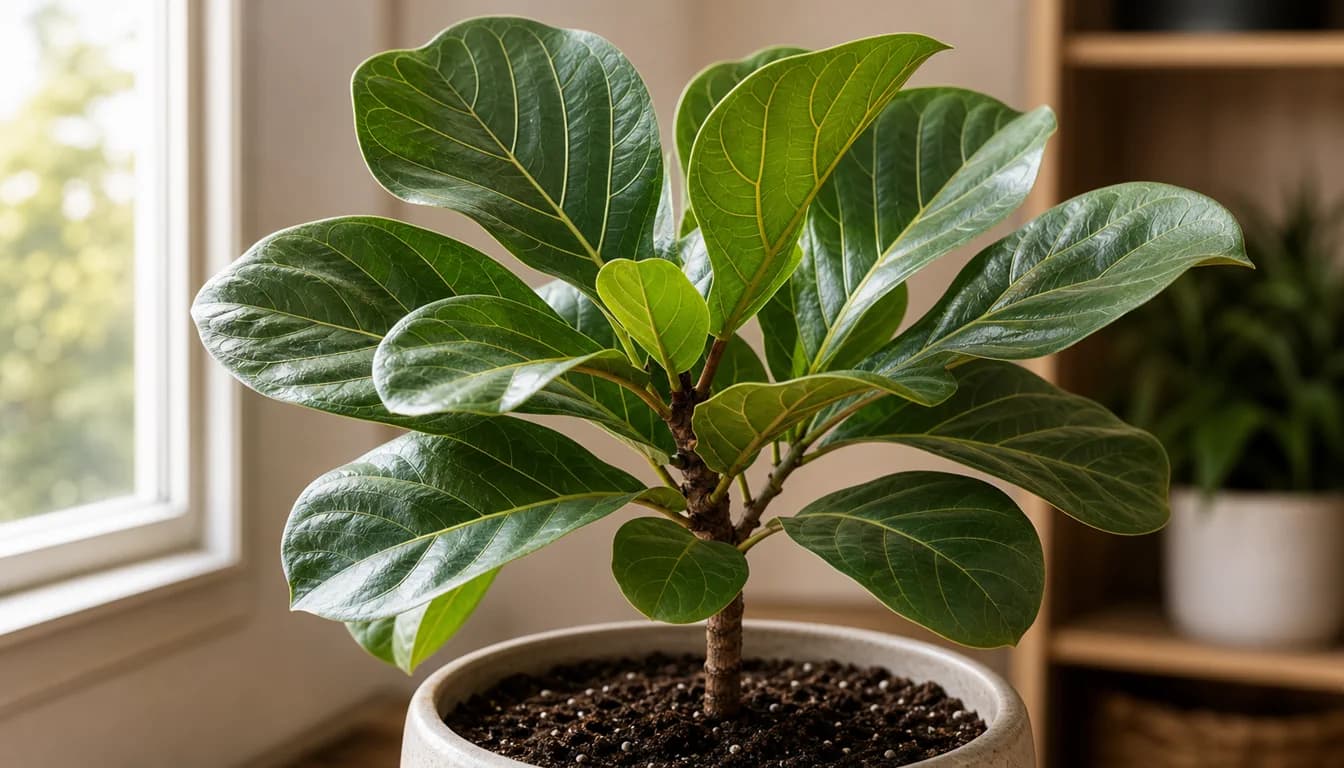
content_cutTrain the Trunk Before It Hits the Ceiling
A Fiddle Leaf Fig grown indoors often needs shaping before it becomes too tall and top-heavy. Pinching, notching, or pruning can encourage branching, but the tree must be healthy and in bright growth first.
Stake a weak trunk only while you solve the cause. A tree that never moves in air and grows in weak light stays floppy; gentle movement and stronger light build a sturdier trunk over time.
This training job differs from Dracaena Marginata, where bare canes are part of the look. Fiddle Leaf Fig should hold a leafy canopy that matches the room scale.
yardSoil, Repotting, and Heavy Pots
Use a potting mix that drains but does not dry into a brick. A heavy ceramic cachepot can stabilize the tree, but the grow pot inside still needs drainage and a way for extra water to leave.
Repot when roots fill the container or watering becomes impossible to manage, not because one leaf fell. Moving a stressed tree into a much larger pot often adds wet soil around weak roots.
- fiber_manual_recordChoose a stable pot before the canopy leans.
- fiber_manual_recordUpsize gradually so the root ball can use the new mix.
- fiber_manual_recordKeep the trunk vertical when you repot; a lean becomes more obvious as leaves grow larger.
- fiber_manual_recordDo not bury the trunk deeper to hide instability.
Guide — See AlsoBest Indoor Plants for Every Room and Light LevelA practical guide to choosing the best indoor plants for your home, covering beginner-friendly picks, low light champion
chevron_rightcalendar_monthSlow Down Before Winter Leaf Drop
Winter leaf drop often starts before the first leaf falls, when the room gets dimmer but the watering routine stays on summer speed. Let the pot dry more slowly and keep the tree away from cold glass and heat vents.
If the tree holds its newest leaves through winter, do not reward it with extra fertilizer. Save pruning, repotting, and big position changes for active spring growth.
pest_controlSap, Pests, and Pet Risk
Fiddle Leaf Fig has milky sap that can irritate skin and is not pet-safe. Wear gloves when pruning and keep leaves away from pets that chew houseplants.
Scale, mealybugs, and spider mites show on the large leaves as sticky residue, cottony joints, or dull stippling. The leaf size helps: you can inspect each blade instead of guessing through dense foliage.
If pet safety is the deciding factor, use Areca Palm for height. Calathea Orbifolia gives dramatic pet-safe foliage, but remember those plants bring different humidity needs.
Guide — See AlsoHow to Propagate Rosemary From Cuttings at HomeStep-by-step guide on how to propagate rosemary from cuttings in water or soil, with timing, tools, and troubleshooting
chevron_rightlocal_floristBuy Size for the Room You Already Have
A small Fiddle Leaf Fig is not always the budget win if you want a tree quickly; it may take years to become a room anchor. A large tree is not always the upgrade if your window, ceiling, and watering access are wrong.
Buy smallBest when you want to train shape and have patience for slower tree form
Buy mediumBest balance for most rooms: visible canopy, easier acclimation, manageable pot weight
Buy largeOnly when the window, ceiling clearance, and watering access already fit
Consider Ficus AudreyFicus Audrey gives a softer ficus look with a different leaf texture
eco
Keep Exploring
Related Plants
 Houseplants
Norfolk Island Pine
Norfolk Island Pine is a tropical conifer grown indoors for its soft, layered “mini Christmas tree” look; it stays compact in containers, prefers ==**bright
 Houseplants
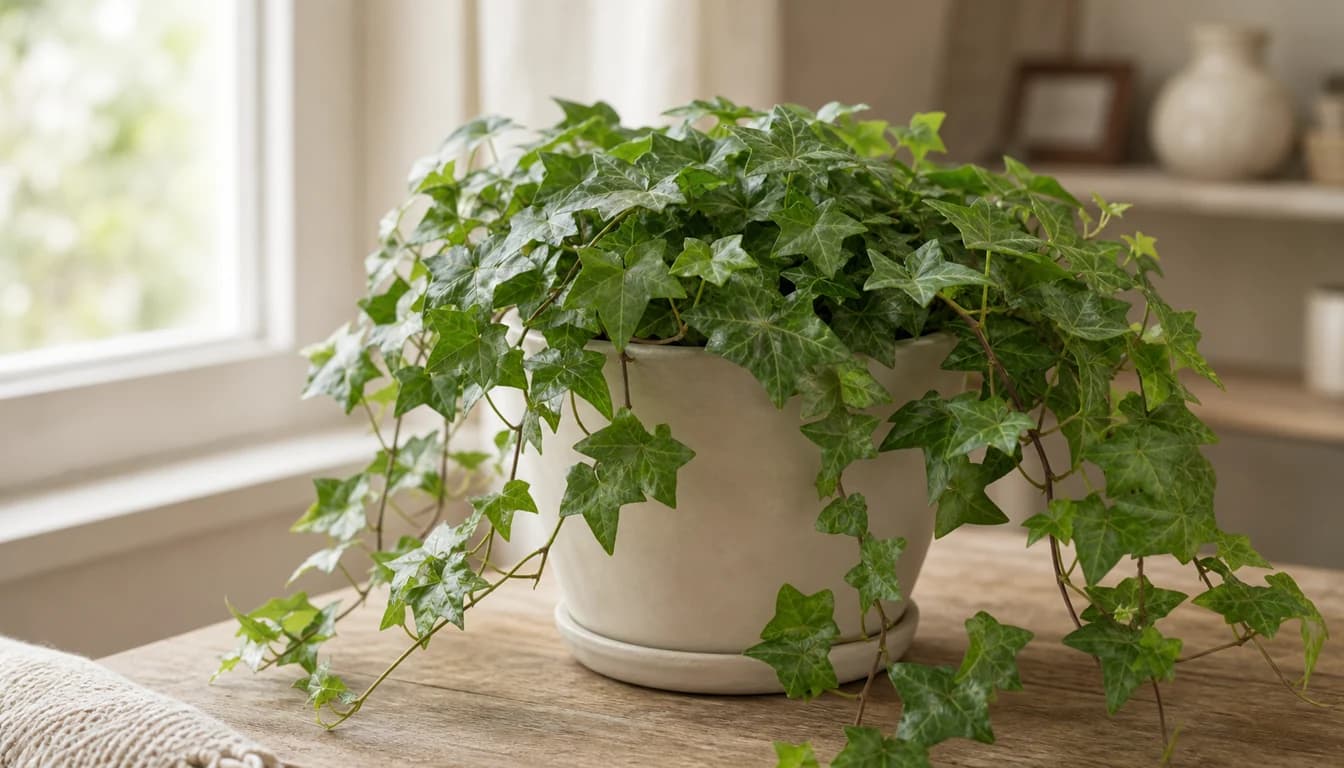
English Ivy
English Ivy is a cool-room trailing vine, not a set-and-forget shelf plant. Keep it bright, trimmed, slightly moist, and isolated from outdoor spread.
 Houseplants
Donkey Tail
Donkey Tail is a trailing succulent for a bright shelf or hanging pot where no one brushes past it. The care is simple, but the handling is not: bright ligh
quiz
Frequently Asked Questions
How much light does a Fiddle Leaf Fig need?expand_more
It needs bright indirect light, with gentle morning sun often helpful. A dim corner is the fastest way to get thin growth and leaf drop.
Why is my Fiddle Leaf Fig dropping leaves?expand_more
Look at the pattern. Drop after a move, drop from wet roots, and drop from low light need different fixes, so do not change everything at once.
How should I water a Fiddle Leaf Fig?expand_more
Water the whole root ball thoroughly, let excess drain, then wait until the top inch or two dries and the pot feels lighter.
Is Fiddle Leaf Fig safe for pets?expand_more
No. The milky sap can irritate pets and people, so keep it away from cats and dogs that chew leaves.
Should I prune my Fiddle Leaf Fig?expand_more
Prune only when the tree is healthy and actively growing. The cut should support a planned branch point, not just remove height at random.