
Plantingschedule12 min read
Best Shade Plants for Gardens That Get Little Sun
A practical guide to choosing the best shade plants for outdoor gardens, covering perennials, shrubs, ground covers, and design tips for partial, full, and dappled shade.
A shady yard is not a gardening dead end. It is an invitation to grow a completely different palette of plants - lush, layered, and often more interesting than the sun-baked beds across the street.
The challenge is knowing which plants belong in shade versus those that merely tolerate it for a season before fading out. Hostas are true shade performers. So are ferns and astilbes. Others, like most vegetables and many annuals, will limp along and disappoint you.
This article focuses on the yard side of shade: how outdoor shade works, which perennials and shrubs deliver season after season, how to design a bed that looks intentional rather than neglected, and the mistakes that trip up even experienced gardeners. If you are also dealing with dim conditions inside the house, our low light indoor plant guide covers that separately.
wb_sunnyUnderstanding Shade: Partial, Full, and Dappled
Not all shade is the same, and the difference between partial and full shade can determine whether your plants thrive or slowly melt away.
Partial shade usually means 2-4 hours of direct sun; full shade means less than 2. That distinction matters more than the word "shade" on a nursery tag.
Partial shade means two to four hours of direct sun per day, usually morning sun with afternoon shade, or sun filtered through open branches. This is one of the best growing conditions in a yard because plants get enough light to fuel real growth without the scorching stress of a west-facing afternoon wall.
Full shade means less than two hours of direct sun, often none at all. Think of the north side of a house, the area under dense evergreens, or a space completely blocked by a fence or building. Fewer plants succeed here, but the ones that do are genuinely tough.
Dappled shade is the shifting pattern you get under deciduous trees. Sun flickers through the canopy all day, giving plants small doses of direct light. Many woodland natives evolved under exactly these conditions and look their best here.
Before you buy a single plant, spend a day observing your shade; walk the area at 9 a.m., noon, and 3 p.m. and note where direct sun hits and for how long. That observation saves money and prevents planting failures.
One more factor: reflected light. A garden bordered by a white fence or a light-colored house wall receives significantly more light than one surrounded by dark fences or dense hedges, even if the sun exposure is identical on paper.
- fiber_manual_recordPartial shade: 2-4 hours of direct sun, widest plant selection
- fiber_manual_recordFull shade: Under 2 hours direct sun, focus on proven tough plants
- fiber_manual_recordDappled shade: Excellent for woodland natives and most fern varieties
- fiber_manual_recordReflected light: Accounts for more than most gardeners realize
ecoBest Perennials for Shade Gardens
Perennials are the backbone of any shade garden because they return every year, gradually filling in and improving with age. The best shade perennials earn their keep through foliage, structure, and seasonal interest beyond just a brief bloom window.
Hostas are the undisputed workhorses of shady landscapes. Leaf size ranges from thumbnail miniatures to dinner-plate giants. Color runs from deep blue-green to chartreuse gold to boldly variegated white and green. They handle everything from partial to full shade, ask for little beyond decent soil moisture, and their foliage carries the garden all season. Slugs are their main enemy, but a few iron phosphate pellets handle that reliably.
Astilbe brings genuine flower power to shady spots, producing feathery plumes in white, pink, red, and lavender through midsummer. It needs consistently moist soil - dry shade is its weakness - but in a good spot it spreads steadily and blooms reliably. Plant several varieties with staggered bloom times for a longer show.
Bleeding heart is a shade classic that peaks in spring with arching stems of pendant flowers, then gracefully goes dormant by midsummer. Pair it with Hosta clumps whose expanding leaves fill the gap left behind.
Coral Bells is one of the most versatile shade perennials available today, with foliage colors spanning amber, burgundy, lime, and silver. It tolerates partial shade well, offers wispy summer flower stalks, and stays semi-evergreen in mild climates.
- fiber_manual_recordHostas: Best all-around foliage plant for shade
- fiber_manual_recordAstilbe: Needs moisture, delivers real color
- fiber_manual_recordBleeding Heart: Spring star, pairs well with Hosta clumps
- fiber_manual_recordCoral Bells: Foliage-first, wide color range, semi-evergreen
Guide — See AlsoFragrant Flowers for Every Yard and SeasonStep-by-step guide to choosing, placing, and caring for fragrant flowers so your yard smells good from spring through fa
chevron_rightyardBest Shrubs for Shady Yards
Shrubs give a shade garden its bones — the permanent structure that holds the design together through every season. The right shade shrub requires almost no coaxing once established.
Azaleas are one of the most reliable spring-blooming shrubs for partial shade. They perform best under tall deciduous trees where they get bright indirect light all day and a few hours of filtered sun. Avoid deep shade, which reduces blooming considerably. Azaleas need well-drained, acidic soil and very little pruning beyond removing dead wood immediately after bloom.
Hydrangeas offer some of the most dramatic summer flowers of any shrub, and several types do well in partial shade. Bigleaf Hydrangeas (Hydrangea macrophylla) are well suited to morning sun and afternoon shade. PeeGee and Annabelle types tolerate more sun but also perform in bright partial shade. Give them consistent moisture during establishment.
Camellias shine in zones 7–10 as long-lived evergreen shrubs with flowers ranging from white to deep crimson. They prefer dappled or partial shade — direct afternoon sun in the South scorches the foliage badly. Their glossy evergreen leaves provide year-round structure even when they are not in bloom.
Japanese maples straddle the line between large shrub and small tree. Most cultivars prefer partial shade, especially in hot climates where afternoon sun causes leaf scorch. Their layered branching and stunning fall color make them anchor plants in shade garden design.
For deep shade, consider oakleaf Hydrangea (Hydrangea quercifolia), mountain laurel, or native viburnums — all handle low light conditions better than most ornamental shrubs.
- fiber_manual_recordAzaleas: Spring color, needs acidic soil, dislikes deep shade
- fiber_manual_recordBigleaf Hydrangea: Morning sun, afternoon shade, consistent moisture
- fiber_manual_recordCamellia: Evergreen structure, zones 7–10
- fiber_manual_recordJapanese Maple: Architectural anchor, partial shade preferred
Email Updates
Join the KnowTheYard update list
Zone-specific advice, seasonal reminders, and new plant guides — no filler.
spaGround Covers That Thrive Under Trees
Bare soil under trees is an invitation for weeds. The right ground cover fixes that permanently while adding texture and visual cohesion to a shady bed.
Pachysandra is one of the most dependable evergreen ground covers for deep shade. It spreads steadily by underground runners, outcompetes most weeds once established, and tolerates the dry shade under large maples that defeats almost everything else. It works in zones 4–8 and asks for almost nothing beyond a one-time establishment period.
Liriope (lilyturf) is a grass-like ground cover that handles both sun and partial to full shade, making it extremely useful as a transition plant at the edge of a shaded bed. It produces lavender flower spikes in late summer and attractive dark berries through fall, adding seasonal interest most ground covers skip.
Sweet woodruff is a low-growing, delicate-looking plant that spreads into a dense mat under trees and produces tiny white flowers in spring. It is not aggressive in most climates, making it a good choice where you want coverage without a takeover situation.
Ajuga (bugleweed) handles difficult, dry shade and spreads quickly by stolons. Bronze or purple-leaved forms add foliage contrast to green-heavy shade beds, and the blue flower spikes in spring offer early-season color when little else is blooming.
For naturalistic woodland gardens, native Ferns make outstanding ground covers. Christmas Fern stays evergreen in most of its range, while cinnamon Fern and ostrich Fern create dramatic tall masses in moist shade.
- fiber_manual_recordPachysandra: Best for dry deep shade under large trees
- fiber_manual_recordLiriope: Handles full sun to full shade, great as a border edger
- fiber_manual_recordSweet Woodruff: Delicate look, spring flowers, non-aggressive spread
- fiber_manual_recordAjuga: Fast cover, strong foliage color, good for difficult dry spots
- fiber_manual_recordNative Ferns: Naturalistic, many sizes, excellent woodland texture
Guide — See AlsoHow to Divide Hostas for Bigger, Healthier ClumpsStep-by-step instructions for dividing hostas, including timing by zone, tools, and replanting tips so clumps recover fa
chevron_rightlightbulbShade Garden Design: Making It Look Intentional
A shade garden that looks designed rather than accidental comes down to layering, contrast, and repetition. None of those require a horticulture degree; they just require a framework before you start planting.
Layer by height. Put tall shrubs like hydrangeas or Japanese maples at the back or center. Mid-height perennials like astilbes and coral bells fill the middle. Low ground covers and edging plants like ajuga or sweet woodruff finish the front.
Contrast leaf texture and size. Big bold hosta leaves look best next to fine-textured fern fronds or grassy liriope. Avoid planting too many similar textures together because the result is visually flat even with a variety of plant species.
Use foliage color for long-season interest. Shade gardens bloom for shorter windows than sunny borders, so foliage has to do the heavy lifting. Mix blue-green hostas with gold-leaved types, burgundy coral bells, and the silver-streaked foliage of Japanese painted ferns for a composition that stays interesting all season.
Repeat key plants throughout. A single hosta planted once looks like a mistake. Five of the same hosta spaced through a bed looks like a deliberate rhythm. Repetition ties a garden together more effectively than any other single design move.
Consider bloom sequence. Start with bleeding heart in spring, transition to astilbe in early summer, then let bold foliage carry the garden through fall. Plan for all three seasons when selecting plants rather than buying whatever looks good in the nursery on one visit.
- fiber_manual_recordLayer heights: Back to front, tall to low
- fiber_manual_recordContrast texture: Bold leaves next to fine ones
- fiber_manual_recordFoliage color: The real season-long show in a shade bed
- fiber_manual_recordRepetition: Key plants grouped and repeated for cohesion
- fiber_manual_recordBloom sequence: Plan spring, summer, and fall interest separately
water_dropSoil and Watering in Shade Gardens
Shade gardens have soil challenges that sunny borders do not. Tree roots compete aggressively for water and nutrients. Dense canopy can intercept rainfall so significantly that soil under large trees stays surprisingly dry even after a rainstorm.
Start by improving the soil before planting. Work in several inches of compost across the bed rather than just digging individual planting holes. In areas with significant tree root competition, add compost as a top dressing each spring instead of digging it in deeply — cutting large surface roots causes more damage than the soil improvement is worth.
Mulch is critical in shade. A two to three inch layer of shredded bark or leaf mold conserves moisture, moderates soil temperature, and slowly improves soil structure as it breaks down. Keep mulch an inch or two away from plant crowns and tree trunks to prevent rot.
Most shade plants need consistent moisture, especially during their first one to two growing seasons. After establishment, hostas, native ferns, and astilbes are more drought tolerant than they get credit for — but they will flag and scorch during extended dry spells, particularly under dense tree canopies.
Drip irrigation is the most efficient watering method for shady beds under trees. It delivers water directly to root zones without wetting foliage, which reduces fungal issues that can be worse in low-air-circulation shade situations.
Dry shade under large maples, beeches, and Norway spruces is the toughest condition in any yard. Stick to truly tough plants like pachysandra, epimedium, and liriope if that is your situation.
That is also why plant choice matters more than fertilizer in these beds. Once the roots are competing with mature trees, even good plants need realistic expectations and deeper watering.
- fiber_manual_recordAmend first: Compost across the whole bed, not just planting holes
- fiber_manual_recordMulch depth: 2–3 inches, kept clear of crowns and trunks
- fiber_manual_recordWatering priority: First two seasons are critical for establishment
- fiber_manual_recordDrip irrigation: Best delivery method under tree canopies
- fiber_manual_recordDry shade: Requires the toughest ground cover selections
Guide — See AlsoWhite Spots on Plant Leaves: Causes and Fixes That WorkLearn what causes white spots on plant leaves, how to tell pests from disease or mineral residue, and step-by-step fixes
chevron_rightcalendar_monthAnnual Shade Plants for Season-Long Color
Perennials and shrubs provide structure, but well-chosen annuals plug the color gaps and keep a shade garden looking lively from spring through frost.
Impatiens were the default shade annual for decades until downy mildew devastated them. New Guinea impatiens are largely resistant to that disease and still deliver strong, saturated color in partial shade. The classic garden impatiens (Impatiens walleriana) has made a comeback with disease-resistant varieties — look for the 'Bounce' series, which are worth the slightly higher price.
Begonias are arguably the most underused shade annuals. Wax begonias handle everything from partial to nearly full shade and bloom continuously from planting until hard frost without deadheading. Dragon Wing begonias offer larger flowers on trailing stems ideal for containers and bed edges under trees.
Caladiums are grown primarily for foliage rather than flowers, and few plants match their impact in a shade bed. Large heart-shaped leaves come in combinations of white, pink, red, and green that light up dim garden corners. They are tropical perennials treated as annuals in most climates, dug and stored in fall where winters are cold.
Torenia (wishbone flower) is a heat-tolerant annual that handles full shade better than almost any other flowering plant. Small tubular flowers resemble tiny snapdragons in purple, pink, and white combinations.
For foliage contrast, coleus delivers striking color in almost unlimited combinations and thrives in partial to full shade. Modern coleus varieties are more sun-tolerant than older types, but they still do their best work in shade where their colors stay vivid rather than bleached.
- fiber_manual_recordImpatiens: Classic choice, use disease-resistant 'Bounce' series
- fiber_manual_recordWax Begonias: Continuous bloom, nearly zero maintenance
- fiber_manual_recordCaladiums: Foliage impact, treat as annual outside zones 9–11
- fiber_manual_recordTorenia: Best annual for true full shade situations
- fiber_manual_recordColeus: Foliage accent, extremely wide color range
warningCommon Shade Gardening Mistakes to Avoid
Most shade garden failures trace back to a handful of predictable mistakes. Knowing them in advance puts you well ahead of the average gardener.
Planting sun lovers in shade and hoping for the best. This is the most common mistake by far. Most flowering perennials, vegetables, and ornamental grasses need at least six hours of direct sun. Forcing them into shade produces weak, flopping, pest-prone plants that look bad and die early. Match plants to actual light conditions instead of optimistically estimating.
Ignoring tree root competition. Planting directly over dense surface roots without improving soil and irrigation guarantees failure. The trees always win that water and nutrient competition. Choose plants specifically adapted to dry shade or install raised planters over difficult root zones.
Overwatering in low light and forgetting rainfall interception. New gardeners often water on a schedule without checking whether a canopy has already blocked a week's worth of rain. Poke a finger into the soil before reaching for the hose.
Planting too close together. Shade gardens often feel sparse at installation, tempting gardeners to overcrowd. Most Hosta varieties eventually reach two to four feet wide. Hydrangeas can easily hit six feet. Give plants the space they need at maturity and fill gaps temporarily with annuals.
Choosing the wrong azalea or camellia for the climate. Both plants have variety-specific cold hardiness that matters enormously. Check USDA hardiness zone compatibility before buying based on flower color alone.
Neglecting the off-season. A shade garden designed only around spring bloom looks brown and empty by August. Plan for foliage interest and late-season texture from the beginning.
- fiber_manual_recordSun lovers in shade: Check light requirements rigorously before buying
- fiber_manual_recordRoot competition: Amend soil and consider irrigation under large trees
- fiber_manual_recordSpacing: Mature size matters far more than nursery pot size
- fiber_manual_recordClimate match: Verify zone hardiness for every shrub purchase
- fiber_manual_recordOff-season: Foliage and structure must carry the garden through summer and fall
Guide — See AlsoHow to Harden Off Seedlings Without Sunscald or Wind ShockUse a simple 7-10 day hardening-off plan to move seedlings outdoors safely, avoid transplant shock, and match exposure t
chevron_righttips_and_updates
Pro Tips
- check_circleObserve your yard's shade patterns at multiple times of day before buying a single plant — what looks like deep shade at noon may get direct morning sun.
- check_circleAdd two to three inches of shredded leaf mulch each fall under trees to improve soil and conserve moisture without cutting surface roots.
- check_circleUse foliage contrast — big bold leaves next to fine-textured ones — as the primary design tool in shade since bloom windows are shorter than in sunny beds.
- check_circleNew Guinea Impatiens and the 'Bounce' series of garden Impatiens are far more disease-resistant than older varieties and worth the premium price.
- check_circlePlant hostas a bit farther apart than feels right at installation — most varieties reach two to four feet wide at maturity within a few years.
- check_circleEpimedium is one of the toughest plants for dry shade under large trees and deserves far more use than it gets.
- check_circleGroup shade annuals like caladiums and coleus in odd numbers — threes and fives look more natural than pairs or even groupings.
- check_circleWater shade beds deeply and infrequently rather than shallowly and often — deep roots make plants more resilient through dry spells.
quiz
Frequently Asked Questions
What is the easiest shade plant to grow for beginners?expand_more
Hostas are the best starting point for most beginners. They tolerate a wide range of shade conditions from partial to nearly full, are extremely low maintenance once established, come back reliably every year, and are widely available in every price range. Add a few coral bells alongside for foliage color contrast and you have a solid foundation with almost no risk.
Can you grow flowers in full shade?expand_more
Yes, but the selection narrows considerably. Astilbe blooms reliably in full shade as long as moisture is adequate. Bleeding heart can do the same in spring before going dormant. For annuals, torenia and wax begonias handle true full shade better than most. Avoid expecting the same flower density you would get from a sunny border; foliage plants like Hostas and caladiums should carry the design in deep shade situations.
What plants grow under pine trees where nothing else survives?expand_more
The combination of dry soil, acidic pH, and dense shade under pines is genuinely difficult. Pachysandra, epimedium, and established liriope are the most dependable options. Native Ferns like Christmas Fern and wood Fern also handle pine conditions better than most ornamentals. Improve the soil with compost before planting and water consistently through the first two seasons to help plants get established.
Do hydrangeas grow well in shade?expand_more
Bigleaf Hydrangeas are the best choice for partial shade, thriving in morning sun with afternoon shade. They struggle in deep shade and produce far fewer flowers. Oakleaf Hydrangea (Hydrangea quercifolia) tolerates deeper shade than most and adds excellent fall foliage color and interesting exfoliating bark as seasonal bonuses. Avoid Panicle (PeeGee) types in shade — they need more sun than the others to bloom well.
How do I fix dry shade under a large maple or beech?expand_more
Dry shade under large surface-rooting trees like maples and beeches is the hardest condition in any yard. Avoid digging deeply into surface roots — top dress with several inches of compost and shredded bark mulch instead. Plant ultra-tough selections like pachysandra, epimedium, and liriope that have proven records under these conditions. Install drip irrigation if you can, and water deeply and consistently through the first two growing seasons while plants establish their own root systems.
Related Guides

Air Purifying Plants for Cleaner Indoor Air
Learn how to pick, place, and care for air purifying plants so they help your indoor air instead of just looking pretty.
11 min read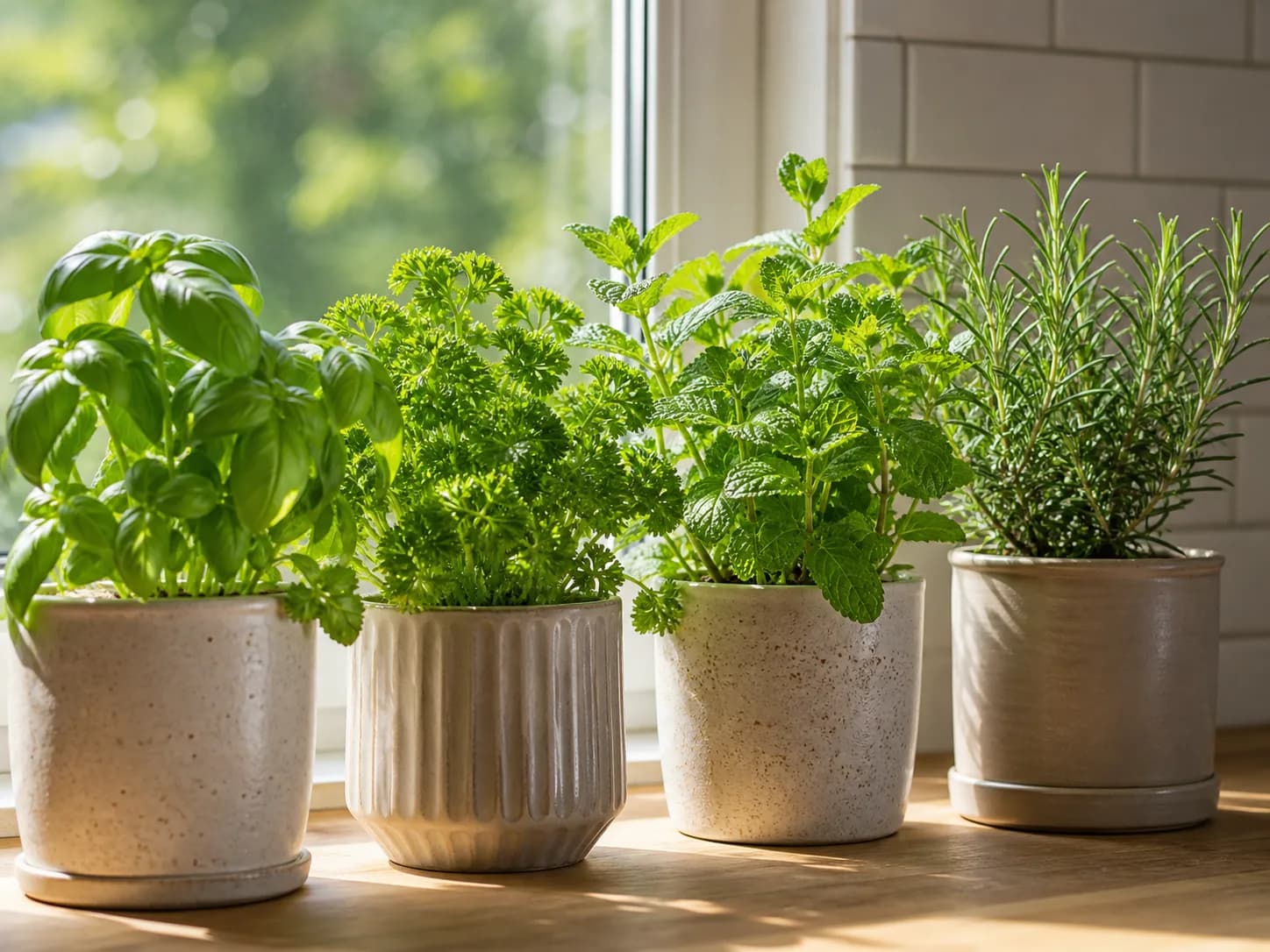
Best Herbs to Grow Indoors for Real Harvests, Not Spindly Pots
Choose indoor herbs that can actually produce in your light, temperature, and container setup, then match each one to the right harvest rhythm and watering style.
10 min read
Best Indoor Plants for Every Room and Light Level
A practical guide to choosing the best indoor plants for your home, covering beginner-friendly picks, low light champions, bright light lovers, watering basics, and how to avoid the most common mistakes.
13 min read