verifiedSource Reviewed
Golden Pothos: Tough Trailing Houseplant
Epipremnum aureum
Family: Araceae
wb_sunnyLight
Low to bright indirect light
water_dropWater
Moderate, dry out top 1–2 inches
heightHeight
Trails 6–10 ft indoors
publicZone
Zone 10-12 outdoors, houseplant elsewhere
airAir Quality
Air Quality Note
Native Region
Mo'orea, French Polynesia
biotechBotanical Profile and Growth Habit
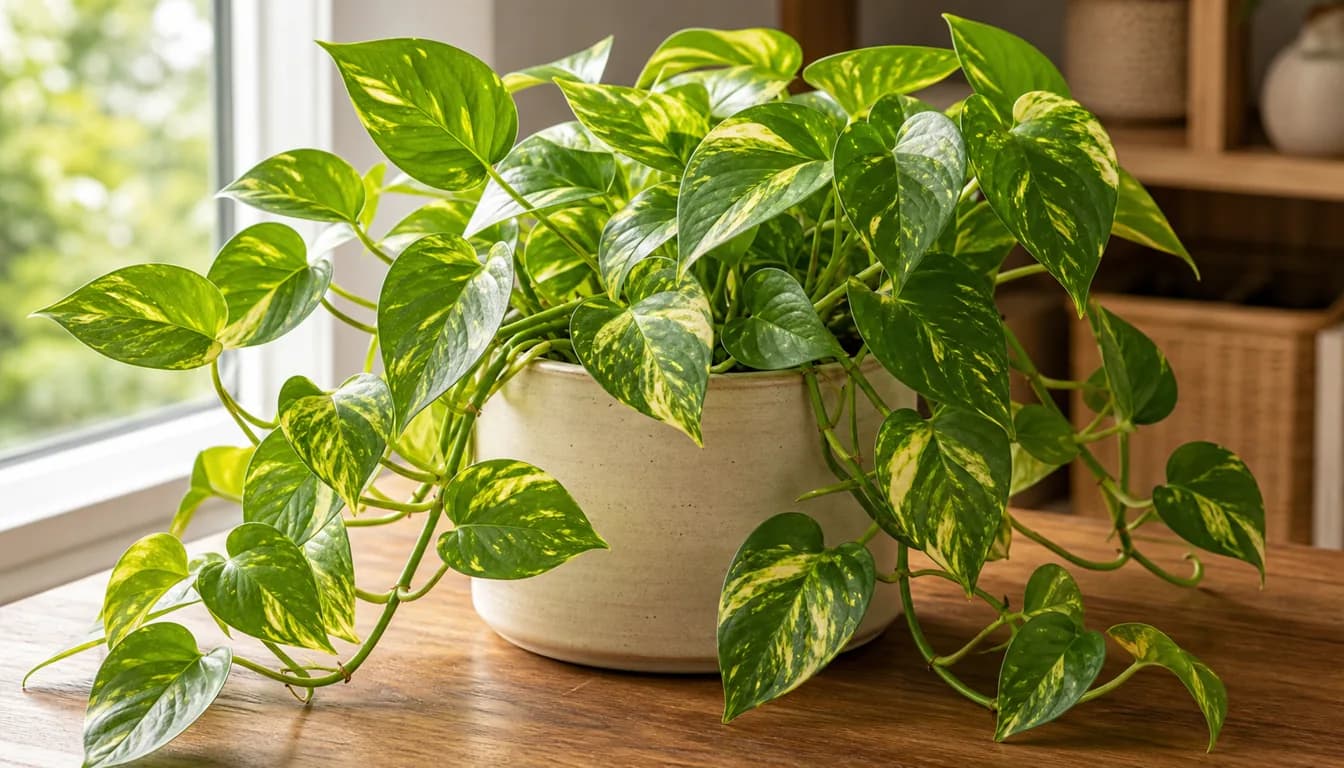
Most people treat this plant like a disposable decor piece, but it is a long-lived tropical vine with serious staying power. Golden Pothos is a climbing aroid with heart-shaped leaves splashed in gold, cream, or lime.
This plant creeps and trails on long stems that can reach 6–10 ft indoors, unlike upright growers like Fiddle Leaf Fig.
In the wild it grabs tree trunks with aerial roots, and you can mimic that indoors with a moss pole or simple hooks.
Unlike fussier tropicals such as Calathea, Epipremnum aureum tolerates dry air, missed waterings, and a wide range of indoor light. That is why it shows up on almost every list of easy indoor plants for apartments and offices.
paletteCultivars and How to Choose One
Many people think all Pothos are the same green-and-gold tangle, but cultivars behave differently in real homes. Variegated types like Marble Queen and Neon Pothos trade speed for pattern, while standard Golden Pothos stays the fastest grower.
The classic golden form has bolder yellow splashes than Marble Queen Pothos and holds color even in moderate light. You can see detailed care differences on the Marble Queen profile if you are deciding between the two.
Pick your cultivar by light level, not by hype. Highly variegated types need brighter light or the white and cream revert to solid green, while deeper green forms handle corners where even ZZ Plant and cast-iron style plants are usually recommended.
Group vines with similar vigor when combining pots. Fast growers like classic Golden Pothos can overwhelm slower trailers such as Heartleaf Philodendron, so plant those in separate pots or check the Pothos versus philodendron comparison before you combine them.
Golden PothosGreen leaves with yellow streaks, fastest growth, best for low to medium light.
Marble QueenHeavily cream-marbled leaves, slower growth, wants brighter indirect light.
Neon PothosSolid chartreuse foliage, moderate growth, color pops in medium light.
Comparison — See AlsoPothos vs English Ivy
chevron_rightwb_sunnyLight: Keep Variegation Without Burning Leaves
Most new Pothos owners stick the pot in the darkest corner, then wonder why the vine stretches and turns dull green. Golden Pothos survives low light, but it looks best in bright, indirect light for several hours a day.
Pothos prefers a brighter window than true shade lovers like Chinese Evergreen, just not scorching sun. An east window or a few feet back from a bright south window usually keeps the yellow variegation crisp without crispy brown edges.
Use the leaf color as your light meter.
Long spaces between leaves and mostly green foliage mean it needs more light, while bleached patches or curled tips signal too much. Variegated vines, including Neon Pothos, usually demand more light than plain green Pothos types.
- check_circleAim for 6–10 hours of bright, indirect light daily for best color.
- check_circleKeep at least 2–4 ft back from harsh south or west windows.
- check_circleRotate the pot monthly so vines do not lean to one side.
- check_circleSupplement with a small grow light where natural light is limited.
Email Updates
Join the KnowTheYard update list
Zone-specific advice, seasonal reminders, and new plant guides — no filler.
water_dropWatering Without Causing Yellow Leaves
Most people treat Pothos like a thirsty Peace Lily and keep the soil wet, then the leaves yellow and drop from root rot. Golden Pothos prefers to dry out slightly, with the top 1–2 inches of soil going dry before you water again.
Pothos stores water in its stems and thick roots, so it dries out much slower than moisture-hungry ferns or Boston Fern baskets. In average indoor conditions, that often means watering every 7–10 days, but your schedule should follow soil moisture, not the calendar.
Water deeply until excess runs from the drainage holes, then dump the saucer. Skip the light, frequent sips. Deep watering encourages roots to grow down, which is the same idea behind deep versus frequent watering outdoors.
A few yellow leaves do not mean disaster -- check the pattern first. Random yellow leaves near the base can be age or a one-time overwatering, but many yellow leaves plus soggy soil may match the issues covered in the Pothos yellow leaf guide.
lightbulbFinger test beats the calendar
Stick a finger into the potting mix up to your second knuckle. If it feels dry at that depth, it is time to water. If it is still cool and damp, wait a couple of days.
Use that finger test first, then adjust the schedule; Pothos prefers a real dry-down over constant damp soil.
- fiber_manual_recordWater less often in winter when growth slows.
- fiber_manual_recordIncrease watering slightly in warm rooms above 80°F.
- fiber_manual_recordUse room-temperature water to avoid shocking roots.
- fiber_manual_recordReduce watering if you notice fungus gnats and consider the gnat control guide.
Comparison — See AlsoPothos vs Monstera
chevron_right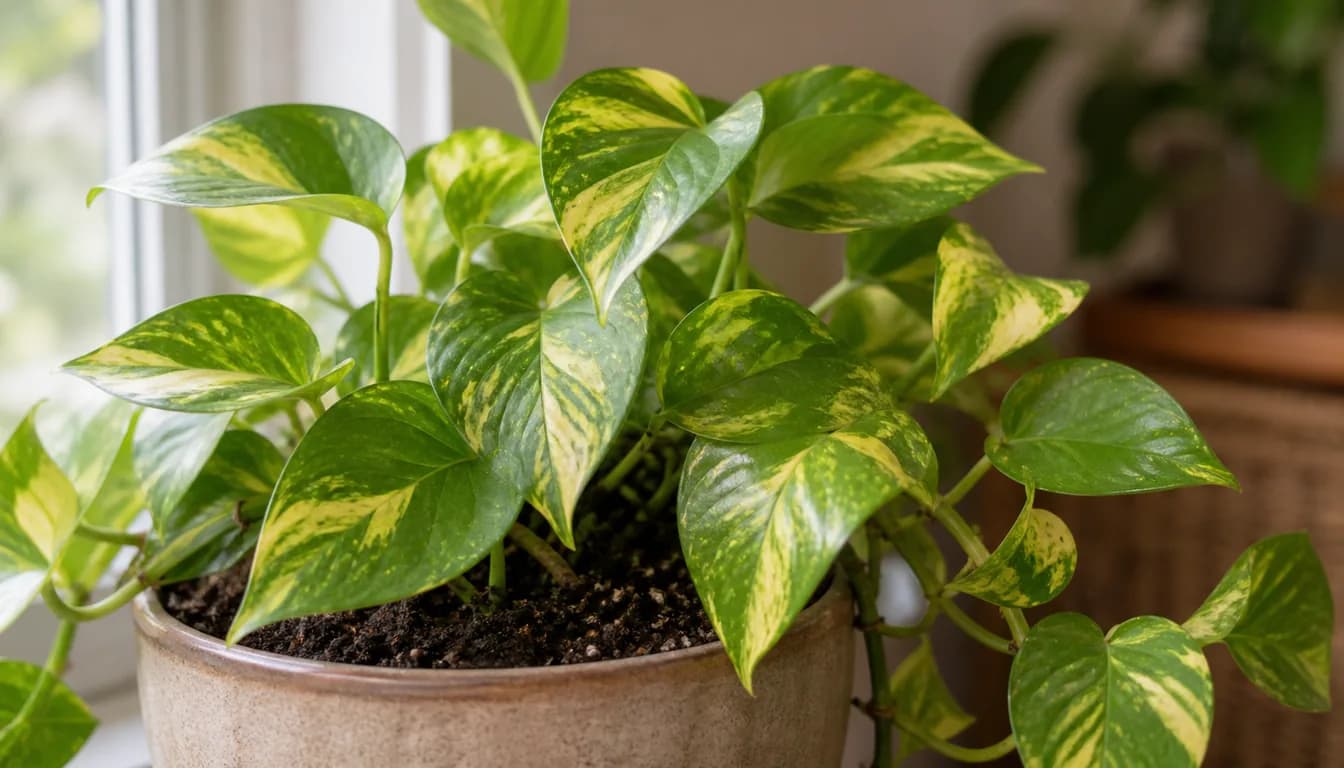
potted_plantSoil and Potting Mix for Strong Roots
Most store-bought Pothos come crammed in dense peat that stays wet for days, which is perfect for rot but not for roots. Golden Pothos does better in a loose, chunky mix that drains quickly and still holds some moisture.
Indoor Pothos wants a lighter blend than the heavy garden soil you might use outside for Hydrangea or shade perennials. A simple mix of 60% all-purpose potting soil, 20% perlite, and 20% orchid bark keeps air around the roots.
Move up only 1–2 inches wider when roots circle the bottom. Oversized containers hold excess water, which leads to the same soggy conditions that cause problems in other drought-tolerant houseplants.
Rely on fresh mix each time you repot and keep the fertilizer plan light. A diluted, balanced houseplant food applied monthly in spring and summer, like the products discussed in the indoor fertilizer guide, is usually plenty.
- check_circleChoose pots with at least 1 drainage hole.
- check_circleAvoid straight garden soil or pure compost indoors.
- check_circleRefresh the top 1 inch of mix yearly if you do not repot.
- check_circleRepot every 2–3 years or when roots circle and water runs straight through.
account_treePropagating Golden Pothos Vines
4-inch pruning shears or sharp scissors make Pothos propagation fast and clean. Short, firm cuttings root more reliably than long floppy pieces that dry out before they grow new roots.
2 nodes per cutting is the sweet spot. A node is the little bump where leaves and aerial roots emerge, and that is exactly where new roots form in water or soil.
6 to 8 healthy leaves on the mother vine give you several good cuttings. Avoid pieces with any brown mushy stems, since that can carry over rot, especially if you are already dealing with yellow Pothos leaves.
70 to 80°F room temperatures and bright, indirect light help cuttings root quickly. Cooler rooms or dim corners can double rooting time, so be patient if your home runs closer to 65°F.
- 1Cut a 4 to 6 inch section of vine with 2 to 3 nodes, trimming just below a node using clean shears.
- 2Strip the leaf from the lowest node so it does not rot underwater or below the soil surface.
- 3Place nodes in a jar of room temperature water or into moist potting mix, keeping at least one leaf above the surface.
- 4Set cuttings in bright, indirect light, changing water weekly or keeping soil evenly damp but never soggy.
- 5Wait for 1 to 2 inch roots (usually 3 to 5 weeks), then pot several cuttings together for a fuller look.
After the cutting checklist, choose the rooting medium based on your habits; Pothos forgives both methods when the node stays healthy.
lightbulbWater vs. soil rooting
Water-rooted cuttings let you watch root growth, but soil-rooted cuttings skip the transplant step. If you tend to overwater, soil rooting in a small pot with drainage is usually safer long term.
Guide — See AlsoAir Purifying Plants for Cleaner Indoor AirLearn how to pick, place, and care for air purifying plants so they help your indoor air instead of just looking pretty.
chevron_rightpest_controlCommon Pests on Golden Pothos
3 main sap-sucking pests bother Golden Pothos indoors, and all three show up fastest on dry, dusty vines. Regular rinsing and quick isolation stop most infestations before they spread to neighbors like peace lilies.
7 to 10 days is how long it usually takes spider mites to explode from a few specks to visible webbing. Fine webbing between leaves or at vine tips is often easier to see than the mites themselves.
2 types of scale, soft and armored, can settle on stems and leaf midribs. They look like tan or brown bumps, and they stay put even if you tap the plant, unlike moving insects like aphids.
4 or more sticky leaves in a cluster usually signal mealybugs hiding in nodes. They leave cottony clumps where stems join, often on the undersides of those heart-shaped leaves.
pest_controlSpider mites
Look for pale speckling, fine webbing, and dry air. Rinse the plant in the shower and follow with targeted treatment from a good spider mite control guide.
pest_controlMealybugs
Check leaf joints for white cotton. Dab clusters with 70% isopropyl alcohol on a cotton swab, then rinse thoroughly.
pest_controlScale insects
Scrape gently with a fingernail; true scale pops off like a shell. Treat with horticultural oil and repeat every 7 to 10 days.
pest_controlFungus gnats
Notice small black flies when you water. These thrive in wet soil, so let the top 1 to 2 inches dry and follow a focused fungus gnat control plan.
Once the pest is identified, isolate before treating; Pothos vines can move insects quickly through a shelf or hanging cluster.
infoQuarantine saves the rest of your plants
Move any infested Pothos at least 3 to 5 feet away from other houseplants. Treat weekly for 3 weeks so you catch new hatchlings before they reproduce.
calendar_monthSeasonal Care for Golden Pothos
2 main seasons matter for indoor Pothos care, the fast-growing bright months and the slower, low-light stretch. You adjust water and feeding more by light level than by the date on the calendar.
50% less water is a good starting cut once days shorten and indoor light drops. Keep an eye on the top 2 inches of soil instead of sticking to a summer schedule that might now be too wet.
3 to 4 feedings a year with a balanced indoor plant fertilizer are usually enough. Pothos pairs well with other easy growers like spider plants on the same light spring and summer feeding schedule.
65°F is the lower end where growth starts to slow. In cooler homes, vines put on less length in winter, so long bare stretches are normal and not a sign you must add more fertilizer from any indoor plant feeding plan.
local_floristSpring
Resume deeper watering, trim leggy vines, and consider repotting if roots circle the pot walls or poke from drainage holes.
wb_sunnySummer
Check soil moisture more often in hot rooms, rotate pots monthly, and protect from direct sun that can scorch variegated leaves.
ecoFall
Reduce watering as light fades, stop feeding by late fall, and move vines away from chilly windows or drafty doors.
ac_unitWinter
Keep plants off cold sills, avoid overwatering, and use a simple watering check routine instead of calendar schedules.
After the seasonal routine, decide whether light is the limiting factor; Pothos grows fuller when winter light comes from the side.
lightbulbWinter light boosters
A basic clip-on grow light set for 10 to 12 hours daily keeps Pothos growing in darker months. Aim it from the side, not directly overhead, to encourage fuller, bushier vines.
Guide — See AlsoBest Herbs to Grow Indoors for Real Harvests, Not Spindly PotsChoose indoor herbs that can actually produce in your light, temperature, and container setup, then match each one to th
chevron_righthealth_and_safetySafety and Ecology of Golden Pothos
3 groups need extra caution around Golden Pothos leaves, young kids, curious cats, and nibbling dogs. All parts of the plant contain insoluble calcium oxalate crystals that irritate mouths and digestive tracts if chewed.
1 or 2 bites can cause drooling, pawing at the mouth, and a very sore tongue in pets. Serious cases are rare, but we still keep hanging baskets high, just as we would with other toxic houseplants like dieffenbachia.
15 to 20 minutes of skin contact with sap can bother people with sensitive skin. Rinse with cool water if you notice redness, and use gloves the next time you cut or repot your plant.
2 extra pet-safe plants, such as non-toxic spider plants or air plants, are good choices if you know your animals chew greenery. Grow Pothos out of reach or skip it altogether in those homes.
warningOutdoor invasiveness in warm zones
In Zone 10-12, Pothos can escape outdoors and smother trees. Never toss stems into local woods or compost them curbside; bag and trash any trimmings instead.
eco
Keep Exploring
Related Plants
 Houseplants
Corn Plant
Corn Plant is a slow cane dracaena. Keep the cane firm, the leaf crown bright, and the root ball lightly dry before you worry about fast growth.
 Houseplants
String Of Bananas
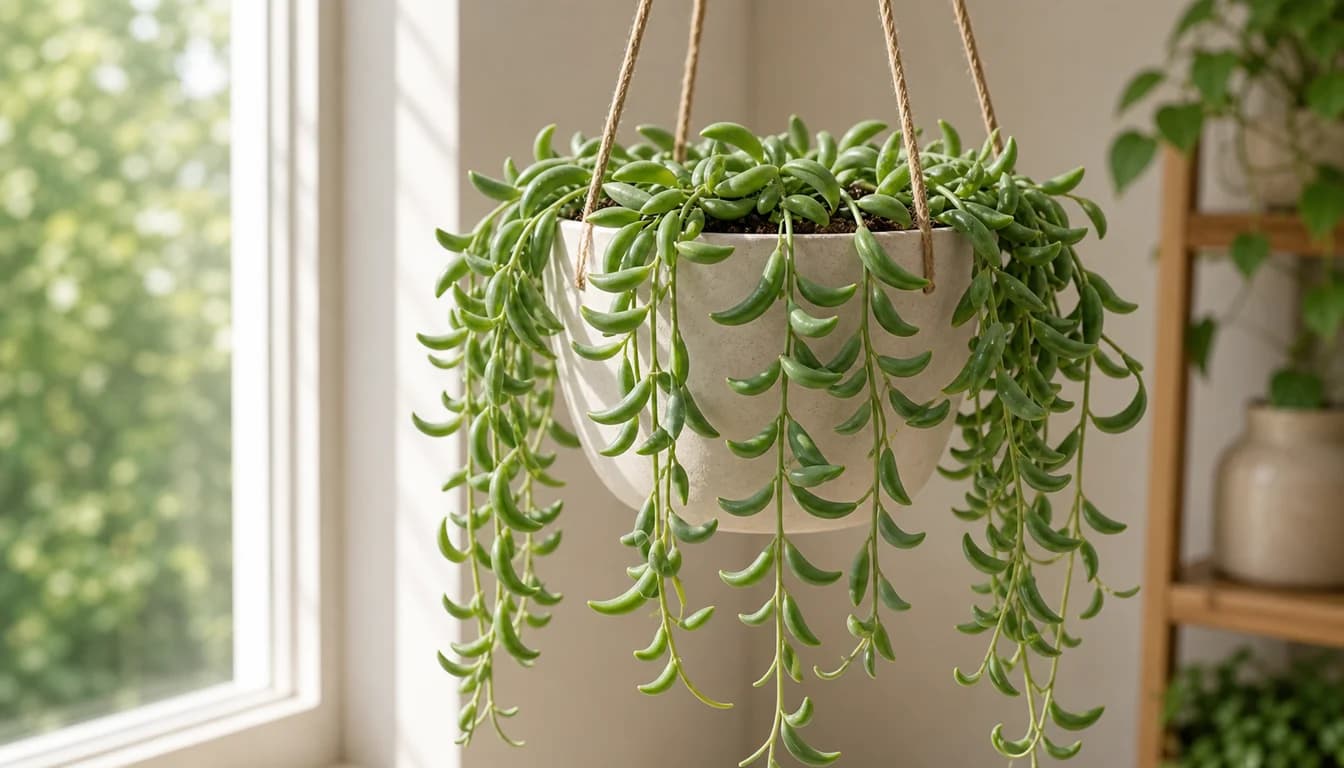
String of Bananas is a hanging succulent that shows water stress in its leaves before the soil looks dramatic. Grow it for plump, bright vines, not just lon
 Houseplants
Polka Dot Plant
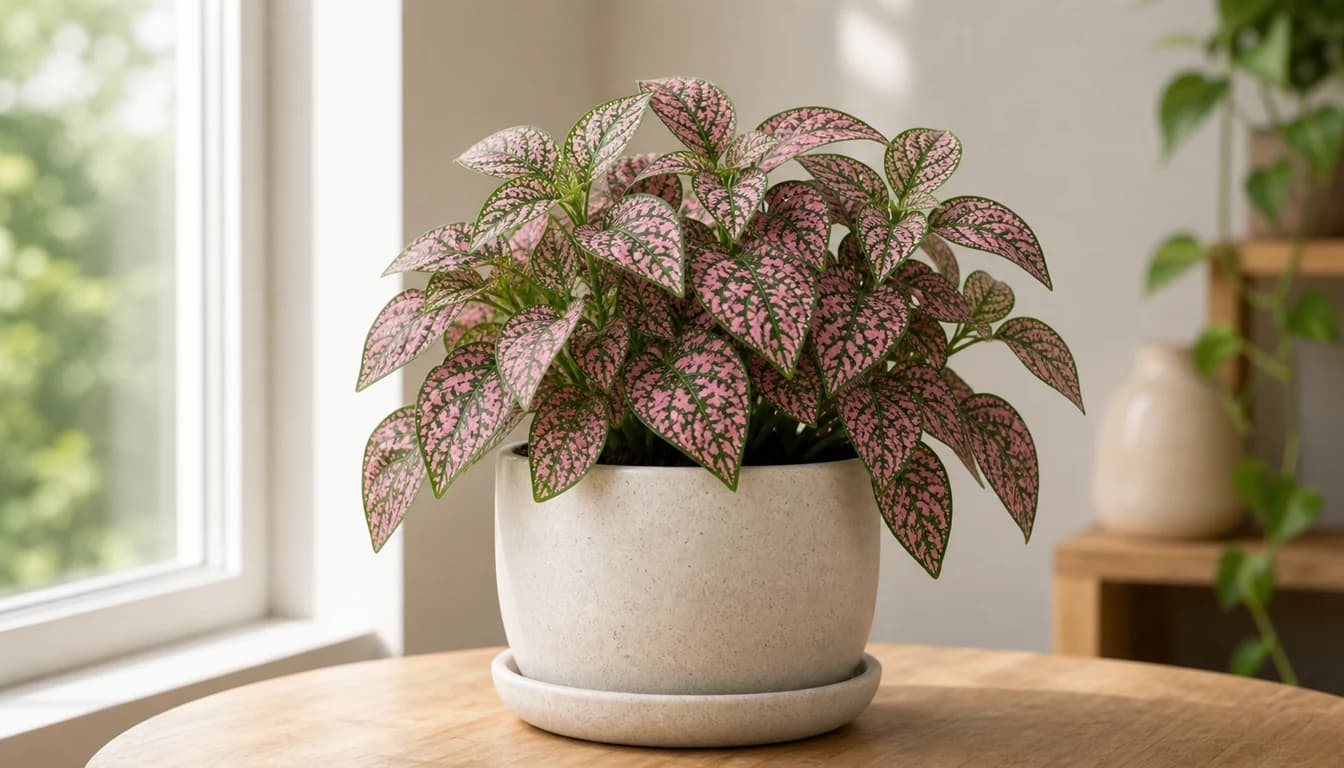
Polka Dot Plant is a fast color plant, not a long-lived foliage shrub. Keep the spots bright with light, pinching, and flower-bud removal.
quiz
Frequently Asked Questions
Is Golden Pothos easy for beginners to grow?expand_more
Yes. Golden Pothos handles low to bright indirect light, occasional missed waterings, and average indoor humidity. As long as you avoid constant soggy soil and freezing drafts, it will usually keep trailing and putting out new leaves.
How fast does Golden Pothos grow indoors?expand_more
In good light and temperatures above 65°F, expect vines to grow 6–12 inches per year, sometimes more. Growth slows in low light or winter, but you can speed it up slightly with brighter light and light monthly feeding in spring and summer.
Can Golden Pothos live outside?expand_more
Outdoors it only survives year-round in Zone 10-12 where temperatures stay above freezing. In cooler climates, treat it as a houseplant and move it outside only in warm weather, keeping it in bright shade so leaves do not burn.
Can you grow Golden Pothos in low light all year?expand_more
Golden Pothos tolerates low light, but growth slows and variegation often fades. In darker rooms, expect longer gaps between leaves and slower vines, and consider adding a small grow light during winter for better color.
How often should I repot Golden Pothos?expand_more
Repot every 2 to 3 years, or when you see roots circling the pot or coming out of the drainage holes. Move up only 1 to 2 inches in pot diameter so the soil does not stay wet for too long.
Why are my Golden Pothos leaves losing variegation?expand_more
Leaves turn more solid green when light is too low. Shift the plant to brighter, indirect light, and trim back very plain green vines so new growth has a better chance of showing the classic golden pattern.