verifiedSource Reviewed
Rubber Plant: Bold, Shiny Ficus for Indoors
Ficus elastica
Family: Moraceae
wb_sunnyLight
Bright indirect, some gentle direct sun
water_dropWater
Moderate, dry top 1–2 inches between waterings
heightHeight
6–10 ft indoors with pruning
publicZone
Hardy outdoors in Zone 10-12 only
airAir Quality
Air Quality Note

Native Region
Southeast Asia (India, Nepal, Myanmar, China, Malaysia, Indonesia)
parkGrow a Glossy Tree, Not a Moving Decoration
Rubber Plant rewards stable placement. It holds glossy leaves when light, watering, and temperature stay predictable. Random moves often cause leaf drop before any other care problem appears.
The plant can become a small indoor tree, but only if you shape it early. A tall single stem is easier to prevent than fix.
- check_circleLeaves drop after a move: stop changing variables.
- check_circleLower leaves yellow in a wet pot: check drainage.
- check_circleTop grows straight up: prune while the plant is healthy.
If you move plants around often, Ficus Audrey may still protest, but Rubber Plant makes leaf drop especially easy to read after a move.
local_floristChoose Leaf Color by Light and Patience
Green Rubber Plant forms are the most forgiving. Burgundy and variegated forms need brighter light to hold color and shape.
Green rubber plantBest for easiest indoor tree growth
Burgundy typeBest for dark glossy leaves in bright indirect light
Fiddle Leaf FigFiddle Leaf Fig gives larger leaves but less forgiveness
Guide — See AlsoAir Purifying Plants for Cleaner Indoor AirLearn how to pick, place, and care for air purifying plants so they help your indoor air instead of just looking pretty.
chevron_rightwb_sunnyUse Bright Light Before You Blame Water
Give Rubber Plant bright indirect light with gentle sun if possible. Weak light makes new leaves smaller and slows dry-down.
If leaves fall on the dark side, rotate slowly or improve light. Do not keep moving the tree around the room.
For another large glossy leaf plant with different structure, compare Fiddle Leaf Fig. Rubber Plant usually forgives shape pruning better.
Email Updates
Join the KnowTheYard update list
Zone-specific advice, seasonal reminders, and new plant guides — no filler.
water_dropWater Deeply, Then Wait for the Pot to Lighten
Water the full root ball, then wait until the top inch or two dries and the pot feels lighter. Small sips create dry pockets. Constant wet soil drops leaves.
warningLeaf drop has a pattern
Leaves dropping after a move, after drought, and after wet soil need different fixes. Do not change every care step at once.
A thirsty plant drops older leaves after repeated dry crashes. A wet plant drops soft yellow leaves while the pot still feels heavy.
Guide — See AlsoBest Herbs to Grow Indoors for Real Harvests, Not Spindly PotsChoose indoor herbs that can actually produce in your light, temperature, and container setup, then match each one to th
chevron_right
yardUse Weight and Drainage Together
Rubber Plant can get top-heavy, so the pot should be stable. Stable does not mean sealed. Keep a drainage path under the grow pot.
- fiber_manual_recordUse a chunky indoor mix.
- fiber_manual_recordRepot one size up when roots fill the pot.
- fiber_manual_recordDo not bury the trunk deeper to hide a lean.
That setup gives the tree enough weight without trapping water around the lower roots.
lightbulbHeavy Pot Check
Use a heavy outer pot only if the nursery pot drains freely inside it.
content_cutPrune for Branches Before Height Becomes the Problem
Pruning a healthy top can push side growth below the cut. Choose the cut height where a branch would look natural.
Stem cuttings can root, but the parent shape matters more. Cut for the tree you want, not just because the top is too tall.
If you want a slimmer upright plant with less latex mess, Dragon Tree fits tight corners better.
Guide — See AlsoBest Indoor Plants for Every Room and Light LevelA practical guide to choosing the best indoor plants for your home, covering beginner-friendly picks, low light champion
chevron_rightpest_controlScale Likes Glossy Ficus Leaves
Scale is the pest to watch on Rubber Plant. Look for sticky residue, small bumps on stems, or dull leaves that should look clean.
Wipe leaves as part of care. A clean leaf shows pests early and uses indoor light better.
Check the midrib and leaf backs, then compare symptoms with Rubber Tree if you grow both forms.
calendar_monthDo Big Changes in Warm Growth
Prune, repot, or take cuttings in warm active growth. Winter is for holding the tree steady and watering less often.
SpringBest time to prune for branching
SummerWatch fast dry-down near bright windows
WinterAvoid big moves and wet soil
Guide — See AlsoWhite Spots on Plant Leaves: Causes and Fixes That WorkLearn what causes white spots on plant leaves, how to tell pests from disease or mineral residue, and step-by-step fixes
chevron_rightpetsTreat the Latex Sap With Respect
Rubber Plant has milky latex sap and is not pet-safe. Wear gloves when pruning if your skin reacts, and keep leaves away from chewers.
For a similar tree role with different care, compare Fiddle Leaf Fig vs Rubber Plant. For a tougher upright plant, Dracaena Marginata is drier and narrower.
For pet households, Areca Palm gives height without ficus latex or the same chewing risk.
eco
Keep Exploring
Related Plants
 Houseplants
Bird Of Paradise
Bold, paddle-shaped leaves and crane-like orange and blue flowers make the Bird of Paradise a statement houseplant. With strong light, warm indoor temperatu
 Houseplants
Norfolk Island Pine
Norfolk Island Pine is a tropical conifer grown indoors for its soft, layered “mini Christmas tree” look; it stays compact in containers, prefers ==**bright
 Houseplants
Ti Plant
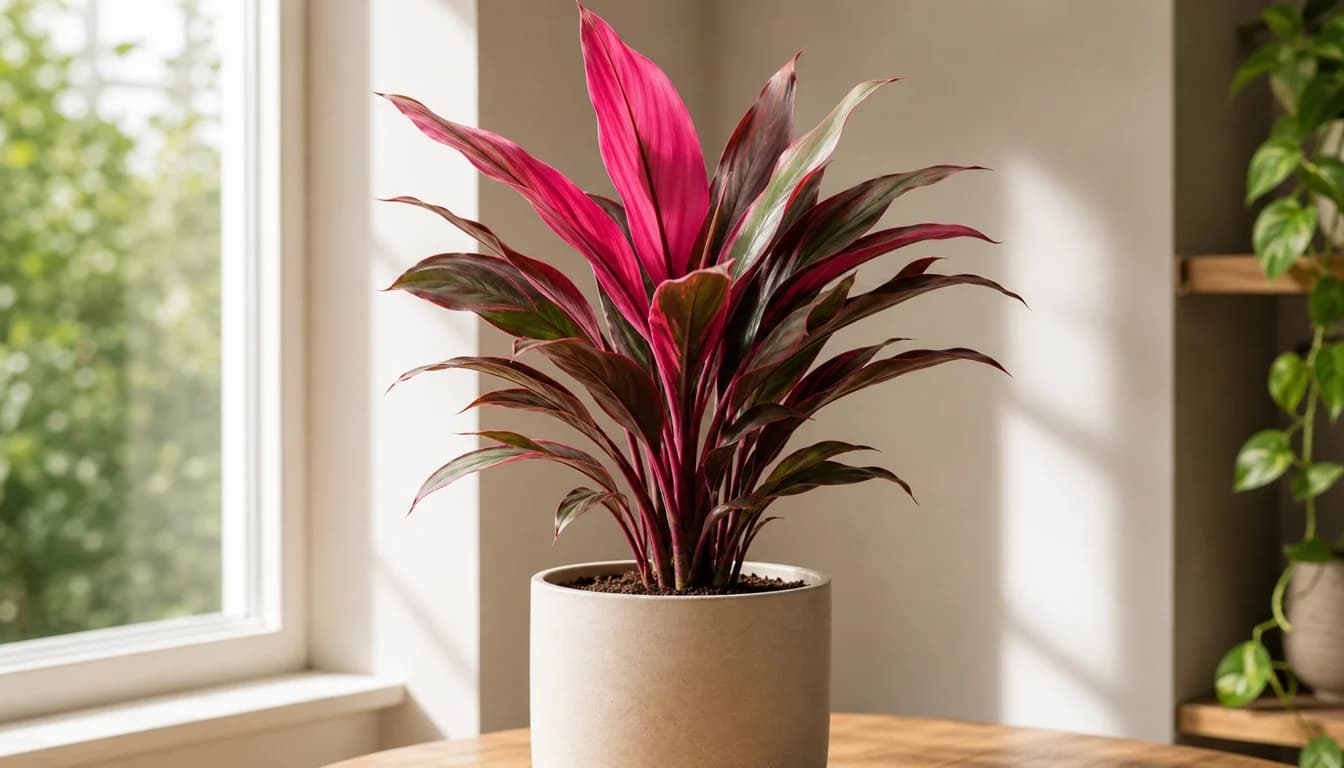
Ti Plant is a tropical color plant. Bright light, warm rooms, clean water, and timely cane cuts keep the red, pink, or burgundy leaves from fading into a ti
quiz
Frequently Asked Questions
Why is my Rubber Plant dropping leaves?expand_more
Check what changed first. Moving the plant, wet roots, drought, and cold drafts can all drop leaves.
How much light does Rubber Plant need?expand_more
Give bright indirect light, with gentle direct sun if possible.
How often should I water Rubber Plant?expand_more
Water deeply, then wait until the top inch or two dries and the pot feels lighter.
Can I prune Rubber Plant?expand_more
Yes. Prune during active growth to set branch height.
Is Rubber Plant toxic to pets?expand_more
Yes. Keep it away from pets that chew leaves.
menu_book
Sources & References
- 1.Ficus elastica, Missouri Botanical Garden Plant Finderopen_in_new
- 2.Ficus Houseplants, Clemson Cooperative Extensionopen_in_new
- 3.Indoor Plants: Ficus, University of Florida IFAS Extensionopen_in_new
- 4.Missouri Botanical Garden Plant Finder, Ficus elastica profileopen_in_new
- 5.Royal Horticultural Society, Ficus elastica growing guideopen_in_new
- 6.University of Florida IFAS Extension, Ficus species as interior plantsopen_in_new
- 7.ASPCA, Toxic and Non-Toxic Plant List for Pets, Rubber Plant entryopen_in_new