
Plantingschedule14 min read
How to Start Seeds Indoors for Stronger Transplants
Step-by-step guide to starting seeds indoors so you get stout, healthy transplants instead of weak, leggy seedlings.
Starting seeds under your own roof gives you more variety than the nursery rack and a real head start on the season. Done right, seedlings build thick stems and strong roots instead of stretching toward the nearest window.
The details that move the needle are supplies, timing, light, and watering; that combination is what turns a first batch into sturdy transplants instead of weak indoor sprouts. We also flag the common failures, like overwatering and weak light, and show how simple habits plus basic pest prevention keep damping-off and fungus gnats from taking over.
calendar_monthPick the Right Seeds and Timing
Success starts with choosing crops that benefit from an indoor head start. Warm-season vegetables like indeterminate tomatoes, sweet peppers, and eggplant seedlings almost always perform better if you start them inside.
Cool-season crops are pickier. You can start broccoli transplants indoors, but roots like carrots usually do better direct-sown. Spring radishes are also happier where they will grow.
Use your average last frost date and the seed packet to back into a start date. Most packets list start-indoors timing in weeks, like 6 to 8 weeks before last frost for tomato seedlings. Count backward on a calendar, then mark sowing, potting-up, and hardening-off weeks.
If you garden in colder areas like zone 4, your indoor season runs longer than a neighbor in zone 8. Starting too early creates root-bound monsters with flowers opening under the lights. Err on the later side if you cannot plant out on time.
Starting more than 8-10 weeks before transplant for most veggies usually leads to stressed, overgrown seedlings that sulk when you finally get them outside.
That is why the best indoor candidates are the crops that truly need season extension instead of every packet you own.
- fiber_manual_recordBest indoor starts: tomato, pepper, eggplant, broccoli, cabbage
- fiber_manual_recordDirect sow instead: carrot, radish, garden beets, sweet corn, bush beans
- fiber_manual_recordCheck frost date: Use local frost charts or your zone 3-11 page to dial in dates.
yardGather Simple, Effective Seed-Starting Supplies
You do not need fancy gear, but a few basics make or break seed starting. Use shallow trays, cell packs, or recycled clamshells with drainage holes instead of deep flowerpots that hold too much water.
A light, sterile seed-starting mix matters more than the container. Regular garden soil compacts and carries disease. Look for mixes labeled seed starting, or blend 50% peat or coco coir, 30% perlite, and 20% vermiculite for the loose texture roots actually like.
Most seeds do not need fertilizer in the first few weeks because they run on food stored in the seed itself. Once true leaves appear, start a weak liquid feed similar in strength to what you would use on indoor foliage plants.
Humidity domes or clear lids hold moisture for germination, but seedlings need fresh air. Vent or remove covers once you see green hooks emerging; otherwise fungal issues build fast and can look like mysterious yellowing.
Skip using old yard soil or compost in seed trays. They often carry fungus that causes damping-off, which kills seedlings overnight at the soil line.
Keep the setup simple and clean first; you can always upgrade trays later once your process is stable.
- fiber_manual_recordContainers: Clean cell packs, 72-cell trays, or cut-down nursery pots with drainage
- fiber_manual_recordSeed mix: Fine, sterile blend labeled for seedlings
- fiber_manual_recordExtras that help: Heat mat, clear dome, plant labels, basic timer for grow lights
Guide — See AlsoPlants That Attract Ladybugs To Guard Your GardenLearn which flowers, herbs, and shrubs attract ladybugs, how to plant them, and how to keep ladybugs in your yard as lon
chevron_rightwb_sunnySet Up Light and Warmth for Stocky Growth
Weak light is why indoor seedlings stretch and flop. A bright south window might work for a few flats in zone 9-11, but most homes benefit from simple LED shop lights hung 2-4 inches above the leaves.
Run lights 14-16 hours per day for vegetables and most flowers. Keep the fixture just above the foliage and raise it as seedlings grow; if stems lean hard toward the light or look twice as tall as the leaf width, they need more intensity.
Soil warmth speeds germination for heat lovers like peppers and eggplant starts. A seedling heat mat set to 75-80 F wakes them up faster than a room held at 65 F. Cool crops like leafy greens germinate fine around 60-70 F.
Strong indoor light plus warm soil gives you thick stems that handle wind outside without snapping. The goal is compact plants with close leaf spacing, not the tallest seedlings.
If you can see your own clear shadow at seedling height at noon, light is decent. If not, plan on adding artificial lighting.
Once the light is strong enough, the setup only needs to stay consistent from day to day.
- fiber_manual_recordLight type: Basic LED shop lights or T5 fixtures, 4000-6500K color
- fiber_manual_recordHeight: 2-4 inches above tops of seedlings
- fiber_manual_recordSchedule: 14-16 hours on, 8-10 hours off every day
Email Updates
Join the KnowTheYard update list
Zone-specific advice, seasonal reminders, and new plant guides — no filler.
ecoSow Seeds at the Right Depth and Density
Shallow sowing and overcrowding cause more seedling losses than bad seed. As a rule, plant seeds about 2-3 times as deep as the seed is wide, unless the packet says they need light to germinate.
Tiny flower seeds like some salvia mixes often want light. Small petunia types behave the same way. Press them into the surface of pre-moistened mix and barely cover with vermiculite.
Bigger seeds like pumpkin vines can handle a deeper planting. Cantaloupe hills usually sit in that same large-seed group, often around 1/2-1 inch deep.
Crowding leads to weak, tangled roots. Aim for 2-3 seeds per cell for things like tomato plants or broccoli starts. Once they sprout, snip extras at the soil line instead of pulling and tearing roots.
Pre-moisten the mix so it feels like a wrung-out sponge before sowing. Watering hard from above on dry mix can float seeds to the corners or bury them too deep. Use a spray bottle or fine rose watering can after sowing.
If you cannot see at least a thin layer of mix over each seed, unless it needs light, it is probably planted too shallow and may dry out before germinating.
That last check takes seconds and catches the trays most likely to dry unevenly before the first sprout even appears.
- fiber_manual_recordGeneral rule: Plant 2-3x seed width deep
- fiber_manual_recordPer cell: 1-3 seeds, then thin to the strongest seedling
- fiber_manual_recordLabeling: Mark variety and sowing date on every tray to track timing
Guide — See AlsoDirect Sow vs Transplant: Choose the Right MethodLearn when to direct sow seeds and when to start transplants so you do not waste time, seed, or bed space.
chevron_rightwater_dropKeep Seedlings Moist, Not Soggy
Strong transplants start with even moisture from sprout to pot-up. Seedling roots are shallow, so swings between soaked and bone-dry stress them fast.
Top-inch dryness means trouble, but constantly shiny, wet mix is just as bad. Aim for lightly damp, like a wrung-out sponge.
Bottom-watering is the easiest way to keep moisture steady. Pour water into the tray, let cells wick it up for 15-20 minutes, then dump any extra so roots are not sitting in a puddle.
Once most seeds have sprouted, crack the humidity dome or remove it. More seedlings rot under sealed domes than from dry air. A clear cover is for germination, not long-term growing.
- fiber_manual_recordMoisture check: Press a finger into the mix 0.5 inches. Damp but not shiny is perfect
- fiber_manual_recordBottom-watering: Fill trays to about 0.25-0.5 inches deep, then discard leftovers
- fiber_manual_recordDomes and covers: Vent as soon as you see green, then remove within 2-3 days
- fiber_manual_recordMisting: Use only for stubborn surface dryness, never as your main watering method
These checks work best when you watch the tray for a day before reacting with more water.
If algae grows on the soil or a green film coats your tray, you are watering too often and air is not moving enough.
Good airflow toughens seedlings and dries leaf surfaces. A small fan on low, pointed past the seedlings, copies outdoor breezes without flattening young stems.
You can run the fan on a timer with your grow lights; the same breeze that keeps seedlings sturdy also discourages damping-off disease and fungus gnats.
compostFeed and Pot Up Without Stunting Roots
Seed-starting mixes have almost no food. The seed itself carries the first snack, but after a couple sets of true leaves, seedlings start to stall if you never feed them.
You do not need strong fertilizer indoors. A gentle, diluted liquid feed is safer than pushing fast growth that flops once moved outside.
Start feeding when seedlings have 2-3 true leaves. Mix a balanced liquid fertilizer at quarter strength and apply every 7-10 days with regular watering so salts do not build in the cells.
For vegetables, timing matters more than brand. Strong feeders like young tomato starts and pepper seedlings benefit the most from that light, steady feeding.
- fiber_manual_recordFirst feeding: After the second set of true leaves, not at sprout stage
- fiber_manual_recordDilution rate: Use 25% of the label rate for indoor seedlings
- fiber_manual_recordSchedule: Feed lightly every 7-10 days, then stop one week before hardening off
- fiber_manual_recordSoil flush: Water from the top occasionally so excess salts exit the drainage holes
Potting up gives roots more room and keeps them from circling. Most seeds do fine staying in their original cell until they have 3-4 true leaves and roots hold the mix together.
If roots poke from the bottom or the cell dries out within a day, move that seedling into a 3-4 inch pot. Use a slightly richer potting mix than you used for starting seeds.
Always lift seedlings by a leaf, not the stem. A damaged stem rarely recovers, but a torn leaf is easy to replace.
Before transplanting outdoors, skip fertilizer for about a week. That pause slows soft, stretchy growth and helps seedlings focus on root recovery once you plant them outside.
Guide — See AlsoPollinator Plants for Bees, Butterflies, and BeyondLearn how to choose and plant pollinator friendly flowers, shrubs, and herbs so bees, butterflies, and hummingbirds show
chevron_rightpest_controlPrevent Disease, Pests, and Leggy Growth
Damping off, fungus gnats, and stretched stems ruin more seedlings than anything else. The good news is that all three problems come down to water, light, and air.
Damping off shows up as seedlings that suddenly flop at soil level. The stem looks pinched and waterlogged; once that happens, you cannot save the plant, so prevention is the only real fix.
Use clean trays and fresh, sterile seed-starting mix for every round. Water from below, remove domes early, and keep a fan running so surface moisture does not linger.
If you see tiny black flies hovering over trays, those are fungus gnats. Their larvae chew roots in constantly wet soil, so let the top half inch of mix dry between waterings and empty standing water.
- fiber_manual_recordSterile tools: Rinse and lightly bleach trays before reuse, about 1:10 bleach to water
- fiber_manual_recordAirflow: Small fan on low, running 8-12 hours per day near seedlings
- fiber_manual_recordSoil surface: Avoid thick vermiculite caps if gnats are chronic in your house
- fiber_manual_recordSticky traps: Place yellow cards at soil level to catch adult gnats early
Leggy seedlings are chasing light or dealing with too much heat. Stems get tall, thin, and floppy, especially on indoor basil starts. Cool-season brassicas show the same weakness when light is too far away.
Lower the lights to about 2-3 inches above leaf tips for LED panels. Reduce air temperature to 60-70 F for cool-weather crops once they germinate so growth slows and thickens.
If seedlings bend hard toward a window each day, your light is too weak or too far away. Rotate trays daily until you adjust the setup.
Hardening off finishes the job of toughening stems and leaves. Ten days of gradual sun and wind prepare fragile indoor foliage for real garden conditions.
calendar_monthTime Indoor Starts by Crop and Zone
Indoor seed timing is all about your average last frost date, not what the packet says in tiny print. Work backward from that date for each crop.
Warm-season crops need frost-free soil, while cool-season crops like mild weather and can go out sooner with protection.
Most tomato and pepper seedlings, along with eggplants, need 6-8 weeks indoors before planting outside. Check your local frost date, then count back on a calendar and add one extra week for slow germination.
Compare those dates to how you handle other seasonal chores in your zone. The same calendar discipline matters here, even though flowering shrubs and vegetable starts follow different cold-tolerance curves.
Here is a simple indoor seed-starting timeline that works in many areas:
- fiber_manual_recordCool greens: Start leafy greens and spinach seedlings indoors 4-6 weeks before last frost
- fiber_manual_recordTomatoes: Sow tomato seed 6-8 weeks before last frost, later in very bright setups
- fiber_manual_recordPeppers and eggplants: Start pepper seed about 8-10 weeks before frost because they grow slower
- fiber_manual_recordFlowers: Many annual blooms, like those in common flower mixes, need 6-10 weeks
Zone shifts change those calendar dates without changing the spacing. Gardeners in zone 5 count back from a later last frost. In zone 9, the calendar starts earlier, but the weeks indoors stay similar.
If you struggle with timing every year, write last frost and sowing dates on painter's tape and stick it to your seed boxes.
Starting too early creates tall, root-bound seedlings that sulk when transplanted. Starting too late means you lose weeks of growth, especially on long-season crops like watermelons and big pumpkins.
Aim for short, sturdy seedlings with thick stems and deep green color on transplant day. Those adjust faster than oversized plants that have already hit their limits indoors.
Guide — See AlsoDrainage Holes in Pots: Simple Rules That Prevent RotLearn how many drainage holes your pots need, how big they should be, and what to do if a container has none so you can
chevron_rightyardHarden Off and Transplant Without Shock
Indoor seedlings live a cushy life with steady light, no wind, and constant moisture. Straight into full sun and wind is a shock they cannot handle in one step.
Hardening off is the slow handoff from indoor comfort to outdoor toughness. Plan 7-10 days for this transition.
Start with seedlings in bright shade outdoors for 1-2 hours, then bring them back in. Each day add more time and a little more light until they can stay outside all day in their final light level.
Follow a similar pattern used for houseplants moved outside. Tender tropicals show the same pale, crispy burn when sun ramps too fast.
- fiber_manual_recordDays 1-2: Bright shade, 1-2 hours, sheltered from wind
- fiber_manual_recordDays 3-4: Dappled light, 3-4 hours, brief light breeze
- fiber_manual_recordDays 5-7: Morning sun, 5-6 hours, outside most of the day
- fiber_manual_recordDays 8-10: Full intended sun, including midday, then leave out overnight above 45 F
That slow ramp is what keeps leaves from bleaching right before transplant day.
If leaves bleach to pale yellow or develop tan patches, you increased sun too fast. Back up one step and hold there a few days.
Transplant on a calm, cloudy day if you can. Water seedlings well an hour before planting so root balls stay intact, then set them at the same depth they grew in their pots.
Firm soil around the roots and water again to settle air pockets. For crops like sweet corn or direct-seeded beans, keep indoor transplants from shading the direct-sown rows during those first weeks.
Once seedlings are in the ground, use the same deep watering rhythm you would use for established garden beds. Less frequent, deeper soakings build strong, deep roots.
tips_and_updates
Pro Tips
- check_circleWarm the seed-starting mix with a heat mat 24 hours before sowing to boost germination.
- check_circleRun a small fan on low near seedlings to mimic wind and prevent weak, spindly stems.
- check_circleBottom-water trays in a shallow pan so foliage stays dry and fungal issues are less likely.
- check_circleUse a cheap outlet timer for grow lights so seedlings get consistent day and night cycles.
- check_circleThin crowded seedlings early with clean scissors rather than trying to separate tangled roots.
- check_circleRotate trays a quarter turn daily if you are relying on a bright window for light.
- check_circleGroup similar crops together so warm lovers like pepper starts can sit on heat mats while cool crops stay off.
- check_circleKeep a simple notebook of sowing dates, varieties, and what worked so next year is easier.
quiz
Frequently Asked Questions
How many hours a day should I run grow lights for seedlings?expand_more
Most seedlings do best with 14–16 hours of light per day. Less light encourages stretching. Use a simple outlet timer to keep the schedule consistent and give plants a regular nighttime dark period.
Why are my seedlings falling over at the soil line?expand_more
That usually points to damping-off disease. Seedlings develop thin, pinched stems and collapse. Use fresh sterile mix, avoid overwatering, run a small fan, and thin crowded cells. Once a seedling flops, discard it and adjust conditions.
Do I have to fertilize indoor seedlings before planting them outside?expand_more
Light feeding helps, especially for heavy feeders like tomato starts. Use a balanced liquid fertilizer at quarter strength every 7-10 days after true leaves appear, then stop a week before transplanting to prevent soft, leggy growth.
How tall should seedlings be before I transplant them into the garden?expand_more
Aim for seedlings that are 2–6 inches tall with sturdy stems and 2–4 sets of true leaves. They should not be root-bound or flopping over. Short, stocky plants handle transplanting better than tall, spindly ones.
Can I reuse seed-starting mix or do I need fresh soil every time?expand_more
Fresh, sterile mix is safer for indoor seed starting. Reused mix can harbor diseases and fungus gnat eggs. If you must reuse, reserve it for larger pots outdoors, not for tiny indoor seedlings where damping off is a bigger risk.
Related Guides

Air Purifying Plants for Cleaner Indoor Air
Learn how to pick, place, and care for air purifying plants so they help your indoor air instead of just looking pretty.
11 min read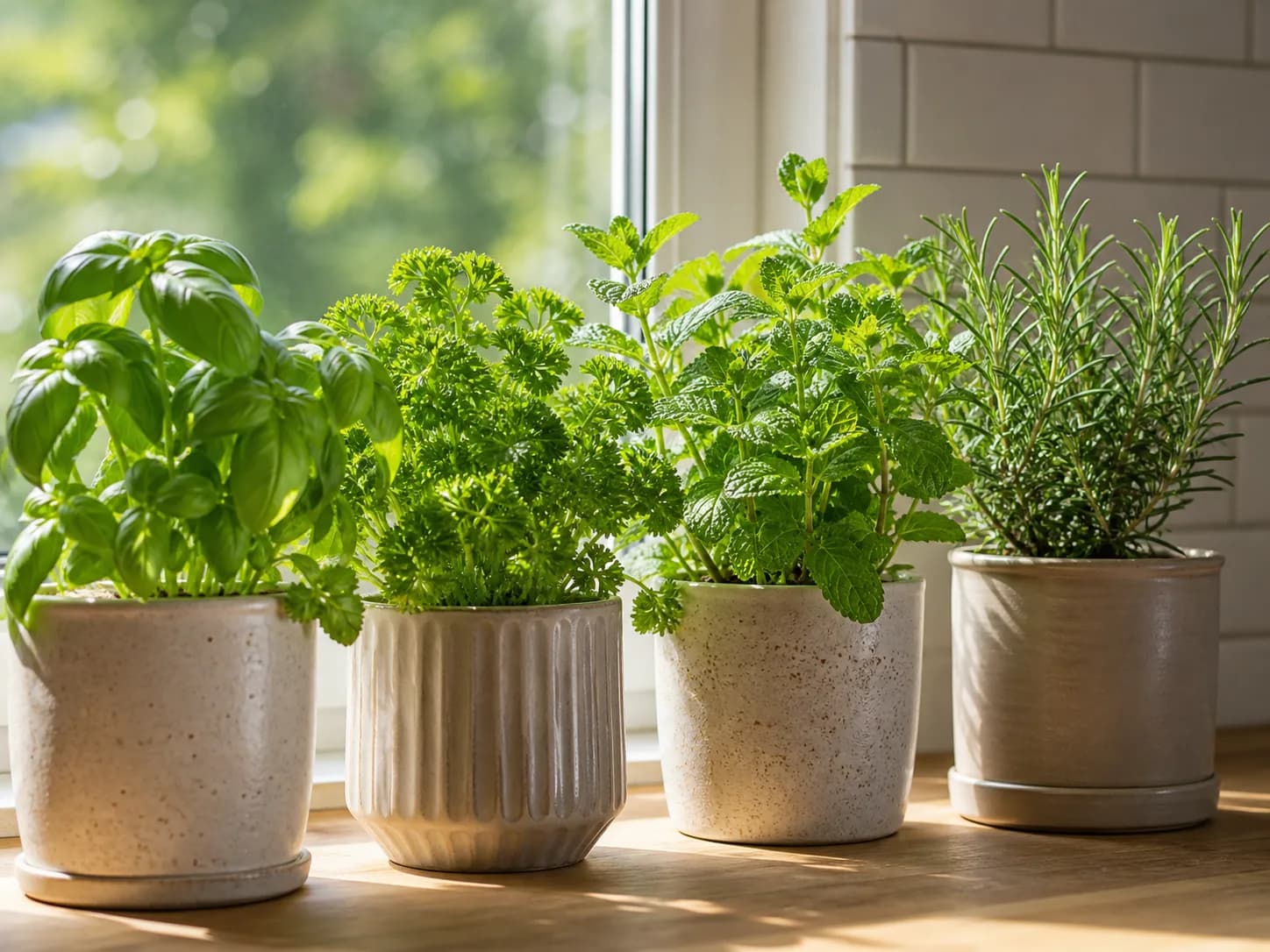
Best Herbs to Grow Indoors for Real Harvests, Not Spindly Pots
Choose indoor herbs that can actually produce in your light, temperature, and container setup, then match each one to the right harvest rhythm and watering style.
10 min read
Best Indoor Plants for Every Room and Light Level
A practical guide to choosing the best indoor plants for your home, covering beginner-friendly picks, low light champions, bright light lovers, watering basics, and how to avoid the most common mistakes.
13 min read