Vegetables & Edible Species
KnowTheYard maintains a structured index of over 450 vegetable profiles for home food production. Each entry keeps timing, spacing, harvest, and care context tied to the published plant profile.
This directory is maintained as published profiles change. Whether you are planning a container garden or a full kitchen garden, use it as a practical starting point for food-crop selection.
Getting Started with Vegetable Gardening
Before selecting varieties, familiarize yourself with the fundamental principles of vegetable cultivation and seasonal timing.
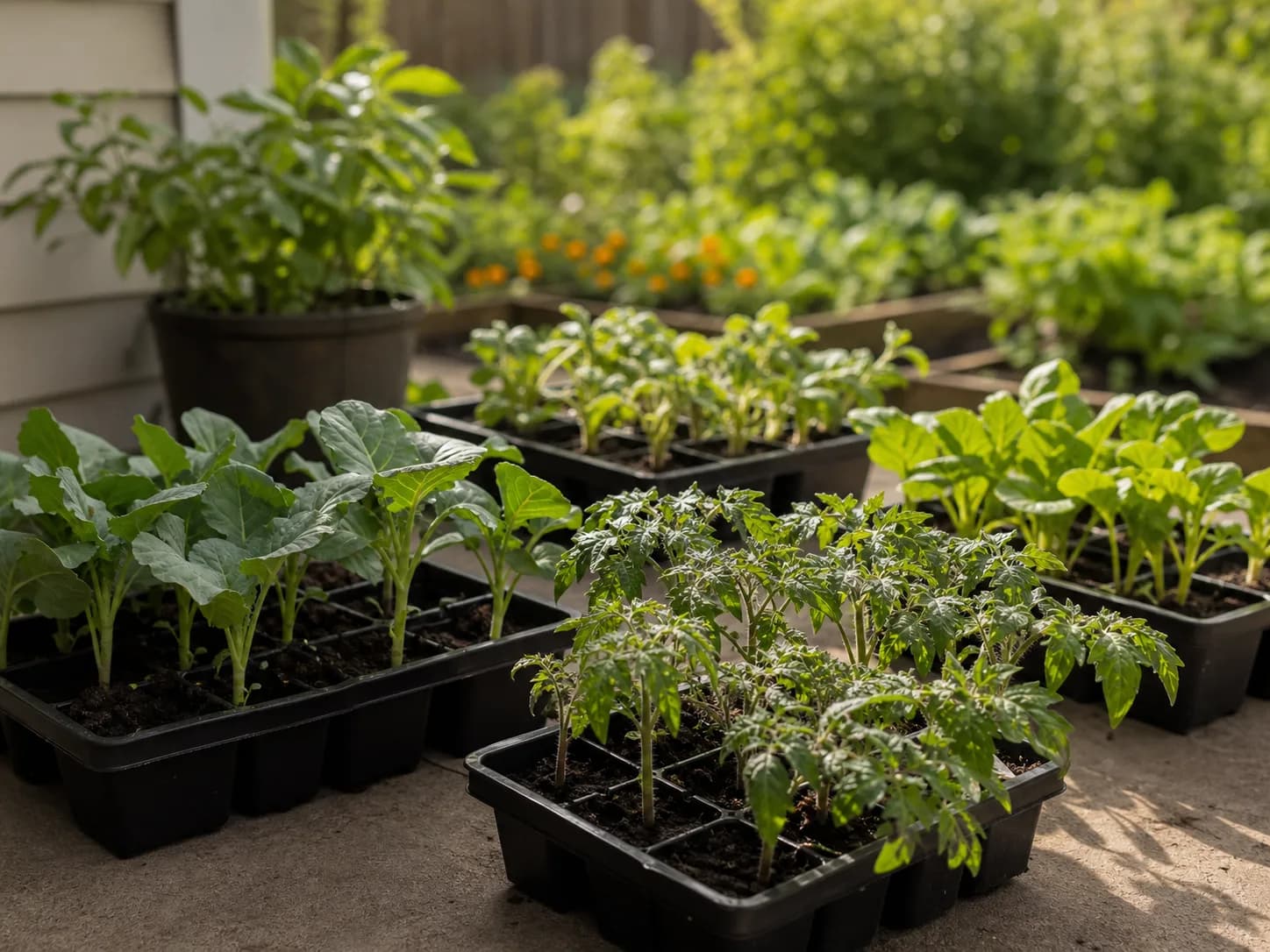
Start Seedlings Strong
Harden off young plants so they survive the move outdoors.
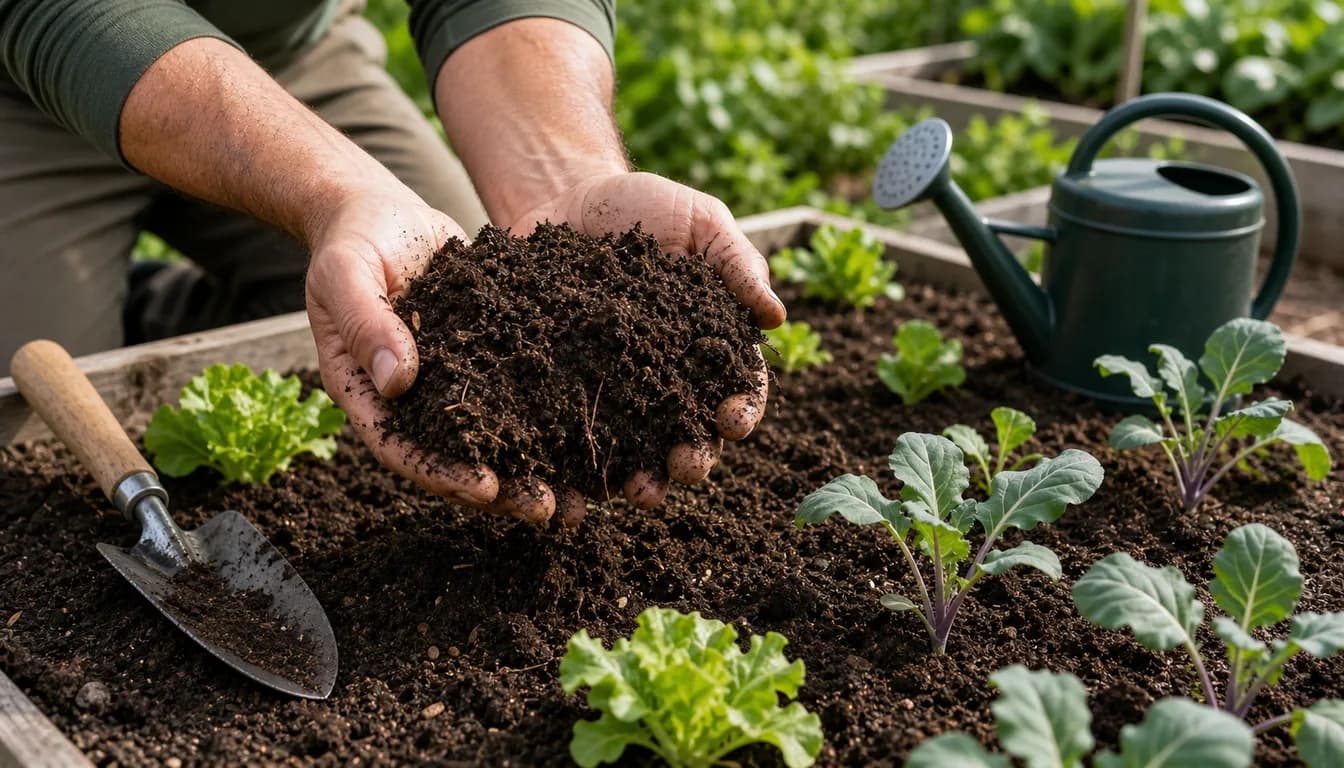
Know Your Garden Soil
Understand loam, drainage, and organic matter for productive beds.
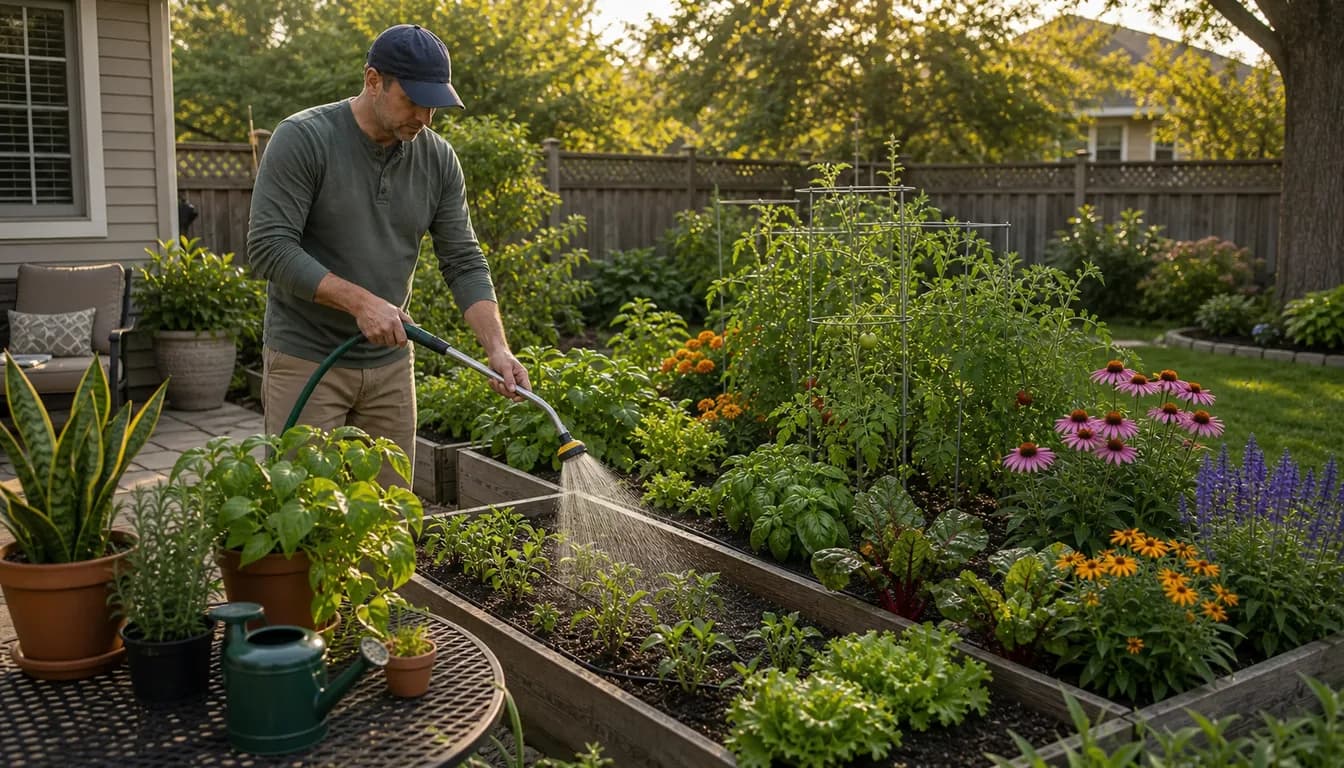
When to Water
Water at the right time of day to cut disease and waste.
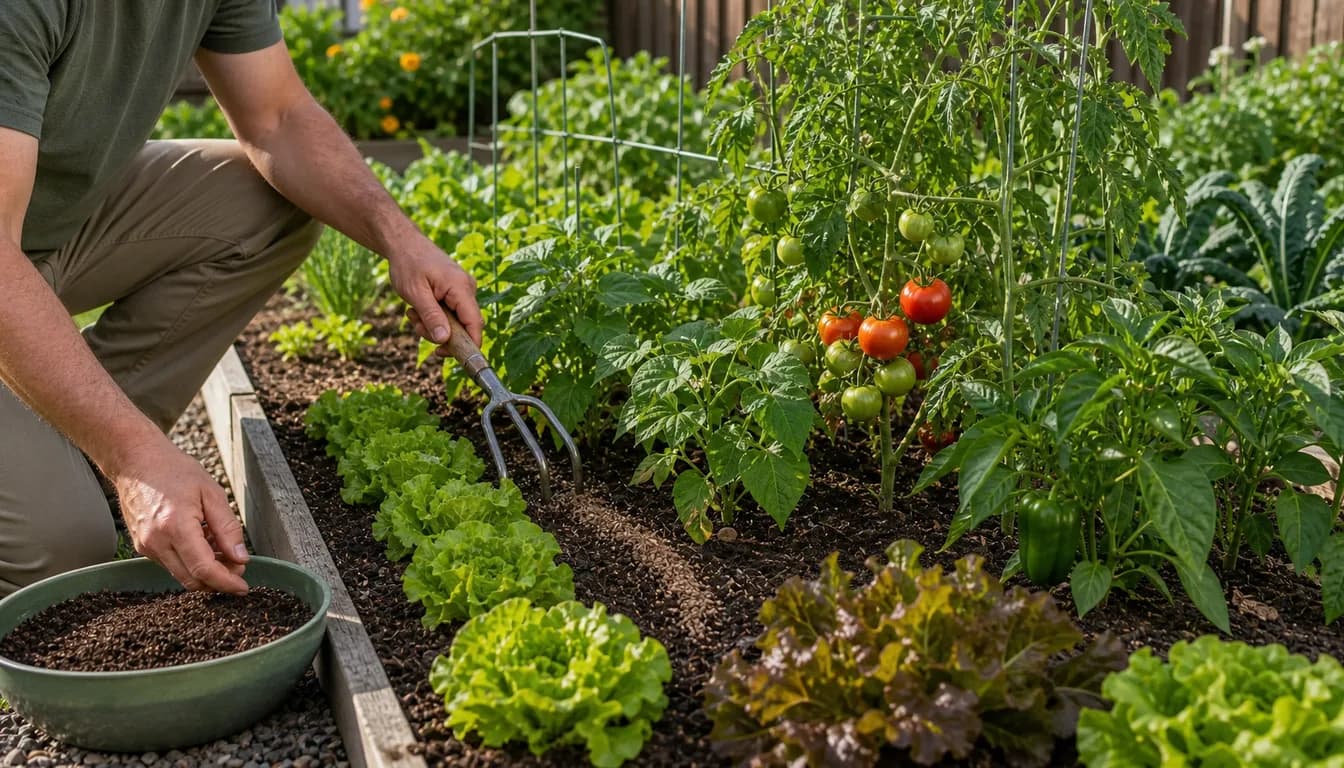
Feed Your Vegetables
Match fertilizer and timing to what your crops actually need.
Trending Vegetables
Our editors highlight these varieties for their exceptional flavor and reliability.


Growing for Purpose
Choose vegetables based on your specific goals, from quick harvests to long-term storage crops.
Core Vegetable Database
Access detailed profiles for every vegetable in our published index.

fact_check Source Reviewed
Asparagus
Asparagus officinalis
Perennial in Zones 3-10
Asparagus pays back over years, not weeks. Bed permanence, crown depth, harvest restraint, and summer fern health matter more than any quick feeding trick.
Pet SafeSource Reviewed
View Profile arrow_forward
fact_check Source Reviewed
Beans
Phaseolus vulgaris
Grown as an annual in Zones 3-10
Beans reward warm soil and frequent picking, but the big decision comes first: compact bush row or tall pole tunnel.
Pet SafeSource Reviewed
View Profile arrow_forward
fact_check Source Reviewed
Beet
Beta vulgaris
Grown as a cool-season annual in Zones 3-10
Beet crops go wrong for simple reasons: clustered seed, tight soil, dry swings, and late thinning. If you solve those first, both roots and greens get easier.
Pet SafeSource Reviewed
View Profile arrow_forwardPortal Progress