verifiedSource Reviewed
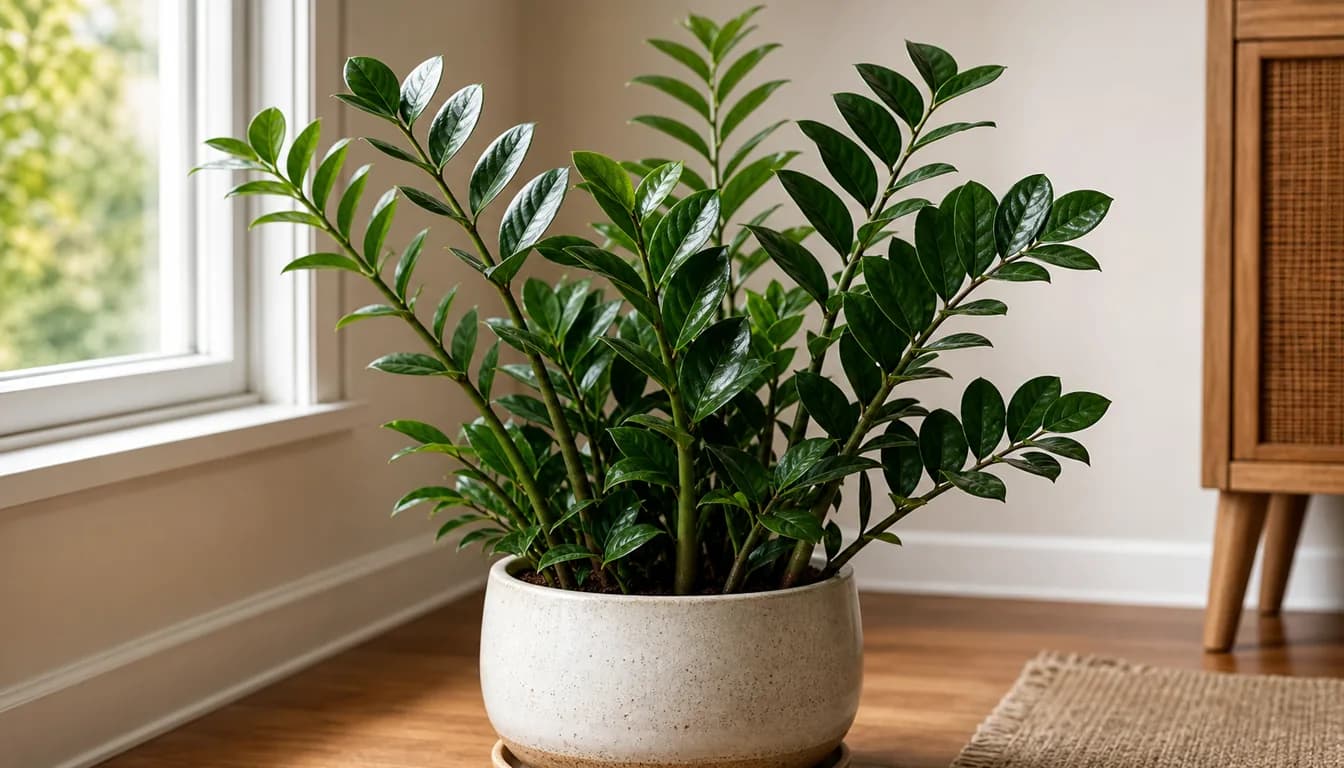
ZZ Plant
Zamioculcas zamiifolia
Family: Araceae
wb_sunnyLight
Very low to bright indirect light; thrives in fluorescent office lighting
water_dropWater
Very low; let soil dry completely between waterings
heightHeight
2-4 ft indoors depending on variety
publicZone
Outdoors in Zone 9-11; indoors anywhere
airAir Quality
Air Quality Note
Native Region
Eastern Africa (Kenya, Tanzania, Mozambique)
ecoTrust the Rhizomes More Than the Calendar
The secret of ZZ Plant sits under the soil. Thick rhizomes store water, so the plant can stay firm long after a normal houseplant would wilt.
That strength also creates the main failure. If you water on a weekly schedule, the rhizomes can rot before the leaves warn you.
warningMain Rule
Dry soil is safer than wet rhizomes. When in doubt, wait.
This page is different from Raven ZZ Plant. Classic ZZ Plant is about green structure and neglect tolerance, not the black-leaf color change.
A firm plant that has not grown is not failing. It may simply be using stored water while the room gives it little reason to push new stems.
local_floristChoose Green Speed or Dark Color
Most people should choose the plain green plant if they want faster fill. Dark cultivars are beautiful, but they grow slower and cost more.
Classic ZZGlossy green, easiest to find, fastest to fill a corner
Raven ZZNew growth opens green, then darkens; slower and moodier
ZenziCompact, curled leaflets; best for small shelves
If the goal is upright low-water leaves with a sharper shape, Snake Plant is the closer comparison.
Plant Problem — See AlsoZZ Plant Yellow Leaves**ZZ Plant** yellow leaves usually come from roots sitting too wet, but the pattern matters. One old leaflet aging out i
chevron_rightlight_modeUse Low Light for Survival, Brighter Light for New Stems
ZZ Plant handles very low to bright indirect light better than most houseplants, including office corners and fluorescent rooms. Low light keeps it alive, but it slows new stems.
Bright indirect light gives fuller growth as long as the plant stays out of harsh direct sun. Scorched leaflets do not recover.
If the plant has not grown for months but still looks firm, it may simply be holding in low light. Do not force growth with water.
For a softer low-light plant that is pet-safe, Parlor Palm is a better fit.
Email Updates
Join the KnowTheYard update list
Zone-specific advice, seasonal reminders, and new plant guides — no filler.
water_dropWater Deeply, Then Leave It Alone
When the mix is dry deep in the pot, water fully and let everything drain. Then wait until the pot dries again.
Yellow lower leaflets usually mean the plant stayed wet too long. A dry plant tends to wrinkle or stall before it yellows.
- check_circleHeavy pot: wait.
- check_circleDry pot with firm stems: still okay.
- check_circleYellow leaflets with wet soil: check roots and rhizomes.
If you like low water but want a trailing plant, String of Bananas needs brighter light and a faster pot.
The hard part is doing nothing after a good soak. Rechecking the pot is useful; adding a little more water is not.
Guide — See AlsoAir Purifying Plants for Cleaner Indoor AirLearn how to pick, place, and care for air purifying plants so they help your indoor air instead of just looking pretty.
chevron_right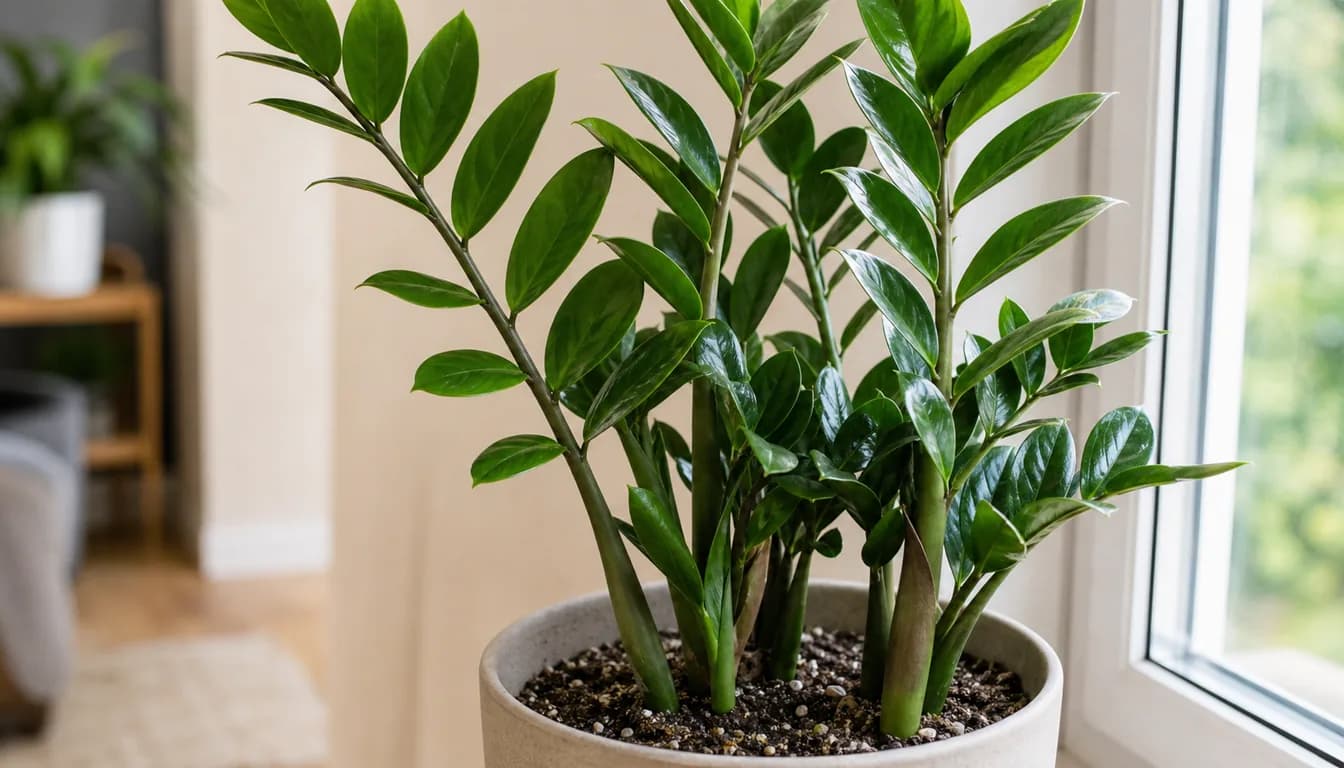
compostGive Rhizomes Air, Not a Deep Wet Pot
Use a loose indoor mix with perlite or bark. The pot should drain fast enough that the rhizomes never sit wet for days.
A snug pot is fine because ZZ Plant grows slowly. Repot only when rhizomes crowd the pot, distort the sides, or push the plant upward.
This is not the same soil problem as Peace Lily. ZZ Plant does not want evenly damp soil.
warningWet Pot Risk
A deep decorative pot can hide wet soil around the rhizomes long after the surface looks dry.
content_cutDivide for Speed, Use Leaf Cuttings for Patience
Division is the practical method. Separate a clump with rhizomes and roots, then pot it dry enough to heal.
Leaf cuttings work, but they are slow. A leaf may sit for months while it builds a tiny rhizome before you see a new shoot.
FastestDivision with rhizome and roots
SlowestSingle leaflet cutting
RiskWet propagation mix before a rhizome forms
For faster node cuttings, Pothos is a better beginner propagation plant.
If you want visible propagation progress, choose Spider Plant instead. ZZ Plant teaches patience.
Guide — See AlsoBest Herbs to Grow Indoors for Real Harvests, Not Spindly PotsChoose indoor herbs that can actually produce in your light, temperature, and container setup, then match each one to th
chevron_rightpest_controlLook for Rot Before Rare Pests
Pests are possible, but wet rot is the common problem. Soft stems, sour soil, or yellowing with a heavy pot point below the soil.
Dust can make glossy leaves look dull. Wipe leaves first, then inspect for scale or mealybugs along the stems.
If sticky pests appear on nearby glossy plants like Rubber Plant, check ZZ Plant during the same pass.
- check_circleSoft stem plus wet soil: check rhizomes.
- check_circleDusty leaves plus firm stems: wipe first.
- check_circleSticky bumps: isolate and treat scale.
calendar_monthLet Winter Be Quiet
A ZZ Plant in winter may do almost nothing. That is normal if stems stay firm and the pot dries slowly.
Skip fertilizer in low light and stretch the watering interval. The plant is living on stored water, not asking for a push.
Move it only if the room gets cold. Warmth protects the rhizomes better than extra care.
Do not repot in a slow winter unless the pot is cracked or rot forces the issue. A quiet plant is often a healthy plant.
Guide — See AlsoBest Indoor Plants for Every Room and Light LevelA practical guide to choosing the best indoor plants for your home, covering beginner-friendly picks, low light champion
chevron_rightpetsLow-Care Still Means Not Pet-Safe
ZZ Plant is not pet-safe because it contains calcium oxalate crystals. Keep it away from pets that chew leaves.
For a pet-safe low-light plant, Cast Iron Plant is slower but safer. For a pet-safe plant that makes babies, Spider Plant is better.
Use a stable pot. The stems are stiff, and a top-heavy plant can tip when someone brushes past it.
eco
Keep Exploring
Related Plants
 Houseplants
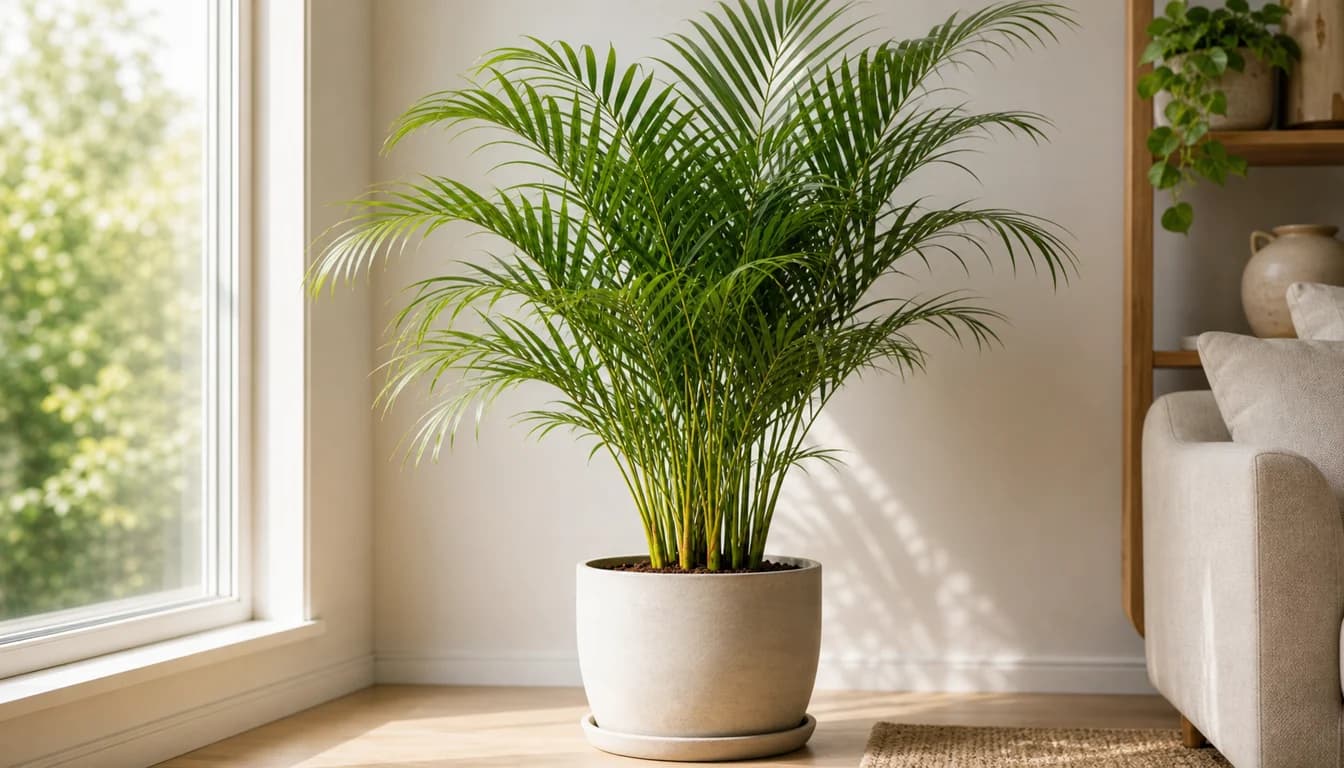
Areca Palm
Areca Palm is a cane-form indoor palm for bright filtered light and lightly damp soil, especially when you want soft, arching fronds without treatin
 Houseplants
Jade Plant
Jade Plant care works best when you treat the plant like a slow woody succulent. Bright light, a heavy draining pot, and dry-down between waterings build sh
 Houseplants
Majesty Palm
Majesty Palm gives a room soft resort-style fronds, but it is not a low-care palm. It needs bright indirect light, even root moisture, and humid air; dry ro
quiz
Frequently Asked Questions
How often should I water ZZ Plant?expand_more
Water only after the mix dries deep in the pot. In low light or winter, that can take several weeks.
Can ZZ Plant live in low light?expand_more
Yes. It survives low light well, but brighter indirect light gives faster new stems.
Why are my ZZ Plant leaves yellow?expand_more
Yellowing with wet soil usually means overwatering. Check the rhizomes and let the pot dry before watering again.
Can I propagate ZZ Plant from a leaf?expand_more
Yes, but it is slow. Division is faster because it already includes rhizomes and roots.
Is ZZ Plant pet-safe?expand_more
No. Keep it away from pets that chew foliage.
menu_book