
Plantingschedule11 min read
Evergreen Shrubs for Year-Round Structure
Practical, step-by-step help for choosing, planting, and caring for evergreen shrubs so you get reliable year-round structure instead of thin, patchy hedges.
Gaps in winter are usually a shrub problem, not a grass problem. Evergreen shrubs give you the backbone of the yard from zone 3 through zone 10; the real win comes from matching the shrub to the site instead of forcing one hedge plant everywhere.
This guide covers species choice, spacing, and establishment so shrubs fill in instead of thinning out. It also flags common mistakes, like planting a whole hedge of one species in a bug-prone area. Choose evergreen shrubs by mature size, winter hardiness, and sun exposure before you buy.
If you are used to short-lived annual flowers, it helps to read how perennials behave differently so you know what kind of long-term commitment these shrubs are.
yardMatch Evergreen Shrubs to Your Zone and Use
The right evergreen in zone 3 is not the same plant that thrives in zone 9. Cold-hardy workhorses like yew hedging handle deep freezes. Tall arborvitae screens do too, while broadleaf evergreens such as camellia shrubs want milder winters.
Start by deciding what job the shrub will do. Privacy screens, low fronts along a walk, and standalone specimens all need different heights and shapes. A formal hedge near the front door leans toward tidy plants like compact boxwood forms, while a loose property line screen can use mixed conifers.
Think about sun. Most coniferous evergreens prefer full sun. Broadleaf types like rhododendron groupings often want some shade, and azalea borders usually do better there too, especially in hot zone 8 and zone 9 yards.
If deer or rabbits are common visitors, build that into plant choice. Some popular options like soft arborvitae foliage are basically salad bars for deer in winter.
- fiber_manual_recordCold zones (3-5): Yew, arborvitae, some hollies, and hardy boxwood types
- fiber_manual_recordMid zones (6-7): Boxwood, holly, rhododendron, azalea, and shade-tolerant companion shrubs
- fiber_manual_recordWarm zones (8-11): Camellia, gardenia, pittosporum, and oleander screens where not restricted
- fiber_manual_recordUses: Privacy walls, foundation plants, anchors in mixed borders, driveway framing
Mixing at least two shrub species in a hedge is your best insurance against one pest wiping everything out.
If you are unsure about sun, look at where plants like shade-tolerant hosta clumps already grow well in your yard and match broadleaf evergreens to those conditions.
heightPlan Spacing and Layout Before You Dig
Crowded evergreens never fill out correctly. Plan for the mature spread, not the cute size in the nursery pot. A hedge that looks slightly sparse at planting usually knits together in three to five years.
Measure the bed depth and distance from the house. Foundation shrubs need room so air can move behind them. Thick hedges pushed against siding stay damp and invite mildew, especially on plants like euonymus varieties. Dense boxwood hedges can hold that same moisture.
For a privacy hedge, you want plants to touch lightly at maturity, not overlap by half. That overlap forces them to reach for light, which causes bare legs and thin tops.
Underground utilities are easy to forget. Call before you dig so a future root ball does not end up on top of a gas line.
Use the spacing notes below as a layout check before any hole is opened.
- fiber_manual_recordRead tags: Check listed mature height and spread, then add 10-20% if your soil is rich.
- fiber_manual_recordSpacing rule: Distance plants 60-75% of their mature spread apart.
- fiber_manual_recordFrom fences: Keep large shrubs at least 3 feet from property lines.
- fiber_manual_recordFrom foundations: Leave 2-4 feet between mature foliage and walls.
If you like tight, clipped hedges such as fast-growing privet rows, space them closer but be ready for more pruning. Looser mixes with spirea mounds in front of taller conifers get a little more elbow room.
Guide — See AlsoPlan and Plant a Productive Cut Flower GardenStep‑by‑step guide to planning, planting, and maintaining a backyard cut flower garden that keeps vases full from spring
chevron_rightpotted_plantPrepare Soil and Plant for Strong Roots
Evergreen shrubs live with your soil for decades, so the planting hole is your one good chance to fix problems. Compacted clay and soggy low spots are the two fastest ways to kill new shrubs.
Do a quick drainage test where the hedge will go. Dig a 12 inch hole, fill with water, and see how long it takes to drain. If water still sits there after four hours, consider a raised bed or a different spot.
Set the root ball slightly high. The top of the root ball should sit 1–2 inches above the surrounding soil to prevent water from pooling around the trunk. This is especially important for broadleaf evergreens like gardenia shrubs that sulk in wet feet.
Never bury the root flare. If you cannot see the point where the trunk widens near soil level, the shrub is planted too deep.
Keep the planting process boring and consistent so every shrub in the row gets the same root-zone advantage.
- fiber_manual_recordHole width: Two to three times the width of the pot, no deeper
- fiber_manual_recordBackfill: Use native soil with up to 25% compost, no pure bagged mix
- fiber_manual_recordGlazed sides: Rough up smooth hole walls in clay so roots can push out
- fiber_manual_recordWatering in: Soak the hole halfway through backfilling to remove air pockets
If your whole yard drains poorly, pairing evergreens with shallow-rooted perennials like black-eyed Susan drifts in a raised berm can help keep shrub crowns higher and drier.
Email Updates
Join the KnowTheYard update list
Zone-specific advice, seasonal reminders, and new plant guides — no filler.
water_dropWater and Mulch to Get Shrubs Established
New evergreen shrubs fail more from erratic watering than from cold. Their roots are still mostly in the original potting soil, which dries faster than your native ground.
Aim for steady moisture, not constant sogginess. During the first growing season, you usually want a deep soak once or twice a week depending on weather and soil. Think more like the deep soak style in deep watering advice than daily sprinkles.
Hand-water at the root zone, not on the foliage. Overhead irrigation, especially in the evening, keeps needles and leaves wet and can encourage fungal issues on plants like holly hedges. Skip laurel screens react the same way when foliage stays damp overnight.
Mulch is your friend, but mulch volcanoes are not. Keep bark or chips off the trunk and root flare, and spread a flat layer instead.
If you must choose, underwater slightly rather than smothering roots in soggy soil. Evergreen roots hate standing water in winter.
Treat mulch as a moisture buffer, not as a pile against the stem.
- fiber_manual_recordDepth: Apply 2-3 inches of mulch around each shrub
- fiber_manual_recordRadius: Extend mulch 12-18 inches beyond the root ball
- fiber_manual_recordGap: Leave a 3 inch mulch-free ring around the trunk
- fiber_manual_recordCheck: Dig 3-4 inches down before watering to judge moisture
Once shrubs are established, many conifers become fairly drought-tolerant, similar to warm-season grasses like bermuda in hot lawns. Broadleaf evergreens, especially in windy spots, usually still need occasional deep watering in winter dry spells.
Guide — See AlsoWhen to Harvest Butternut Squash for Best FlavorLearn exactly when to harvest butternut squash using skin color, stem dryness, and fingernail tests so your fruit stores
chevron_rightcalendar_monthTime Evergreen Planting With Your Seasons
Planting dates matter more for evergreens than most people expect. Roots stay active later into fall and wake up earlier in spring than many perennials.
In cold zones 3–5, the safest window is late summer through early fall, roughly 6–8 weeks before the ground freezes.
Gardeners in zones 6–7 often get two planting windows, early fall and early spring. Fall is still better, because soil stays warm while air temperatures cool down.
In warm zones 8–11, winter is prime time. Cooler nights and lower sun stress give new shrubs months to root before serious heat.
Never plant evergreen shrubs when your ground is frozen or waterlogged.
Flowering types like spring-blooming azaleas and winter camellias have one extra wrinkle. Plant them after peak bloom if you are working in spring.
Bareroot or balled-and-burlapped shrubs dry out faster than container stock. Aim to plant those within 24–48 hours of bringing them home.
If summer planting is your only option, choose smaller plants. Smaller root balls handle heat better than oversized 5-gallon shrubs.
- fiber_manual_recordCold zones 3–5: Late August to mid-October is the sweet spot
- fiber_manual_recordMiddle zones 6–7: September planting beats April most years
- fiber_manual_recordWarm zones 8–11: Late October through February works best
- fiber_manual_recordFlowering evergreens: Plant after they finish their main bloom
- fiber_manual_recordHeat waves: Pause planting if highs sit above 90°F all week
compostFeed and Prune Without Stressing Shrubs
Fertilizer and pruning help evergreen shrubs, but only when timing and strength are right. Heavy feeding at the wrong time can push tender growth that winter quickly burns.
Use a balanced, slow-release fertilizer labeled for trees and shrubs once growth starts in spring. Follow label rates and skip a second dose unless foliage looks pale.
For established hedges of formal boxwood rows or dense holly screens, light yearly feeding is usually enough. Rich soil or heavy mulching may mean you skip fertilizer entirely.
More evergreen shrubs are harmed by overfertilizing than by going a year unfed.
Pruning timing depends on how the shrub grows. Plants that bloom on old wood, such as large rhododendrons or mountain laurel, should be shaped right after flowering.
Non-flowering or conifer types, like arborvitae screens or yew hedges, handle shaping in late winter or very early spring before new growth flushes.
Avoid heavy pruning in late summer, because soft regrowth may not harden off before frost.
Skip cutting back into bare, leafless wood on most evergreens. Many conifers will not sprout from old brown stems.
If you need to reduce size dramatically, do it over 2-3 years, removing no more than one-third of the green growth each season.
- fiber_manual_recordSlow-release only: Choose coated granules instead of quick-solve lawn food
- fiber_manual_recordSpring window: Feed once when buds swell or new needles appear
- fiber_manual_recordBloomers on old wood: Prune right after flowers fade
- fiber_manual_recordSheared hedges: Make tops slightly narrower than bases for even light
- fiber_manual_recordHand tools first: Use sharp bypass pruners before reaching for power trimmers
Guide — See AlsoLow Maintenance Plants for Hands-Off GardensChoose genuinely low-maintenance plants for beds, containers, and tricky spots so your yard looks well tended, even when
chevron_rightpest_controlDiagnose Common Evergreen Problems Early
Evergreen shrubs keep foliage year-round, so damage shows for months. Catching problems early keeps a small issue from turning into a bare hedge.
Browning tips on exposed branches often trace back to winter burn. Dry winds pull moisture from leaves faster than roots can replace it in frozen or cold soil.
Root issues, including poor drainage and overwatering, show up as entire branches yellowing or browning from the inside of the shrub outward. The plant may feel loose in the ground when you push it.
Brown patches that appear only on the windward side of a hedge usually point to winter wind damage, not disease.
Salt damage is common where roads are treated in winter. White crust on soil and browning closest to driveways or sidewalks are red flags.
Fungal diseases often create spotting or banding on needles, especially in dense plantings or humid climates. Thinning the shrub slightly to improve airflow is a big help.
Insect pests vary by shrub. Scales can infest euonymus hedges, while spider mites love hot, dry foliage on plants like sunny juniper banks.
If you suspect mites, shake a branch over white paper and look for tiny crawling dots. Treat confirmed infestations with methods that match advice in spider mite control guides.
- fiber_manual_recordWind burn: Browning on tips and one side, usually after harsh winter
- fiber_manual_recordRoot rot: Whole sections yellow, soil smells sour, site stays soggy
- fiber_manual_recordSalt stress: Damage nearest roads and walkways, visible salty crust
- fiber_manual_recordMites or scale: Fine stippling, sticky residue, or tiny moving specks
ac_unitWinter Protection for Young Evergreens
First and second winters are the riskiest for new evergreens. Roots are shallow and can dry out or freeze more easily than mature shrubs.
Deep watering before the ground freezes is your best insurance. Give each shrub a slow soak so moisture reaches at least 8–10 inches deep.
Apply 2–3 inches of mulch around the root zone, but keep it a few inches back from the trunk to prevent rot and vole damage.
In windy, exposed yards, burlap wraps or fences help a lot. Create a loose screen on the windward side rather than wrapping fabric tightly around the shrub.
Never wrap plastic around evergreen shrubs. It traps heat and moisture and can cook the foliage on sunny winter days.
South- or west-facing walls reflect winter sun and can warm foliage too much. That temperature swing increases moisture loss and leads to browning.
To reduce stress in those spots, plant more tolerant species such as heat-handling nandina or consider a deciduous shrub instead.
In deer country, winter browsing can strip lower branches bare. Use fencing or repellents, or choose tougher options listed in deer resistance guides.
- fiber_manual_recordYoung shrubs: Prioritize winter protection for plants under 3 years old
- fiber_manual_recordMulch ring: Maintain a clear mulch ring rather than letting turf compete
- fiber_manual_recordSnow load: Gently brush off heavy, wet snow before branches bend
- fiber_manual_recordIce storms: Let ice melt naturally instead of knocking it off branches
Guide — See AlsoBlue Flowers: Plan Beds That Actually Look BlueLearn how to choose, place, and care for blue flowers so your beds read as blue in real life, not purple or gray, from z
chevron_rightyardAdvanced Tips for Hedges and Mixed Borders
Once your evergreens are established, small tweaks make the difference between a basic row and a sharp-looking planting that holds up for decades.
Formal hedges, like clipped tight privet runs or straight skip laurel screens, stay healthiest when they are narrower at the top than at the bottom. This shape keeps lower foliage from being shaded out.
Stagger plant spacing in two rows for a thicker screen. Offset the second row so each shrub sits in the gap of the first row, with at least 2-3 feet between rows.
Mixed borders use different evergreen textures together. Pair fine needles from dark yew with broad leaves from gold-splashed aucuba for stronger contrast.
In smaller yards, swap a few evergreens for long-lived perennials like shade-loving hostas or summer coneflowers to keep beds from feeling too solid in summer.
Hedges around vegetable beds or berries, like low blueberry rows, should sit far enough away that roots and shade do not steal productivity. Leave at least 4-5 feet between hedge trunks and the bed edge.
Evergreen shrubs behave like slow-growing infrastructure, so design with their 10-year size in mind.
If you already overplanted, be willing to remove a shrub or move a smaller one now. Waiting usually means dealing with much larger root balls later.
- fiber_manual_recordTwo-row screens: Offset planting for thicker privacy with fewer gaps
- fiber_manual_recordTexture mix: Combine needles, small leaves, and bold foliage together
- fiber_manual_recordFlower support: Use evergreens as a backdrop for roses and summer hydrangeas
- fiber_manual_recordHeight control: Pinch back new candles or tips in spring to slow growth
tips_and_updates
Pro Tips
- check_circleBuy smaller evergreen shrubs when possible, since younger plants adapt to new soil faster than big root-bound specimens.
- check_circleStagger shrub rows in a zigzag pattern for thicker privacy instead of planting them in a single straight line.
- check_circleUse a hose to lay out potential hedge lines on the ground before digging so you can tweak curves and corners.
- check_circlePlant evergreens in early fall or early spring so roots grow before summer heat or deep winter cold arrives.
- check_circleWater new shrubs at the base with a slow trickle for at least 20–30 minutes instead of quick sprays.
- check_circleCheck the wind exposure in winter, since cold wind dries evergreen foliage much faster than calm, sunny spots.
- check_circleMix at least two shrub species in long hedges so a single pest or disease cannot wipe out your entire screen.
- check_circleMark each shrub’s center with a stake right after planting so it stays easy to spot in snow or tall groundcovers.
quiz
Frequently Asked Questions
How far apart should I plant evergreen shrubs for a privacy hedge?expand_more
Most evergreen shrubs for screens go 3-5 feet apart, measured center to center. Faster, larger growers like arborvitae need the wider end. Compact shrubs, such as boxwood, can be closer if you want a tight formal hedge.
Is fall really better than spring for planting evergreens?expand_more
In most zones, yes. Fall planting lets roots grow in warm soil while air temperatures cool down, which reduces water stress. Spring works, but you will need more careful watering through the first summer, especially in zones 6 and warmer.
How often should I water a newly planted evergreen shrub?expand_more
Right after planting, water deeply and then check soil every few days. Typically you will water 1–2 times per week during the first growing season, adjusting for rainfall, soil type, and heat. The top few inches should dry slightly between soakings.
Do evergreen shrubs need fertilizer every year?expand_more
Many do not. If growth looks normal and foliage is a healthy green, you can often fertilize lightly every other year. Poor, sandy soils or container-grown shrubs may need yearly feeding using a slow-release product formulated for trees and shrubs.
Can I grow evergreen shrubs in large containers?expand_more
Yes, as long as you pick cold-hardy varieties and large, well-drained pots. Use a quality potting mix, protect containers from deep freezes in zones 5 and colder, and water through winter whenever the top few inches of soil are dry and not frozen.
menu_book
Sources & References
Related Guides

Air Purifying Plants for Cleaner Indoor Air
Learn how to pick, place, and care for air purifying plants so they help your indoor air instead of just looking pretty.
11 min read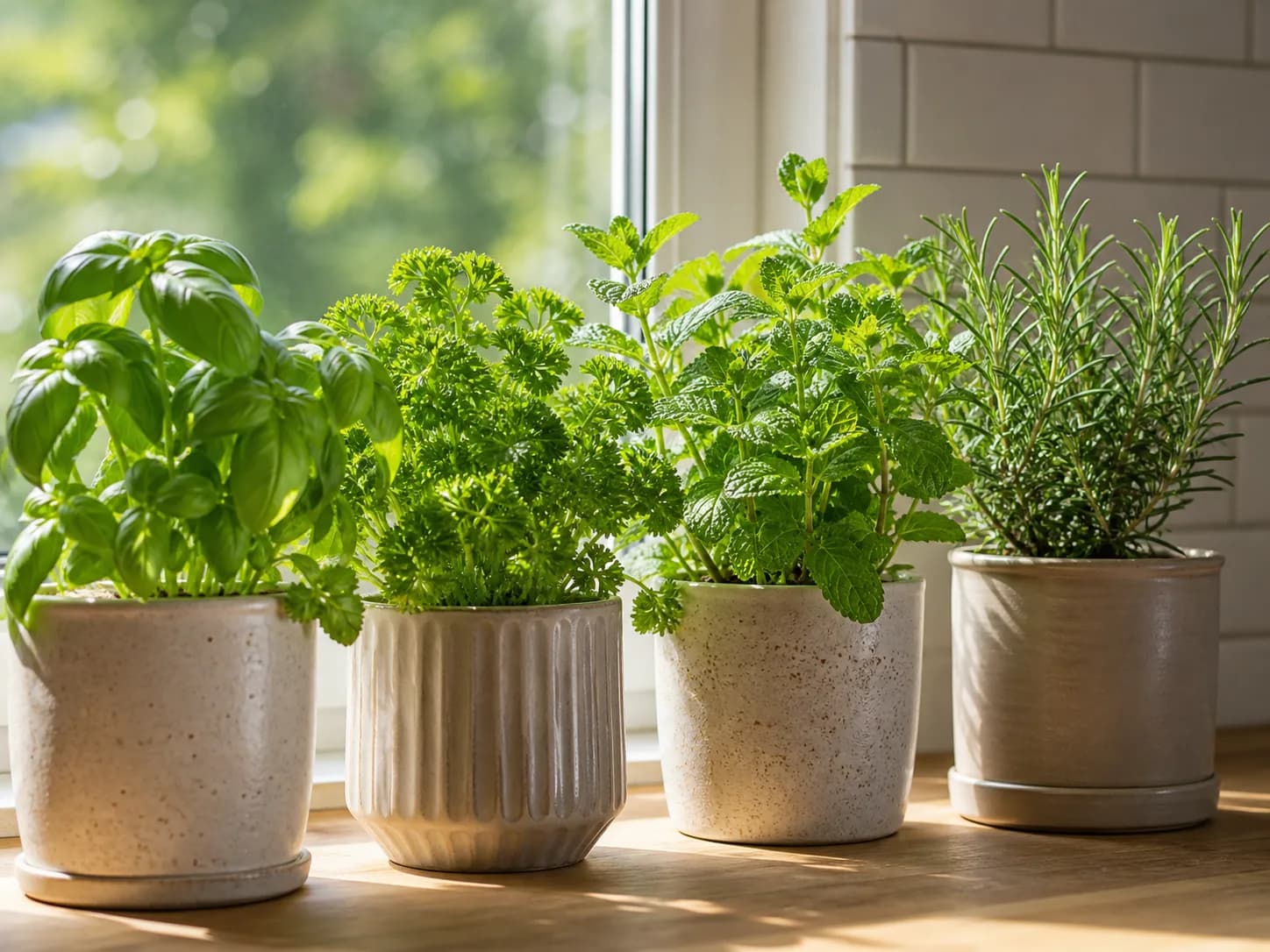
Best Herbs to Grow Indoors for Real Harvests, Not Spindly Pots
Choose indoor herbs that can actually produce in your light, temperature, and container setup, then match each one to the right harvest rhythm and watering style.
10 min read
Best Indoor Plants for Every Room and Light Level
A practical guide to choosing the best indoor plants for your home, covering beginner-friendly picks, low light champions, bright light lovers, watering basics, and how to avoid the most common mistakes.
13 min read