
Plantingschedule13 min read
Best Indoor Plants for Every Room and Light Level
A practical guide to choosing the best indoor plants for your home, covering beginner-friendly picks, low light champions, bright light lovers, watering basics, and how to avoid the most common mistakes.
Growing plants indoors is one of the simplest ways to make a home feel alive, but picking the wrong plant for the wrong spot is where most people go wrong before they even get started.
This guide covers the full picture — why indoor gardening is worth the effort, which plants are truly beginner-proof, what to grow in dim corners versus sunny windowsills, and how to water and feed without killing anything in the process. We will also walk through the mistakes that trip up even experienced growers and show you how to adjust care through the seasons.
Whether you have a single north-facing window or a bright, south-facing living room, there is a plant that will thrive in your space. Let's figure out which one belongs in yours.
ecoWhy Grow Plants Indoors at All
Plants do more than look nice on a shelf. They connect you to something growing and changing every day, which is harder to replicate with any decoration that does not need water.
Studies from NASA and university horticulture programs have shown that common houseplants remove small amounts of volatile organic compounds from indoor air. The effect is modest in a typical room, but plants like Peace Lily and Spider Plant are among the most-cited species for this benefit. More practically, the act of caring for plants - checking soil, trimming dead leaves, rotating pots - pulls you into the habit of observation, which is useful across every kind of gardening.
Indoor plants also help with humidity in heated homes, especially during dry winters when forced-air systems strip moisture from the air. A cluster of leafy plants adds gentle moisture through transpiration, which can ease dry skin and scratchy throats without a humidifier.
Then there is the straightforward case for beauty. A Monstera on a floor stand or a cascade of Pothos from a high shelf adds depth and texture that no wall art quite matches.
If you are new to houseplants, start with two or three forgiving species. Success with a small collection builds the intuition - how wet is too wet, when does a plant need fertilizer, what does healthy new growth look like - that you can apply to more demanding plants later. For a narrower focus on low light plant choices, that guide goes deeper on dim-room picks.
spaBest Beginner Indoor Plants
Beginner plants earn that label by tolerating the two things new growers do most: forgetting to water and overwatering. The best ones bounce back from both.
Snake plant is the classic starting point. Thick, sword-shaped leaves store water, so it recovers from missed waterings that would kill a fern in days. It handles low to bright indirect light, dry air, and occasional neglect with hardly a complaint. Pick one up in a four-inch pot and you are very unlikely to kill it.
Pothos is the other must-have beginner plant. It trails from shelves, climbs a moss pole, or just sits in a pot on a desk and keeps pushing out new heart-shaped leaves. Golden Pothos and Marble Queen are both forgiving, though variegated types grow a bit faster in brighter spots.
ZZ plant is the choice for people who forget plants exist for weeks at a time. Fat underground rhizomes store water the way a cactus stores it in its trunk. Water once or twice a month in average conditions and this plant will simply wait for you to come back.
Spider plant is ideal if you want fast reward. It sends out cascading runners tipped with baby plants you can snip and root in water, which makes it satisfying to grow. It handles a wide light range and tolerates inconsistent watering well.
Chinese evergreen rounds out the beginner list with bold, patterned foliage that looks more dramatic than the care it requires. Darker green varieties tolerate the lowest light. Brighter, pinker varieties want indirect light but remain easy overall.
Guide — See AlsoNo Dig Gardening Method for Easy Productive BedsStep‑by‑step no dig gardening method instructions so you can build fertile, low‑weed beds without ever turning the soil.
chevron_rightlightbulbBest Indoor Plants for Low Light
Low light does not mean no light. It means rooms with north-facing windows, corners well away from glass, or spaces lit mostly by reflected daylight. The plants below are as close to genuinely shade-tolerant as houseplants get.
ZZ Plant and Snake Plant top this list for the same reasons they top the beginner list - they evolved under dense tree canopies and use light extremely efficiently. Both grow slowly in dim conditions, which is fine, because slow means steady.
Peace Lily is one of the few flowering plants that performs in low light. It blooms less frequently than it would near a window, but the deep green foliage is attractive on its own and the plant wilts dramatically when it needs water - a useful early warning system.
Heartleaf philodendron trails and climbs reliably in dim rooms. It looks similar to Pothos, but has smoother, more heart-shaped leaves and often adapts a bit better to truly dark spots. For a side-by-side breakdown, check the Pothos vs philodendron comparison.
Chinese evergreen in its darker green forms tolerates corners that would stress most other plants. The green-only varieties are more forgiving than the brightly variegated ones, which want more light to hold their color.
Low light means slower growth and much slower soil drying. Overwatering is the primary way low-light plants die.
Email Updates
Join the KnowTheYard update list
Zone-specific advice, seasonal reminders, and new plant guides — no filler.
yardBest Indoor Plants for Bright Light
South and west-facing windows with several hours of direct or bright indirect light are the easiest to work with - there are far more plants that love bright conditions than tolerate dark ones.
Monstera deliciosa is a standout for bright indirect light. In a well-lit room it pushes out those iconic split leaves regularly and can grow into a dramatic floor plant within a couple of seasons. Direct midday sun can scorch the leaves, so a sheer curtain or a spot just off the window is ideal.
Rubber Plant handles direct morning sun and bright indirect afternoon light well. Its glossy, burgundy or dark green leaves are architectural, and it grows into a small tree shape over time if you let it. Pinch back the top to keep it bushy.
Aloe vera thrives in the brightest spots in your home. A south-facing windowsill is perfect. It stores water in its fleshy leaves, so infrequent watering suits it. Let the soil dry out completely between waterings or the roots will rot.
Fiddle leaf fig is the high-maintenance option for bright spaces. It rewards consistent care in a sunny corner with dramatic, large-lobed foliage but drops leaves when moved or stressed. Not the best first plant, but satisfying once you know what it wants.
String of pearls and other trailing succulents suit bright windowsills where the interesting, bead-like foliage can spill down from a high shelf. They want bright light and gritty soil that drains fast.
Guide — See AlsoPlants That Attract Ladybugs To Guard Your GardenLearn which flowers, herbs, and shrubs attract ladybugs, how to plant them, and how to keep ladybugs in your yard as lon
chevron_rightwater_dropWatering and Soil Basics That Apply to Every Houseplant
Most houseplant deaths come down to water. Either too much, too often, or without proper drainage. Getting these fundamentals right matters more than choosing the perfect fertilizer or the most expensive potting mix.
The core rule is simple: always check before you water. Stick your finger two inches into the soil. If it feels damp at all, come back in two or three days. If it feels dry, water thoroughly until it runs out the drainage hole, then stop. This method works for the vast majority of common houseplants and is far more reliable than a weekly schedule.
Drainage holes are not optional. A pot without a hole traps water at the bottom, and most houseplant roots will rot long before they reach it. If you love a decorative pot without drainage, use it as a cachepot - put a plastic nursery pot with holes inside it, water normally, and empty the outer pot after watering.
For soil, most houseplants do well in a standard indoor potting mix, but it helps to blend in about 20-30% perlite for plants prone to root rot, like Snake Plant and Aloe vera. Perlite improves aeration and drainage without changing nutrients.
For moisture-loving plants like Peace Lily and philodendron, standard potting mix without extra perlite usually works fine - just make sure the pot has holes and you are not letting it sit in a saucer full of standing water.
Tap water works for almost all houseplants. If you notice brown leaf tips on sensitive plants like Spider Plant, letting the water sit overnight allows chlorine to dissipate, which can help.
warningCommon Mistakes New Indoor Gardeners Make
Even enthusiastic growers make predictable errors. Knowing what they are ahead of time saves a lot of frustration and dead plants.
Overwatering on a schedule. The number one killer. Watering every Sunday regardless of soil moisture is a fast track to root rot, especially in winter when growth slows. Always check the soil.
Choosing plants that do not match the light. A Monstera in a dark hallway and a snake plant crammed into a hot west window will both struggle. Match the plant to the actual light in the space, not the light in the best corner of your apartment.
Pots without drainage. Decorative pots are tempting but dangerous without a liner. If water cannot escape, it pools at the bottom and root rot follows. Use drainage holes or the cachepot method described in the watering section.
Repotting too soon. New growers often repot plants the moment they bring them home. Most plants need two to four weeks to acclimate to a new environment before being disturbed. Repotting adds stress on top of stress.
Ignoring pests until it is too late. Spider mites, fungus gnats, and scale are much easier to treat early. A quick weekly glance at leaf undersides and soil surfaces catches infestations before they spread. If you notice webbing, sticky residue, or tiny flying insects near soil, act immediately.
Fertilizing in fall and winter. Most houseplants slow or pause growth when days shorten. Feeding during this period pushes salts into soil without the plant being able to use them, which damages roots. Feed during spring and summer only, and at half strength.
Guide — See AlsoPollinator Plants for Bees, Butterflies, and BeyondLearn how to choose and plant pollinator friendly flowers, shrubs, and herbs so bees, butterflies, and hummingbirds show
chevron_rightcalendar_monthSeasonal Care Through the Year
Houseplants are not static. They respond to changes in day length, temperature, and humidity even inside a climate-controlled home. Adjusting care with the seasons is what separates thriving collections from ones that slowly fade.
Spring is the active season. Days lengthen, growth picks up, and this is the best time to repot plants that are root-bound, propagate cuttings, and start feeding with a diluted balanced fertilizer. Check all plants for pests that may have been dormant and move any that spent winter away from windows back to better light.
Summer brings fast growth but also challenges. Bright south and west windows can get intensely hot, scorching leaves on plants that were fine there in spring. Use sheer curtains or shift pots a foot away from glass. Water more frequently as soil dries faster in heat, and watch for spider mites which thrive in warm, dry conditions.
Fall is the transition. Slow down fertilizing as growth drops off. Begin pulling sensitive plants like Pothos and philodendron away from drafty windows before nighttime temperatures drop below 55°F near the glass. Move Monstera a little farther from cold panes at the same time. This is also a good time to clean pots, trim dead growth, and do a full pest inspection before plants settle in for winter.
Winter demands the least watering but the most patience. Most houseplants pause or slow dramatically. Stretch watering intervals significantly, skip fertilizer entirely, and avoid repotting. If your home is very dry from heating, grouping plants together or running a small humidifier near them helps prevent crispy leaf edges on moisture-loving species like peace lily and Chinese evergreen.
spaChoosing the Right Pot Size and When to Repot
Pot size directly affects how fast soil dries, which affects how often you need to water, which affects root health. Choosing the right size is more important than most new growers realize.
The general rule is to move up only one pot size at a time — roughly two inches larger in diameter. A plant in a four-inch pot goes to a six-inch pot, not a ten-inch pot. Too much extra soil around a small root ball stays wet far longer than the plant needs, which invites root rot.
Signs a plant needs repotting include roots circling the bottom of the pot, roots poking out of drainage holes, soil drying out within a day or two of watering, or the plant tipping over because the top is heavier than the root ball.
The best time to repot is in spring, just as growth starts picking up. Choose a pot with drainage holes and fresh indoor potting mix. Gently loosen the root ball, remove dead or circling roots, and set the plant at the same depth it was growing at before. Water thoroughly after repotting and place it in moderate light for a week or two while it settles.
For plants you do not want to grow larger — like a ZZ plant kept intentionally compact on a shelf — you can refresh the soil without moving to a bigger pot. Remove the plant, shake off some old soil, trim any dead roots, and replant in the same pot with fresh mix.
Terra cotta pots dry out faster than plastic or ceramic, which suits plants like Aloe vera and snake plant that prefer drier conditions. Moisture-loving plants like spider plant often do better in plastic or glazed ceramic that holds moisture longer.
Guide — See AlsoBest Shade Plants for Gardens That Get Little SunA practical guide to choosing the best shade plants for outdoor gardens, covering perennials, shrubs, ground covers, and
chevron_righttips_and_updates
Pro Tips
- check_circleCheck soil with your finger two inches deep before every watering — never water on a fixed schedule.
- check_circleMatch the plant to the actual light in the spot, not the light level you wish the spot had.
- check_circleAlways use pots with drainage holes or use a nursery pot inside a decorative cachepot.
- check_circleMove up only one pot size when repotting — too much extra soil stays wet and rots roots.
- check_circleFeed only during spring and summer at half the recommended dose; skip fertilizer in fall and winter.
- check_circleRotate pots a quarter turn every two to four weeks so all sides get even light exposure.
- check_circleWipe large leaves like monstera and Rubber Plant with a damp cloth monthly so they can absorb light efficiently.
- check_circleGroup plants with similar watering needs together so you can water that area on a shared rhythm.
- check_circleInspect leaf undersides weekly for early signs of spider mites, scale, or mealybugs.
- check_circlePull plants back from drafty windows before temperatures near the glass drop below 55°F in autumn.
quiz
Frequently Asked Questions
What is the easiest indoor plant to keep alive for a complete beginner?expand_more
Snake plant and Pothos are consistently the most forgiving choices. Both tolerate low light, irregular watering, and dry indoor air. Start with one of these before moving to more demanding species.
How often should I water my indoor plants?expand_more
There is no universal schedule — it depends on the plant, pot size, soil, and season. The reliable method is to stick your finger two inches into the soil. If it feels dry, water thoroughly. If it is still damp, wait two or three more days and check again. Most houseplants need water once every one to two weeks, but that varies widely.
Can indoor plants survive in a room with no windows?expand_more
Not long-term without supplemental light. Even the toughest low-light plants like ZZ plant and snake plant need some light to photosynthesize. In a windowless room, a full-spectrum LED grow light running 10–12 hours a day can support most common houseplants. For guidance on dim spaces, see the low light plants guide.
What is the best indoor plant for a bright, sunny window?expand_more
Aloe vera is an excellent choice for a sunny south- or west-facing window. Rubber Plant and monstera also perform well in bright indirect light just off a sunny window. Avoid putting shade-tolerant plants like peace lily in direct sun; they will scorch.
Why are my indoor plant's leaves turning yellow?expand_more
Yellow leaves most often signal overwatering, poor drainage, or soil staying wet too long. Check that your pot has drainage holes and that you are waiting for the top two inches of soil to dry before watering again. Less commonly, yellow leaves can indicate low light, nutrient deficiency, or pests. Ruling out overwatering first covers the majority of cases.
When should I repot my indoor plant?expand_more
Repot when roots are circling the bottom of the pot, poking out of drainage holes, or when the plant tips over due to a top-heavy root ball. Spring is the best time. Move up only one pot size — about two inches larger in diameter — and use fresh indoor potting mix with good drainage.
menu_book
Sources & References
- 1.University of Minnesota Extension, Growing Indoor Plants with Successopen_in_new
- 2.Clemson Cooperative Extension, Care of Indoor Plantsopen_in_new
- 3.Penn State Extension, Indoor Plants: Light Requirements and Maintenanceopen_in_new
- 4.University of Vermont Extension, Indoor Lighting for Houseplantsopen_in_new
- 5.Missouri Botanical Garden, Houseplant Careopen_in_new
Related Guides

Air Purifying Plants for Cleaner Indoor Air
Learn how to pick, place, and care for air purifying plants so they help your indoor air instead of just looking pretty.
11 min read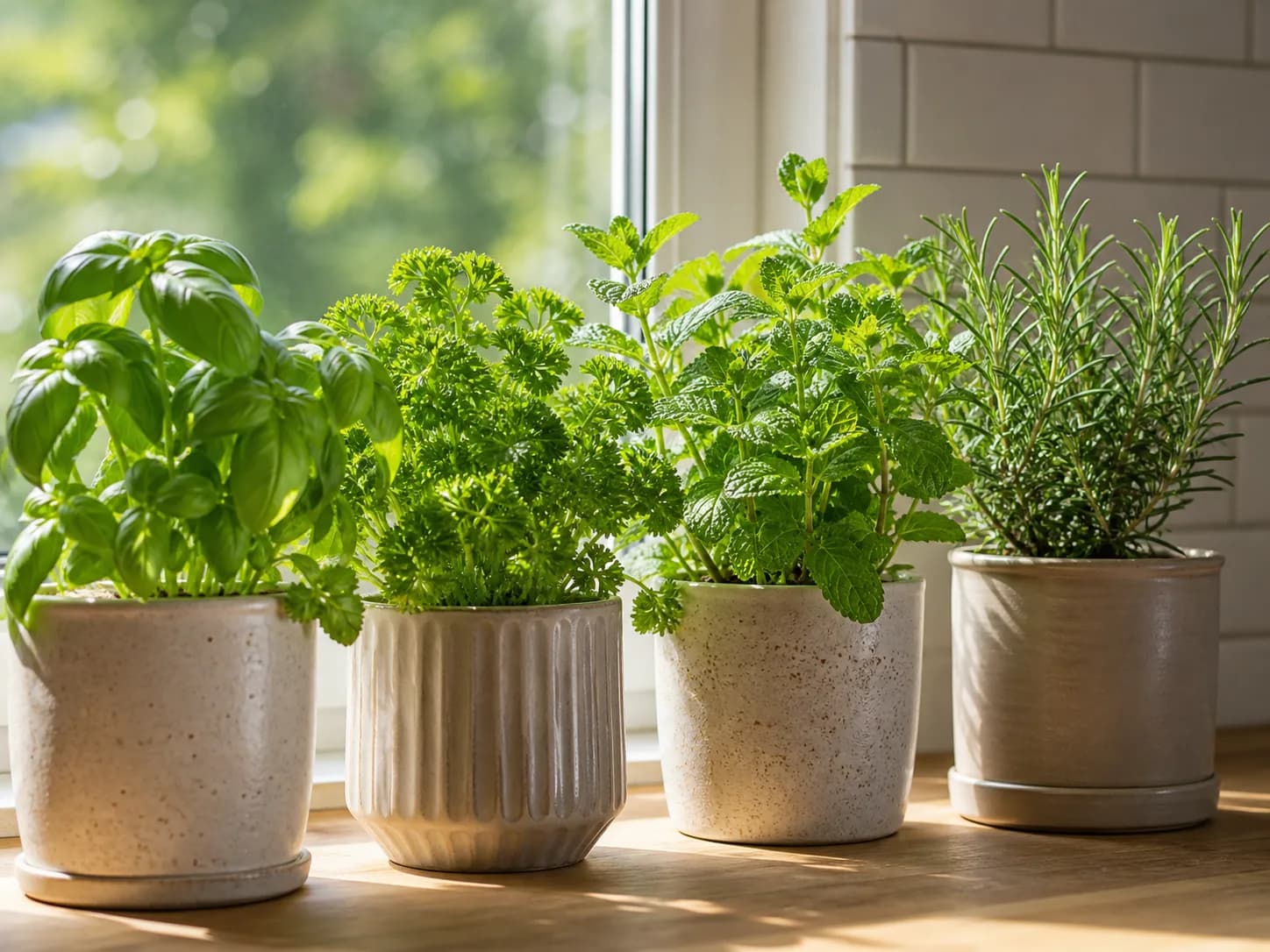
Best Herbs to Grow Indoors for Real Harvests, Not Spindly Pots
Choose indoor herbs that can actually produce in your light, temperature, and container setup, then match each one to the right harvest rhythm and watering style.
10 min read
Best Shade Plants for Gardens That Get Little Sun
A practical guide to choosing the best shade plants for outdoor gardens, covering perennials, shrubs, ground covers, and design tips for partial, full, and dappled shade.
12 min read