verifiedSource Reviewed
Parlor Palm: Soft Palms for Low-Light Rooms
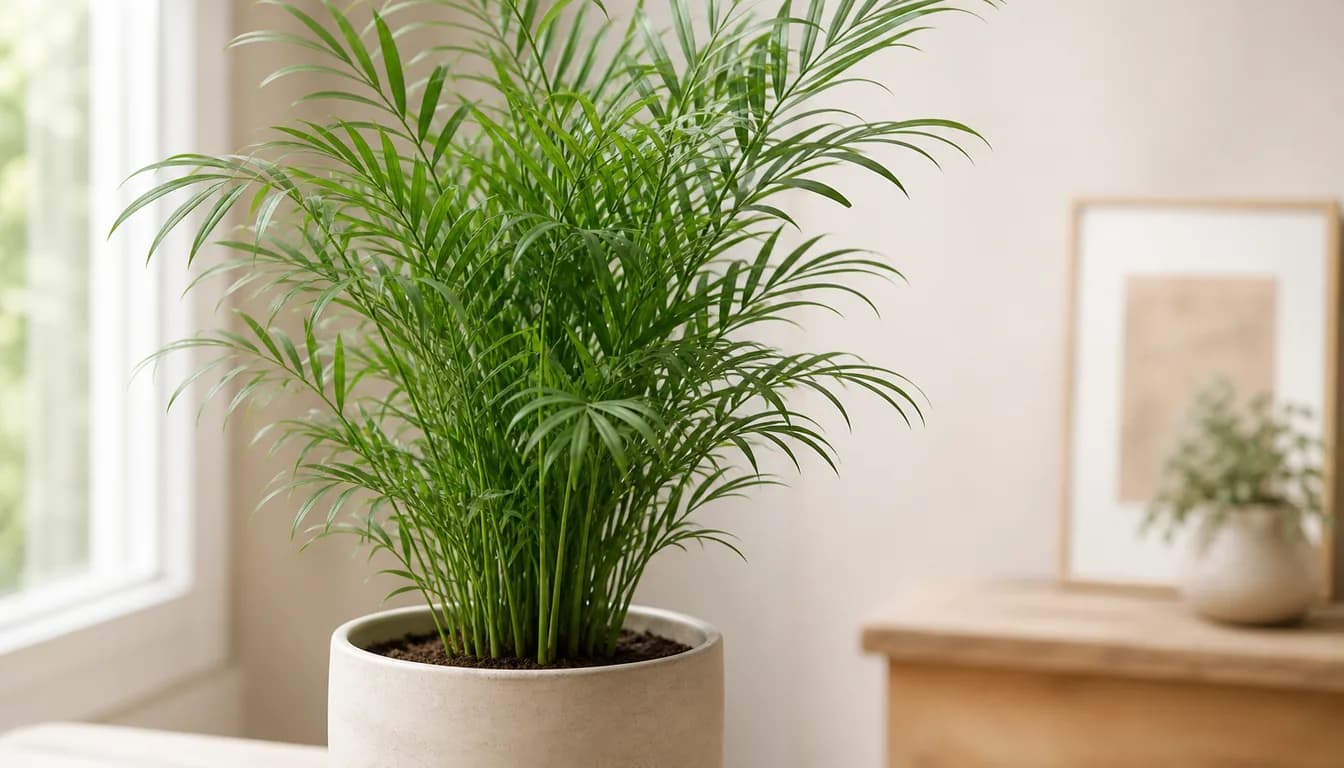
Chamaedorea elegans
Family: Arecaceae
wb_sunnyLight
Low to bright indirect light, no direct sun
water_dropWater
Moderate; keep lightly moist, never soggy
heightHeight
2-4 ft indoors; up to 6 ft over many years
publicZone
Hardy outdoors in Zone 10-12 only
petsPet Safety
Pet Safe
airAir Quality
Air Quality Note
Native Region
Southern Mexico and Guatemala
Slow Growth Is the Feature
Parlor Palm grows slowly because it is an understory palm. That makes it useful indoors: it can sit on a table or in a low-light room without turning into a wide floor problem.
Do not judge it by the speed of Majesty Palm. A steady small crown is success here.
For a brighter clumping palm with more spread, compare it with areca palm before buying.
The main failure mode is overhelping. Too much water, fertilizer, sun, or repotting can do more harm than a quiet routine.
infoAnswer first
Parlor Palm is best for gentle filtered light, modest watering, and patient growers who want a compact palm look.
Buy Density, Not Height
Most pots are sold as clusters of seedlings. Choose even green fronds and firm stems rather than the tallest plant in the store.
A pot with many small fronds looks full longer. A tall sparse pot often shows stretch from weak light or rough shipping.
If pet safety is the reason you want a palm, compare the room with spider plant too. A smaller hanging plant may fit better than a floor pot.
Tabletop plantBest for small rooms and lower light.
Floor-size potWorks only if fronds have room to arch.
Dense clusterLooks full now; check inside for yellowing stems.
Guide — See AlsoAir Purifying Plants for Cleaner Indoor AirLearn how to pick, place, and care for air purifying plants so they help your indoor air instead of just looking pretty.
chevron_rightUse Low Light, But Not No Light
This palm tolerates low indoor light better than many palms, but it still needs enough light to replace old fronds. A room with no useful daylight will thin it out.
Bright filtered light gives fuller growth. Direct sun can yellow or bleach leaflets, especially through hot glass.
If the room is too dim even for this palm, choose a tougher low-light option from best indoor plants instead of pushing a palm to decline.
If new fronds are tiny and old fronds keep yellowing, move it closer to a window before changing fertilizer.
- fiber_manual_recordGood: north or east room with visible daylight.
- fiber_manual_recordRisky: deep hallway, hot west glass, or grow-light too far away.
- fiber_manual_recordBetter alternative for dry corners: ZZ plant.
Email Updates
Join the KnowTheYard update list
Zone-specific advice, seasonal reminders, and new plant guides — no filler.
Let the Top Dry Before the Center Stays Wet
Water when the top inch or two dries, then drain the saucer. The center of a clustered palm pot can stay wet even when the surface looks dry.
Yellow lower fronds often come from old age or wet roots. Crisp tips point more toward dry air, missed water, or mineral buildup.
Use houseplant watering frequency as a starting rhythm, then adjust by pot weight and season.
lightbulbSmall sips do not help
A shallow splash wets the surface and misses deeper roots. Water fully, then wait.
Guide — See AlsoBest Herbs to Grow Indoors for Real Harvests, Not Spindly PotsChoose indoor herbs that can actually produce in your light, temperature, and container setup, then match each one to th
chevron_right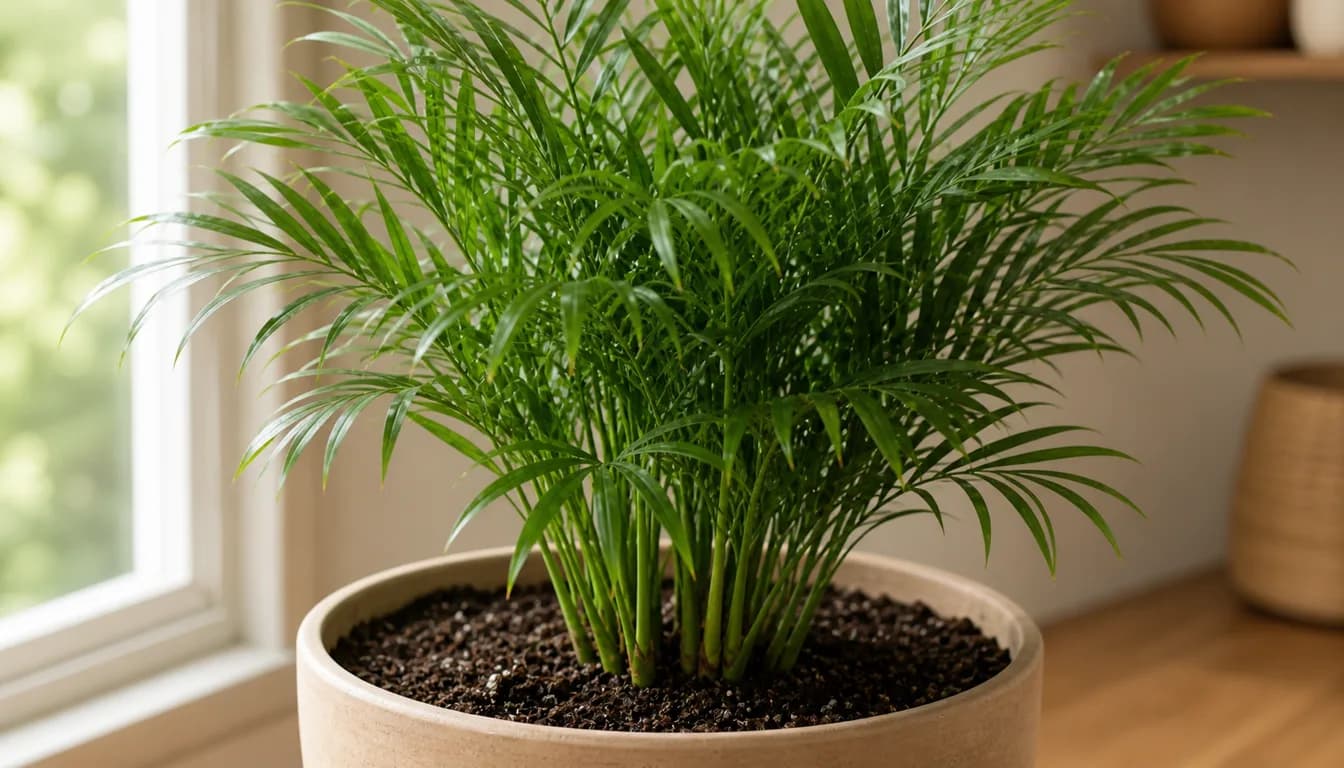
Repot Rarely and Only One Size Up
Parlor Palm prefers a stable root zone. Repotting every year can break fine roots and slow the plant more than a tight pot would.
Use a normal indoor mix with perlite for drainage. Avoid heavy garden soil and huge decorative pots that trap water around the cluster.
Repot signWater runs around a tight root ball or growth stalls for many months.
Pot jumpOne size wider, never a deep oversized tub.
After repottingKeep light steady and do not fertilize immediately.
Division Is Possible, But Usually Not Worth It
A Parlor Palm cluster can sometimes be divided, but each piece needs enough roots and stems to recover. Small divisions often sulk for months.
That is different from pup-forming plants such as Chinese money plant, where division is part of normal care.
Seeds are slow and not useful for most indoor growers. Buying another small plant is the practical propagation method.
warningDo not split a weak palm
If the pot is already yellowing or thin, division adds root damage. Stabilize care first.
Guide — See AlsoWhite Spots on Plant Leaves: Causes and Fixes That WorkLearn what causes white spots on plant leaves, how to tell pests from disease or mineral residue, and step-by-step fixes
chevron_rightCheck Mites Before You Blame Age
Dry rooms invite spider mites on fine leaflets. Use a flashlight and look for speckling or webbing before the whole frond dulls.
Scale can attach to stems, and mealybugs can hide where fronds emerge. Slow growth means pest damage can take a long time to grow out.
- fiber_manual_recordFine speckles: inspect for mites.
- fiber_manual_recordSticky stems: check scale.
- fiber_manual_recordOne old yellow frond: trim after it mostly yellows.
Keep the Routine Quiet in Winter
Spring and summer allow light feeding if new fronds are opening. Use indoor plant fertilizer at a light rate.
Winter asks for restraint. Lower light means slower water use, so a pot that was fine in August may stay wet too long in January.
The indoor plant care calendar helps time feeding and repotting so you are not pushing growth in the wrong season.
Guide — See AlsoWhat Does an Overwatered Plant Look Like (With Photos in Mind)Learn the real signs of overwatering, how they differ from underwatering, and what to check on leaves, stems, and soil b
chevron_rightGood Pet-Safe Palm, Limited Drama
Parlor Palm is often used in pet-friendly rooms because it is usually considered non-toxic and stays manageable. Put it where fronds can arch without brushing traffic.
If you want a lush humid-room palm, use Majesty Palm or Areca Palm instead. If you want a calm, compact palm for a modest room, Parlor Palm is the better fit.
eco
Keep Exploring
Related Plants
 Houseplants
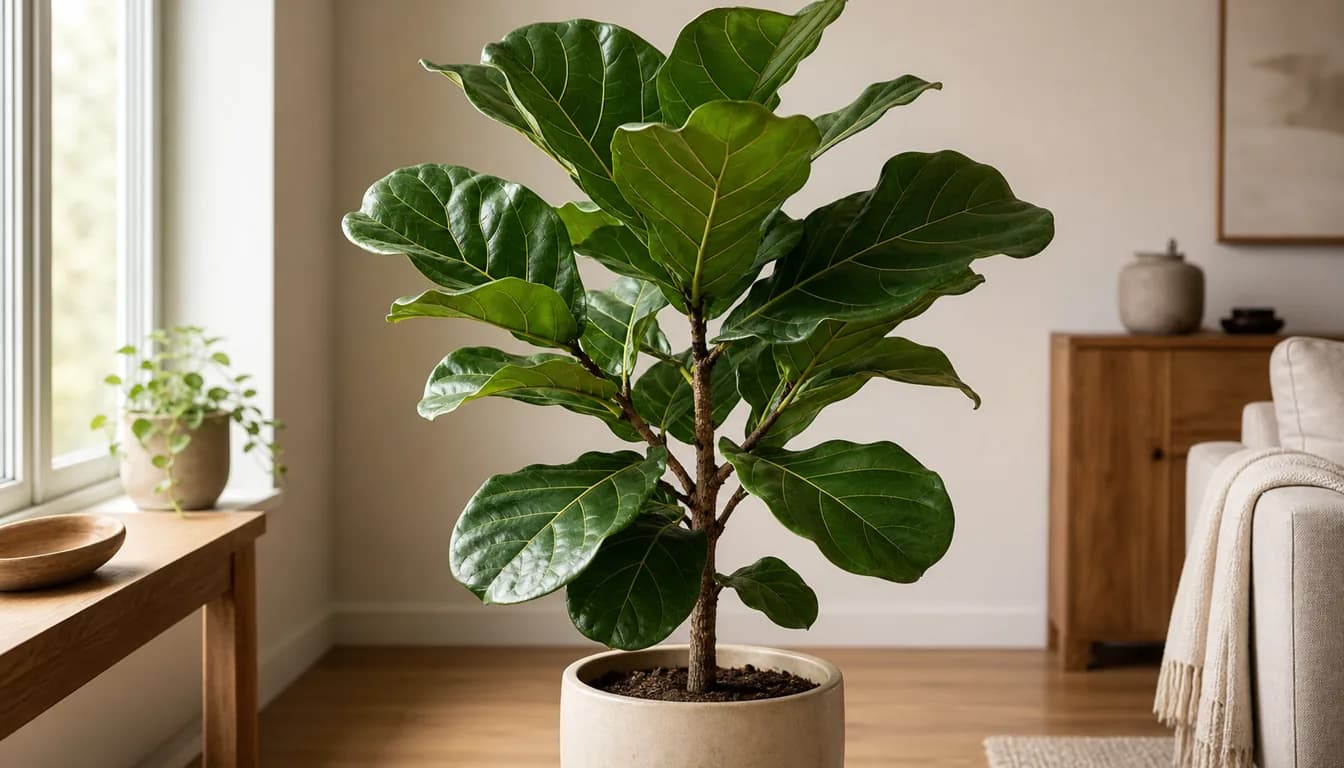
Fiddle Leaf Fig
Fiddle Leaf Fig is a window-stability plant: it rewards bright, steady placement with large violin-shaped leaves and punishes random moves, cold dra
 Houseplants
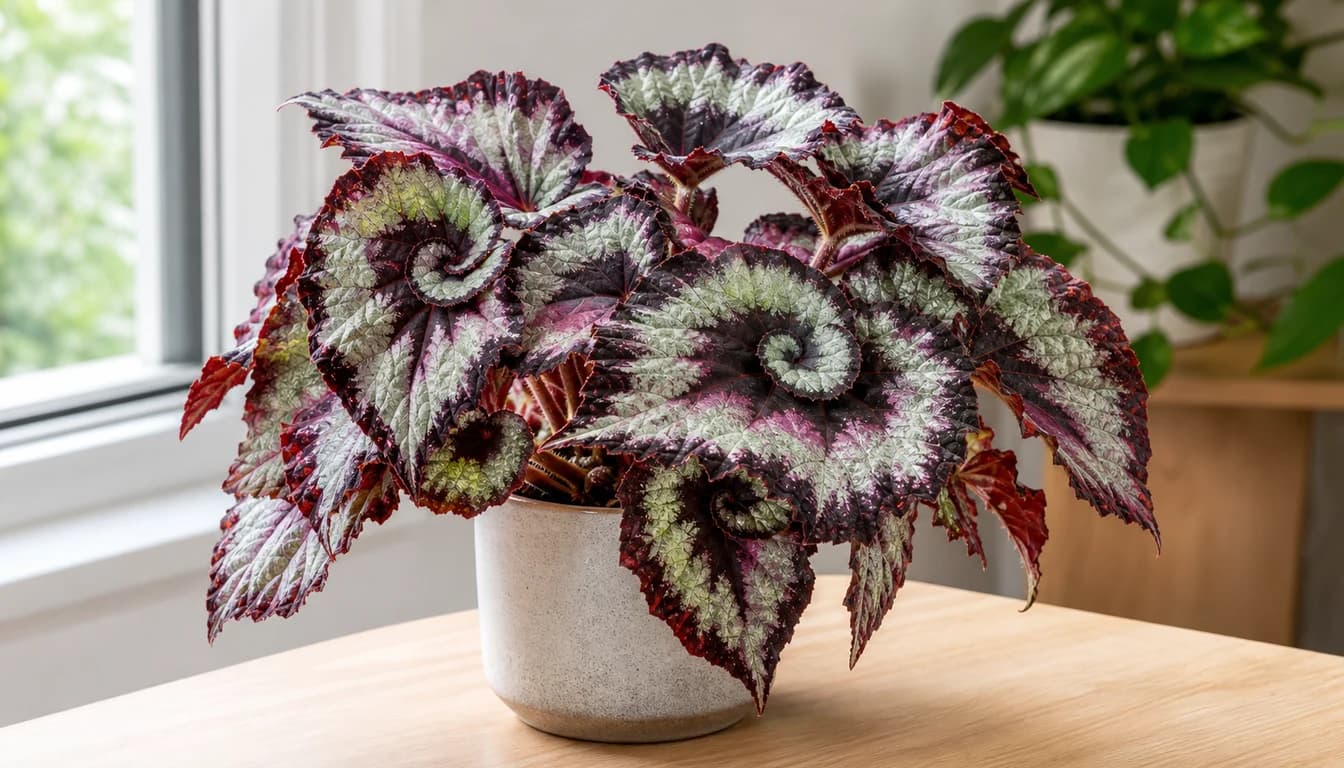
Begonia Rex
Begonia Rex (Begonia rex) is a rhizomatous begonia grown entirely for its wild, painterly leaves — each one a spiraling asymmetrical canvas of silver, p
 Houseplants
Boston Fern
Frizzy, arching fronds look great in hanging baskets, but Boston Fern drop leaves fast if their air and soil dry out. Get the humidity, light, and watering
quiz
Frequently Asked Questions
Can Parlor Palm grow in low light?expand_more
Yes, Parlor Palm tolerates lower light than many palms, but it still needs visible daylight to keep making new fronds.
Why are the tips brown?expand_more
Brown tips often come from dry air, missed watering, or mineral buildup. Check soil moisture and water quality before cutting many fronds.
Should I divide it?expand_more
Usually no. Division can damage fine roots and leave weak pieces. Buy another small plant unless the cluster is strong and crowded.
menu_book
Sources & References
- 1.Chamaedorea elegans, Royal Horticultural Society Plant Finderopen_in_new
- 2.Parlor Palm (Chamaedorea elegans) Profile, Missouri Botanical Gardenopen_in_new
- 3.Interior Plants: Selection and Care, University of Florida IFAS Extensionopen_in_new
- 4.NC State Extension, Chamaedorea elegans Plant Profileopen_in_new
- 5.Royal Horticultural Society, Chamaedorea elegans Growing Guideopen_in_new
- 6.Missouri Botanical Garden, Chamaedorea elegans Profileopen_in_new
- 7.ASPCA, Non-Toxic Plants List for Dogs and Catsopen_in_new
- 8.University of Florida IFAS Extension, Interior Palms for Florida Homesopen_in_new