compare_arrowsPlant Comparisons
Side-by-Side Plant Comparisons
Practical comparisons covering growth, care requirements, costs, and best-fit use cases so you can pick the right plant for your garden with confidence.
compare_arrows54Comparisons
category11Categories
fact_checkSourceReviewed
auto_awesome
Popular Comparisons


auto_awesomePopular
Bermuda Grass vs Zoysia Grass
Choose Bermuda Grass for faster spread, quicker recovery, and heavier traffic use. Choose Zoysia when you want a denser, slower-growing lawn that can look tighter with fewer aggressive mow cycles.
Compare arrow_forward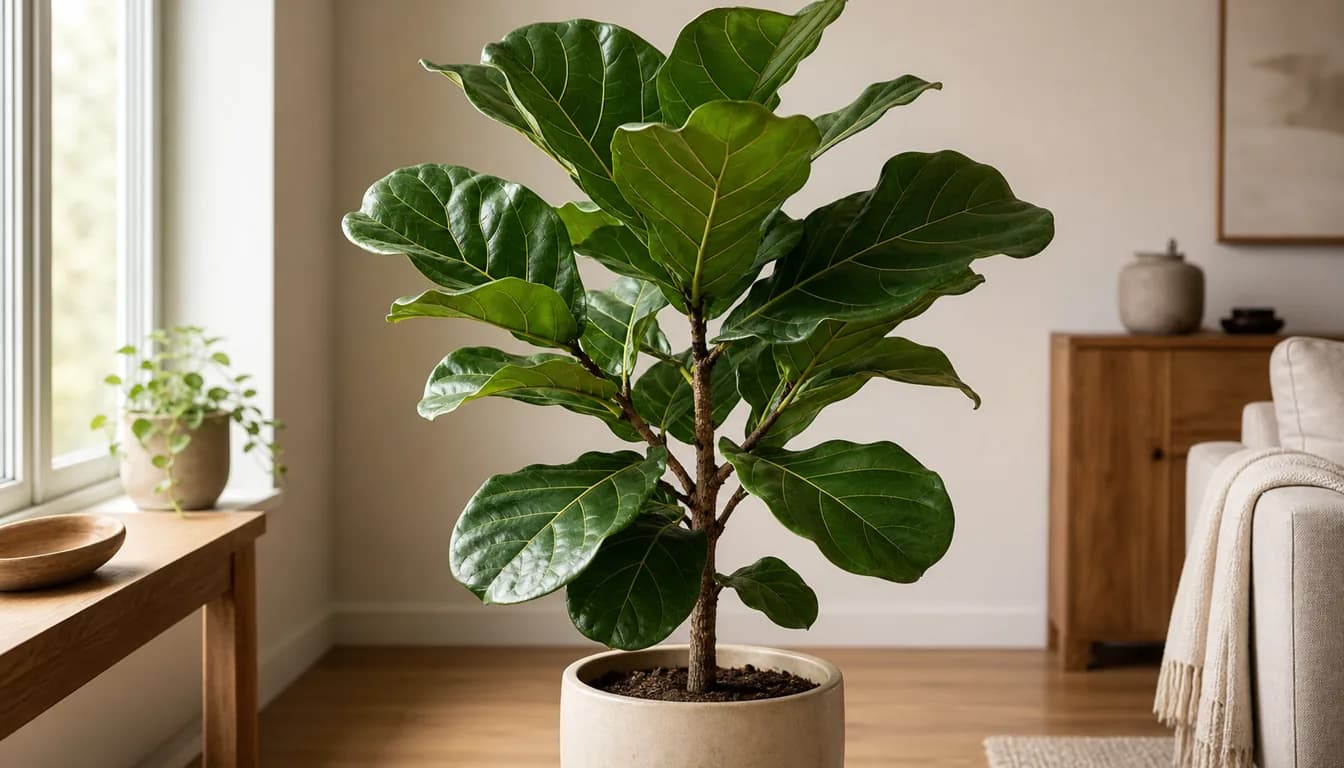

auto_awesomePopular
Fiddle Leaf Fig vs Rubber Plant
Choose Fiddle Leaf Fig if you have steady bright light and want a sculptural floor tree. Choose Rubber Plant if you need a taller plant that forgives missed waterings, drier air, and rooms that are bright but not perfect.
Compare arrow_forward

auto_awesomePopular
Apple vs Pear Tree
Choose Apple for broader flavor range and classic backyard fruit expectations. Choose Pear Tree when you want an orchard tree that often handles heavier soil and some disease pressures with less fuss.
Compare arrow_forwardgrass
Lawn Grasses
Bermuda Grass vs Zoysia Grass
Choose Bermuda Grass for faster spread, quicker recovery, and heavier traffic use. Choose Zoysia when you want a denser, slower-growing lawn that can look tighter with fewer aggressive mow cycles.
arrow_forward
Bermuda Grass vs Fescue
Choose Bermuda Grass for hot full-sun lawns with faster spread and recovery. Choose Fescue when you need cooler-season color, better shade tolerance, and a lawn that handles transition-zone weather more gracefully.
arrow_forward
Buffalo Grass vs Bermuda Grass
Choose Buffalo Grass for lower water, lower mowing, and a looser natural look. Choose Bermuda Grass when the lawn must handle harder wear, recover faster, and fill thin spots more aggressively.
arrow_forward

Centipede Grass vs St. Augustine Grass
Choose Centipedegrass for lower fertility demand and simpler sun-lawn upkeep. Choose St. Augustinegrass when shade handling and faster coarse-textured fill matter more than keeping inputs low.
arrow_forward
Fescue vs Kentucky Bluegrass
Choose Fescue for better shade tolerance and lower summer stress in mixed-light yards. Choose Kentucky Bluegrass when you want a denser classic lawn with stronger self-repair through rhizomes.
arrow_forward
Perennial Ryegrass vs Kentucky Bluegrass
Choose Perennial Ryegrass for faster germination and quicker short-term cover. Choose Kentucky Bluegrass when longer-term self-repair and a denser mature lawn matter more than fast startup.
arrow_forwardZoysia Grass vs St. Augustine Grass
Choose Zoysia for denser wear tolerance and lower long-term mowing pressure. Choose St. Augustinegrass when coastal warmth, partial shade, and quicker coarse-blade coverage matter more.
arrow_forwardpotted_plant
Houseplants
Fiddle Leaf Fig vs Rubber Plant
Choose Fiddle Leaf Fig if you have steady bright light and want a sculptural floor tree. Choose Rubber Plant if you need a taller plant that forgives missed waterings, drier air, and rooms that are bright but not perfect.
arrow_forward

Monstera vs Philodendron
The split leaves fool people at the garden center. Monstera cuts real holes that open toward the leaf edge as it matures, while most Philodendron stay whole and heart-shaped or make lobes. One is a single big climber that wants a pole and floor space. The other is a whole genus with a shape for almost any spot.
arrow_forward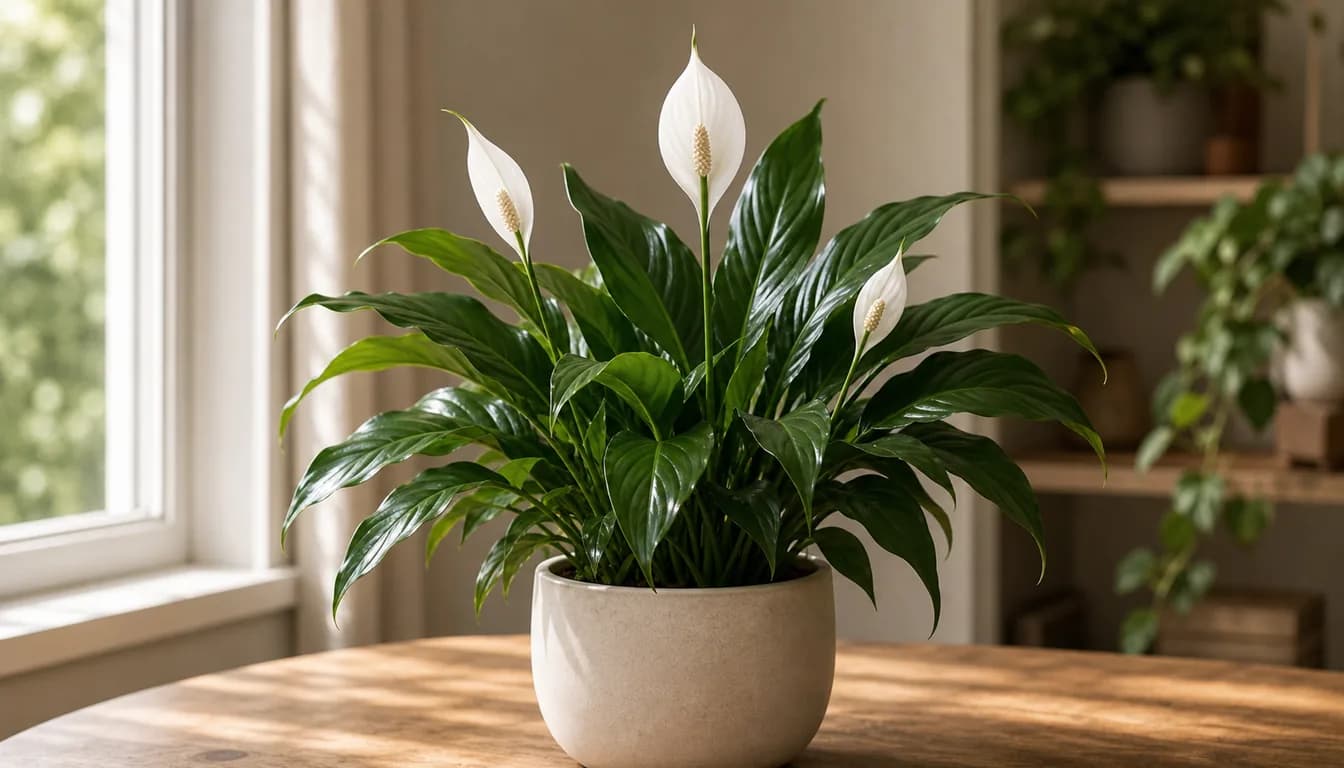
Peace Lily vs Spathiphyllum
This page is about a naming problem, not two unrelated plants. Choose a labeled Peace Lily when you want more predictable size and care expectations; think in broader Spathiphyllum terms when you are shopping cultivars and want more flexibility in leaf size, habit, and bloom scale.
arrow_forward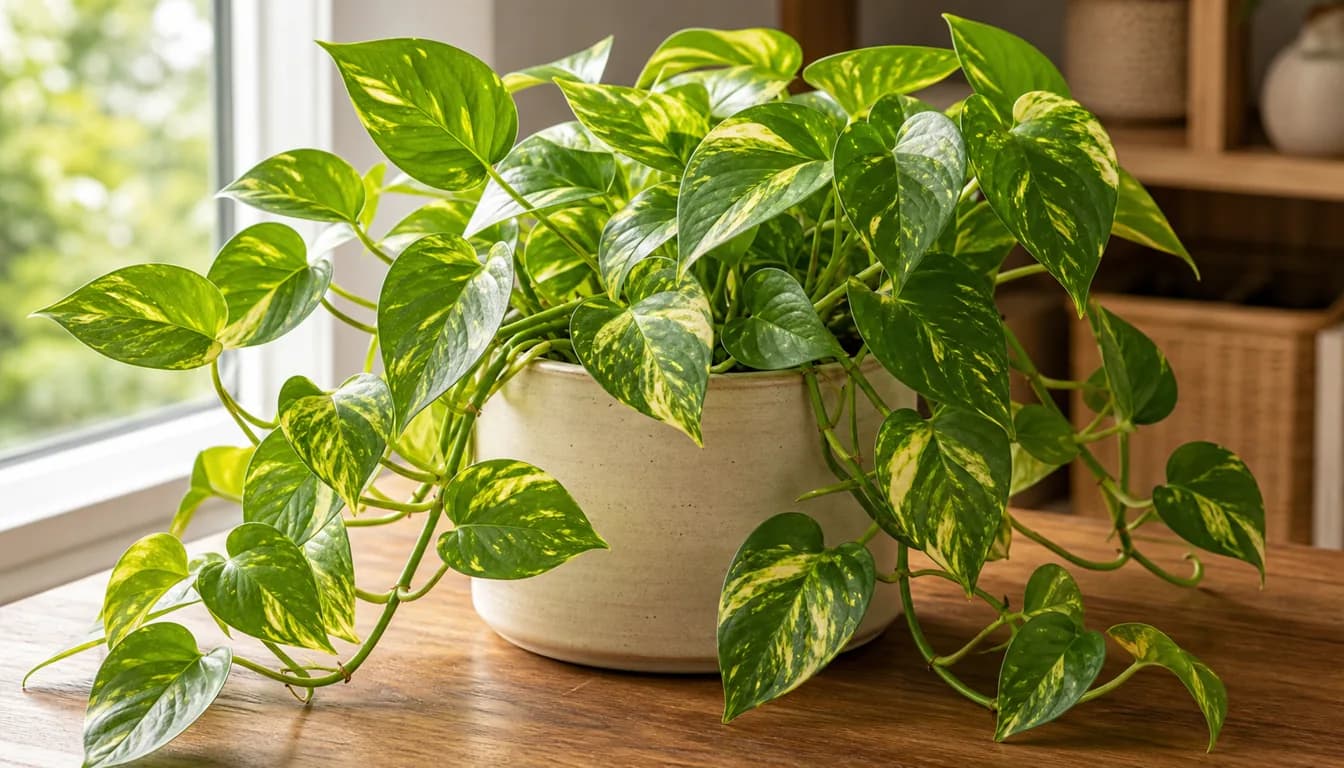
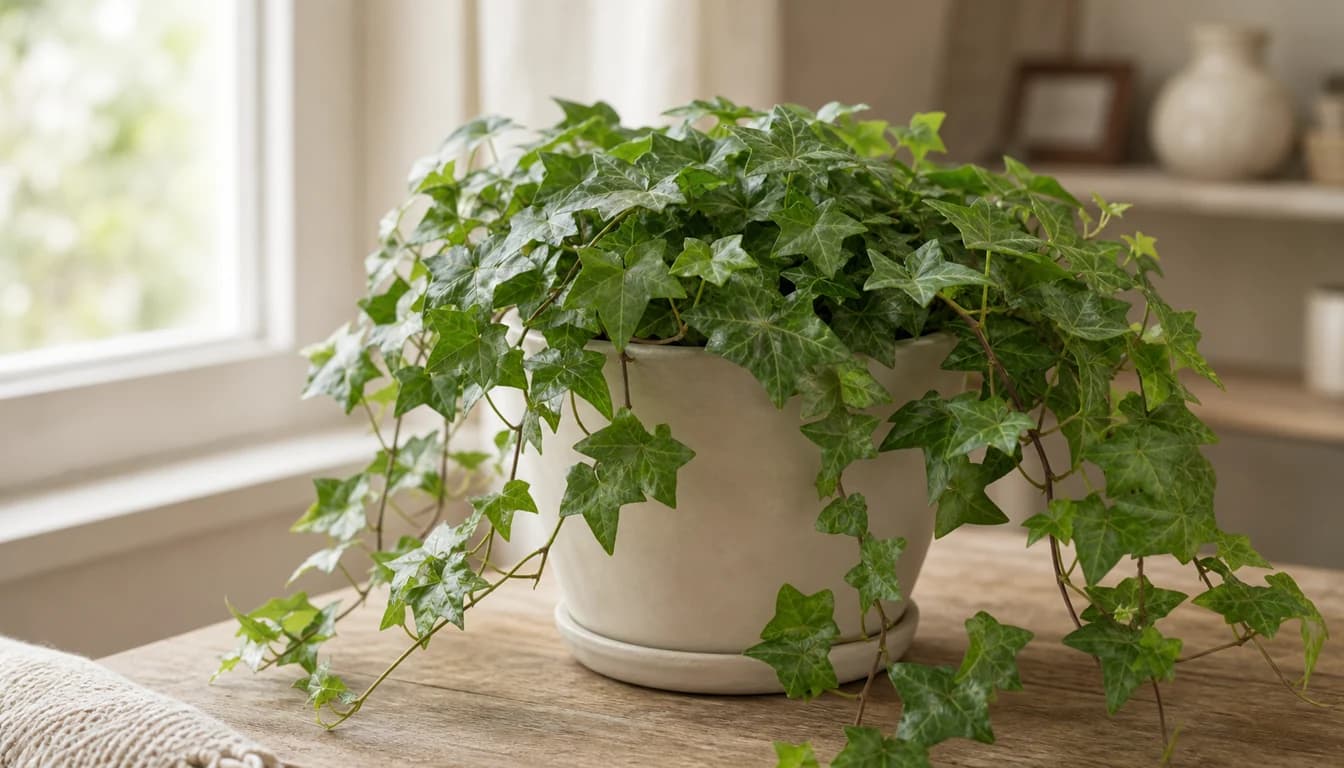
Pothos vs English Ivy
In a warm, dry, heated apartment, English Ivy almost always turns into a spider-mite magnet, while Pothos shrugs off dim corners and skipped waterings. Ivy only pulls ahead in a cool, bright room, or outdoors in a cold climate where you actually want it to spread.
arrow_forwardPothos vs Monstera
Your room decides this one before your taste does. Pothos lives on shelf edges and hanging hooks, while Monstera wants an open floor corner and a pole to climb.
arrow_forward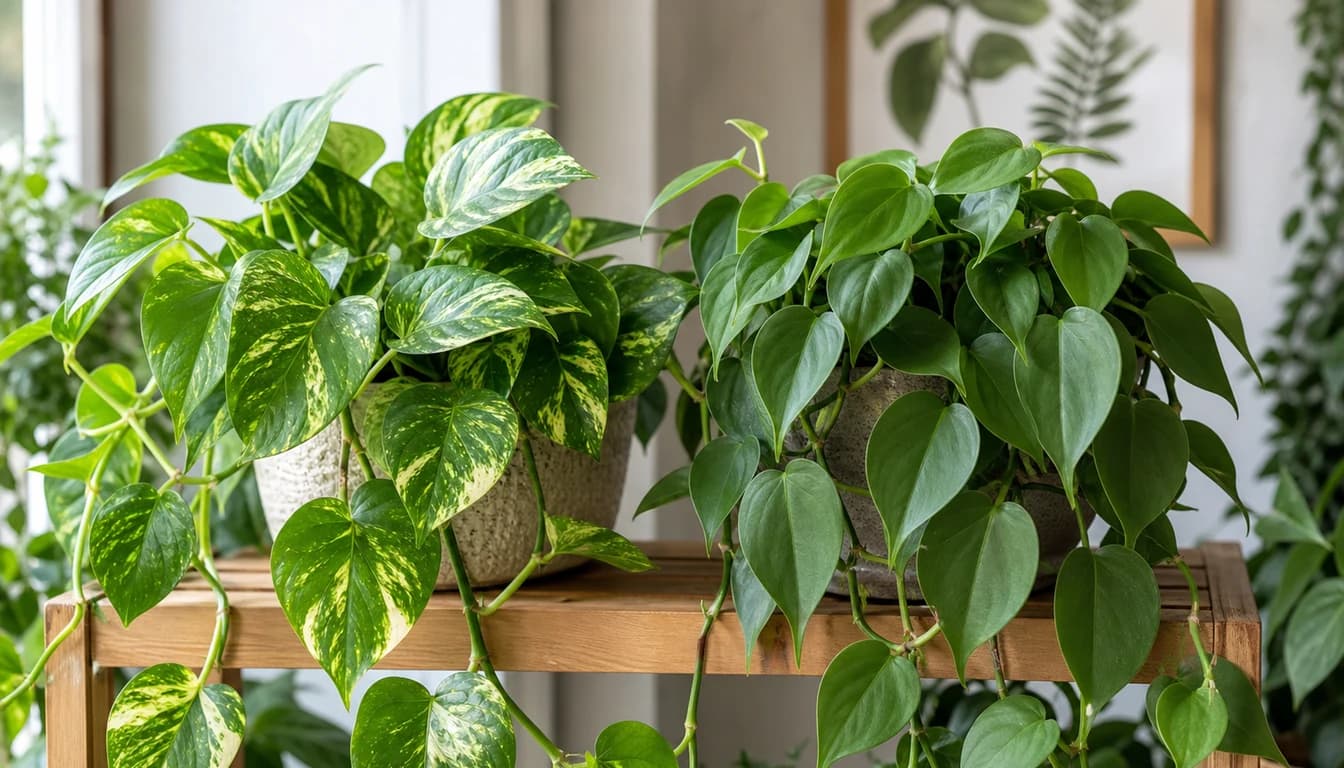
Pothos vs Philodendron (heartleaf)
These two look-alike vines get swapped at the register all the time. The tells are in your fingertips and the new growth: a Pothos leaf feels thick and waxy, while a Heartleaf Philodendron leaf is thin, soft, and pushes out reddish new growth from a papery sheath.
arrow_forward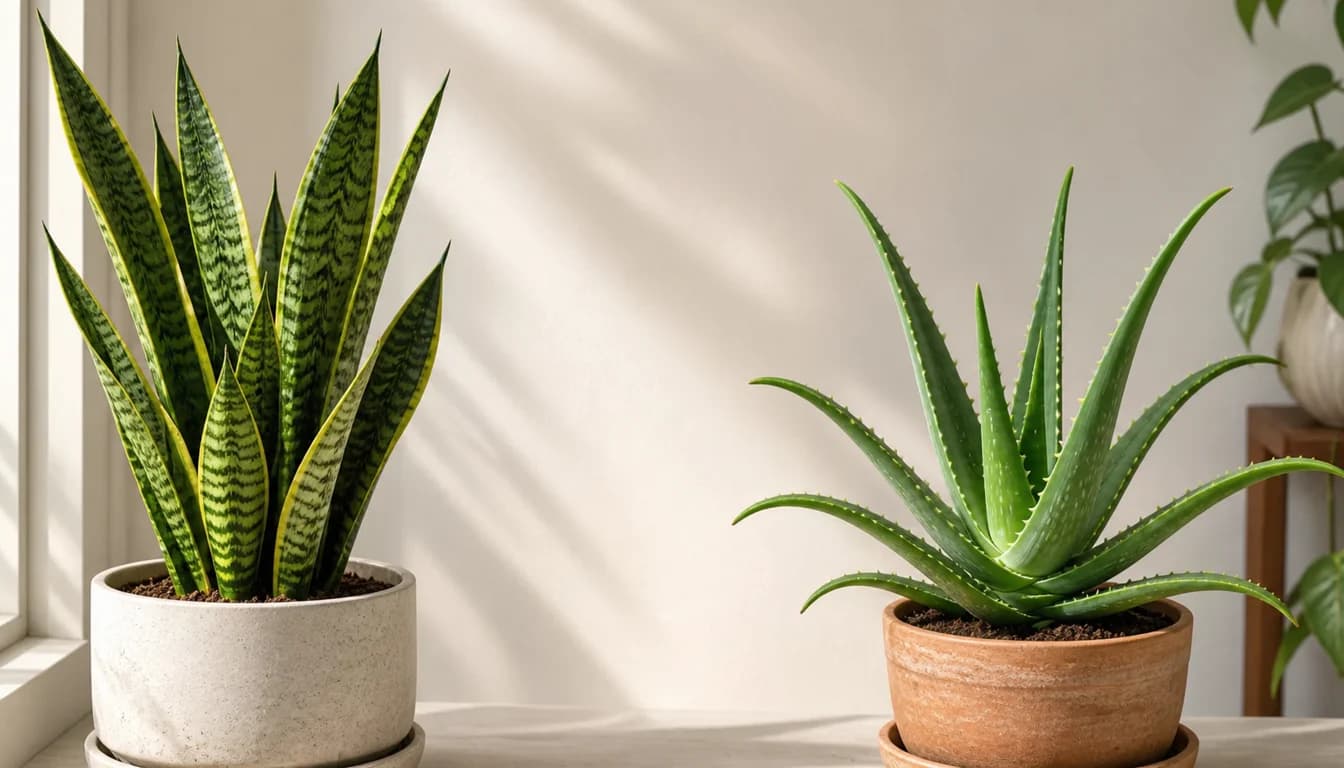
Snake Plant vs Aloe Vera
Choose Snake Plant for lower light, longer dry spells, and pure neglect tolerance. Choose Aloe Vera when you have a sunny sill and actually want a succulent you can harvest or keep in a brighter utilitarian spot.
arrow_forwardnutrition
Fruits
Apple vs Pear Tree
Choose Apple for broader flavor range and classic backyard fruit expectations. Choose Pear Tree when you want an orchard tree that often handles heavier soil and some disease pressures with less fuss.
arrow_forward

Blueberry vs Blackberry
Choose Blueberry for contained shrubs and cleaner harvesting in acidic soil. Choose Blackberry when you want bigger raw yields and can handle cane management, support, and spread.
arrow_forward

Fig vs Olive Tree
Choose Fig for faster edible payoff and easier container-to-harvest satisfaction. Choose Olive Tree for tougher drought structure, Mediterranean character, and a longer-view ornamental tree where climate truly supports it.
arrow_forward
Lemon Tree vs Lime Tree
Choose Lemon Tree for broader kitchen use and slightly safer performance near citrus limits. Choose Lime Tree when container scale, sharper flavor, and warm-climate patio growing matter more.
arrow_forward
Meyer Lemon vs Eureka Lemon
Choose Meyer Lemon for sweeter fruit, thinner skin, and easier container scale. Choose Eureka Lemon when you want the sharper classic grocery-lemon profile and have the warmth or protection to support it.
arrow_forward

Strawberry vs Raspberry
Choose Strawberry for tight-space planting, quicker payoff, and container flexibility. Choose Raspberry when you want taller canes, bigger cumulative harvests, and can manage pruning and spread.
arrow_forwardnest_eco_leaf
Shrubs


Azalea vs Rhododendron
Choose Azalea for smaller spaces, lighter plant mass, and a broad cloud of spring color. Choose Rhododendron when you want larger evergreen presence, bigger flower trusses, and stronger woodland-scale structure.
arrow_forward

Boxwood vs Privet
Choose Boxwood for formal structure, slower growth, and tighter pruning control. Choose Privet only when fast screening matters more than long-term maintenance, spread concerns, or a polished front-yard look.
arrow_forward

Crepe Myrtle vs Lilac
Choose Crepe Myrtle for hot-climate bloom length and summer color. Choose Lilac when you have real winter chill and care more about fragrance and a classic spring flush than months of heat-season flowering.
arrow_forward
Holly vs Boxwood
Choose Holly for taller screening, berries, and stronger winter presence. Choose Boxwood for clipped form, lower size, and a more controlled evergreen line where privacy is not the only job.
arrow_forwardspa
Herbs


Basil vs Cilantro
Choose Basil when you want steady summer harvests for warm-weather cooking. Choose Cilantro when cool-season sowings, salsa flavor, and short fast harvest windows matter more than summer staying power.
arrow_forward
Basil vs Rosemary
Choose Basil for fast leafy harvests and soft summer flavor. Choose Rosemary when you want a drier, woodier herb that can anchor containers and mild-climate beds for years.
arrow_forward
Mint vs Lemon Balm
Choose Mint for stronger flavor and heavier drink-and-dessert use. Choose Lemon Balm when you want a softer citrus-herb that is easier to live with in mixed beds and calmer tea gardens.
arrow_forward
Rosemary vs Thyme
Choose Rosemary for larger evergreen structure and stronger savory punch. Choose Thyme when you want a lower, easier-to-place herb that fits edging, containers, and tighter winter margins better.
arrow_forwardlocal_florist
Perennials


Daylily vs Lily
Choose Daylily for easier care, broader adaptability, and more repeat color across a bed. Choose True Lily when you want taller stems, stronger fragrance, and a shorter but more dramatic flower moment.
arrow_forward

Hosta vs Fern
Choose Hosta for bold mounded foliage and easier bed-filling structure. Choose Fern when you want finer woodland texture, softer movement, and a better answer for consistently moist shade.
arrow_forward
Hostas vs Coral Bells
Choose Hostas for bigger shade coverage and calmer leaf mass. Choose Coral Bells when you want more foliage color, a tighter footprint, and easier mixing into smaller perennial combinations.
arrow_forwardfilter_vintage
Flowers


Lantana vs Verbena
Choose Lantana for tougher heat performance, stronger drought tolerance, and bolder pollinator color. Choose Verbena when you want a tidier container plant, finer texture, and a lower pet-risk option near paths or patios.
arrow_forward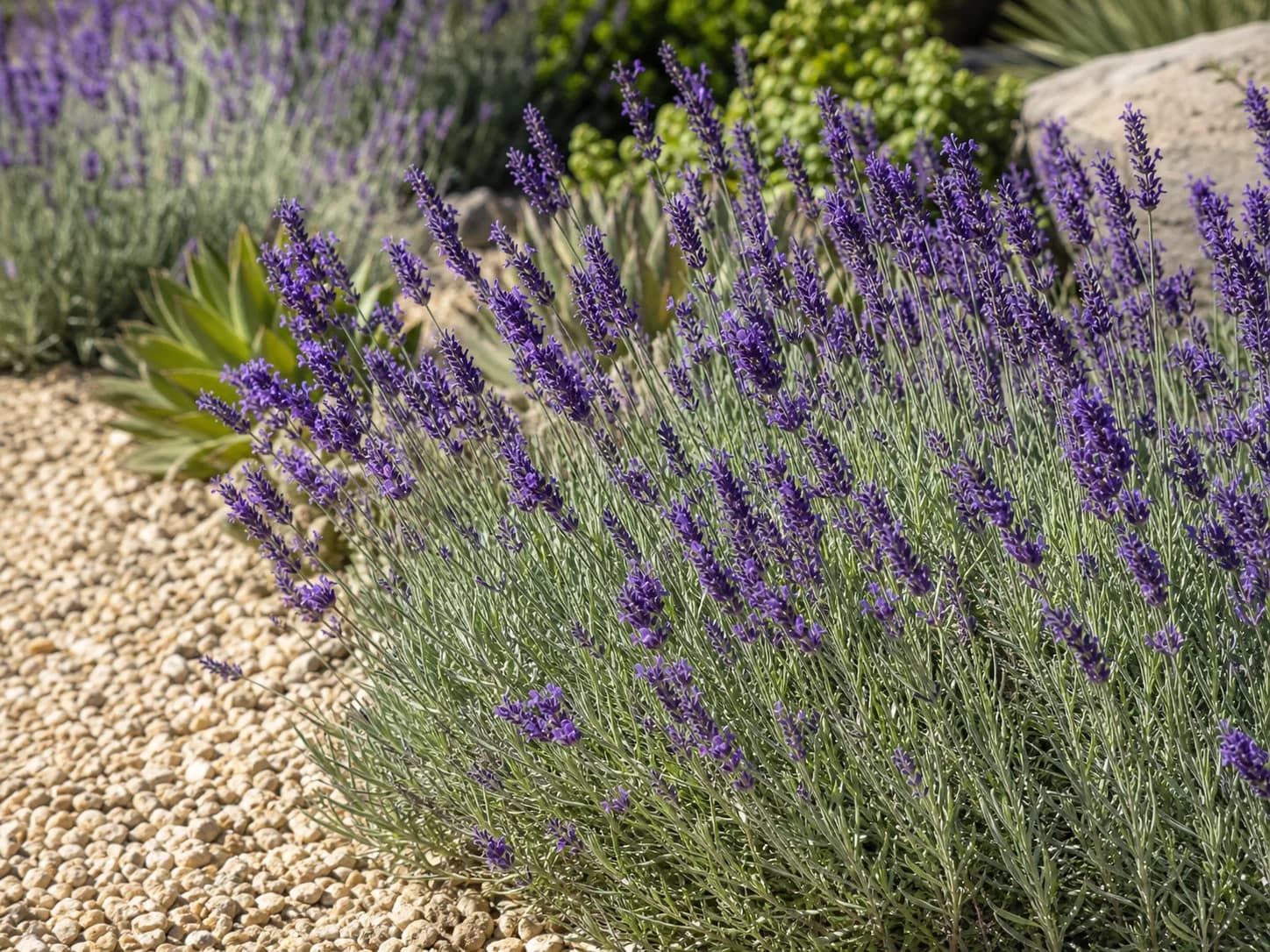
Lavender vs Rosemary
Choose Lavender for fragrance, pollinator value, and bloom-driven structure. Choose Rosemary when culinary use, evergreen mass, and stronger cooking payoff matter more than flower show.
arrow_forward

Peony vs Rose
Choose Peony for lower-maintenance spring drama and long-lived clumps. Choose Rose when you want repeat bloom, more color choice, and are willing to trade extra pruning and disease management for a longer season.
arrow_forwardpark
Trees
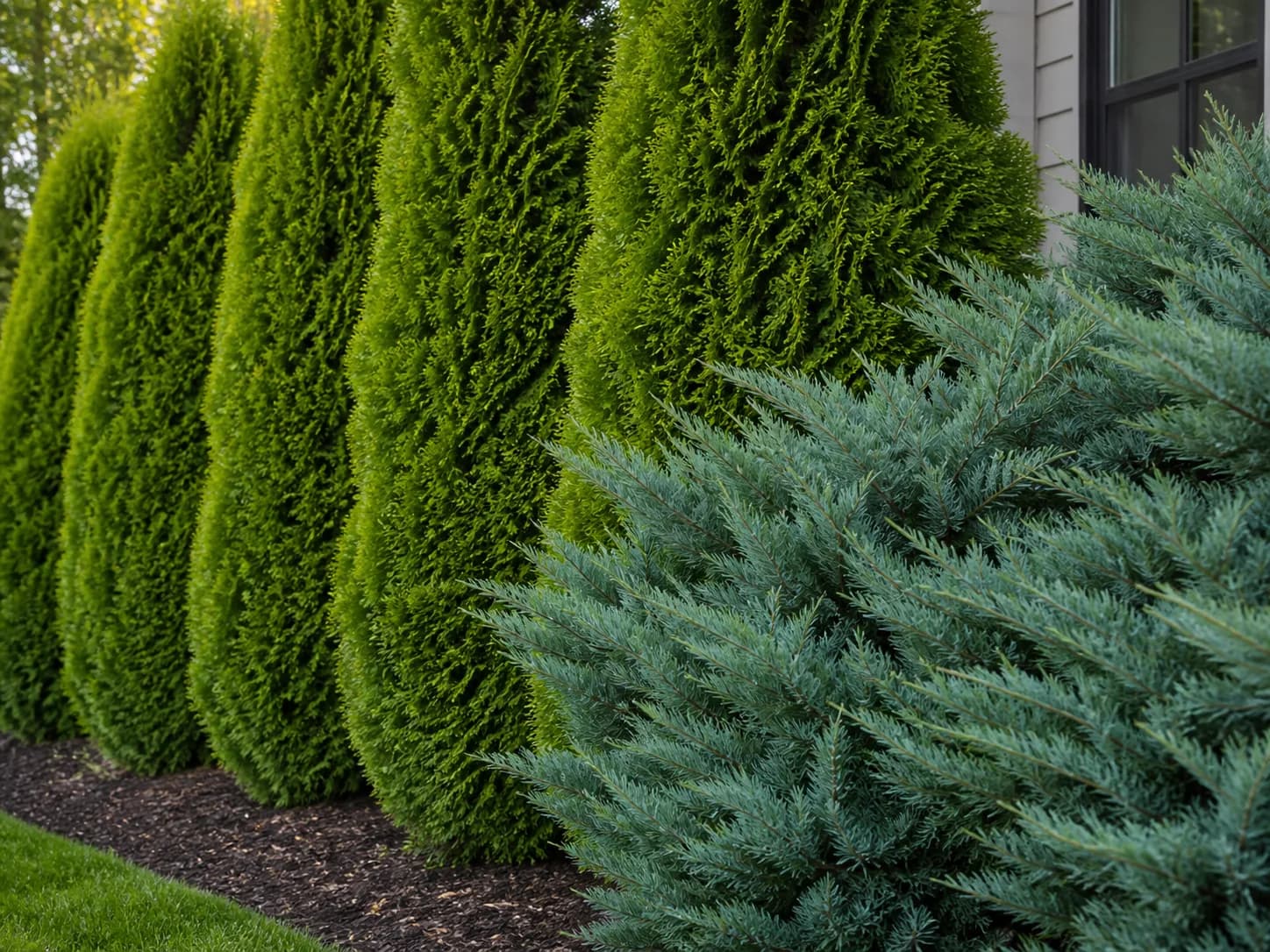
Arborvitae vs Juniper
Choose Arborvitae for dense vertical privacy and a cleaner screen silhouette. Choose Juniper when drought, lean soil, wind, and lower water use matter more than a uniform green wall.
arrow_forward

Japanese Maple vs Red Maple
Choose Japanese Maple for ornamental detail, compact scale, and focal-point planting. Choose Red Maple when you need a bigger shade tree, broader canopy, and stronger performance in larger or wetter sites.
arrow_forwardgrocery
Vegetables


Bell Pepper vs Jalapeno
Choose Bell Pepper for larger sweet fruit and broader kitchen range. Choose Jalapeno when you want more heat, smaller fruits, and a pepper plant that pays off faster in compact spaces.
arrow_forward
Tomato vs Bell Pepper
Choose Tomato for higher raw volume and longer fresh-harvest momentum. Choose Bell Pepper when thicker fruit, simpler picking, and better heat-holding fruit quality matter more than sheer count.
arrow_forwardeco
Succulents

yard
Gardening & Techniques
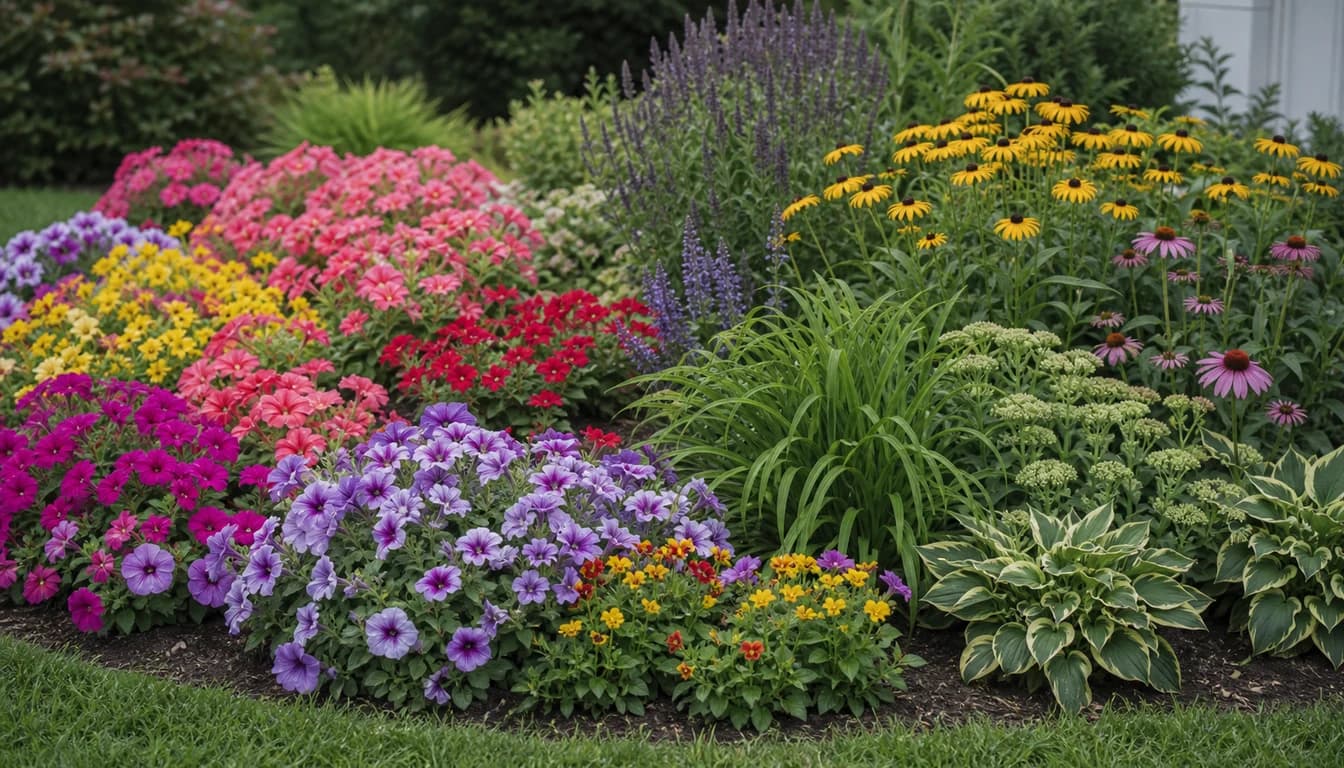
Annual vs Perennial
Choose Annual for fast fill, predictable one-season color, and easy design resets. Choose Perennial when you want long-term structure, lower replanting, and plants that settle in over several seasons.
arrow_forwardDeterminate Tomatoes vs Indeterminate Tomatoes
Choose determinate tomatoes for compact plants and concentrated harvest windows. Choose indeterminate tomatoes when you want taller vines that keep setting fruit until weather shuts them down.
arrow_forward
Drip Irrigation vs Sprinkler
Choose Drip Irrigation for targeted root-zone watering and lower water loss. Choose Sprinkler when large lawns or broad open areas need even surface coverage faster than a bed-by-bed drip layout can deliver.
arrow_forward
Endless Summer Hydrangea vs Nikko Blue Hydrangea
Choose Endless Summer Hydrangea for reblooming flexibility and better cold-margin forgiveness. Choose Nikko Blue Hydrangea when you want the classic saturated blue mophead look and can protect old wood in a milder site.
arrow_forwardHydrangea Endless Summer vs Limelight
Choose Hydrangea Endless Summer for reblooming color in part shade and tighter spaces. Choose Limelight when you need a tougher, taller hydrangea that handles sun, cold, and new-wood blooming with less drama.
arrow_forward
Knock Out Rose vs Drift Rose
Choose Knock Out Rose for bigger shrub impact and hedge-like flower mass. Choose Drift Rose when you need a low, spreading rose for bed fronts, edges, and groundcover-scale bloom.
arrow_forwardEnglish Lavender vs French Lavender
Choose English lavender for better cold tolerance and classic perfume-heavy flowers. Choose French lavender when you garden in milder winters and want longer ornamental interest from showier bracts.
arrow_forward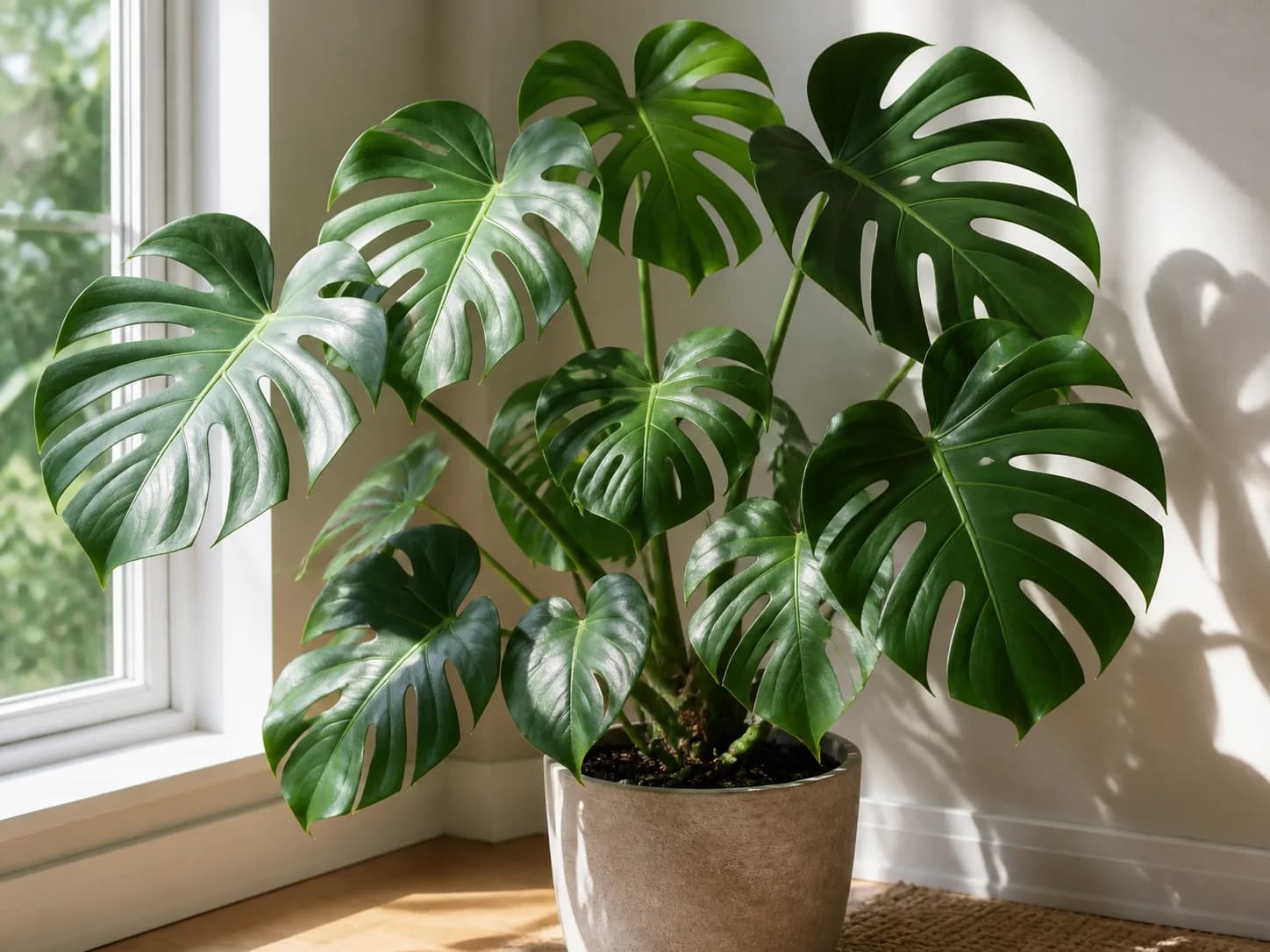
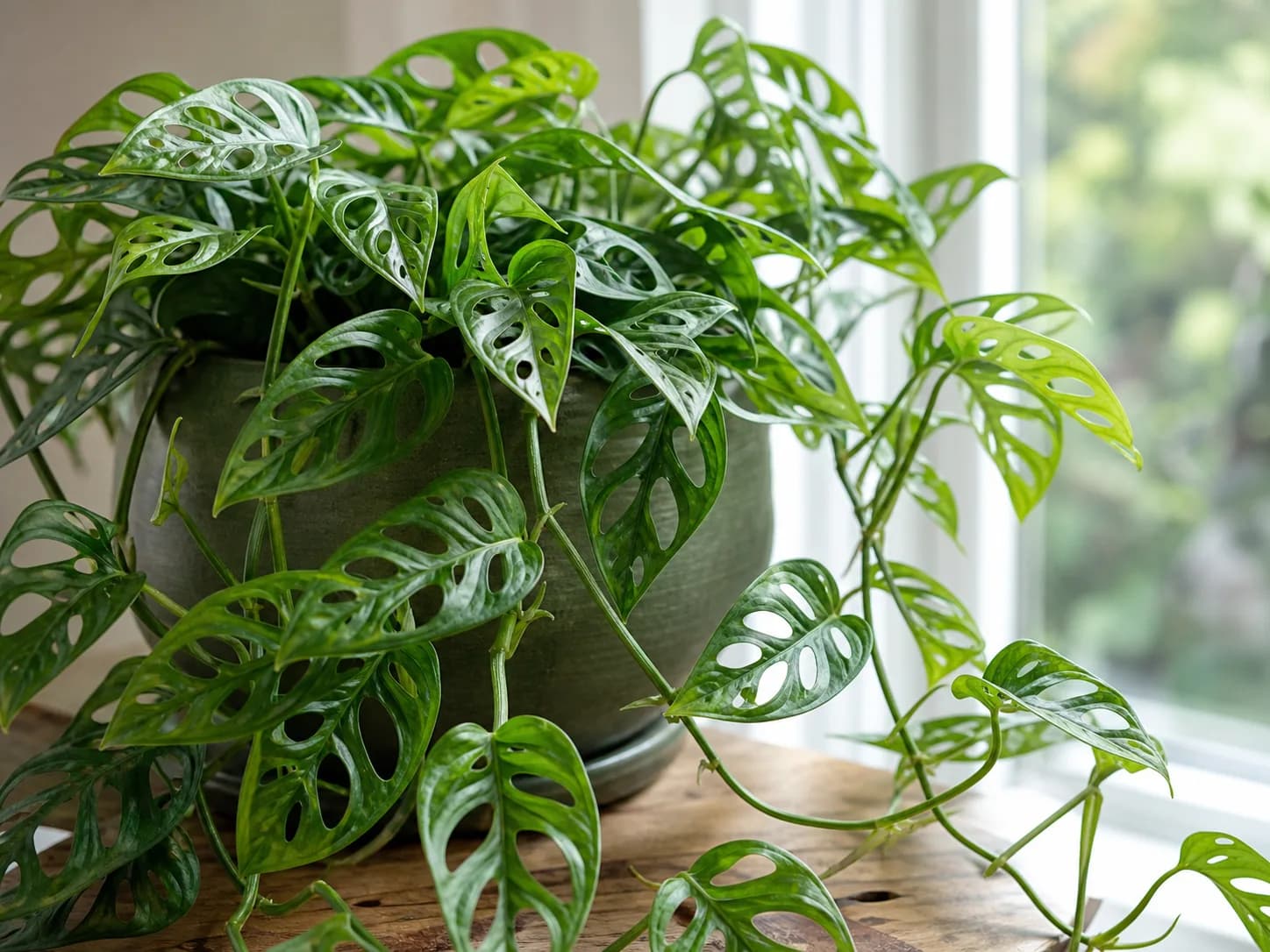
Monstera Deliciosa vs Monstera Adansonii
Same genus, two different plants, and Monstera Adansonii never grows up into Monstera Deliciosa. One is a big-leaf floor plant, the other a small-holed trailing vine, and the care is nearly the same for both.
arrow_forward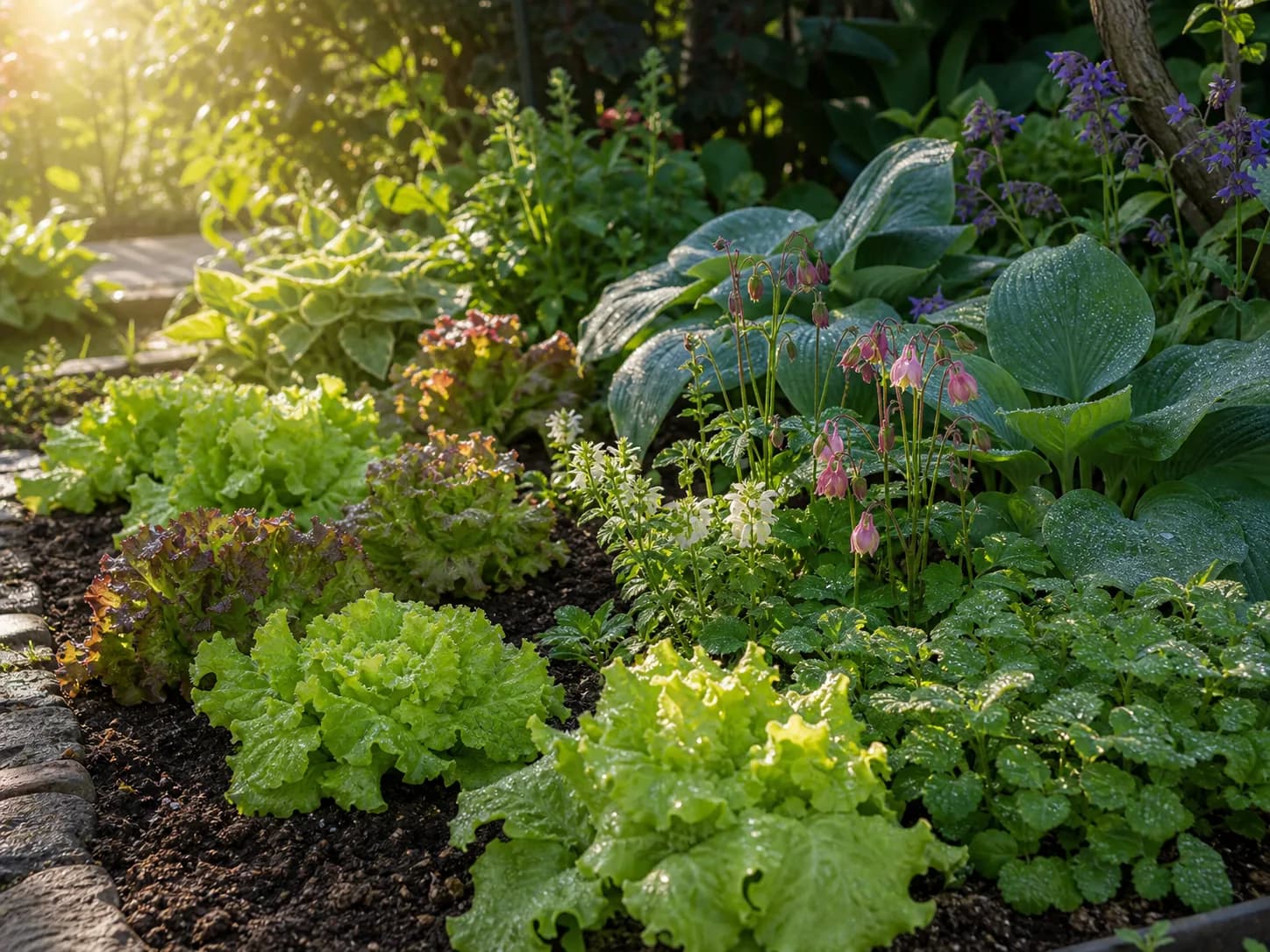
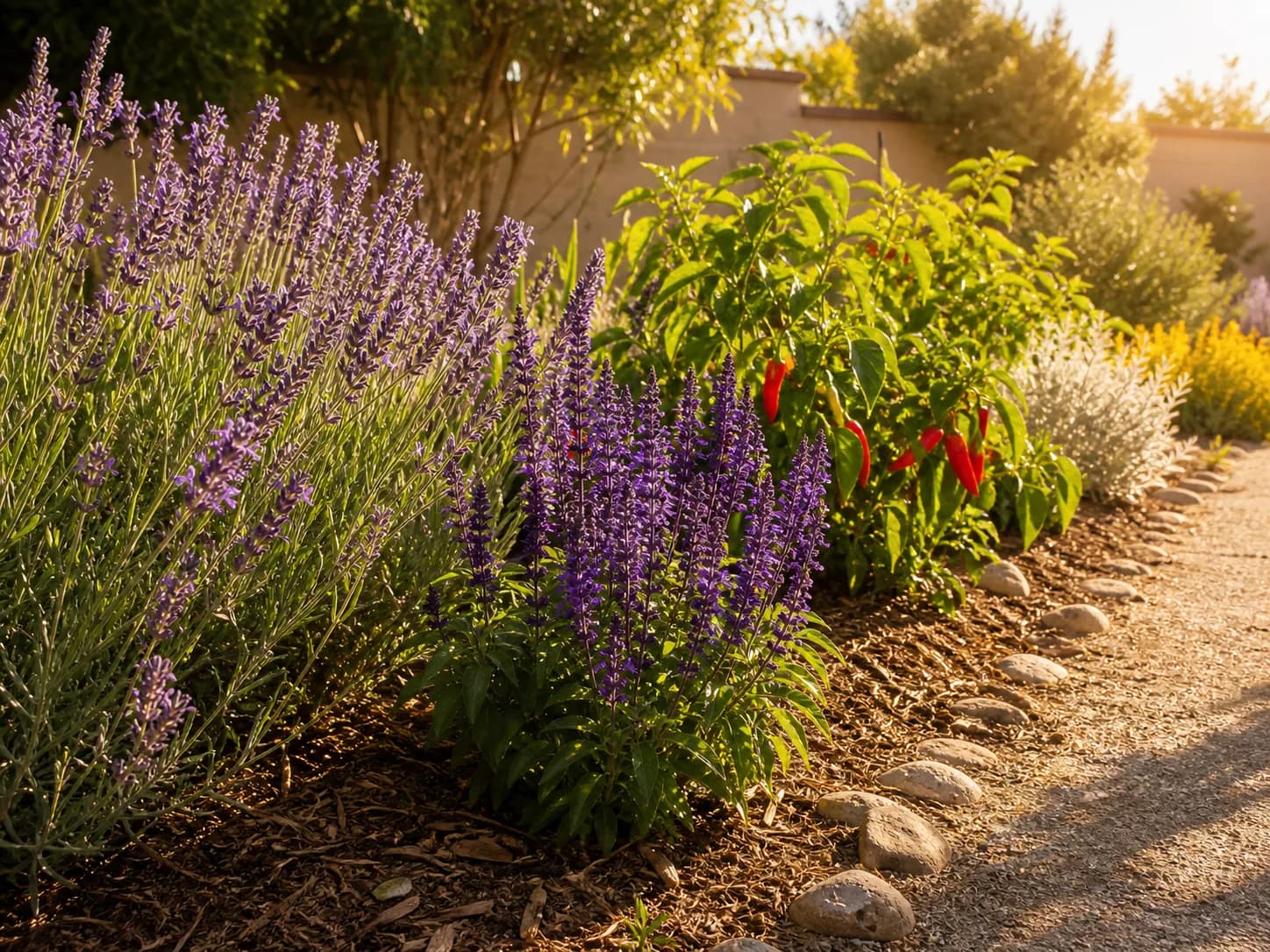
Morning Sun vs Afternoon Sun
Choose Morning Sun for gentler light, cooler containers, and safer exposure for tender foliage. Choose Afternoon Sun when heat-loving plants and heavier bloom demand stronger light even if the site dries faster.
arrow_forward
Mulch vs Compost
Choose Mulch for surface protection, weed suppression, and moisture control. Choose Compost when your main job is feeding the soil, improving structure, and rebuilding tired beds from the root zone up.
arrow_forward
Organic Fertilizer vs Synthetic Fertilizer
Choose Organic Fertilizer for slower nutrient release and better soil-building side benefits. Choose Synthetic Fertilizer when you need faster, more precise nutrient correction and you are willing to manage timing more tightly.
arrow_forward
Raised Bed vs In Ground
Choose Raised Bed for better soil control, faster spring warmup, and easier access. Choose In-Ground when you want more planting area, lower build cost, and deeper native-soil moisture without container-style drying.
arrow_forward
Sandy Soil vs Clay Soil
Choose Sandy Soil for faster drainage and easier root penetration. Choose Clay Soil when you need stronger water and nutrient holding and are willing to manage compaction and slower drainage.
arrow_forwardSod vs Seed
Choose Sod for instant cover, faster use, and better early erosion control. Choose Seed when you want lower upfront cost, broader species choice, and stronger long-term rooting if you can wait.
arrow_forwardTomato Roma vs San Marzano
Choose Roma for compact plants, simpler support, and concentrated preserving harvests. Choose San Marzano when sauce flavor matters most and you are willing to give taller plants more support and more season-long attention.
arrow_forwardsearch
Not sure which plant is right?
Use our Plant Finder to get personalized recommendations based on your zone, soil type, and growing conditions.
searchTry Plant Finder