
Plantingschedule11 min read
Low Maintenance Plants for Hands-Off Gardens
Choose genuinely low-maintenance plants for beds, containers, and tricky spots so your yard looks well tended, even when you’re short on time.
A garden that mostly runs itself starts with smart plant choice, not heroic weekend projects. Low maintenance never means zero work, but it does mean fewer chores and fewer emergencies.
Focus on plants that shrug off a missed watering, stand up to normal pests, and grow at a pace you can manage. You will see examples from zone 3 to zone 11, so you can match easy plants to your climate instead of forcing delicate types like fiddle leaf figs to behave outdoors.
Use this as a sorting guide: match light and zone first; group plants by water second; then keep the plants you can prune once or twice a year without resentment.
lightbulbWhat “Low Maintenance” Really Means
The label on the pot rarely tells the whole story. Low maintenance plants earn that name when they stay healthy with basic watering, minimal pruning, and no fussy winter protection.
Low maintenance usually means moderate growth, drought tolerance after establishment, and only seasonal pruning. A plant that grows fast enough to smother its neighbors or sulks whenever you miss a week of care is not really low effort.
Look for plants that grow at a steady pace, about like a hydrangea hedge, not rockets like vigorous bamboo or divas like tea roses. Growth you can trim once or twice a year is the ideal rhythm.
Low maintenance also means solid pest resistance. A plant that constantly attracts aphids or spider mites is high effort, even if it tolerates poor soil. Tough choices like snake plant clumps and ZZ plant foliage shrug off most indoor pests as long as you do not overwater.
Water needs matter more than anything; the less often you must drag a hose, the more a plant feels low maintenance. Seek tags that say "drought tolerant" after establishment, then confirm that with advice from your local nursery or zone guidance if you garden in heat.
- fiber_manual_recordKey traits: moderate growth, decent drought tolerance once rooted, no chronic pest issues
- fiber_manual_recordSkip these: constant deadheading annuals, thirsty lawn-only grasses, tropicals that hate your winters
- fiber_manual_recordGood bets: tough shrubs like boxwood hedges, hardy perennials like hosta, and clumping sedum drifts
That combination is what keeps a yard quiet through normal weather swings instead of turning every dry week into a rescue job.
If a plant needs weekly spraying, staking, or special winter wrapping, it is not low maintenance for a home garden.
wb_sunnyPick Tough Plants for Your Sun and Zone
The easiest plant becomes a problem if the light or climate is wrong. Start with your sun map and USDA zone, then pick from plants that like those exact conditions.
Full sun beds in zone 8 can handle heat-loving perennials like catmint mounds. A shaded corner in zone 4 is happier with hosta clumps and astilbe plumes. Matching light first saves more plants than any fertilizer.
Think about winter, too. A shrub that coasts in zone 9 might die back in zone 5 without protection. Evergreen structure from plants such as boxwood balls or arborvitae screens carries a yard visually when flowers are done.
Indoors, low-light rooms call for forgiving choices like Chinese evergreen. Snake Plant and trailing pothos vines also handle neglect far better than fussier foliage. Bright windows can handle sun-lovers like jade plant much better than a north-facing bedroom.
- fiber_manual_recordFull sun, dry: groundcover sedums, yarrow flowers, and grape vines on fences
- fiber_manual_recordPart shade: hydrangeas, azaleas, and coneflowers mixed together
- fiber_manual_recordDeep shade: hostas, ferns, and low shrubs like aucuba where grass fails
A simple light-and-zone match does more for easy care than any fertilizer schedule you add later.
A plant that thrives in your neighbor's yard is a better bet than a catalog photo from a different climate.
Guide — See AlsoFragrant Flowers for Every Yard and SeasonStep-by-step guide to choosing, placing, and caring for fragrant flowers so your yard smells good from spring through fa
chevron_rightwater_dropDesign Beds Around Water, Not Plant Type
Water is where low maintenance gardens succeed or fail. Group plants that like similar moisture so you can water whole areas at once and skip fiddly hand-watering of single divas.
High-need plants like bigleaf hydrangea or blueberry shrubs belong near a hose or drip line. Tough, dry-loving types such as sedum mats and lavender mounds can fill the outer edges that only get deep watering every week or two. Yarrow clumps fit there as well.
Containers are similar. Put thirsty herbs like potted basil and parsley together by the kitchen door. Keep drought-tolerant pots of upright rosemary or thyme in a separate cluster. Matching thirst levels keeps you from killing one plant while trying to save another.
Indoors, pick a few moisture-loving plants for one tray, such as peace lilies and calatheas. Keep dry-lovers like ZZ plant canes and air plants on another shelf. If you must remember four different watering schedules, the garden will never feel low maintenance.
- fiber_manual_recordOne hose zone: shrubs and perennials that all like weekly deep soaking
- fiber_manual_recordDry zone: succulents, Mediterranean herbs, and gravel beds that stay on rain alone once established
- fiber_manual_recordMoist corner: rain garden or downspout area planted with species that can handle wet feet
Grouping by water sounds basic, but it is usually the step that turns a scattered planting into a manageable routine.
Use a cheap timer and simple soaker hoses where you can. Automated deep watering is the closest thing to a self-care garden.
Email Updates
Join the KnowTheYard update list
Zone-specific advice, seasonal reminders, and new plant guides — no filler.
grassChoose Plants That Cover Ground and Block Weeds
Weed control is the hidden maintenance cost in most yards. Plants that knit together and shade the soil mean less bending, fewer mulching sessions, and less herbicide.
Low, spreading perennials like stonecrop sedum, catmint, and creeping thyme form dense mats that leave almost no space for weeds between stepping stones or along edges. Taller clumps of daylilies or black eyed Susans screen bare ground behind them so weeds struggle to get established.
Shrubs pull their weight too. A small hedge of boxwood along a fence can close gaps quickly. Spirea and ninebark do the same in looser plantings. Treat them as living edging you trim once or twice a year instead of weeding every weekend.
Indoors, hanging baskets of spider plant babies or cascading heartleaf philodendron act like living mulch over the soil in large shared planters, slowing evaporation and reducing how often you water.
- fiber_manual_recordFront-of-bed workers: shasta daisies, trailing verbena, and dwarf salvia to plug open gaps
- fiber_manual_recordGroundcovers: low sedums, short yarrow, fragrant thyme between pavers
- fiber_manual_recordShrub layers: alternating hydrangea mounds with azalea shrubs along the property line
That spacing strategy matters because once foliage closes over the soil, most weed pressure drops fast.
Leave only a few inches of open soil between plants in new beds. Wide gaps today turn into weed patches by midsummer.
Guide — See AlsoBlue Flowers: Plan Beds That Actually Look BlueLearn how to choose, place, and care for blue flowers so your beds read as blue in real life, not purple or gray, from z
chevron_rightspaPlant Once, Then Keep Care Simple
Low-maintenance gardening starts the day you plant, not the day you get tired of watering.
Put your toughest plants in the best spots, with the soil, mulch, and breathing room they need. Good prep feels dull, but it’s what saves you from spending every weekend catching up on chores.
Give perennials like daylily clumps and hosta mounds enough space to reach their mature width so you are not constantly dividing, cutting back, or yanking them out of walkways.
Set shrubs such as boxwood borders or spirea hedges at least half their future height away from paths and siding so trimming stays optional instead of mandatory.
Mulch is your most effective low‑effort tool. A 2–3 inch layer of shredded bark or compost over bare soil holds moisture and blocks weed seeds from sprouting.
Keep mulch a few inches away from trunks and stems to prevent rot. Think of a donut of mulch, not a volcano piled against the plant.
Automatic watering turns a “sometimes” gardener into a consistent one. Even a basic soaker hose on a timer can smooth out dry spells for beds of coneflower drifts and russian sage rows.
Group thirsty plants like hydrangea shrubs close to that soaker hose, and tuck drought lovers like sedum patches along the outer edges where they can dry faster.
Skipping mulch or irrigation planning usually means more weeds and more “emergency” watering than any plant choice mistake.
Get the support system right at planting, and the plant list becomes much more forgiving.
- fiber_manual_recordMulch depth: 2–3 inches over all exposed soil
- fiber_manual_recordClear stem zone: 2–4 inches mulch-free around trunks
- fiber_manual_recordSoaker hose run time: 30–45 minutes, 1–2 times weekly
- fiber_manual_recordShrub spacing: Half the mature height away from structures
calendar_monthSet a Light, Realistic Care Schedule
The lowest‑stress gardens run on habits, not guesses. A simple monthly check is enough for most tough beds once plants are established.
Tie your garden checks to something you already do, like mowing, taking out the trash, or walking the dog, so you follow through.
During that quick walk, scan foliage on workhorses like Knock Out roses, catmint borders, and black eyed susan clumps for holes, discoloration, or wilting.
Pinch off any dead blooms on repeat performers such as salvia spikes or aster clumps so they keep flowering without a big deadheading session.
Many low maintenance plants barely need fertilizer once they are settled. Overfeeding shrubs like arborvitae screens or holly hedges just creates soft growth that breaks in storms.
If you want to feed, follow zone timing from a solid guide on fertilizing shrubs by season instead of throwing down random products.
Pruning can also be a quick touch‑up. A yearly clip on crepe myrtle trunks or spirea mounds after bloom is usually enough to keep shape tidy.
Use the calendar in a pruning guide like prune shrubs by season so you are not cutting off next year’s flowers by mistake.
The less often you disturb tough plants, the better they usually look.
- fiber_manual_recordMonthly: Walk the yard, spot‑water, remove obvious dead stems
- fiber_manual_recordSpring: Check mulch depth, cut back winter‑killed growth
- fiber_manual_recordMidseason: Light deadheading on long bloomers
- fiber_manual_recordLate fall: Remove diseased debris, leave healthy seedheads
Guide — See AlsoBest Low-Light PlantsChoose and care for resilient, low-light houseplants for north-facing rooms, bathrooms, and shaded corners. Practical pl
chevron_rightthermostatSeasonal Timing So Plants Fend for Themselves
Low maintenance plants still care about timing. Put them in the ground at the wrong moment and you sign up for weeks of rescue watering.
Cool‑season planting is your friend. In zones 3–6, early fall is often the easiest time to install new shrubs and perennials.
Soil is still warm for roots, but sun is softer. Plants like spirea, astilbe, and boxwood can focus on rooting instead of trying to flower and survive heat.
In zones 7–11, early spring and very late fall are usually safer. Hotter zones beat up new plantings of hydrangea, azalea, or camellia shrubs if you plant them into rising summer temperatures.
Bulbs are classic low effort color if you plant them at the right time. Spring bulbs like daffodils and tulips go in during cool fall soil, about 6–8 weeks before deep freeze.
Summer bulbs such as lilies and elephant ears prefer spring soil that has warmed to at least the high 50s.
Annuals can be low maintenance if they like the season. Tough choices like lantana mounds and verbena trailers handle heat once nights stay above 55–60°F.
Cold‑tolerant options like peony borders and bleeding heart clumps need that winter chill in cooler zones, so check where they fit on a zone chart before buying.
This is one of the easiest wins in low-maintenance gardening because good timing cuts weeks of rescue work.
For shrubs and trees, avoid planting in the hottest six weeks of the year in your area, even if the nursery is running big sales.
quizTroubleshooting Without Turning Into a Full‑Time Gardener
Even sturdy plants complain once in a while. The key is spotting true problems early so you fix them fast, then go back to ignoring the bed.
Start by learning what "normal" looks like for your anchors. Drooping new leaves on a hydrangea shrub on a hot afternoon can be normal, while brown tips on a snake plant clump indoors need attention.
Houseplants you consider "set and forget" still show warning signs. If foliage on pothos vines yellows from the base, use a guide on pothos yellow leaves to decide if it is overwatering or age.
If your ZZ plant starts dropping yellow leaflets, skim a problem page on why ZZ foliage yellows before you toss it. Often the fix is just backing off water or light.
Outdoor plants also have quick tells. Powdery spots on phlox clusters hint at mildew. Chewed new growth on hosta leaves screams slugs or rabbits.
Pests indoors are different but still manageable without daily effort. If you see tiny flying bugs in potting soil, use a targeted guide on get rid of fungus gnats instead of random sprays.
Spider mites love dry, dusty leaves. Check undersides of fiddle leaf figs, rubber plant trees, and peace lily foliage if you notice stippling.
Cleaning leaves once a month and following a focused method like treat spider mites on houseplants keeps most low maintenance indoor plants on autopilot.
- fiber_manual_recordMonthly check: Look at new leaves, soil surface, and stems
- fiber_manual_recordCatch pests early: Sticky residue, webbing, or distorted growth
- fiber_manual_recordAdjust water: Wilting with wet soil means cut back
- fiber_manual_recordKnow your exits: Some plants decline fast, so it is fine to replace
Guide — See AlsoHow to Grow Watermelon for Sweet Summer FruitPlant, train, and care for watermelons from seed to harvest. This guide covers soil prep, spacing, watering, pollination
chevron_righttips_and_updatesEasy Upgrades Once The Garden Is Established
After a year or two, your toughest plants are carrying most of the load. This is the moment when small adjustments give you more color and less work, without tearing everything out.
Start by trading high‑care spots for tougher choices. If a fussy rose bush always needs spraying, swap it for Knock Out roses or shrub roses you can pick up at local nurseries.
Where grass refuses to grow, stop reseeding and think ground covers. Spreading plants like yarrow mats, catmint, or low sedum can turn bare lawn into a durable planting in those stubborn areas.
In deep shade where turf never takes, pull out the problem patches and plant beds of hostas, astilbe plumes, or a broad sweep of shade ferns suited to your region.
Containers can fit a low‑maintenance plan as well. Rely on easy indoor‑outdoor choices like lavender pots, patio rosemary, and bay laurel that tolerate a bit of neglect.
Indoors, use the same approach. Choose tough plants such as snake plants, ZZ plants, spider plants, and Chinese evergreen from the houseplant category.
If you care about air cleaning claims, ignore gimmicks and choose from solid lists of air purifying plants that also match your light conditions.
The quickest way to lower maintenance is to replace your neediest plants first, not redo the whole yard.
- fiber_manual_recordSwap divas: Replace disease‑prone shrubs with disease‑resistant varieties
- fiber_manual_recordFill gaps: Use spreading perennials instead of more lawn repair
- fiber_manual_recordUpgrade pots: Self‑watering containers buy you extra days between watering
- fiber_manual_recordStay honest: If a plant still annoys you after two seasons, compost it
tips_and_updates
Pro Tips
- check_circleStart with one low maintenance bed or corner instead of redoing the whole yard at once.
- check_circleCopy plant combos that look good in nearby yards, since they already work in your zone and soil.
- check_circleUse at least 2 to 3 inches of mulch between young plants to smother weed seeds while they fill in.
- check_circleFavor shrubs and perennials over annuals if you want to avoid replanting every spring.
- check_circleChoose deep, wide containers so potting mix stays moist longer and roots tolerate missed waterings.
- check_circleCheck light in tricky spots a few times a day before planting to avoid putting sun lovers in shade.
- check_circlePlant in fall in most zones so roots establish in cool weather, which reduces watering chores next summer.
quiz
Frequently Asked Questions
What are some truly low maintenance plants for beginners?expand_more
Outdoors, look at coneflower, daylily, catmint, yarrow, spirea, and boxwood, matched to your zone. Indoors, snake plant, pothos, ZZ plant, spider plant, and Chinese evergreen handle missed waterings and imperfect light well.
How long does it take a low maintenance garden to "settle in"?expand_more
Plan on one growing season of a little extra watering and weeding. By year two, well‑spaced shrubs and perennials usually knit together, shade the soil, and demand far less time than annual flower beds or high‑care roses.
Do low maintenance plants still need fertilizer?expand_more
Most tough shrubs and perennials only need light feeding, if any, once established. A spring layer of compost plus targeted feeding using a timing guide for trees and shrubs is plenty, instead of frequent high‑nitrogen fertilizers.
Can I have low maintenance plants in containers?expand_more
Yes, but pots always need more water than in‑ground beds. Choose large containers with drainage, potting mix that holds moisture, and sturdy plants like rosemary, sedum, dwarf evergreens, and snake plants. Consider self‑watering pots for vacations.
Are native plants always the lowest maintenance choice?expand_more
Native plants often need less water and fertilizer once established, but they still need the right light and soil. Some can spread aggressively. Read up on each species instead of assuming all natives will behave politely in small yards.
menu_book
Sources & References
- 1.University of Minnesota Extension, Selecting low-maintenance perennialsopen_in_new
- 2.Colorado State University Extension, Xeriscaping: Creative Landscaping with Less Wateropen_in_new
- 3.Missouri Botanical Garden, Sustainable Landscaping Practicesopen_in_new
- 4.Penn State Extension, Perennials for Pennsylvaniaopen_in_new
Related Guides

Air Purifying Plants for Cleaner Indoor Air
Learn how to pick, place, and care for air purifying plants so they help your indoor air instead of just looking pretty.
11 min read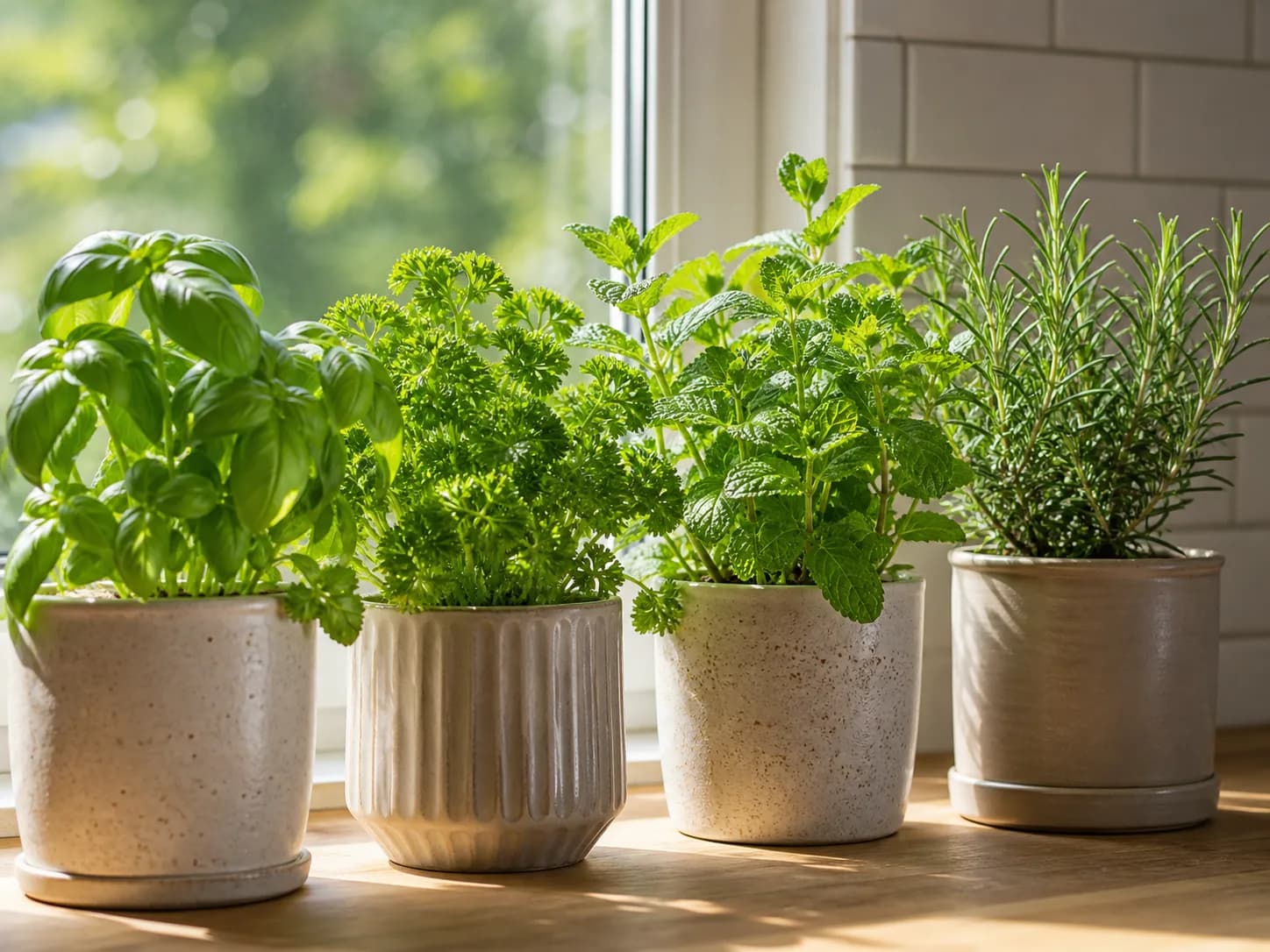
Best Herbs to Grow Indoors for Real Harvests, Not Spindly Pots
Choose indoor herbs that can actually produce in your light, temperature, and container setup, then match each one to the right harvest rhythm and watering style.
10 min read
Best Indoor Plants for Every Room and Light Level
A practical guide to choosing the best indoor plants for your home, covering beginner-friendly picks, low light champions, bright light lovers, watering basics, and how to avoid the most common mistakes.
13 min read