verifiedSource Reviewed
Wandering Jew (Tradescantia zebrina) Houseplant Guide
Tradescantia zebrina
Family: Commelinaceae
wb_sunnyLight
Bright indirect, tolerates some morning sun
water_dropWater
Moderate, keep top inch just barely moist
heightHeight
Trails 12–24 inches from pot edge
publicZone
Zone 10–12 outdoors, houseplant elsewhere

Native Region
Mexico and Central America
restart_altTreat Fast Growth as a Renewal Cycle
Speed is the feature and the problem. Wandering Jew can make colorful trails quickly, then age into bare stems just as quickly.
The best routine accepts that this plant is meant to be cut, rooted, and refreshed; trying to preserve every old vine is how the pot turns sparse.
That renewal cycle is why the plant can look amazing for a few months and then suddenly look tired. It is not always a care failure; the oldest sections naturally lose lower leaves as new tips race ahead.
The practical goal is to keep the youngest, brightest growth close to the pot. Once color lives only at the ends, the plant needs cuttings more than sympathy.
lightbulbThink replace, not rescue
A full pot often comes from restarting fresh tips in the crown, not from saving old bare stems.
That separates it from Tradescantia Nanouk, where thicker pastel leaves and brittle stems change the pruning feel.
paletteChoose Color by the Window You Have
Purple and silver stripes need bright light to stay bold. In lower light, the plant may still grow, but the color dulls and the spaces between leaves stretch.
Best colorBright indirect light with some gentle morning sun
Best basketSeveral rooted tips in the crown, not one long old vine
Skip this potBare crown, mushy stems, or faded green growth in wet soil
Silver stripes are easier to keep than deep purple undersides in weak rooms. If the room is medium-light, choose the densest pot instead of the darkest leaf color.
Inspect the stems at soil level. A pot can look full from above while the actual crown is a tangle of old brown joints.
For room planning, best indoor plants by room helps separate bright-trailing color plants from true low-light survivors.
Buy the pot that already looks dense at soil level. Long dramatic trails can hide a weak crown.
Plant Problem — See AlsoWandering Jew - Faded LeavesPractical troubleshooting for Tradescantia zebrina with pale, desaturated, or dull leaves. Focuses on assessing light, w
chevron_rightwb_sunnyPut Light on the Crown, Not Just the Trails
The crown needs the brightest safe light. Aim for bright indirect light with gentle morning sun if the leaves do not bleach.
A hanging basket often fails because the trailing ends get window light while the top sits in shade. That creates color at the ends and bare stems at the pot rim.
A shelf directly beside a bright window often works better than a high hook above it, because the pot rim still sees light.
A good placement lights the top of the basket and the first few inches of trailing stem. That is the zone that decides whether the pot stays full.
If summer sun bleaches leaves, move the plant back by inches, not across the room. The plant still wants brightness; it just needs softer direct exposure.
- check_circleBold purple stripes: light is close.
- check_circleGreen stretched growth: move brighter.
- check_circleBleached dry patches: filter direct sun.
If you want a bright trailing vine that handles lower light better, Golden Pothos is the easier choice.
Email Updates
Join the KnowTheYard update list
Zone-specific advice, seasonal reminders, and new plant guides — no filler.
water_dropKeep Stems Firm, Not Constantly Wet
Water when the top inch starts to dry. The plant likes more moisture than a succulent, but soft stems rot when the pot stays wet.
Firm stems and slightly dry surface soil are fine. Mushy lower stems mean the crown stayed wet too long.
Use stem firmness as the fast check. A thirsty plant has flexible but intact stems, while an overwatered crown feels weak, dark, or slippery near the soil.
Bottom watering can help a dry root ball rehydrate, but do not leave the pot sitting for long. Once the mix is evenly moist, drain it and let the crown breathe.
warningDo not water a bare crown into fullness
If the top is already sparse, water will not rebuild it. Cut healthy tips and root them back into the pot.
The houseplant watering frequency guide gives the broader rhythm, but this plant needs stem-firmness checks.
Guide — See AlsoAir Purifying Plants for Cleaner Indoor AirLearn how to pick, place, and care for air purifying plants so they help your indoor air instead of just looking pretty.
chevron_right
potted_plantUse a Small Pot That Refreshes Easily
A modest pot works better than a deep decorative container. Shallow roots and fast cuttings do not need a large wet soil mass.
Use regular indoor mix with extra perlite. You want enough moisture for quick growth and enough air that cut stems do not rot at the crown.
Leave a little open surface at the rim for future cuttings. A pot filled to the brim with old stems gives you nowhere to pin new growth when the refresh time comes.
Best refresh potShallow, wide, drainage hole, room to pin tips
Best display potHanging basket with light reaching the crown
Worst setupDeep wet pot with one old ropey plant in the middle
Use the first table to choose the pot, then use the next one when you are planning the next refresh instead of just repotting old stems.
Good setupDrainage hole, small pot, airy indoor mix
Refresh setupRoom at the top to pin new cuttings
Bad setupOversized pot with old woody vines and wet lower soil
content_cutRoot Tips Back Into the Same Pot
Cuttings root so easily that propagation should be part of normal care. Use healthy tips to refill the crown before the plant looks tired.
Cut below a node, remove the lower leaves, and root in water or directly in moist mix. Several short cuttings make a better pot than one long strand.
Direct sticking works well when the room is warm and bright. Put several cuttings around the bare rim, then keep the surface lightly moist until new leaves stand up.
Water rooting gives you a visual check, but move cuttings before roots become long threads. Short roots adapt to potting mix with less breakage.
Change the water if it clouds, or move cuttings into mix once roots are short and white. Long water roots snap easily during potting.
- 1Cut 3-5 inch tips.
- 2Remove leaves from the lower node.
- 3Root in water or tuck into moist mix.
- 4Pin cuttings near the bare crown.
- 5Trim old ropes after new growth starts.
For a similar fast-rooting trailing plant with a different color pattern, Philodendron Brasil is a useful comparison.
Guide — See AlsoBest Herbs to Grow Indoors for Real Harvests, Not Spindly PotsChoose indoor herbs that can actually produce in your light, temperature, and container setup, then match each one to th
chevron_rightbug_reportLeggy Growth Is Usually Not a Pest
Long bare stems usually come from age and weak crown light, not insects. Check light and renewal timing before spraying.
Aphids and mites can still appear on tender new tips. Look for sticky residue, distorted new leaves, or fine speckling.
Do the tug test on a few bare stems. If they are rooted and firm, the plant is old or light-starved; if they slip out soft, crown rot is part of the problem.
Pest checks should focus on new tips because that is where aphids and mites distort the next leaves. Old lower leaves may look rough simply because they are aging out.
infoDiagnose the habit first
If the plant is colorful at the ends but empty at the top, prune and reroot. If new tips are twisted or sticky, inspect for pests.
The leggy growth problem page is the right repair path when the crown has already gone bare.
- check_circleBare crown: restart cuttings.
- check_circleSticky new tips: inspect for aphids.
- check_circleSpeckled leaves: check for mites.
calendar_monthRefresh Hard in Warm Growth
Spring and summer are the best seasons for a hard refresh. Cut the best tips, root them back into the pot, and remove old ropes once new growth starts.
Winter growth is weaker and greener. Keep the plant bright, water more carefully, and do light trims instead of stripping the whole pot.
A heavy spring refresh can replace most of the pot in one go. Keep the best colored tips, discard old woody ropes, and make the new crown intentionally full.
In winter, take smaller insurance cuttings if the plant is declining. A few rooted tips under better light can save the color while the parent plant thins.
Light feeding from indoor plant fertilizer can support a fresh crown, but fertilizer cannot fix shade-stretched vines.
If you want a monthly reminder rhythm, indoor plant care calendar helps, but the crown density should make the final call.
lightbulbUse the season for the job
Warm months rebuild the pot. Low-light months protect the stems you already have.
petsSap, Skin, Pets, and Outdoor Spread
Tradescantia sap can bother sensitive skin, and the plant is not a good chew target for pets.
Wear gloves if you react to plant sap, especially during a big refresh with many cuts. Wash hands before touching eyes or face.
If the plant spends summer outside, keep it in a container. Loose stem pieces root easily in warm, moist beds and can become cleanup work later.
For a pet-safer trailing plant, Spider Plant usually fits homes better.
eco
Keep Exploring
Related Plants
 Houseplants
Croton
Croton is a color-first houseplant. Bright light, warmth, and steady moisture keep the leaf pattern strong; sudden changes cause most indoor leaf drop.
 Houseplants
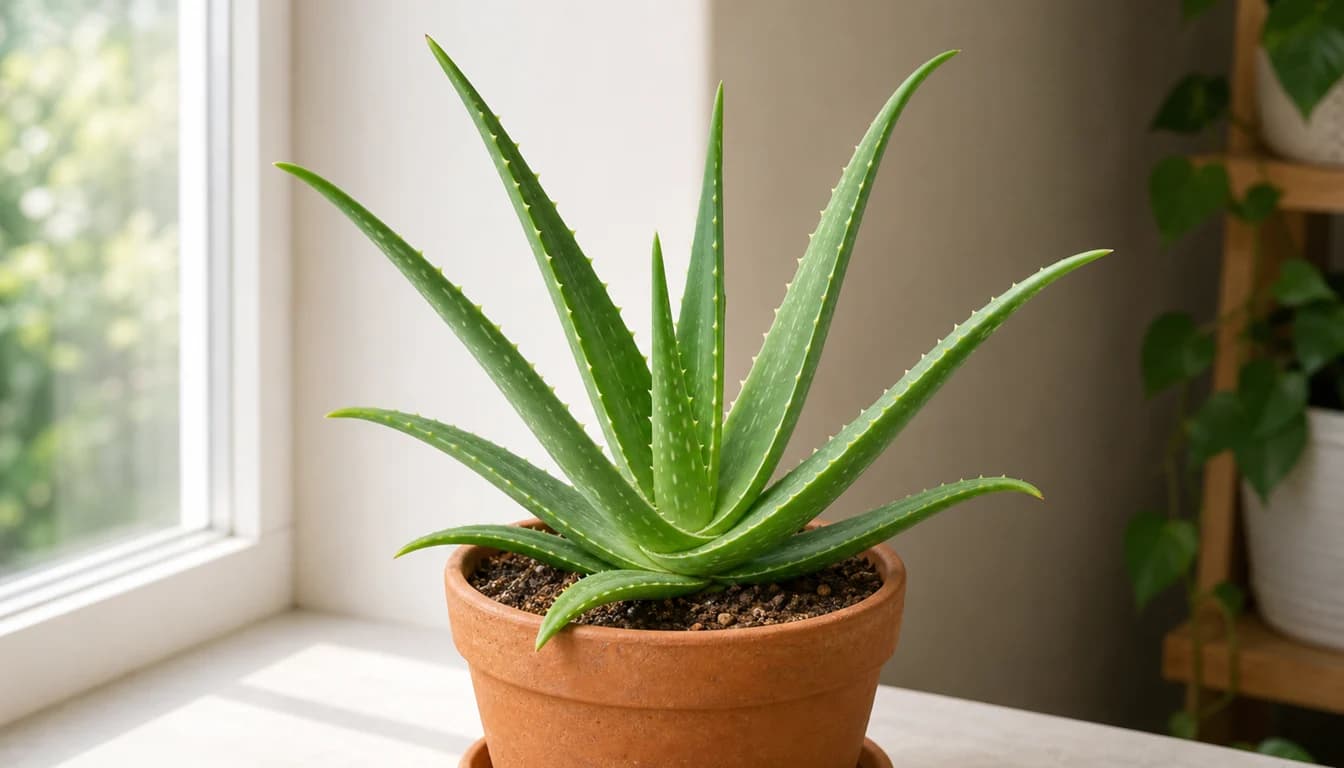
Aloe Vera
Aloe vera stores water in its thick, gel-filled leaves and can survive weeks without attention — which makes overwatering the fastest way to kill it. Give it a
 Houseplants
Monstera Adansonii
Monstera adansonii is the small Swiss cheese vine with real holes in the leaves. Decide whether you want it to trail or climb first; that choice changes lig
quiz
Frequently Asked Questions
Why is my Wandering Jew getting leggy?expand_more
The crown is aging or sitting in weak light. Cut healthy tips and root them back into the pot.
How much light keeps the purple color?expand_more
Bright indirect light with gentle morning sun keeps the stripes bold. Low light makes growth greener and longer.
Can I root cuttings in water?expand_more
Yes. Cut below a node, remove lower leaves, and pot several rooted tips together for fullness.
Should I save old bare vines?expand_more
Usually no. Fresh rooted tips make a better plant than old ropes with leaves only at the ends.
Is Wandering Jew pet safe?expand_more
Keep it away from chewing pets. The sap and foliage can irritate some animals.
menu_book
Sources & References
- 1.University of Florida IFAS Extension – Tradescantia zebrinaopen_in_new
- 2.Missouri Botanical Garden – Tradescantia zebrina Plant Finderopen_in_new
- 3.Royal Horticultural Society – Tradescantia Growing Guideopen_in_new
- 4.University of Florida IFAS Extension, Tradescantia zebrina as a houseplantopen_in_new
- 5.Missouri Botanical Garden, Tradescantia zebrina Plant Finderopen_in_new
- 6.ASPCA, Tradescantia species toxicity to petsopen_in_new
- 7.NC State Extension, Tradescantia zebrina plant profileopen_in_new