
Wateringschedule11 min read
Is It Bad to Water Plants at Night? What Actually Matters
Wondering if it is bad to water plants at night? We break down when evening watering is fine, when it causes disease, and how to time watering for lawns, gardens, and houseplants.
Nighttime watering has a bad reputation, but the truth is more nuanced. What matters most is how fast the leaves and top layer of soil dry, not the clock on the wall.
We will sort out lawns, beds, and houseplants so you know when evening watering is safe, when it drives disease, and how to adjust by season. If you already follow deep watering habits, some night watering is less risky than you might think.
water_dropWhat Actually Makes Night Watering Risky
The real problem is wet foliage that stays cool and damp for hours. That combination invites leaf spots, mildew, and slugs, especially in dense plantings.
Soaking the root zone without drenching the leaves is far safer, even after sunset. A slow hose at the base of a tomato vine behaves very differently than a sprinkler soaking your entire vegetable bed.
Disease risk goes up when nights are humid and still, and when leaves touch each other. Tight clumps of hosta and peony clumps trap moisture around foliage that cannot dry. Bushy rose shrubs do the same thing.
The combination of wet leaves and poor air flow is more dangerous than the time of day. If you water at night, focus on soil, spacing, and airflow, not just the clock.
If your plants already battle powdery mildew or black spot, avoid wetting leaves within three hours of sunset.
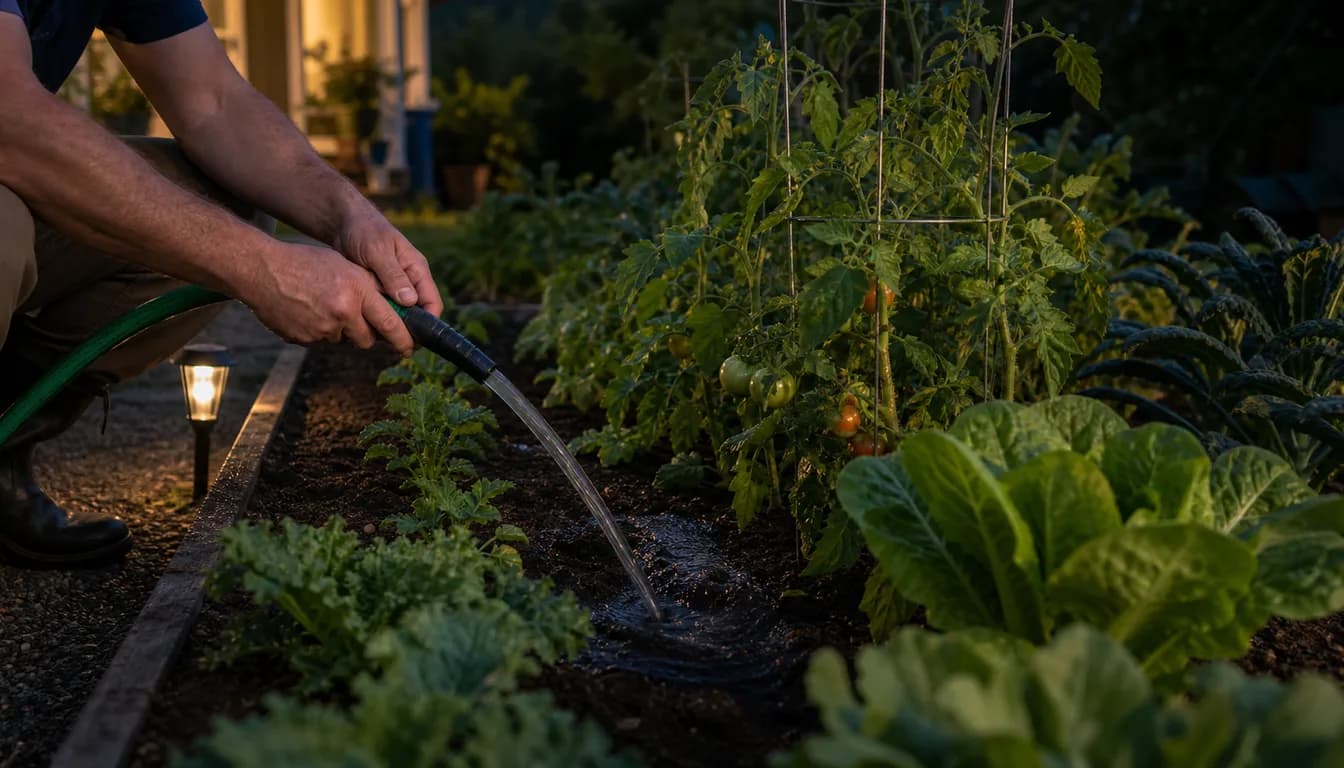
Keeping the stream at soil level reduces disease risk from night watering.
scheduleBest Time To Water: Morning, Evening, Or Night?
Early morning is still the gold standard for almost everything outside. Water can soak in before mid-day heat, and leaves dry quickly as the sun comes up.
On a busy weekday, evening is often the only realistic window. If you water two or three hours before dark, leaves on hydrangea shrubs and hosta clumps usually dry enough to avoid problems.
Lawns are touchier. Standing moisture at night encourages fungal diseases in cool season turf. Warm season bermuda grass lawns run into the same problem. Aim for very early morning if you can, especially in humid zones 6–9.
Houseplants care more about consistency and drainage than the clock. A well drained pot for snake plant foliage handles a late watering better than a pot without a single drainage hole. ZZ roots usually do too.
If you must pick between watering at night or not watering at all during a heat wave, give the plants water. Stress from drought is usually worse than an occasional late soaking.
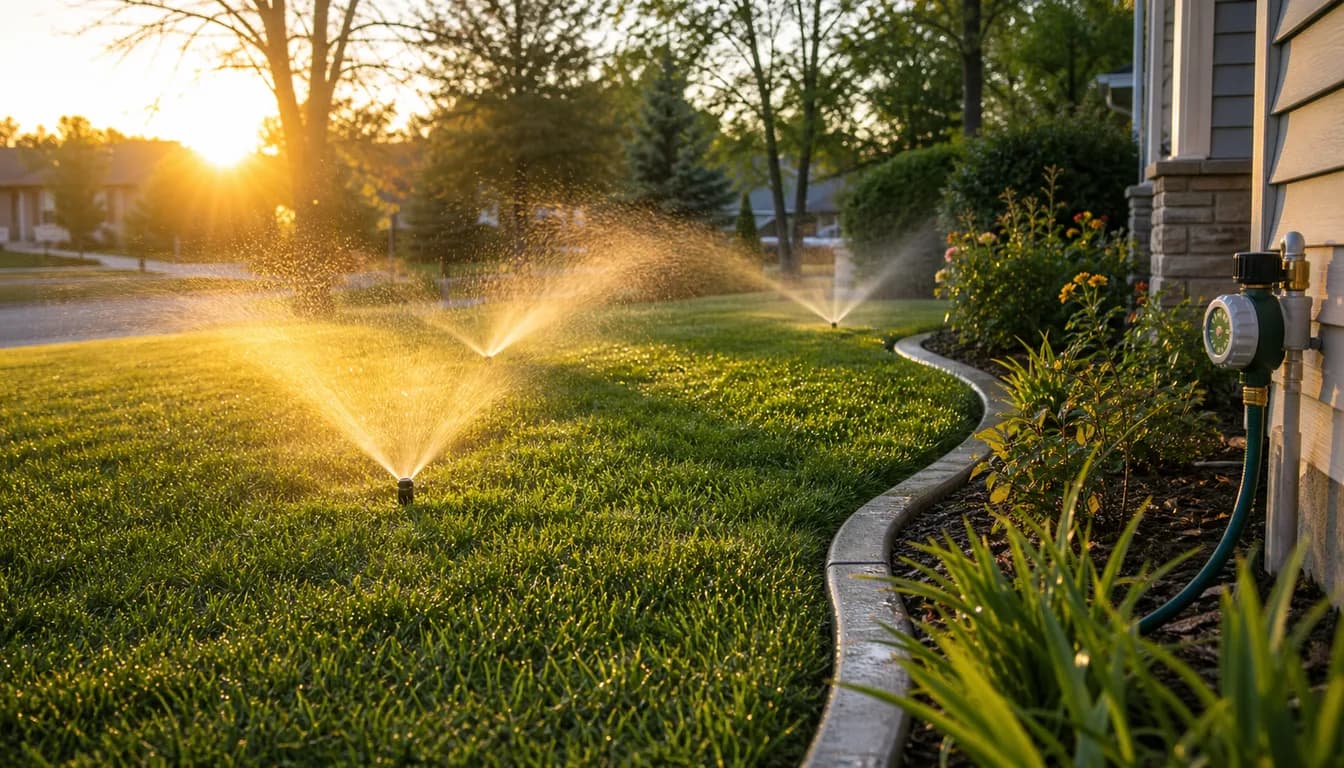
Aim sprinklers for early morning so grass blades dry quickly after watering.
Guide — See AlsoSigns of Overwatering Plants and How to Catch Them EarlyLearn the real signs of overwatering plants, how they differ from underwatering, and simple checks you can use to fix yo
chevron_rightpotted_plantNight Watering Indoors: Houseplants And Succulents
Indoor conditions blur the clock issue even more. Inside, wind is low, but so is direct sun, so moisture dries slower year round.
The key is checking soil moisture, not following a schedule. Pots for peace lily foliage often dry faster in bright windows than pots sitting several feet back. Monstera leaves in the same light usually show it too.
Succulents and cacti store water, so their roots hate staying cold and wet. Keep soil almost completely dry between soakings, and treat night watering as a last resort unless the room stays warm.
Night watering is less risky indoors if you avoid crowded trays and decorative cachepots that trap runoff. Standing water at the bottom of a cover pot will rot roots on a snake plant clump or aloe vera rosette.
Always empty saucers and cachepots within 15 minutes. Extra water sitting at the bottom is a much bigger problem than the time of day you watered.
Email Updates
Join the KnowTheYard update list
Zone-specific advice, seasonal reminders, and new plant guides — no filler.
yardNight Watering Outdoors: Lawns, Veggies, And Beds
Outside, air can be humid, still, windy, or bone dry, depending on your region. That is why neighbors in zone 5 and zone 10 have different experiences with night watering.
Vegetable beds often have plants packed close together. Leaves from tomato vines and pepper plants overlap, trapping moisture. Basil rows crowd just as quickly. If you water late, use a soaker hose or drip line at soil level.
Flower beds with mildew prone plants, such as garden phlox or coneflower clumps, also prefer dry foliage overnight. A watering wand set to gentle shower, directed at the mulch, is safer than an overhead sprinkler.
For lawns, a timer is your friend. Use seasonal lawn timing as a guardrail, and run sprinklers just before dawn. If your only option is 9 p.m., keep runtimes shorter and less frequent.
If your soil drains well and you water deeply but infrequently, even occasional evening sessions are usually fine for established plants.
Guide — See AlsoHow Much to Water Plants Without GuessingLearn how much to water indoor and outdoor plants using soil checks, pot size, and weather instead of random schedules.
chevron_rightthermostatHow To Recover Plants After Late Watering
The night you water is not usually when damage shows up. Problems appear over the next few days as soil stays soggy and leaves stay wet.
The morning after a late watering, walk the beds and containers before work. Press a finger or moisture meter into the root zone so you know how wet things really are.
If soil feels heavy and sticky around vegetables like tomato vines, skip watering completely for a day or two. Let the top 1–2 inches dry before you even think about adding more water.
Container plants are easier to adjust. Tilt pots of petunia baskets or herbs like potted rosemary slightly to drain any excess from saucers, then dump that water so roots are not sitting in it.
For lawns, pay attention to footprint marks. If your steps linger in bluegrass turf the next afternoon, the soil stayed too wet after the night soak and you should reduce the next irrigation cycle.
Yellowing new leaves on plants such as hydrangea shrubs or peace lily clumps can signal roots are suffocating. That is when you shift from “wait and see” to active recovery work.
If leaves wilt and soil is wet, assume overwatering, not drought, and correct your schedule immediately.
On small houseplants like snake plant offsets, tip the pot sideways and gently squeeze the nursery soil. If water runs out freely, leave it alone in bright light with no tray underneath.
Outdoor containers with saucers under 12 inches wide can be repotted into a fresh, chunkier mix if they stay soggy for days. That quick reset often saves annuals and herbs after a few too many late soakings.
For raised beds with heavy soil, poke 6–8 inch deep holes with a skinny stake between rows of beans or peppers. Those holes act like mini air shafts so roots dry faster.
In beds around shrubs like boxwood hedges, pull back mulch in a 6–8 inch ring from the stems. Exposed soil dries faster, which helps roots catch their breath after a bad watering night.
calendar_monthSeasonal Timing: Night Watering In Heat And Cold
Summer heat changes how risky night watering is. Warm evenings in zones 8–11 dry foliage faster than cool coastal springs, so there is a bit more forgiveness.
In muggy climates or near ponds, humidity stays high all night. That is when wet leaves on rose canes or tomato foliage are most likely to pick up disease; evening or dawn is safer than full dark.
Cool nights in zone 5 or zone 6 keep soil damp for a long time. Night watering right before a cold front encourages rot in crops like lettuce beds, which already prefer steady but not saturated moisture. Spinach rows react the same way.
In peak summer, letting drip lines run at night on drought tolerant shrubs such as arborvitae screens is usually fine. Crepe myrtle trees handle that pattern too. Their deeper roots use that moisture quickly.
Fall is where many of us slip. We keep summer schedules while days shorten. Night watering in October on perennials like aster clumps or daylily fans often leaves cold, wet crowns that rot instead of hardening off.
If nights stay below 50°F and days stay cool, avoid heavy night watering on anything that dislikes cold, wet feet.
In winter, container evergreens in zone 7 patios, such as potted boxwood or holly cones, can be watered on mild evenings when soil is not frozen. The key is using small amounts that soak in before frost returns.
Spring seedlings are more sensitive than mature plants. A tray of broccoli starts kept soggy and cold overnight is almost guaranteed to damp off. Marigold flats are just as vulnerable.
Give them a moderate drink earlier in the afternoon, then protect them from chill and wind as they adjust outdoors.
Guide — See AlsoHow Often to Water a Vegetable Garden by Season and SoilLearn how often to water a vegetable garden by reading your soil, watching the weather, and knowing what each crop needs
chevron_rightlocal_floristAdjusting Watering For Different Plant Types At Night
Some plants shrug off nightlife watering. Others punish you fast if their roots or leaves stay wet in the dark.
Thick cuticle leaves on camellia shrubs shed water quickly, so a spray late in the day is rarely an issue if air is moving. Glossy rubber plant foliage behaves the same way.
Fine-textured foliage like boston fern fronds or fuzzy tomato leaves holds droplets along every leaflet. If those stay wet overnight in a still hallway or sheltered bed, fungus finds a home.
Cacti and succulents, including indoor jade plant pots, hate sitting in cool, wet mix. Trailing string of pearls baskets do too. Only water them at night if the soil is bone dry and the room is warm.
Succulents are slow to complain, but root rot from repeated night watering is almost always fatal.
Tropical houseplants such as monstera vines, heartleaf philodendron, and pothos trails are more forgiving. Their native habitats have warm nights and frequent showers.
Even then, drain saucers and avoid wetting the crown on plants like peace lily clumps that naturally grow in humus-rich, well-drained soil.
Cool-season veggies, including pea vines and lettuce rows, want consistent moisture but not puddles. A light soak in the evening can be fine if your soil drains and you avoid blasting the foliage.
For woody plants such as apple trees or azalea borders, night watering with drip or a soaker hose is usually safe. Their bark and canopy keep inner branches drier than annual flowers in the same bed.
If you are unsure how a plant reacts, look up similar picks in low fuss plant lists. Water those groups on the same rhythm instead of guessing for each pot.
water_dropSmart Irrigation Setup To Avoid Late Watering Problems
Automatic timers often cause the worst night watering habits. One wrong setting and you are drenching everything at 11 p.m. all summer.
Set controller programs so main zones run between 4 and 8 a.m.. That window gives lawns, shrubs, and beds time to dry before midday heat.
For lawns of bermuda grass or cool fescue mixes, use the cycle and soak feature if your controller has it. Two shorter runs with a break in between reduce runoff and let water sink deeper.
Beds with drip around hydrangea borders or hosta clumps should be on separate zones from spray heads. That way you can fine tune their runtime without overwatering turf.
- fiber_manual_recordLawns: 1 deep soak per week in cool seasons, 2–3 in hot spells
- fiber_manual_recordShrub beds: Longer but less frequent cycles, especially near established trees
- fiber_manual_recordAnnual beds: Shorter, more frequent cycles, but avoid more than once per day
- fiber_manual_recordContainers: Consider manual or separate micro-drip, not the main system
If you must run irrigation at night during water restrictions, shorten each zone by 25–40% compared to a morning schedule. Soil warms slower, so less water evaporates.
Combine timers with moisture sensors for high-value areas like blueberry rows or specimen Japanese maple trees. Sensors help prevent the system from kicking on after a surprise thunderstorm.
Do a manual walk test once a month. If you would not stand where a sprinkler is hitting foliage, neither should your plants.
Indoors, do not use the clock at all. Follow cues from guides like houseplant watering by type instead of watering every Sunday night just because it is convenient.
Guide — See AlsoSigns of Overwatering Grass and How to Fix ThemLearn how to spot the real signs of overwatering grass, stop the damage, and reset your watering schedule before the law
chevron_rightpest_controlTroubleshooting Problems Caused By Night Watering
If you are reading this after things already went sideways, you are not alone. Night watering often shows up as vague problems like yellowing, spots, or pests.
On foliage plants such as snake plant clumps or ZZ stems, brown tips and yellowing are classic warnings that roots sat wet too long. Check the guide on browned snake plant leaves for next steps.
Speckled leaves and fine webbing on monstera splits or indoor ivy point to spider mites, which love stressed, overwatered plants in dry rooms. Pair watering fixes with proper mite treatment so they do not bounce back.
Fungus gnats swarming damp potting mix tell you that soil never really dries out. Night watering is often the culprit, especially in rooms that stay cool.
More houseplants die from staying wet for weeks than from one dry day.
Use yellow sticky traps and follow a full gnat elimination routine. Then stretch the time between waterings so the top 1–2 inches of mix are fully dry before your next soak.
On edibles, black spots on tomato leaves or powdery blotches on cucumber vines usually start after damp, still nights. Remove damaged foliage, improve airflow, and shift watering to morning.
Lawns that develop grayish patches or a "cottony" look at dawn are waving a red flag. Fungal lawn diseases feed on wet midnight turf, especially in overfed perennial ryegrass or St. Augustine lawns.
Dial back water, mow at the right height, and review timing tips alongside resources like seasonal lawn schedules. Healthy turf shrugs off a few bad watering nights much faster.
tips_and_updates
Pro Tips
- check_circleAim to finish outdoor watering two to three hours before sunset whenever possible.
- check_circleKeep sprinklers off foliage heavy plants that already struggle with powdery mildew or black spot.
- check_circleUse drip lines or soaker hoses in vegetable beds to keep leaves dry during late watering.
- check_circleCheck soil moisture with your finger instead of watering by schedule, especially for houseplants.
- check_circleEmpty saucers and cachepots under indoor plants within 15 minutes after watering.
- check_circleRun lawn irrigation in the pre‑dawn hours rather than late evening to limit fungus.
- check_circleGroup plants by water needs so you are not forced to soak dry lovers next to drought tolerant species.
- check_circleAdjust watering frequency in cooler seasons when evaporation slows, even if you still water at night sometimes.
quiz
Frequently Asked Questions
Is it always bad to water plants at night?expand_more
No. Night watering is most risky when leaves stay wet and soil drains poorly. If you water the soil directly, use drip or soaker hoses, and let excess drain, an occasional night watering will not ruin healthy plants.
Is it better to water plants in the morning or evening?expand_more
Early morning is usually best. Water has time to soak in before heat, and foliage can dry quickly. Evening is second best if you keep water off the leaves. Full dark is the least ideal time, especially in humid climates.
Can I water houseplants at night?expand_more
Yes, if you do it correctly. Water the soil, empty saucers, and keep plants in a warm room with some airflow. Avoid soaking succulents and cacti late in a cool house, since they are sensitive to cold, wet roots.
Does night watering cause fungus gnats?expand_more
Night watering does not create gnats, but consistently wet potting mix helps their larvae thrive. Let the top inch of soil dry between waterings and treat existing infestations so gnats cannot use your pots as breeding sites.
Should I change my sprinkler timer to avoid night watering?expand_more
If your timer runs in the middle of the night, shift it to pre-dawn hours instead. Aim for start times between 4 and 6 a.m. so lawns and beds get a deep soak without sitting wet through the entire night.
Related Guides
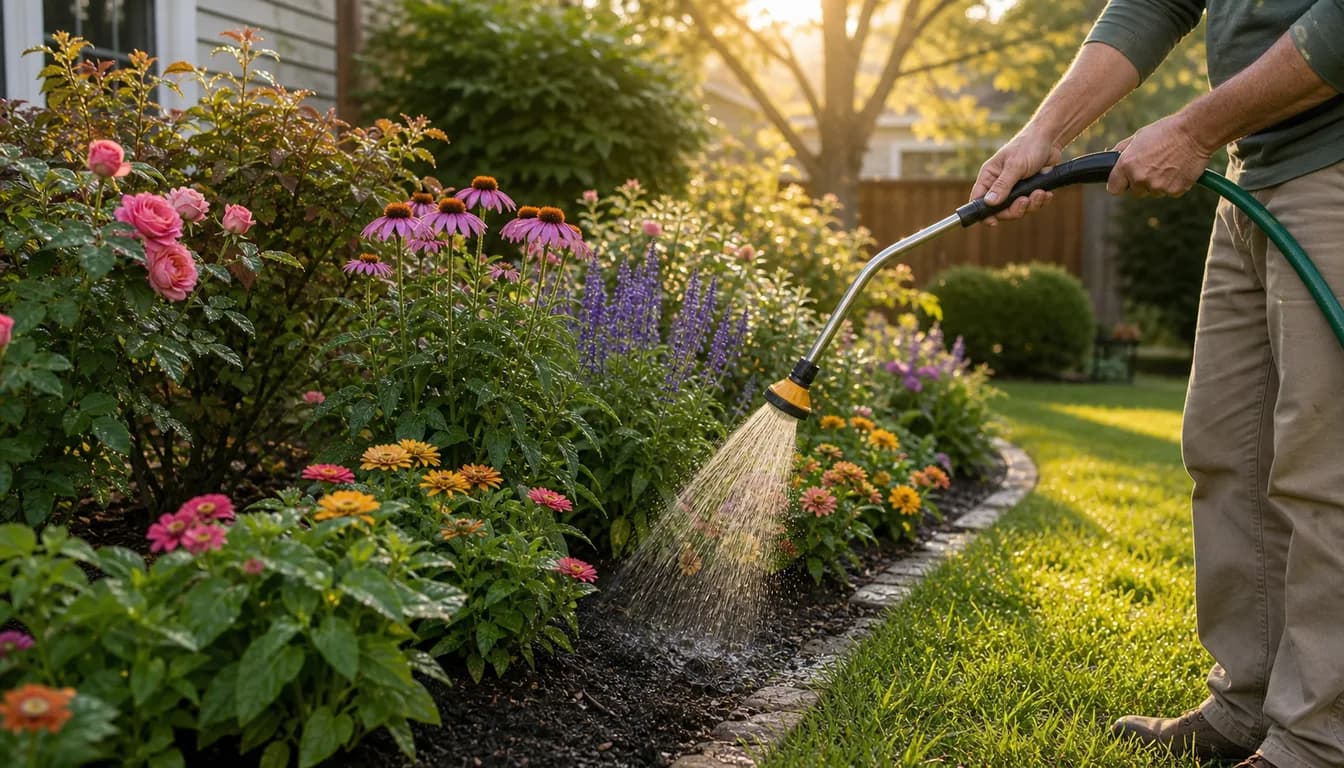
Best Time to Water Flowers for Stronger Blooms
Learn exactly when to water flowers so blooms last longer, plants stay healthier, and you are not wasting water. Covers beds, containers, and hanging baskets.
10 min read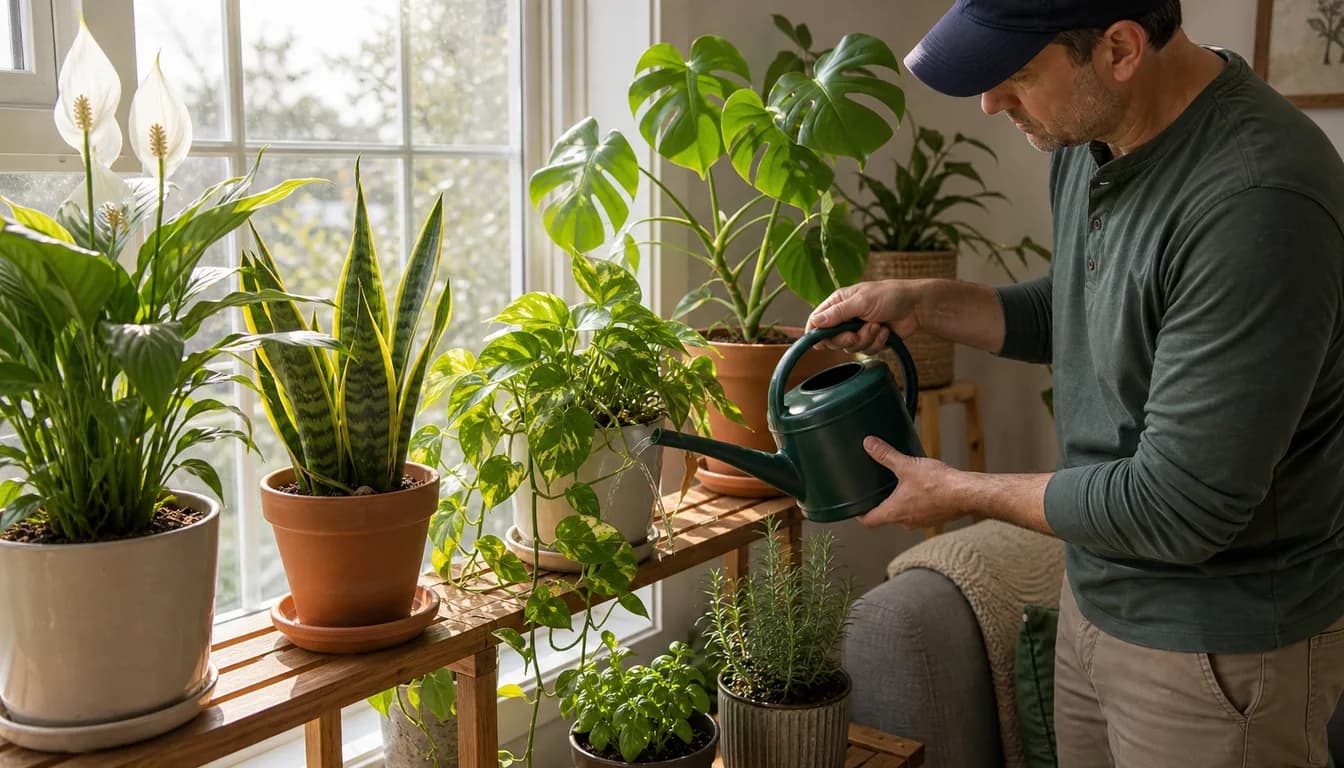
Best Time to Water Indoor Plants for Healthy Growth
Learn exactly when to water indoor plants during the day, how timing changes by season and light level, and how to avoid rot and droop without using a strict calendar schedule.
11 min read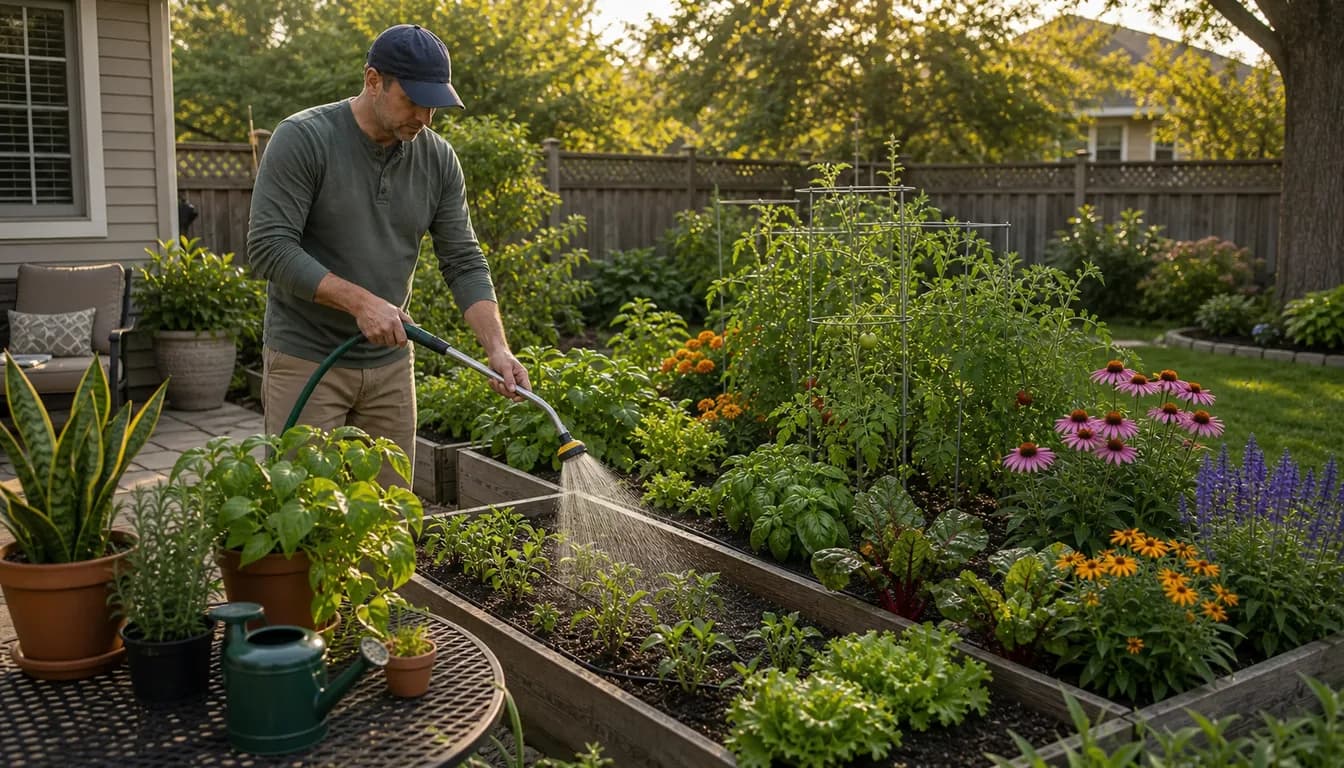
Best Time to Water Plants for Healthier Roots
Learn exactly when to water indoor and outdoor plants so roots drink deeply, leaves stay healthy, and soil stays in the ideal moisture range instead of staying soggy or bone dry.
11 min read