
Wateringschedule16 min read
How Often to Water Houseplants (By Type)
Clear, plant-by-plant rules for how often to water houseplants, plus simple ways to adjust for light, pot size, and season so you stop guessing and stop killing plants.
Most houseplants die with a watering can in someone’s hand, not from neglect. The trick is matching watering frequency to plant type, pot, and light level instead of following a random calendar.
This guide breaks watering into clear groups, so you know that a ZZ Plant and peace lily should never follow the same schedule. We will use simple checks like soil depth and pot weight so you can adjust in any season. If you are building a bigger collection, pairing this with good starter plant choices makes life much easier.
water_dropThe One Rule That Beats Any Schedule
Watering by calendar is how succulents, ferns, and tropical vines all get treated the same and all struggle. Soil moisture tells the truth far better than any “once a week” rule.
Push a finger into the mix about 1–2 inches deep. If that layer feels cool and dry, it is time to water for most standard foliage plants like common pothos vines. If it still feels damp, wait and check again in two or three days.
Pot weight backs this up. Lift a plant right after a thorough soak, then again when the soil is dry. Over a few weeks you will learn the “heavy” and “light” feel for your larger monstera tropicals and small pots.
More houseplants die from watering too often than from waiting a few extra days. If you are unsure, delay and recheck. Sagging leaves on a dry spider plant bounce back faster than roots rotting in a constantly wet pot.
If soil is still dark and cool below the surface, do not “top it off” with a little extra water.
Use the quick checks below as a sequence, not separate chores.
- fiber_manual_recordFinger depth test: 1 inch for small pots, 2 inches for larger containers
- fiber_manual_recordWeight check: compare to “just watered” and “very dry” feel
- fiber_manual_recordVisual cues: pale, pulling soil and gaps at the pot edge usually mean dry
- fiber_manual_recordRoot safety zone: keep roots moist, not soaked, in the bottom third of the pot
ecoWatering Schedules by Plant Type
Houseplants fall into a few clear watering groups. Once you know which bucket each plant lives in, frequency gets much easier than memorizing every single species.
Semi-succulents and drought-tough plants like snake plant clumps, ZZ Plant, and jade plant usually want a full dry-out between waterings. That often means every 2–4 weeks in average indoor light, faster in warm, bright rooms.
Moderately thirsty foliage such as spider plant offsets prefer the top 1–2 inches dry, but the lower soil still slightly moist. Trailing philodendron vines and patterned pothos usually follow the same rhythm. They are often ready every 5–10 days depending on pot size and light.
High-thirst plants include peace lily clumps. Indoor ferns and many flowering types also like evenly moist soil and complain fast when you slip. Plan for 3–7 days between thorough soakings.
Treat the slow group as the boss. Never water a drought-tolerant plant just because the thirsty neighbor is wilted.
This grouping keeps the list practical when several pots sit on the same shelf.
- fiber_manual_recordDrought-tolerant group: snake plant, ZZ Plant, jade, pony-tail palm
- fiber_manual_recordModerate drinkers: pothos, philodendron, spider plant, younger monstera
- fiber_manual_recordMoisture lovers: peace lily, ferns, calathea foliage, flowering houseplants
- fiber_manual_recordSpecial cases: air plants and some orchids follow misting or soaking cycles instead of pot checks
Guide — See AlsoSigns of Overwatering Grass and How to Fix ThemLearn how to spot the real signs of overwatering grass, stop the damage, and reset your watering schedule before the law
chevron_rightopacityLow-Water Plants: Succulents, Cacti, and Tough Foliage
Thick leaves and stems store water, so plants like cacti, Hoya, and indoor aloe clumps need much less frequent watering than leafy tropicals. Their roots suffocate fast in heavy, damp mixes.
In bright windows, most small succulents want watering every 2–3 weeks in winter and every 10–14 days in hot summer. In lower light, stretch those gaps even longer. Always wait for the mix to dry fully from top to bottom before you even think about watering.
Tough foliage like fat-stemmed ZZ clumps and upright snake plant foliage behave like semi-succulents. They prefer deep, infrequent soakings and long dry stretches. Many of us water these no more than once a month in darker rooms.
If you are not sure which group a plant is in, default to the drier schedule until you confirm. A mildly thirsty succulent wrinkles a bit and recovers quickly, but overwatered roots can rot within days.
If your succulent mix feels damp more than a week after watering, the soil is too heavy or the pot has poor drainage.
That warning usually points to the potting setup before it points to your calendar.
- fiber_manual_recordTarget dryness: bone dry mix before each watering
- fiber_manual_recordTypical frequency: every 2–4 weeks for indoor succulents
- fiber_manual_recordPot choice: terra cotta with a drain hole beats glazed cachepots
- fiber_manual_recordWarning sign: mushy leaves, sulfur smell, and blackened stems mean rot has started
Email Updates
Join the KnowTheYard update list
Zone-specific advice, seasonal reminders, and new plant guides — no filler.
local_floristThirsty Tropicals: Vines, Ferns, and Flowering Houseplants
Broad, thin leaves lose water fast, so plants like split-leaf monstera, peace lily clumps, and spider offsets need more frequent attention. They do not like bone-dry soil for long stretches.
Most of these do best when the top 1–2 inches of soil dry slightly, but the lower half of the pot stays faintly damp. In average indoor light, that can mean watering every 4–7 days, especially in heated winter air.
Ferns and calatheas are even pickier. They prefer consistent moisture and humidity. You may water every 3–5 days in small pots, backing off a bit in cool rooms but never letting them dry completely like a succulent.
Flowering houseplants include colorful anthurium. Indoor potted hibiscus can also burn buds and drop blooms if it swings between soaked and desert dry. Keeping them evenly moist supports repeat blooms far better than “thirsty then flood” cycles.
If leaves droop but the soil feels wet, the problem is usually overwatering or roots outgrowing the pot, not thirst.
Use these numbers as a starting point, then let the soil check overrule them.
- fiber_manual_recordCheck depth: water when only the top layer is dry
- fiber_manual_recordTypical range: every 3–7 days for small to medium pots
- fiber_manual_recordPotting mix: light, peat-free or peat-light blend with perlite for airflow
- fiber_manual_recordBackup plan: group moisture lovers on a tray of damp pebbles for steadier humidity
Guide — See AlsoBest Time to Water Flowers for Stronger BloomsLearn exactly when to water flowers so blooms last longer, plants stay healthier, and you are not wasting water. Covers
chevron_rightlightbulbReading Your Plant, Not Your Calendar
Soil tells you more than any watering reminder on your phone. Your goal is to match water to how fast roots and leaves are using it, not to some fixed "every Tuesday" schedule.
Plants in brighter spots, like a sunny window with a south or west exposure, drink faster than the same plant in a shaded corner. That is why a window monstera by bright glass might need water twice as often as one six feet back.
Leaf texture gives you clues too. Thick, waxy leaves on ZZ Plant specimens and snake plant clumps hold moisture, so soil should dry deeper between drinks. Thin, floppy leaves on ferns or nerve plants wilt fast once the top layer dries.
Pot material changes the rhythm. Terracotta and fabric pots breathe and dry 30–50% faster than plastic, so the exact same soil will need more frequent checks.
- fiber_manual_recordDry zone for succulents: Let soil dry the full depth of the pot before watering.
- fiber_manual_recordDry zone for average foliage: Aim for the top 1–2 inches to be dry before watering again.
- fiber_manual_recordDry zone for thirsty plants: Water once the top ½–1 inch feels dry and the pot feels lighter.
- fiber_manual_recordDry zone for ferns and calatheas: Let only the surface dry slightly, soil below should still feel faintly moist.
calendar_monthSeasonal Adjustments: Winter Slowdown, Summer Thirst
Indoor seasons matter even if the thermostat says 70°F year round. Short days, weaker sun, and dry furnace air all pull on water differently.
Winter usually means slower growth. A big fiddle leaf fig tree that drank weekly in July might only need water every two to three weeks in January once light drops.
Dry indoor heat fights that slowdown though. Plants parked over a vent, especially boston ferns or parlor palm fronds, can crisp at the edges even though roots are sitting in damp soil.
Summer flips the script. Longer days and stronger window light have pothos, philodendron, and spider plants pushing new leaves, and they empty pots much faster than they did in March.
- fiber_manual_recordWinter adjustment: Cut your usual watering frequency by 25–50% for most foliage, but still check soil weekly.
- fiber_manual_recordVent protection: Move pots at least 2 feet from heat vents or deflect the airflow.
- fiber_manual_recordSummer bump: Expect to water bright-window plants 1–2 times more often than in shoulder seasons.
- fiber_manual_recordVacation planning: Before trips longer than 7 days, group plants by need and use a tray of wet towels or capillary matting for moderate drinkers.
That seasonal slowdown is why the final check should happen at the pot, not on last month’s routine.
Overwatering in winter is the number one way people kill indoor plants that did fine all summer.
Guide — See AlsoWorst Time to Water Plants and What To Do InsteadKnow exactly when NOT to water your garden, lawn, and houseplants so you avoid disease, pests, and weak roots.
chevron_rightwater_dropTroubleshooting Overwatering vs Underwatering
A droopy plant does not always need more water. The fix depends on whether roots are thirsty or suffocating, so you have to read the leaves and the pot together.
Crispy brown edges and soil pulling from the pot sides usually point to underwatering. You will see this a lot on peace lily clumps that flop dramatically but perk up within hours of a deep soak.
Yellowing leaves that fall off easily, especially on lower stems, signal soggy roots. That is a common path to yellowing pothos foliage and to ZZ Plant stalks dropping from rot.
Lift the pot. A very light pot, dry mix, and wilting leaves mean you waited too long. A heavy pot, cool soil, and limp, dull leaves mean you watered again before roots could breathe.
If in doubt, wait one more day and recheck the soil instead of watering "just in case".
- fiber_manual_recordLikely underwatered: Soil is bone dry, pot is light, leaves feel crisp and may curl.
- fiber_manual_recordLikely overwatered: Soil is wet or smells sour, pot feels heavy, leaves yellow or feel mushy.
- fiber_manual_recordEmergency step for rot: Slide the plant out, trim black roots, and repot in fresh, airy mix.
- fiber_manual_recordEmergency step for drought: Bottom water for 20–30 minutes so dry soil can rehydrate.
potted_plantHumidity, Pots, and Soil Mix: How They Change Frequency
Humidity controls how fast moisture leaves the leaves. Dry apartments in winter can sit at 20–30% humidity, which is desert level for ferns, calatheas, and other thin leaved plants.
Plants like calathea prayer leaves or boston ferns may still like consistently moist soil, but they also appreciate trays of damp pebbles or a nearby humidifier so you are not watering constantly to fight crispy tips.
Pot type is your secret throttle. Terracotta speeds drying for heavy drinkers like large monstera vines, while glazed ceramic or plastic slows things down for plants that sulk when they dry too far.
Soil mix is the other half. A chunky blend with 30–50% perlite or bark drains faster, perfect for snake plants, jade, and hoya. A finer mix with more peat or coir hangs onto moisture for ferns, fittonia, and peace lilies.
- fiber_manual_recordUse terracotta: For plants you often overwater, or that evolved in dry places.
- fiber_manual_recordUse plastic or ceramic: For thirsty plants that droop fast between waterings.
- fiber_manual_recordAdd drainage material: Mix 1 part perlite or pumice into every 3 parts indoor potting soil.
- fiber_manual_recordSkip straight garden soil: It compacts in pots and keeps roots too wet for houseplants.
Guide — See AlsoBest Time to Water Indoor Plants for Healthy GrowthLearn exactly when to water indoor plants during the day, how timing changes by season and light level, and how to avoid
chevron_rightecoWatering After Repotting, Pruning, and Pests
Fresh potting mix behaves differently from old, compacted soil. Right after repotting, there are more air pockets and the mix usually dries faster than you are used to.
Thoroughly soak the new mix after a repot, then let excess drain away fully. For the next 2–3 weeks, check soil more often than normal on plants like rubber plant trees or tall dracaenas because those fresh mixes settle.
Heavy pruning or leaf loss also changes water needs. A trimmed heartleaf philodendron vine with fewer leaves uses less water, so old routines can now leave the root ball too wet.
Pest treatments can confuse things too. Neem sprays, systemic drenches, and sticky traps all help, but fungus gnats often show up mainly because soil stays too wet.
Cut watering by about one third while you work on reducing gnat populations so larvae lose their favorite habitat.
Keep the temporary watering change tied to the stress event, then return to soil checks.
- fiber_manual_recordAfter repotting: Water deeply once, then only when the top 1–2 inches are dry.
- fiber_manual_recordAfter a big prune: Stretch your usual interval by 3–5 days and watch leaf response.
- fiber_manual_recordAfter root rot surgery: Keep soil barely moist until new white roots appear.
- fiber_manual_recordAfter pest sprays: Avoid leaf-drenching on already stressed plants; water at soil level.
tips_and_updates
Pro Tips
- check_circleMatch pot size to root ball; oversized pots stay wet longer and stretch out your watering schedule dangerously.
- check_circleUse a cheap moisture meter only as a backup; confirm readings with your own finger and pot-weight checks.
- check_circleGroup plants with similar thirst so you are not tempted to water dry and damp pots on the same day.
- check_circleCut watering roughly in half during short winter days unless you use strong grow lights and warm rooms.
- check_circleFlush each pot until water runs from the drain hole to remove salts, then empty saucers after 10–15 minutes.
- check_circleIf you see gnats when you water, switch to deeper but less frequent soakings and improve drainage immediately.
- check_circleStick a small tag in each pot with its preferred dryness level and typical days between waterings.
- check_circleAfter repotting, water once to settle soil, then wait longer than usual before the next drink as roots reestablish.
quiz
Frequently Asked Questions
How often should I water a snake plant indoors?expand_more
Most indoor snake plants are happier when watered every 2–4 weeks. Let the soil dry completely between waterings, especially in low light. In bright light and warm rooms, expect to check soil a bit more often.
Do all pothos varieties need the same watering schedule?expand_more
Variegated pothos like marble queen grow slower and use water more slowly than solid green types. Water all pothos when the top 1–2 inches are dry, but expect variegated plants to go a few extra days between waterings.
Is tap water okay for calatheas and peace lilies?expand_more
Many calatheas and some peace lilies react to hard water and chlorine with brown tips. If your tap water is very hard, use filtered water or let water sit out overnight before using it, then monitor new growth for improvement.
Should I mist my houseplants instead of watering more often?expand_more
Misting barely changes soil moisture or room humidity. It is fine as a quick leaf rinse, but it does not replace proper watering. Focus on deep, infrequent watering and use trays or a humidifier when you need higher humidity.
How do I know if my pot is draining well enough?expand_more
Water should flow from the drainage hole within a few seconds of pouring and fully drain within 1–2 minutes. If water pools on top or the pot stays heavy for many days, you likely need a looser mix or more drainage holes.
Related Guides
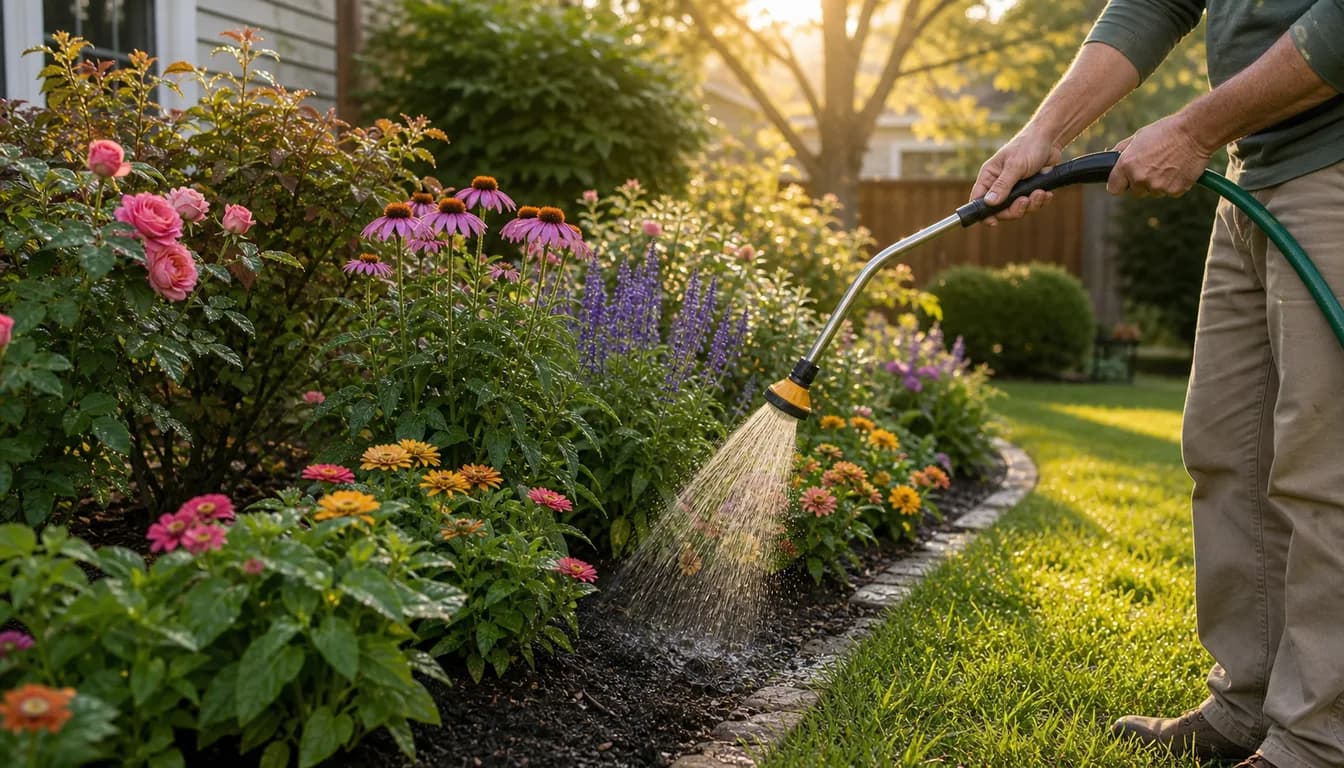
Best Time to Water Flowers for Stronger Blooms
Learn exactly when to water flowers so blooms last longer, plants stay healthier, and you are not wasting water. Covers beds, containers, and hanging baskets.
10 min read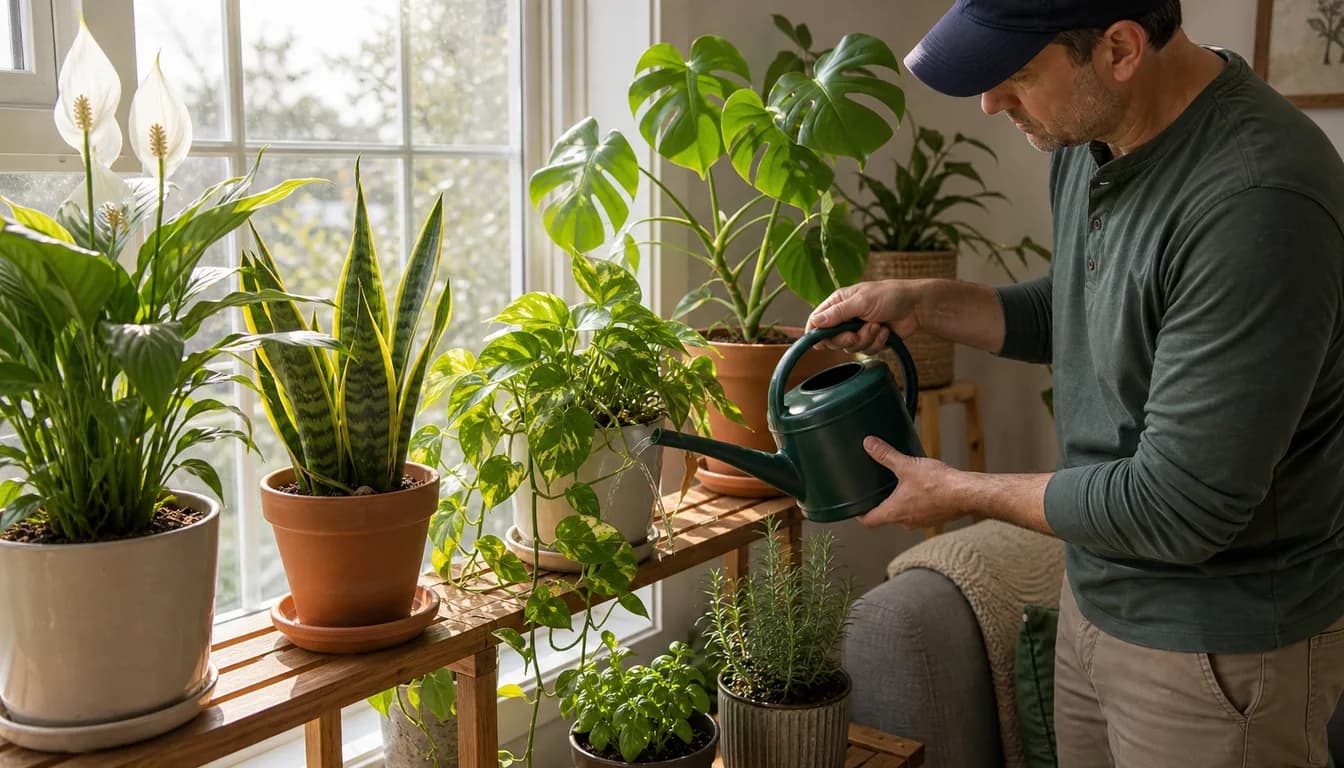
Best Time to Water Indoor Plants for Healthy Growth
Learn exactly when to water indoor plants during the day, how timing changes by season and light level, and how to avoid rot and droop without using a strict calendar schedule.
11 min read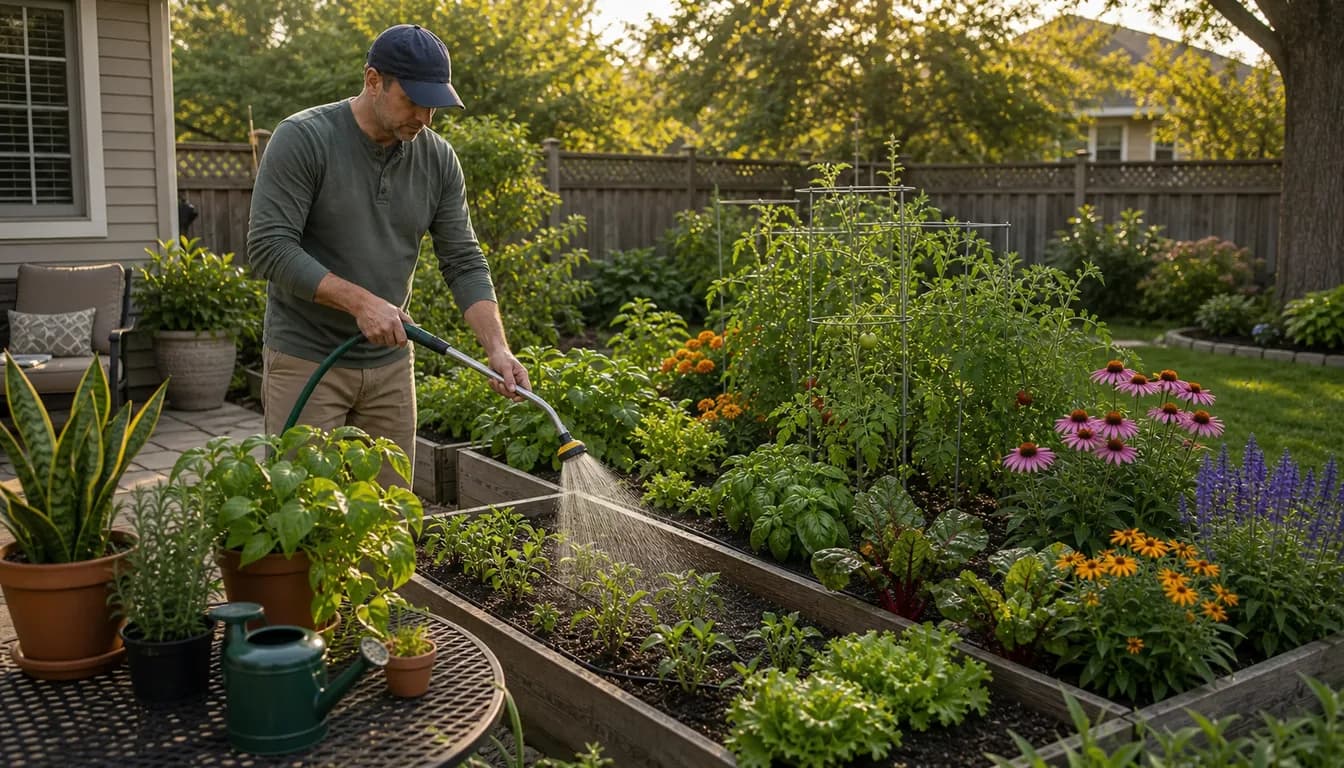
Best Time to Water Plants for Healthier Roots
Learn exactly when to water indoor and outdoor plants so roots drink deeply, leaves stay healthy, and soil stays in the ideal moisture range instead of staying soggy or bone dry.
11 min read