
Wateringschedule11 min read
Signs of Overwatering Plants and How to Catch Them Early
Learn the real signs of overwatering plants, how they differ from underwatering, and simple checks you can use to fix your watering routine before roots rot.
Most of us water when a plant looks sad, then the pot silently turns into a swamp. Overwatering damage often shows up weeks after the mistake, which makes it confusing to fix. Knowing the early signs of overwatering plants lets you adjust before roots rot.
We will walk through leaf clues, soil checks, and simple habits that work for houseplants, raised beds, and containers. If you already follow a schedule from a houseplant watering chart, this guide helps you tweak it based on what the plant is telling you.
water_dropWhy Overwatering Is So Easy To Miss
Soggy soil kills roots slowly, so the plant often looks “thirsty” even though it is drowning. Wilted leaves and drooping stems push many of us to add more water, which makes the problem worse.
Roots need air pockets to breathe; constant moisture fills every gap with water, so roots suffocate and die back. Dead roots cannot move water, which is why an overwatered plant can look dry on top while rotting below.
This shows up in pothos vines in hanging baskets. It also hits container-grown tomato starts on the patio. Dense potting mixes, pots without drainage holes, and trays that never get emptied all trap water around the roots.
Temperature matters too. In cool basements and shaded porches, wet soil dries very slowly. A watering routine that works beside a sunny window can be serious overkill in a dim corner, especially for plants like snake plant clumps that prefer to dry between drinks.
If you water on a calendar instead of checking soil, you will overwater something in your house or yard.
spaLeaf Symptoms That Point To Too Much Water
Leaves are your first warning system. Overwatered plants often have soft, droopy foliage that feels heavy, not crisp, even though the soil is wet. New growth may look pale or slightly translucent along the veins.
Yellowing is a big clue, but the pattern matters. With overwatering, many plants show general yellowing on older leaves first, while the leaf still feels limp and moist. Problems like pothos yellow leaves from excess water usually come with soggy soil.
On houseplants like peace lily clumps, overwatering can cause brown leaf tips plus a yellow halo around the tip. The leaf base may stay green but feels floppy. On tougher plants such as ZZ plant stalks, individual leaflets may turn yellow and drop while stems stay firm for a while.
Spotted and mushy leaves are another red flag. Saturated soil invites fungal leaf spots and bacterial issues. If soft, dark patches appear on lower leaves of your monstera foliage, check the pot before you reach for a fungicide.
Leaf problems from overwatering usually start near the bottom of the plant where humidity and moisture stay highest.
Guide — See AlsoHow Do I Fix an Overwatered Plant Without Losing ItLearn how to save an overwatered plant with clear, step-by-step fixes. We cover fast triage, root checks, repotting, and
chevron_rightpotted_plantSoil And Pot Clues That Scream “Too Wet”
The fastest way to confirm overwatering is to dig into the soil, not stare at the leaves. Push a finger or moisture meter 2–3 inches down. If it feels wet days after watering, drainage is the problem.
Soil that smells sour or swampy is another giveaway. Healthy potting mix has a mild earthy smell. A funky odor, algae on the surface, or white fuzz often shows up alongside gnats, which is why many people battling fungus gnat infestations are really fighting chronic overwatering.
Containers without drainage holes trap water at the bottom, even if the top inch feels dry. Heavy ceramic covers around nursery pots hold extra moisture too. If your plant in a decorative sleeve, like a big fiddle leaf fig tree, always slide the grower pot out and check for standing water.
Outdoors, beds with clay soil can stay sticky for days. Step near the plant and watch. If your footprint glistens or fills with water, roots are sitting in a bathtub. Raised beds for thirsty crops like indeterminate tomatoes help, but only if excess water can drain out the bottom.
If the pot feels surprisingly heavy for its size, assume it is still wet and hold off watering.
Email Updates
Join the KnowTheYard update list
Zone-specific advice, seasonal reminders, and new plant guides — no filler.
account_treeHow Overwatering Shows Up In Roots And Stems
Roots tell the real story. Healthy roots are usually firm and white or tan. In an overwatered plant, they turn brown, gray, or almost black and feel mushy or hollow when you pinch them.
This root damage then travels upward. Stems may darken at the soil line, become soft, or collapse. Indoor trees like money tree trunks often lean or wrinkle as their base rots. Cane-type dracaena stems show the same base collapse when roots stay wet too long.
Once rot sets in, leaves keep yellowing and dropping even if you stop watering for a few days. That is because dead roots cannot suddenly start moving moisture or nutrients again. By the time stems are mushy, you are rescuing, not just adjusting care.
To check, slide the plant gently from its pot and inspect the root ball. Trim dead roots with clean pruners, pot into fresh, well draining mix, and then follow deep watering habits instead of frequent sips.
Do not fertilize a recently overwatered, stressed plant. Focus on healthy roots first, then add nutrients later if growth slows.
Guide — See AlsoDrought Tolerant Plants for Low-Water YardsPractical guide to choosing and growing drought tolerant plants so you can keep color, shade, and harvests even under wa
chevron_rightwater_dropWhat To Do Right After You Overwater
The first hours after you notice soggy soil matter most. Your goal is to get extra water away from the roots without shocking the plant.
Gently tip small pots sideways over a sink or outdoors so excess water drains out. Keep your hand over the soil so the root ball does not slide out.
For big containers like a floor fiddle leaf fig tree, set the pot on blocks or bricks so every drainage hole is clear. Water trapped in saucers should be dumped immediately.
If the soil feels swampy, slide the plant out of the pot and set the root ball on a towel or newspaper for 10–20 minutes. This wicks off surface moisture without fully bare-rooting the plant.
Never leave a plant sitting in a saucer of water after you see overwatering symptoms.
Once the extra water is gone, move the plant to bright, indirect light. Direct sun can stress already struggling roots, especially for shade lovers like peace lily clumps.
Skip fertilizer until you see new healthy growth. Nutrients sitting in wet soil can burn roots that are already short on oxygen.
If leaves are drooping or yellow but still soft, resist the urge to prune hard right away. The plant still uses those leaves while it recovers.
- fiber_manual_recordDump saucers: Empty every tray and cachepot so no water pools under the pot.
- fiber_manual_recordCheck drainage: Confirm there are clear holes and nothing blocking them underneath.
- fiber_manual_recordLift the pot: Feel how heavy it is now so you can compare as it dries.
- fiber_manual_recordPause watering: Do not add more water until the top inches dry.
ecoHelping A Plant Recover Over The Next Few Weeks
Once you stop the immediate flooding, recovery is about rebuilding a healthy root system. That takes patience and small adjustments, not constant tinkering.
Keep the plant in stable conditions, with consistent temperatures and good airflow. Avoid moving a stressed monstera vine between rooms or outside and inside repeatedly.
Watch the newest leaves, not the old ones. Old yellow or brown leaves rarely recover, but firm new growth tells you the roots are improving.
If you slide the plant out again after a week and still find black, mushy roots, trim them with clean scissors. Only leave firm, pale roots that do not smell sour.
Disinfect pruners with alcohol between cuts so you do not spread rot to healthy roots.
Repot into fresh, well draining mix if the old soil smells sour or stays wet for days. For houseplants, mix standard potting soil with 30–40% perlite or bark to add air pockets.
During recovery, water more like a succulent even for thirsty plants. Let at least the top 2–3 inches dry before watering again, and water slowly until it just runs from the bottom.
You can remove a few badly damaged leaves to reduce stress on the roots. Take the worst looking ones first, and spread pruning over a couple of weeks.
- fiber_manual_recordStability first: Hold off on repotting until the plant is no longer crashing fast.
- fiber_manual_recordRoot check: Inspect roots every few weeks, not every day.
- fiber_manual_recordGentle pruning: Remove only fully dead or collapsing leaves at first.
- fiber_manual_recordLight feeding: Resume fertilizer at half strength once you see firm new leaves.
Guide — See AlsoBest Time to Water Flowers for Stronger BloomsLearn exactly when to water flowers so blooms last longer, plants stay healthier, and you are not wasting water. Covers
chevron_rightcalendar_monthSeasonal Overwatering Traps Indoors And Out
Plants can handle extra water very differently in July than in January. Signs of overwatering often line up with seasonal swings in light and temperature.
In winter, indoor plants grow slowly and drink less. A schedule that was perfect in summer can drown a pothos vine once days are shorter and cooler.
Outdoor containers suffer most in cool, wet seasons. Spring and fall storms can flood pots or beds, especially for water sensitive plants like lavender along a patio edge.
Clay soils stay wetter than sandy ones after rain, so check in-ground shrubs like boxwood hedges more often in heavy spring weather. Standing water after 24 hours is a warning.
Most overwatered plants got "too much" only because their light and temperature dropped, not because you poured wildly more water.
In hot, bright months, fast growing plants can bounce back from a heavy soaking quicker. Deep watering in heat is fine if the soil drains well and the plant is actively using the moisture.
Indoor heaters and air conditioners change drying time too. A plant near a winter vent may still dry quickly, while one in a cool corner stays wet for a week.
Adjust your watering pattern whenever the season changes, not just when symptoms appear. Slow growth, cooler rooms, and fewer daylight hours all mean longer gaps between waterings.
- fiber_manual_recordWinter indoors: Stretch watering intervals for slow growers like ZZ plant clumps.
- fiber_manual_recordRainy shoulder seasons: Raise pots off patios and check drainage weekly.
- fiber_manual_recordPeak summer: Combine deep watering with bright light for thirsty crops like tomato vines.
- fiber_manual_recordShoulder months: Recalibrate by weight and soil feel instead of old habits.
tips_and_updatesCommon Mistakes That Hide Overwatering
Certain habits make it hard to spot overwatering until damage is advanced. Fixing these will save more plants than any single moisture meter.
Using decorative pots without drainage is one of the worst offenders. Water has nowhere to go, so roots of a snake plant clump sit in a hidden puddle even when the surface looks dry.
Watering on a strict calendar is another trap. A plant that needed weekly watering in bright summer light will suffocate if you keep the same schedule once it moves to a dim hallway.
Relying only on leaf droop leads many people wrong. Both dry and soggy roots can cause limp leaves, so you must check soil moisture before you decide to water again.
Before you blame "underwatering" for droop, push a finger a few inches into the mix and feel what is happening below the surface.
Fertilizing stressed plants heavily can disguise the real issue. New soft growth from fertilizer does not mean roots are healthy, and it can burn damaged tissue in waterlogged soil.
Crowded groupings of houseplants reduce air movement and slow drying. Dense jungle corners look nice, but they can keep pots for calathea foliage damp much longer. Vining marble queen pothos in those same corners may stay wet long after the top looks dry.
Ignoring pot size also hides problems. A tiny plant in an oversized container has way more wet soil than roots to use it, so the center stays soggy even if the top feels dry.
- fiber_manual_recordNo drainage: Always drill holes or double pot (grow pot with holes inside décor pot).
- fiber_manual_recordCalendar watering: Switch to moisture checks by finger, weight, or meter.
- fiber_manual_recordOverfeeding: Hold fertilizer when you suspect any root issues.
- fiber_manual_recordCrowded corners: Space pots so air can move and surfaces can dry.
Guide — See AlsoWhen to Aerate a Lawn in Michigan for Thick TurfLearn exactly when to aerate a lawn in Michigan, how soil temperature and grass type change the timing, and how to pair
chevron_rightlightbulbSetting Up A Long Term Watering Routine
Once you have seen overwatering symptoms, it helps to build a simple routine that makes repeats less likely. The goal is a system instead of guesses.
Start by grouping plants with similar needs. Put moisture lovers like boston fern baskets together and keep dry lovers like tough snake plant stands in another zone.
Keep a small notebook or phone note with typical intervals for each group. Adjust by a few days when seasons change or when you change something big, such as moving plants to brighter windows.
Use tools where they make sense. A cheap moisture meter can help you learn how dry "dry enough" feels for a deep pot of rubber plant roots. Weighing pots by hand is enough for smaller containers.
Build your schedule around how fast soil dries, not how often you want to water.
Match your watering style to the plant. Deep soak less often for shrubs and trees in beds, following the same ideas as deep watering methods for lawns. Light, even passes suit shallow rooted seedlings.
Make drainage tweaks as part of your routine. Add perlite or bark when you repot, or shift water sensitive herbs like potted rosemary into clay pots that breathe.
Plan to check roots of long lived houseplants every couple of years. A quick slide out of the pot can reveal circling roots or sour mix before symptoms show up on the leaves.
- fiber_manual_recordGroup by needs: Thirsty plants on one side, dry lovers on another.
- fiber_manual_recordTrack intervals: Note how many days the soil usually takes to dry.
- fiber_manual_recordUse the right pot: Clay for faster drying, plastic to hold moisture.
- fiber_manual_recordReview yearly: Adjust your system after big moves or new windows.
tips_and_updates
Pro Tips
- check_circleUse the finger test at least 2 inches deep before every watering, especially for new plants.
- check_circleLift pots after watering so you learn the “heavy” and “light” weight for each container.
- check_circleGroup thirstier plants like boston ferns indoors away from dry-loving succulents and cacti.
- check_circleSwitch from rigid schedules to soil checks, especially in cooler seasons or low light rooms.
- check_circleEmpty saucers and cachepots 15 minutes after watering to keep roots out of standing water.
- check_circleChoose chunky mixes for woody plants like rubber plants in pots so excess moisture drains faster.
- check_circleMatch pot size to root size, since oversized pots hold more wet soil than small root balls can handle.
quiz
Frequently Asked Questions
How long does it take an overwatered plant to recover?expand_more
Mildly overwatered plants can perk up in 1–2 weeks once soil dries and roots get oxygen again. If roots rotted and needed trimming, recovery of strong new growth can take 4–8 weeks or longer, depending on plant type and light.
Should I repot every overwatered plant right away?expand_more
Not always. Lightly overwatered plants usually recover if you drain saucers and extend the gap before the next watering. Repot when soil smells sour, stays wet for days, or roots are black and mushy when you slide the plant out.
Can yellow leaves from overwatering turn green again?expand_more
Once a leaf turns solid yellow from overwatering, it usually will not turn green. Focus on saving the roots so new growth comes in healthy. Gently remove fully yellow leaves so the plant can put its energy into fresh foliage.
How do I know if my drooping plant is overwatered or underwatered?expand_more
Feel the soil a few inches down and lift the pot. Heavy, wet soil with limp, soft leaves points to overwatering. Dry, crumbly mix and crispy leaf edges point to underwatering. Some plants, like peace lily clumps, droop either way, so moisture checks are key.
Is bottom watering safer if I tend to overwater?expand_more
Bottom watering can help if you habitually soak from the top, because roots pull up what they need, then you discard extra water. You still must limit how long pots sit in the tray and feel the soil so you do not keep it constantly saturated.
menu_book
Sources & References
Related Guides
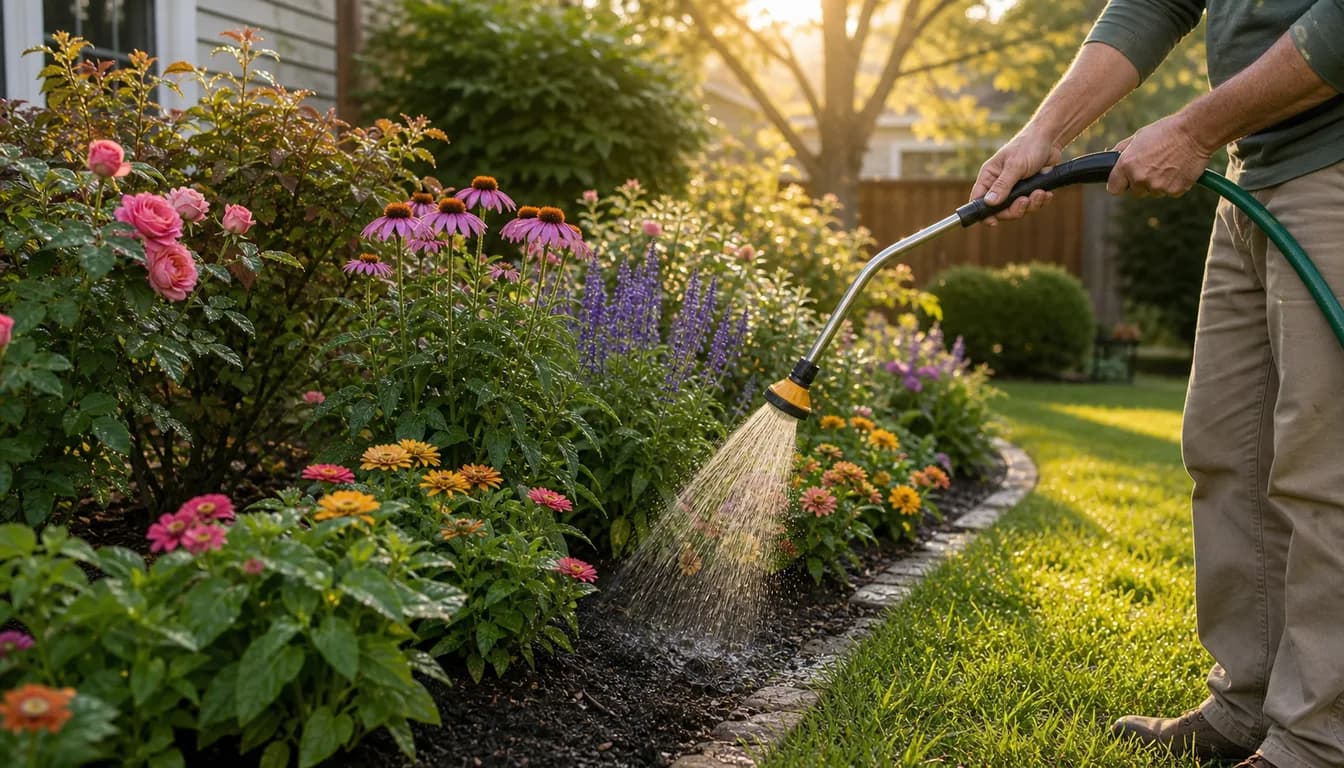
Best Time to Water Flowers for Stronger Blooms
Learn exactly when to water flowers so blooms last longer, plants stay healthier, and you are not wasting water. Covers beds, containers, and hanging baskets.
10 min read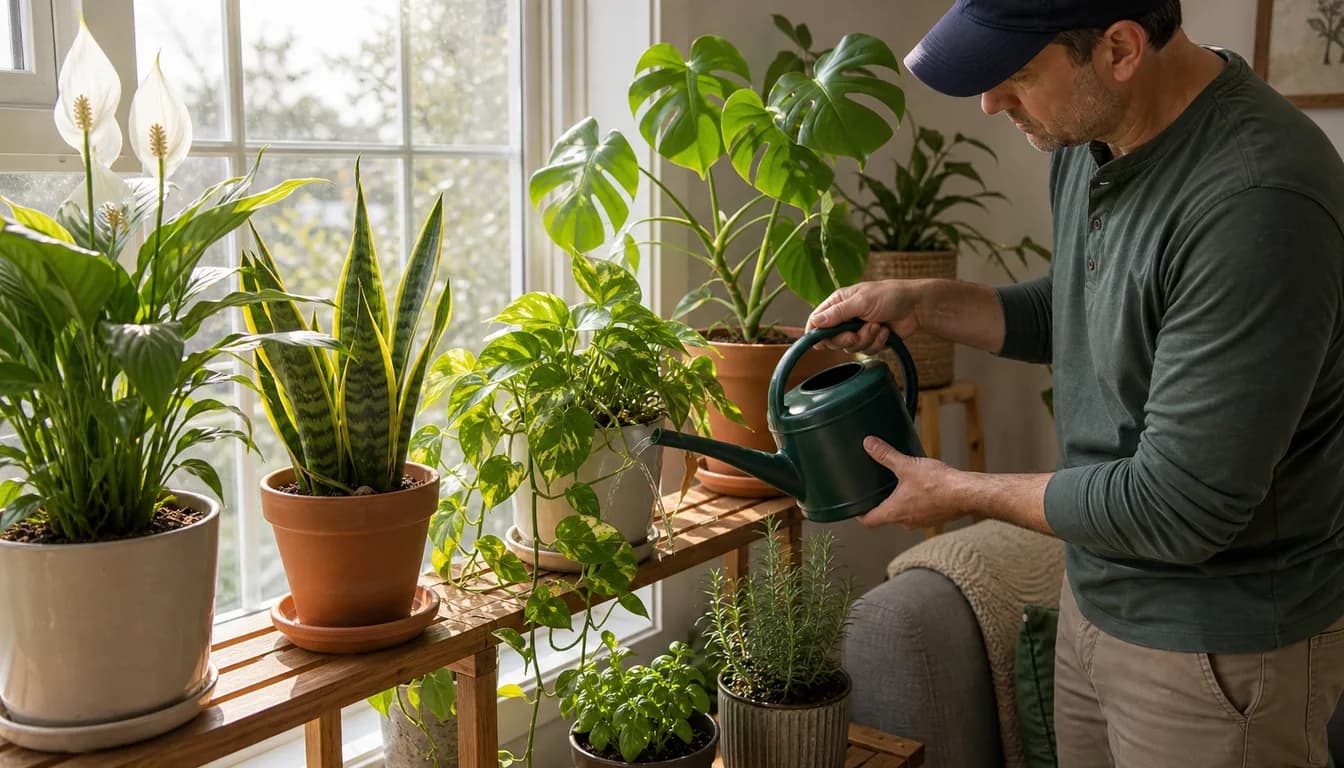
Best Time to Water Indoor Plants for Healthy Growth
Learn exactly when to water indoor plants during the day, how timing changes by season and light level, and how to avoid rot and droop without using a strict calendar schedule.
11 min read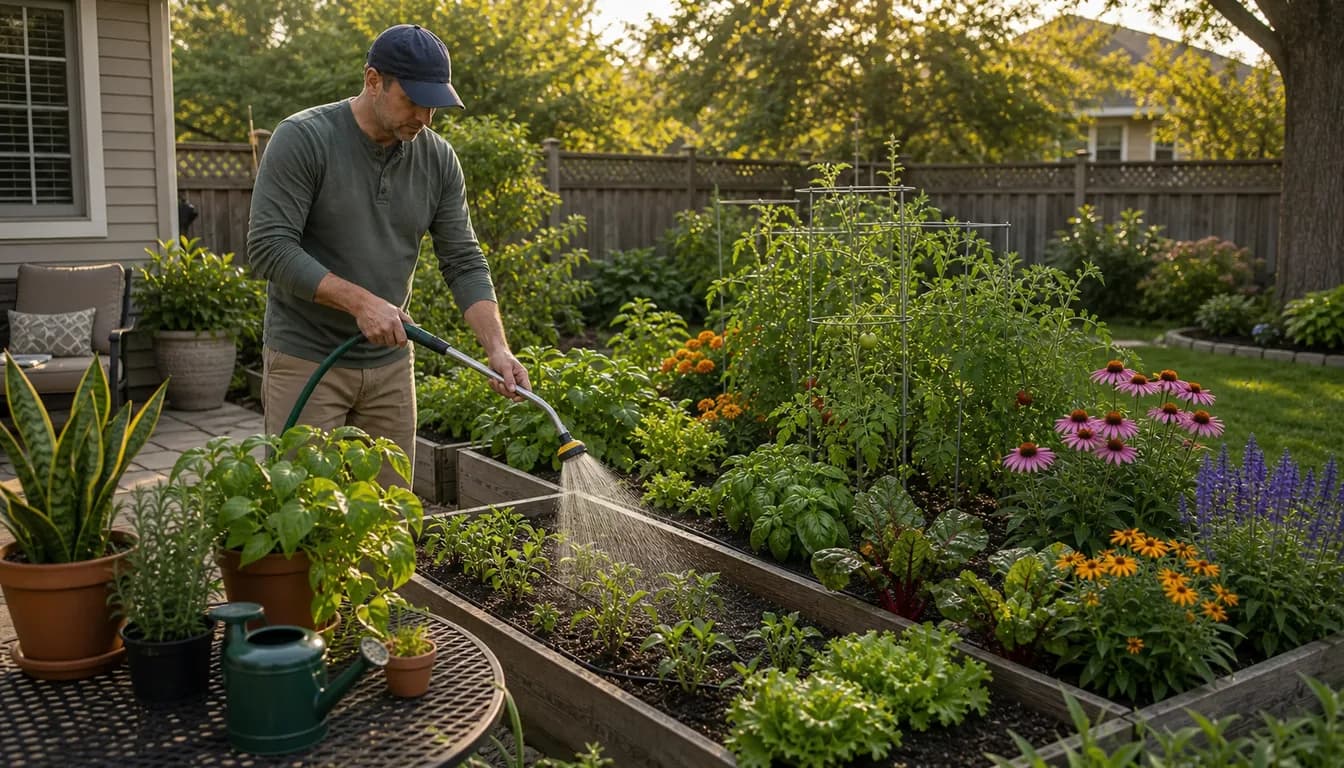
Best Time to Water Plants for Healthier Roots
Learn exactly when to water indoor and outdoor plants so roots drink deeply, leaves stay healthy, and soil stays in the ideal moisture range instead of staying soggy or bone dry.
11 min read