Lawn Careschedule12 min read
The Ultimate Lawn Care Calendar by Grass Type and Season
Use a season-by-season lawn care calendar to time mowing, fertilizing, watering, overseeding, and aeration without copying the wrong schedule for your grass type.
A lawn calendar only works if it matches your grass type and your season. Copying a cool-season fall schedule onto a warm-season yard, or feeding turf by month without watching growth, is how you waste product and create more stress than improvement.
This calendar gives you the right sequence first: what matters in each season, when to push growth, when to back off, and how cool-season and warm-season lawns split. Use it as a practical backbone, then fine-tune a week or two either way for your local weather.
grassStart by knowing whether your lawn is cool-season or warm-season
The whole calendar changes with the grass. Cool-season lawns such as Tall Fescue and Kentucky Bluegrass do their best growth in spring and fall, so those are your strongest renovation and feeding windows.
Warm-season lawns like Bermuda Grass wake up later, thrive in summer, and usually should not be pushed hard while they are still brown. Zoysia Grass and St. Augustine Grass follow that same general pattern.
Match the calendar to active growth, not to the month alone. A lawn that is not growing hard cannot use aggressive feeding or renovation well.
- fiber_manual_recordCool-season peak: Spring and fall
- fiber_manual_recordWarm-season peak: Late spring through summer
- fiber_manual_recordWrong-calendar risk: Feeding or seeding into the wrong growth window
calendar_monthLate winter into early spring: clean up, inspect, and set the base
This season is about assessment and light setup, not panic repairs. Rake off debris, sharpen mower blades, and watch how quickly the lawn actually wakes up. If you rely on a detailed spring checklist, pair this stage with spring lawn care steps.
Cool-season lawns can take a light early feeding once growth begins, but heavy nitrogen too early often creates soft top growth before roots are fully active. Warm-season lawns should mostly wait until green-up is clear; feeding dormant Bermuda Grass rarely helps.
Spring is also the season to notice drainage problems, shady thin spots, and places where irrigation is already overshooting. Fixing those issues early matters more than cosmetic color.
- fiber_manual_recordDo now: Cleanup, blade sharpening, irrigation check, early weed scouting
- fiber_manual_recordCool-season caution: Light early feeding only after active growth starts
- fiber_manual_recordWarm-season caution: Wait for real green-up before major fertilizer
Guide — See AlsoGrow Strong St Augustine Grass in Shady YardsPractical steps to keep St Augustine grass thick and healthy in partial shade, including light limits, pruning, watering
chevron_rightwb_sunnyLate spring into early summer: push the lawns that are built for heat
Warm-season lawns enter their strongest window here. This is when Bermuda Grass can handle its main fertilizer push, mowing adjustments, and active repair work. Zoysia Grass usually belongs in that same push window.
Cool-season lawns move into protection mode instead. Raise mowing height, water more strategically, and avoid aggressive renovation once real heat arrives. If you need help reading irrigation stress, compare with overwatering signs in grass so you do not mistake soggy roots for drought.
Warm-season yards that need leveling, repair, or patching usually recover best now, not in fall. Cool-season yards should focus on survival and weed suppression instead of big disturbance.
- fiber_manual_recordWarm-season priority: Main feeding and active repair
- fiber_manual_recordCool-season priority: Stress reduction and deeper watering habits
- fiber_manual_recordMowing shift: Follow growth rate, not a fixed weekly rule
Email Updates
Join the KnowTheYard update list
Zone-specific advice, seasonal reminders, and new plant guides — no filler.
water_dropMid to late summer: protect the lawn you built
Summer is where routines either get disciplined or sloppy. Heat-stressed turf should not be pushed with heavy nitrogen just because color fades a little. Deep, less frequent watering and realistic mowing height matter more than constant product use.
Warm-season lawns may still be actively growing, but even they need moderation during extreme heat. Cool-season lawns in particular should be protected from scalping, traffic, and overwatering. If new seed or renovation is in your near future, start planning now instead of improvising later.
This is also the right time to line up fall work. If you know you will overseed or aerate a cool-season lawn, review when to aerate a lawn before the weather breaks. Then use the aeration plus overseeding timing guide to sequence the two jobs cleanly.
- fiber_manual_recordMain summer job: Protect roots and manage stress
- fiber_manual_recordDo not do: Heavy feeding on heat-stressed cool-season turf
- fiber_manual_recordPlan ahead: Fall aeration, overseeding, and seed selection
Guide — See AlsoWhen to Aerate a Lawn in Michigan for Thick TurfLearn exactly when to aerate a lawn in Michigan, how soil temperature and grass type change the timing, and how to pair
chevron_rightparkFall is the biggest performance season for cool-season lawns
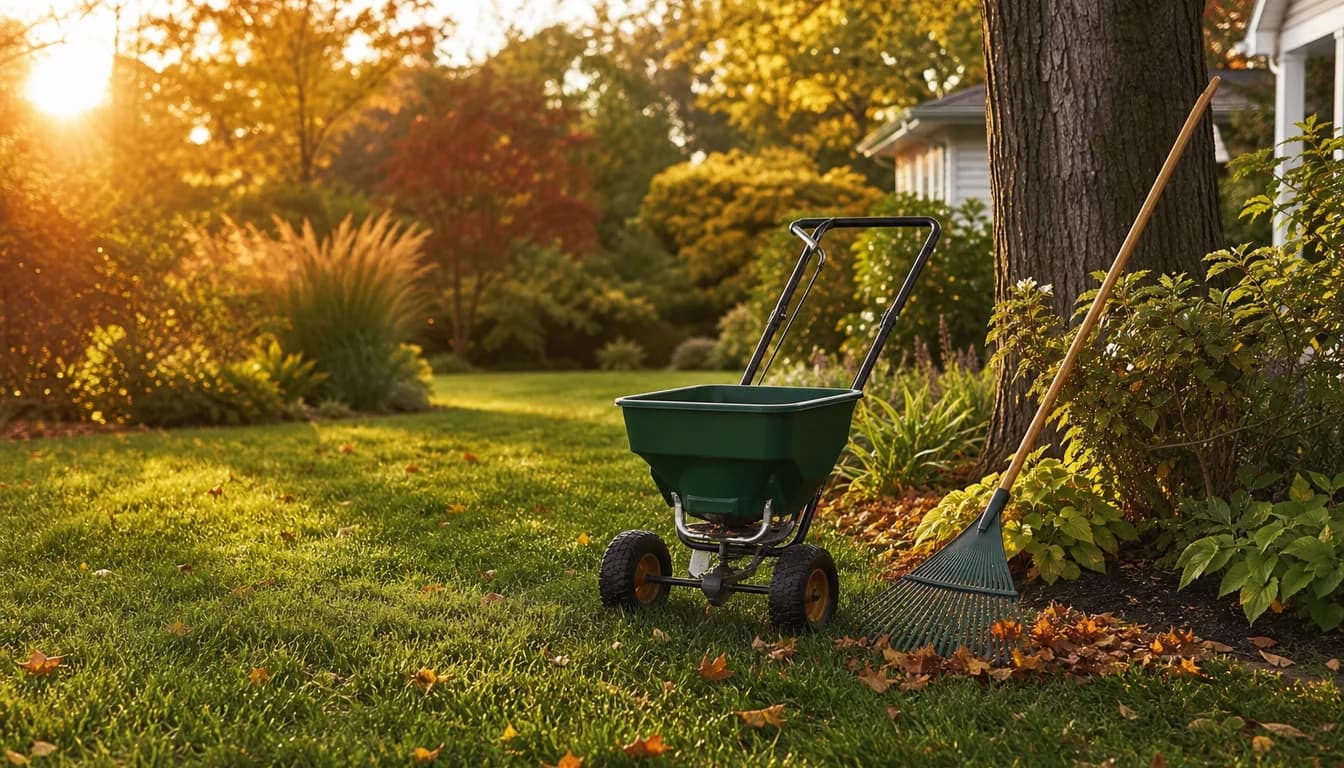
If you grow Tall Fescue, fall is the money window. Kentucky Bluegrass follows the same pattern. Soil stays warm while air cools off, which makes it the best time for aeration, overseeding, and productive feeding. That is why so many strong lawns look ordinary in July but excellent the next spring after a disciplined fall.
Use this season for real correction work: opening compaction, filling thin spots, resetting mowing height, and pushing root density. Tie the sequence together with fall lawn care tasks. Then water new seed correctly through the new grass seed watering guide.
Warm-season lawns head the other direction. Reduce late pushes, keep mowing sane, and avoid feeding so late that growth softens ahead of dormancy.
- fiber_manual_recordCool-season best moves: Aerate, overseed, fertilize, thicken canopy
- fiber_manual_recordWarm-season best moves: Maintain, then gradually back off
- fiber_manual_recordBiggest fall mistake: Missing the cool-season renovation window
ac_unitWinter is for rest, cleanup, and next-season planning
Most lawns need far less intervention in winter than people think. The best winter work happens off the grass: cleaning equipment, reviewing irrigation weak spots, and deciding what you will tackle when growth returns.
Traffic damage is still real, especially on wet or frosty turf, so avoid repeated wear patterns. If you rely on a structured shutdown routine, the winter lawn checklist helps keep the dormant season practical instead of fussy.
Use winter to compare results against the previous year. Which sections stayed thin? Where did weeds creep in? Did your watering run too long, or did summer mowing cut too short? Those notes build a better lawn calendar than guessing from memory next spring.
- fiber_manual_recordDo now: Maintenance, note-taking, planning, traffic control
- fiber_manual_recordDo not do: Random feeding or aggressive traffic on wet turf
- fiber_manual_recordBest winter gain: Better decisions for next season
Guide — See AlsoGrass Weeds Identification Pictures for Real LawnsLearn how to identify common grass-like weeds in your lawn using clear photo cues, simple traits, and side‑by‑side compa
chevron_righttips_and_updates
Pro Tips
- check_circleBuild your lawn calendar around growth phases first, then add dates second.
- check_circleFall matters more than spring for cool-season lawn renovation.
- check_circleWarm-season lawns should not get their main fertilizer push until green-up is real.
- check_circleA stressed lawn often needs less product and better watering discipline.
- check_circleUse each winter to review where the last calendar broke down.
quiz
Frequently Asked Questions
What is the most important season for cool-season lawns?expand_more
Fall. That is the strongest window for aeration, overseeding, and productive feeding on most cool-season lawns.
When should warm-season lawns get their main fertilizer application?expand_more
After the lawn is actively green and growing in late spring or early summer, not while it is still mostly dormant.
Should I fertilize a lawn every season?expand_more
Not automatically. Timing should follow growth, grass type, and stress level instead of a rigid four-season habit.
Can one lawn calendar work everywhere?expand_more
Only as a backbone. You still need to shift a week or two based on your weather, soil warmth, and grass type.
Related Guides
Best Time to Aerate and Overseed for a Thicker Lawn
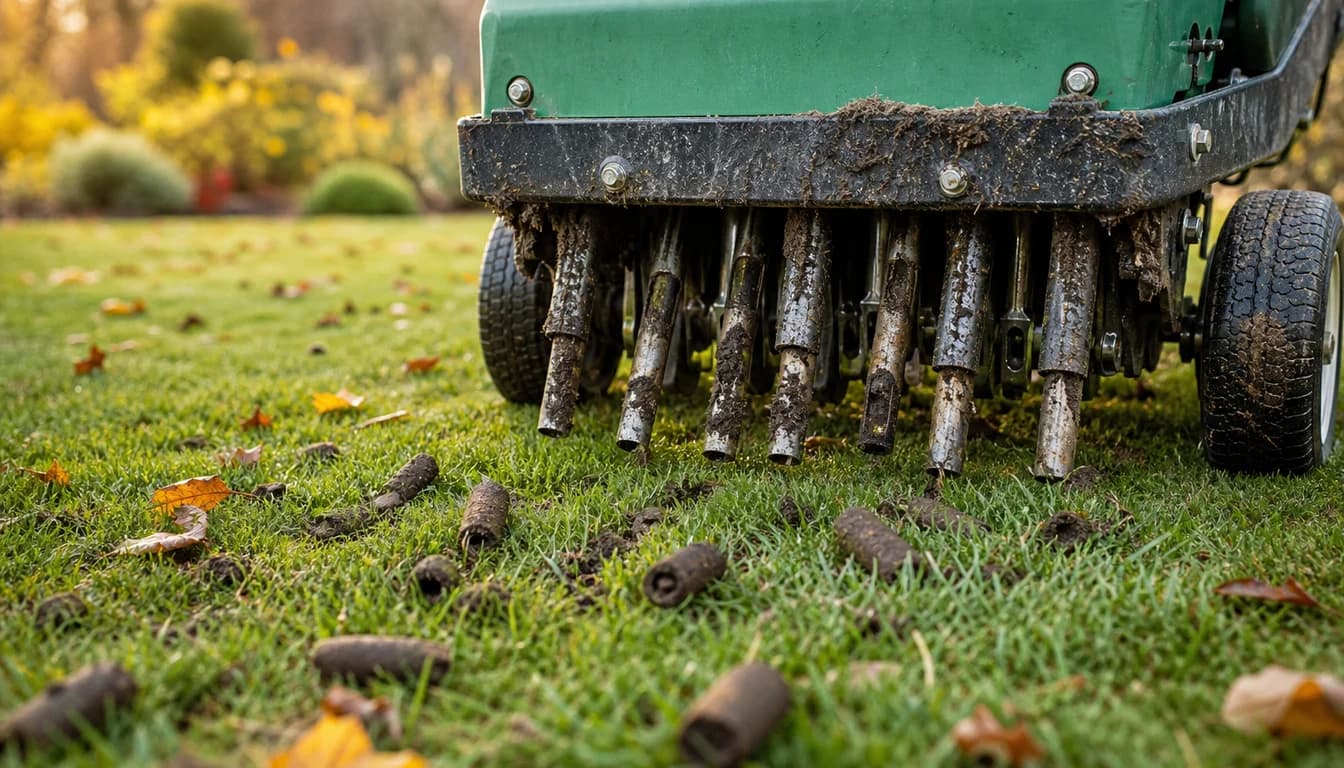
Learn when to aerate and overseed your lawn by season and grass type so every pass of the machine leads to thicker, greener turf instead of wasted seed.
11 min read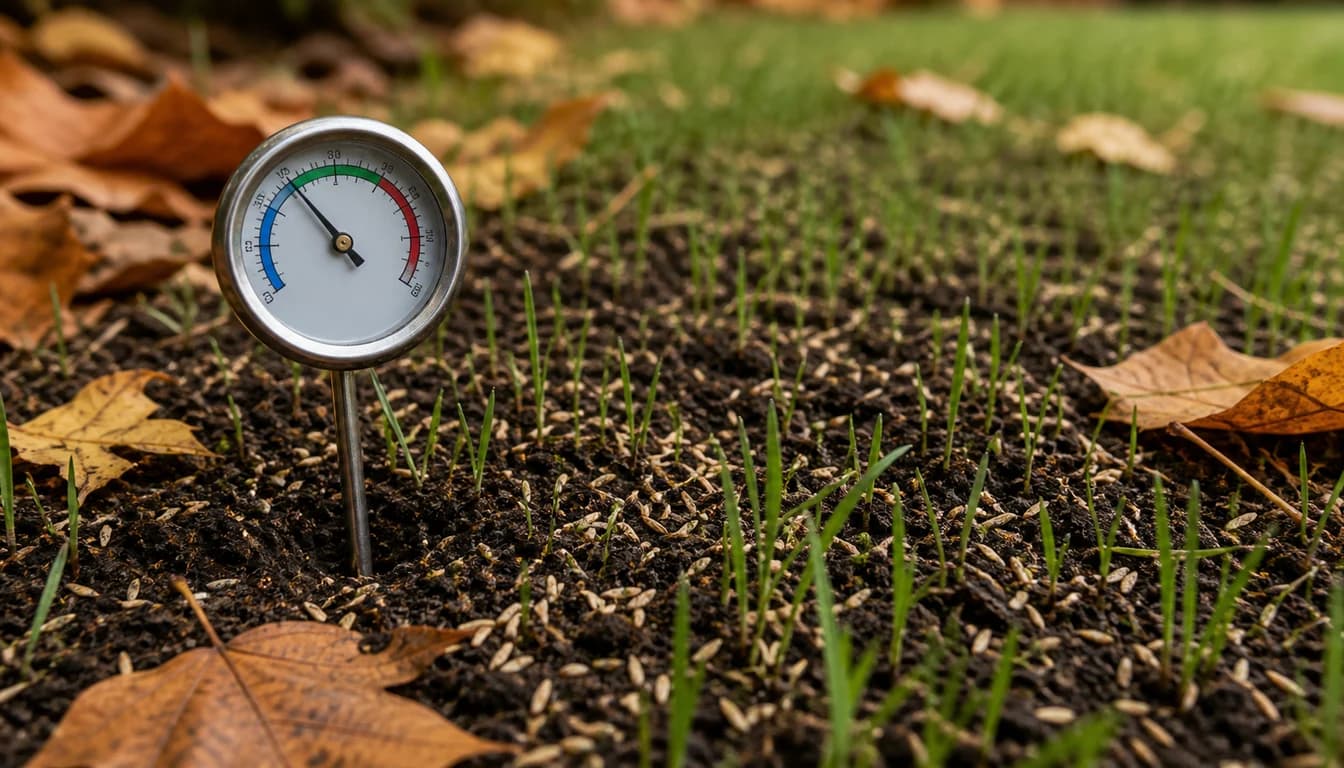
Best Time to Overseed a Midwest Lawn for Thick Turf
Learn the best time to overseed a Midwest lawn based on soil temperature, grass type, and hardiness zone so your new seed fills in thin spots.
11 min read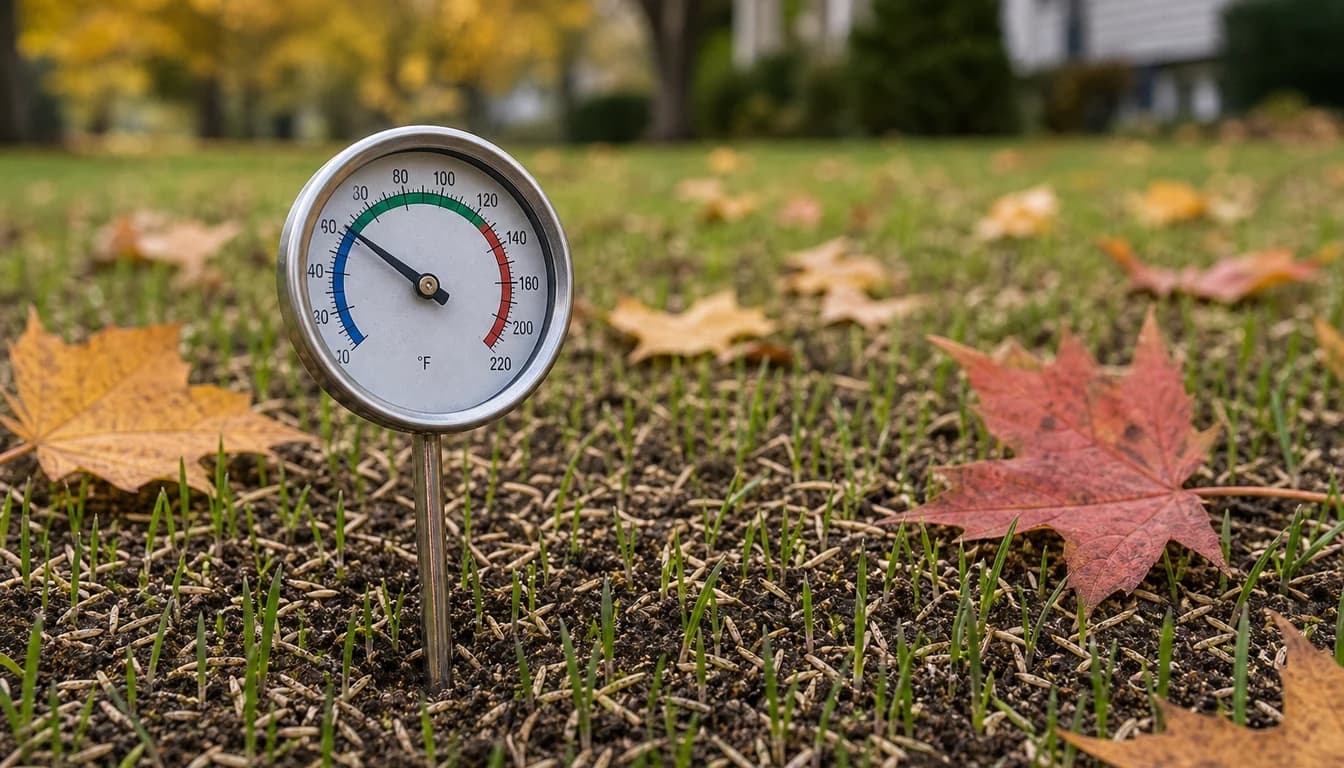
Best Time to Overseed a Northeast Lawn for Thick Turf
Learn exactly when to overseed cool-season lawns in the Northeast, how soil temperature and frost dates affect timing, and what to do before and after seeding for a thicker, greener yard.
11 min read