Plantingschedule9 min read
How to Harden Off Seedlings Without Sunscald or Wind Shock
Use a simple 7-10 day hardening-off plan to move seedlings outdoors safely, avoid transplant shock, and match exposure to weather, crop type, and zone.
Indoor seedlings grow in a soft, protected world. Real wind, real sun, and cool night air can wreck that tender growth in a single afternoon if you move plants outside too fast.
Hardening off is the short transition stage that teaches seedlings how to live outdoors. The goal is simple: build sun tolerance, stem strength, and weather resilience over about a week so your plants hit the garden ready to root instead of ready to collapse.
wb_sunnyWhat hardening off actually changes
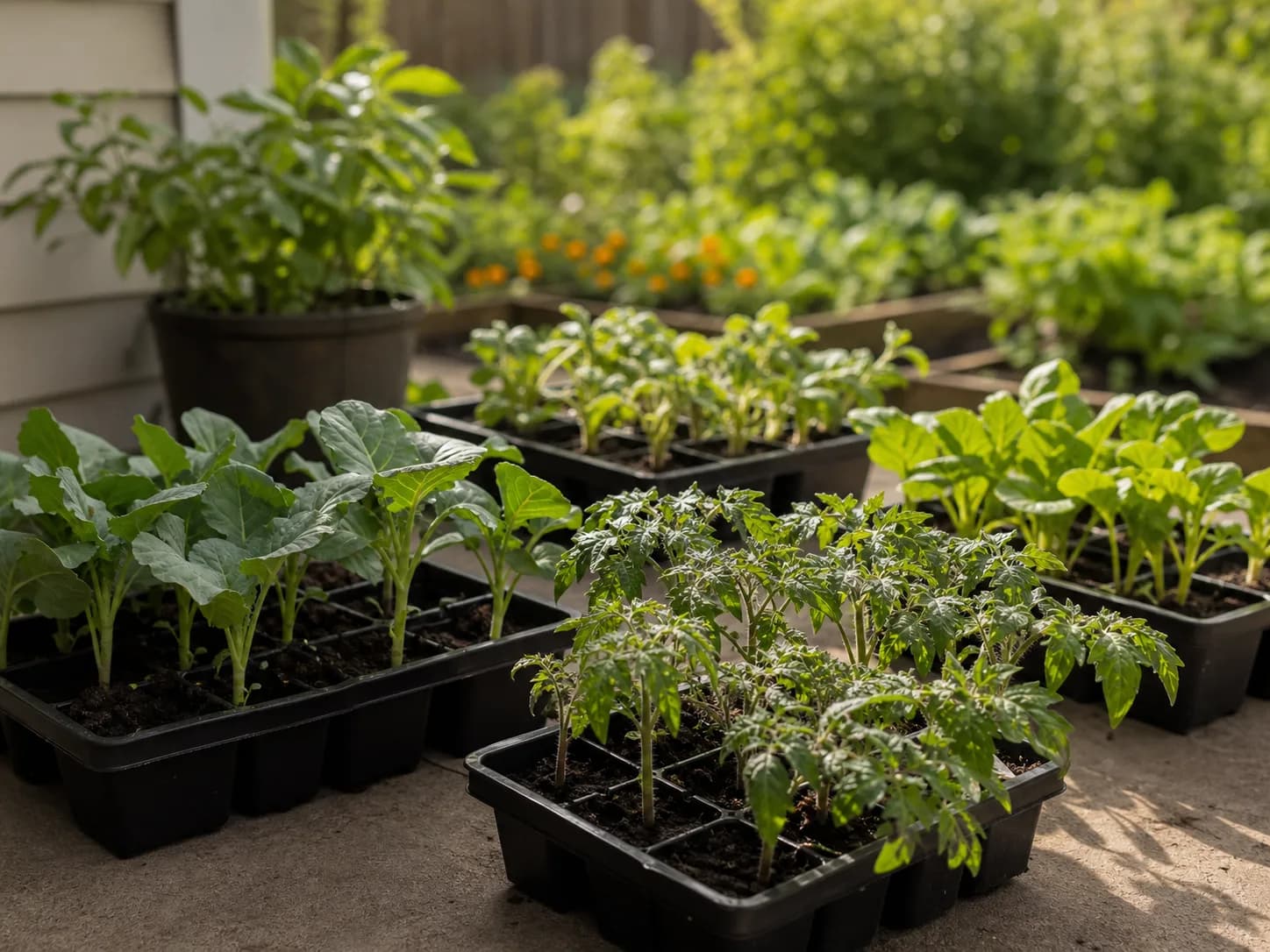
Seedlings raised under lights or in a warm window have thin leaf tissue, soft stems, and almost no experience with wind. Even hardy crops like Cabbage need a transition before they spend all day outside. Kale is tougher than many starts, but it still benefits from the same gradual move.
As you harden plants off, leaves thicken, stems firm up, and the plant learns to regulate moisture faster. That is why the process matters just as much for heat lovers like Tomato and Pepper as it does for cool crops.
Hardening off usually takes 7-10 days, not one sunny weekend. Rushing that window is how seedlings bleach, crisp, or stall for two weeks after transplanting.
- fiber_manual_recordLeaf change: Better tolerance to direct sun
- fiber_manual_recordStem change: More resistance to wind flop
- fiber_manual_recordRoot benefit: Less transplant shock once planted
calendar_monthA simple 7-10 day hardening-off schedule
Start with bright shade on a calm day. Day 1 is about exposure, not toughness. Set trays outside for 1-2 hours in shelter, then bring them back in.
Over the next few days, add time first and stronger light second. By day 4 or 5, most seedlings can handle a few hours of gentle morning sun; by day 7, they can often stay out all day if weather stays mild.
Warm-season crops like Tomato starts and Basil usually need the full schedule. Cool crops often move a bit faster, but they still should not jump from grow lights to all-day sun. Seedlings raised with indoor seed starting timing usually handle this ramp more predictably.
Strong wind counts as stress even on a cloudy day. If the forecast turns rough, repeat the previous day's exposure instead of forcing progress.
Only move to the next exposure block when trays still look firm by evening.
- fiber_manual_recordDays 1-2: 1-2 hours bright shade
- fiber_manual_recordDays 3-4: 3-4 hours outside, brief morning sun
- fiber_manual_recordDays 5-7: Half day to full day outside
- fiber_manual_recordFinal 1-3 days: Full day and mild nights if planting is near
Guide — See AlsoGround Cover Plants for Low‑Work, High‑Impact BedsLearn how to pick, plant, and maintain ground cover plants that fill in, control weeds, and match your light and zone wi
chevron_rightthermostatTemperature and weather thresholds matter more than the calendar
Do not harden seedlings off into cold air just because the tray is crowded. Most warm-season crops want daytime temperatures above 55°F and nights that stay close to or above 50°F while they acclimate.
Cool-season seedlings are more forgiving, but cold wind and driving rain still beat them up. A tray of Petunia starts can lose half its leaves from one bad gusty afternoon. Pepper seedlings are just as touchy when cold wind hits soft growth.
If you are already timing your planting date through tomato planting windows, start hardening off when that same weather window begins to look realistic. Pair it with watering seedlings so trays do not dry out in the middle of the day.
- fiber_manual_recordBest start condition: Mild day, low wind, filtered or morning light
- fiber_manual_recordWarm-season floor: About 55°F daytime, 50°F nights
- fiber_manual_recordBad hardening days: Heavy rain, strong gusts, sudden cold fronts
Email Updates
Join the KnowTheYard update list
Zone-specific advice, seasonal reminders, and new plant guides — no filler.
ecoDifferent seedlings harden off at different speeds
Not every tray has the same tolerance. Thick-stemmed brassicas and many cool-season starts can take light outdoor exposure fairly quickly. Tender warm crops, especially Pepper, Tomato, and Basil, usually need a slower ramp.
Flowers can be mixed. Tough annuals may harden quickly, while soft bedding plants need more protection. If you are transitioning vegetable and flower trays together, sort them by toughness instead of moving everything as one block.
Container-bound seedlings dry faster and scorch faster too. If a tray has been sitting a bit too long, expect to check it more often and shorten each session until roots catch up.
- fiber_manual_recordFast adapters: Many cool-season brassicas and stockier starts
- fiber_manual_recordSlower adapters: Tomato, peppers, Basil, tender annuals
- fiber_manual_recordExtra caution: Root-bound or stretched seedlings
Guide — See AlsoBest Shade Plants for Gardens That Get Little SunA practical guide to choosing the best shade plants for outdoor gardens, covering perennials, shrubs, ground covers, and
chevron_rightformat_list_numberedHow to read stress before it becomes a setback
A little droop after the first outdoor sessions is normal. White patches, crisp leaf edges, or stems flattened by wind are not. Those signs mean you moved too fast or picked the wrong weather window.
If leaves look sunburned, back up one step. Put trays in bright shade for another day or two, water them well, and resume more slowly. If wind was the main problem, use a sheltered wall, cold frame, or the lee side of a porch.
Transplant shock often starts during hardening, not after planting. A seedling that already looks tired when it goes into the garden will take longer to root and may lag behind stronger siblings for weeks.
Back up a day instead of pushing through damage. You lose less time repeating a step than recovering from full scorch.
- fiber_manual_recordNormal sign: Mild temporary droop that recovers by evening
- fiber_manual_recordToo much sun: Bleached or papery leaves
- fiber_manual_recordToo much wind: Bent stems, torn leaves, toppled cells
yardThe last two days before planting
The final stage is about matching the plant to planting day. Once seedlings handle a full outdoor day, leave them out longer if nights are mild and planting is close. That helps them settle into the same rhythm they will face in the bed or container.
Water well before transplanting, but do not leave trays swampy. A seedling should go into the ground hydrated and firm, not limp from drought or stressed from soggy roots.
For crops headed into containers or raised beds, set supports first so you do not disturb roots later. Warm-season starts like Tomato and Pepper benefit from going in late afternoon, then getting their first full outdoor day after a cool night in place. If a crop can skip transplanting entirely, compare it with direct sow versus transplant timing before planting day.
- fiber_manual_recordNight before planting: Full day outside if conditions are mild
- fiber_manual_recordPlanting-day water: Thorough but not waterlogged
- fiber_manual_recordBest transplant window: Late afternoon or a bright cloudy day
Guide — See AlsoBest Indoor Plants for Every Room and Light LevelA practical guide to choosing the best indoor plants for your home, covering beginner-friendly picks, low light champion
chevron_righttips_and_updates
Pro Tips
- check_circleMove seedlings into shade first; time outdoors increases before direct sun does.
- check_circleUse a sheltered wall or porch corner when spring wind is more dangerous than sun.
- check_circleWarm-season crops usually need the full hardening schedule even if daytime weather looks perfect.
- check_circleIf leaves bleach, repeat the previous day's exposure instead of pushing forward.
- check_circleTie hardening off to your planting forecast, not to when the trays start looking crowded.
quiz
Frequently Asked Questions
Can I harden off seedlings in one weekend?expand_more
Usually no. Most seedlings need about 7-10 days of gradually stronger exposure to avoid sunscald and wind shock.
Do cloudy days count for hardening off?expand_more
Yes. Cloudy outdoor time still helps seedlings adjust to wind, temperature swings, and lower humidity.
What if my seedlings wilt outside on day one?expand_more
Move them back to shade, water if the cells are dry, and shorten the next session. Wilting can mean too much sun, too much wind, or trays drying too fast.
Should I leave seedlings out overnight while hardening off?expand_more
Only in the final phase, and only if nighttime temperatures are safe for that crop and planting day is near.
Related Guides

Air Purifying Plants for Cleaner Indoor Air
Learn how to pick, place, and care for air purifying plants so they help your indoor air instead of just looking pretty.
11 min read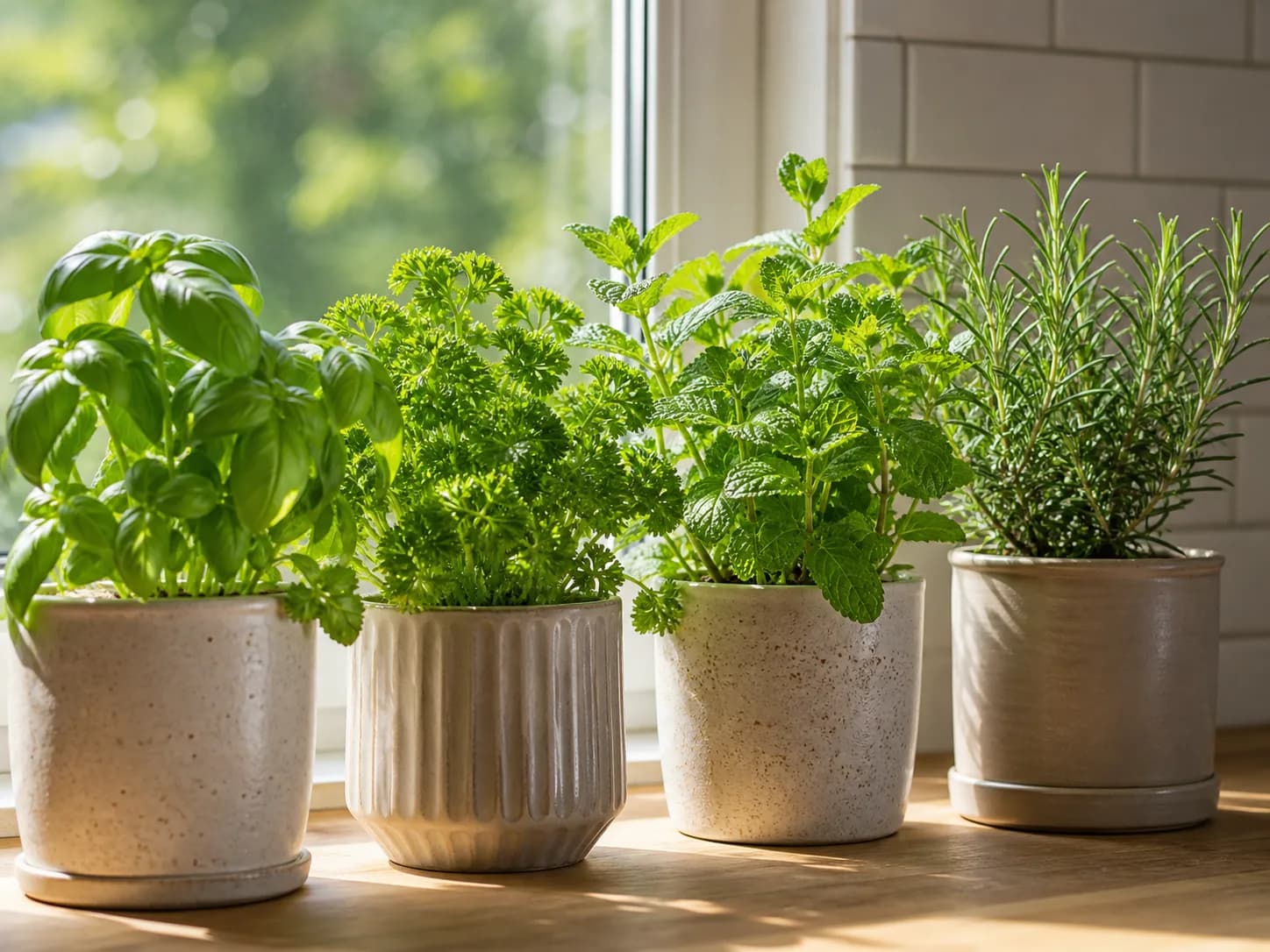
Best Herbs to Grow Indoors for Real Harvests, Not Spindly Pots
Choose indoor herbs that can actually produce in your light, temperature, and container setup, then match each one to the right harvest rhythm and watering style.
10 min read
Best Indoor Plants for Every Room and Light Level
A practical guide to choosing the best indoor plants for your home, covering beginner-friendly picks, low light champions, bright light lovers, watering basics, and how to avoid the most common mistakes.
13 min read