
Wateringschedule11 min read
How Often to Water a Vegetable Garden by Season and Soil
Learn how often to water a vegetable garden by reading your soil, watching the weather, and knowing what each crop needs, so you get steady harvests instead of stressed plants.
Most veggie beds fail from bad watering, not bad soil or seed. The trick is matching water to your soil and weather, not to a calendar. Here, "keep it evenly moist" gets translated into clear checks, numbers, and habits you can actually follow.
You will learn how to use a simple soil test to set a base schedule, then adjust for heat waves, cool spells, and mulching. We will also walk through sample routines for thirsty crops like indeterminate tomato plants and deep‑rooted rows like carrots, so you can tweak the rhythm for your own beds.
compostStart With Soil, Not a Calendar
Watering frequency depends on your soil and how exposed your beds are. Sand, raised beds, and full sun shed water faster than clay or shaded ground. The same garden can need very different schedules in different corners.
Use the finger test as your main guide. Push a finger 2 inches into the soil between plants. If it feels dry or only slightly damp, it is time to water. If it feels cool and sticks to your skin, you can usually wait a day.
Clay soil holds water but drains slowly, so the risk is soggy roots, especially for crops like garlic bulbs. Bulbing onions also struggle when that wet soil lingers. Sandy beds act like a sieve, so shallow‑rooted greens dry out fast and need smaller, more frequent drinks.
Mulch changes the game. A 2 to 3 inch layer of shredded leaves or straw can cut watering in half compared to bare soil. That matters a lot in hot areas such as zone 9 gardens and warmer.
That one quick soil check saves more guesswork than any timer ever will.
If soil below 3 inches stays wet for days, reduce frequency or volume before roots suffocate.
Use that warning as a cue to slow down before roots start to fail.
- fiber_manual_recordSandy soil: Water more often, smaller volumes each time
- fiber_manual_recordLoam soil: Aim for even moisture, moderate frequency
- fiber_manual_recordClay soil: Water less often, but apply more deeply
- fiber_manual_recordMulched beds: Expect longer gaps between waterings
water_dropDaily Checks vs Weekly Inches
Vegetables care about steady moisture around their roots, not how often you drag a hose out. Most gardens perform best with 1 to 1.5 inches of water per week, including rainfall, during active growth.
Think in terms of depth, not minutes on the timer. After a normal watering, wait 30 minutes and dig a small test hole. Moisture should reach 6 to 8 inches down for deep‑rooted crops like tomato vines and tall corn stands. If it only soaks the top 2 inches, you watered too lightly.
Weather shifts matter more than the calendar. Hot, windy weeks pull moisture fast, especially in open beds of pole beans. Fruiting peppers in the same weather usually need the same close watch. Cool, cloudy spells let the soil stay damp longer, so you can skip days without stressing plants.
A cheap rain gauge is your most reliable guide. If a storm drops 0.75 inches of rain, you probably only need to top off once that week. In dry stretches with no rain, expect to water two or three times to hit that 1 to 1.5 inch target.
More vegetable gardens are ruined by frequent, shallow sprinkles than by missing a single watering.
That is why depth matters more than how many times you touch the hose in a week.
- fiber_manual_recordWeekly target: 1–1.5 inches total moisture
- fiber_manual_recordRoot depth goal: Wet the top 6–8 inches of soil
- fiber_manual_recordCheck tool: Simple rain gauge plus finger test
- fiber_manual_recordAdjustments: Add extra session during heat waves, skip after big storms
Guide — See AlsoHow Often to Water Seedlings Without Killing ThemLearn exactly how often to water seedlings under lights, in windows, and outdoors. We walk through soil checks, containe
chevron_rightyardSample Schedules for Common Veggies
Exact timing depends on your soil and weather, but real‑world patterns give you a strong starting point. Use these schedules, then adjust with your own finger tests and rain gauge.
In summer, for an in‑ground loam bed, indeterminate tomato plants usually do best with a deep soak every 2–3 days once fruit sets. Peppers in the same bed can follow that schedule, especially bell types that sulk if the soil dries out between waterings.
Vining crops such as cucumbers and summer squash grow fast and drink heavily while fruiting. Watermelons behave much the same way. Plan on deep watering every 2 days during hot spells and every 3 days in milder weather, always checking 2 inches down before you turn on the hose.
Root crops and greens behave differently. Carrots and beets need steady, moderate moisture to prevent cracking or forking. A thorough soak every 3–4 days often works if mulch helps hold surface moisture. Tender cut‑and‑come‑again greens like baby spinach in sandy raised beds may need lighter, more frequent watering.
That contrast is why copying one schedule across every bed usually fails.
Treat these routines as training wheels. Your soil test and plant leaves always overrule the printed schedule.
Use the crop groups below as a starting map, then adjust each bed after you check moisture by hand.
- fiber_manual_recordFruit crops: Tomatoes, peppers, squash, cucumbers, melons
- fiber_manual_recordRoot crops: Carrots, beets, radishes, potatoes
- fiber_manual_recordLeaf crops: Lettuce, spinach, kale, herbs
- fiber_manual_recordRaised beds: Often dry faster than in‑ground rows
Email Updates
Join the KnowTheYard update list
Zone-specific advice, seasonal reminders, and new plant guides — no filler.
calendar_monthSeasonal and Zone-Based Adjustments
Spring, summer, and fall can feel like entirely different worlds in your garden. Early in the season, cool soil and small plants mean you may only need to water once or twice a week, especially in cooler areas like zone 5 regions.
By midsummer in zone 8 and hotter, fully leafed-out plantings such as sweet corn blocks and dense bean trellises pull water from the soil and release it into the air all day long. Expect to water every 1–3 days, adjusting for heat, wind, and mulch coverage.
Fall usually lands somewhere in between. Days shorten, nights cool, and fruiting slows on plants such as eggplant shrubs. Late pumpkin vines follow the same slower rhythm. You can begin to stretch the interval between waterings again, but keep the soil slightly moist while roots remain active.
Container vegetables behave almost like a different species. Pots dry out far faster than in‑ground beds. A large patio tomato in a pot in full sun might need water every day in July, and sometimes twice during intense heat waves.
Any time highs jump 10–15 degrees for several days, plan on extra deep watering until the spell breaks.
The safest move is to water ahead of the hottest run, not after leaves are already flagging.
- fiber_manual_recordCool spring: Water 1–2 times weekly in most soils
- fiber_manual_recordPeak summer: Water 2–4 times weekly, sometimes daily in containers
- fiber_manual_recordCooling fall: Gradually lengthen time between sessions
- fiber_manual_recordHeat waves: Prioritize deep watering before the hottest part of the day
Guide — See AlsoWorst Time to Water Plants and What To Do InsteadKnow exactly when NOT to water your garden, lawn, and houseplants so you avoid disease, pests, and weak roots.
chevron_rightlocal_floristReading Your Plants for Thirst
Leaves tell you more about water needs than any calendar ever will.
Wilting in the afternoon that perks up by evening usually signals heat stress, while limp leaves that stay droopy in the cool morning signal real drought.
Thin leafy crops like tender spinach rows show thirst much faster than woody plants, so use them as an early warning system for the whole bed.
Glossy, firm leaves on plants like peppers in sun and tomato vines usually mean your watering rhythm is on point.
Do checks in the early morning, not at 4 p.m., or you will confuse heat wilt with true water stress.
Yellowing lower leaves paired with dry, crumbly soil point to chronic underwatering, while yellow leaves plus soggy soil suggest roots are drowning instead.
Slow growth on thirsty crops like cucumber vines and melon runners often traces back to shallow, erratic watering rather than weak soil.
- fiber_manual_recordMorning check: Squeeze soil from 2 inches down, it should feel cool and lightly moist
- fiber_manual_recordLeaf texture: Healthy plants feel springy, not stiff or limp
- fiber_manual_recordColor clues: Even green is good, yellow plus dry soil means late on water
- fiber_manual_recordNew growth: Fresh leaves forming means your current watering is close
water_dropAvoiding Overwatering and Root Rot
Too much water stunts a vegetable garden faster than skipping a day with the hose.
Roots need air pockets in the soil; when the ground stays saturated, water fills every gap and the roots suffocate.
Clay-heavy beds and low spots in the yard hold moisture longer, so they become prime trouble zones for root rot on crops like broccoli transplants. Young cabbage starts run into the same problem there.
Raised beds drain faster, which helps in rainy climates but means you must watch for underwatering during hot spells.
If you see mushrooms popping in vegetable rows in midsummer, that bed is staying wetter than most crops prefer.
Chronically wet soil combined with yellow leaves and blackened stems near the base often shows up on heavy feeders, especially tomato plants and sweet peppers.
Waterlogged beds also invite fungus gnats, so inspect any slimy areas if you have had issues controlling gnats in damp soil.
A drainage problem almost always shows up in the same low pocket first, so watch those spots after every storm.
- fiber_manual_recordPuddle test: Water for ten minutes; puddles should disappear within 3 to 4 minutes
- fiber_manual_recordRoot check: Sacrifice one struggling plant; roots should be cream colored, not brown and mushy
- fiber_manual_recordSpacing rows: Leave room for air flow so foliage dries after rain
- fiber_manual_recordMulch thickness: Keep organic mulch at roughly 2 to 3 inches, not piled against stems
Guide — See AlsoSigns of Underwatering Plants and How to Fix ThemLearn how to spot the real signs of underwatering in houseplants, vegetables, and shrubs so you can fix stress early and
chevron_rightyardWatering Different Garden Setups
Containers, raised beds, and in-ground rows all use water at different rates.
Pots heat up and dry out fastest, especially dark containers on patios that also grow herbs like basil and rosemary. Raised beds drain quicker than native soil, which suits crops that hate wet feet such as garlic bulbs and root carrots. In ground gardens can often go longer between deep soakings if you have added compost and organic matter for better structure.
Drip irrigation shines in beds packed with mixed crops, because you can give thirsty corn blocks more emitters than shallow rooted radishes. Sprinklers are easy to set up but lose water to wind and sun. They also keep foliage wet, which can push diseases on squash vines and other cucurbits.
Matching your watering method to the bed type saves more time than any fancy gadget.
- fiber_manual_recordContainers: Expect watering every 1 to 2 days in hot spells
- fiber_manual_recordRaised beds: Deep soak roughly every 2 to 4 days depending on heat
- fiber_manual_recordIn ground rows: Often hold a 1 inch weekly deep watering longer
- fiber_manual_recordDrip lines: Aim for slow delivery, about 30 to 60 minutes per session
compostCoordinating Watering With Fertilizer
Water and nutrients work together, so a poor watering plan wastes good fertilizer.
Dry soil locks up nutrients, while heavy watering right after feeding can leach them past the root zone in sandy beds.
Water deeply the day before feeding, then apply fertilizer and water again lightly to move it into the root zone for crops like bush beans and spring peas.
Liquid feeds go directly with water, so always follow label mixing rates and pour onto moist soil, not dry dust.
If you top dress with compost or slow release grains around plants like tomato cages, regular deep watering slowly breaks that food down where roots can reach it.
Fine tune this with a dedicated feeding plan such as the steps in the vegetable fertilizing guide, then match your watering to that schedule.
- fiber_manual_recordPre water: Moisten soil the day before granular fertilizer
- fiber_manual_recordFertilizer day: Light watering to settle nutrients, avoid runoff
- fiber_manual_recordFollow up: Normal deep soak again 3 to 4 days later
- fiber_manual_recordSalt flush: Every few weeks, water extra deeply in containers to rinse built up salts
Guide — See AlsoBest Time to Water Indoor Plants for Healthy GrowthLearn exactly when to water indoor plants during the day, how timing changes by season and light level, and how to avoid
chevron_rightquizTroubleshooting Common Watering Problems
Most odd problems in a vegetable bed trace back to uneven watering or poor timing.
Blossom end rot on tomato fruit looks like a disease, but the trigger is usually swings between bone dry and soaked soil.
Cracked watermelon rinds and split radish roots often follow a big rain after a dry spell, which floods thirsty tissues too quickly.
Bitter cucumber harvests and leafy lettuce show up more often when beds swing from drought to flood instead of staying evenly moist.
Any time you see a sudden change in fruit quality, ask first what the water pattern looked like the previous two weeks.
That two-week window usually tells you more than the last watering alone.
Wilting plus gray, dusty leaves can point to mildew instead of drought, especially on zucchini plants and pumpkin vines in humid zones like zone 7 yards.
Stunted plants next to healthy ones usually mean a local issue such as a clogged drip emitter, compacted soil patch, or a hidden root problem.
- fiber_manual_recordUneven size: Check emitter flow and soil texture in that exact spot
- fiber_manual_recordFrequent rot: Ease back watering and improve drainage or raised height
- fiber_manual_recordLeaf scorch: Combine deep watering with afternoon shade cloth during heatwaves
- fiber_manual_recordSlow recovery: Re check your inches per week, many gardens never reach a full inch
tips_and_updates
Pro Tips
- check_circleWater early in the morning so leaves dry quickly and roots drink before heat builds.
- check_circleAim the stream at soil, not foliage, to reduce disease, especially on crops like tomatoes and cucumbers.
- check_circleUse a cheap moisture meter or consistent finger test so you stop guessing from the surface.
- check_circleGroup thirsty crops like corn, squash, and melons together so your schedule stays simple.
- check_circleLay 2–3 inches of straw or shredded leaves to keep moisture where roots can use it.
- check_circleDrip lines or soaker hoses save time and deliver slow, deep water with less waste.
- check_circleIn raised beds, shorten the gap between waterings but keep each session deep, not skimpy.
quiz
Frequently Asked Questions
Is it better to water a vegetable garden in the morning or evening?expand_more
Morning wins almost every time. Cooler air cuts evaporation, leaves dry faster, and plants drink before heat hits. Evening watering can work, but regularly leaving foliage wet overnight raises disease risk, especially on squash, cucumbers, and tomatoes.
How often should I water raised bed vegetables in summer?expand_more
Most raised beds need a deep soak every 2 to 3 days during hot, dry spells. Check 2 to 3 inches down before watering. If soil still feels cool and slightly moist, wait another day. Windy sites and unmulched beds dry out faster than sheltered ones.
Do seedlings need more frequent watering than mature plants?expand_more
Yes. Seedlings have shallow roots and small soil volumes, so they dry out quickly. Expect daily checks and light watering for new transplants, then stretch the time between waterings as roots reach deeper and you transition to less frequent, deeper soakings.
Can I use a moisture meter instead of checking soil by hand?expand_more
A basic moisture meter can help if you are still learning your soil, but do not rely on the numbers alone. Use it along with the finger test and plant appearance so you understand what "wet" and "dry" look and feel like in your own beds.
How does mulch change how often I water vegetables?expand_more
A 2 to 3 inch layer of straw, shredded leaves, or grass clippings cuts evaporation so you water less often. Beds with mulch often stretch an extra day between soakings compared to bare soil, and they keep shallow roots cooler during summer heat.
menu_book
Sources & References
Related Guides
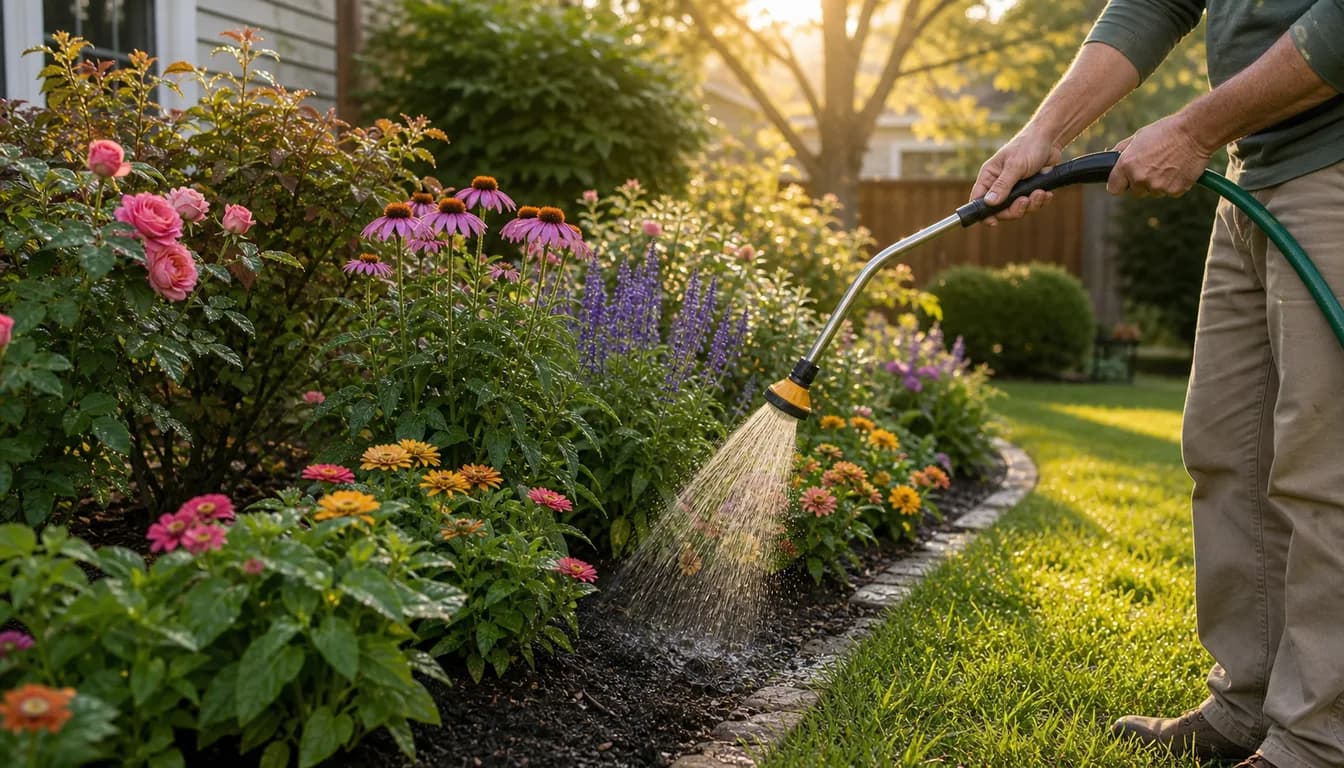
Best Time to Water Flowers for Stronger Blooms
Learn exactly when to water flowers so blooms last longer, plants stay healthier, and you are not wasting water. Covers beds, containers, and hanging baskets.
10 min read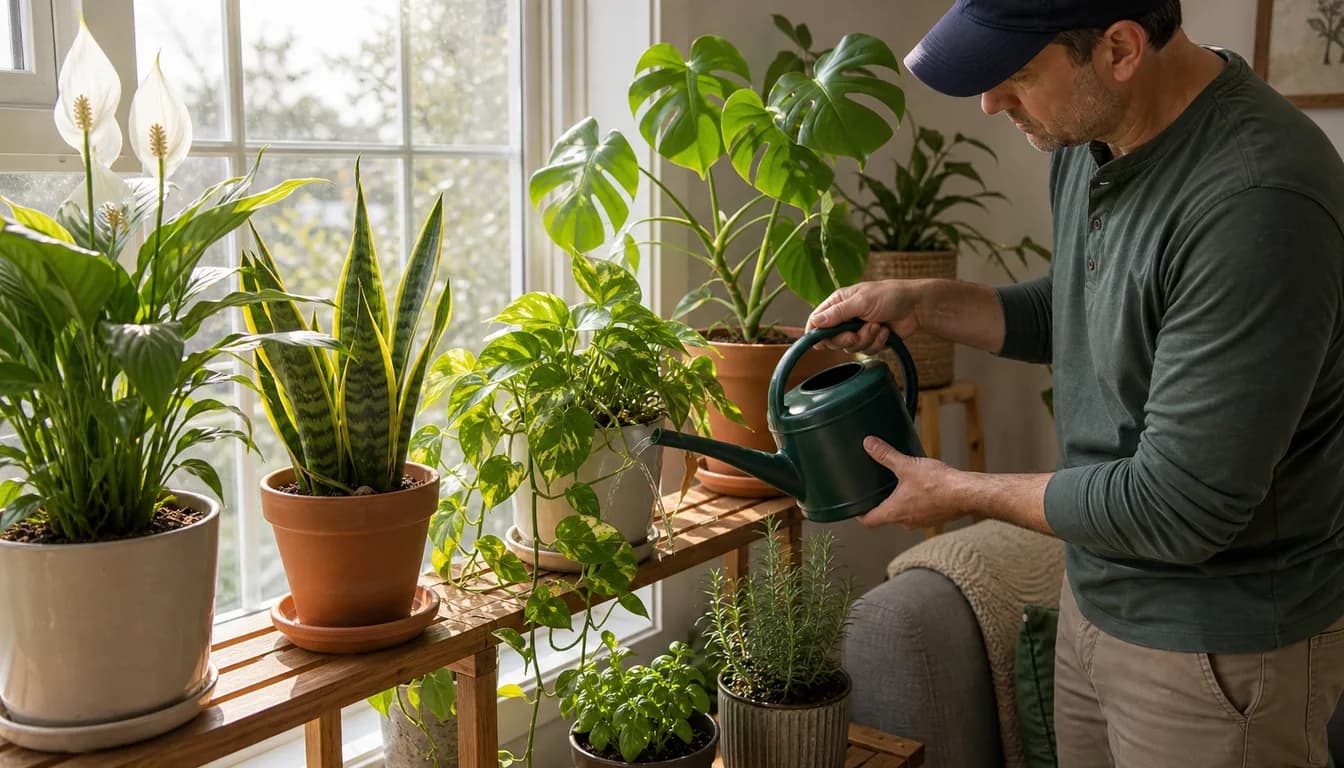
Best Time to Water Indoor Plants for Healthy Growth
Learn exactly when to water indoor plants during the day, how timing changes by season and light level, and how to avoid rot and droop without using a strict calendar schedule.
11 min read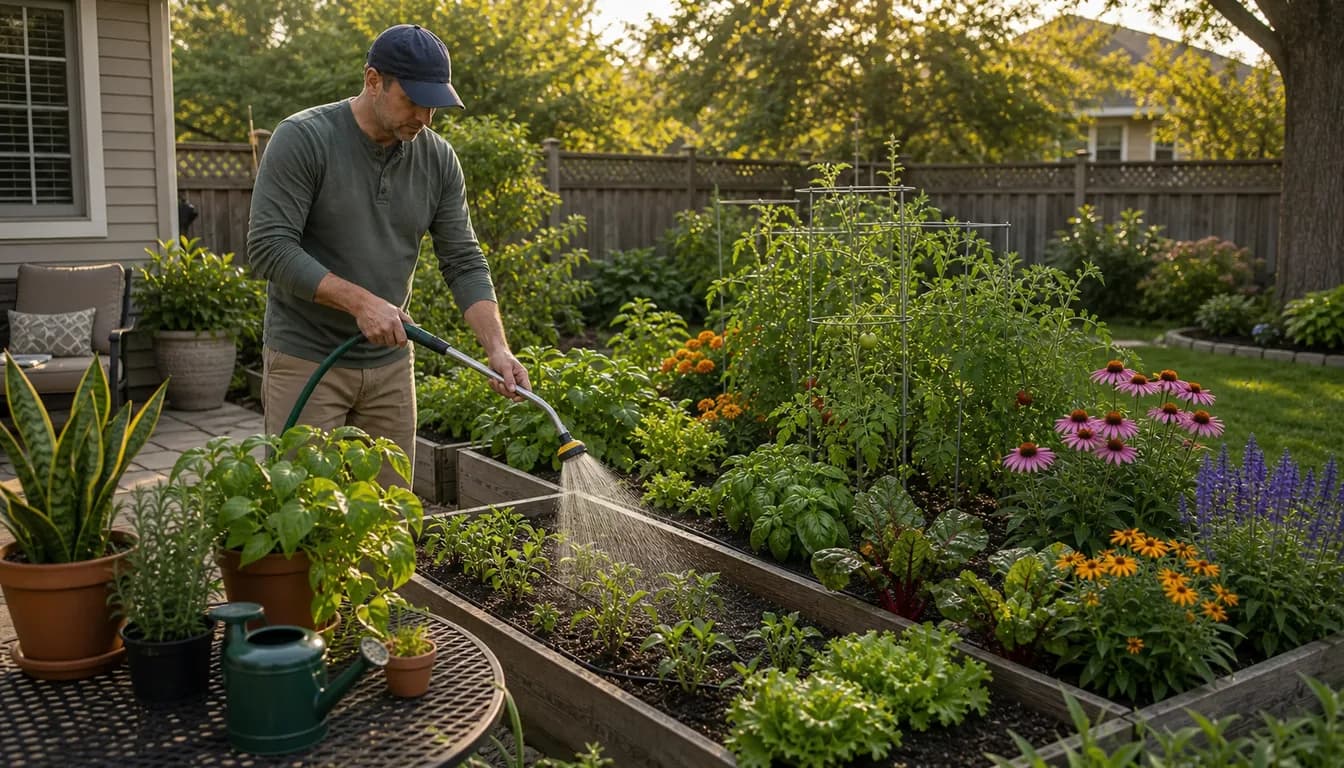
Best Time to Water Plants for Healthier Roots
Learn exactly when to water indoor and outdoor plants so roots drink deeply, leaves stay healthy, and soil stays in the ideal moisture range instead of staying soggy or bone dry.
11 min read