verifiedSource Reviewed
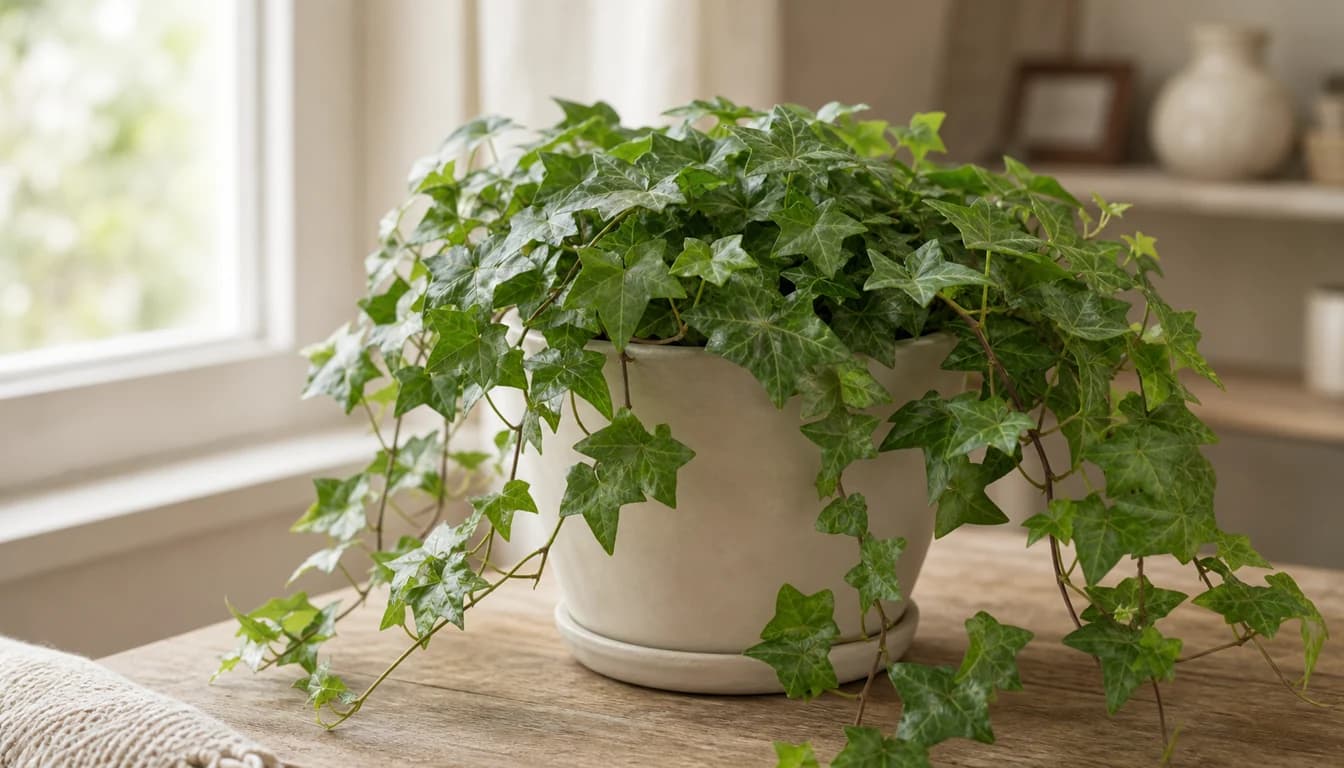
English Ivy as a Trailing Houseplant
Hedera helix
Family: Araliaceae
wb_sunnyLight
Bright indirect, short periods of soft direct sun
water_dropWater
Moderate, keep lightly moist but never soggy
heightHeight
Vines 2-6 ft indoors with pruning
publicZone
Zone 10-12 indoors as a houseplant
airAir Quality
Air Quality Note
Native Region
Europe and Western Asia
ecoGrow It as a Trimmed Indoor Vine
Indoor English Ivy works best when you treat it as a managed vine. The goal is dense small leaves and short active tips, not unlimited growth across a room.
Long weak vines invite pests and leaf drop. Regular trimming keeps light reaching the inner stems and makes watering easier to judge.
- check_circleShort leafy tips: keep pruning lightly.
- check_circleLong bare stems: cut back and improve light.
- check_circleCrisp edges in hot air: move cooler before watering more.
This page is different from Pothos. English Ivy prefers cooler air and is less forgiving of dry heat.
A tidy plant is easier to keep healthy because you can see the inner stems. Hidden stems are where mites and dry leaf drop get ahead of you.
local_floristChoose Leaf Size Before Variegation
Small-leaf forms stay tidier indoors. Variegated types need more light to keep contrast and can fade in dim rooms.
Green small-leaf ivyBest for dense indoor trailing and easier recovery
Variegated ivyNeeds brighter light to keep cream or white edges
Curly formsDecorative, but harder to inspect for pests
If you want a pet-safe hanging plant, Spider Plant is the safer choice.
For a trailing plant that keeps silver pattern with less cool-room demand, Satin Pothos may be easier.
Comparison — See AlsoPothos vs English Ivy
chevron_rightwb_sunnyUse Bright Cool Light for Dense Vines
English Ivy wants bright indirect light and cooler rooms. Low light makes long gaps between leaves, while hot sun dries the edges.
An east window or bright cool shelf works better than a hot south window. Variegated plants need the brighter end of that range.
If the vines thin in winter, cut back lightly instead of letting weak growth run.
If the only bright spot is hot and dry, Pothos usually handles that shelf better.
Email Updates
Join the KnowTheYard update list
Zone-specific advice, seasonal reminders, and new plant guides — no filler.
water_dropKeep It Lightly Moist, Not Wet
Water when the top layer starts to dry. The root ball should not stay soggy, but repeated dry crashes make leaves brown and drop.
A cool room changes the timing. The plant may use water slowly even when the leaf surface looks dry.
lightbulbPot Weight Rule
Lift the pot before watering. Cool rooms can hide wet soil longer than warm rooms.
A dry crash leaves crispy edges. Wet roots create yellow leaves that drop from the inside of the pot outward.
- check_circleCrisp edges with light pot: water and cool the spot.
- check_circleYellow leaves with heavy pot: wait and improve drainage.
- check_circleSpeckled leaves: check for mites before watering again.
Guide — See AlsoAir Purifying Plants for Cleaner Indoor AirLearn how to pick, place, and care for air purifying plants so they help your indoor air instead of just looking pretty.
chevron_right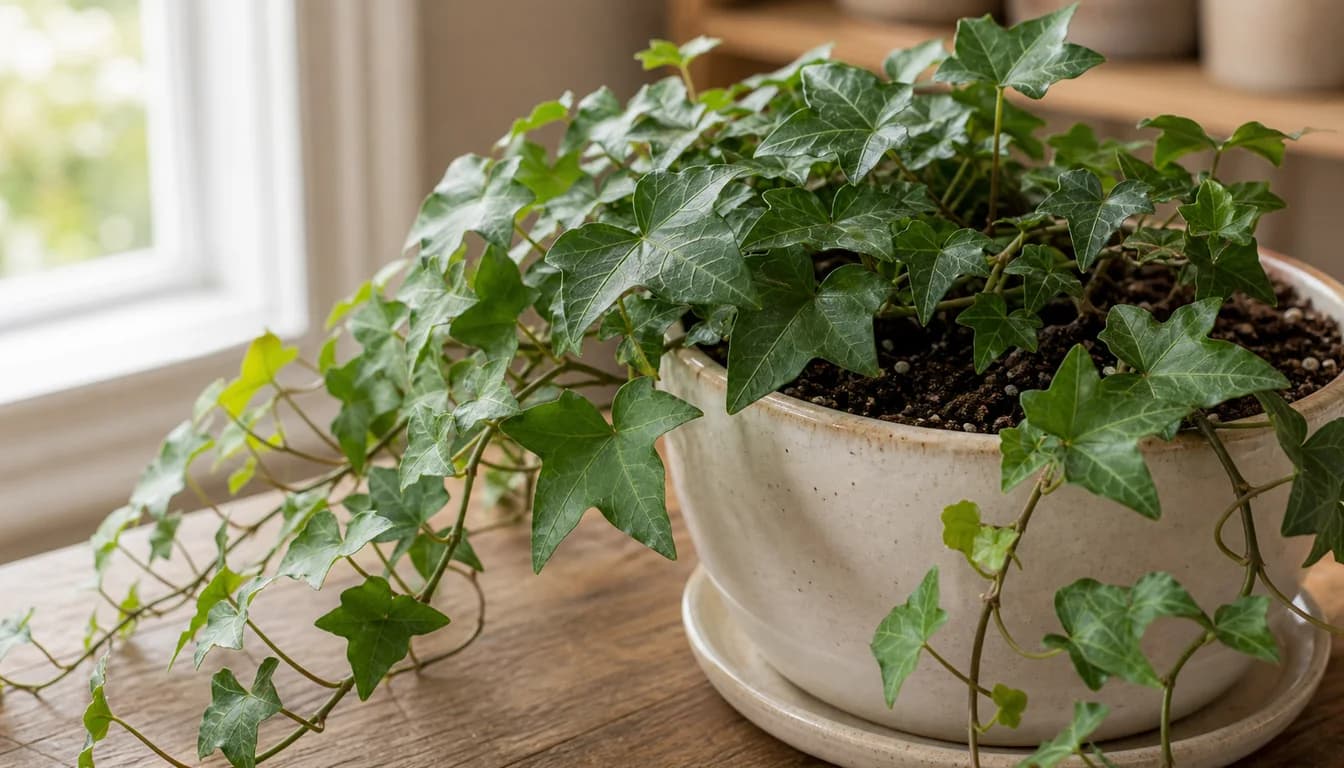
compostUse a Pot That Lets You Prune and Inspect
A modest pot with drainage is easier than a deep decorative container. English Ivy has fine roots that dislike stale wet soil.
Hanging baskets work if you can still reach the plant to trim and inspect. A basket that is too high becomes a pest nursery.
- fiber_manual_recordUse light indoor mix with drainage.
- fiber_manual_recordAvoid oversized pots.
- fiber_manual_recordKeep vines reachable for pruning and inspection.
For a trailing vine that handles warmer rooms better, Philodendron is often easier.
content_cutRoot Fresh Tips After a Trim
Fresh green tips root more reliably than old woody vines. Take cuttings after a trim, remove the lowest leaves, and place nodes in water or moist mix.
Do not propagate pest-covered tips. Clean up the parent plant first or you copy the problem into every new pot.
Best cuttingFirm green tip with several nodes
Best reasonRefresh a leggy indoor basket
AvoidWoody bare stems or mite-damaged tips
For faster and more forgiving vine cuttings, Philodendron is usually easier.
Guide — See AlsoBest Herbs to Grow Indoors for Real Harvests, Not Spindly PotsChoose indoor herbs that can actually produce in your light, temperature, and container setup, then match each one to th
chevron_rightpest_controlAssume Mites Before the Vine Looks Empty
Spider mites love dry indoor ivy. Look for fine webbing, speckled leaves, and dusty undersides before the plant suddenly thins.
Dense vines make inspection hard, so pruning is part of pest prevention. Open the plant enough that air and your eyes can reach the inner stems.
If pests keep returning, choose an easier trailing plant like Satin Pothos instead of fighting the same basket all year.
warningMite-Prone Vine
Dry heat plus dense ivy is the common pest setup. Open the plant before it becomes a webbed mass.
calendar_monthUse Winter to Keep It Compact
Winter indoor air can be warm and dry, which is exactly what English Ivy dislikes. Keep it cooler if you can.
Trim weak winter vines instead of training them longer. Thin growth becomes pest-prone and rarely fills back in neatly.
Resume stronger pruning and feeding only when light improves.
A compact winter plant is easier to restart in spring than a long weak vine full of dry tips.
Guide — See AlsoBest Indoor Plants for Every Room and Light LevelA practical guide to choosing the best indoor plants for your home, covering beginner-friendly picks, low light champion
chevron_rightpetsDo Not Treat Indoor Ivy Like Outdoor Groundcover
English Ivy is not pet-safe, and outdoor planting can create ecological problems in many regions. Indoors, keep it contained and discard trimmings responsibly.
If you want an outdoor groundcover, use regional advice instead of moving houseplant cuttings into the yard.
For a safer indoor trailing choice around pets, String of Turtles is a better fit.
A pet-safe alternative is Spider Plant, which also works in hanging baskets without the same toxicity issue.
eco
Keep Exploring
Related Plants
 Houseplants
Air Plant
Air plants are living sculptures that thrive without soil, anchoring to driftwood, rocks, or shells while drawing moisture from the air. Their silvery-green ros
 Houseplants
Peperomia Watermelon
Watermelon Peperomia is a compact, pet-safe plant grown for round striped leaves and shallow roots that rot if the pot stays wet.
 Houseplants
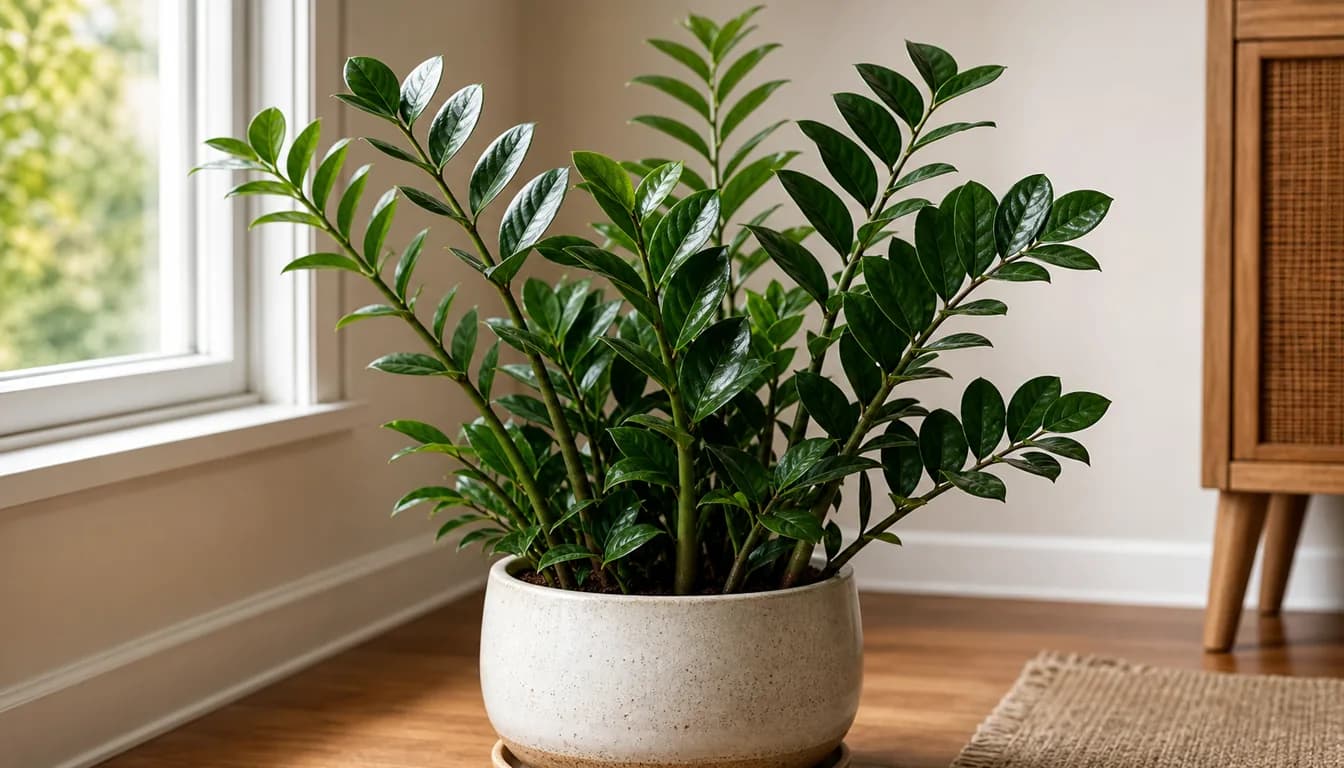
Zz Plant
ZZ Plant survives neglect because its underground rhizomes store water. Treat it like a slow water-storage plant, not like a leafy plant that wants frequent
quiz
Frequently Asked Questions
Can English Ivy grow indoors?expand_more
Yes, if it gets bright cool light, careful watering, and regular trimming.
Why is my English Ivy dropping leaves?expand_more
Common causes are hot dry air, overwatering, underwatering, low light, or spider mites. Check the undersides of leaves.
Does English Ivy need pruning?expand_more
Yes. Pruning keeps vines dense, reachable, and easier to inspect for pests.
Is English Ivy pet-safe?expand_more
No. Keep it away from pets that chew leaves.
Can I plant indoor English Ivy outside?expand_more
Avoid that unless local guidance says it is safe. English ivy can spread aggressively outdoors.
menu_book
Sources & References
- 1.Missouri Botanical Garden Plant Finder, Hedera helixopen_in_new
- 2.Royal Horticultural Society, Hedera helix Growing Guideopen_in_new
- 3.Clemson Cooperative Extension, Growing Indoor Plants with Successopen_in_new
- 4.Hedera helix, English Ivyopen_in_new
- 5.English Ivy, Hedera helix, Toxicity to Petsopen_in_new
- 6.Managing English Ivy in the Landscapeopen_in_new
- 7.Spider Mites on Houseplants: Integrated Pest Managementopen_in_new