
How to Grow Golden Pothos as a Healthy Climbing or Trailing Vine
Epipremnum aureum Araceae
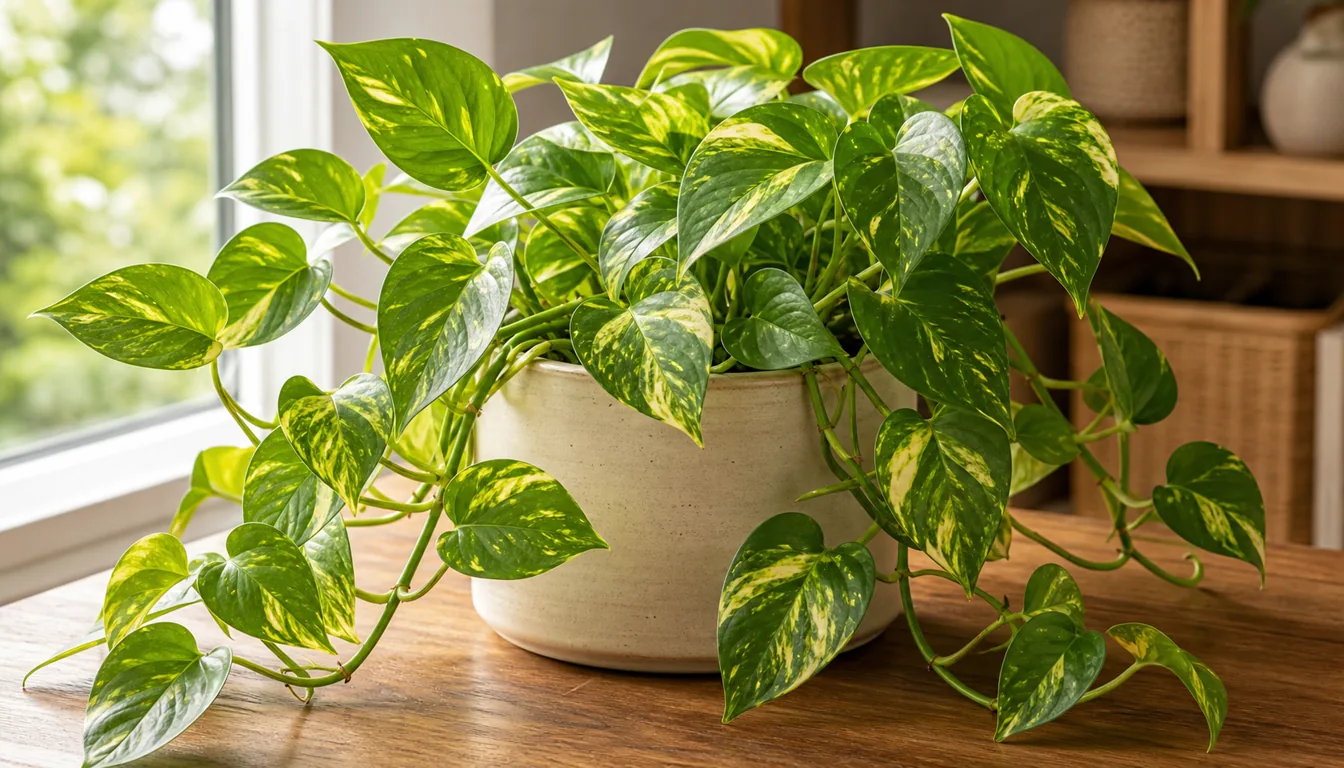
Golden pothos is a trailing or climbing houseplant with green leaves splashed with gold. Bright indirect light supports its color, while an airy potting mix and a chance for the surface to dry help keep its roots healthy.
It can survive dimmer rooms, but slower growth changes its water needs. Yellow leaves, fading patterns, and bare vines need different checks rather than the same extra watering or fertilizer.
Care snapshot
What Makes Golden Pothos Different?
Golden pothos is Epipremnum aureum, a tropical aroid that grows by extending vines and forming aerial roots at its nodes. The familiar heart-shaped leaves belong to its juvenile growth. A climbing plant in suitable conditions can develop much larger, more divided leaves, so small indoor leaves are not evidence that the species stays small outdoors.
A hanging basket displays the trailing growth. An upright support gives the aerial roots somewhere to attach and keeps the vine within a different footprint. The choice changes where the plant can grow, but a pole alone does not guarantee mature leaves in a dim room.
Golden, Marble Queen, and Neon are cultivated forms of the same species. Their different color patterns help distinguish them, while growing conditions influence how quickly each vine develops.
- Golden
- Green leaves with irregular yellow or cream streaks and splashes.
- Marble Queen
- Green leaves marbled with white. Its pale pattern differs from Golden’s yellow markings.
- Neon
- Predominantly chartreuse foliage. Its light color is a cultivar trait, not proof of yellowing from illness.
New leaves that become smaller and less patterned can reflect insufficient light, especially after a move away from a window. That change has to be judged against the plant’s own earlier growth. One naturally green leaf on Golden, or a chartreuse leaf on Neon, does not establish a deficiency.
Heartleaf philodendron can look similar from a distance. Pothos has grooved leaf stalks, while heartleaf philodendron produces conspicuous separate sheaths around new growth. Those details are more useful for identification than treating every heart-shaped trailing leaf as pothos.
A New Vine Needs Stem Tissue and a Node
A pothos cutting needs a piece of the main vine with a node, where the leaf stalk joins the stem and a bud can produce new growth. A leaf and its stalk alone are not the same piece. The small brown aerial root near a node is a useful landmark, but the growing point and attached stem tissue matter too.
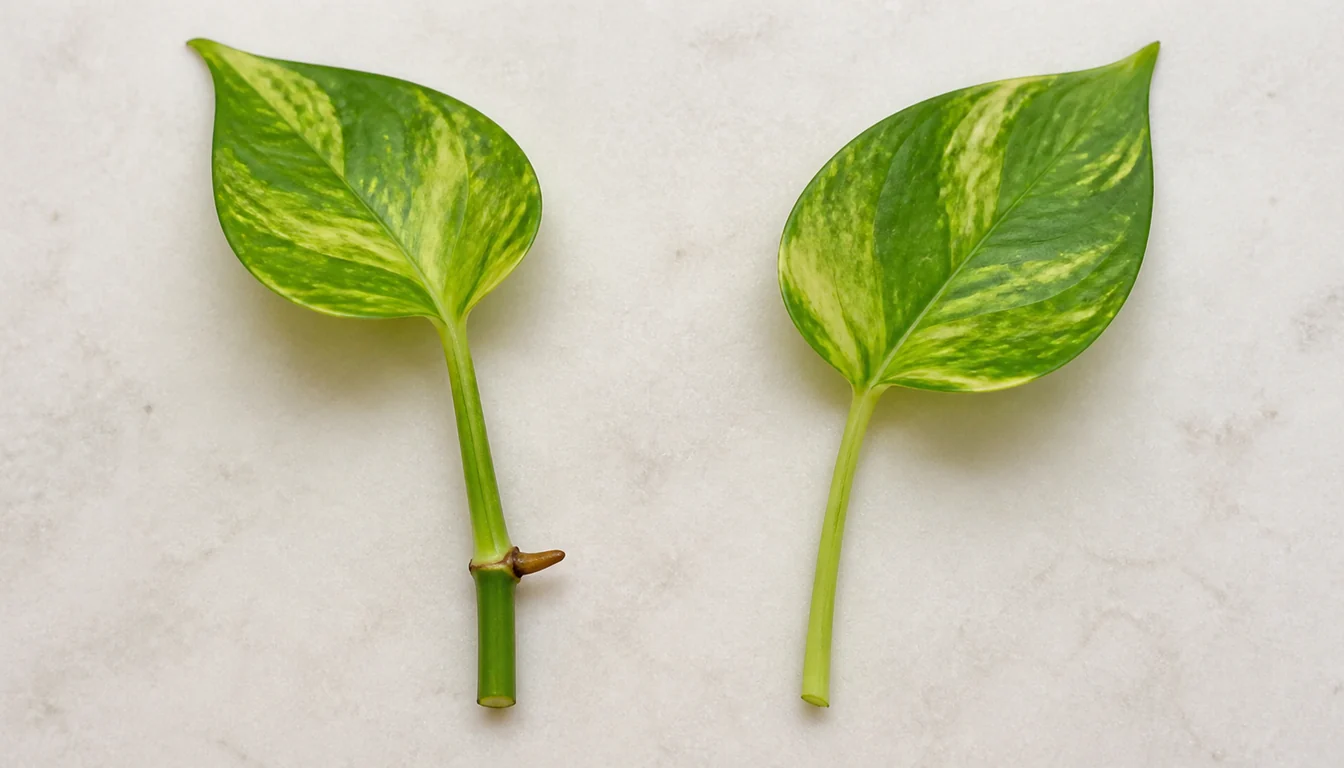
UF/IFAS describes commercial propagation with a single node and an attached leaf. A longer leafy tip also works. There is no reason to discard a viable single-node piece because it lacks a second node, or to strip a small parent back to a prescribed number of leaves.
- Start with healthy, pest-free growth and clean, sharp cutting tools. Leave enough healthy foliage and growing points on the parent for it to recover.
- Identify the node before cutting. Keep it on the cutting, with a short piece of main stem attached. A cut on the parent above a retained node leaves a potential regrowth point there.
- Keep leaves above the water or rooting medium. Place the lower stem and intended rooting node in water, or insert them into a premoistened, airy rooting medium in a draining container.
- Keep the cutting warm and in bright indirect light. Maintain water around developing roots, or keep rooting medium moist without leaving the container waterlogged. Replace cloudy water and clean the container.
- Pot a water-rooted cutting once it has useful roots, handling them gently. Iowa State gives about an inch of root growth as a practical transfer guide, not a deadline on the calendar.
New buds can begin growing before a substantial root system forms. A fresh leaf therefore does not prove the cutting is ready for dry conditions or feeding. Water-grown roots also have to adjust after potting, so the small plant needs consistent moisture while it establishes rather than the dry interval of a large established pothos.
Pruning can shorten a bare vine and leave buds from which growth may resume. Rooted cuttings can also fill an open pot, provided there is space for their roots. Neither approach corrects the low light, pests, or root stress that caused the original leaf loss.
Enough Light for Color Without Scorching Leaves
Bright indirect light is the most useful starting point for golden pothos. Its ability to survive low light does not mean it will keep the same leaf size, growth rate, or gold pattern there. In a darker position, continued watering at the old rate can leave the roots wet long after growth has slowed.
A fixed distance from a window cannot describe the light reaching the leaves. Window direction, nearby buildings, curtains, trees, and season all change it. A bright spot behind a sheer curtain can be gentler than direct afternoon sun through an uncovered pane.
A move from shade into strong sun can damage foliage. Brown dead areas concentrated in the pale portions of leaves are consistent with light or heat injury, but a brown patch alone is not a complete diagnosis. Cold exposure and abrupt temperature changes can also injure pothos leaves.
New growth is more useful than an old damaged leaf for judging an adjustment. Existing scorched tissue will not turn healthy again. More evenly patterned new leaves, alongside healthy roots and normal growth, support keeping the new position.
Potting Mix and Repotting Follow the Roots
Pothos needs a potting medium that holds moisture while leaving air around the roots. Peat, bark, and perlite can contribute different parts of that balance. A bagged mix is not automatically unsuitable because it contains peat, and adding a fixed percentage of bark does not guarantee drainage in every pot.
The container needs an exit for water, and a decorative outer pot must not keep the inner pot standing in runoff. A coarse surface can hide a wet root ball underneath. The condition of that root ball matters more than whether the top looks chunky.
Repotting is useful when a dense root mass leaves little working medium, water bypasses a shrunken mix, or the medium no longer wets and drains properly. A single root at a drainage hole is a reason to inspect, not proof that every plant needs a larger pot immediately.
A modest increase in pot size leaves room for roots without surrounding them with a large volume of wet, unused mix. A plant with damaged roots may need a smaller healthy root zone rather than a bigger container. Healthy plants do not need repotting simply because another year has passed.
Yellow Leaves Need More Than a Watering Guess
For an established pothos, the surface of the medium can dry slightly before the next thorough watering. Water then needs to reach the root ball and drain away. A calendar interval cannot account for a small terracotta pot beside a bright window and a large plastic pot in a cool room.
Pot weight, moisture below the surface, and the time since the last watering help explain what the roots are experiencing. A light pot with dry medium calls for a different response from a heavy pot that remains wet. The same drooping leaves can appear when roots lack water or cannot take it up effectively.
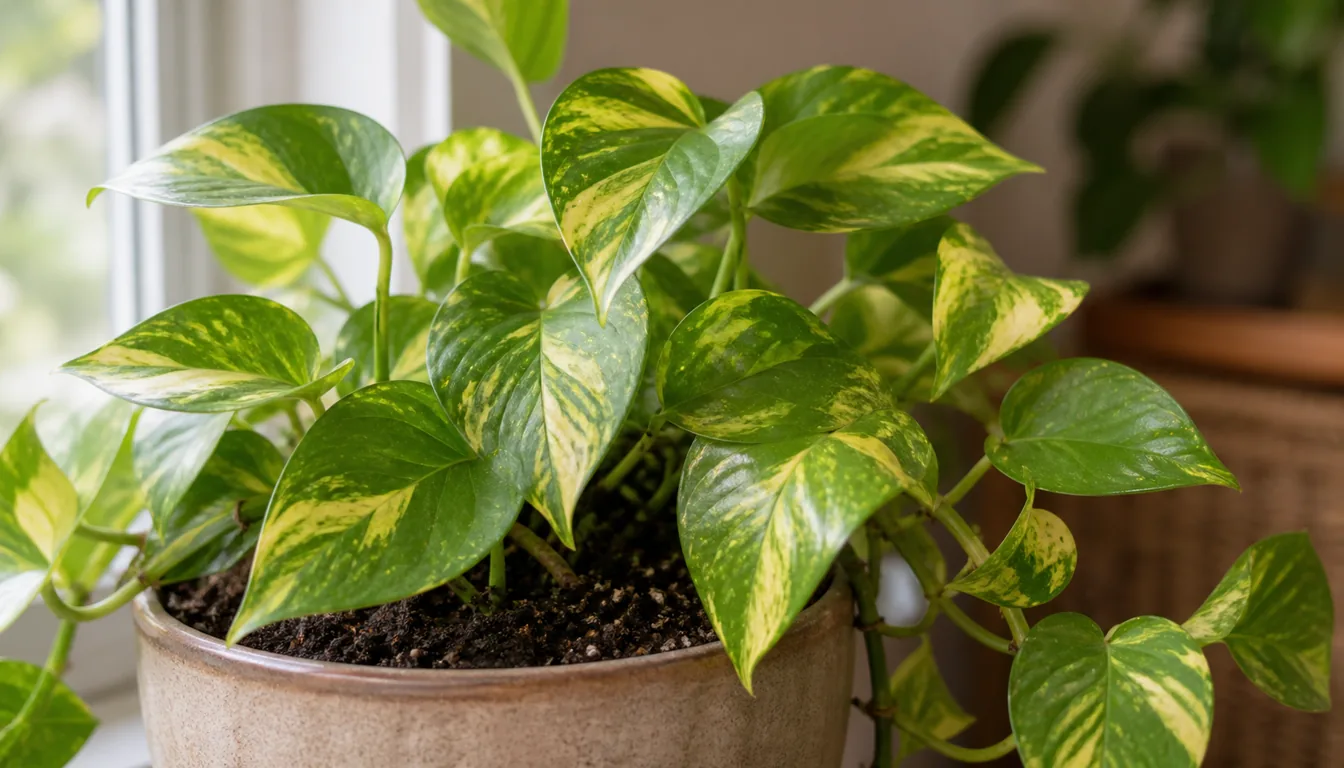
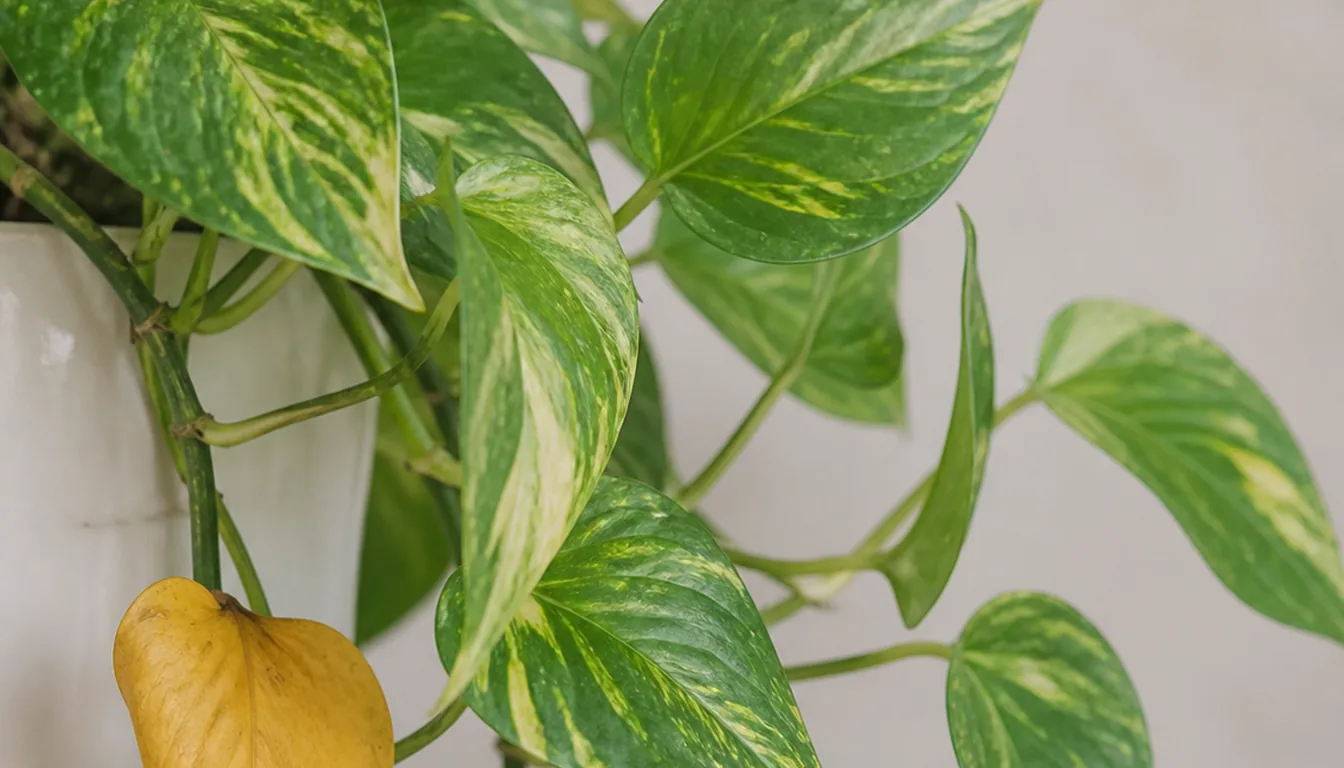
One yellow leaf is an observation, not a diagnosis. Older pothos leaves eventually yellow and fall, but both excessive dryness and persistent wetness can cause yellowing too. New yellow leaves, a spreading pattern, or declining growth deserve closer attention even if the first affected leaf was old.
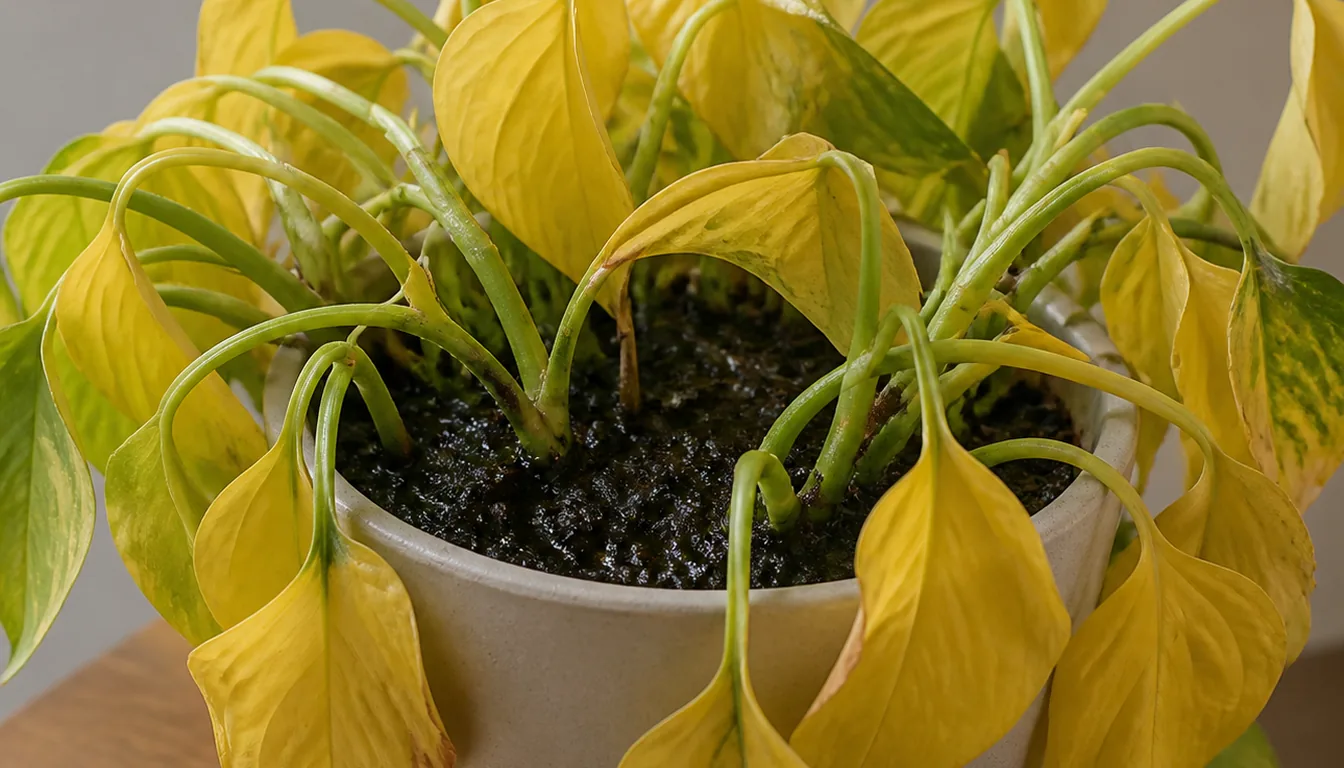
- Dry root ball and a light pot
- Water the medium thoroughly and let it drain. Continued decline after moisture is restored needs another explanation.
- Wet root ball and continuing wilt or yellowing
- Check standing water, drainage, and root condition before watering again. Soft, deteriorating roots support concern about root injury, without naming a pathogen.
- One older leaf yellows while growth remains healthy
- Normal aging is possible. Watch the rest of the plant instead of increasing water or fertilizer solely for that leaf.
- Brown margins or scattered patches
- Review recent drying, saturation, fertilizer, cold, and strong light. The mark by itself cannot distinguish them.
A plant that stays wet can still be thirsty at the leaf because damaged roots cannot supply it. More water makes that situation worse. If decline continues despite appropriate moisture, careful inspection of the root ball and help from an extension diagnostic service are more useful than cycling through treatments based on leaf color.
Sticky Leaves and Stippling Point to Different Checks
Pothos can carry mealybugs, scale insects, or spider mites. Sticky honeydew can come from mealybugs or soft scales, while armored scales do not produce it. The insects themselves need a closer look before a treatment is chosen.
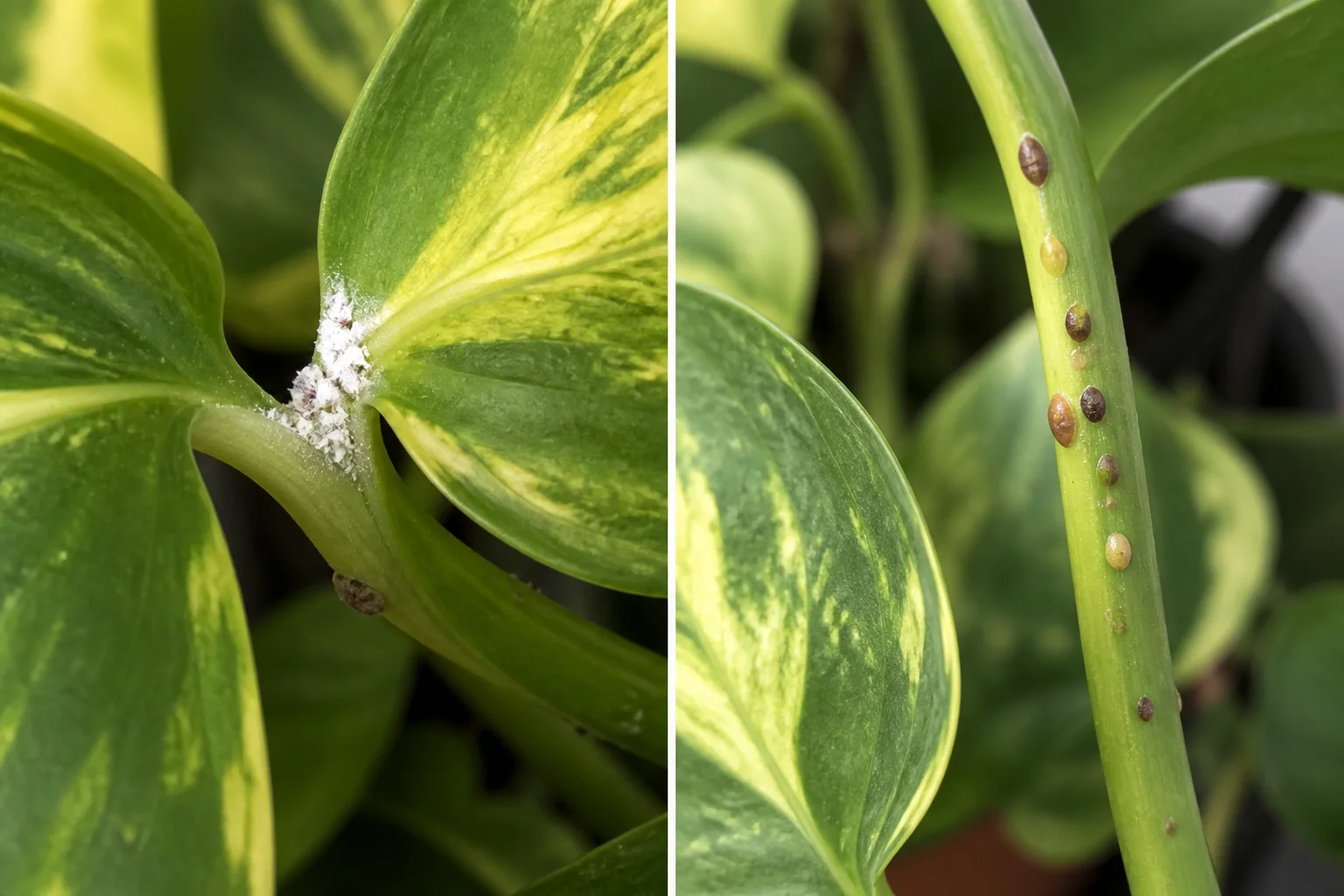
Cottony wax around leaf joints or underneath leaves is a useful mealybug clue. Scale may resemble attached bumps on stems or leaf veins. Fine pale stippling, tiny moving specks under magnification, and webbing make spider mites worth investigating.
Isolation and physical removal can limit spread while the pest is identified. A gentle rinse may remove some pests, but a clean-looking leaf after washing does not prove the infestation is gone. Nearby plants and new growth still need inspection.
Fungus gnats are a different problem around the potting medium. Small flies alone do not prove that pothos roots are rotting, and catching adults does not remove larvae. Moisture management and confirmation of the insect come before adding a soil treatment.
Adjust Care to Growth and the Position Indoors
Winter often reduces natural light and slows pothos growth, but heated rooms and grow lights create different conditions. A fixed cut of half the water can leave one plant dry and another persistently wet. The drying pattern of the pot remains the better guide.
UF/IFAS recommends 70–80°F for interior care. That is a useful growing range, not a promise that every cooler night will harm the plant or that one warmer reading will restore growth. A cold windowpane or draft can expose leaves to conditions different from the room thermostat.
Feeding can pause when growth slows markedly. When healthy new leaves and roots resume growth, nutrition can resume under the fertilizer’s directions. A plant that keeps growing under adequate supplemental light may need a different feeding schedule from one resting beside a dim winter window.
A bare stretch of vine is not automatically normal winter behavior. Light, past leaf loss, pests, and watering history still matter. Pruning changes the plant’s shape, while correcting its conditions gives replacement growth a better chance.
If the plant spends warm weather outdoors, a protected shaded position avoids an abrupt jump into hot direct sun. Temperature changes, storms, pests, and the chance for stems to root outside the pot all need attention. An outdoor hardiness zone does not describe an indoor room or provide a safe move-out date.
Pet Exposure and Outdoor Escape Need Separate Precautions
ASPCA lists Epipremnum aureum as toxic to dogs, cats, and horses. Chewing exposes mouth tissues to insoluble calcium oxalate crystals. Oral pain, swelling, drooling, and difficulty swallowing can occur. Vomiting is listed for dogs and cats, not horses.
A high shelf does not guarantee separation from a climbing cat or a fallen cutting. Where reliable separation is impossible, a plant with a documented non-toxic listing for the relevant animal is a more suitable choice. Non-toxic does not mean edible or safe in every preparation.
NC State also records human skin irritation from pothos sap. Gloves reduce contact while pruning or handling damaged stems. The plant is not suitable for children to chew.
Outdoors, escape risk depends on the region as well as winter survival. UF/IFAS warns against planting pothos in Florida landscapes because it can escape cultivation and climb into trees. Keeping stems contained and preventing discarded cuttings from rooting addresses that risk. Local invasive-plant and yard-waste guidance determines appropriate disposal.
Sources & References
- University of Wisconsin Horticulture: Pothos, Epipremnum aureum
- NC State Extension, Epipremnum aureum Plant Details
- ASPCA, Devils Ivy (Epipremnum aureum)
- ENH894/EP151: Cultural Guidelines for Commercial Production of Interiorscape Epipremnum
- Iowa State University Extension, How to Propagate Houseplants by Stem Tip Cuttings
- University of Minnesota Extension, Managing Insects on Indoor Plants
- UF/IFAS Extension Charlotte County, Keep It in the Pot: Control Your Pothos
- ASPCA, What to Do if Your Pet Is Poisoned
- University of Georgia Extension, Growing Indoor Plants with Success, Bulletin 1318
Related Plants
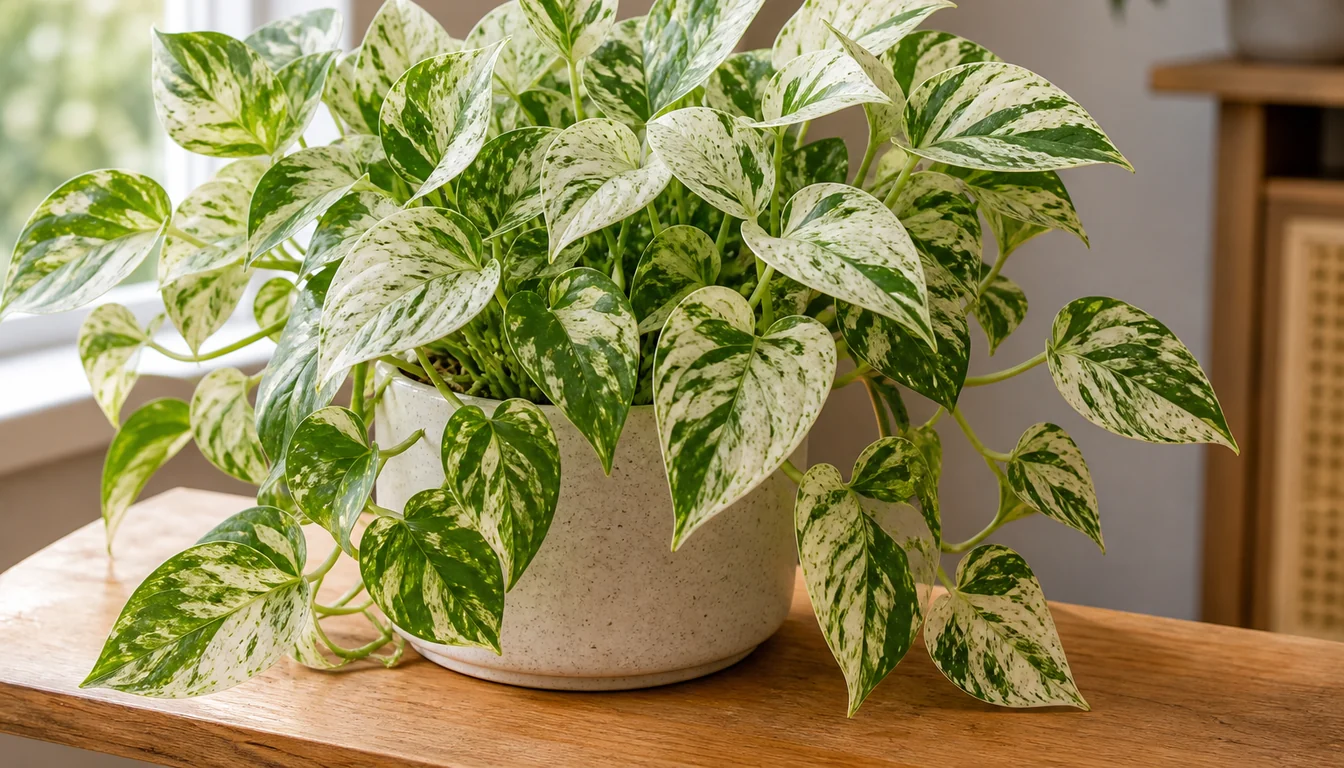
Marble Queen Pothos
A cultivar of Epipremnum aureum with white marbling instead of Golden’s yellow splashes.
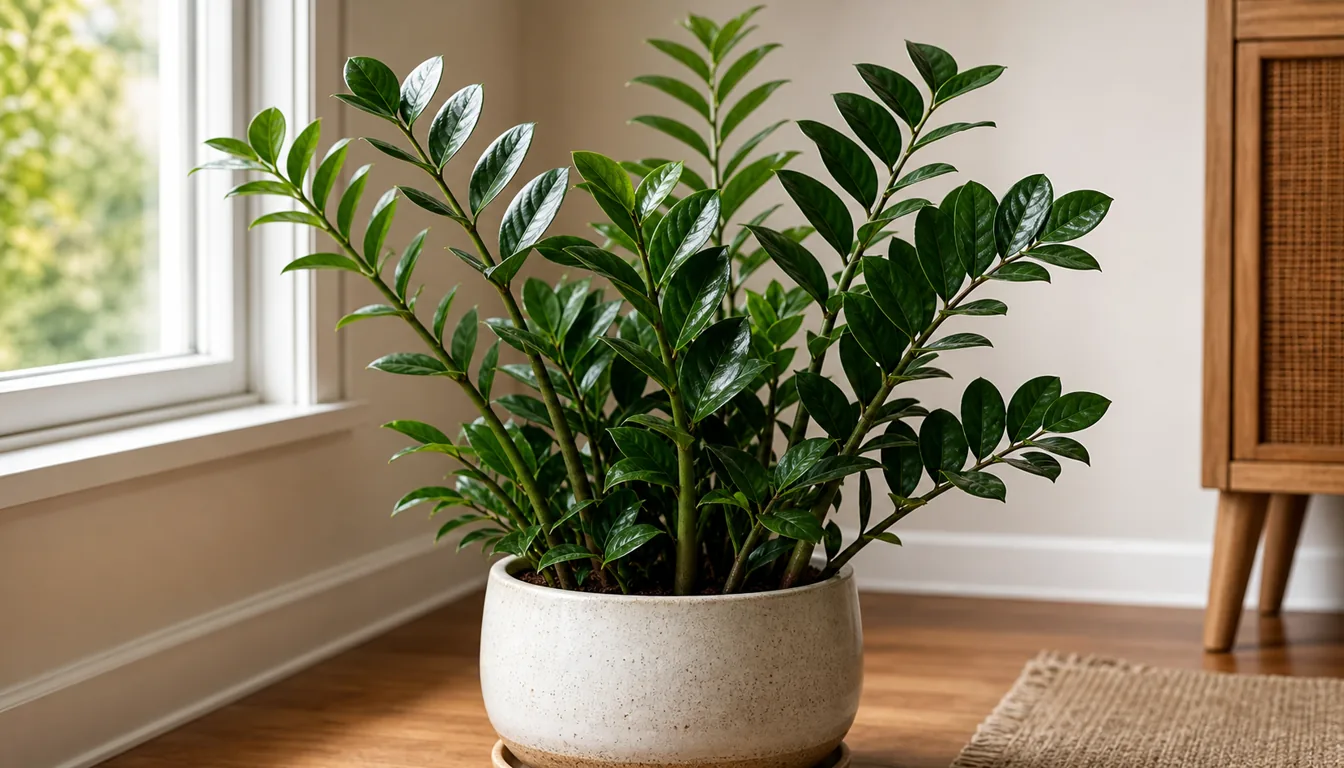
ZZ Plant
An upright foliage plant with thick leaf stalks, offering a different shape from a trailing pothos.
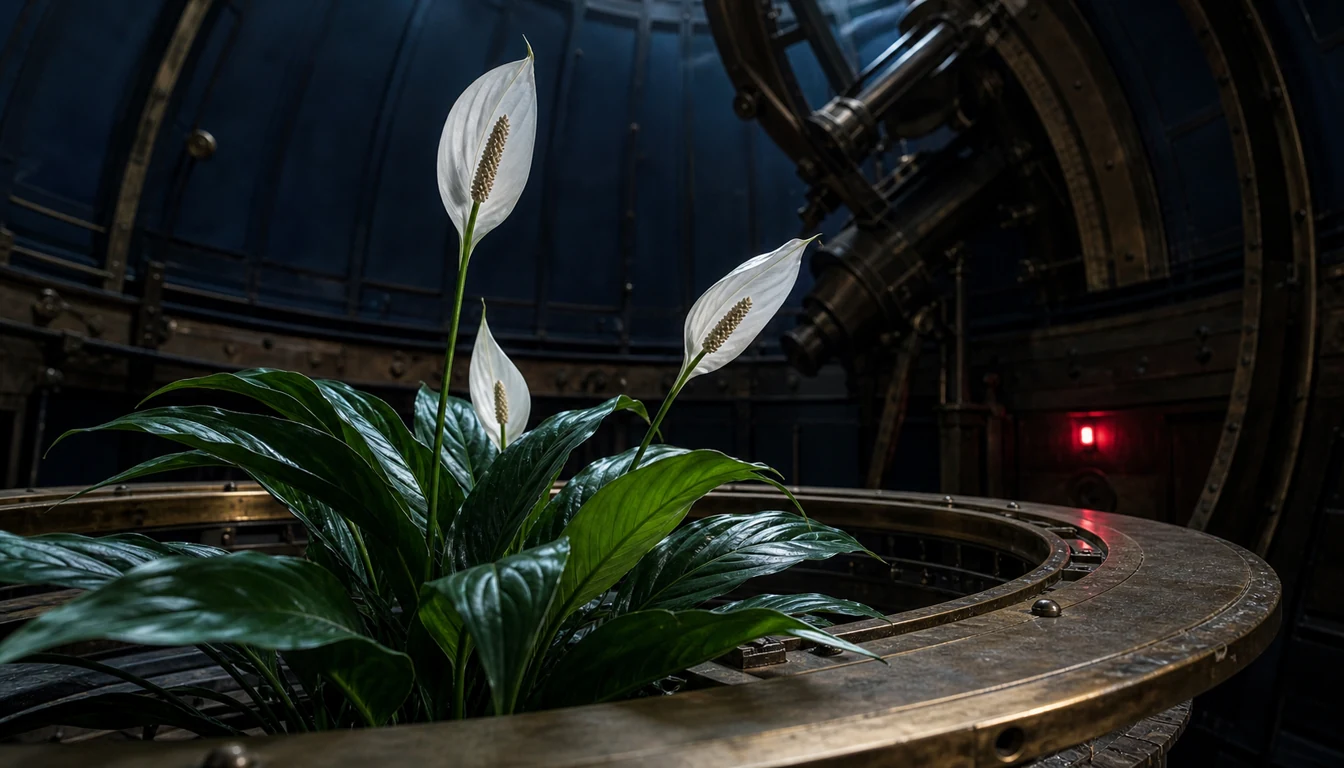
Peace Lily
An aroid with upright leaves and white flower spathes, rather than climbing or trailing vines.
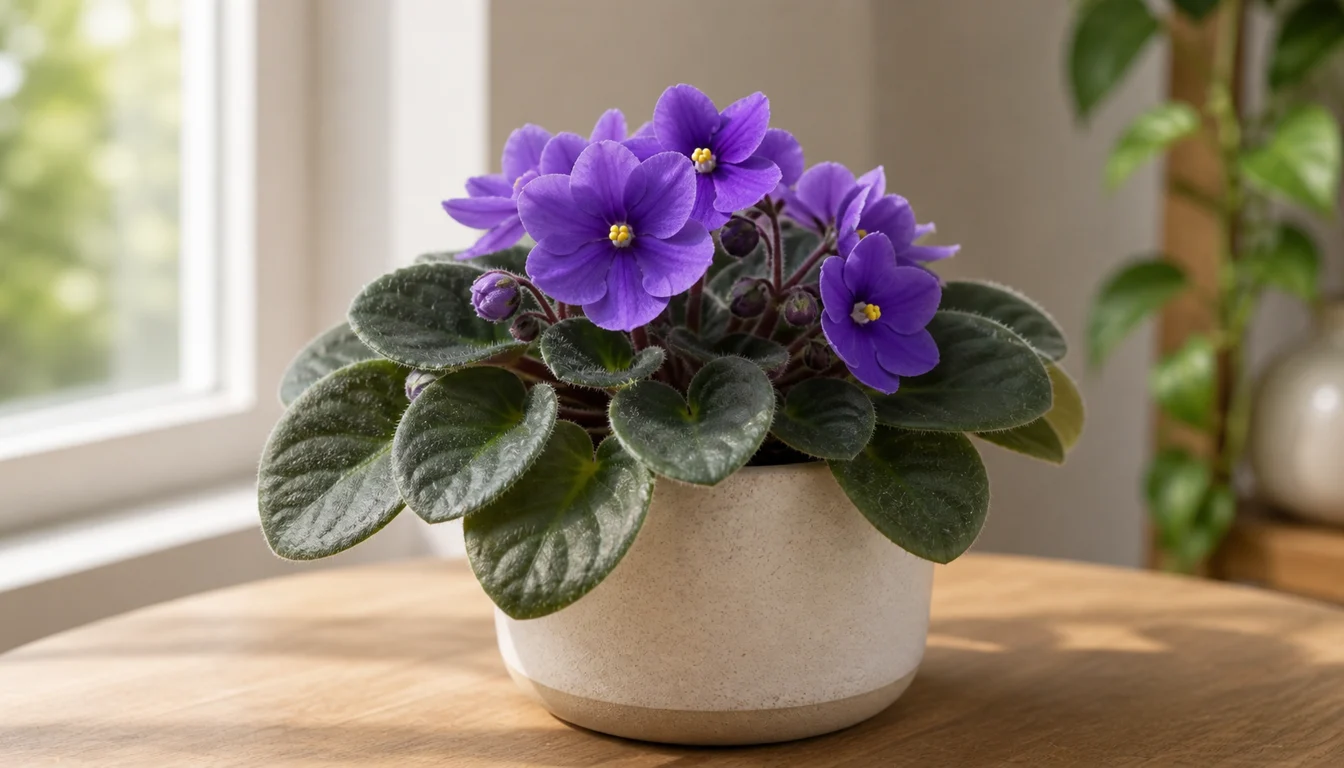
African Violet
African Violet is a windowsill bloomer that rewards steady, small-pot care.
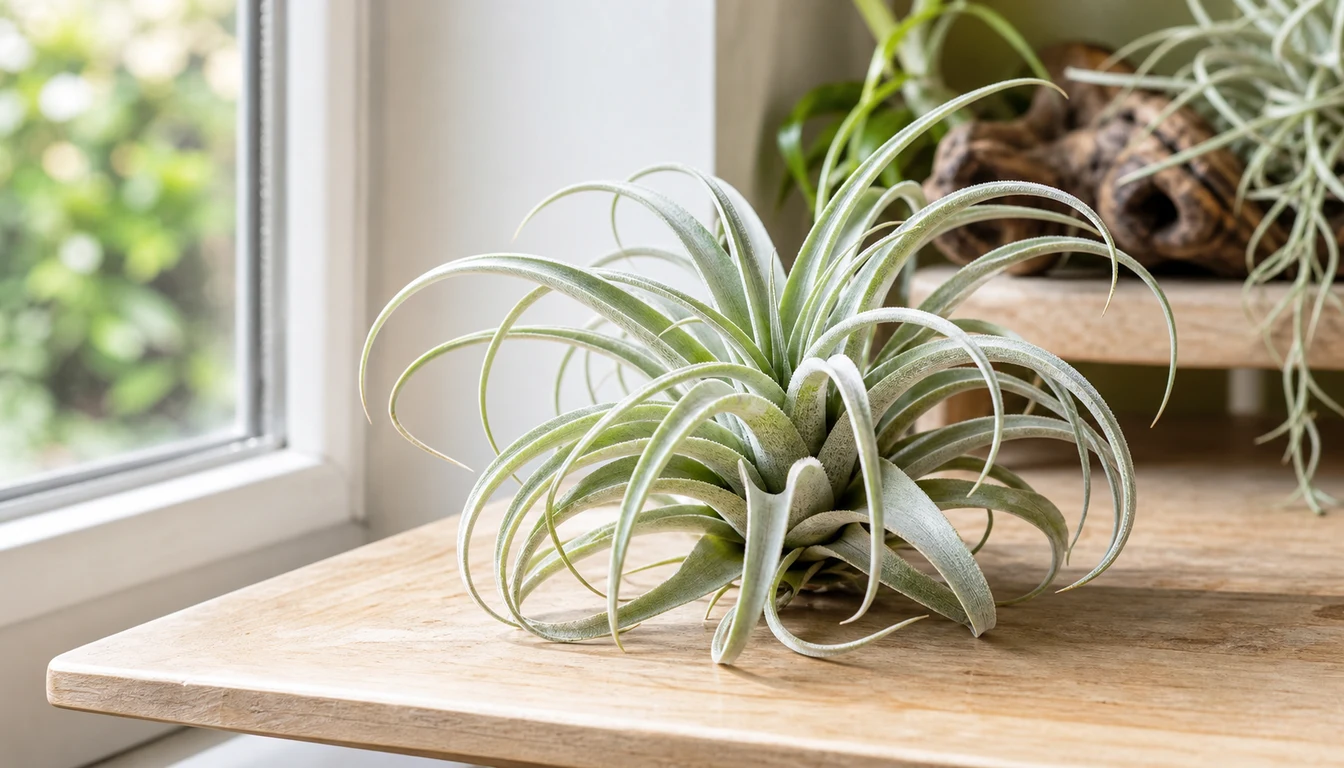
Air Plant
Air plants are living sculptures that thrive without soil, anchoring to driftwood, rocks, or shells while drawing…
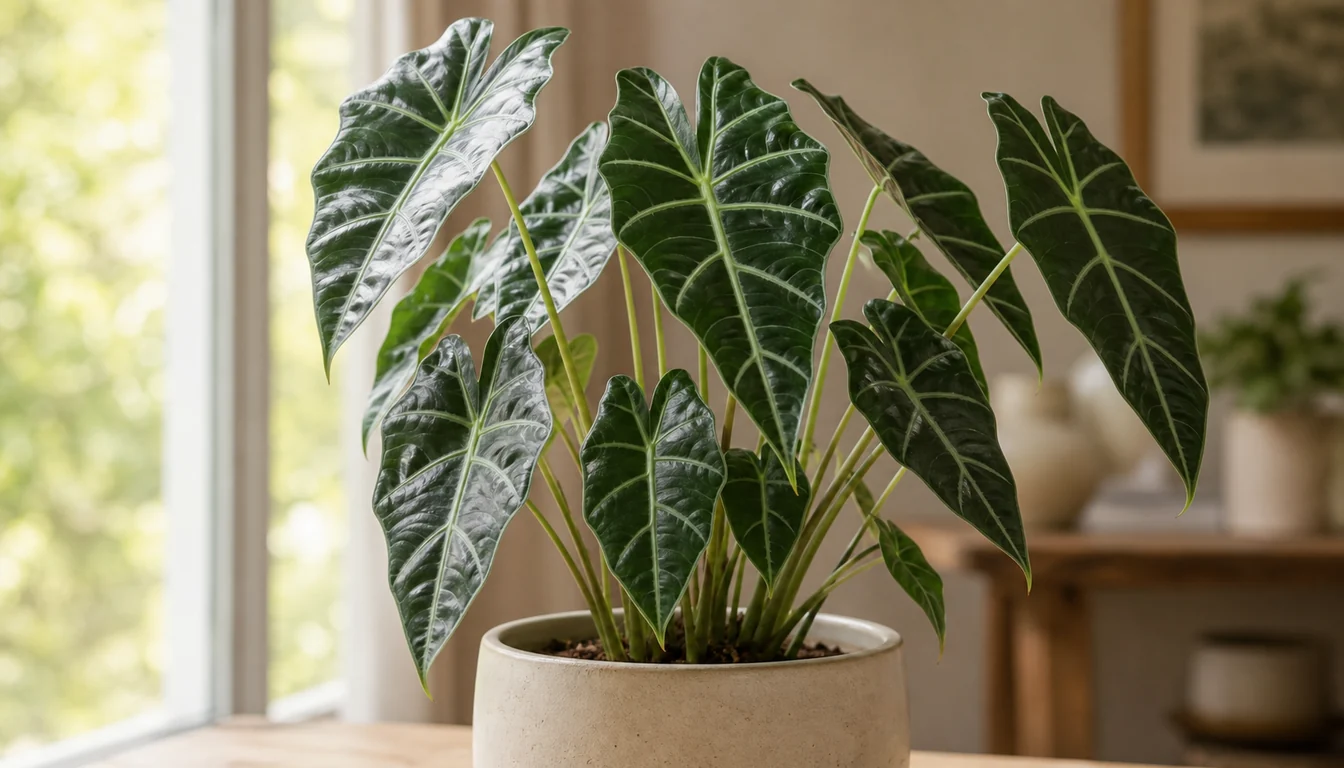
Alocasia
Alocasias include compact, textured houseplants and large elephant ears that need substantial floor space.