
How to Grow a Baby Rubber Plant and Keep Its Growth Compact
Peperomia obtusifolia Piperaceae
Baby Rubber Plant is a compact Peperomia with glossy, water-storing leaves and upright fleshy stems. Bright filtered light, an airy root zone, and evidence-based watering keep it dense and protect it from rot.
Care snapshot
Baby Rubber Plant Is a Peperomia, Not a Rubber Tree
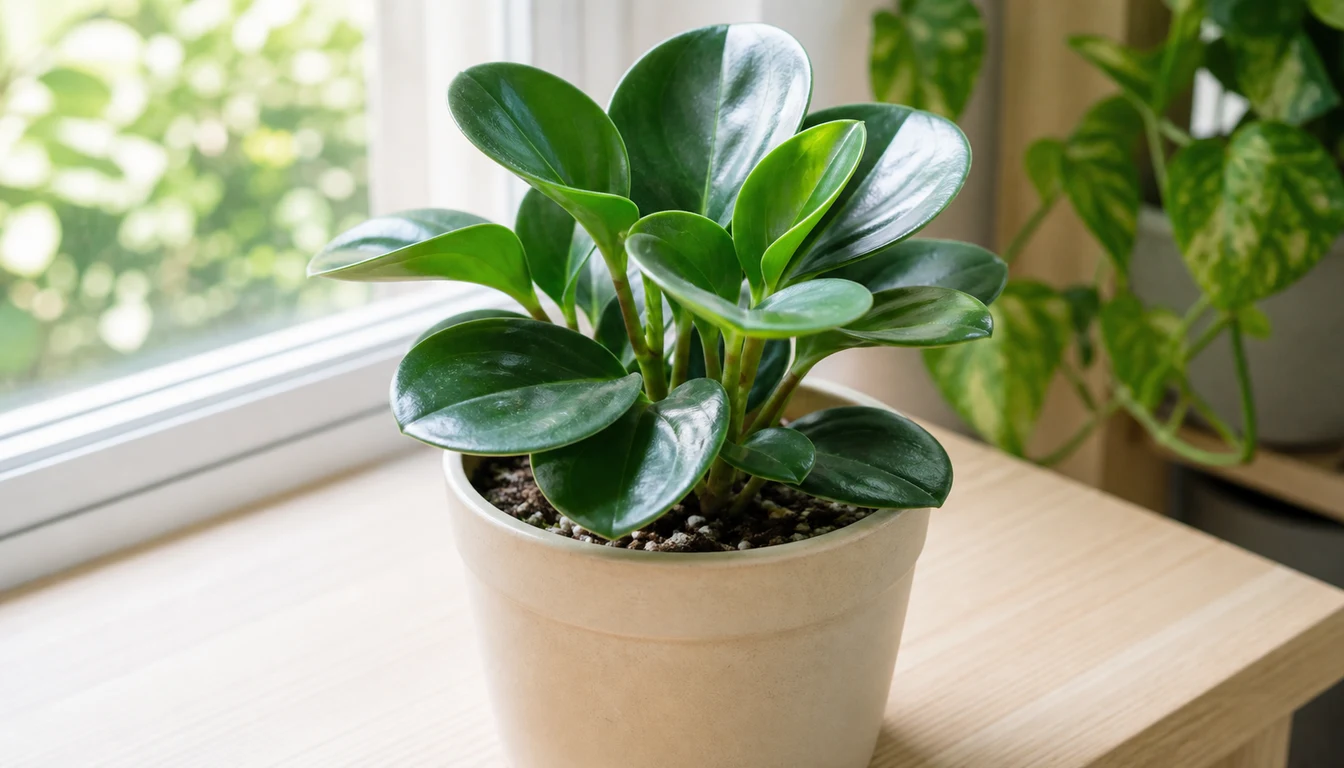
Baby Rubber Plant is Peperomia obtusifolia, a member of the pepper family.
The common name comes from its glossy, rubbery-looking leaves. It is unrelated to the much larger Ficus elastica that is also sold as a rubber plant.
That distinction changes the care. Peperomia obtusifolia stays compact on upright, fleshy stems, and its blunt oval leaves hold water.
Mature indoor plants often remain small enough for a table or shelf, although an older specimen can spread and branch beyond the dimensions of a young nursery pot. The ASPCA lists Peperomia obtusifolia among non-toxic plants for cats and dogs.
Non-toxic does not mean that chewing leaves is a good habit.
Plant material can still upset an individual animal, so contact a veterinarian when a pet develops symptoms or eats an unknown quantity.
- Baby Rubber Plant
- Peperomia obtusifolia in the Piperaceae family
- Rubber Tree
- Ficus elastica in the Moraceae family
- Indoor Form
- Compact, branched, fleshy stems with blunt oval leaves
- Pet Listing
- ASPCA lists Peperomia obtusifolia as non-toxic to cats and dogs
Let the Leaves and Pot Decide When to Water
Water a Baby Rubber Plant after the upper potting mix has dried and the pot feels noticeably lighter than it did after the last thorough watering. Its thick leaves and stems provide a moisture reserve, so a fixed weekly schedule often adds water before the roots have used what is already in the pot.
Push a finger below the surface or use a wooden skewer to check the mix.
The top can look dry while the center remains damp, especially in a glazed pot or a cool room.
Firm leaves plus damp mix mean wait.
A slight loss of leaf firmness with dry mix supports watering, but severe wrinkling means the dry period went too far.
When the plant is ready, wet the entire root ball until water exits the drainage hole.
Empty the saucer and let air return to the mix.
The interval will change with light, temperature, root fill, pot material, and season. Those changes matter more than the number of days since the last drink.
Softness tells a different story from thirst.
Lower leaves that become translucent, a stem base that yields under gentle pressure, or a sour smell from wet mix point toward rot.
Adding water to a plant with those signs makes the damage worse even if some upper leaves are drooping.
Use Light to Control Stretch and Variegation
Bright filtered light keeps the spaces between leaves short and helps the plant hold a rounded, branched shape.
A green Baby Rubber Plant can tolerate a dimmer position for a time, but slow growth is not the same as thriving. New stems that lean toward the window with widening gaps between leaves are asking for more light.
Variegated plants reveal the shortage sooner.
New leaves may carry less cream or gold because the plant needs more chlorophyll in weak light.
Move it closer to a bright window in stages, then judge the new leaves.
Existing green tissue will not regain a lost pattern.
Strong direct sun can bleach or scorch the fleshy surface.
Hot exposure usually affects the side facing the glass, while a light shortage changes the spacing and color of new growth.
A sheer curtain or a small move away from the hottest beam can reduce exposure without sending the plant back into a dim corner.
Keep the Small Root Ball Aerated
A useful mix holds enough moisture for the roots to drink but regains air before the fleshy stems begin to soften. Packaged indoor potting mix can work when it drains promptly.
If it stays dense and wet, blend in a coarse ingredient such as perlite or fine orchid bark until water moves through evenly rather than pooling on top.
Pot size has as much influence as the recipe.
A small root ball placed in a much larger container leaves a wide ring of unused wet mix.
Choose a pot with a drainage hole and only enough extra room for the existing roots to expand.
Terra cotta dries faster, while plastic and glazed ceramic hold moisture longer. Either material can work when the watering decision accounts for that difference.
Repot when roots have crowded the container, water races through channels without wetting the root ball, or the mix has collapsed and no longer drains predictably.
Slow top growth by itself is not proof that the plant needs a bigger pot. Check light and root health before increasing the volume of wet mix around it.
- The container has an open drainage hole. Water passes through the mix instead of sitting on the surface.
- The new pot closely follows the current root ball.
- The mix dries in a predictable cycle without pulling away as a hard block.
Pinch a Node to Rebuild a Sparse Plant
Pinching the growing tip is useful when a healthy Baby Rubber Plant has become tall and sparse.
Find the point where a leaf and its short stalk meet the fleshy stem. That junction is a node.
Make the cut just above a healthy node so buds below it can take over and create side growth.
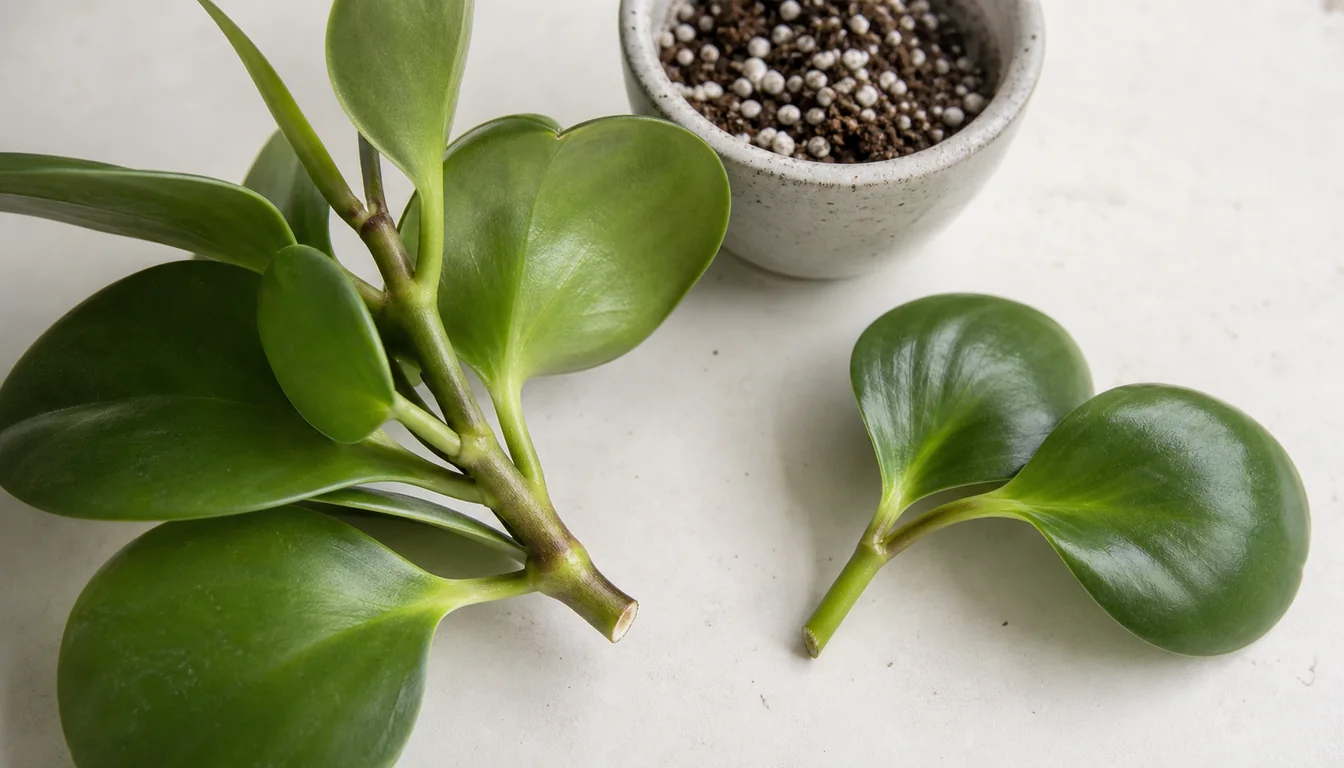
A longer removed tip can become a stem cutting. Keep at least one sound node, remove leaves that would sit below water or potting mix, and discard any cutting with translucent or mushy tissue.
Peperomia stems root readily in clean water or an airy propagation mix. Their stored moisture also makes a constantly saturated medium risky.
Keep the node in contact with moisture while allowing the rest of the fleshy stem to remain firm and clean.
A healthy leaf with its petiole can also produce a new Baby Rubber Plant, which is useful when you do not want to remove a long stem. It rebuilds more slowly because the cutting must form roots and a new shoot, while a stem tip already carries nodes and an active growing point.
Choose the method from the material available instead of treating every cutting as interchangeable.
- Cut a firm stem below a node with a clean, sharp blade.
- Remove the lowest leaf so the node remains exposed. Root the node in clean water or a lightly moist, airy propagation mix.
- Keep the cutting in bright filtered light and replace dirty water or remove persistently wet mix.
- Pot the cutting after it has a working root system, then water for the small new root ball rather than the container size.
The parent plant may pause before new buds extend.
Continue giving it good light and avoid compensating with extra fertilizer or water.
The goal of the cut is a new branch pattern, not immediate height.
Read Softness, Wrinkles, Spots, and Pests Separately
Start a diagnosis by feeling the affected tissue and checking the mix.
Wrinkled leaves on a dry, light pot point toward a missed watering.
Soft translucent leaves or a yielding stem on wet mix point toward excess moisture and decay. The same drooping outline can appear in both cases, so the soil and texture decide the response.
Dry pale patches on the window-facing surface fit sun scorch better than root trouble.
Wet or expanding spots need a different response.
Isolate the plant, keep foliage dry, remove badly affected material, and improve air movement while you watch whether new damage continues.
Mealybugs can hide where the tight leaves join the stem.
Look for white waxy material, sticky residue, or insects in those joints before applying a treatment.
Spider mites on houseplants and whiteflies are also reported on this species, but a pest list alone is not a diagnosis. Confirm the insect or its characteristic damage first.
A firm, clean top can sometimes be saved when rot has destroyed the lower stem.
Cut above all discolored tissue and keep the salvage cutting separate from the wet root ball.
If softness continues upward after the cut, discard it rather than carrying decay into fresh mix.
- Wrinkled, Less Firm Leaves
- Confirm dry mix and a light pot, then water the whole root ball.
- Soft Translucent Tissue
- Check wet mix and roots, stop watering, and remove rotten material.
- Dry Patch Facing the Window
- Reduce hot direct exposure and judge the next leaves.
- White Material at Leaf Joints
- Isolate the plant, confirm mealybugs, and remove them from the protected joints.
- Firm Older Leaves Drop
- Check for a cold draft or abrupt move before changing the watering routine.
Frequently Asked Questions
How often should I water a Baby Rubber Plant?
Do not use a fixed interval.
Water after the upper mix has dried and the pot feels lighter, then soak the root ball and empty the saucer.
Light, temperature, pot material, and root fill change how quickly that point arrives.
Is Baby Rubber Plant the same as a rubber tree?
No.
Baby Rubber Plant is Peperomia obtusifolia in the pepper family.
Rubber Tree is Ficus elastica in the fig family. They differ in mature size, stem structure, care response, and pet-safety listing.
Is Baby Rubber Plant safe for cats and dogs?
The ASPCA lists Peperomia obtusifolia as non-toxic to cats and dogs. Keep pets from chewing plants anyway, and contact a veterinarian when an animal develops symptoms or eats an unknown amount.
Why is my Baby Rubber Plant growing tall instead of bushy?
Wide gaps between leaves usually develop in weak light.
Give the plant stronger filtered light, then pinch a healthy growing tip just above a node to encourage side growth.
Existing bare stem will not fill in from a light change alone.
Sources & References
Related Plants
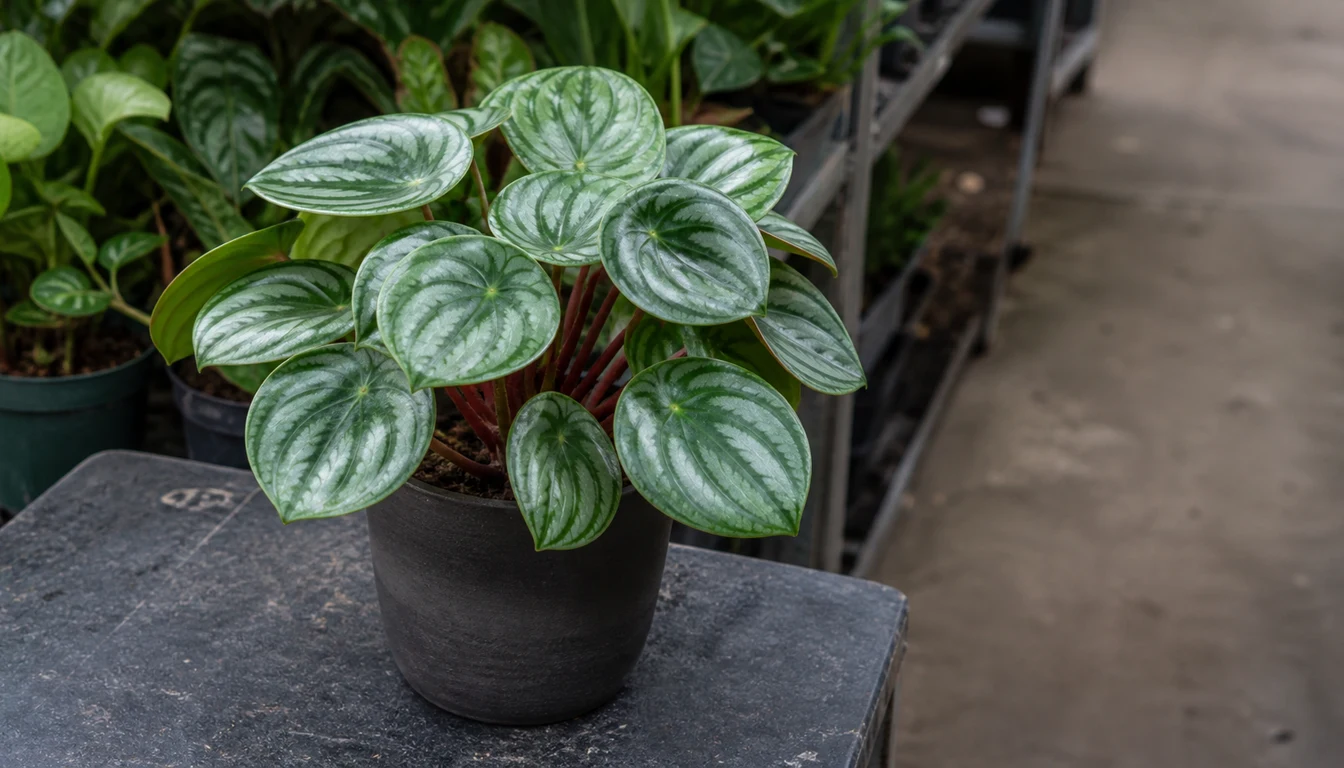
Watermelon Peperomia
A compact Peperomia grown for striped, shield-shaped leaves and a lower rosette form.
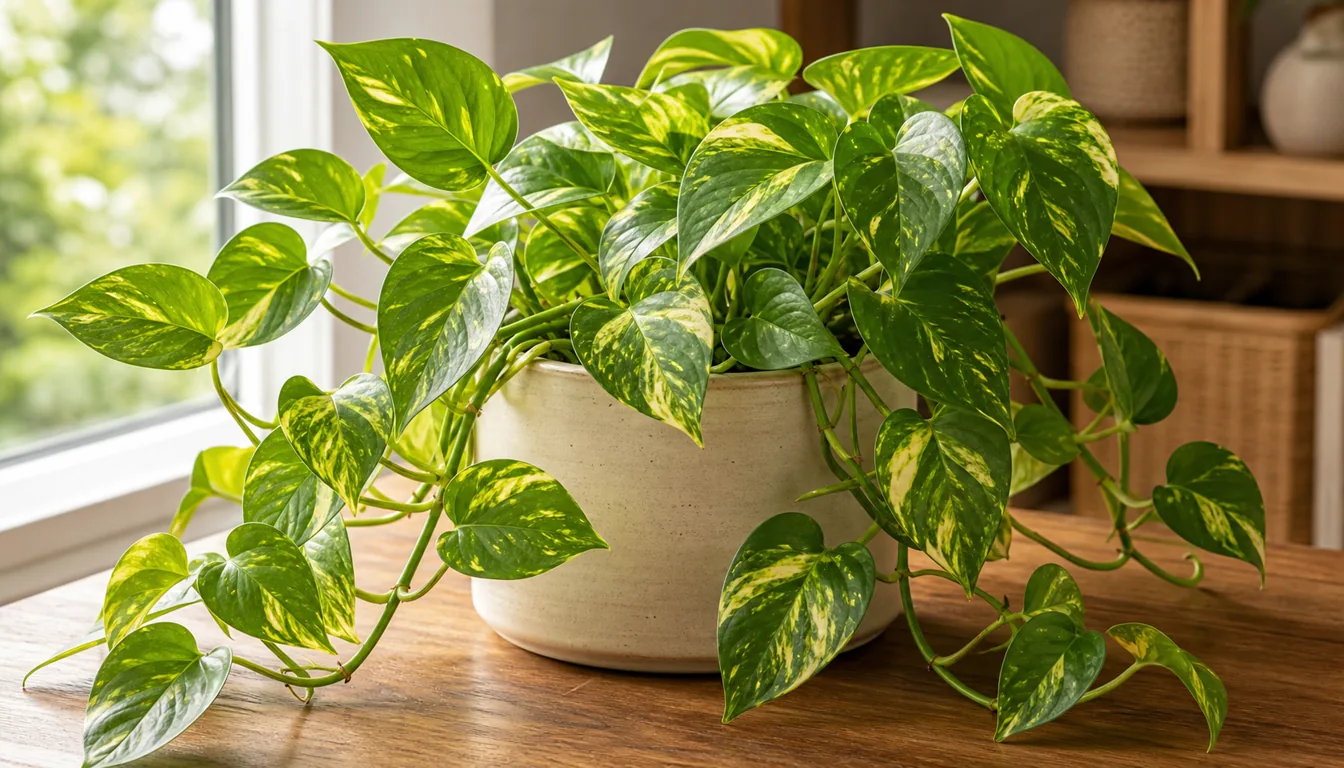
Golden Pothos
A faster trailing houseplant for readers who want length and easy pruning instead of an upright tabletop form.
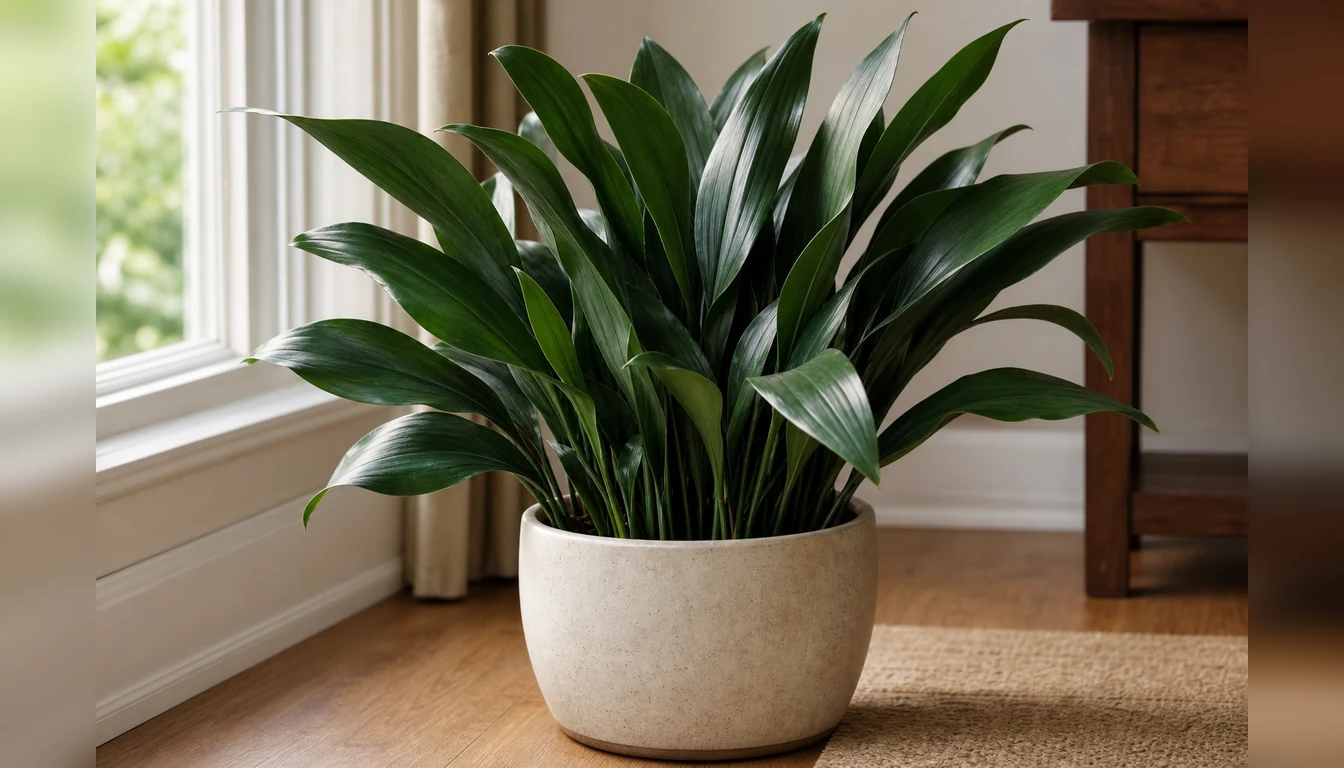
Cast Iron Plant
A larger floor plant that tolerates dimmer rooms and less frequent attention.
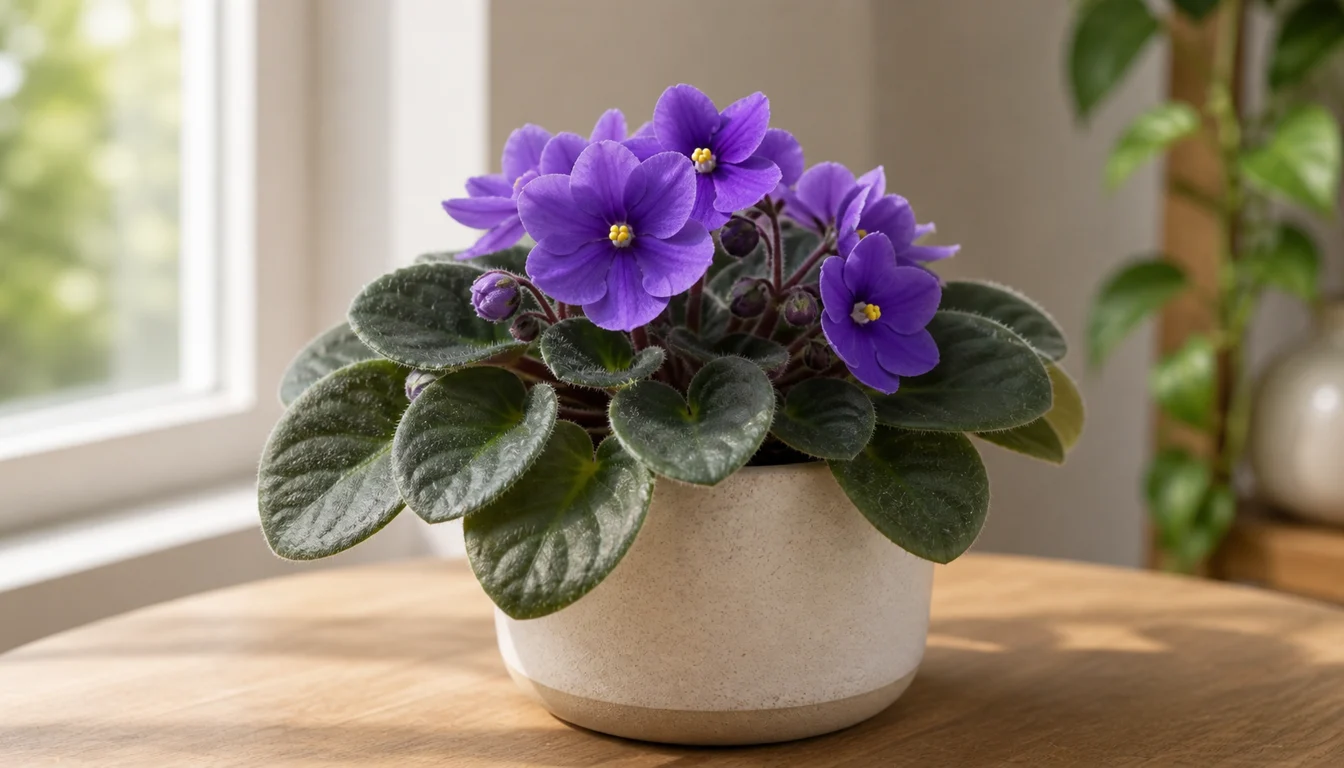
African Violet
African Violet is a windowsill bloomer that rewards steady, small-pot care.
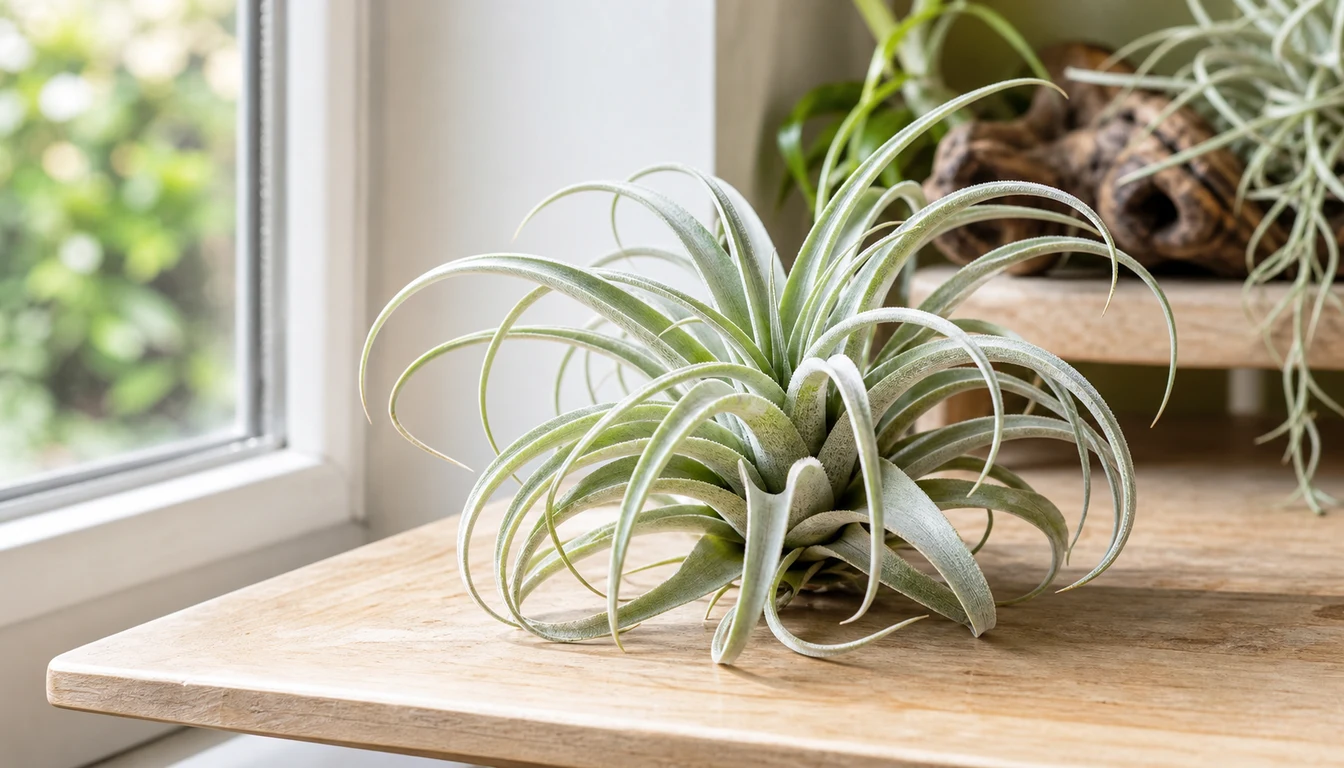
Air Plant
Air plants are living sculptures that thrive without soil, anchoring to driftwood, rocks, or shells while drawing…
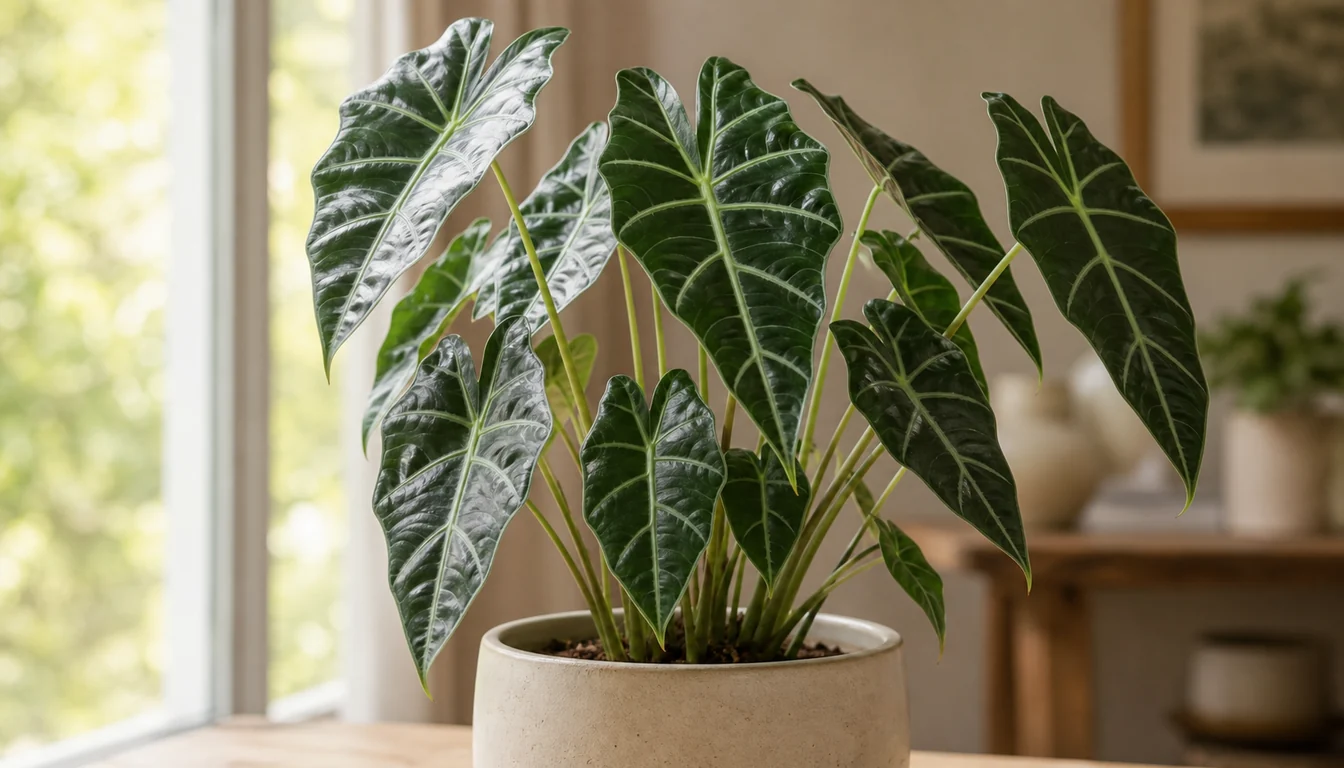
Alocasia
Alocasias include compact, textured houseplants and large elephant ears that need substantial floor space.