
How to Grow a Cast Iron Plant in a Lower-Light Room
Aspidistra elatior Asparagaceae
Cast Iron Plant shrugs off low light and irregular watering better than almost any other houseplant. Its deep green, strap-like leaves slowly form a tidy clump, adding reliable foliage where many plants would fail.
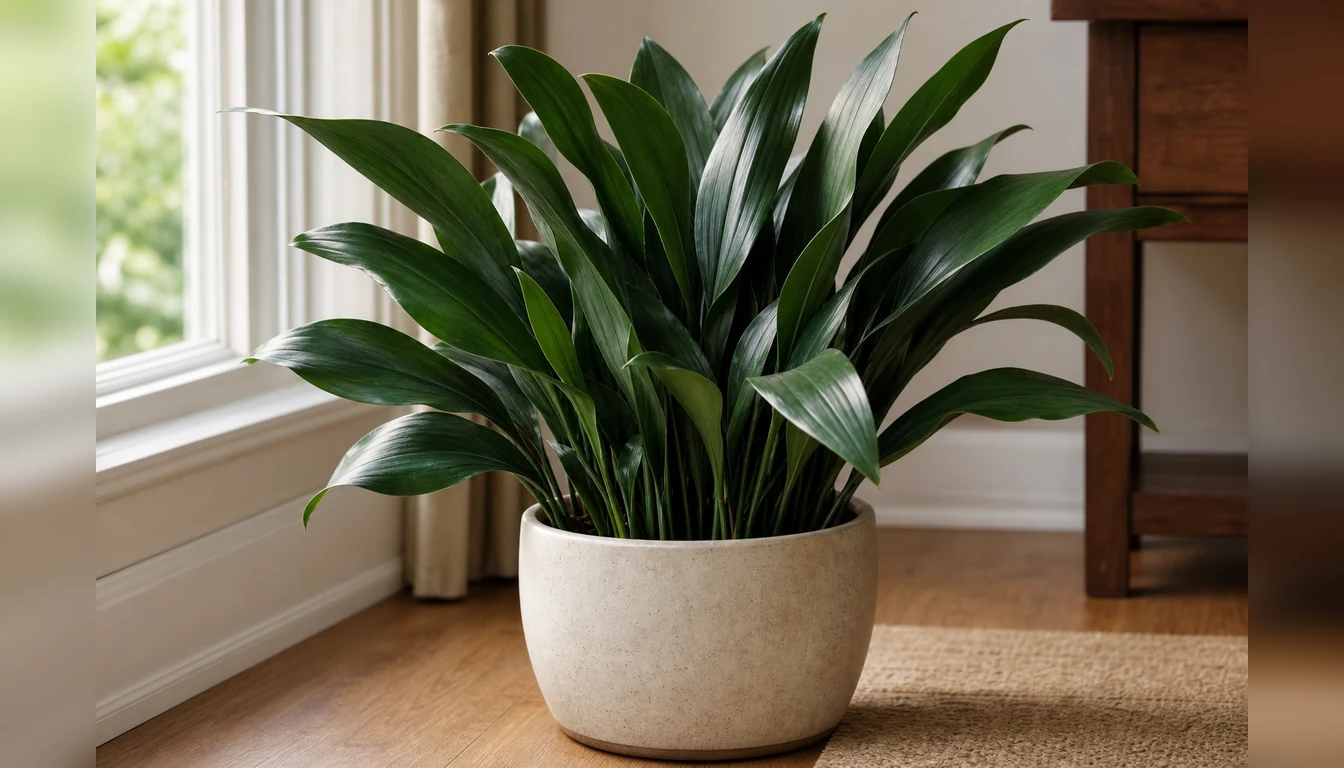
Care snapshot
Why 'Cast Iron' Isn't Just a Marketing Name
Aspidistra elatior earned its nickname honestly. Victorian-era plant collectors in England kept specimens alive for over a decade in lightless hotel lobbies and smoky parlors, with none of the grow lights or humidity trays modern houseplant owners rely on.
That reputation for surviving neglect made it a fixture of British domestic life, famous enough that George Orwell used it as the title symbol of dull suburban respectability in his 1936 novel Keep the Aspidistra Flying.
Native to the shaded forest floors of Japan and Taiwan, the plant evolved to survive where almost nothing else can. The leaves tell the story of that evolutionary heritage.
Each one is a thick, leathery strap 18 to 24 inches long, rising directly from underground rhizomes that creep sideways through the soil. Over time, a single plant fills its pot with a dense, architectural clump, with no staking, pruning, or drama required.
The flowers are the real curiosity, not the leaves.
Small and purplish-brown, they form directly at soil level, hidden beneath the foliage, so most owners never see one bloom in years of ownership. Their pollination has puzzled botanists for decades, since the flowers sit too low and hidden for typical bees or flies to find them reliably.
Fungus gnats were long assumed to be the pollinator, but more recent field research points instead to small soil-dwelling crustaceans called amphipods, or possibly slugs, crawling directly over the flowers at ground level. This is a plant chosen for foliage reliability, not floral drama, and in Zone 7 to 11 it transitions seamlessly from living room floor to shaded garden bed.
- Origin: shaded forest floors of Japan, Taiwan, and eastern China
- Growth habit: clumping perennial from underground rhizomes; no central trunk
- Mature size: 1.5–2.5 ft tall, 1.5–3 ft wide; fills pots slowly over years
- Foliage: thick, leathery, dark green straps; 18–24 inches long; minimal shedding
Plant profile
- Botanical name
- Aspidistra elatior
- Family
- Asparagaceae
- Common use
- Low-light indoor foliage or shaded outdoor groundcover
- Native region
- Wooded areas of eastern Asia
- Typical lifespan
- Decades with basic care; often passed between households
Variegation is the real tradeoff once you get past the species itself.
The greener the plant, the tougher it is in dim corners, while striped or speckled forms need more light to keep their markings clean. The solid green species is the workhorse, handling the worst light and the most neglect without complaint.
'Variegata' carries creamy white streaks along each leaf, while 'Milky Way' is dotted with small white spots that catch the light. Both need slightly more brightness than the green form to maintain their patterns, and in deep shade they tend to revert to solid green.
Dwarf cultivars like 'Hoshi Zora' stay under a foot tall, making them natural fits for bookshelves and narrow ledges, sharing the same watering and soil preferences as larger types just on a smaller scale.
If you want a brighter companion for the same dim room, Chinese Evergreen adds patterned foliage while keeping the care routine similarly forgiving.
- Solid green types: Best choice for offices, hallways, and very low light situations.
- Variegated or striped types: Brighter indirect light, more watering discipline, and slower growth.
- Dwarf selections: Use where height must stay under 18 inches, such as shelves and narrow window ledges.
- Outdoor forms in Zone 7–11: Choose hardier, green-leaf types for shaded beds or container groupings.
Watering Without Drowning the Roots
The slow growth is what makes watering tricky. A plant that barely moves can stay wet for a long time, so pot weight matters more than the calendar.
The 'cast iron' nickname creates a dangerous assumption that this plant cannot be killed by water, but it can. The thick rhizomes that make it drought-tolerant are the same structures that rot first when the soil stays wet too long.
Stick your finger two inches into the soil.
If it feels even slightly damp, walk away.
This plant would rather you forget it for an extra week than fuss over it every few days. In practice, that means watering roughly every 14 to 21 days in summer and stretching to 3 to 4 weeks in winter.
The pot choice matters more than you might expect.
Terracotta wicks excess moisture away from the roots and gives you a visual cue, since a dry pot exterior usually means dry soil inside. Cachepots without drainage are a setup for failure.
Always use a nursery pot inside decorative containers, and dump the saucer after watering.
If you are using decorative containers, the drainage holes guide explains why a hidden nursery pot is safer than planting directly into a sealed cachepot.
- Check moisture 2–3 inches down; only water when that layer feels barely damp to dry.
- Water until it drains from the bottom, then discard any excess from saucers.
- In winter, cut watering frequency roughly in half as growth slows.
- If you see gnats hovering, review drainage and consider tips from fungus gnat control strategies.
Light: Keeping Leaves From Scorching
This is a low-light plant, not a no-light plant. It can hold leaves in corners where faster houseplants stall, but new growth still needs some indirect brightness.
The irony of Cast Iron Plant is that direct sun, the very thing most struggling houseplants crave, is exactly what kills it.
A south-facing window will bleach the leaves pale and leave brown, crispy scars within a week. This plant evolved under tree canopies, not open sky.
The sweet spot sits between a dim hallway and a bright living room. Think of a north-facing bedroom, a bathroom with a frosted window, or a bookshelf 3 to 5 feet from an east-facing window.
You should be able to read comfortably in that spot without turning on a lamp.
For a glossier plant with similar low-light tolerance, ZZ Plant makes a useful comparison before you choose the corner.
For outdoor placement in Zone 10, choose a deeply shaded bed, under eaves, beneath dense shrubs, or on a north-facing patio. Morning sun filtered through a tree canopy works, but blazing afternoon exposure on a concrete patio does not.
- Place 3–10 feet from bright windows, never touching hot glass.
- Avoid any strong midday sun streaking across the leaves.
- Expect slower growth in dim corners; prioritize survival over speed.
- Watch for pale, washed-out foliage as a sign of too much light.
Soil, Drainage, and Repotting Strategy
The rhizomes creep slowly under the surface, so the mix should protect them from rot without drying to dust. Think sturdy and breathable, not rich and wet.
The soil mix for Cast Iron Plant sits in a middle ground. It needs enough drainage to keep the rhizomes from sitting in water, but enough body to hold moisture between those infrequent waterings.
A straight cactus mix dries too fast, and pure peat holds too much.
A reliable blend is two parts standard potting mix, one part perlite, and one part orchid bark. The bark chunks create air pockets that keep oxygen flowing around the roots, while the peat base retains just enough moisture to bridge the gap between waterings.
Repotting frequency is a frequent source of frustration.
This plant resents being uprooted and can sulk for months after a move, even when the new pot is the right size.
Only repot when roots visibly circle the drainage holes or water runs straight through without being absorbed, typically every 3 to 5 years. Move up just one pot size.
- Ideal potting mix
- 60% all-purpose houseplant mix, 30% perlite or pumice, 10% pine bark fines
- Soil pH
- Slightly acidic to neutral (pH 6.0–7.0)
- Drainage
- Pot with bottom holes, never in sealed decorative containers alone
- Repotting frequency
- Every 3–5 years, or when roots are crowded and water runs straight through
- Top-dressing
- Refresh top 1 inch of mix yearly if you keep it in the same pot
Propagation by Division, Not Leaves
Propagation success depends on stored energy in the rhizome, not leaf size. A division needs enough underground stem to restart, so small cosmetic splits are the risky choice.
Leaf cuttings do not work here, since a single cut leaf will sit in soil for weeks and slowly yellow without producing new growth. The only reliable method is dividing the root ball, which means waiting until the plant is large enough to split.
Plan on dividing every 4 to 6 years for a mature plant.
Each division needs at least two or three rhizomes with several leaves attached. The root system on a single division should be roughly fist-sized to carry enough stored energy for independent growth.
Water the parent plant a day or two before dividing, since moist soil slides apart more easily than bone-dry clumps. Use a sharp knife to cut through the tough rhizome connections rather than pulling the roots apart by hand, which can snap the fragile feeder roots.
- Gently slide the plant from its pot and loosen the root ball with your fingers.
- Find natural gaps between rhizomes and cut tough roots with clean pruners instead of ripping.
- Make divisions with at least 3–4 leaves and several growing tips on each clump.
- Pot each division into a snug container using a free draining indoor mix with added bark.
- Settle the mix once after potting, then wait for the surface to dry slightly before watering again; new divisions rebuild slowly over 4–6 weeks.
After division, patience matters, since Cast Iron Plant rebuilds slowly and stable warmth beats extra fertilizer.
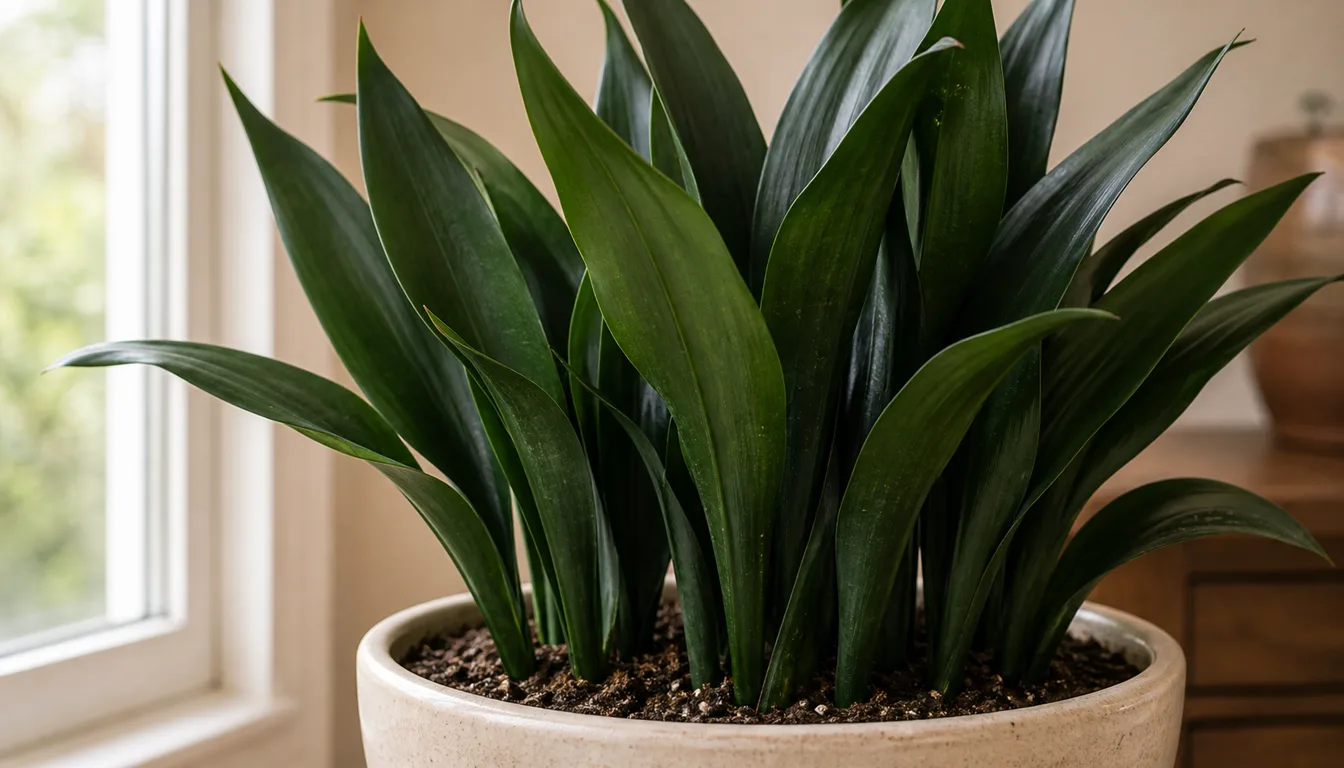
Pests: Tough Leaves, Hidden Problems
The thick, waxy leaves deter most casual pests.
Three troublemakers still find their way in regardless, spider mites in dry air, scale hiding along the midribs, and mealybugs tucked into nearly invisible leaf joints.
A monthly leaf wipe-down with a damp cloth does double duty, removing dust that blocks light while giving you a chance to spot early infestations before they spread. Catching a few scale bumps early means a quick alcohol-rub fix instead of a weeks-long battle.
New plants should sit in a separate room for three to four weeks before joining the rest of your collection. Quarantine is cheap insurance, especially when you are bringing home plants that may have shared greenhouse space with infested stock.
Dry air and dust on leaves encourage these sap suckers. Look for fine webbing and tiny specks along leaf edges, then follow our mite treatment steps.
Brown or tan bumps along midribs that scrape off with a fingernail are usually scale. Wipe leaves with alcohol on a cotton pad, then repeat weekly until new growth is clean.
White, cottony clumps in leaf joints signal mealybugs. Remove with alcohol soaked swabs and consider a systemic treatment if they keep returning.
Tiny black flies hovering over the pot indicate chronically wet soil. Let the top couple inches dry and use the tips from our fungus gnat control guide.
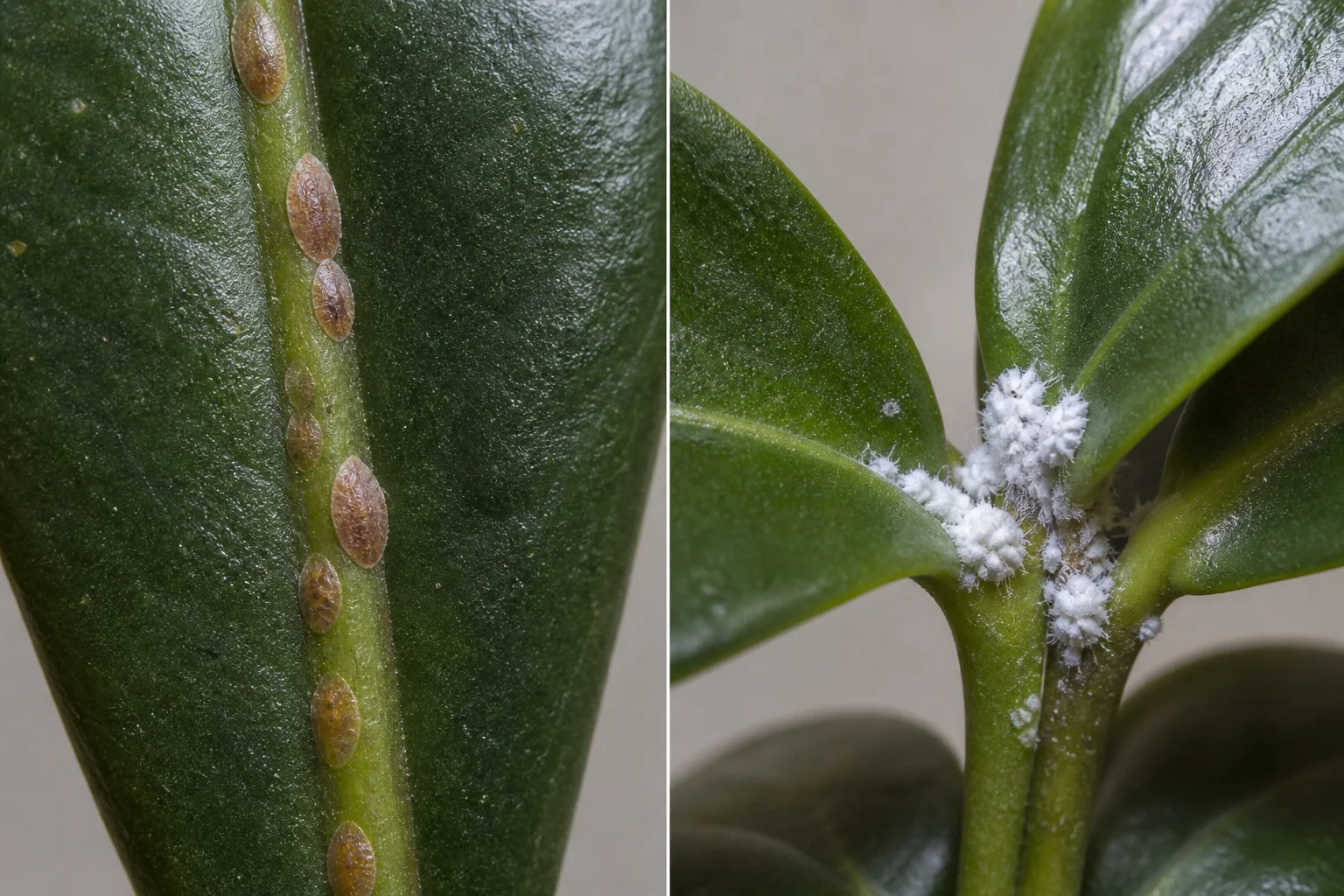
Thirty to sixty days after a serious infestation, expect only slow cosmetic recovery.
New leaves will emerge clean, but old scarred foliage seldom returns to perfect. Plan to trim the worst leaves during your regular houseplant pruning session.
There's No Calendar for This Plant, Only the Soil
Cast Iron Plant does not have a dramatic seasonal shift. It just slows down and speeds up with the light.
In winter, growth nearly stops, and the same plant that put out a new leaf every few weeks in July might go three months without visible change.
Watering frequency tracks this rhythm naturally.
In warm, bright summer rooms the soil dries faster and you may water every two weeks. In a dim winter corner, that same pot might not need water for a month.
There is no calendar schedule that works year-round, so check the soil each time.
Feeding is minimal. One or two applications of a balanced liquid fertilizer at half strength during spring and midsummer are plenty.
This is a slow grower that lives on light and patience, not nitrogen spikes.
Repot crowded plants, trim damaged leaves, and restart light feeding as days lengthen. This is also prime time to divide and create new clumps.
Protect pots on patios from harsh afternoon sun. Check soil a bit more often in heat, but still avoid keeping it soggy.
Reduce watering slightly and stop fertilizing by early fall. Bring containers inside before night temperatures threaten to drop below 40°F.
Expect slower growth in low light rooms, similar to other low light plants featured in our shade tolerant picks. Water sparingly and keep it away from heater vents.
Use the seasonal checklist before changing care, since Cast Iron Plant punishes sudden light or water swings more than slow neglect.
A Non-Toxic Listing Still Has Limits
ASPCA lists Aspidistra elatior as non-toxic to cats, dogs, and horses. This is a listing for the plant, not permission to eat it or a guarantee against digestive upset.
A floor pot leaves soil, loose decorations, and treatment residues accessible. Preventing pets from digging or chewing also protects the leaves, and any fertilizer or pesticide needs its own label precautions.
Frequently Asked Questions
How much light does a cast iron plant really need indoors?
It survives in very low light but grows noticeably faster in medium indirect light, think a spot where you can read comfortably without a lamp, about 3 to 5 feet from an east window. Direct sun scorches the leaves within days.
How often should I water my cast iron plant?
Check the soil, not the calendar. Stick your finger two inches deep, and if it feels damp, wait, which usually works out to every 14 to 21 days in summer and every 3 to 4 weeks in winter, since the number one killer of this plant is overwatering, not neglect.
Do cast iron plants grow outside in colder zones?
Only in Zones 7–11 year-round. Gardeners in Zone 9 can summer them outdoors in deep shade, but bring pots inside before temperatures drop below 50°F. Frost kills the foliage outright.
Can cast iron plant survive outside year round?
In the ground, yes, in Zones 7 to 11 with shelter from direct afternoon sun. In containers the roots are more exposed to cold, so even in warm zones it is safer to bring pots under cover when frost threatens.
Why is my cast iron plant not growing new leaves?
Usually a light problem. This plant survives in dim corners, but survival is not the same as thriving, so move it a few feet closer to a window and wait, since new leaves emerge slowly, often weeks apart, and rapid results are not realistic.
Is cast iron plant a good choice for beginners?
It is arguably the best starter plant for anyone who has killed something before. Low light tolerance, infrequent watering needs, and near-indestructible foliage make it almost impossible to get wrong, as long as you resist the urge to overwater.
Sources & References
- Low Light Houseplant Selection and Care, Clemson Cooperative Extension
- Low Light Houseplants: Cast Iron Plant, Clemson Cooperative Extension
- Aspidistra elatior, Missouri Botanical Garden Plant Finder
- Aspidistra elatior, Royal Horticultural Society Plant Details
- Aspidistra elatior (Cast Iron Plant), Royal Horticultural Society
- Toxic and Non-toxic Plants: Cast Iron Plant | ASPCA
Related Plants
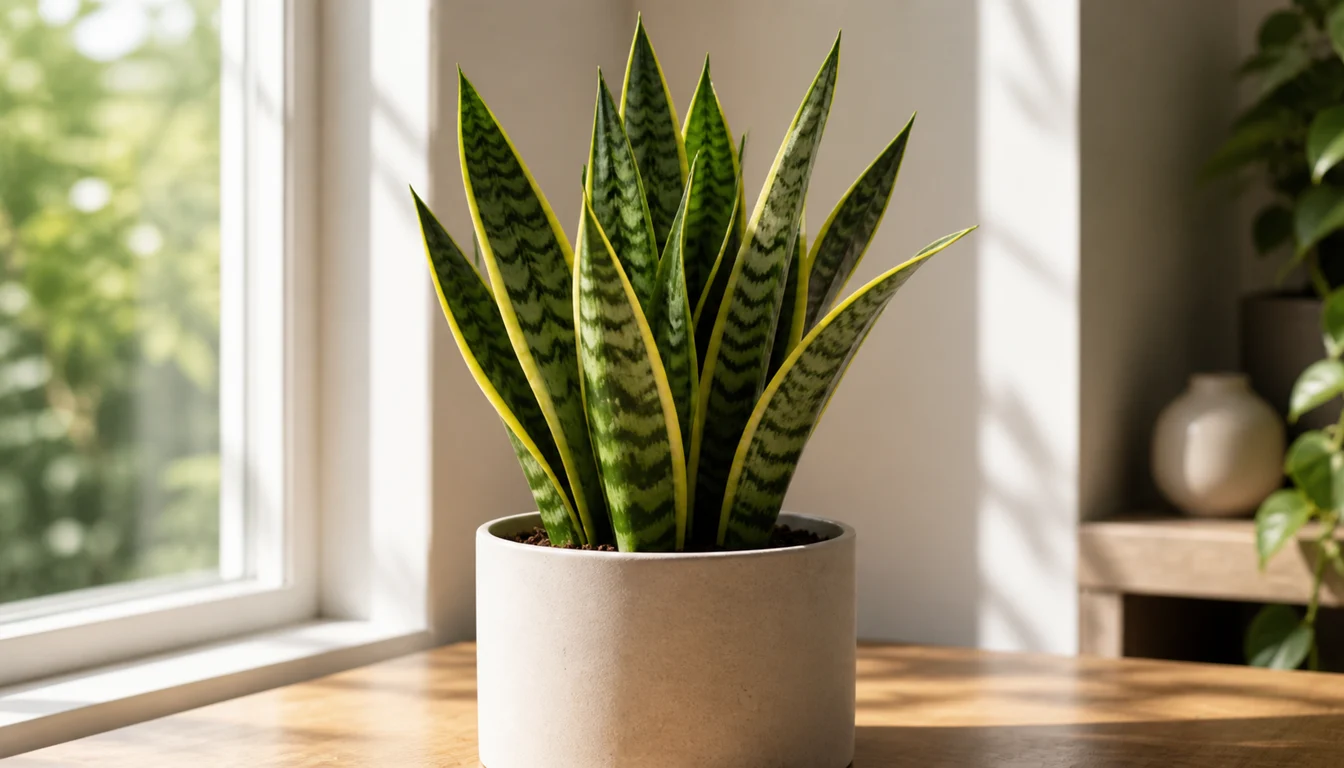
Snake Plant
Another ultra-tough option for low light with upright, architectural foliage.
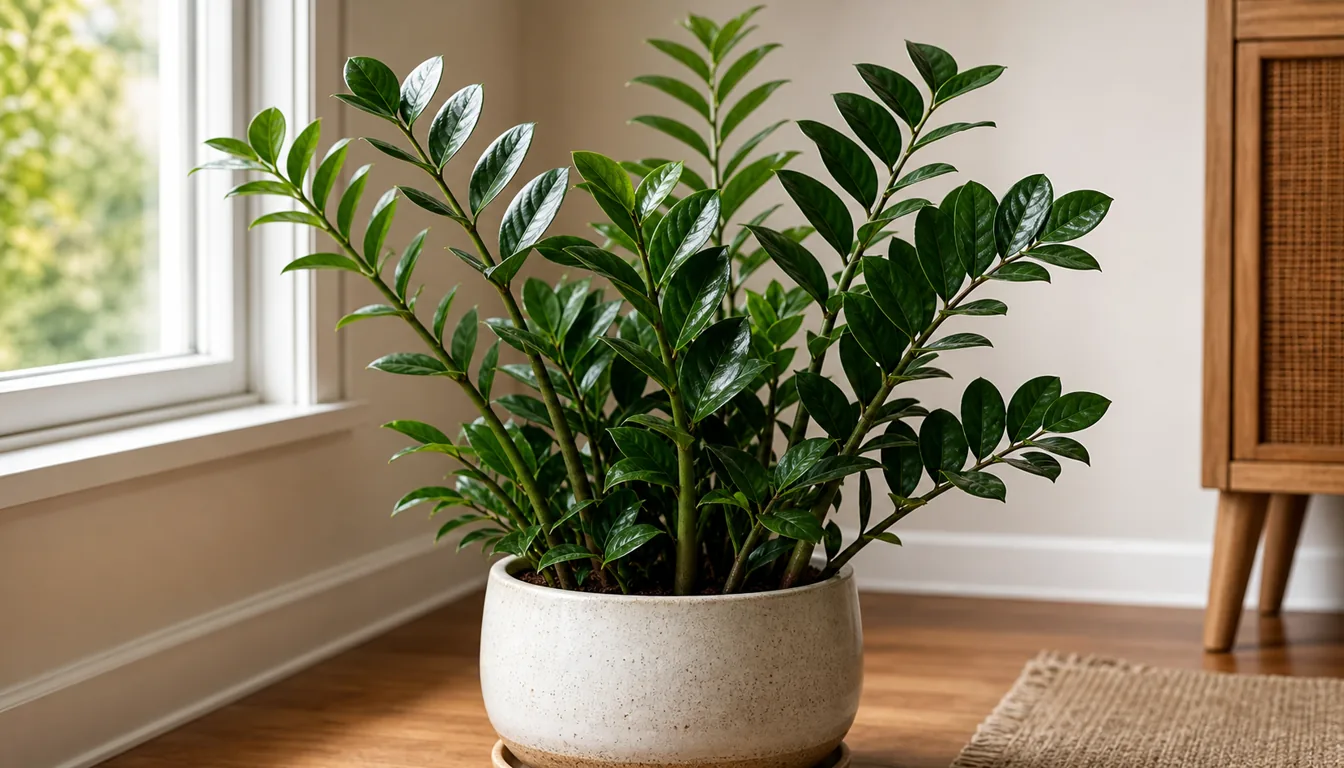
ZZ Plant
Glossy leaves and serious drought tolerance for forgetful waterers.
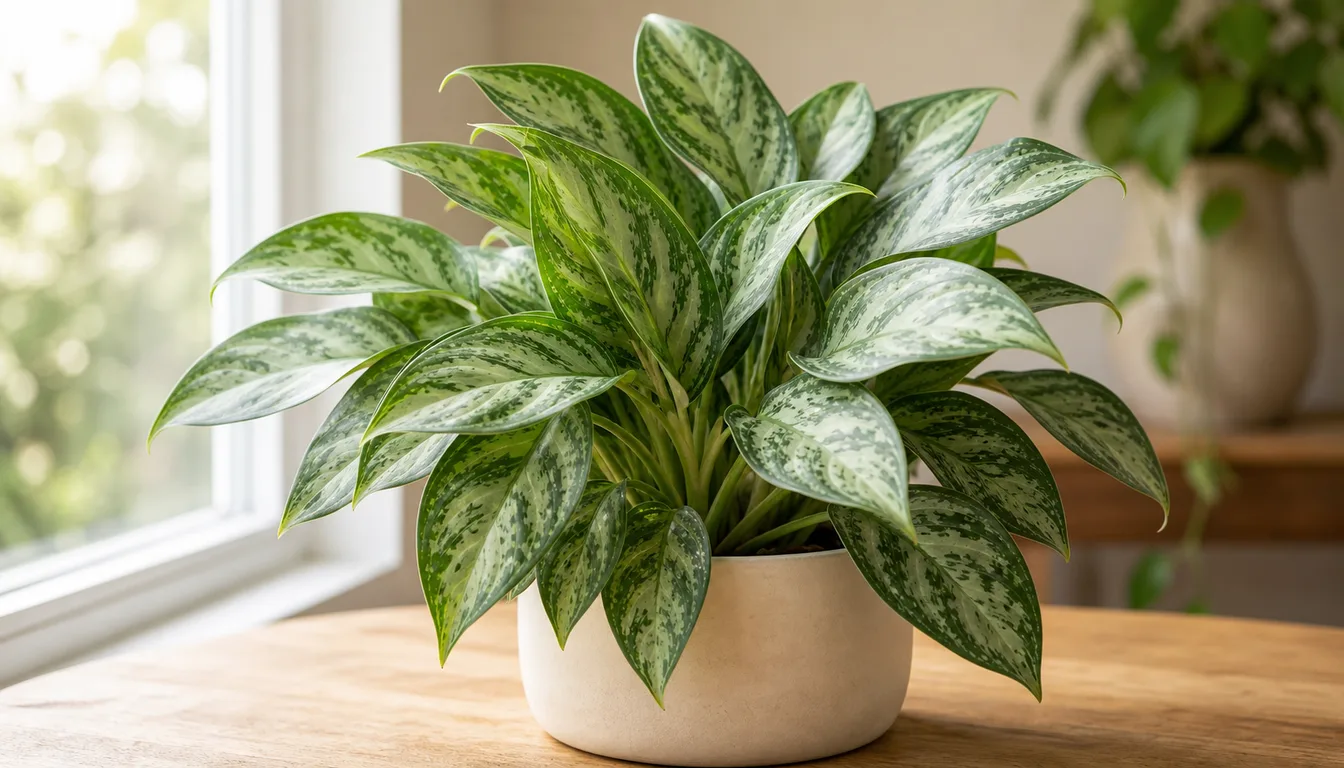
Chinese Evergreen
Colorful foliage choice where Cast Iron Plant might feel too plain.
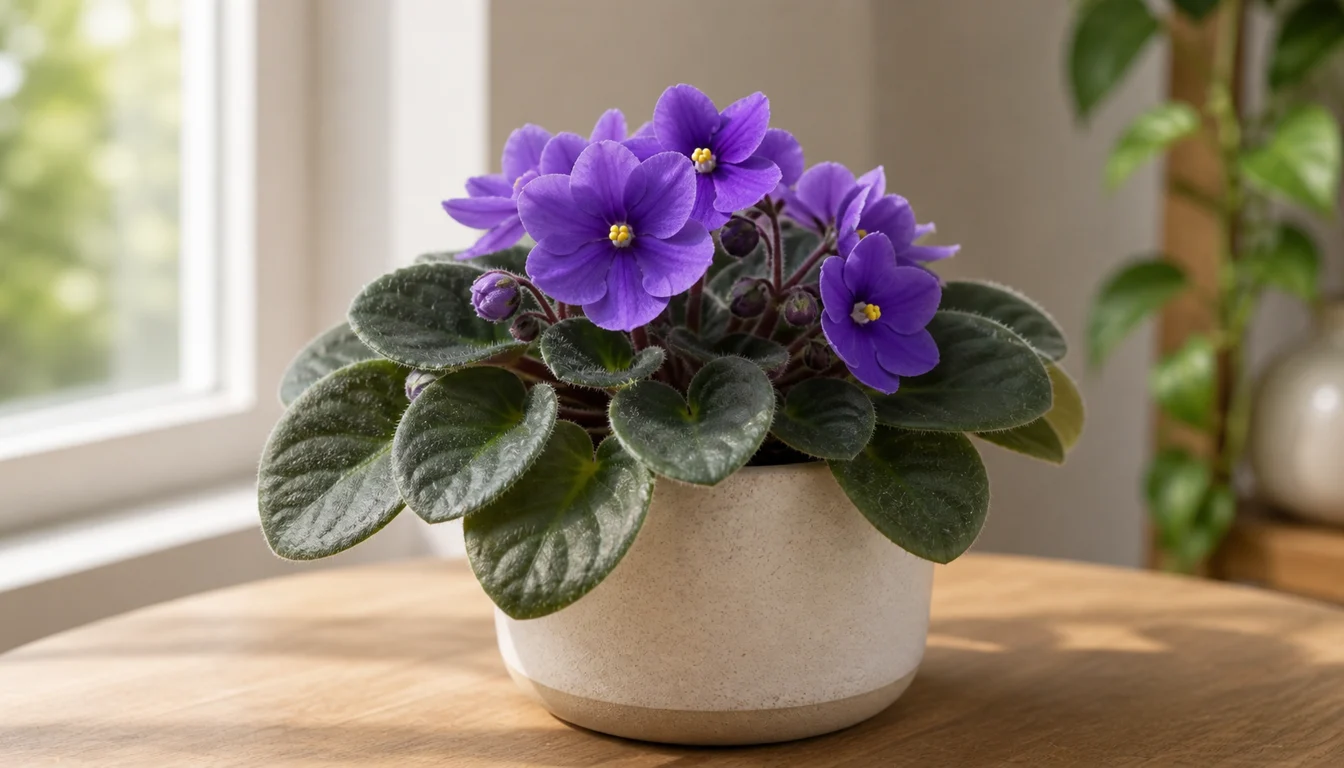
African Violet
African Violet is a windowsill bloomer that rewards steady, small-pot care.
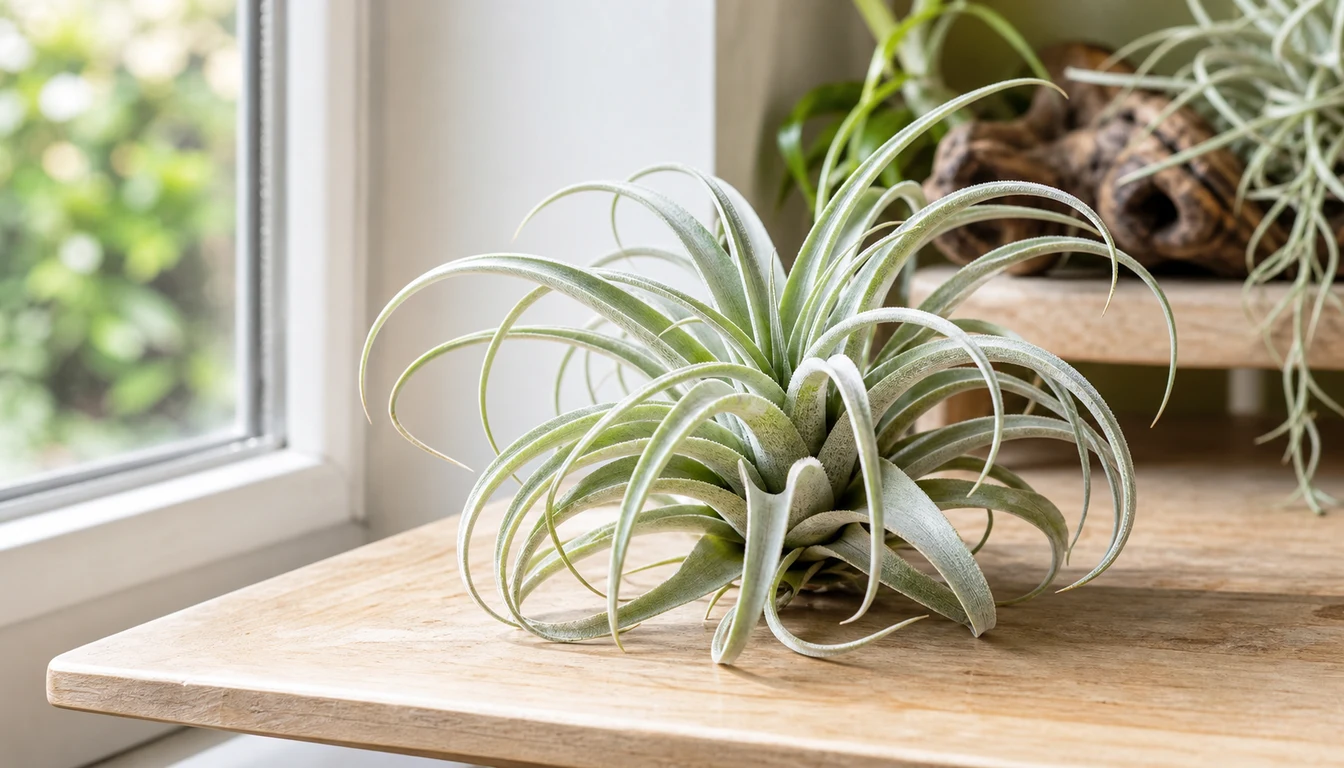
Air Plant
Air plants are living sculptures that thrive without soil, anchoring to driftwood, rocks, or shells while drawing…
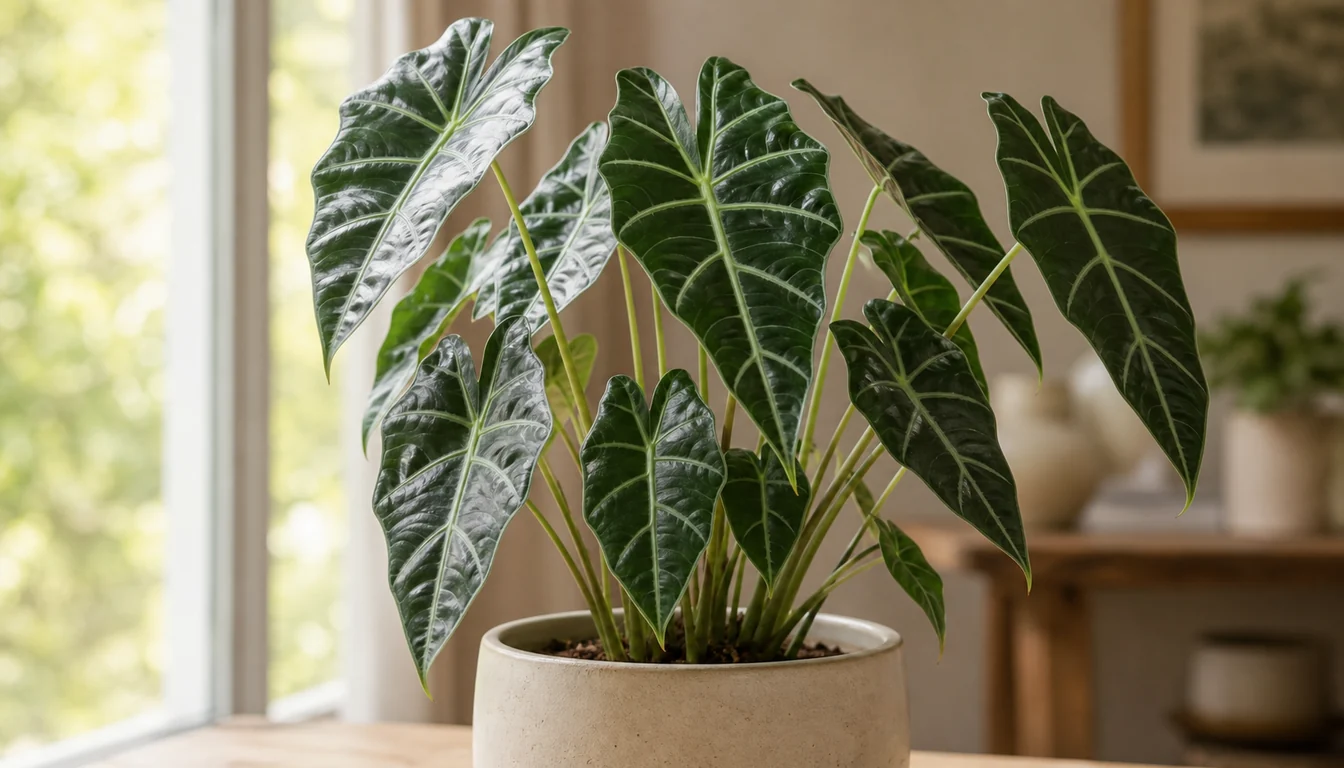
Alocasia
Alocasias include compact, textured houseplants and large elephant ears that need substantial floor space.