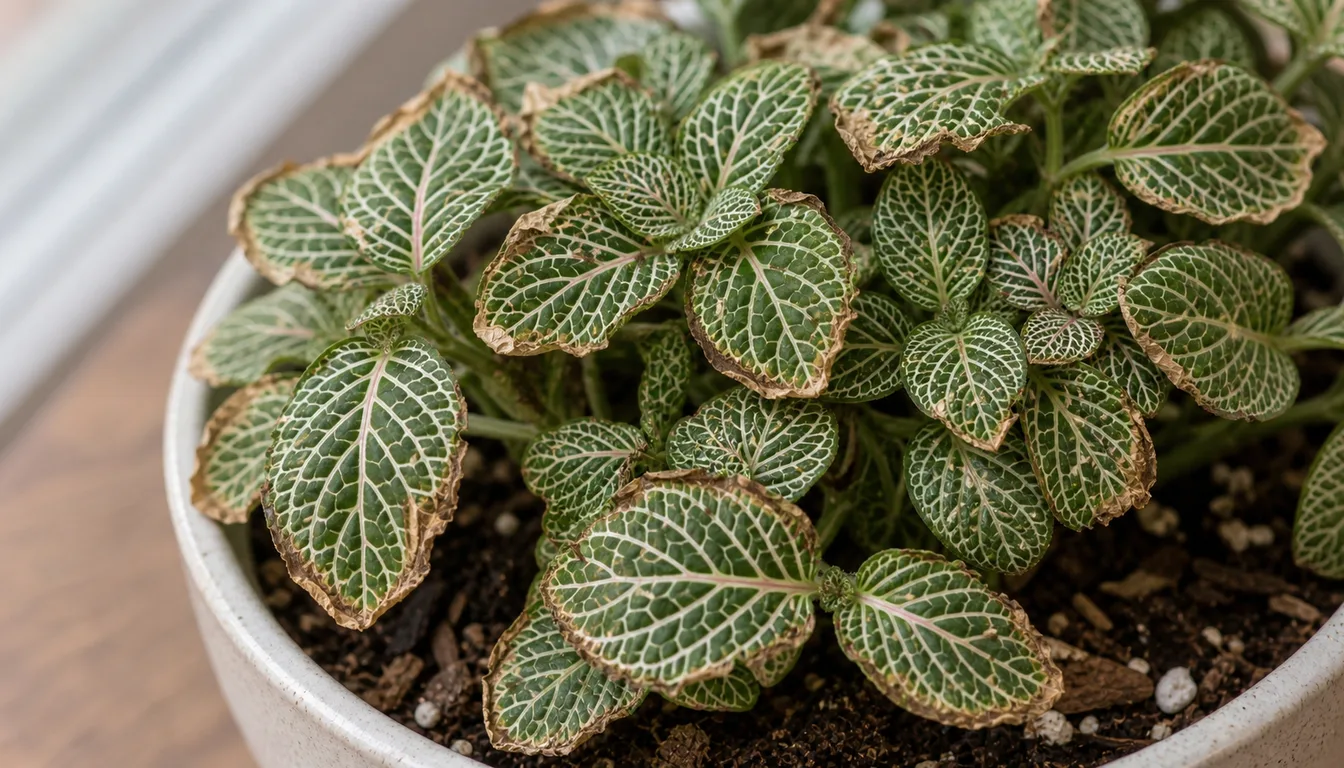
Nerve Plant Brown Edges
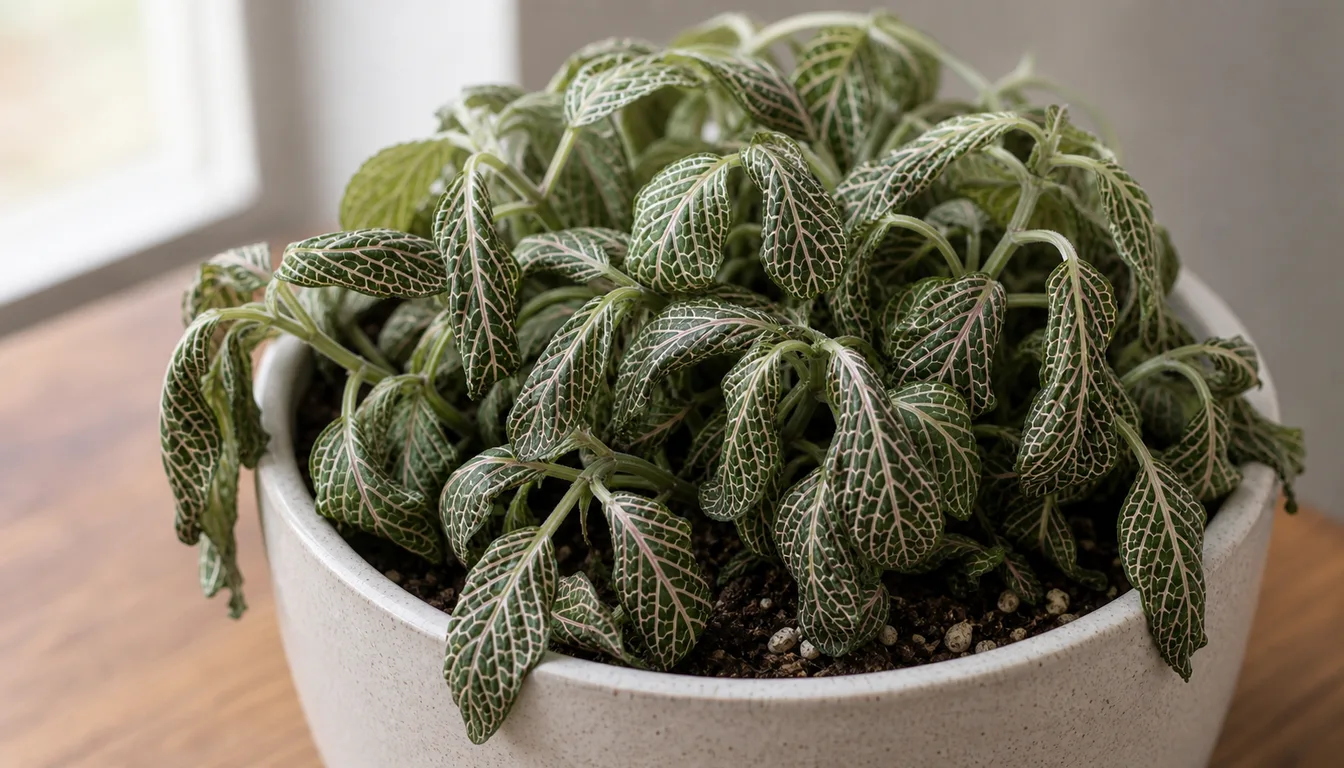
Brown edges on Nerve Plant leaves are damaged tissue that will not turn green again.

Plant Diagnosis
Start with the symptom you can see. Compare likely causes before changing water, fertilizer, light, or treatment.
A useful diagnosis starts with location, timing, and the pattern of damage.
Check whether symptoms begin on old leaves, new growth, roots, or one side of the plant.
Note weather, watering, repotting, feeding, pruning, and any new treatment.
Look for insects, residue, soft tissue, dry edges, odor, and soil moisture.
85 matching guides
Search checks problem names, descriptions, and summaries. Plant group uses the category saved on each problem; sorting uses the update date or problem name.
Brown edges on Nerve Plant leaves are damaged tissue that will not turn green again.
A drooping Nerve Plant needs a root-zone check before another watering. A dry center and a persistently saturated pot can leave…
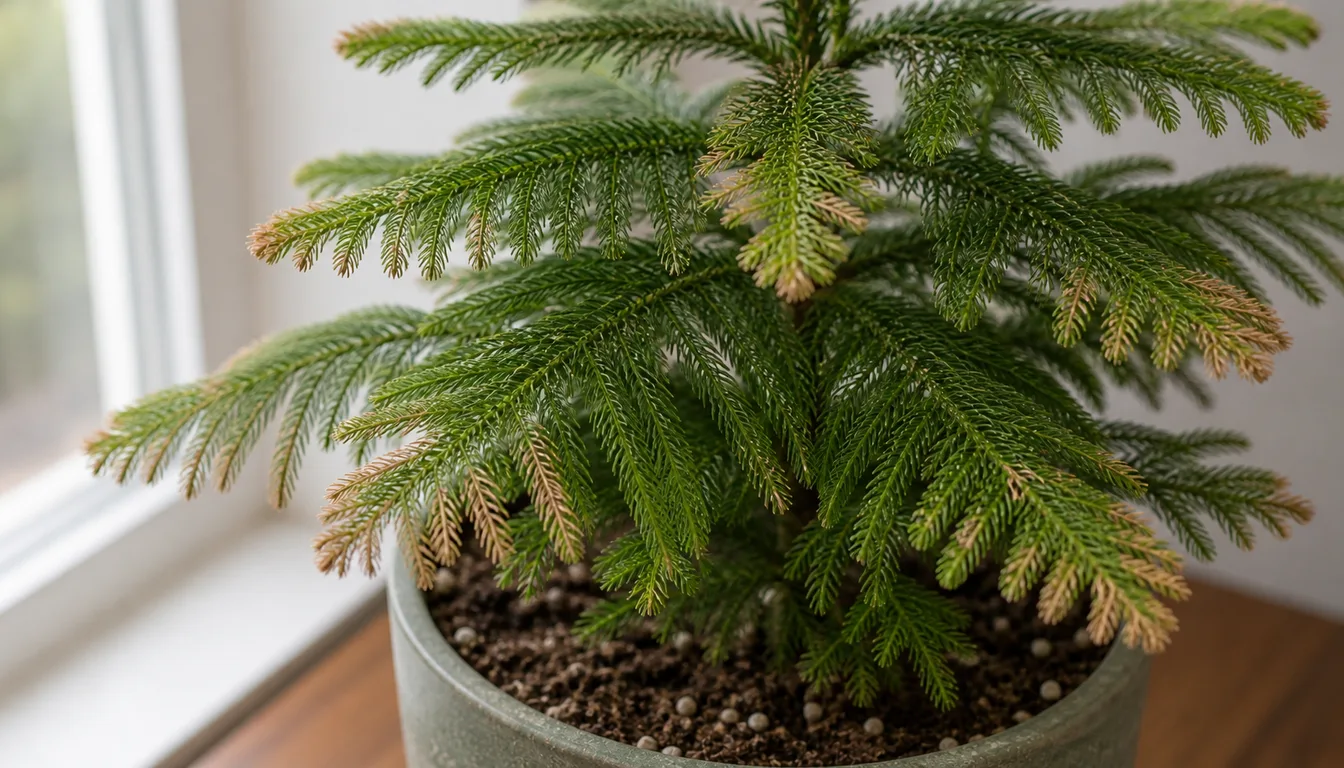
Brown tips on a Norfolk Island Pine do not point to one automatic fix. First decide whether the damage stays on narrow needle ends or…
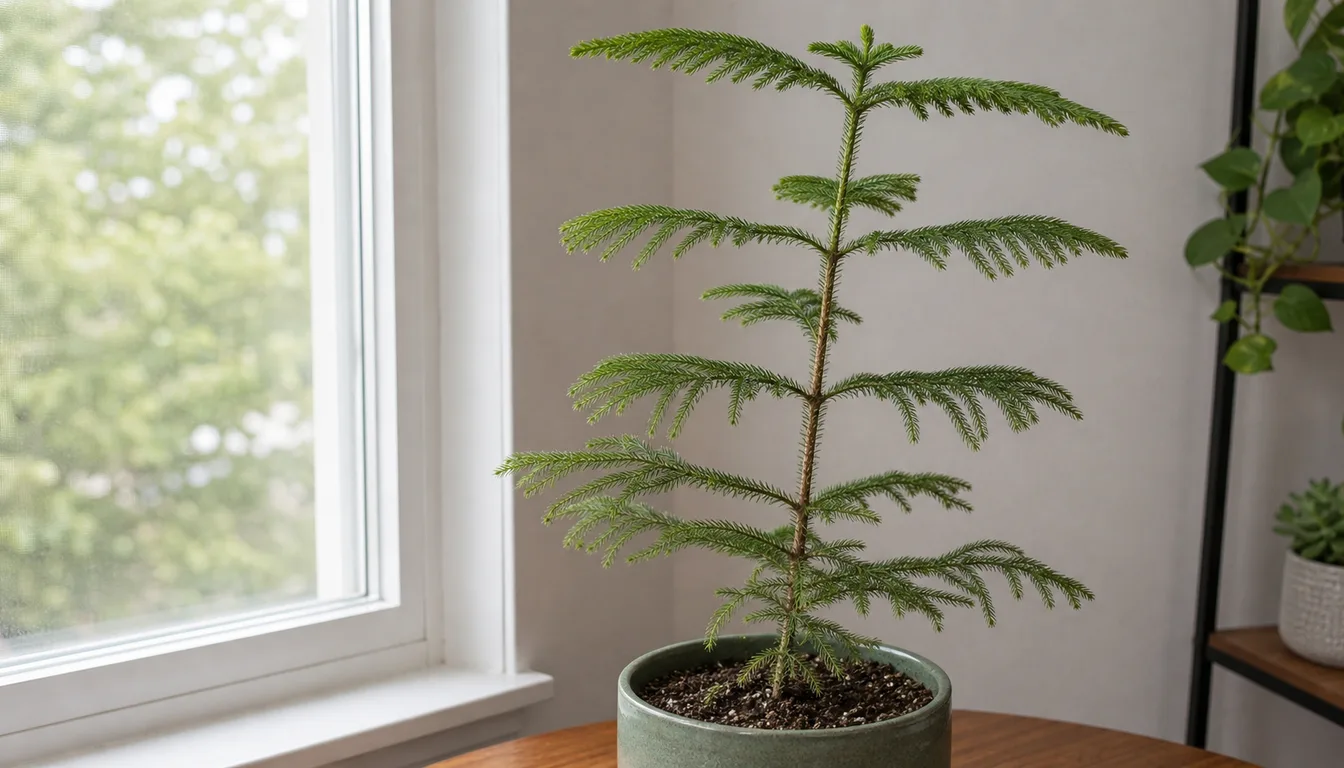
A leggy Norfolk Island Pine shows a changed growth pattern through wider new branch tiers, sparse side growth, or a leader that leans…
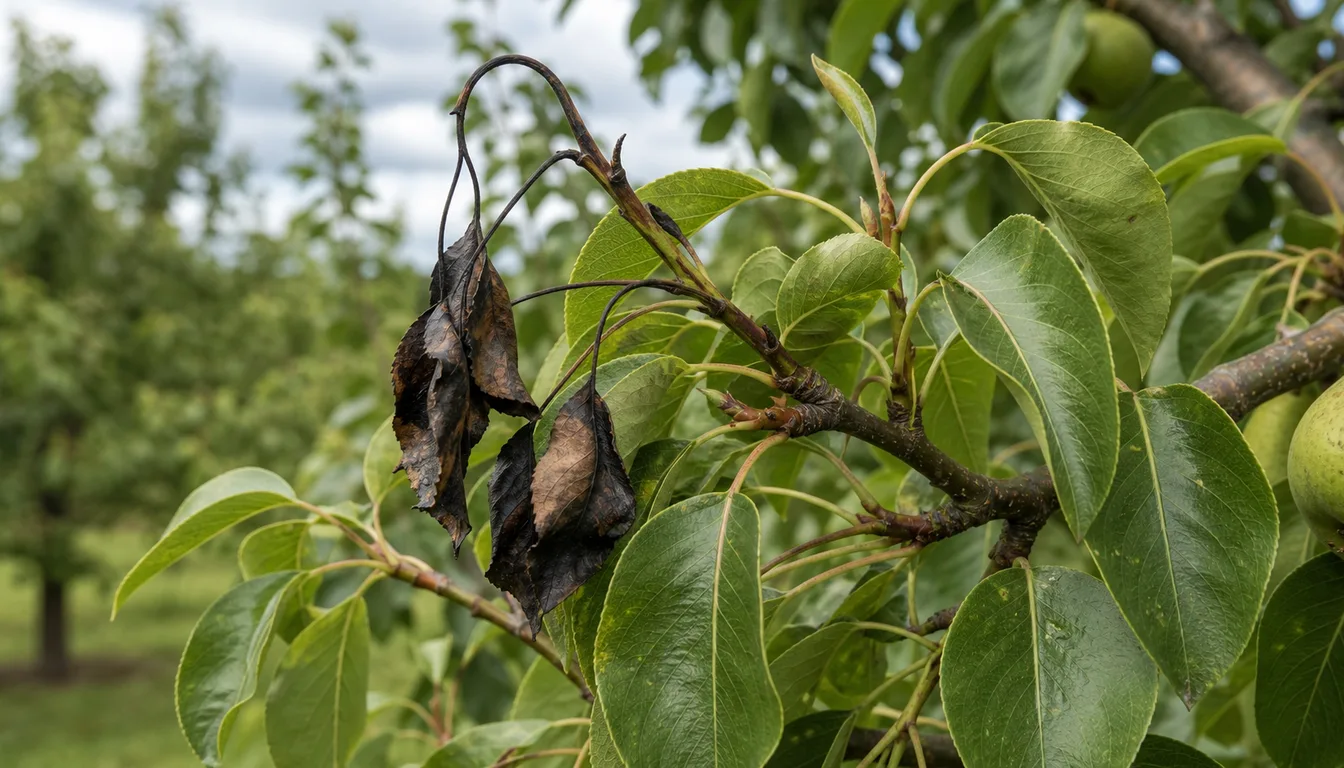
Fire blight blackens Pear Tree blossoms and shoots and leaves the dead foliage hanging on the branch instead of dropping.
Pear tree poor fruit set begins at one of two points. Flowers either fail to form fruitlets because pollen, bees, or flower tissue…
Use the plant and soil condition to set the next watering.
PestsMatch treatment to a confirmed pest and its life stage.
NutritionRule out root and moisture problems before adding fertilizer.