Pomegranate Fruit Cracking
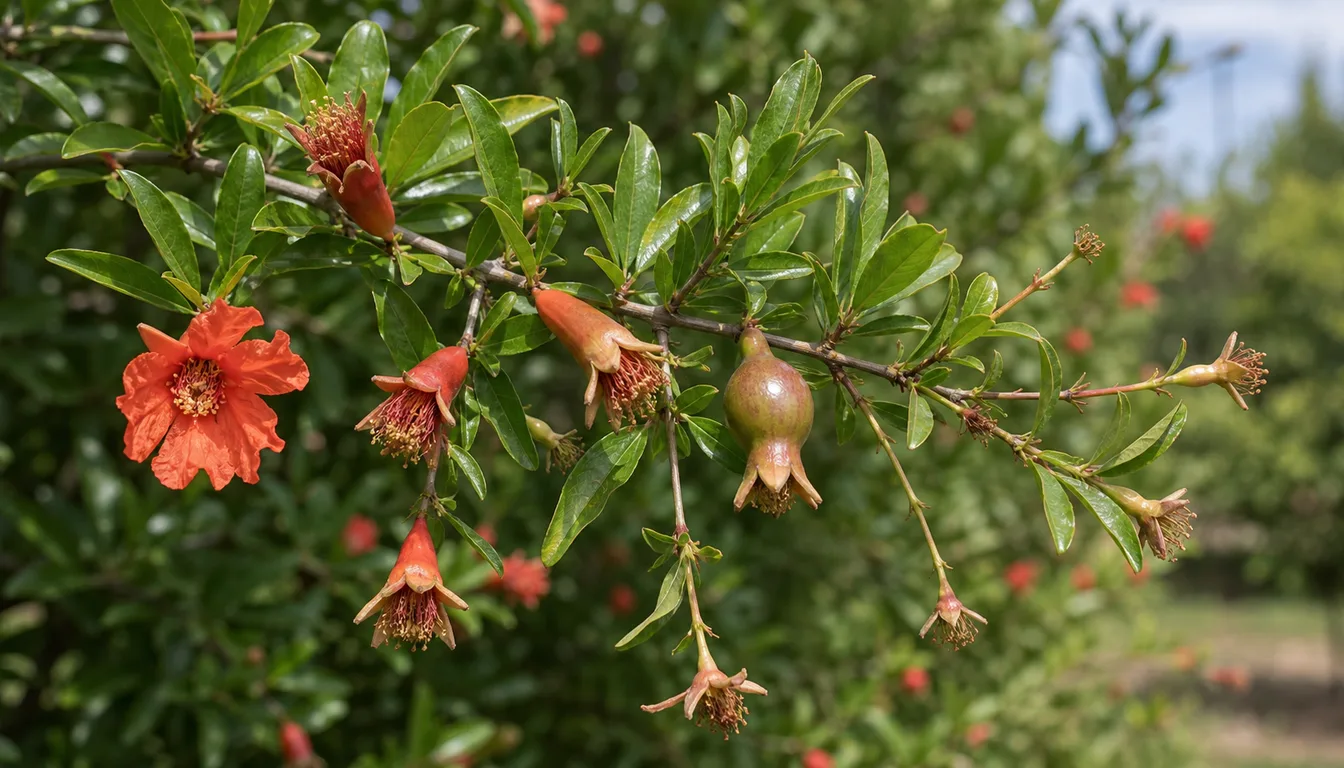
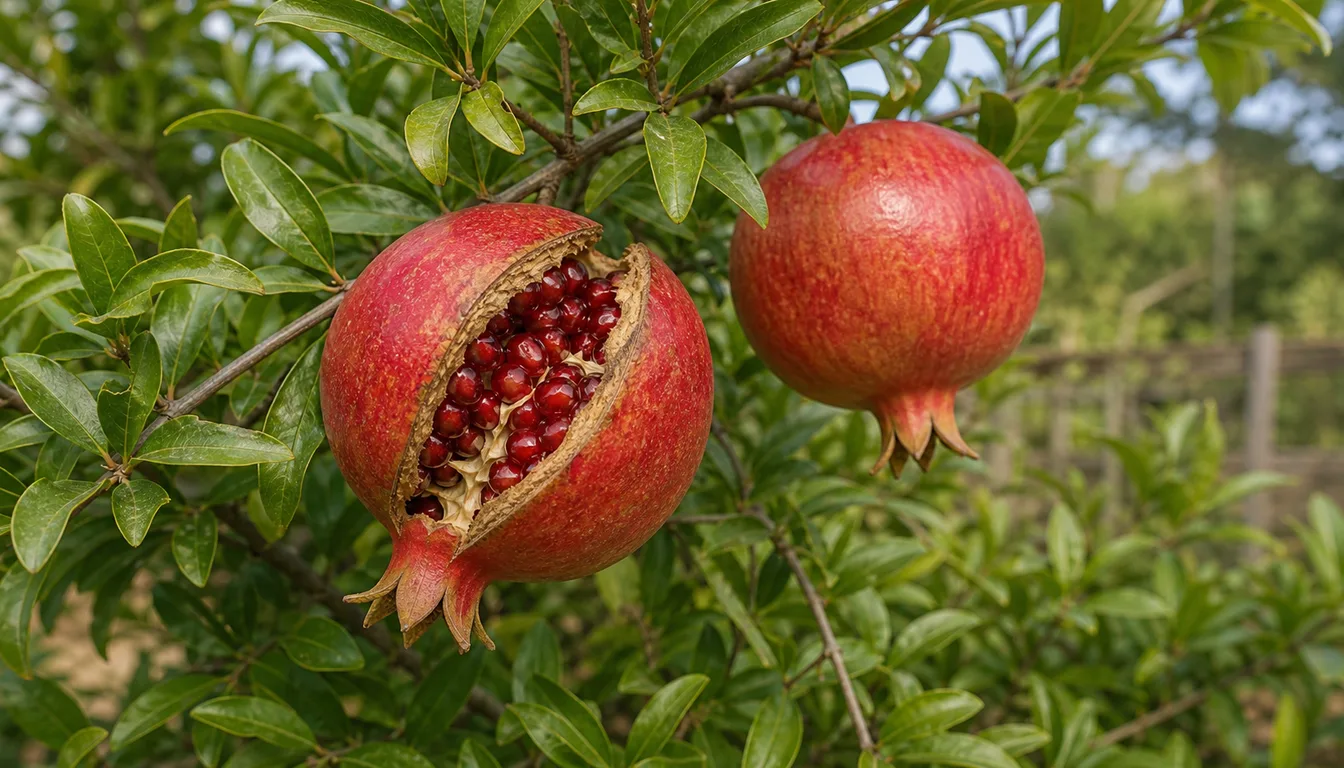
A pomegranate usually splits when its juicy arils expand faster than the rind can stretch, with rain or heavy irrigation after dry…

Plant Diagnosis
Start with the symptom you can see. Compare likely causes before changing water, fertilizer, light, or treatment.
A useful diagnosis starts with location, timing, and the pattern of damage.
Check whether symptoms begin on old leaves, new growth, roots, or one side of the plant.
Note weather, watering, repotting, feeding, pruning, and any new treatment.
Look for insects, residue, soft tissue, dry edges, odor, and soil moisture.
85 matching guides
Search checks problem names, descriptions, and summaries. Plant group uses the category saved on each problem; sorting uses the update date or problem name.
A pomegranate usually splits when its juicy arils expand faster than the rind can stretch, with rain or heavy irrigation after dry…
Start with the base of a newly opened Pomegranate flower. A narrow vase-shaped bloom is functionally male and normally falls after…
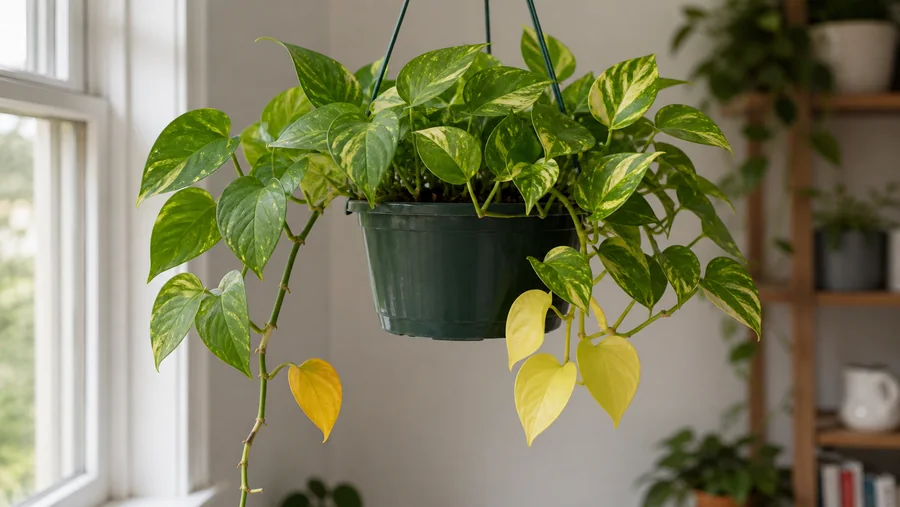
Yellow pothos leaves can reflect normal aging, root-zone stress, changing light or temperature, pests, or disease.
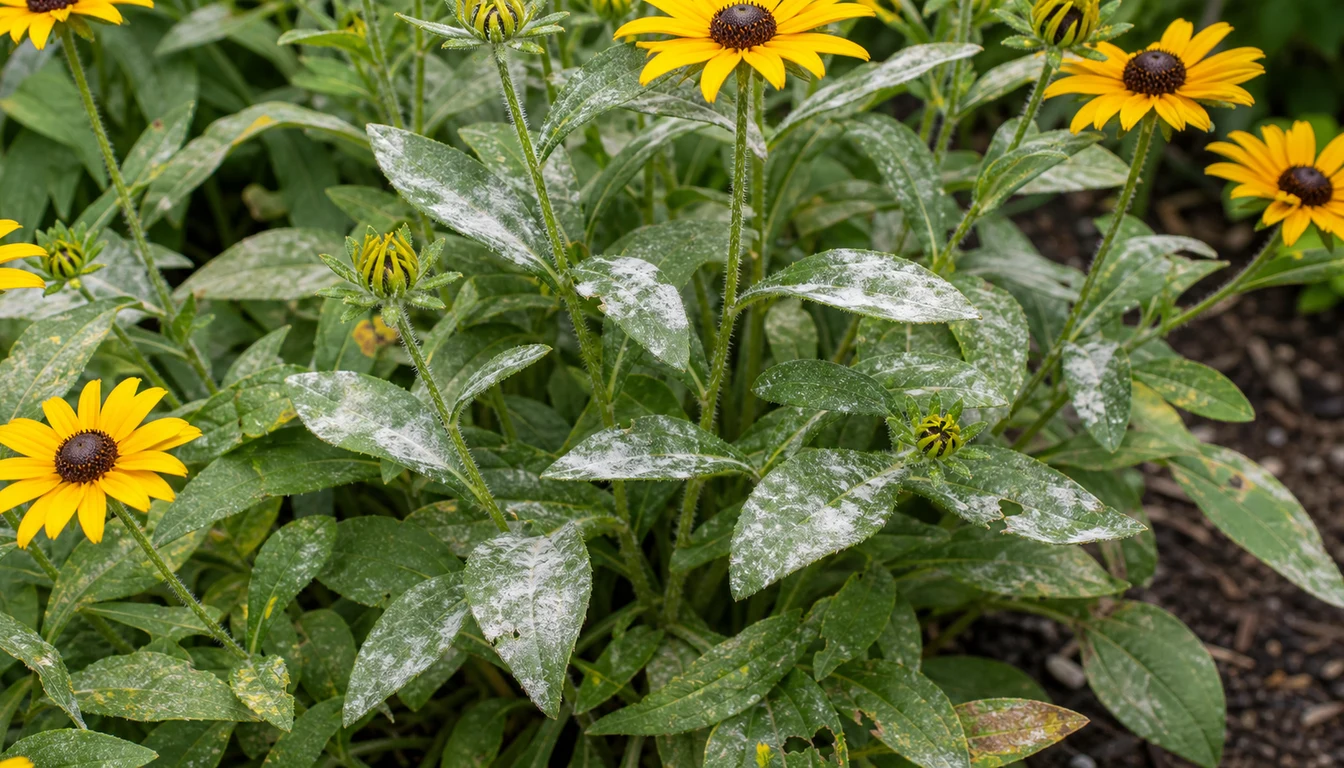
Powdery mildew on Black-Eyed Susan forms expanding white-gray colonies on living leaves, stems, or buds.
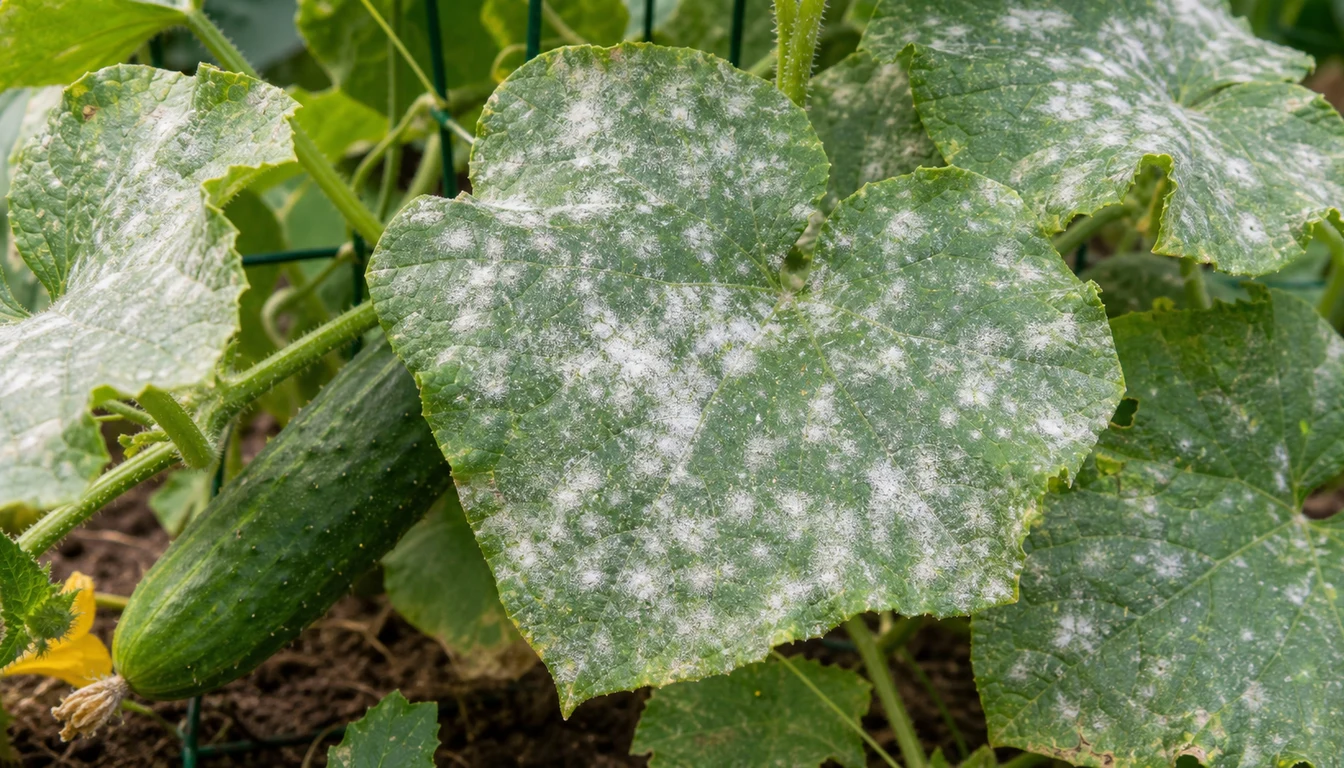
Powdery mildew on Cucumber forms expanding white colonies on older leaves, then shortens the useful life of the canopy.
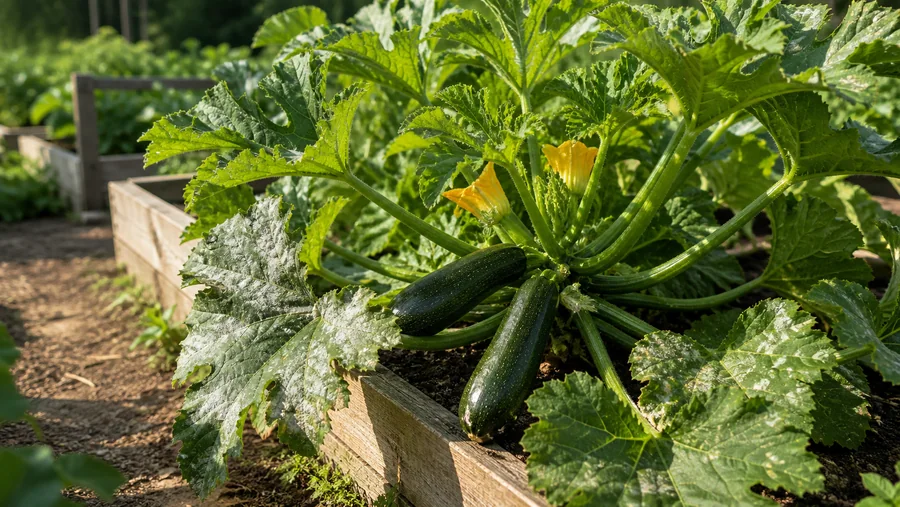
A zucchini plant with a few powdery mildew colonies can keep flowering and producing if most of its canopy remains green.
Use the plant and soil condition to set the next watering.
PestsMatch treatment to a confirmed pest and its life stage.
NutritionRule out root and moisture problems before adding fertilizer.