
Plant Problems
Start with the symptom you can see.
Updated
Observe before you treat
Several stress problems resemble pests. Confirm the cause before applying a pesticide.
Get useful clues
- Photograph the whole plant.
- Inspect leaf undersides.
- Feel the soil below the surface.
- Check nearby plants.
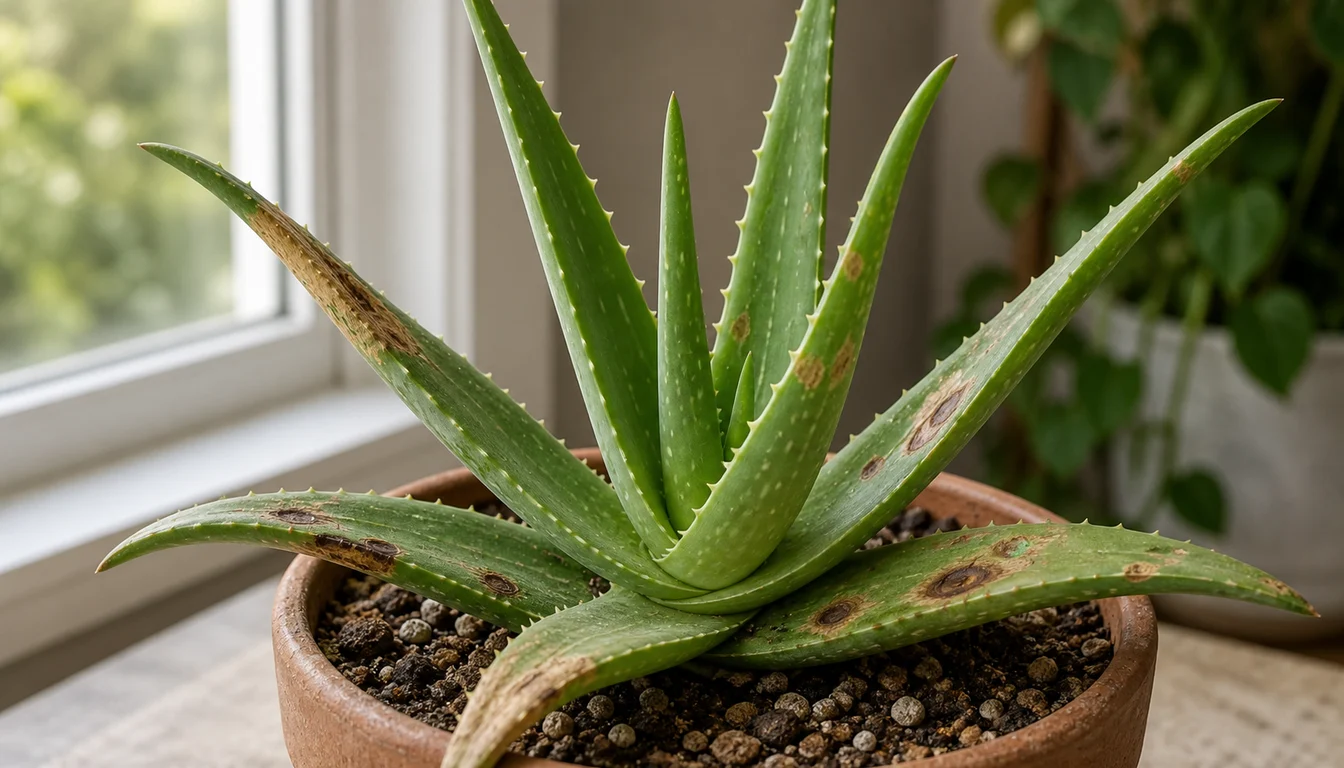
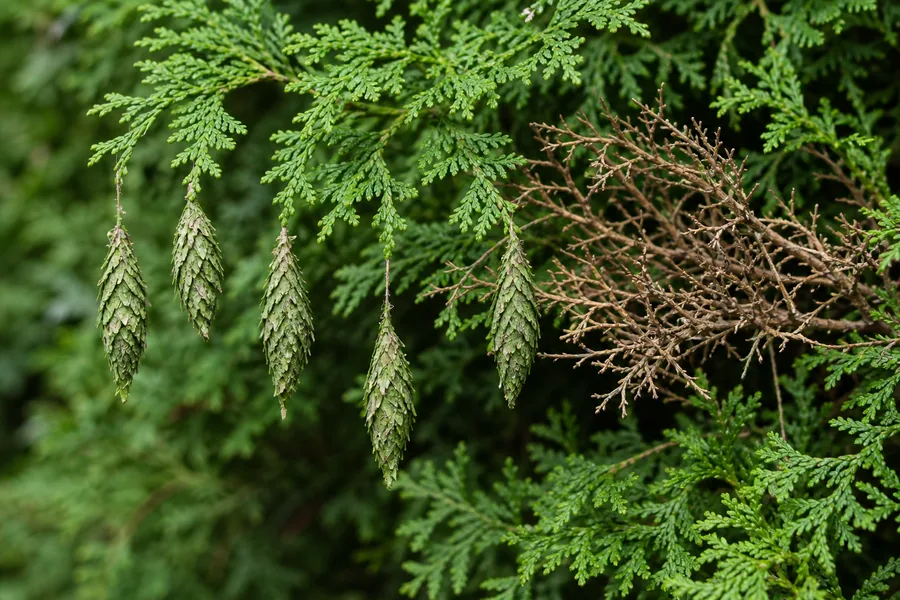
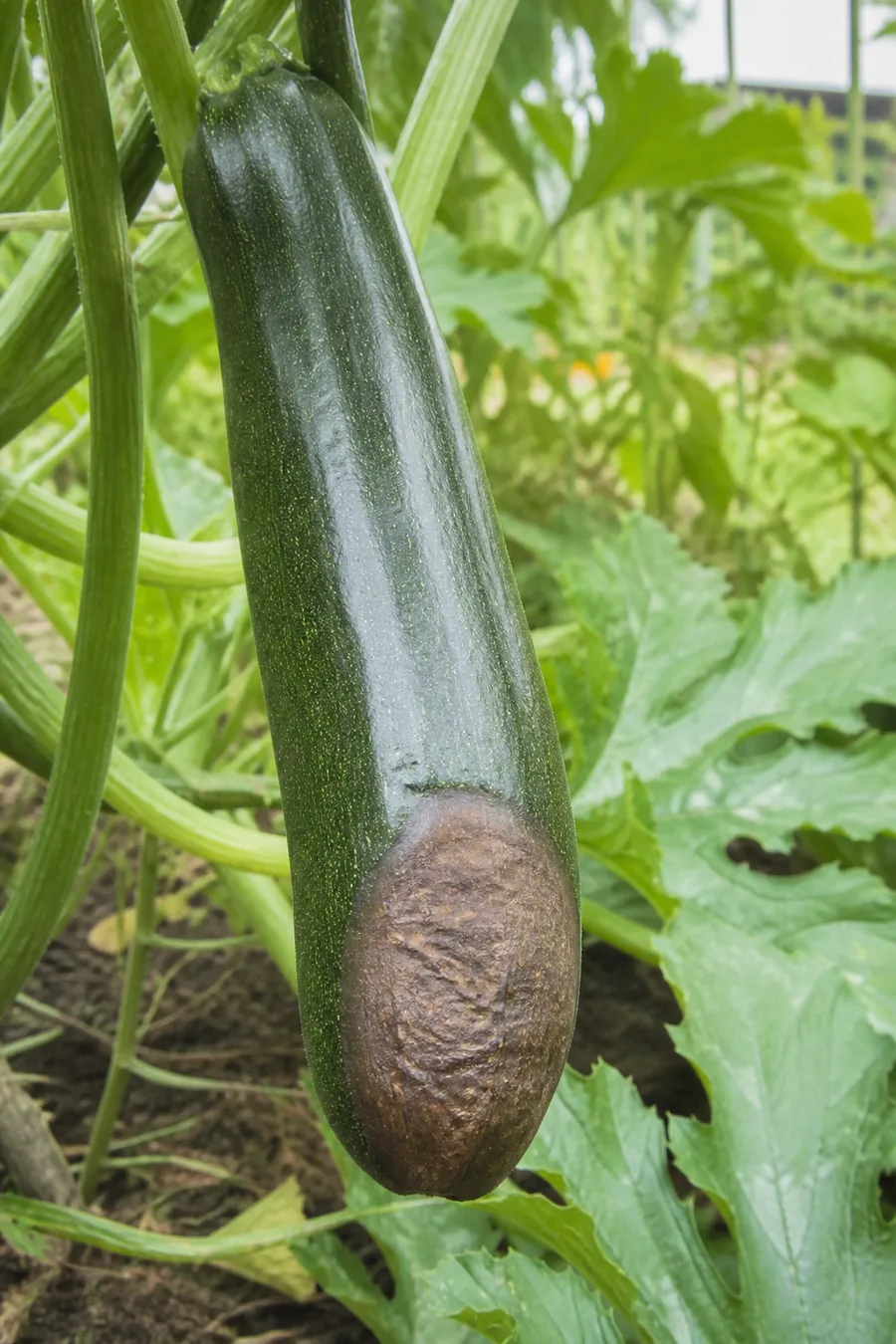
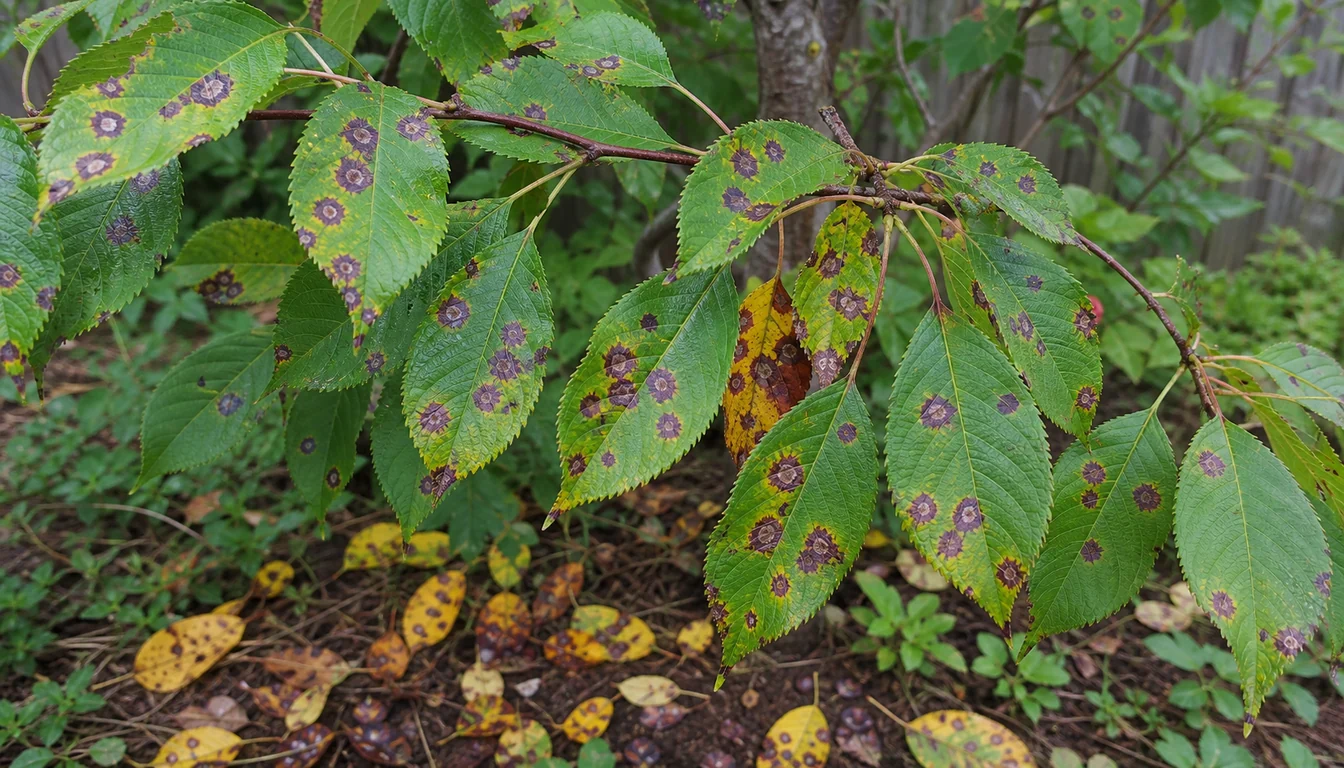
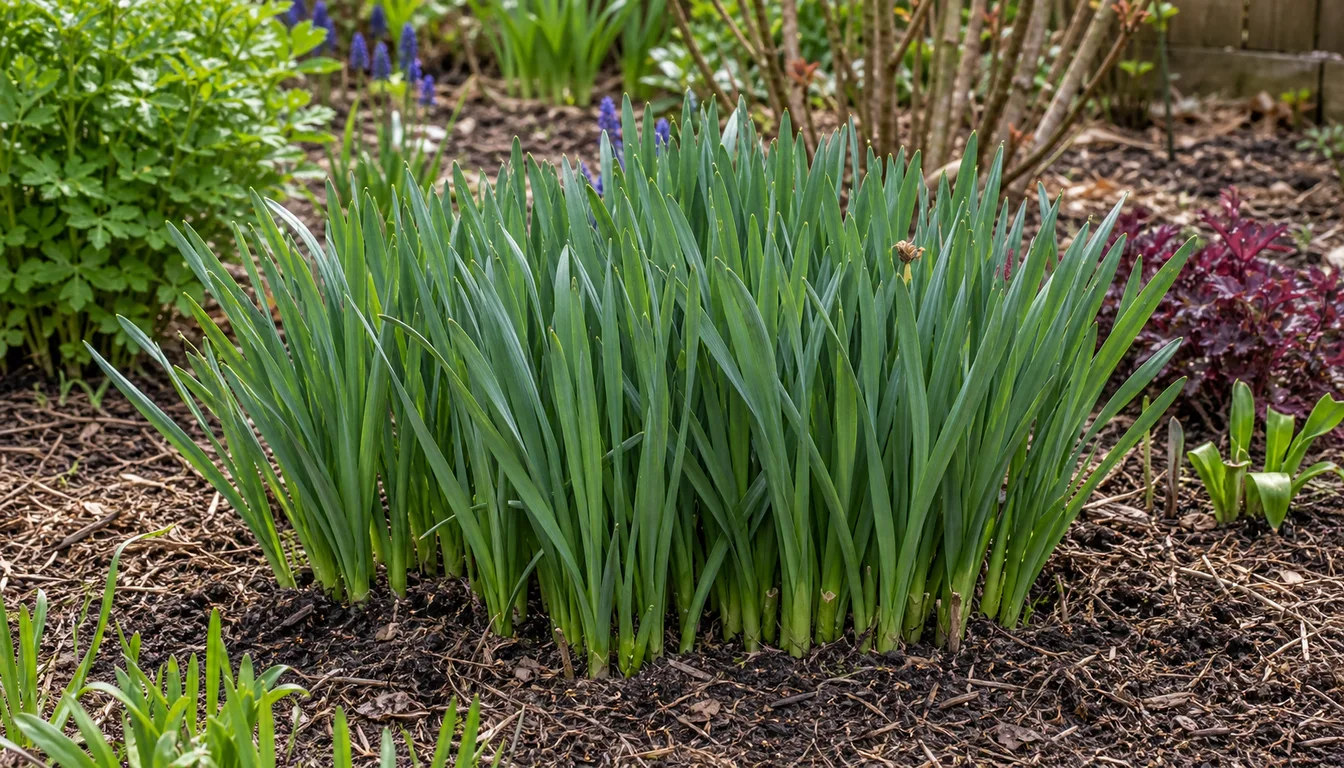
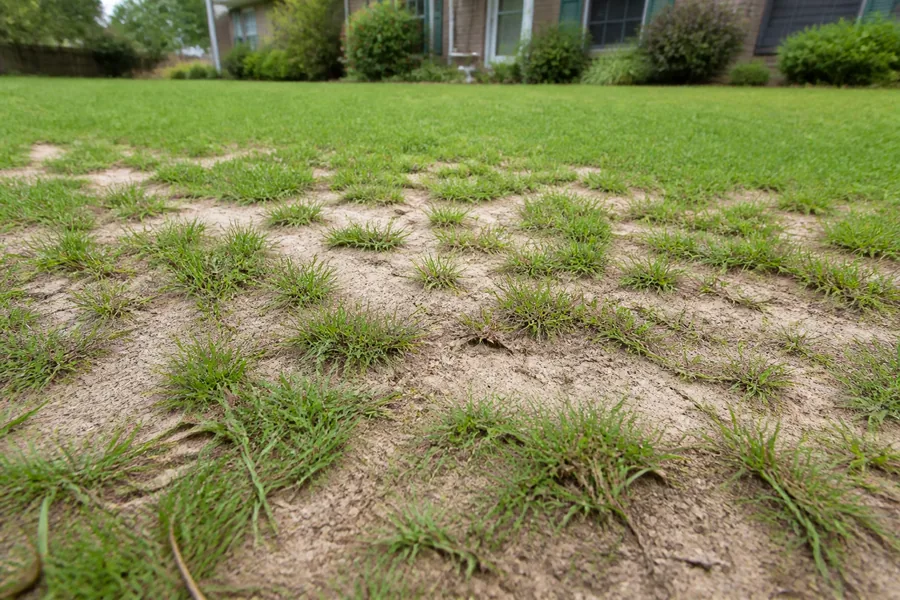
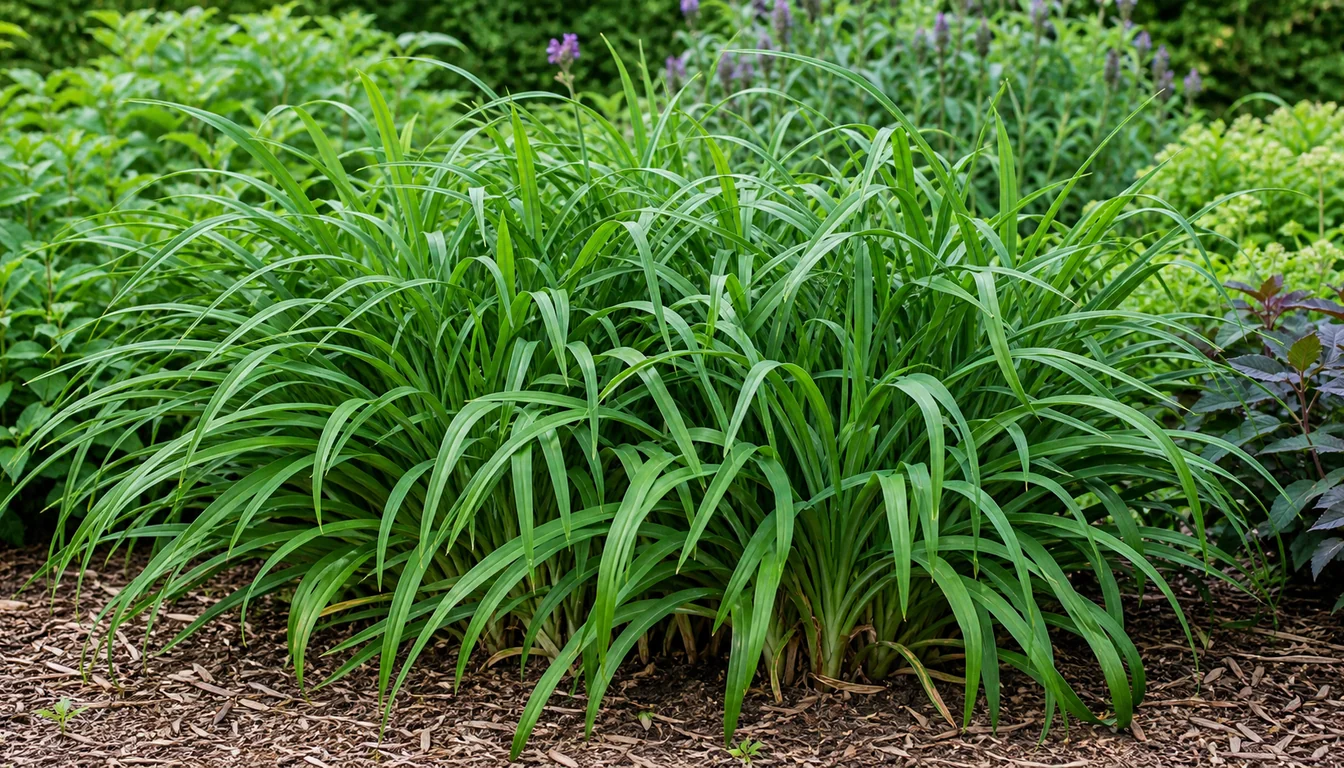
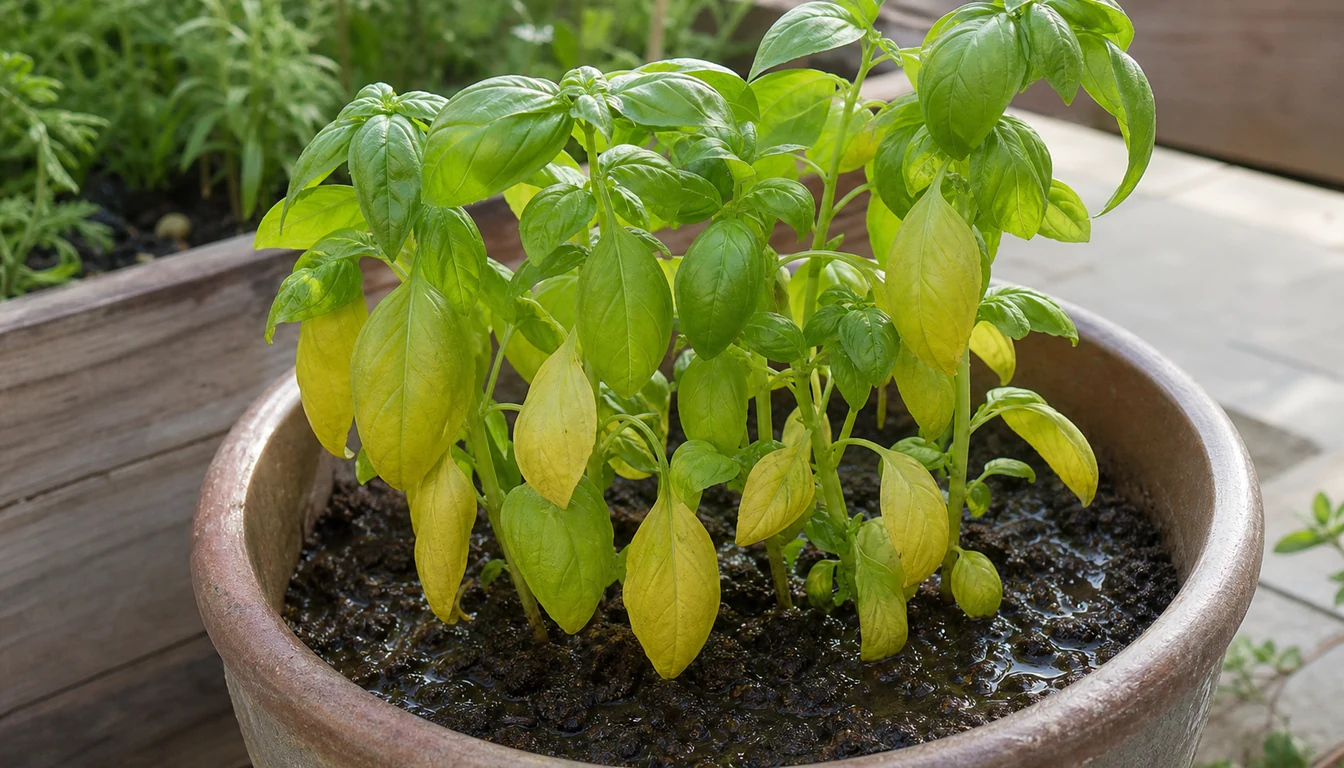
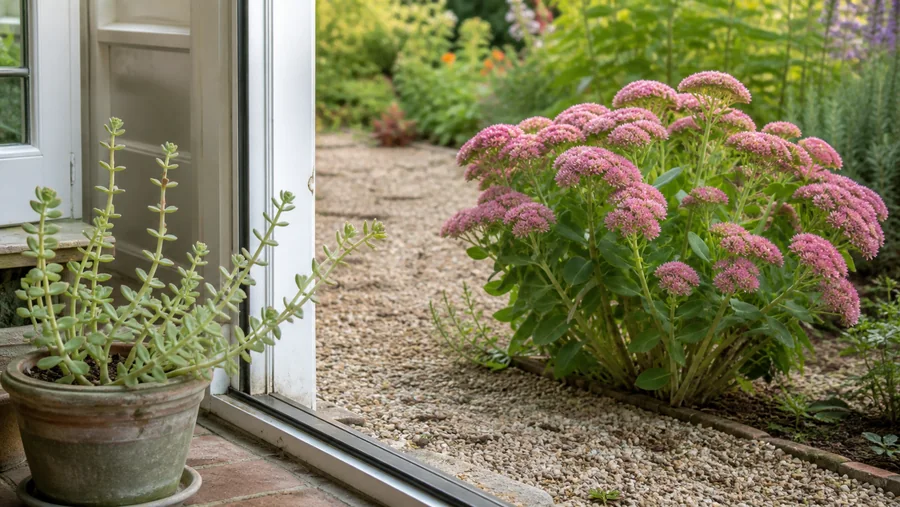
From symptom to likely cause
Search by visible symptom
8 matching guides
Search and filter problems
About search and filters
Search checks problem names, descriptions, and summaries. Plant group uses the category saved on each problem; sorting uses the update date or problem name.
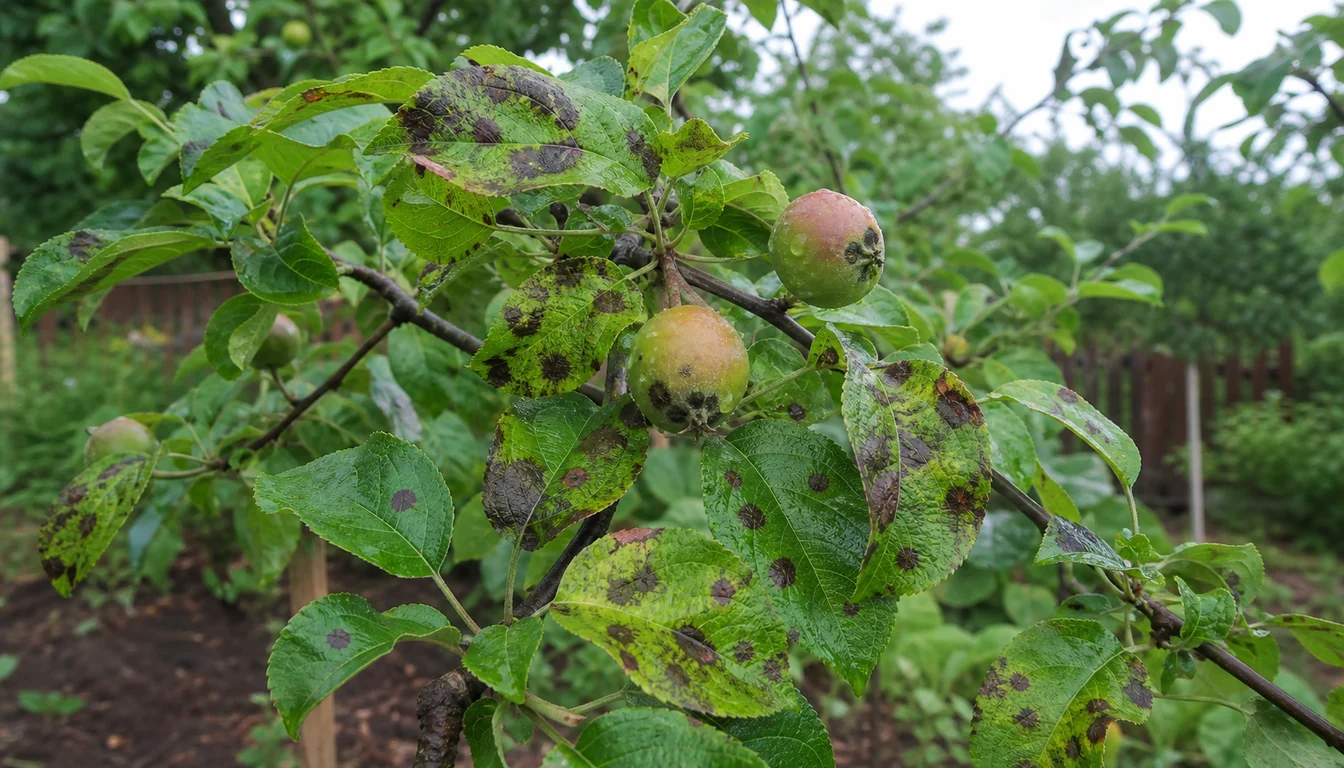
Apple Tree Fungal Leaf Spots
Likely cause: Read the color and the edge, then turn a leaf over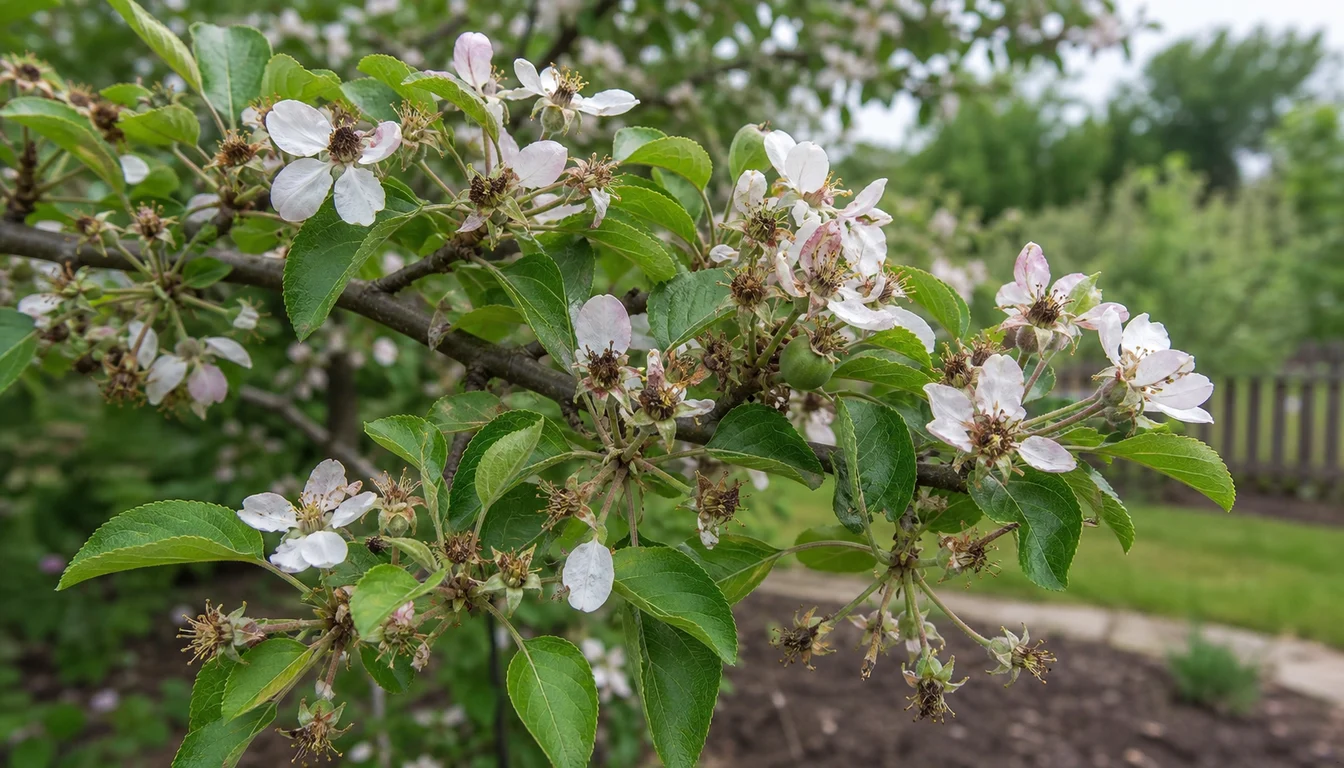
Apple Tree Poor Fruit Set
Likely cause: Look at when it failed, not at the tree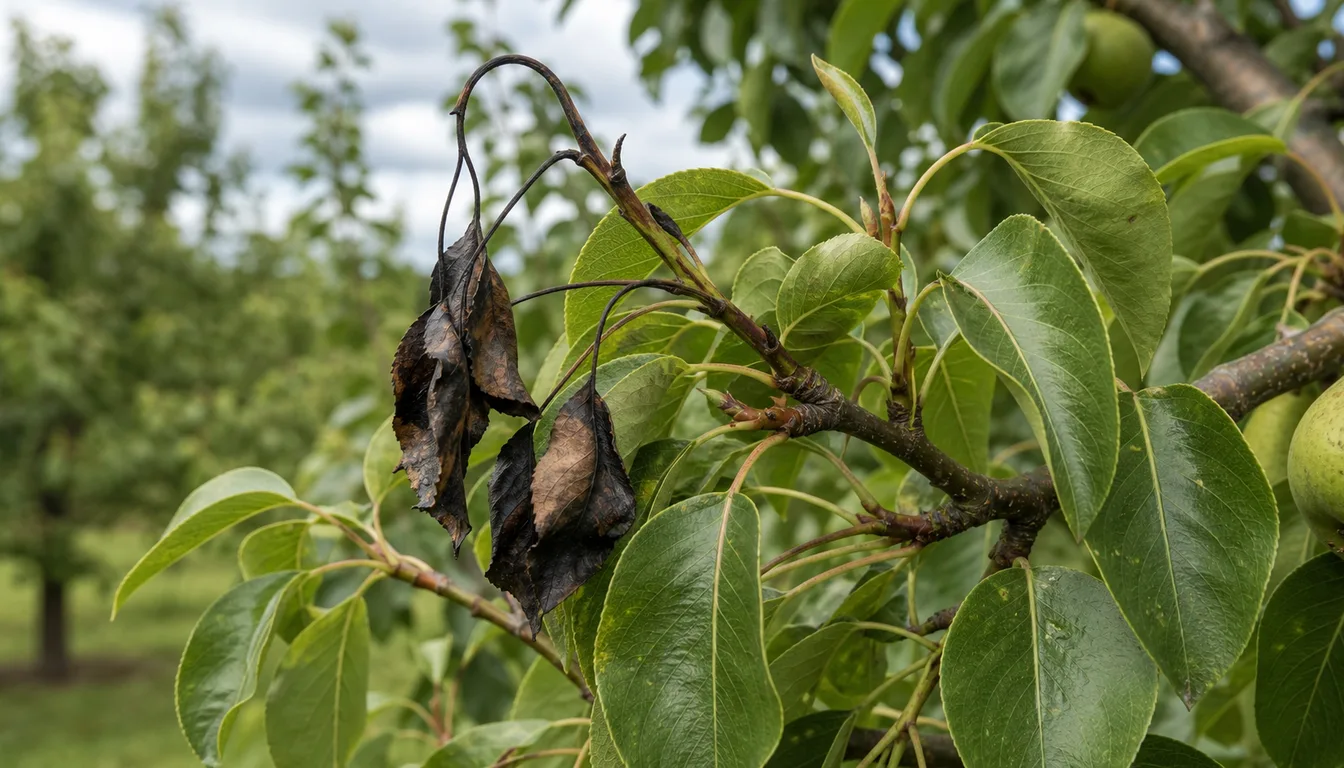
Pear Tree Fire Blight
Likely cause: Dead leaves still firmly attached, on a shoot tip bent into a hook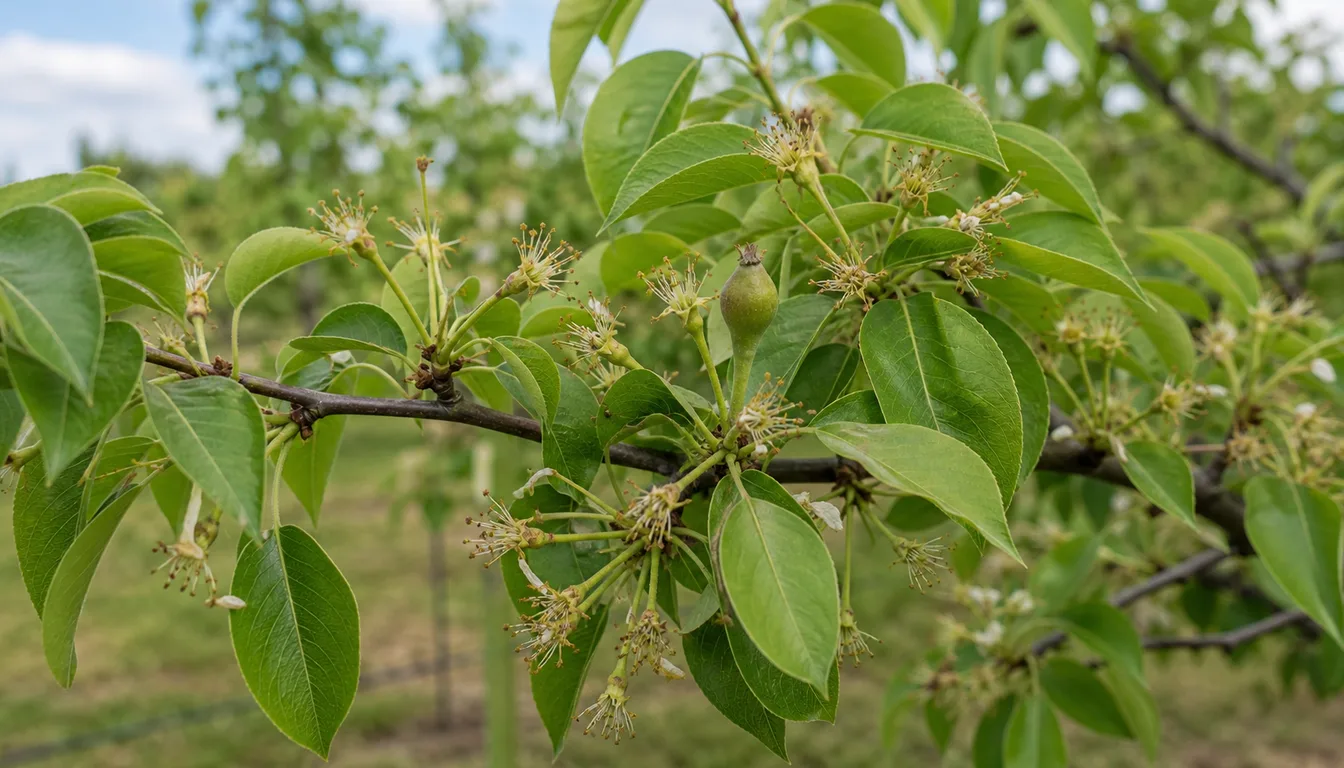
Pear Tree Poor Fruit Set
Likely cause: No compatible pear pollen reached healthy flowers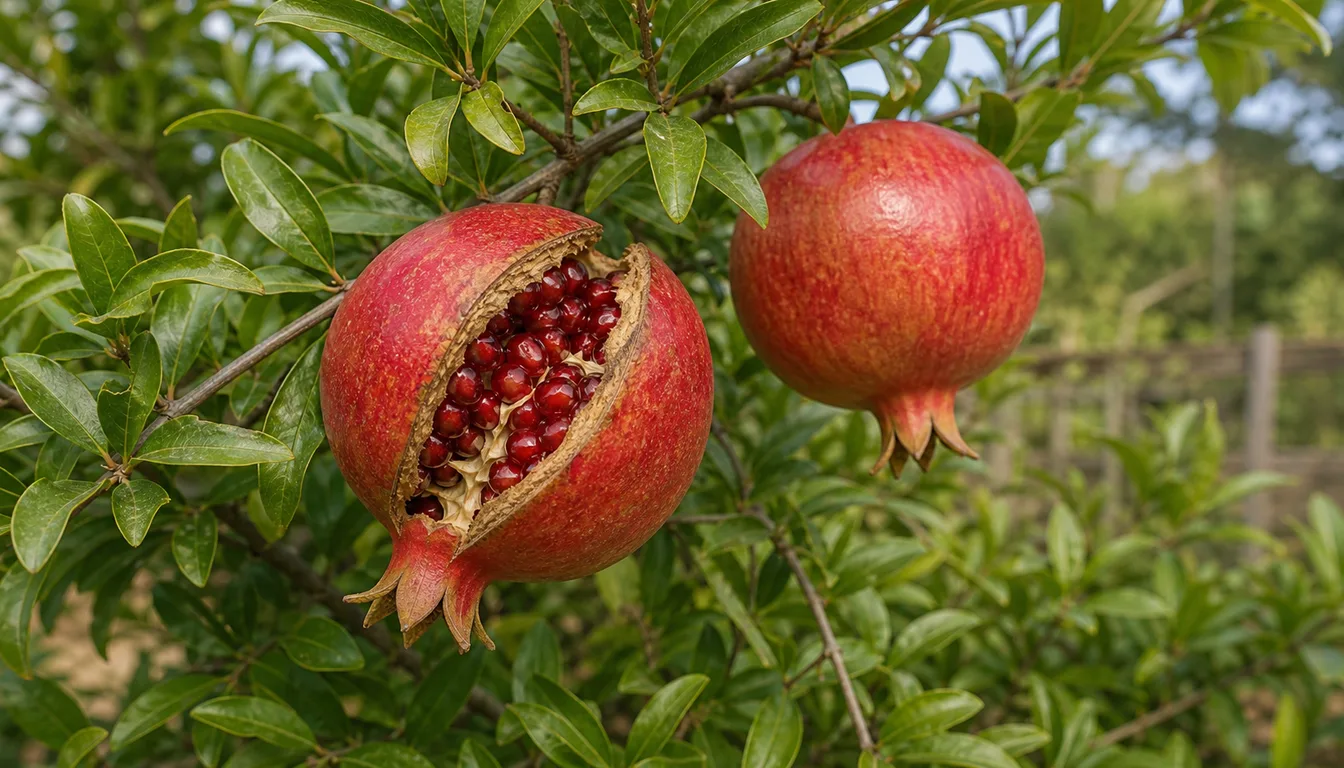
Pomegranate Fruit Cracking
Likely cause: A clean split after rain points first to a dry-to-wet moisture swing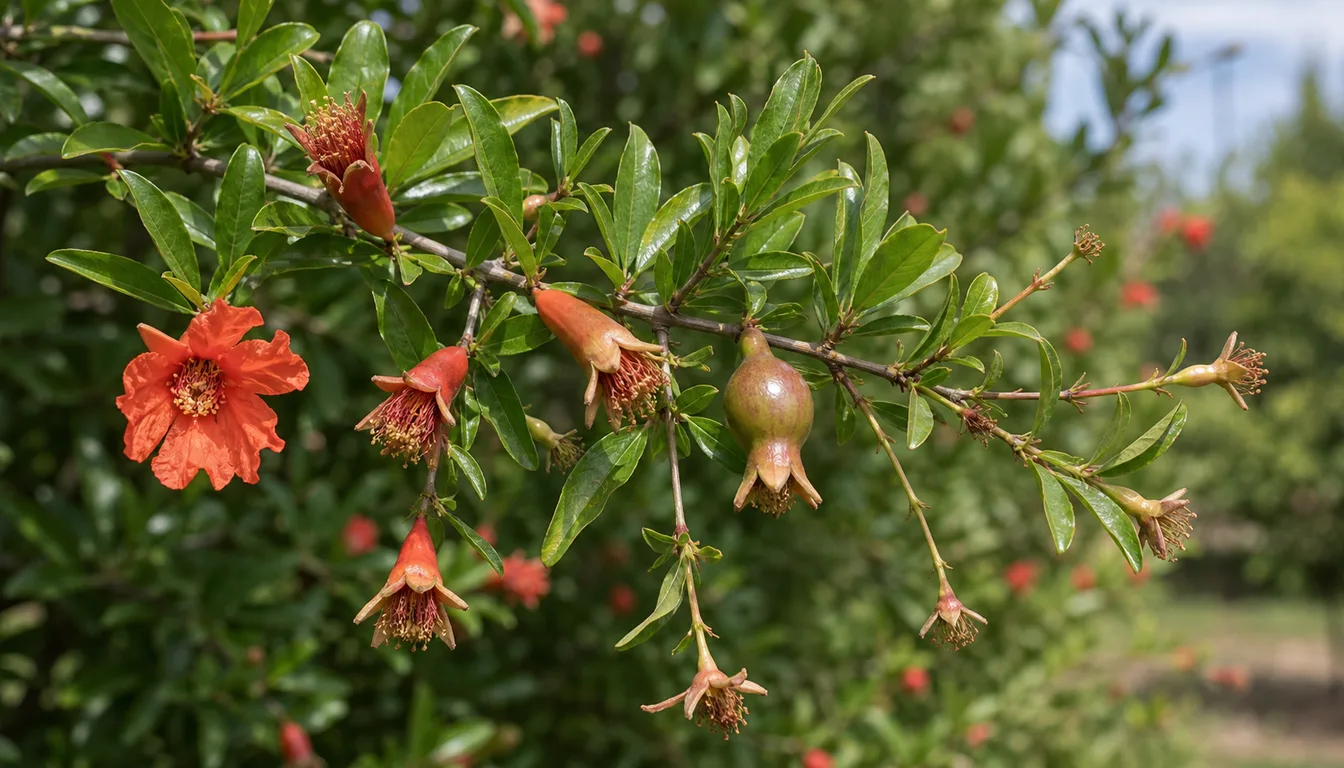
Pomegranate Poor Fruit Set
Likely cause: Check the flower base before treating the plantHow to use the problems index
- 24HouseplantsPothos yellow leaves
- 14ShrubsArborvitae winter burn
- 13VegetablesTomato blossom end rot
- 8FruitsApple tree poor fruit set
Show all 10 rows
| Plant group | Pages | Causes that come up most | Good place to start |
|---|---|---|---|
| Houseplants | 24 | Wet mix and root rot, a root ball that dried too far, low humidity, salt buildup | Pothos yellow leaves |
| Shrubs | 14 | Winter wind and sun, Phytophthora root rot, pruning at the wrong time, high soil pH | Arborvitae winter burn |
| Vegetables | 13 | Uneven watering, missed pollination, powdery mildew, chewing insects | Tomato blossom end rot |
| Fruits | 8 | Frost during bloom, no compatible pollinizer, leaf diseases, rain on ripe fruit | Apple tree poor fruit set |
| Trees | 7 | Spring frost on buds, hot sun and dry wind, cankers in stressed wood | Japanese maple leaf scorch |
| Flowers | 5 | Leaves cut back too early, wet soil, black spot, mildew, aphids | Rose black spot |
| Lawn and lawn grasses | 5 | Heat and drought dormancy, mowing too short, shade, brown patch | Kentucky bluegrass summer dormancy |
| Perennials | 4 | Too little sun, crowded clumps, leaf spot, powdery mildew | Daylily no blooms |
| Herbs | 3 | Soil that stays wet, downy mildew, spreading rhizomes | Basil yellow leaves |
| Succulents | 2 | Watering before the mix dries, too little light | Sedum overwatering |
Counts from the 85 problem pages on KnowTheYard as of November 2026. Causes are the ones those pages rank most likely.
How to read this index
Start with the plant, not the symptom. Yellow leaves on a pothos and yellow leaves on an azalea usually trace back to different causes, so each page here covers one plant and one symptom. Find your plant's group in the table below, then open the page that matches what you see.
Every page lists its likely causes in order and gives a quick check to separate them, such as pressing a spot to feel whether it is firm or soft. Work through that check before you treat anything. Most damage on this list comes from water, light, or weather, and spraying for a disease the plant does not have only adds stress.
Watering trouble comes up across almost every group. If your plant is not listed yet, the cause notes on a page for a similar plant are often a fair starting point, and the plant's own profile covers its normal care.
Help the plant recover
Correct moisture without swinging too far
Choose the least disruptive control
Feed only when growth can use it
At a glance
Show all 6 rows
| Problem | Plants | Most likely cause |
|---|---|---|
| Apple Tree Fungal Leaf Spots | Fruits | Read the color and the edge, then turn a leaf over |
| Apple Tree Poor Fruit Set | Fruits | Look at when it failed, not at the tree |
| Pear Tree Fire Blight | Fruits | Dead leaves still firmly attached, on a shoot tip bent into a hook |
| Pear Tree Poor Fruit Set | Fruits | No compatible pear pollen reached healthy flowers |
| Pomegranate Fruit Cracking | Fruits | A clean split after rain points first to a dry-to-wet moisture swing |
| Pomegranate Poor Fruit Set | Fruits | Check the flower base before treating the plant |
Source: the Quick diagnosis box on each problem page.
Next steps

How every guide is made

KnowTheYard Editorial publishes every guide, with its sources and last-changed date on the page.